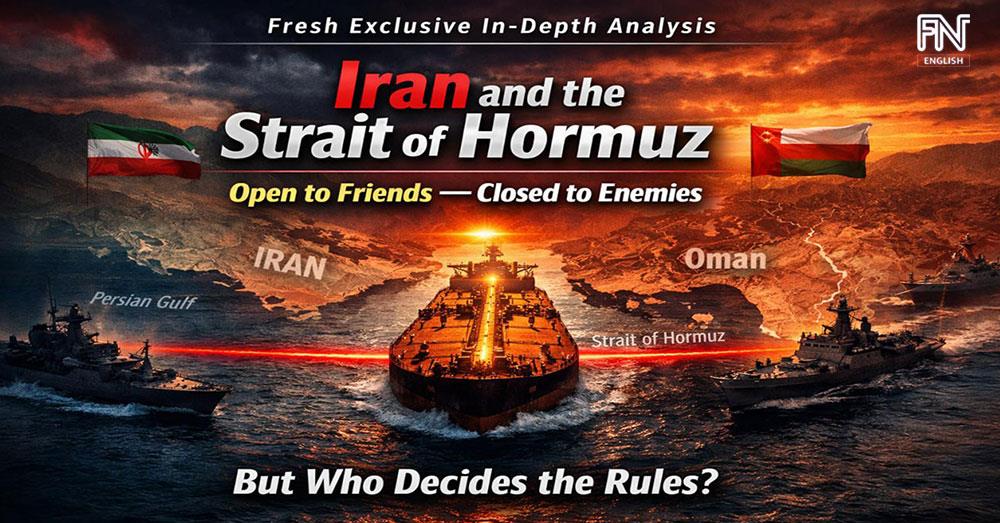
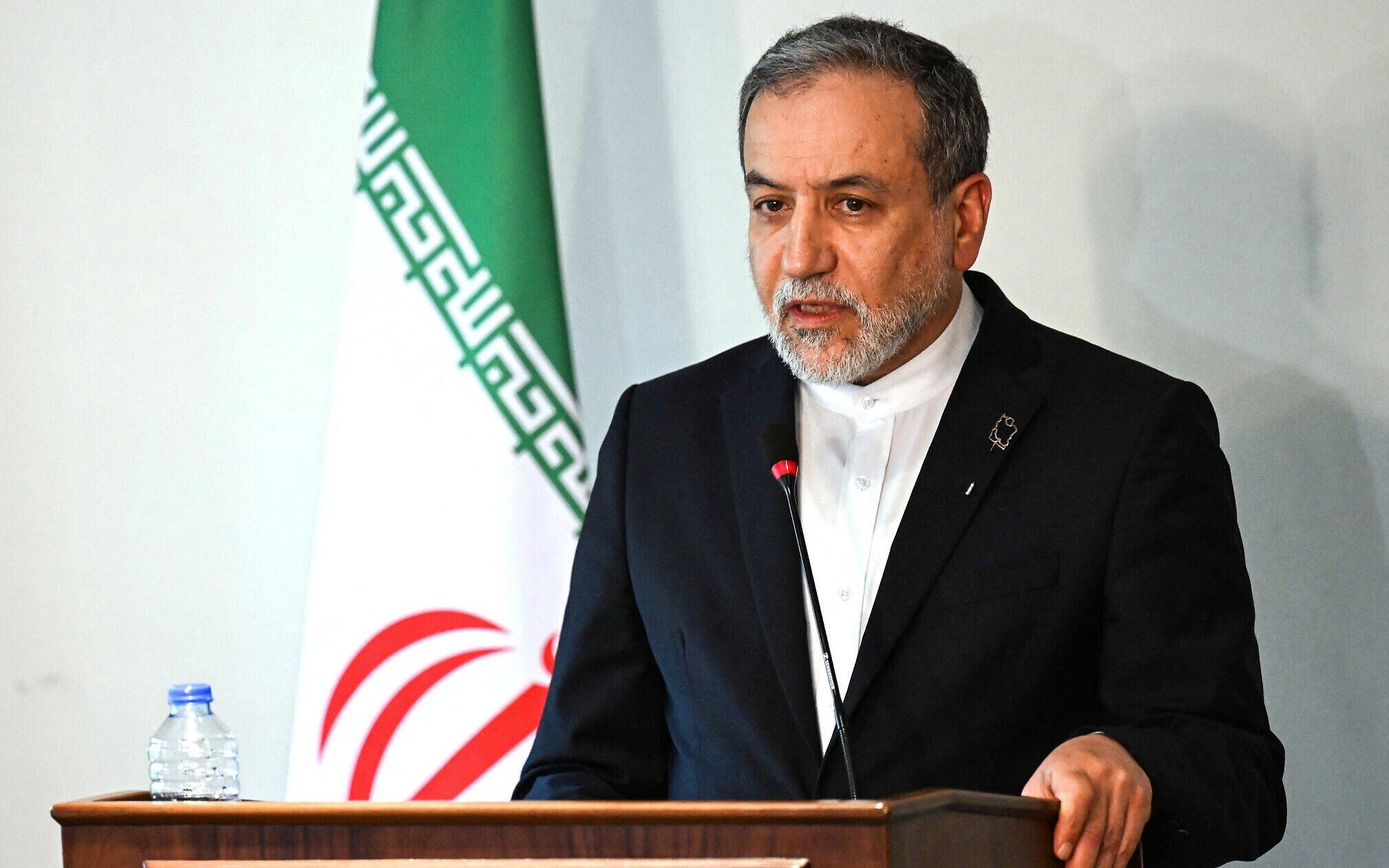
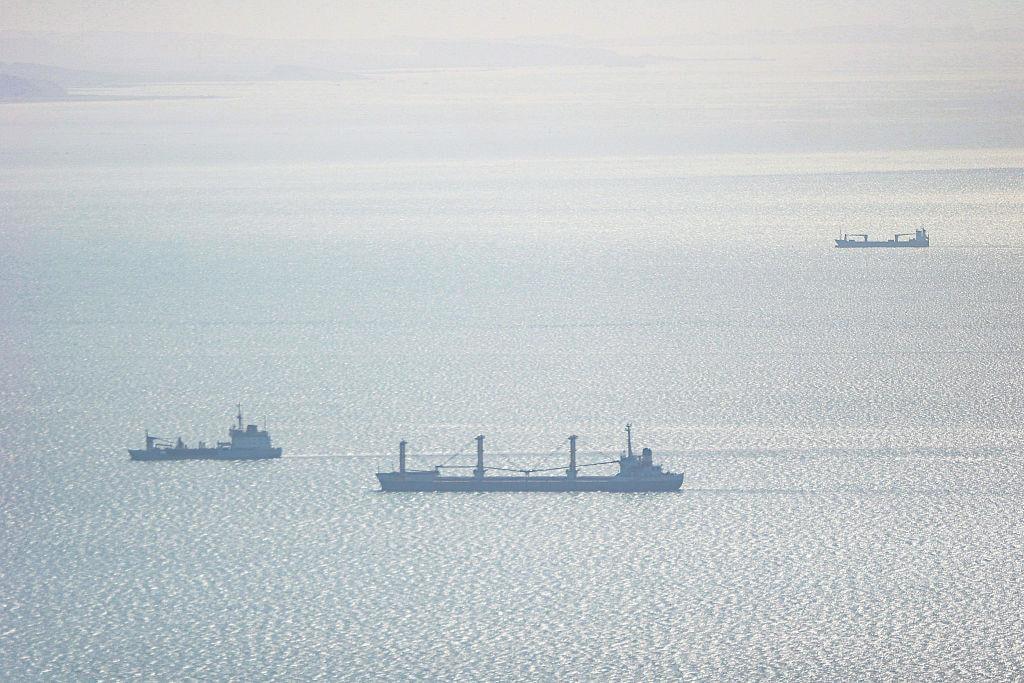
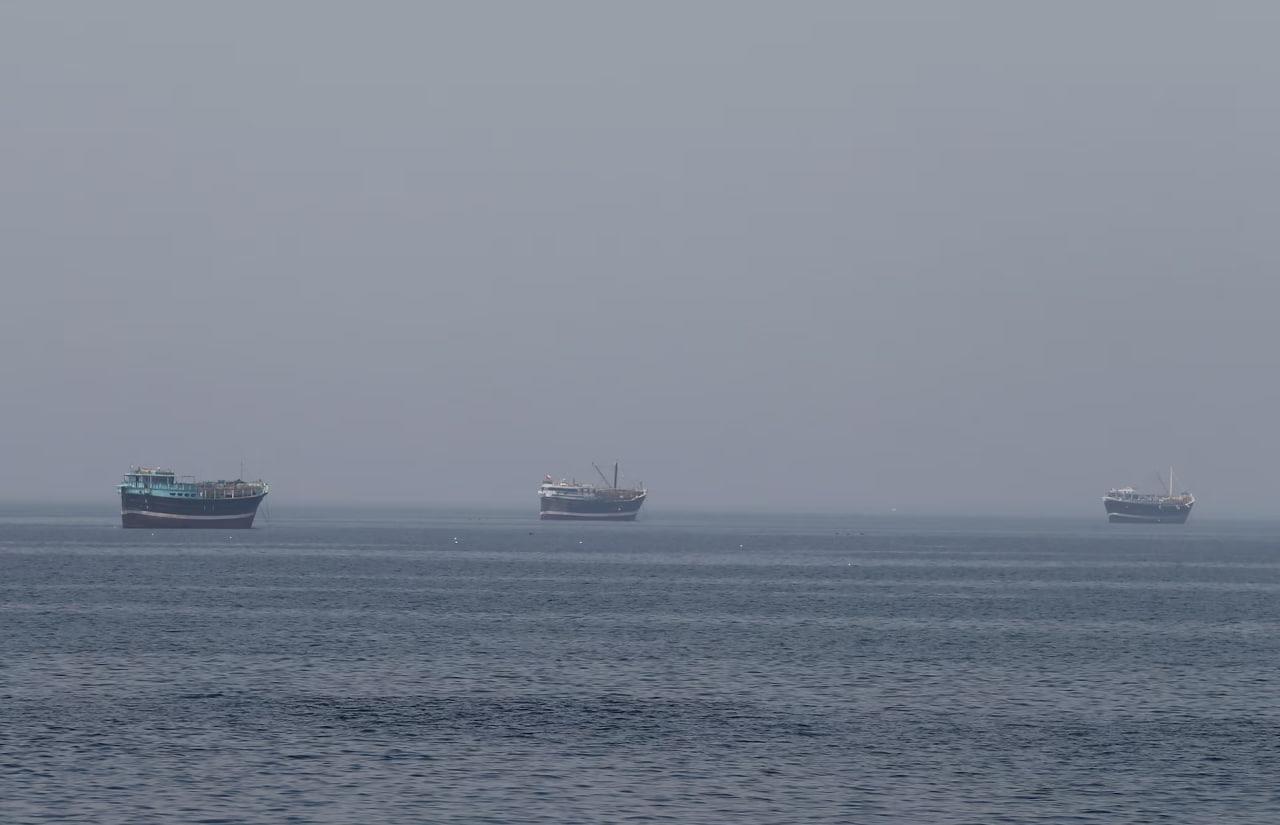
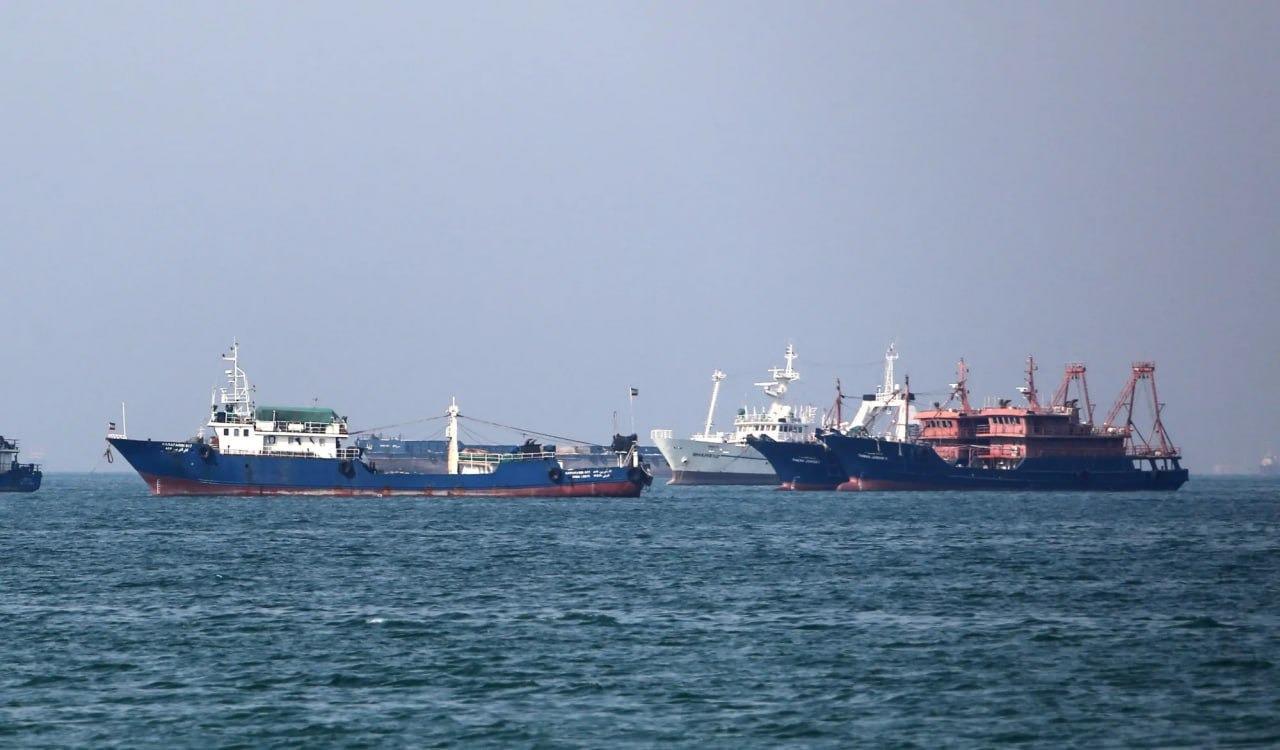
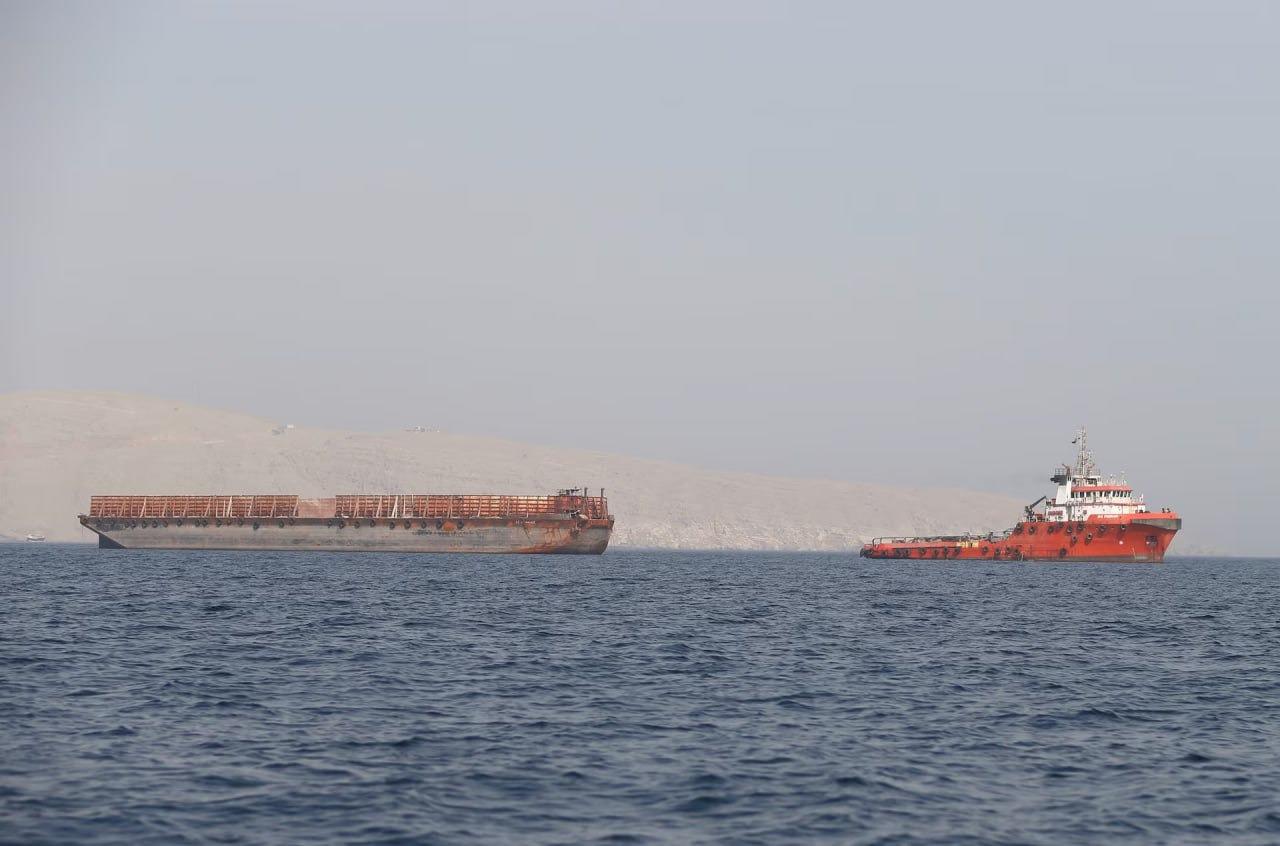
(Phnom Penh): Remarks by Iran’s Foreign Minister, Abbas Araghchi, asserting that the Strait of Hormuz is “open to friends and closed to enemies,” signal a critical shift in how Tehran is leveraging one of the world’s most vital maritime chokepoints.
Rather than imposing a total blockade on global energy flows, Iran appears to be applying selective control—transforming access into a strategic tool of pressure amid the ongoing U.S.–Israel conflict.
This raises urgent questions: Is the Strait of Hormuz still a global commons, accessible to all, or is it becoming a political instrument controlled by a single state? And ultimately, who has the authority to determine access to one of the world’s most critical maritime corridors?
Iran is no longer treating Hormuz merely as an oil transit route. It is increasingly positioning it as a geopolitical and economic lever.
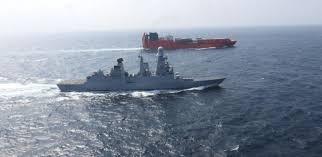
This policy emerges at a time when efforts to form an international naval coalition to secure oil shipments through Hormuz are facing uncertainty. Several countries have either declined participation or remained non-committal, resulting in a fragmented international response.
In this context, Iran is not only exploiting its geographic position but also capitalizing on divisions within the international alliance system, amplifying its strategic leverage.
Hormuz: Not Just a Strait, but the Artery of the Global Economy
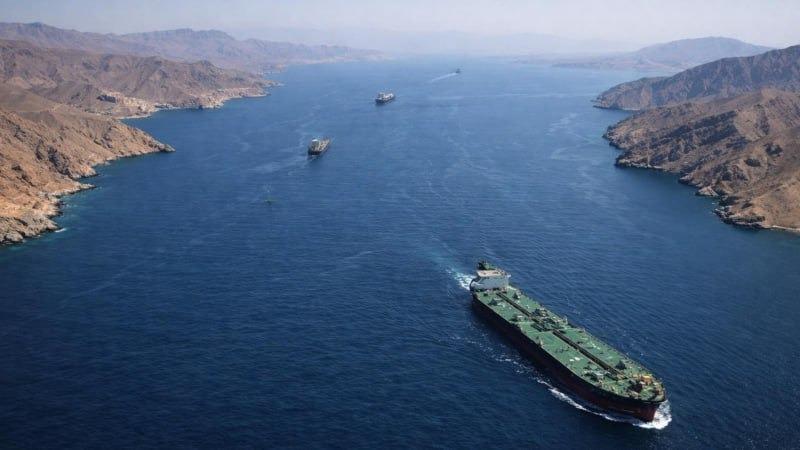
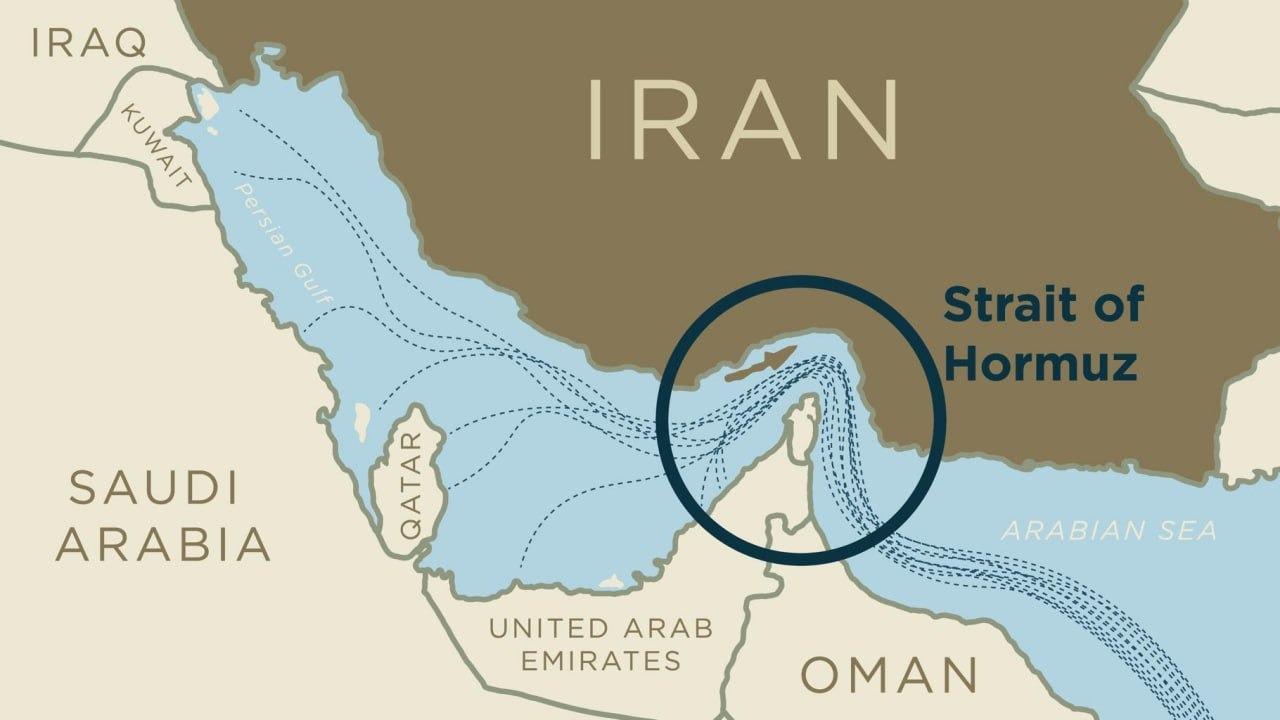
The Strait of Hormuz is far more than a narrow maritime passage—it is a central artery of the global energy system, with approximately one-fifth of the world’s oil supply passing through it.
Although the strait spans roughly over 30 kilometers in total width, the actual navigable shipping lanes are only a few kilometers wide in each direction, making it an exceptionally vulnerable chokepoint.
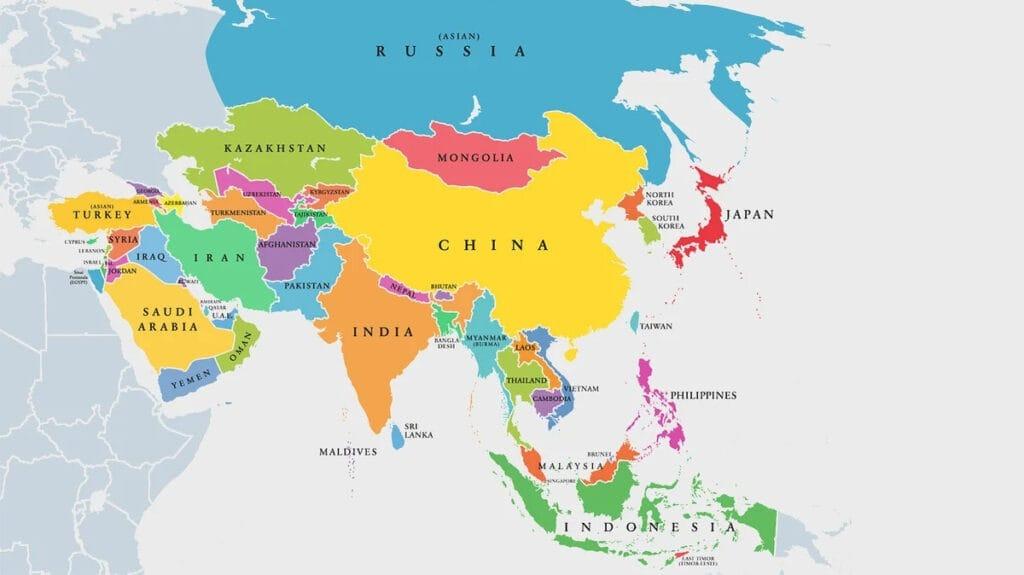
Major economies—including China, India, Japan, and much of Asia—depend heavily on this route to sustain industrial production and economic growth.
Even minor disruptions in Hormuz can trigger global oil price volatility, supply chain disruptions, and financial market instability.
For smaller, import-dependent countries like Cambodia, with limited strategic reserves, such disruptions are not distant concerns—they translate directly into higher living costs, transportation pressures, and economic instability.
In this sense, Hormuz is not merely a transit route—it is a determinant of global economic stability.
“Open to Friends, Closed to Enemies”: Strategic Pressure, Not Total Closure
Foreign Minister Abbas Araghchi’s statement does not signal a full closure of the Strait, but rather a calculated strategy:
- Avoid full-scale escalation
- Maintain leverage over adversaries
This reflects a shift toward geography as power—where strategic location is used not for direct confrontation, but for economic and political pressure.
However, under international law, particularly principles governing international straits, maritime passages are expected to remain open and non-discriminatory.
The idea of selectively allowing passage based on political alignment challenges the principle of freedom of navigation, a cornerstone of the global maritime order.
At this point, Hormuz is no longer just an oil route—it has become a testing ground between legal norms and real-world power dynamics.
International Alliances: When Disunity Creates Opportunity
For the United States and its allies, Iran’s selective control over Hormuz is unacceptable, as it directly threatens global energy security and maritime freedom.
Yet, on the ground, U.S. efforts to build a multinational naval coalition to escort tankers and secure the strait have faced limited support.
Several European countries have adopted a cautious stance—supporting maritime security in principle, but reluctant to engage in operations that could lead to direct military confrontation with Iran.
Others in Europe and Asia remain hesitant, concerned about escalation risks and domestic economic consequences.
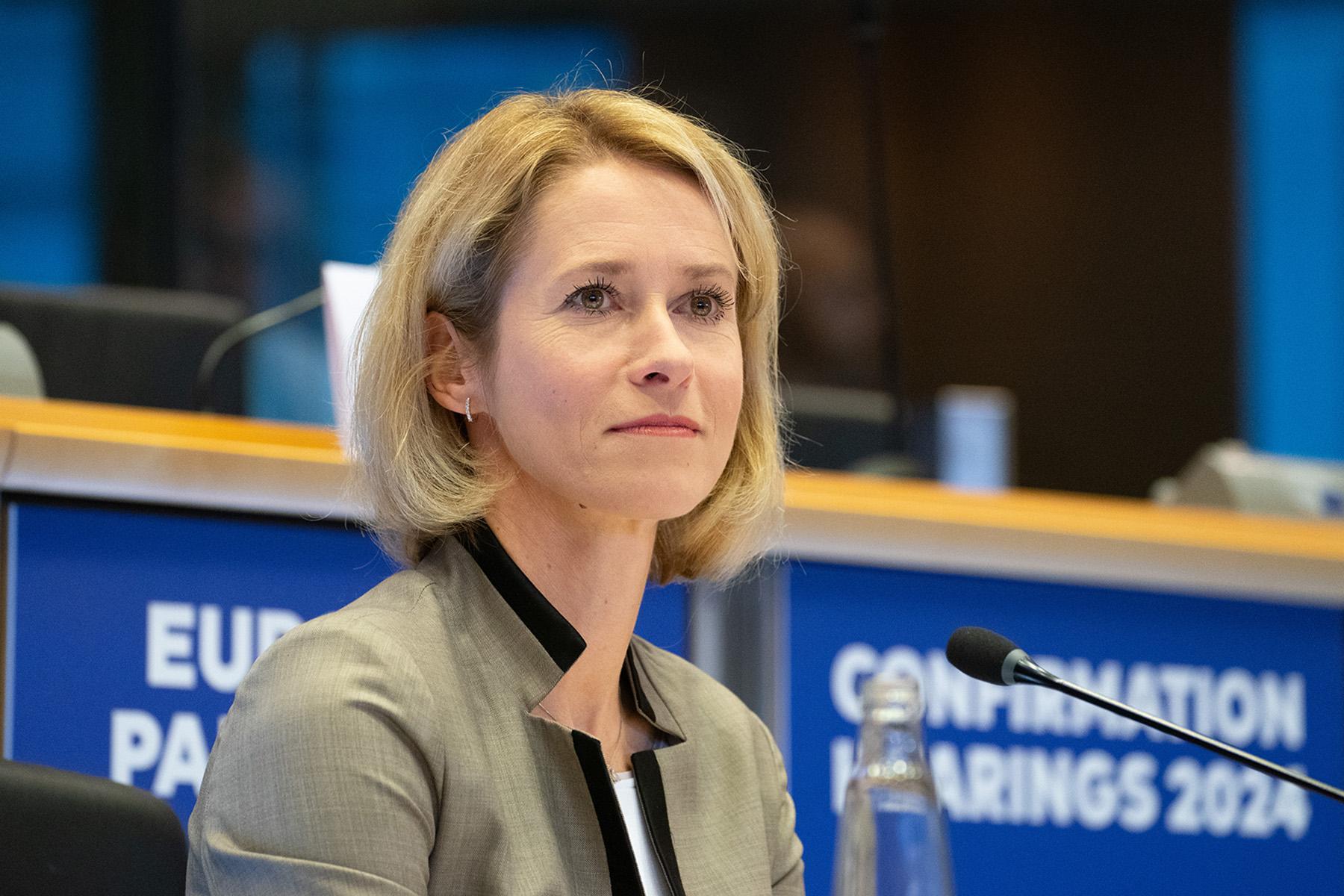
This cautious approach was reflected by EU foreign policy chief Kaja Kallas, who noted in Brussels:
“This is not Europe’s war, but Europe’s interests are directly at risk.”
At the same time, the European Union has emphasized its role through Operation Aspides, a naval mission focused on protecting shipping routes in the Red Sea, Gulf of Aden, and surrounding areas.
This indicates that Europe is not disengaged—but is instead limiting its involvement to manageable risk levels, rather than entering direct conflict.
This lack of coordination highlights a broader shift: international alliances are no longer able to act with the same unity as before.
In such an environment, Iran is not only leveraging geography—but also exploiting alliance fragmentation as a strategic asset.
Here, power does not arise solely from military strength—but from the failure of others to act collectively.
From Rules to Power: Is the World Order Shifting?
Developments in Hormuz may signal a deeper transformation in the global order—shifting from a rules-based system toward a power-based system.
When a state can decide who may pass and who may not, international law is no longer the primary governing principle. Instead, political and military power becomes the decisive factor.
In this context, the Strait of Hormuz is no longer just a shipping route governed by legal norms—it is becoming a symbol of the growing tension between law and power.
What remains uncertain is which of these forces will ultimately define the future global order.
Conclusion
Today, the Strait of Hormuz is no longer merely a transit corridor—it has become a strategic arena where law and power collide.
Iran’s declaration that the strait is “open to friends and closed to enemies” is not simply a military warning—it is a statement about who has the authority to set the rules.
The real question is no longer whether the United States agrees or disagrees.
The real question is: Will the international community allow a critical global chokepoint to become a political weapon, or will it act collectively to preserve it as a shared global commons accessible to all?