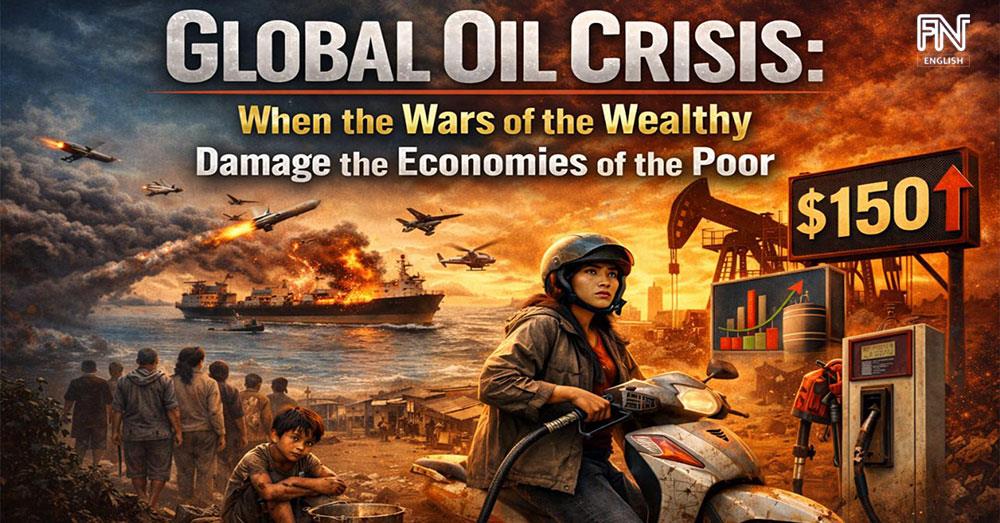
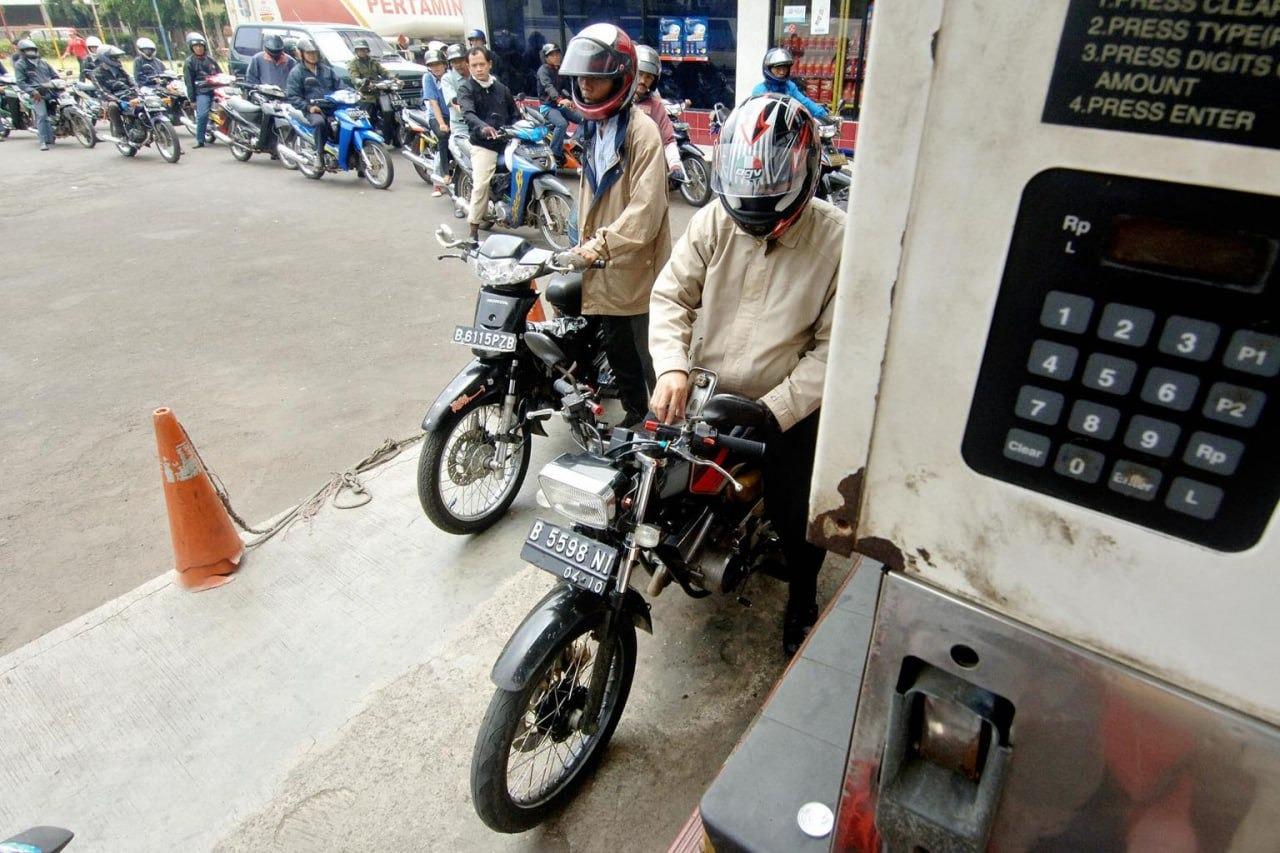
(Phnom Penh): As Srey Aum, the owner of a Honda Scoopy with Phnom Penh license plate 1CZ-6011, stood at a fuel station in the Cambodian capital, she glanced up at the fuel price board with visible concern.
For her, an employee at a private company in the city, the motorcycle is her primary means of commuting to work every day. But the recent surge in gasoline prices has forced her to think seriously about the future of her daily living costs.
In a quiet voice, she said:
“I’m worried that gasoline prices could keep rising. If that happens, my entire salary might end up being spent just on fuel.”
Srey Am then raised a question that many people across developing nations may also be asking:
“Why do wars between wealthy countries place such a heavy burden on the economies of poorer nations like Cambodia?”
Her question is not merely a personal concern. It reflects a broader reality of the modern global economy.
As conflict intensifies in the Middle East—particularly the confrontation involving Iran, Israel, and the United States—global energy markets are experiencing severe turbulence. The Strait of Hormuz, one of the world’s most critical oil transit routes, has become a focal point of the crisis.
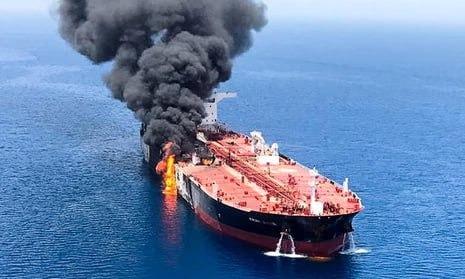
With attacks on oil tankers, threats to close the strait, and rising security risks in the region, international oil prices have begun to climb. For countries that depend heavily on imported fuel, such as Cambodia, a military conflict thousands of kilometers away can quickly transform into a daily economic burden at home.
Hormuz: A Narrow Strait That Can Shake the Global Economy
The Strait of Hormuz is one of the most vital chokepoints in the global energy system. Roughly one-fifth of the world’s oil supply passes through this narrow waterway every day. Because of its strategic geographic position, it is often described as the “energy artery” of the global economy.”
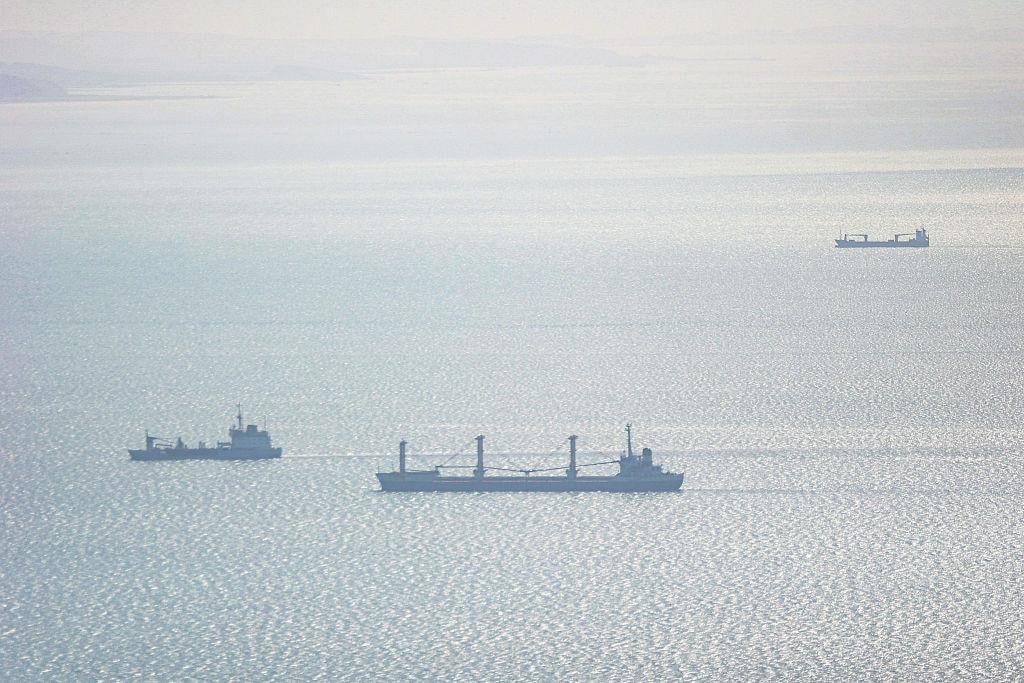
In the current conflict, Iran has leveraged this geography as a strategic pressure point. Attacks on oil tankers, the deployment of naval mines, and the use of drones and missiles have increased security risks in the region, prompting many shipping companies to hesitate before sending vessels through the strait.
At least 16 vessels have reportedly been attacked or threatened in and around the strait since the conflict escalated two weeks ago.
This situation has fueled anxiety in global energy markets and pushed international oil prices sharply higher.
Possible Strategic Miscalculation by the United States
The crisis has also revealed what some analysts describe as a strategic miscalculation by the United States.
According to reporting by CNN, some U.S. national security officials did not anticipate that Iran would go as far as threatening to close the Strait of Hormuz or use it as a strategic tool to pressure global energy markets.
Their assessment was based on the assumption that closing the strait would ultimately harm Iran itself more than anyone else, since Iranian oil exports must also pass through the same route.
Because of this reasoning, some policymakers believed Tehran would avoid a strategy that could severely damage its own economy.
However, developments on the ground have shown otherwise. Iran’s geographic advantage has enabled it to use the threat of closing the strait as a powerful strategic lever over global energy markets and countries that rely heavily on imported oil.
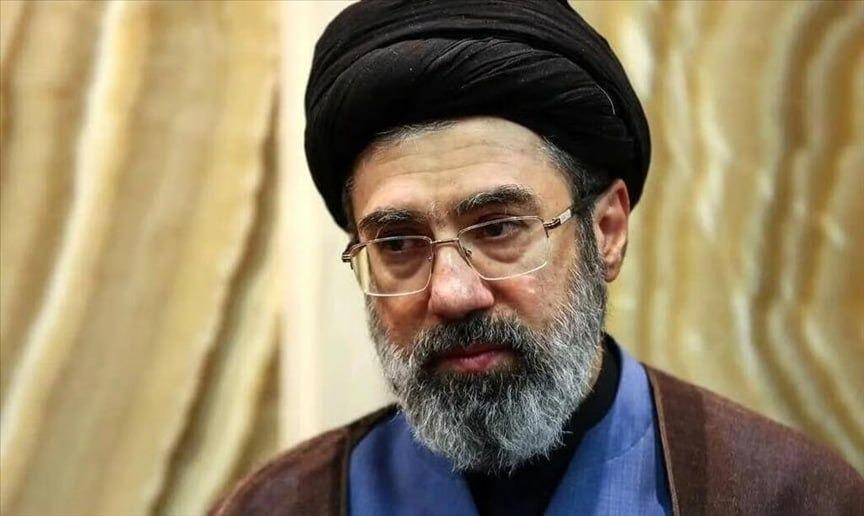
The clearest indication of this strategy emerged four days after Mojtaba Khamenei was appointed Iran’s new Supreme Leader with the religious title of Ayatollah. In his first public message, he praised Iran’s “Axis of Resistance” and called on neighboring countries to close U.S. military bases in the region.
At the same time, he emphasized that the Strait of Hormuz should remain a strategic pressure tool over global energy trade.
For many analysts, this underscores a broader reality of modern warfare: geography and energy resources can be weapons of strategic influence just as powerful as military force.
Options the United States Is Considering
In response to the crisis, the United States is weighing several options to reduce pressure on global energy markets and prevent oil prices from spiraling further.
Among the measures under consideration are temporarily easing sanctions on Russian oil to increase global supply, waiving certain provisions of the Jones Act, which requires domestic shipping between U.S. ports to be carried on American vessels, and reducing regulatory constraints on oil production to encourage greater domestic output.
At the same time, the U.S. government is also considering releasing approximately 172 million barrels of oil from the Strategic Petroleum Reserve (SPR).
This move is not intended solely for the U.S. domestic market. Because the United States remains one of the largest players in the global energy market, releasing additional oil into the system could help increase global supply and slow the pace of price increases.
The plan to deploy these reserves over a period of roughly 120 days also suggests that Washington views the crisis not as a short-term disruption, but as a prolonged period of pressure that requires an energy stability buffer to protect domestic economic conditions and support allies from severe price shocks.
Beyond economic tools, the United States is also considering military options, including naval escorts for oil tankers passing through high-risk areas. However, such operations remain difficult to implement due to the significant security threats posed by Iranian drones, missiles, and naval mines in the region.
In other words, Washington is relying on a combination of economic and military tools to counter Iran’s strategy—but none of these options can immediately restore stability to global energy markets.
Poorer Economies Are Paying the Real Price
Yet the most significant consequences of this crisis are not unfolding on the battlefield.
They are being felt in the daily lives of people in countries that have no direct involvement in the war.
Across Asia, nations that depend heavily on imported oil—such as Bangladesh, Pakistan, Sri Lanka, the Philippines, Laos, and Cambodia—are particularly vulnerable to rising energy prices.
As fuel costs increase, transportation costs rise as well. Food prices and other essential goods often follow, placing additional pressure on inflation and reducing the purchasing power of ordinary citizens.
These ripple effects can quickly create broader economic challenges that affect households, businesses, and national economies.
If global oil prices were to surge to $200 per barrel, analysts estimate that gasoline prices in many Asian countries reliant on fuel imports could reach roughly 8,000 to 10,000 Cambodian riel per liter.
For ordinary people, these figures are not merely energy market statistics—they represent real financial pressure on everyday living.
In this sense, the global energy crisis triggered by conflicts among major powers highlights a difficult truth about the modern world economy:
when wealthy nations go to war, it is often the poorer nations that end up paying the real price.
Conclusion
At the end of that same day, Srey Aum finished filling her tank and rode her Scoopy away from the fuel station, heading home like countless other ordinary residents of Phnom Penh.
But the question she asked still lingers in the air—one that resonates far beyond Cambodia:
“Why should poorer countries have to pay the price for wars between wealthy nations? Is this the justice of the global system?”
In a world connected by energy markets, trade flows, and supply chains, a conflict thousands of kilometers away can quickly translate into economic pressure on households in distant cities.
In such a world, the most important question may not be who wins the war, but who ultimately pays the cost.