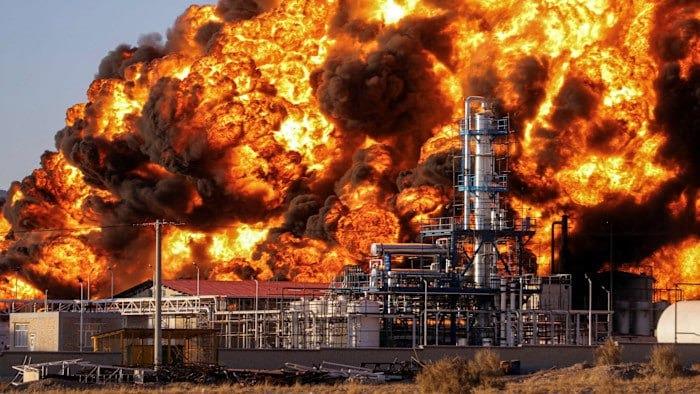
(Phnom Penh): When a war erupts in the Middle East, most observers instinctively focus on missiles, fighter jets, and military installations. Yet in the current Iran crisis, the real center of gravity is not only weapons. It is oil — the lifeblood of the global economy.
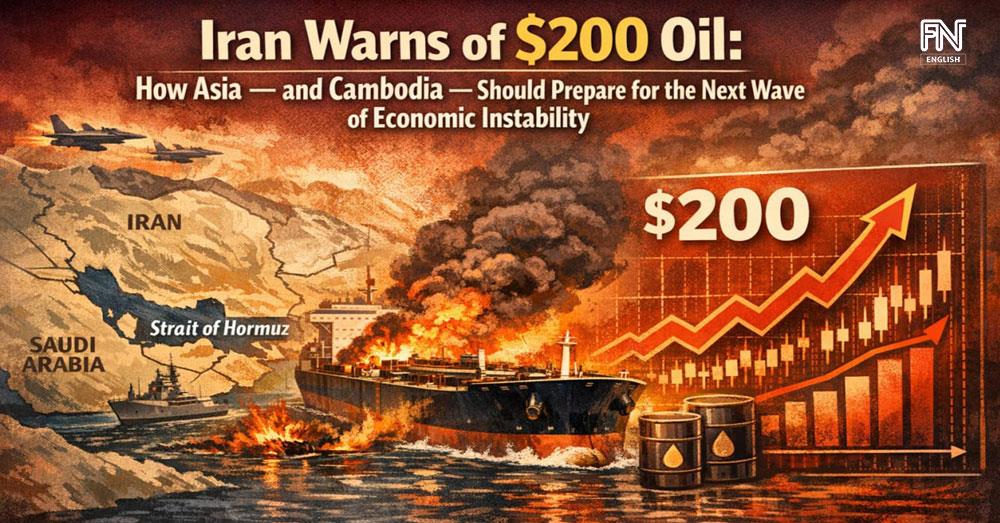
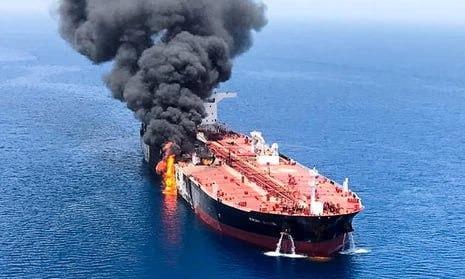
As ships come under attack in the Gulf, as Iranian officials warn the world to prepare for oil prices potentially reaching $200 per barrel, and as the United States moves to release 172 million barrels from its Strategic Petroleum Reserve, one reality is becoming increasingly clear: this conflict is evolving into a contest between energy strategy and military strategy.
In other words, the battlefield is no longer limited to land, sea, or air. It has expanded into global energy markets and economic stability.
What is particularly striking is that the United States is not responding solely with military force. Washington is also deploying the power of energy markets. According to reports by Reuters and the Financial Times, the United States plans to release 172 million barrels of oil from its Strategic Petroleum Reserve over approximately 120 days, as part of a broader coordinated release of 400 million barrels organized by the International Energy Agency (IEA) to help stabilize global energy prices and calm market panic.
This suggests that Washington is pursuing a dual-track strategy: one hand relies on military power and maritime control, while the other uses strategic oil reserves and economic tools to prevent the conflict from destabilizing its domestic economy and that of its allies.
A War Over Oil and Economic Resilience
In short, the Iran conflict today is not simply a war fought through airstrikes or retaliation. It is rapidly becoming a confrontation over oil prices, economic stability, and the ability of states to withstand rising global costs.
For Asia — the world’s largest oil-importing region — the danger extends far beyond higher gasoline prices. The risks include inflation in consumer goods, rising transportation costs, food price increases, disruptions to supply chains, and growing pressure on government budgets.
For Cambodia, which relies almost entirely on imported fuel, the situation could quickly translate into an imported economic shock, requiring preparation before the impact reaches domestic markets.
America’s First Strategy: Using Oil to Stabilize Markets
The release of 172 million barrels from the Strategic Petroleum Reserve is not simply a measure aimed at the U.S. domestic market. Because the United States is one of the largest players in global energy markets, injecting additional supply can help stabilize global oil prices and prevent them from spiraling further upward.
The 120-day timeline also indicates that Washington does not view this crisis as a short-term disruption lasting only days or weeks. Rather, it expects prolonged pressure over several months, requiring a window of energy stability to protect its domestic economy and assist its allies.
This approach could be described as an “energy shield” for the United States. If oil prices surge dramatically, the U.S. would face rising gasoline prices, inflationary pressure, and domestic political challenges. The release of strategic reserves therefore serves not only consumers but also helps preserve economic stability while Washington pursues its broader military and diplomatic strategy.
America’s Second Strategy: Military Control of Strategic Shipping Routes
Alongside its energy strategy, the United States is also pursuing a clear military objective: maintaining the security of shipping lanes in and around the Strait of Hormuz, while limiting Iran’s ability to close or disrupt this critical chokepoint.
Reuters has reported that Iran has deployed approximately twelve naval mines in the Strait of Hormuz, contributing to disruptions in the movement of oil and liquefied natural gas (LNG) through the corridor. In response, the United States has demanded that the mines be removed and warned that further escalation could trigger additional military responses.
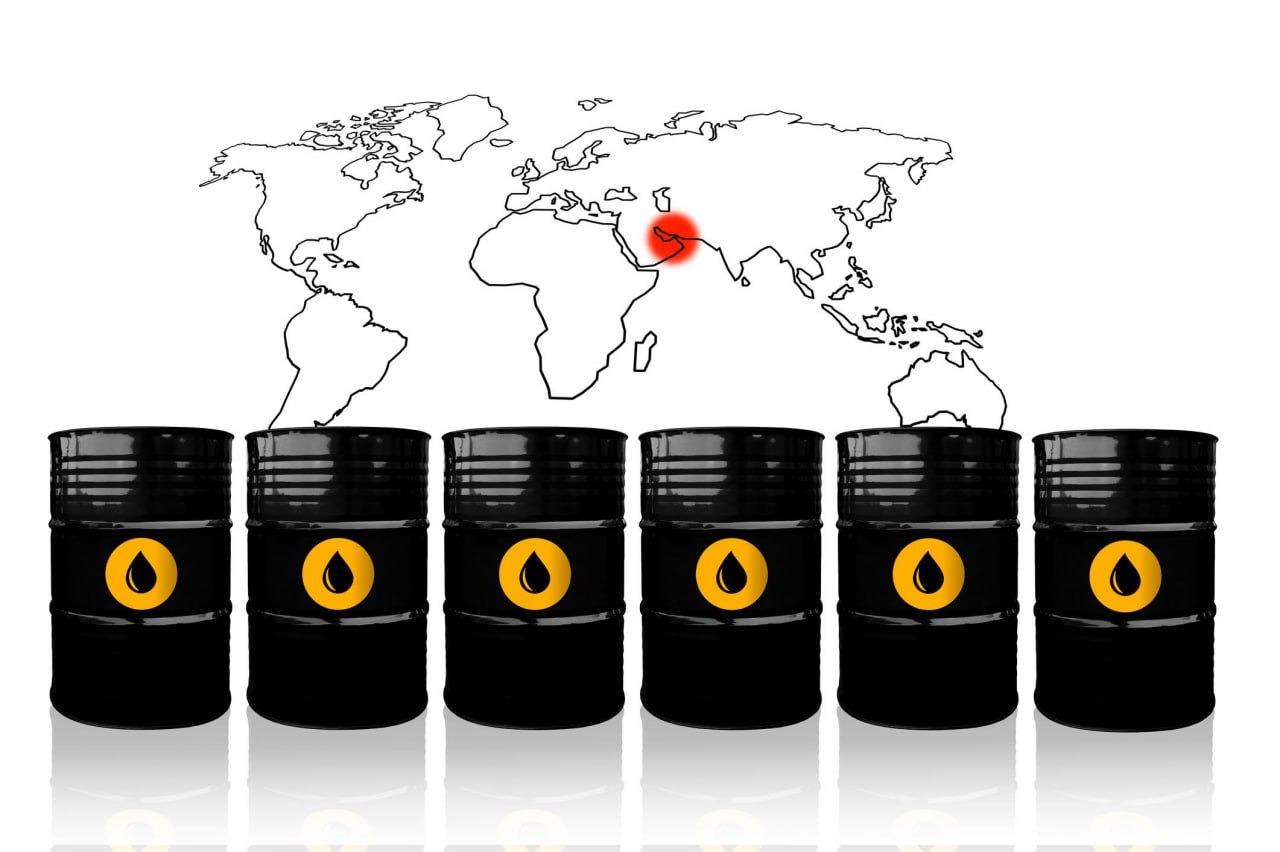
This issue is particularly critical because the Strait of Hormuz is far from an ordinary maritime passage. According to the U.S. Energy Information Administration (EIA) and the International Energy Agency, around 20 million barrels of oil per day pass through the strait, representing roughly 20 percent of global petroleum consumption and nearly one-quarter of the world’s seaborne oil trade.
The IEA also notes that a large portion of these shipments — the majority — ultimately flows toward Asian markets.
Why the $200 Oil Warning Matters
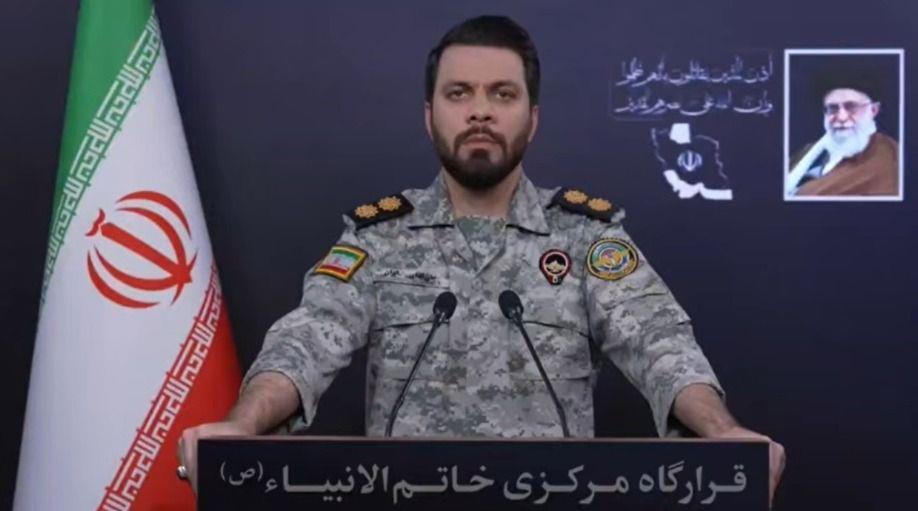
Iranian military spokesman Ebrahim Zolfaqari has warned that global oil prices could rise to $200 per barrel, while also threatening potential attacks against financial institutions doing business with the United States or Israel. He further advised residents across the Middle East to maintain a distance of at least 1,000 meters from such banks.
These warnings are not merely psychological tactics. They signal that Iran recognizes its most powerful leverage may not lie solely in missiles, but in its ability to disrupt global energy security.
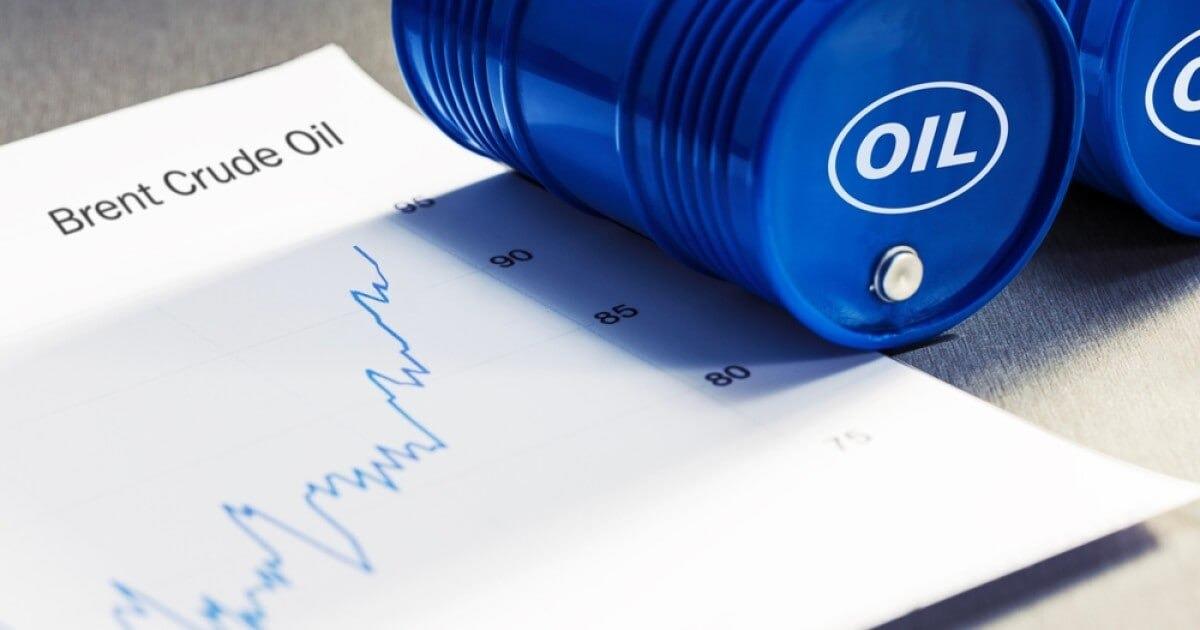
A price of $200 per barrel is not inevitable. However, it represents a worst-case scenario that markets must take seriously. Reports from the Financial Times indicate that the global benchmark Brent crude price recently climbed to around $119 per barrel — the highest level in four years — before easing slightly after the IEA announced emergency oil releases.
This demonstrates how fragile energy markets currently are: even the possibility of disruption can trigger sharp price movements.
Asia: The Region Most Vulnerable
If the Strait of Hormuz were severely disrupted, Asia would likely be the first and hardest-hit region.
The IEA reports that the majority of crude oil shipments passing through the strait are destined for Asia, with China and India together accounting for roughly 44 percent of those flows. Reuters has also noted that as of January 2026, 55 percent of India’s crude oil imports came from the Middle East, while India maintains strategic reserves sufficient for approximately 74 days of supply.
If oil prices rise significantly, the consequences for Asia could include higher manufacturing costs, increased electricity prices, rising transportation expenses, and renewed inflationary pressure across regional economies.
In effect, an energy crisis in the Middle East could quickly become an economic crisis across Asia.
Cambodia: A Small Economy Facing Direct Impact
For Cambodia, the issue deserves serious attention. Data from Cambodia’s Ministry of Commerce, cited by Xinhua News Agency, indicates that the country imported $2.43 billion worth of diesel, gasoline, and combustion gas in 2025. In January 2026 alone, Cambodia spent approximately $219.5 million on fuel imports.
These figures underscore how heavily Cambodia’s economy depends on imported energy.
The impact could unfold in several layers. First, domestic gasoline and diesel prices could rise. Second, transportation and logistics costs would increase, affecting agriculture, construction, manufacturing, and trade. Third, food and consumer goods prices could climb, since fuel costs influence nearly every stage of the supply chain.
If sustained, these pressures would disproportionately affect low- and middle-income households.
How Cambodia and Asia Can Prepare
The first step is recognizing that this crisis is not merely about fuel prices; it is fundamentally about economic security.
Across Asia, governments may need to focus on three strategic priorities: ensuring energy reserves, managing price volatility, and protecting supply chains.
Reuters reports that India has already encouraged energy conservation and implemented emergency measures related to LPG supply. Other Asian countries are considering policies such as fuel subsidies, price caps, and the release of national reserves.
For Cambodia, preparation could involve at least four areas. First, authorities should assess national fuel stockpiles to ensure short-term supply security. Second, mechanisms should be established to shield vulnerable populations from sudden spikes in transportation and food costs. Third, market monitoring should be strengthened to prevent price manipulation or hoarding. Fourth, policies promoting energy conservation and exploring alternative energy sources should be encouraged where feasible.
These preparations do not mean Cambodia is already facing an immediate crisis. Rather, they reflect the principle that a small economy should not wait until an energy shock arrives before responding.
Conclusion
The Iran conflict offers an important lesson for the global economy in the 21st century. Modern warfare is no longer conducted solely through bombs and missiles. It can also unfold through energy chokepoints and oil prices, capable of shaking the foundations of the global economy.
The United States is responding with a dual strategy, combining military power with the strategic use of energy reserves. Iran, meanwhile, is leveraging its ability to threaten global energy security.
Caught between these competing strategies is the world economy — and Asia stands on the front line of potential disruption.
For Cambodia, the lesson is clear: an oil crisis abroad can quickly become a price crisis at home. Preparing energy reserves, strengthening market oversight, protecting vulnerable households, and planning ahead for energy resilience are no longer optional measures. They are essential economic responsibilities for a small nation navigating an increasingly uncertain world.