(Phnom Penh): The war between Iran and the U.S.–Israel alliance is no longer merely a conventional military confrontation between two opposing forces. It is increasingly emerging as a contest between energy strategy and military power—a struggle that may determine which side can force this war toward an end first.
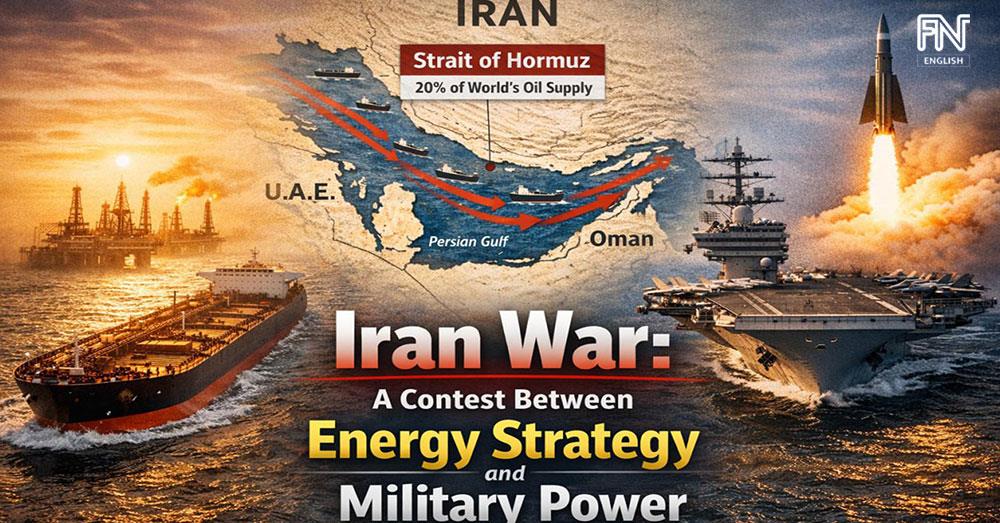
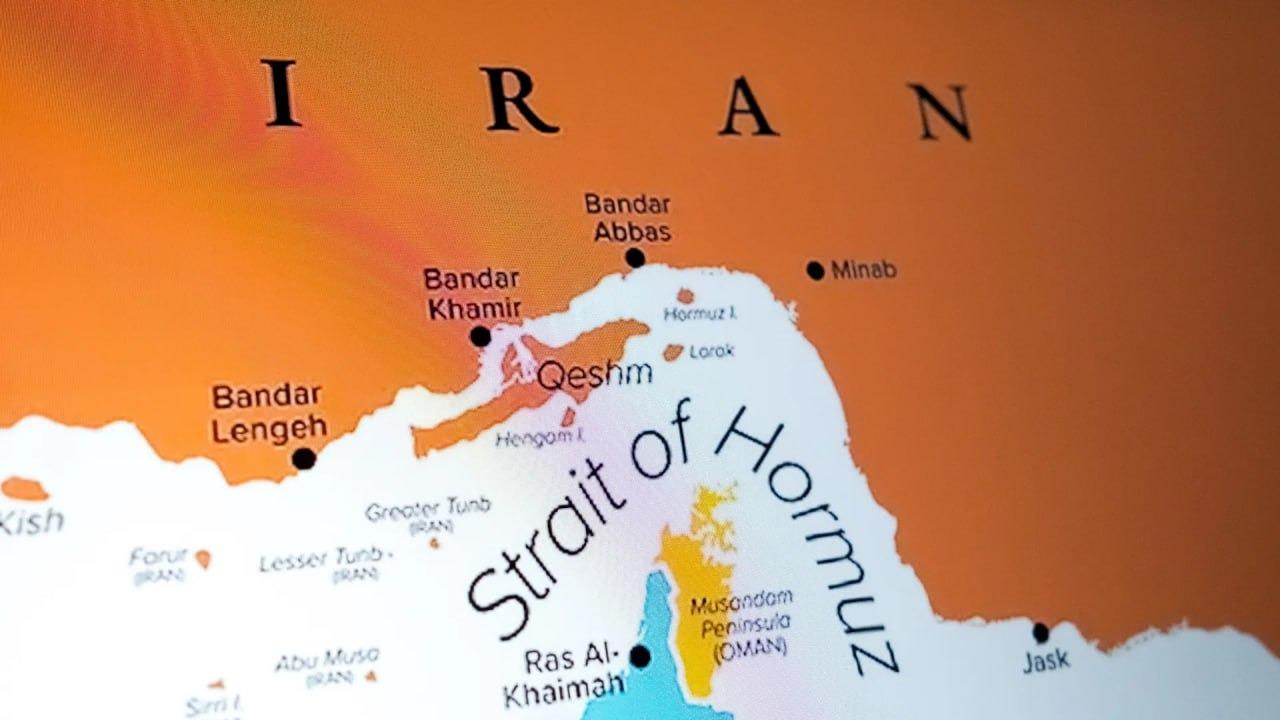
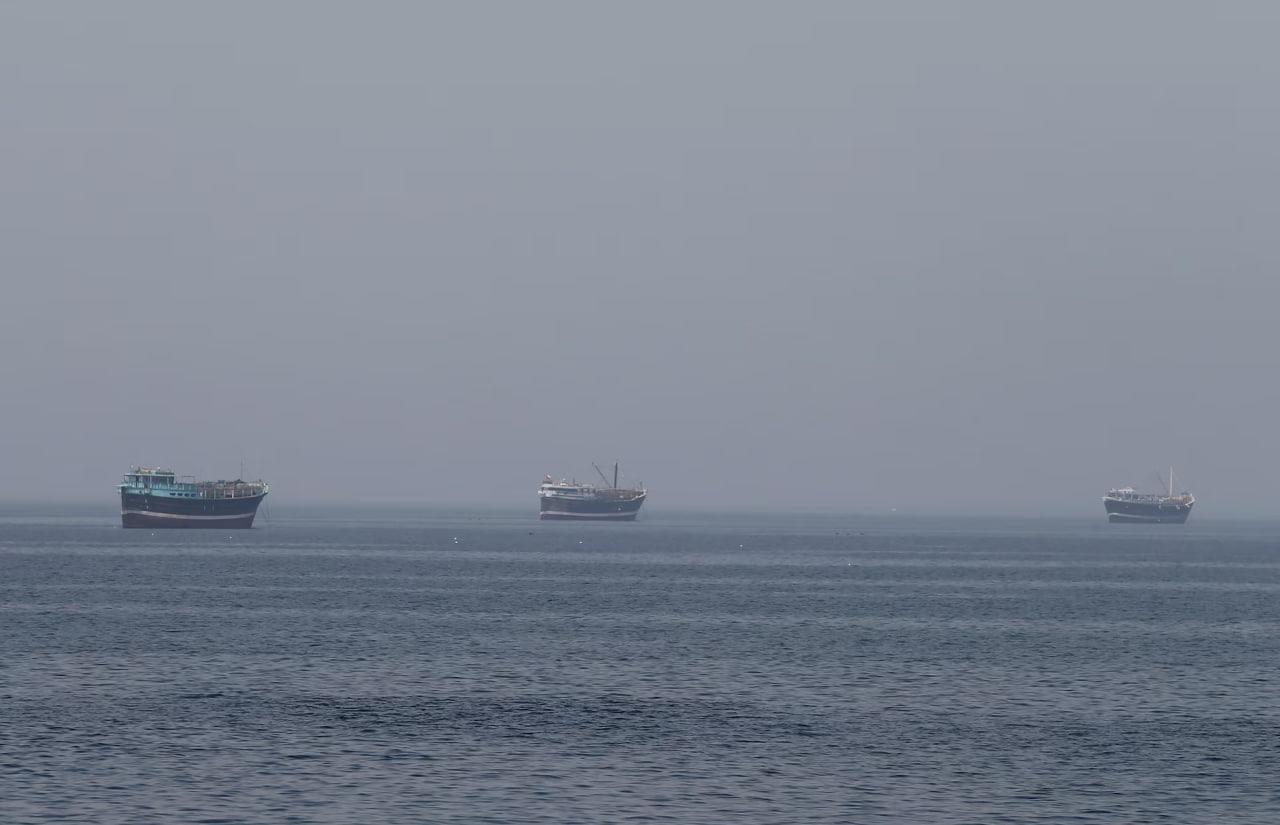
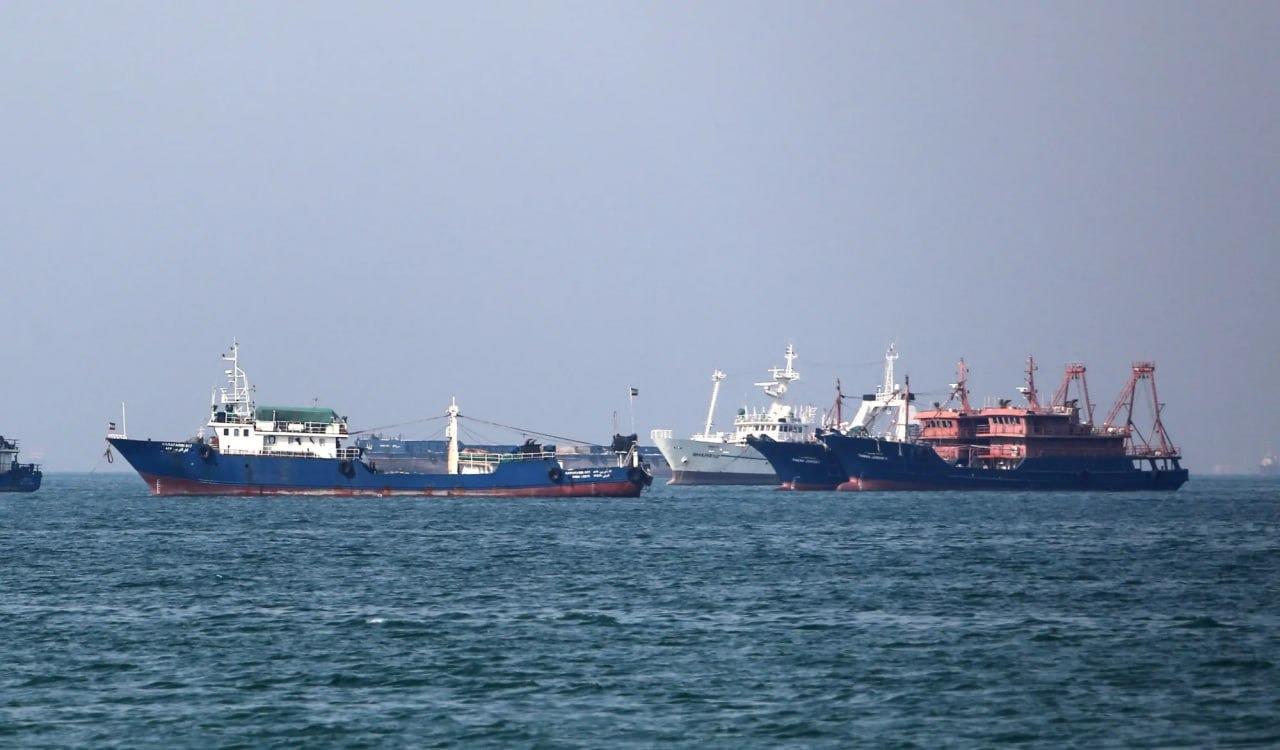
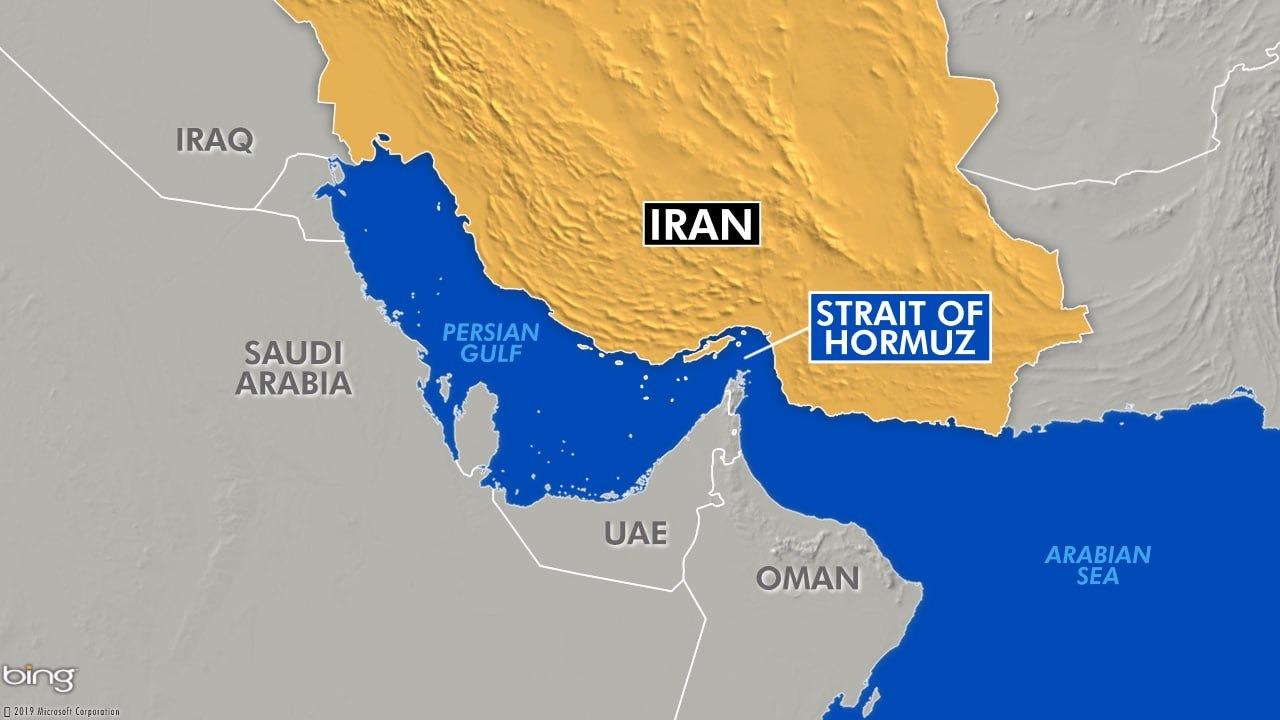
In this context, Iran is attempting to use “energy as a weapon” by threatening to disrupt critical oil shipping routes, especially the Strait of Hormuz, a chokepoint through which roughly one-fifth of the world’s oil supply passes. Tehran’s objective is to put pressure on the global economy, thereby raising the political and economic cost for the United States and its allies.
By contrast, the United States and Israel are pursuing a different strategy: rapid and targeted military strikes aimed at degrading Iran’s military capabilities as quickly as possible, before Tehran can fully transform this conflict into a global economic crisis.
In this sense, the current war is becoming a race between two competing strategic approaches:
- an energy strategy, which Iran is using to pressure the global oil market; and
- a military strategy, which the U.S.–Israel alliance is using to destroy Iran’s war-making capacity.
The central question now is this: Can Iran trigger a global economic crisis first, or can the United States destroy Iran’s military capabilities first?
Iran’s Energy Strategy
Iran’s most powerful strategic asset is not simply its missiles or military force, but its geography—especially its proximity to the Strait of Hormuz, one of the most critical energy transit chokepoints in the world.
Economic evidence shows that:
- around 20 percent of global oil supplies pass through this waterway; and
- a substantial share of liquefied natural gas (LNG) exports also transits through it.
This means that if energy shipping traffic is disrupted, even temporarily, the consequences for the global economy could be severe. Such effects could include:
- a rapid surge in oil prices;
- rising global inflation; and
- heightened uncertainty and panic in international financial markets.
In this context, Iranian foreign policy adviser Kamal Kharazi recently told CNN that this war may end not through direct negotiations, but through economic pressure on the global system.
From Tehran’s strategic perspective, if an energy crisis causes oil prices to rise sharply and places heavy strain on world markets, Gulf states and major economic powers may be compelled to pressure Washington to end the fighting.
In other words, Iran is trying to turn the cost of this war into a global economic problem, not merely a battlefield issue confined to the immediate combatants.
The Military Strategy of the United States and Israel
While Iran is relying on energy and economic pressure to shape the broader international environment, the U.S.–Israel alliance is pursuing a different course: weakening Iran’s military capabilities before that strategy can generate full-scale consequences.
The primary targets of these strikes include:
- missile bases;
- drone facilities;
- naval installations; and
- the networks and military infrastructure of the Islamic Revolutionary Guard Corps (IRGC).
This military strategy appears to serve at least three major objectives.
First, it aims to reduce Iran’s offensive capacity so that Tehran cannot further expand the war.
Second, it seeks to diminish Iran’s ability to disrupt or shut down critical energy routes that could trigger a global economic shock.
Third, it is designed to force Iran to scale back its strategic pressure and retreat from using “energy as a weapon” against the Western alliance.
In addition, the United States has demonstrated a strong military presence in the Middle East by deploying carrier groups and missile defense systems to protect commercial shipping and preserve open access to vital energy corridors.
In this sense, the strategy of the United States and Israel is not merely a routine military response. It is a race against time to degrade Iran’s war-fighting capacity before Tehran can successfully use an energy crisis to coerce the wider world.
Why Is Iran Still Able to Resist Despite Heavy Strikes?
Although President Donald Trump has claimed that the United States and its allies have destroyed key elements of Iran’s military capabilities, developments on the battlefield suggest that Tehran still retains the ability to resist and continue exerting strategic pressure.
This can be explained by one key characteristic of Iran’s military doctrine: strategic resilience under attack.
For decades, Iran has organized its national defense system around the assumption that it could face attacks from superior military powers. As a result, its capabilities have been dispersed and distributed across multiple locations, rather than concentrated in large, easily targetable facilities.
Reports indicate that the IRGC maintains missile bases and weapons stockpiles in underground networks and mountainous—a structure that makes total destruction far more difficult. The purpose of this arrangement is straightforward: to ensure that even after heavy initial strikes, part of Iran’s retaliatory capability can continue to function.
Moreover, Iran has developed a military approach based on flexible, lower-cost systems, including long-range missiles, drones, and fast attack boats. Such weapons can remain operational even if some fixed military infrastructure has been destroyed.
In this sense, claims that “Iran’s military capabilities have been destroyed” may reflect only partial damage, not the complete elimination of Iran’s war-fighting capacity. For many military analysts, Iran’s greatest strength lies not in the number of bases it possesses, but in its ability to continue fighting even after absorbing substantial blows.
That is why, in the current conflict, the destruction of numerous military targets does not necessarily mean that the war has already been decided. On the contrary, it suggests that this could become a protracted war in which both sides compete not only through firepower, but through their ability to endure and preserve strategic capacity over time.
The Factors That May Determine the Outcome of the War
Many analysts believe that the outcome of this war may be determined by three key factors, all of which are shaping a race between energy strategy and military power.
1. Time: The Race Against Time
In this war, time itself has become a decisive factor. The question analysts are closely watching is: Can an energy crisis emerge faster than Iran’s military capabilities can be destroyed?
If Iran can disrupt key oil shipping routes such as the Strait of Hormuz before the U.S.–Israel alliance neutralizes its military capacity, economic pressure could spread across the world very quickly. On the other hand, if allied military strikes can destroy Iran’s missile systems and strategic infrastructure first, Tehran’s ability to use “energy as a weapon” may be sharply reduced.
2. Global Economic Pressure
The global energy market is another crucial arena that may determine the direction of this war. If oil prices rise dramatically and trigger an energy crisis in major economies such as China, India, or Europe, this could generate significant international political pressure for a ceasefire.
In that scenario, Iran may hope that economic disruption will force the Western alliance to reconsider the intensity of its military pressure. But if global oil markets can adjust, or if alternative supplies from other regions can compensate, that pressure may prove less effective than Tehran expects.
3. Military Capability and Maritime Control
The final factor is the actual military capability of both sides. If the United States and Israel can quickly destroy Iran’s missile systems, drones, and military networks, Iran’s ability to interfere with energy shipping routes may be severely curtailed.
Conversely, if Iran can preserve its maritime strike capability and continue threatening commercial vessels, the war could evolve into a major maritime security crisis with broad consequences for the global economy.
In this sense, the Iran war is increasingly appearing as a race between two strategic methods:
- an energy strategy, used by Iran to exert global economic pressure; and
- a military strategy, used by the U.S.–Israel alliance to dismantle Iran’s war-making capacity.
The unresolved question, therefore, is this: Which side will reach its strategic objective first—the side seeking to create an energy crisis, or the side seeking to destroy the other’s military capabilities?
The answer may determine not only the duration of the war, but also the future direction of the Middle East’s security and economic architecture.
Conclusion
The war in Iran is therefore no longer merely a confrontation between weapons and weapons. It is a race against time between energy strategy and military power. Iran is attempting to exploit the vulnerability of the global energy market as an instrument of political and economic pressure against its adversaries, while the United States and Israel are trying to destroy Tehran’s military capabilities before that strategy can produce a full-scale international crisis.
For that reason, the central question is not simply who is stronger on the battlefield, but who can force the other side—and the wider world—to pay the cost of this war first.
If Iran can disrupt vital energy routes for long enough, economic pressure may compel major powers and regional states to intervene and demand an end to the fighting. But if the U.S.–Israel alliance can rapidly destroy Iran’s missile systems, military networks, and maritime strike capacity, then Tehran’s “energy weapon” may lose its effectiveness.
Ultimately, the outcome of this war may not be determined by the last missile fired, but by which system breaks first—the global energy system, or Iran’s military capacity. The answer to that question may shape not only the duration of the conflict, but also the future architecture of security, energy, and power across the Middle East.