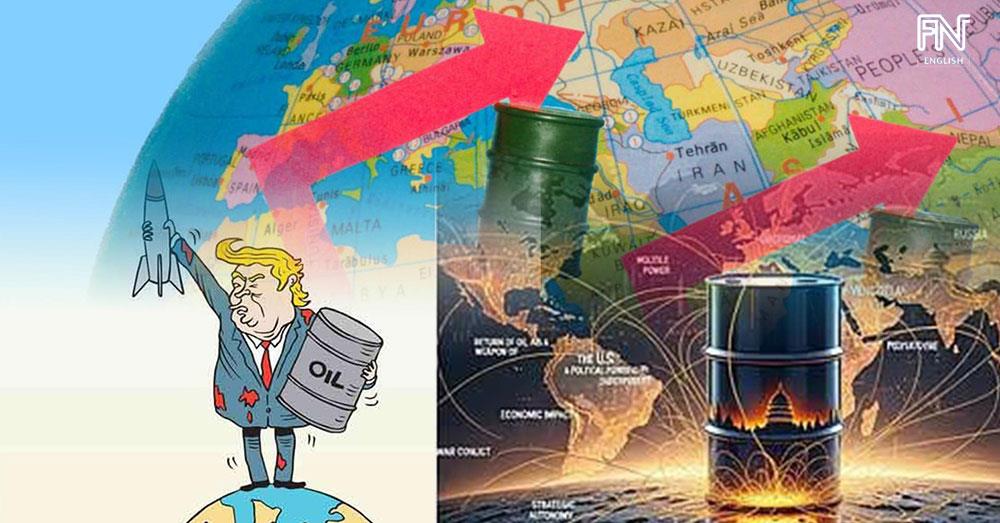
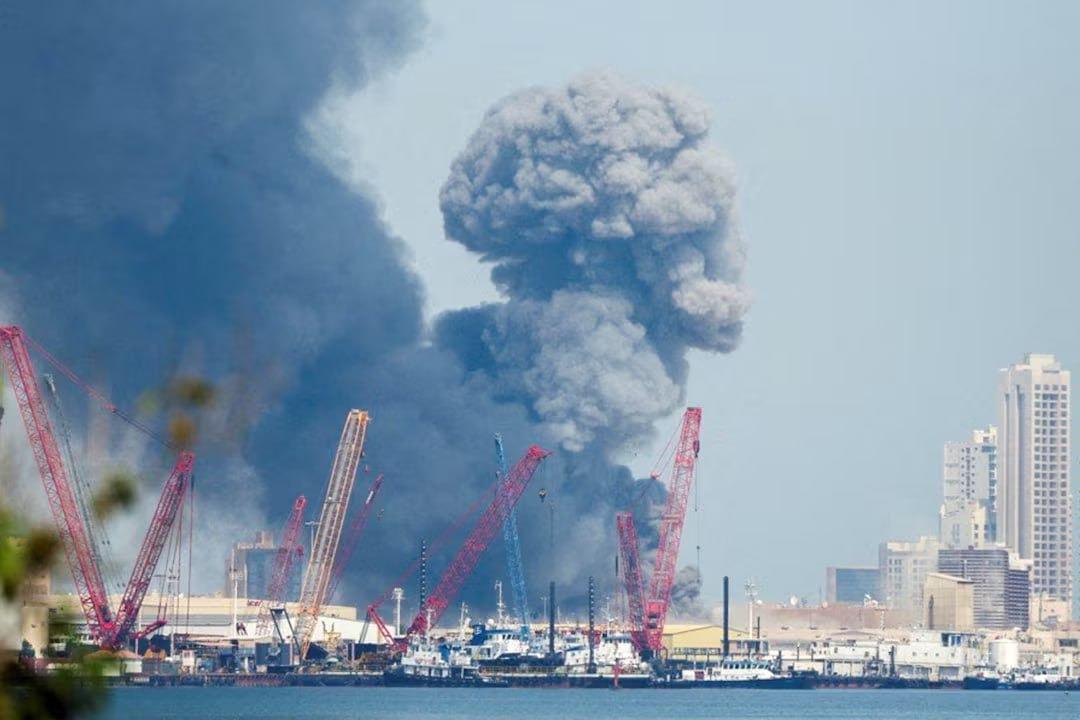
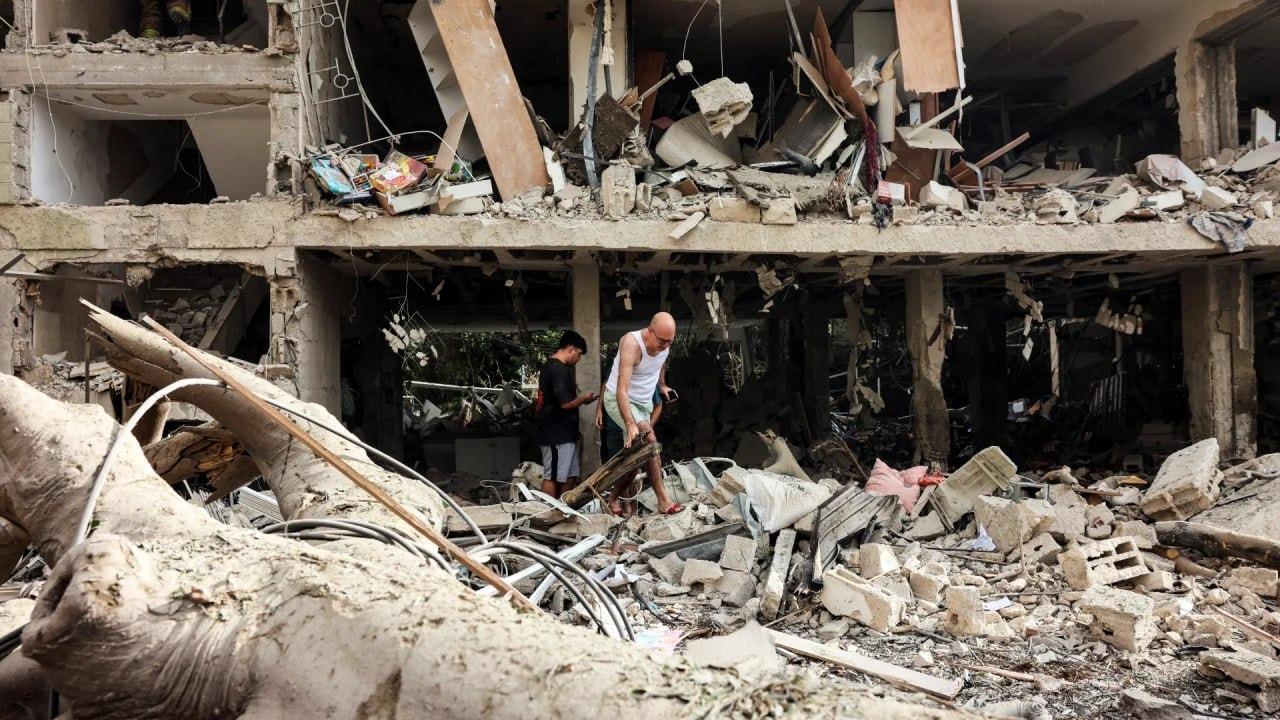
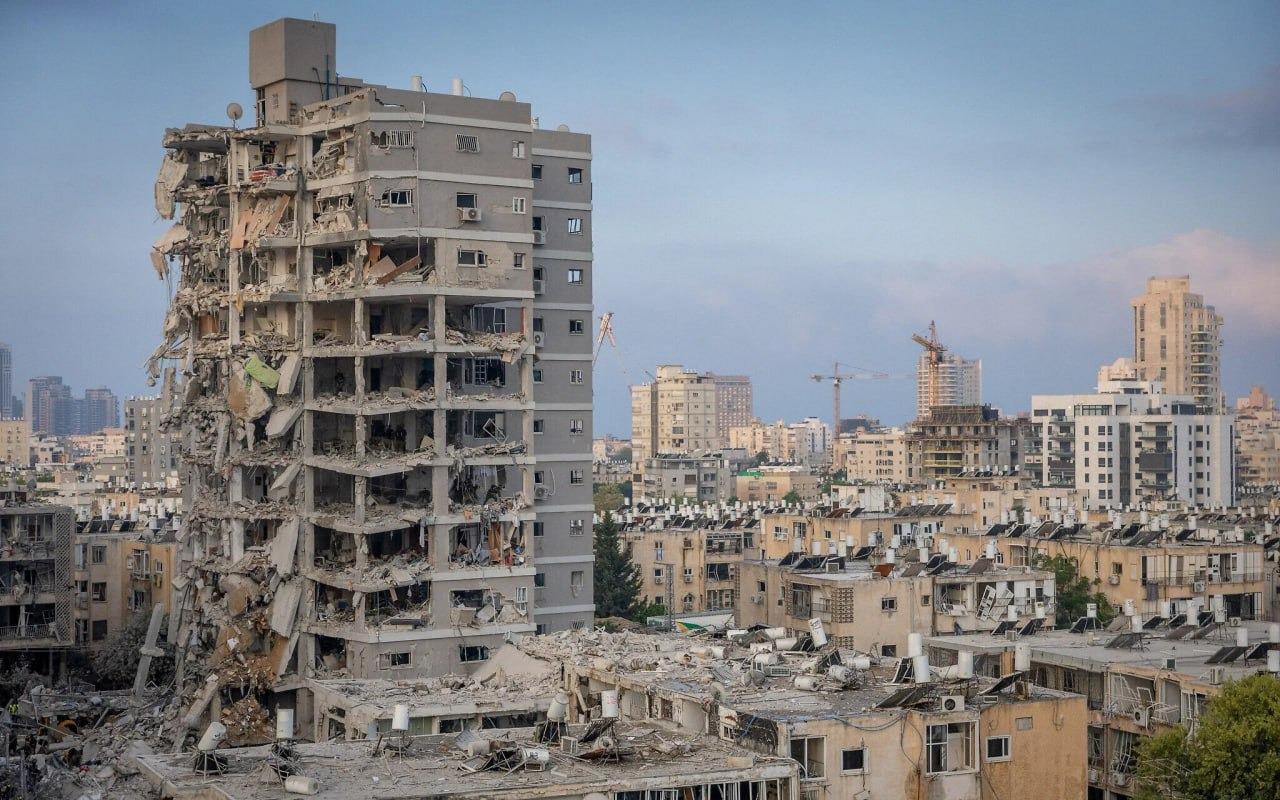
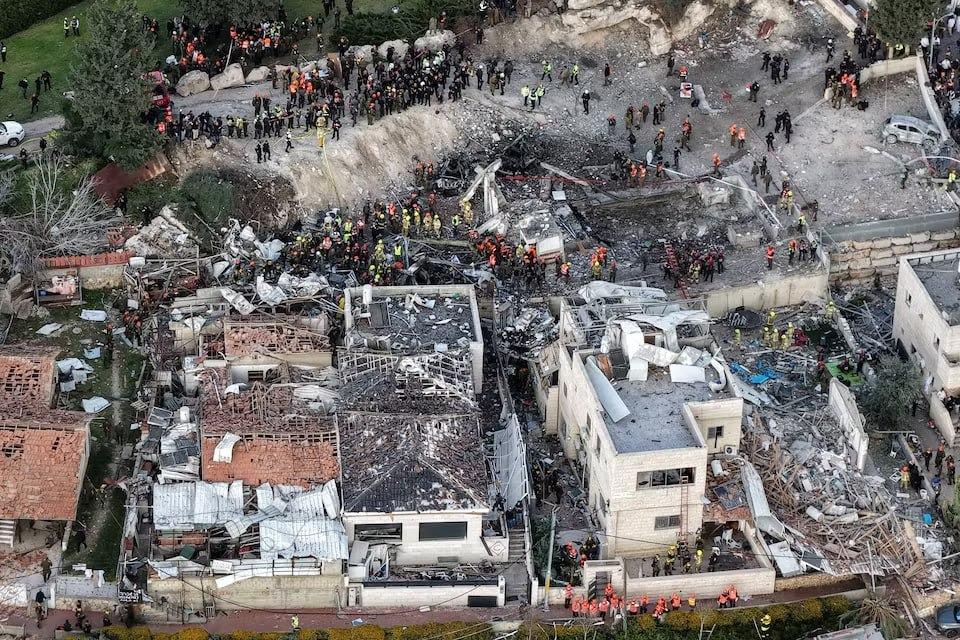
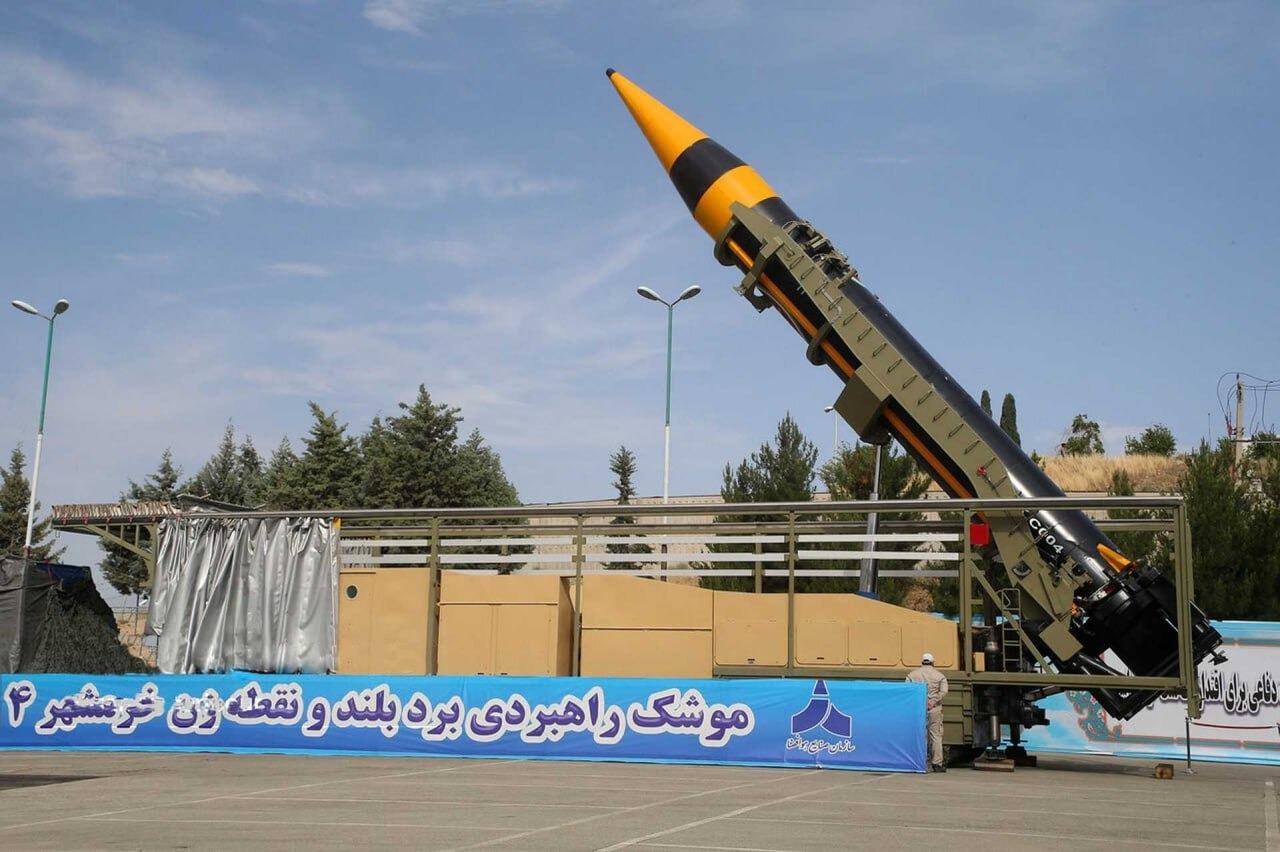
(Phnom Penh): In modern warfare, the most dangerous weapon is not always missiles or drones. Sometimes, the weapon capable of shaking the entire world is the price of oil.
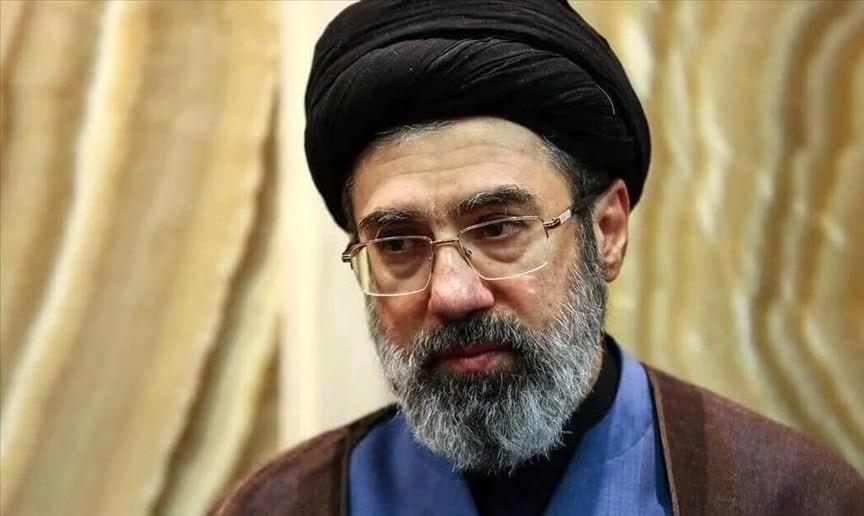
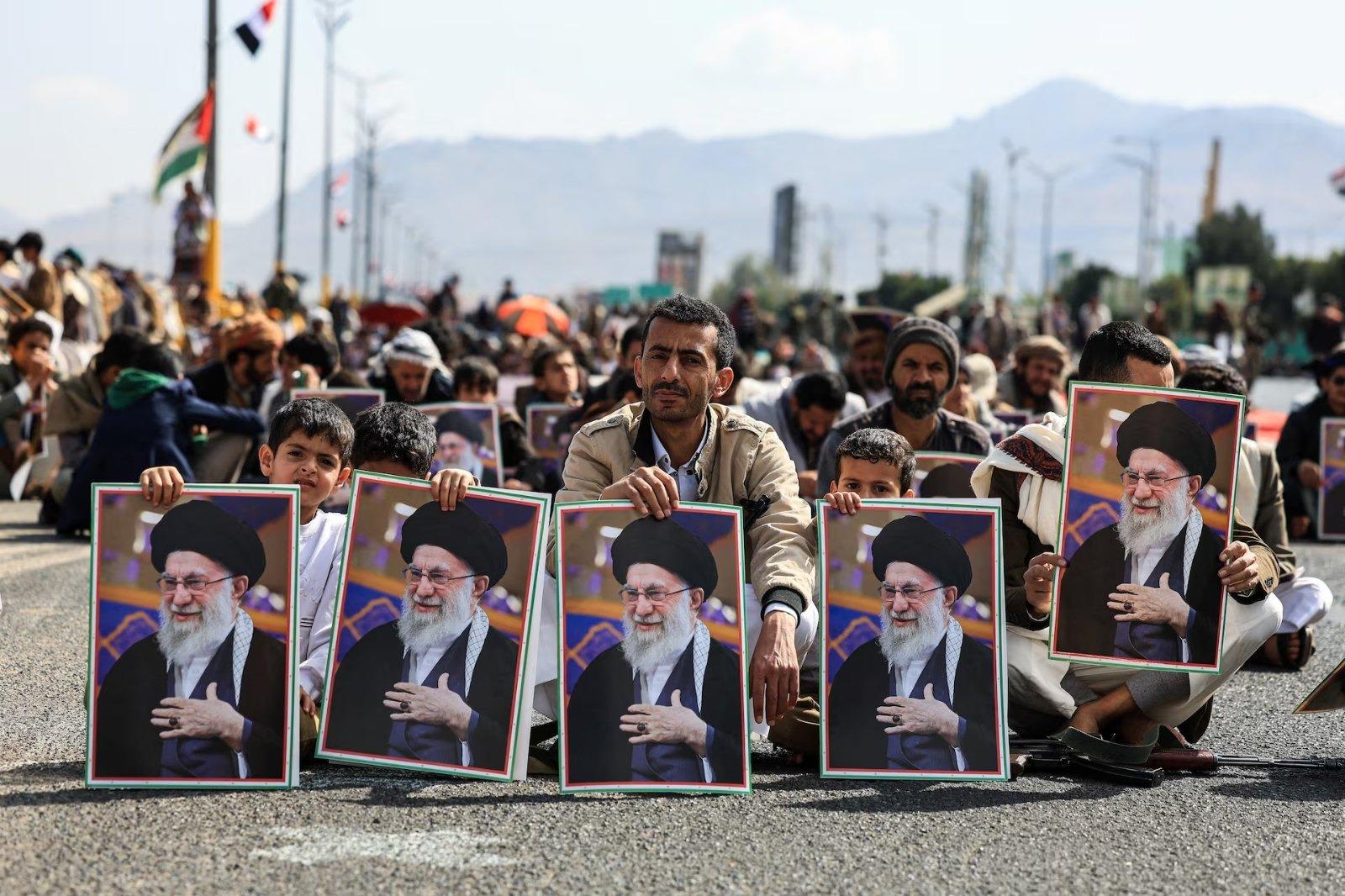
Following the death of Iran’s supreme leader Ali Khamenei and the swift appointment of his son, Mojtaba Khamenei, as the country’s new leader, global markets reacted immediately. The reaction was not limited to the military battlefield in the Middle East; it quickly spread across energy markets and the global economy.
Oil prices surged above $100 per barrel, triggering deep concern in financial markets from Asia to Europe. For governments, businesses, and citizens around the world, the key question now is clear:
Is this surge in oil prices merely a temporary reaction to war, or does it signal a deeper shift in global energy markets?
The World’s Critical Oil Chokepoint
One of the main reasons behind the current surge in oil prices is growing concern over the security of a critical global oil transit route — the Strait of Hormuz.
Roughly 20 percent of the world’s oil supply passes through this narrow waterway before reaching international markets. Any threat or disruption to this route immediately sends shockwaves through global oil markets.
Even if oil tankers continue to navigate through the strait, the risk of disruption alone can raise what analysts call a “war risk premium” on oil prices. In other words, even before actual supply disruptions occur, markets often raise prices in anticipation of potential conflict.
Why Oil Prices Rise in the United States as Well
Many people ask: why are oil prices rising in the United States as well, even though the country is one of the world’s largest oil producers?
The answer is straightforward: oil is a global commodity.
Oil prices are not determined solely by the country where the oil is produced. Instead, they are determined by the balance between global supply and demand.
In today’s interconnected energy markets, major oil producers in the Middle East, North America, and Latin America are all linked through international trading systems. Therefore, when risks threaten oil supply in the Middle East, global oil prices react immediately.
As a result, even oil produced in the United States is affected by developments in global markets. When tensions rise in the Middle East, oil prices tend to increase not only in Asia or Europe, but also in the United States.
Moreover, global energy markets are heavily influenced by market expectations and geopolitical risk, which can push prices upward even before actual supply disruptions occur.
Why Venezuelan Oil Cannot Solve the Crisis
Some analysts have suggested that oil production from Venezuela could help offset supply shortages in global markets. The United States is also seen as having growing influence over Venezuela’s energy sector.
However, the reality is more complex.
Venezuela’s current production capacity remains significantly lower than that of major oil-producing countries in the Middle East. In addition, increasing oil output cannot happen overnight. It requires major investment, infrastructure rehabilitation, and time.
In a global market where oil demand reaches tens of millions of barrels per day, a modest increase in production from a single country cannot easily compensate for major disruptions in Middle Eastern supply.
Therefore, while Venezuelan oil may help ease some pressure on the market, it cannot immediately replace large-scale supply disruptions in global oil markets.
Three Possible Scenarios for Future Oil Prices
The future trajectory of oil prices will largely depend on how the conflict in the Middle East evolves. Energy analysts generally outline three possible scenarios.
Scenario One: Limited Conflict
If the war remains relatively contained and does not significantly disrupt oil supply or key energy transportation routes, oil prices may stabilize between $100 and $110 per barrel.
Scenario Two: Regional Escalation
If the conflict expands across the region and threatens energy infrastructure or oil transportation networks, oil prices could rise to around $120 per barrel.
Scenario Three: Disruption of Key Shipping Routes
The most severe scenario would involve major disruptions to the Strait of Hormuz, one of the world’s most vital oil transit routes.
In such a situation, oil prices could surge to $150 per barrel or higher, driven by fears of major supply shortages in global markets.
Under these circumstances, oil markets would react not only to real supply disruptions but also to fear and market expectations, which often amplify price volatility.
Ultimately, the future of oil prices depends on a critical factor: whether the conflict remains contained or expands into a broader regional war capable of disrupting global energy supply systems.
The Real Danger: Global Inflation
Rising oil prices are not merely an issue for energy markets. They can trigger a chain reaction across the global economy.
When oil prices rise, production costs across multiple sectors also increase. These effects typically include:
- Higher transportation costs
- Rising food prices
- Increased manufacturing costs
- Renewed global inflation
Because oil remains a core energy source for modern economies, its price affects nearly every sector — from transportation and industry to agriculture and food supply chains.
History provides clear lessons. Major oil shocks, such as the global oil crises of the 1970s, triggered high inflation and contributed to economic slowdowns around the world.
What Could Bring Oil Prices Back to Stability?
Despite current tensions in the Middle East, many economic analysts believe oil prices could return to more stable levels if certain positive developments occur.
One key factor is de-escalation of the conflict. If diplomatic negotiations or ceasefire agreements can ensure the safety of major oil transportation routes such as the Strait of Hormuz, markets may respond quickly with declining oil prices.
Additionally, major oil-producing countries and international energy institutions may increase supply to ease market pressure. The release of oil from Strategic Petroleum Reserves could also help stabilize prices in the short term.
In global energy markets, one crucial factor is market confidence. Once investors believe that oil supply will not face severe disruption, confidence can return and prices may fall from their elevated levels.
Conclusion
In modern geopolitical conflicts, the battlefield does not end where missiles fall. The consequences extend into financial markets, global economies, and the daily lives of ordinary people.
The outcome of the Middle East conflict — particularly tensions involving Iran — may ultimately be measured not only by military victories but also by the economic impact on global energy systems and markets.
If international diplomacy succeeds in managing tensions and safeguarding critical oil transportation routes such as the Strait of Hormuz, oil markets may stabilize. However, if the conflict expands to threaten energy infrastructure or key shipping routes, the world could face a new energy crisis capable of driving inflation and severe economic pressure.
In this sense, oil prices are not merely indicators of energy markets. They are also powerful signals of how geopolitical tensions are shaping the stability of the global economy.
The future of global energy markets — and perhaps the global economy itself — will depend heavily on the international community’s ability to contain the conflict and maintain stability in one of the world’s most important energy regions.