(Phnom Penh): In any war, the most important question is not merely who wins on the battlefield, but rather who manages to preserve and shape the architecture of power after the war.
In the current Iran crisis, several emerging signals suggest that the conflict may be entering a new phase—one that could shape the political and security landscape of the entire Middle East.
The U.S. Senate Vote
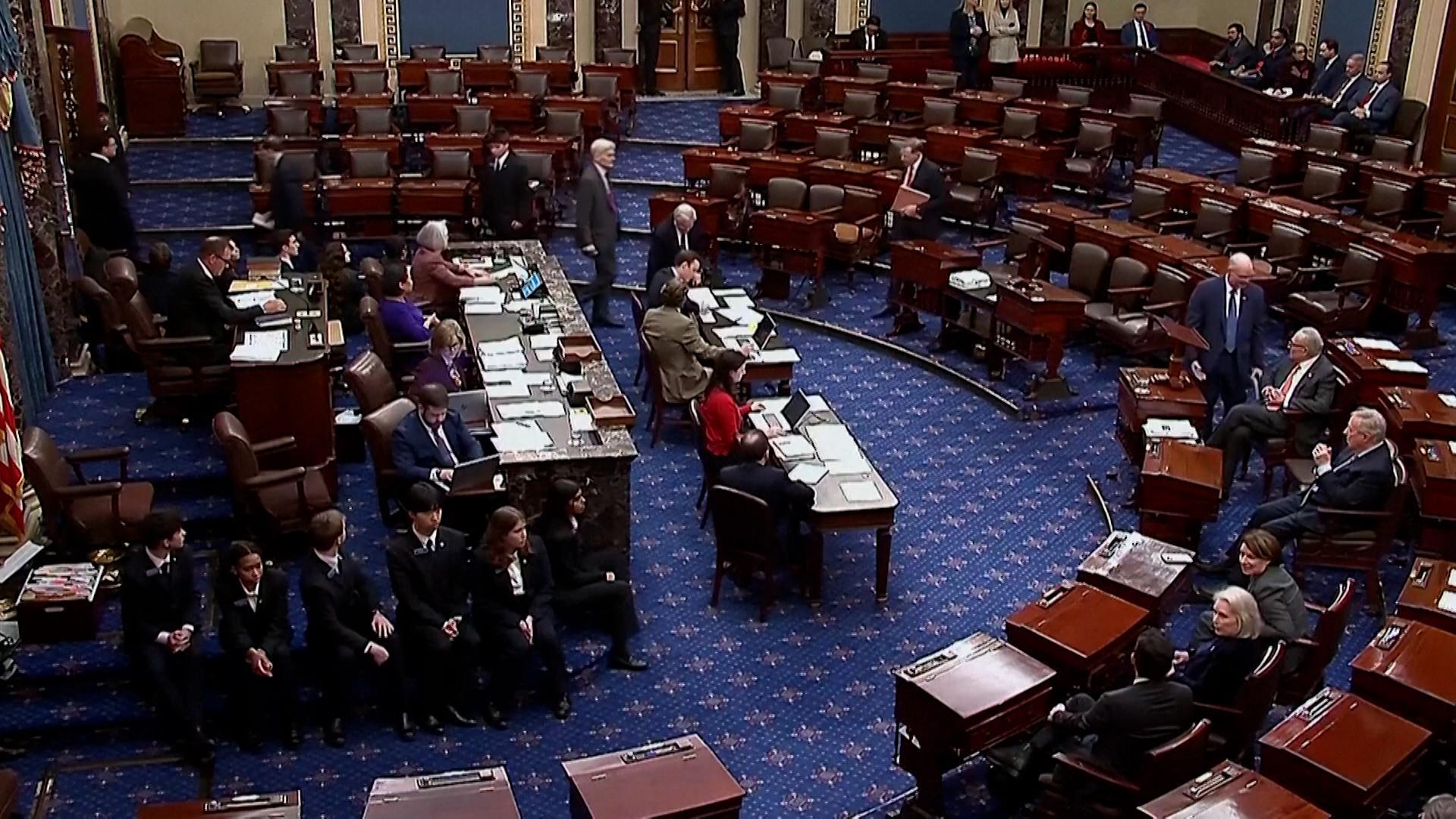
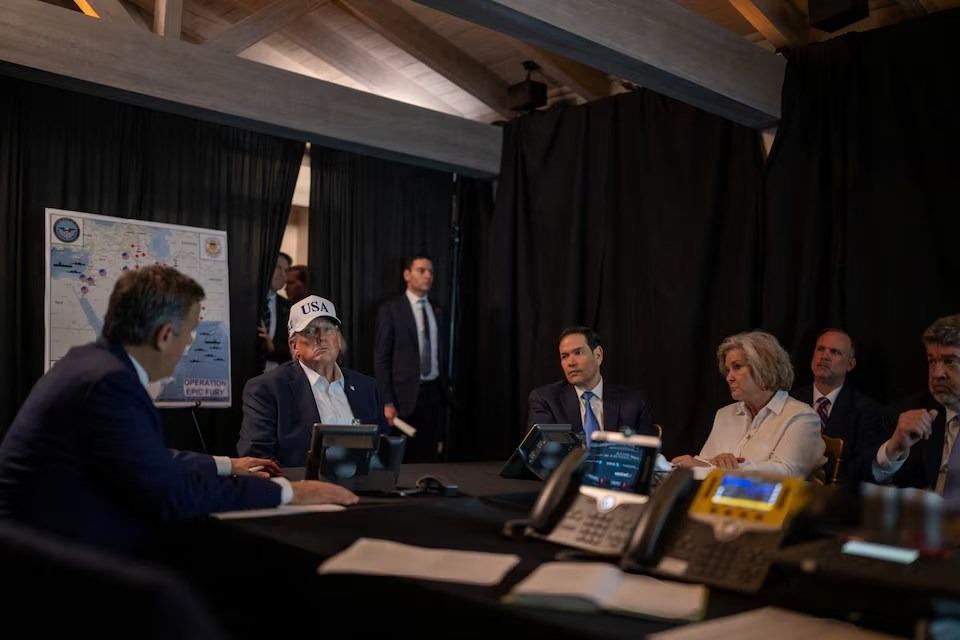
The vote in the United States Senate authorizing the President to continue military operations is not merely a routine political decision. Rather, it carries significant strategic implications.
The key implications include:
- It demonstrates that one chamber of the U.S. Congress supports the continued use of military force.
- It provides political legitimacy for ongoing military operations.
- It signals that Washington does not intend to withdraw from the conflict in the near term.
However, an important political factor remains: the House of Representatives has not yet approved the authorization.
This situation highlights two critical points:
- There remains political division within the U.S. Congress.
- The war may not enjoy sustained long-term political support in Washington.
Strategically, this could also indicate that Washington is aiming for a limited war designed to achieve specific military objectives, rather than engaging in a prolonged, full-scale conflict.
Continued Military Strikes
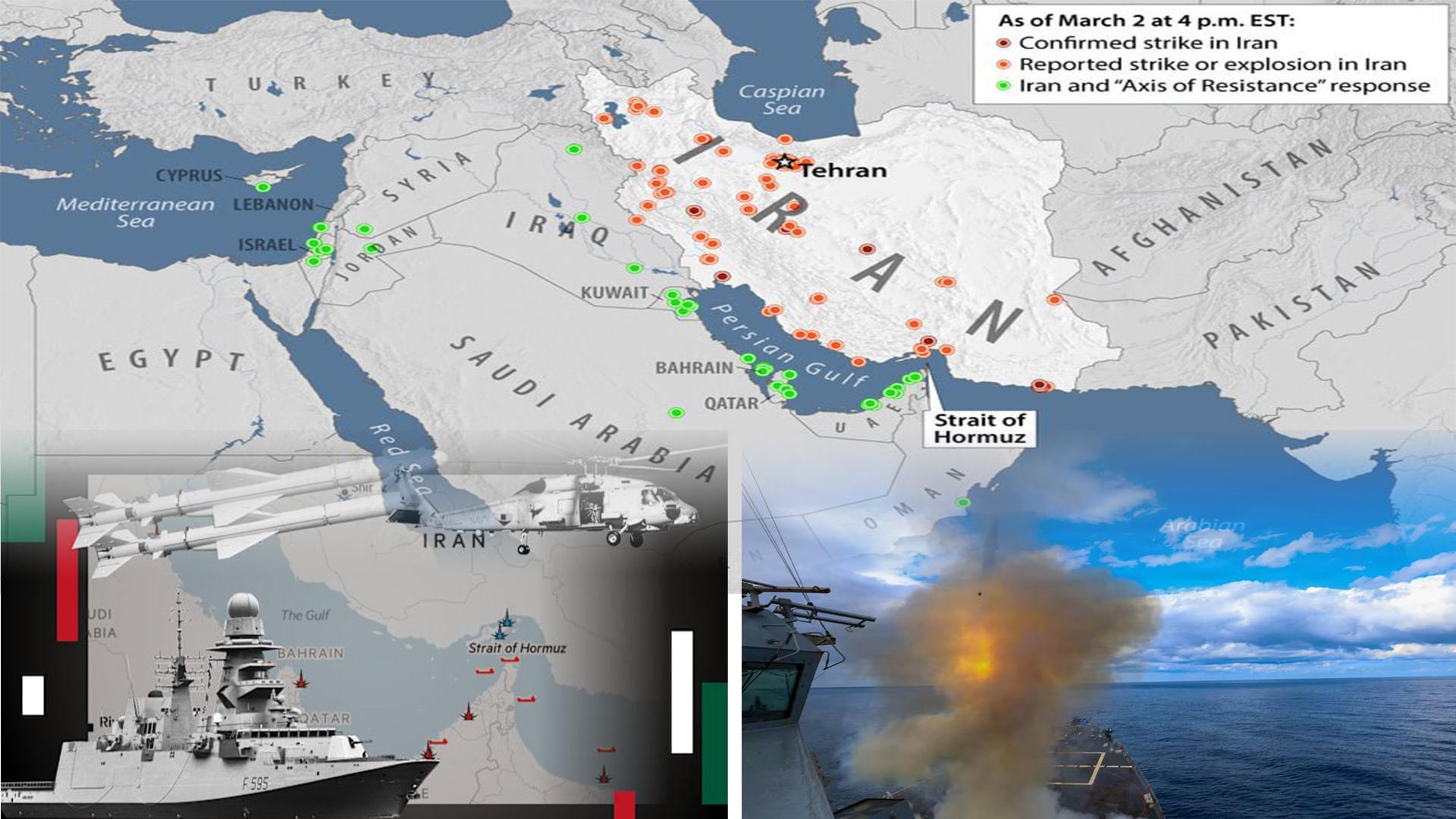
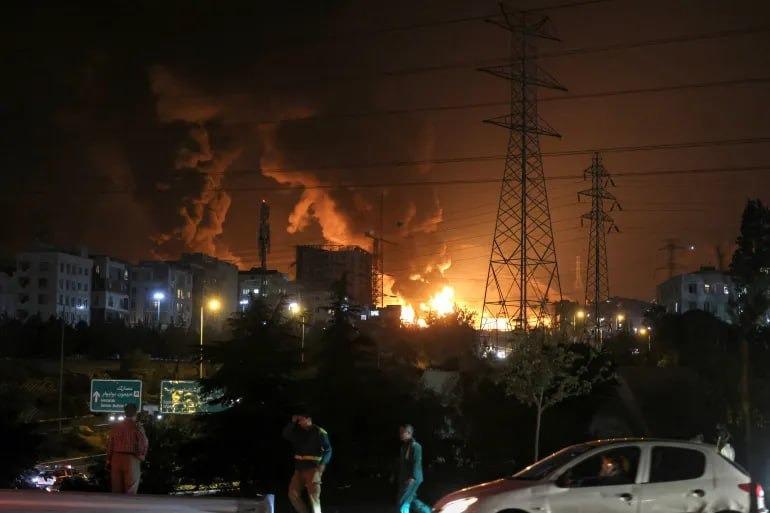
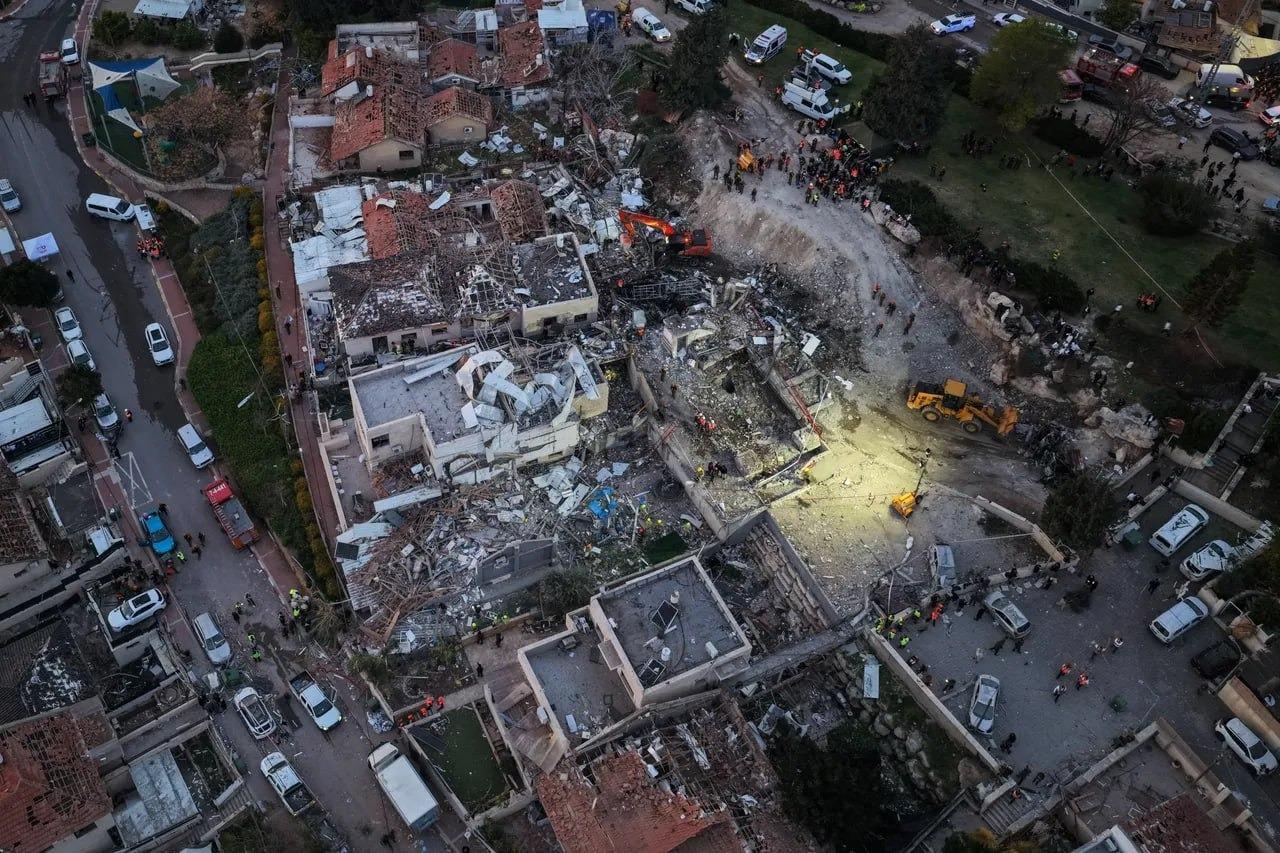
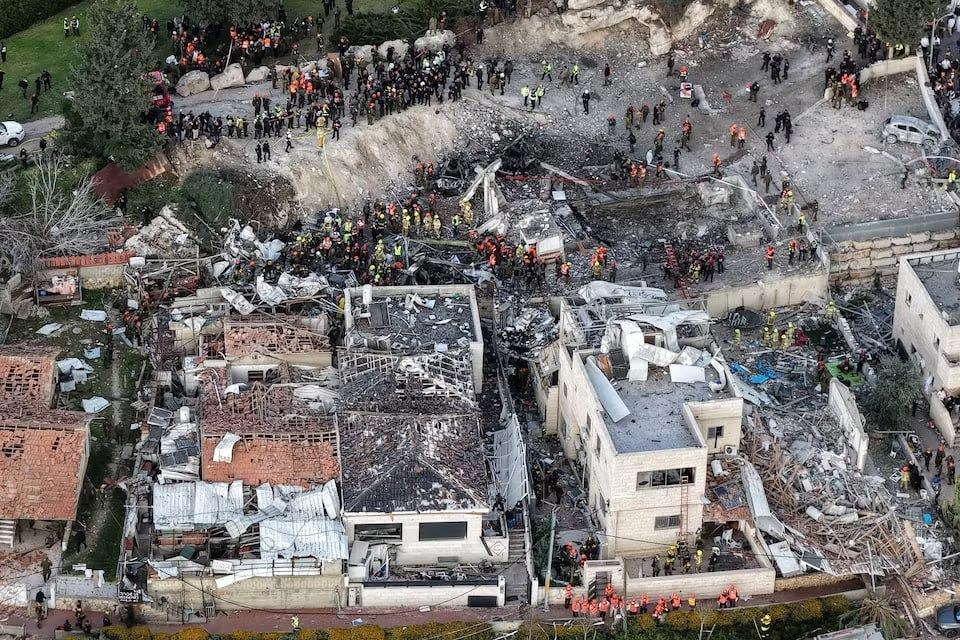
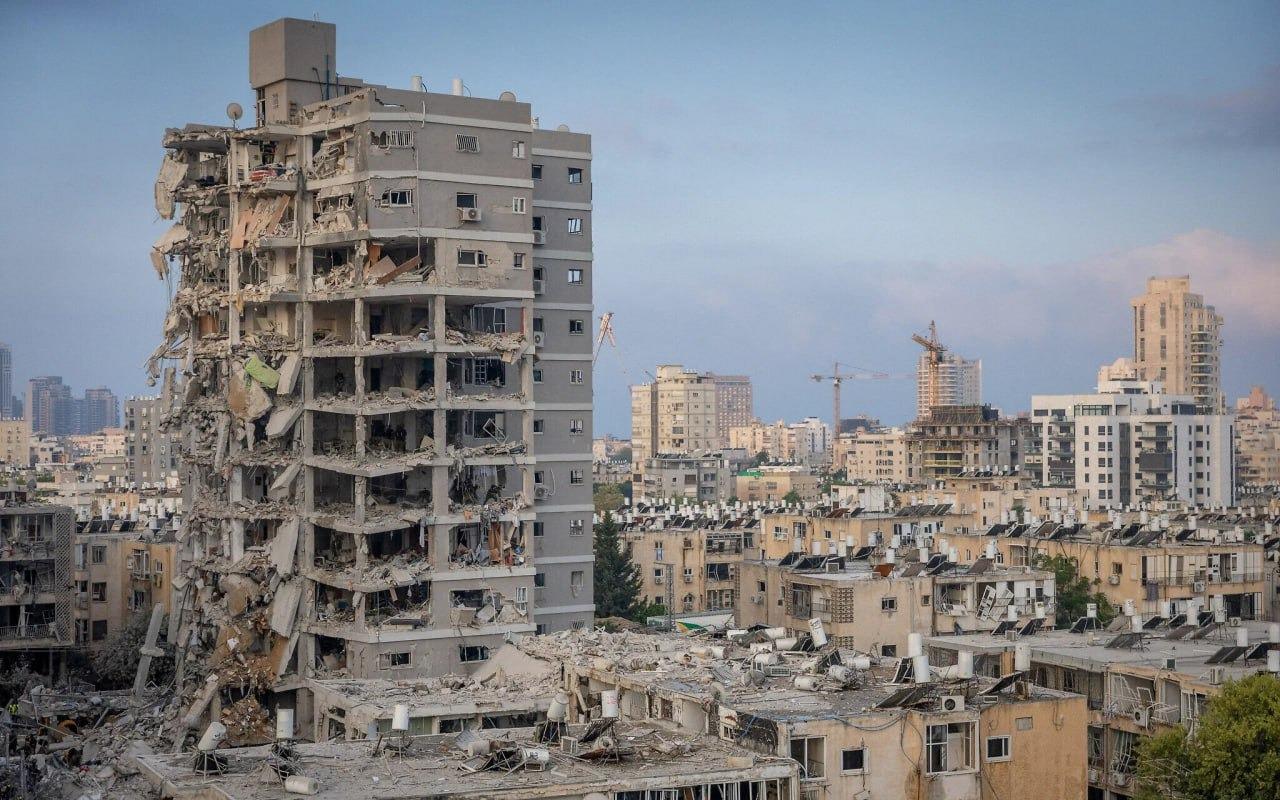
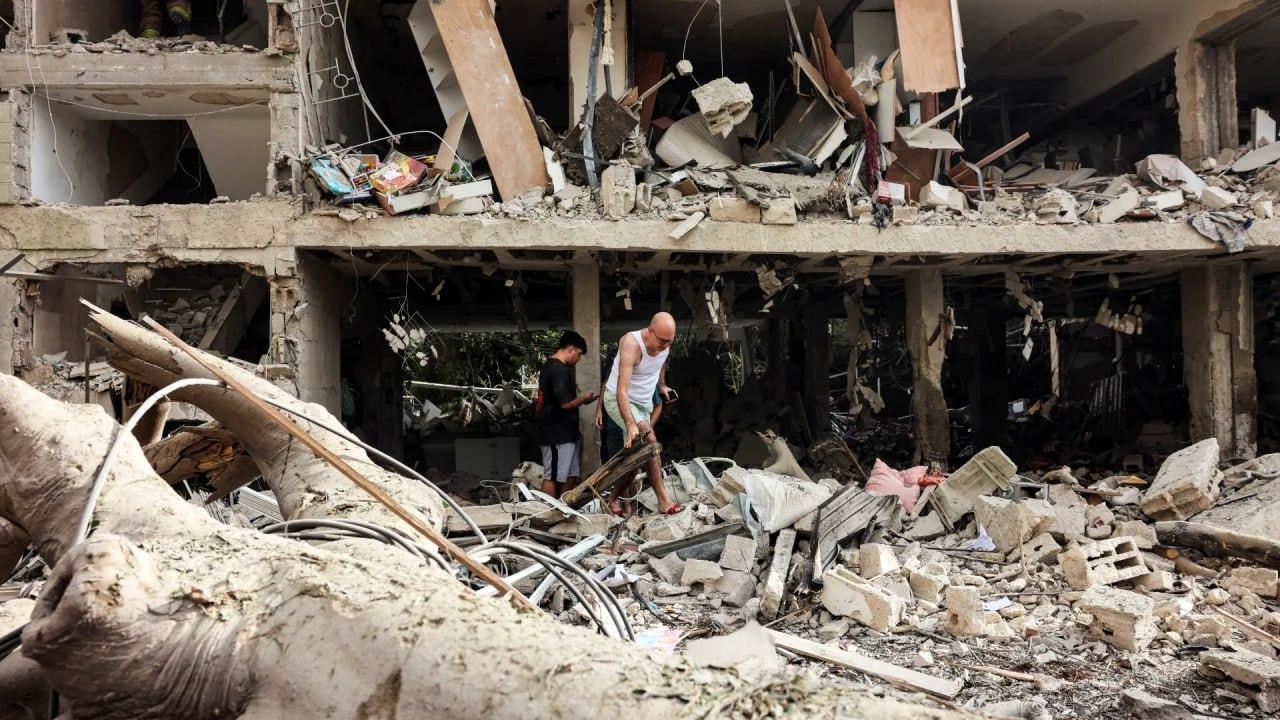
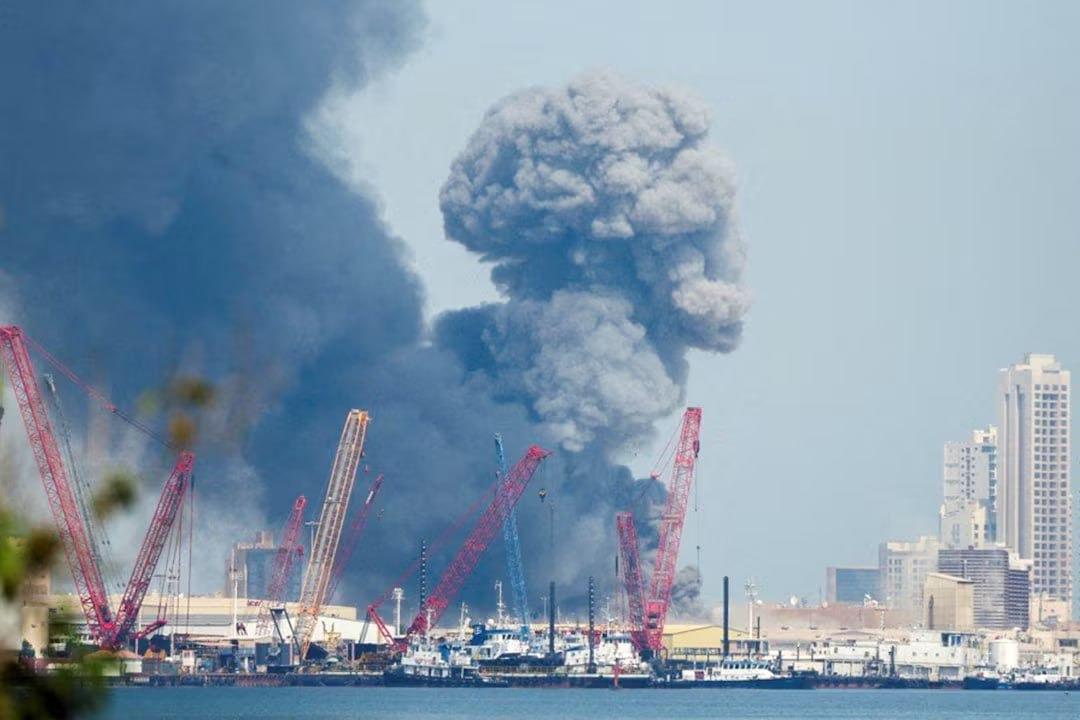
Military exchanges between the parties continue on the battlefield, revealing two key dynamics:
- Iran still retains the capability to retaliate and has not been forced to retreat from the confrontation.
- Meanwhile, the U.S.–Israel alliance appears to be applying sustained military pressure in an effort to degrade Iran’s strategic capabilities.
However, one particularly notable pattern has emerged: Iran has not deployed all of its capabilities simultaneously.
Instead, Tehran appears to be responding in stages through three primary instruments:
- Missile retaliation
- Drone attacks
- Proxy forces targeting Israeli positions and U.S. military bases across the Middle East
This operational pattern clearly reflects asymmetric warfare, a strategy Iran has frequently used when confronting militarily superior adversaries.
Economic Pressure — The Strait of Hormuz
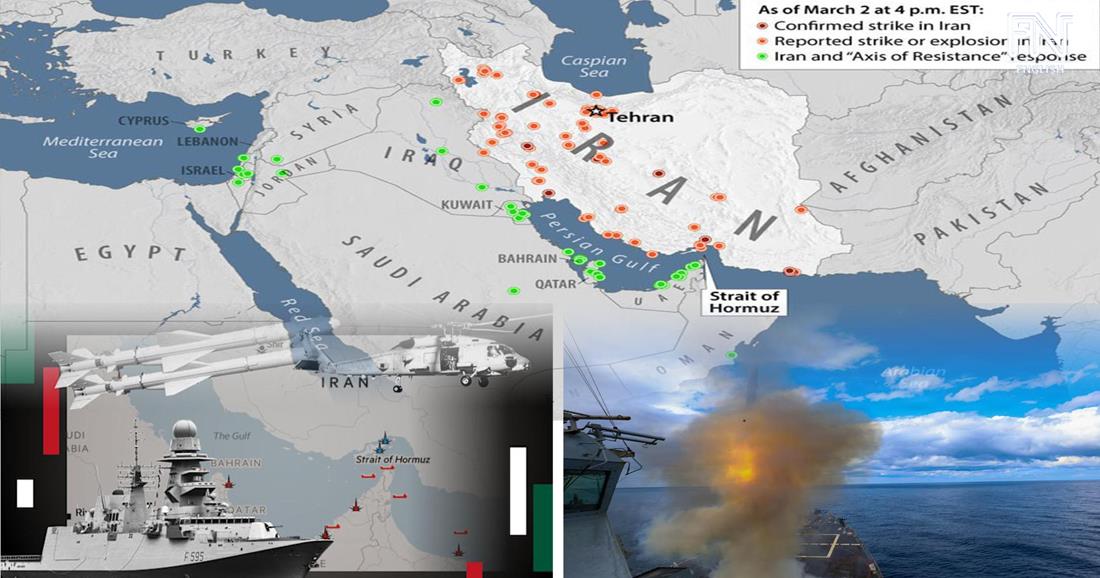
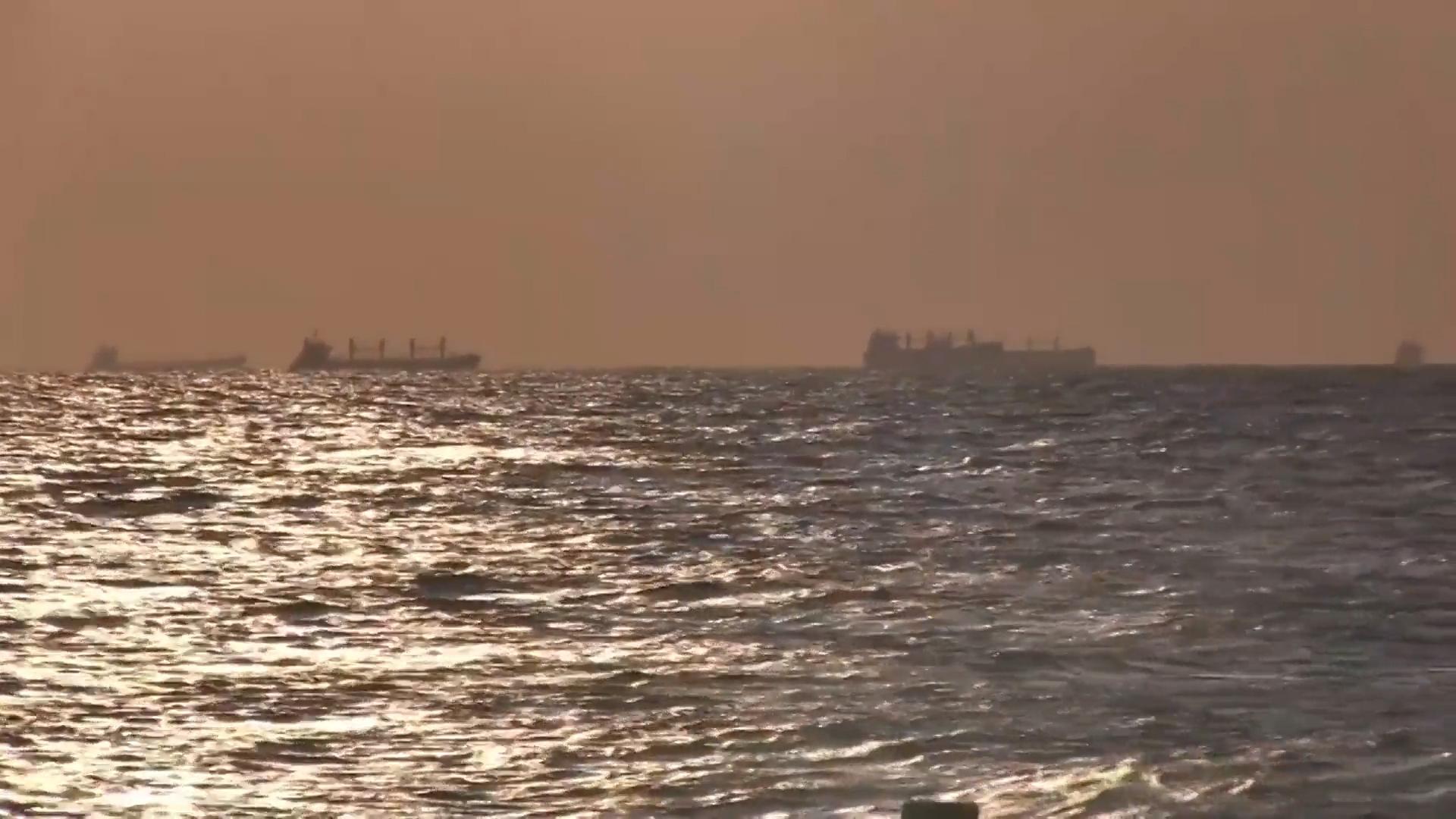
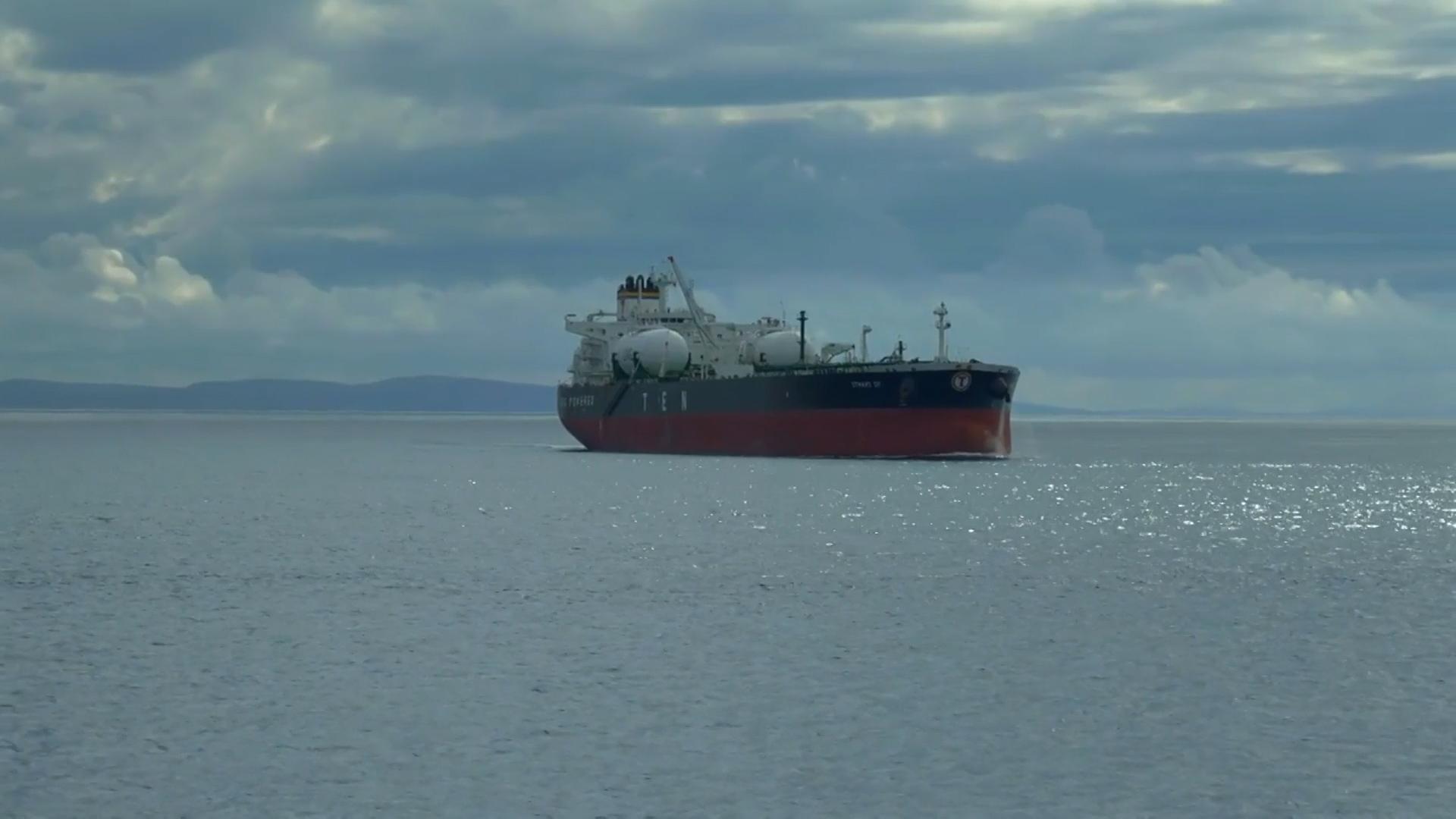
The disruption of oil shipments through the Strait of Hormuz represents a major warning sign that the military crisis in the Middle East could evolve into a broader global economic shock.
The Strait of Hormuz is one of the most critical energy chokepoints in the world. According to international energy data, approximately 20 percent of global oil supply passes through this narrow waterway each day.
If disruptions persist or intensify, the consequences could be significant:
- Global oil prices could surge due to supply disruptions.
- Transportation and production costs could increase worldwide.
- The global economy could face increased instability and inflationary pressure.
Countries heavily dependent on imported energy—including Europe, China, Japan, and South Korea—could be directly affected.
As a result, major powers and industrial economies are increasingly expressing concern and calling for diplomatic solutions to prevent the conflict from escalating further.
Strategically, the Strait of Hormuz has also become a powerful leverage point. Even short disruptions could significantly affect global energy markets. Consequently, many countries are now seeking ways to de-escalate the conflict before it triggers a broader economic crisis.
Global Reactions
As tensions escalate in the Middle East, major global powers have responded in different ways. However, one common theme has emerged: most countries do not want this crisis to escalate into a large-scale global war.
Europe
European governments have:
- Called for an immediate reduction in hostilities
- Expressed concern over energy prices and supply security
- Encouraged diplomatic negotiations through international institutions
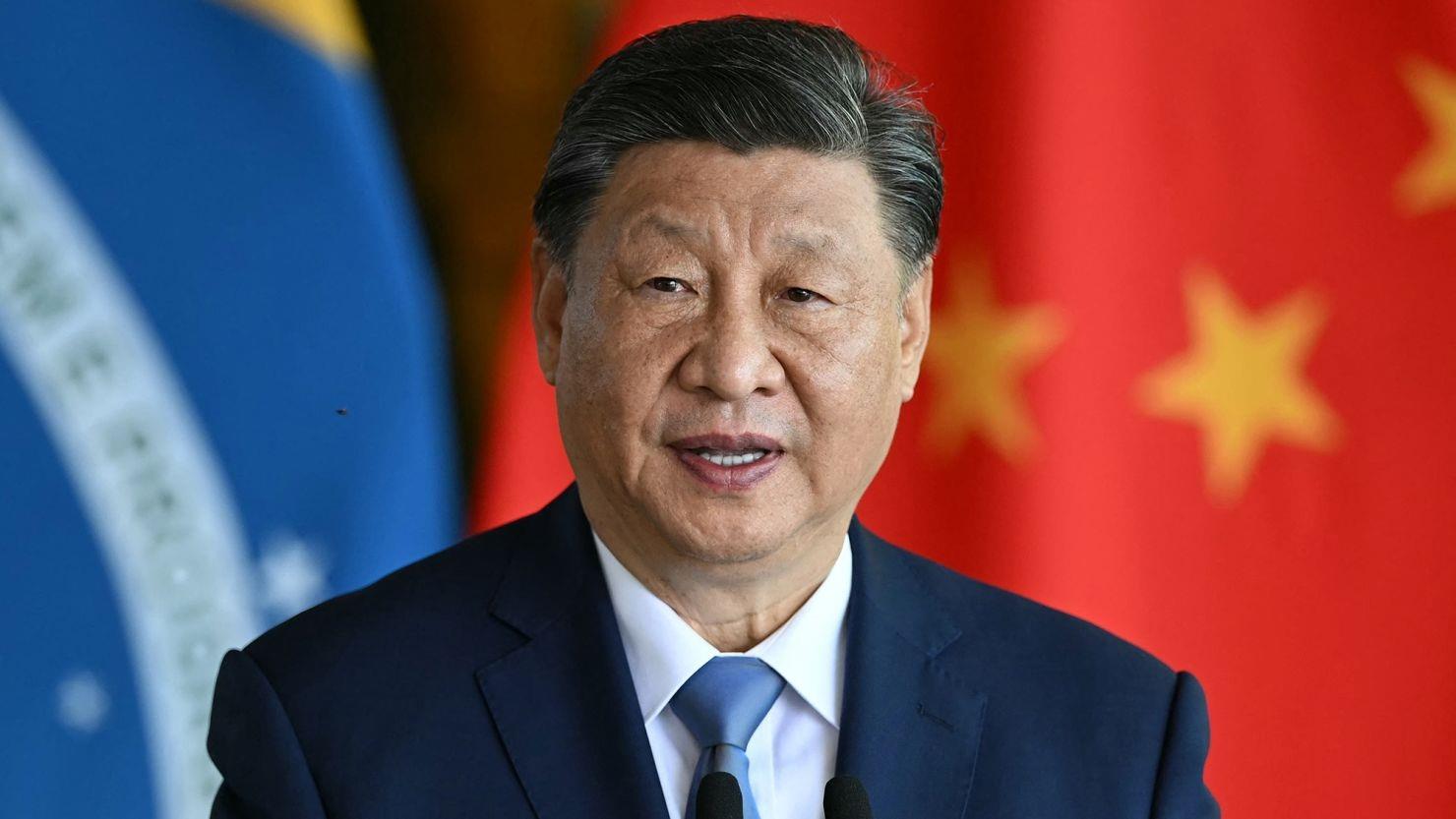
China
Beijing has:
- Supported resolving the conflict through diplomatic channels
- Expressed concern about global energy stability and maritime trade routes
- Emphasized the importance of Middle Eastern stability for the global economy
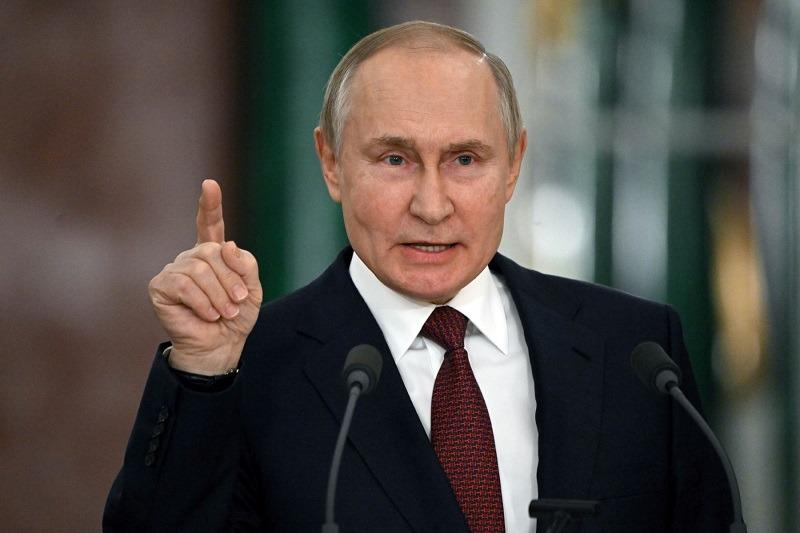
Russia
Moscow has:
- Criticized U.S. military policies in the region
- Avoided signaling any intention to enter the war directly
- Encouraged diplomatic efforts to prevent further escalation
Meanwhile, several Gulf states have also adopted a cautious posture, as a large-scale war could threaten both regional political stability and global energy security.
Taken together, these reactions suggest that although tensions remain high, most major powers are attempting to prevent the conflict from expanding into a global war.
The Kurdish Factor and the Possibility of a Ground Front
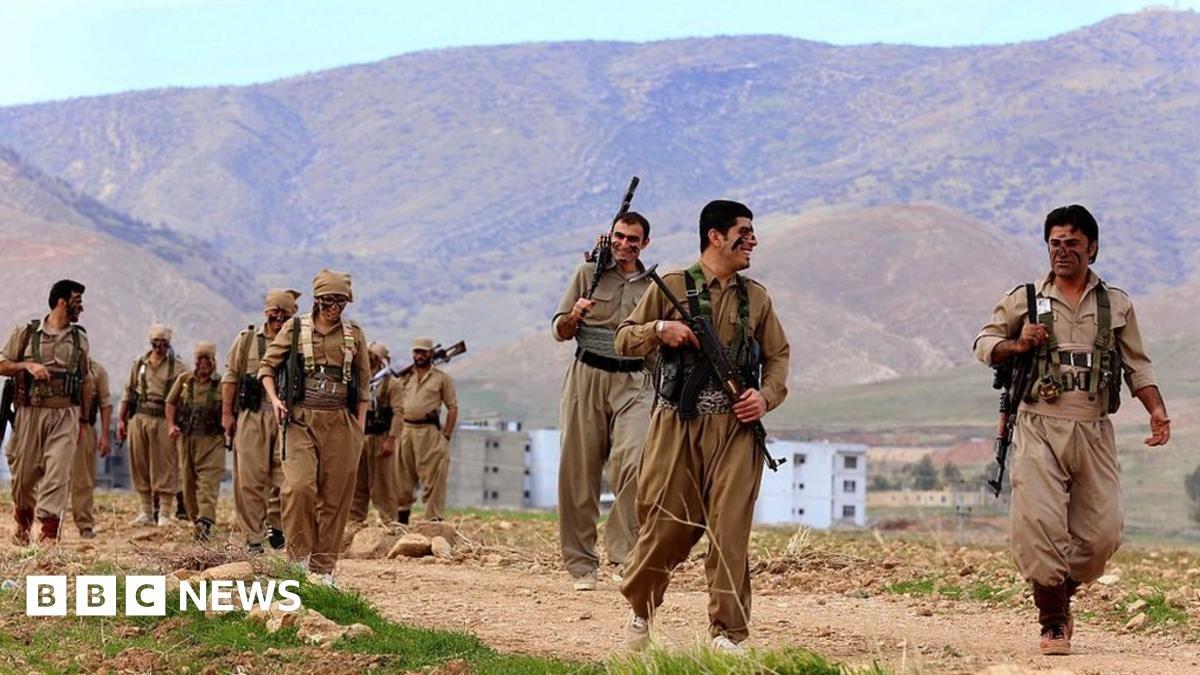
Beyond political, economic, and military developments, another strategic factor has drawn the attention of analysts: the potential role of Kurdish forces.
There are growing indications that the United States may attempt to encourage Kurdish groups to participate in potential ground operations should the conflict escalate further.
Historically, Kurdish forces have been viewed as important U.S. partners in the Middle East, particularly during operations against ISIS.
If Kurdish forces become involved in this conflict, several strategic implications could emerge:
- The opening of a ground front that could place direct pressure on Iran
- A transformation of the conflict from primarily air and missile strikes into land-based combat
- A possible shift in the regional balance of power
However, such involvement also carries substantial risks. Kurdish participation could provoke reactions from neighboring states that are concerned about ethnic minority issues and domestic stability.
Strategically, this suggests that if the conflict escalates further, the United States may not rely solely on airpower and existing allies but may seek regional partners to increase pressure on Iran and potentially open new fronts on the ground.
Possible Endgame Scenarios
Based on the evidence above—ranging from the U.S. Senate vote and ongoing military strikes to the Hormuz crisis, global reactions, and regional dynamics—many analysts believe the conflict could evolve toward three primary scenarios.
Scenario 1 — Limited Strategic Strike
In this scenario, the United States and Israel conduct limited military strikes against critical targets such as:
- Key military installations
- Missile infrastructure and strategic weapons capabilities
The objective would be to weaken Iran’s military capabilities while pressuring Tehran into negotiations.
After such limited operations, tensions could gradually ease, opening the door to renewed diplomatic engagement.
Because this approach achieves military objectives while minimizing the risk of wider war, many analysts view it as the most likely scenario.
Scenario 2 — Regional War
A second scenario involves the expansion of the conflict into a regional war.
This could occur if:
- Hezbollah fully enters the conflict
- The Strait of Hormuz is blocked or severely disrupted
- Gulf states become directly involved
In such a case, the Middle East could become a large-scale battlefield involving multiple states.
However, current global reactions suggest that major powers are actively trying to avoid this outcome, as it would pose severe risks to global economic and security stability.
Scenario 3 — Long Proxy War
A third scenario is a prolonged proxy conflict rather than a decisive war between states.
In this situation, the conflict could evolve into a long-term confrontation involving:
- Proxy warfare, expanding the conflict across multiple fronts while allowing state sponsors to maintain plausible deniability
- Cyber attacks targeting critical infrastructure such as energy networks, communications systems, financial institutions, and military command structures
- Sabotage operations and covert actions aimed at weakening military capabilities and applying psychological pressure
Such a conflict could last for years, leaving the Middle East in a state of persistent instability.
In this case, warfare would shift away from direct battlefield confrontation toward indirect and hybrid forms of conflict.
Conclusion
Taken together, the available evidence—from the U.S. Senate vote and political divisions in Congress to continued military strikes, the Strait of Hormuz crisis, global reactions, and potential regional involvement—points toward a consistent strategic direction.
These signals suggest that the conflict is unlikely to escalate into a global war involving multiple major powers.
Instead, it appears more likely to evolve toward a limited strategic strike scenario, where military force is used primarily as leverage to create pressure for political negotiations.
In this sense, the ultimate endgame of the conflict may not be a decisive military victory, but rather forcing Iran into a new round of negotiations concerning regional security arrangements and its military capabilities.
Thus, the war itself may serve primarily as a strategic instrument of pressure, rather than the final objective of the conflict.