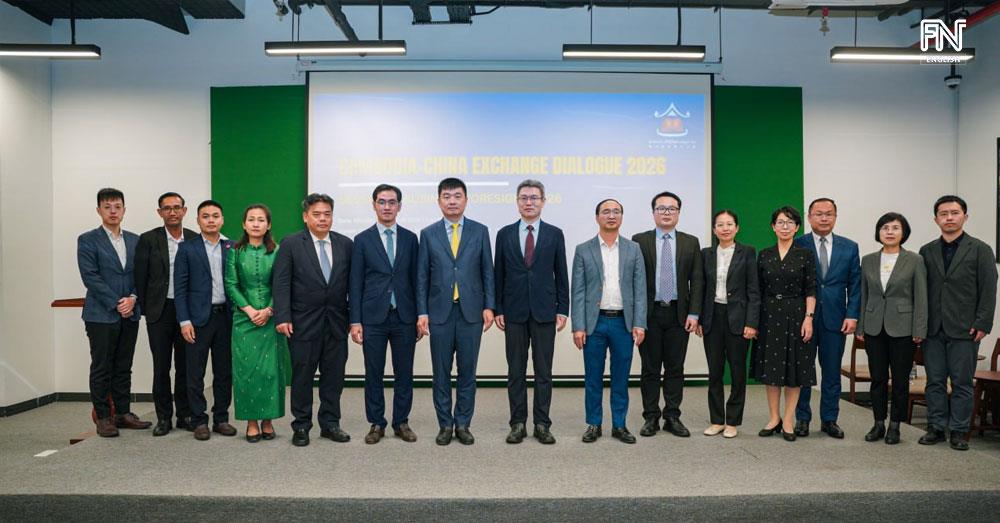
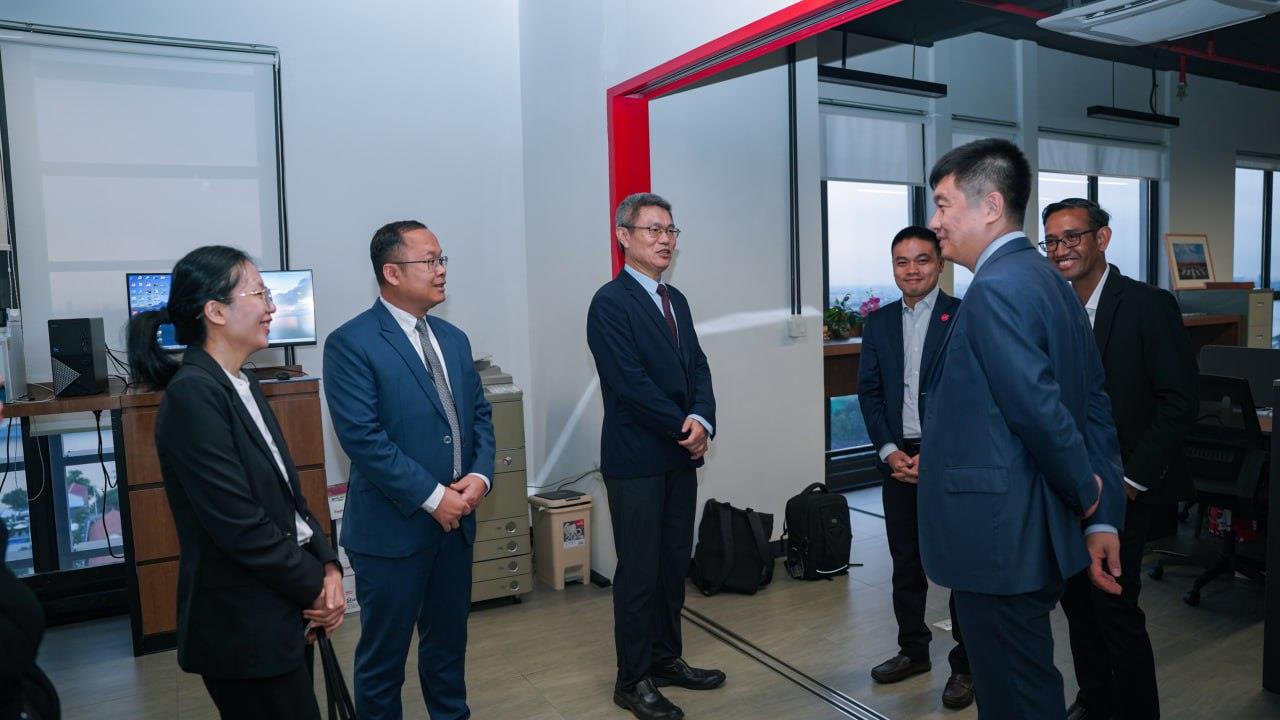
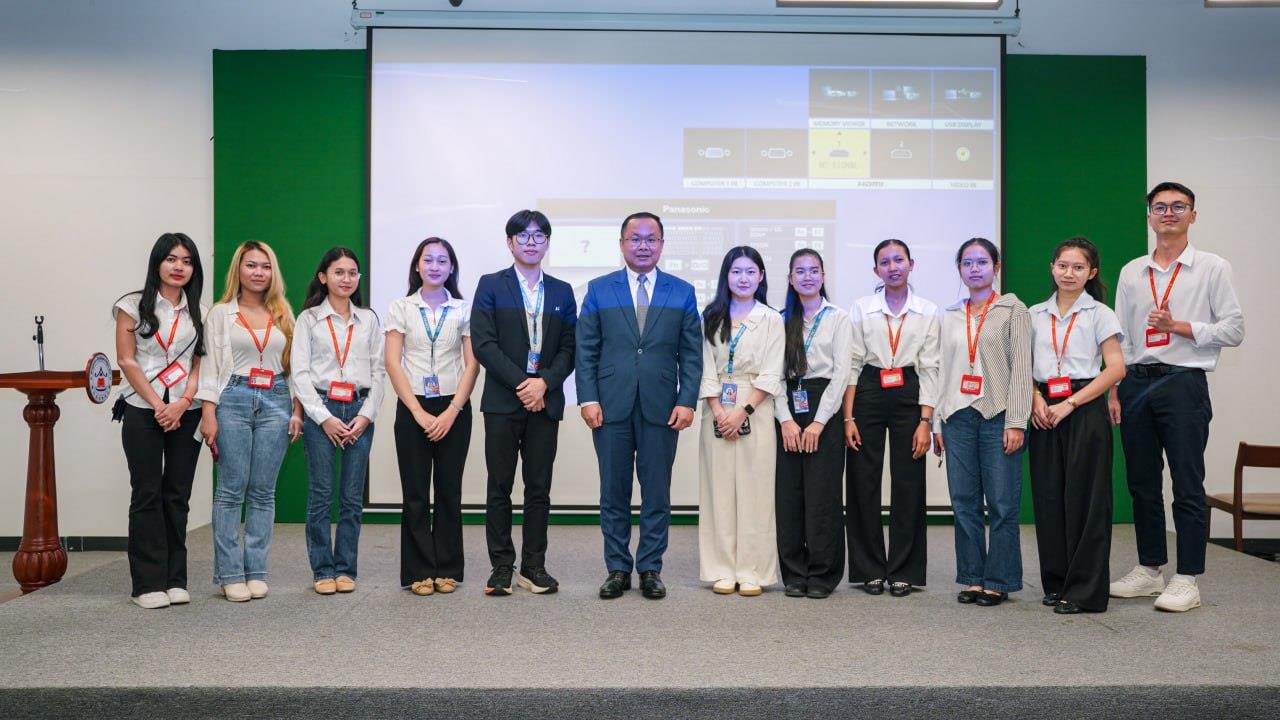
(Phnom Penh): On 2 March 2026, the Youth House for Cambodia-China Friendship (YHCCF) convened the Cambodia-China Exchange Dialogue 2026 – Session 1: Business Foresight 2026 at Phnom Penh.
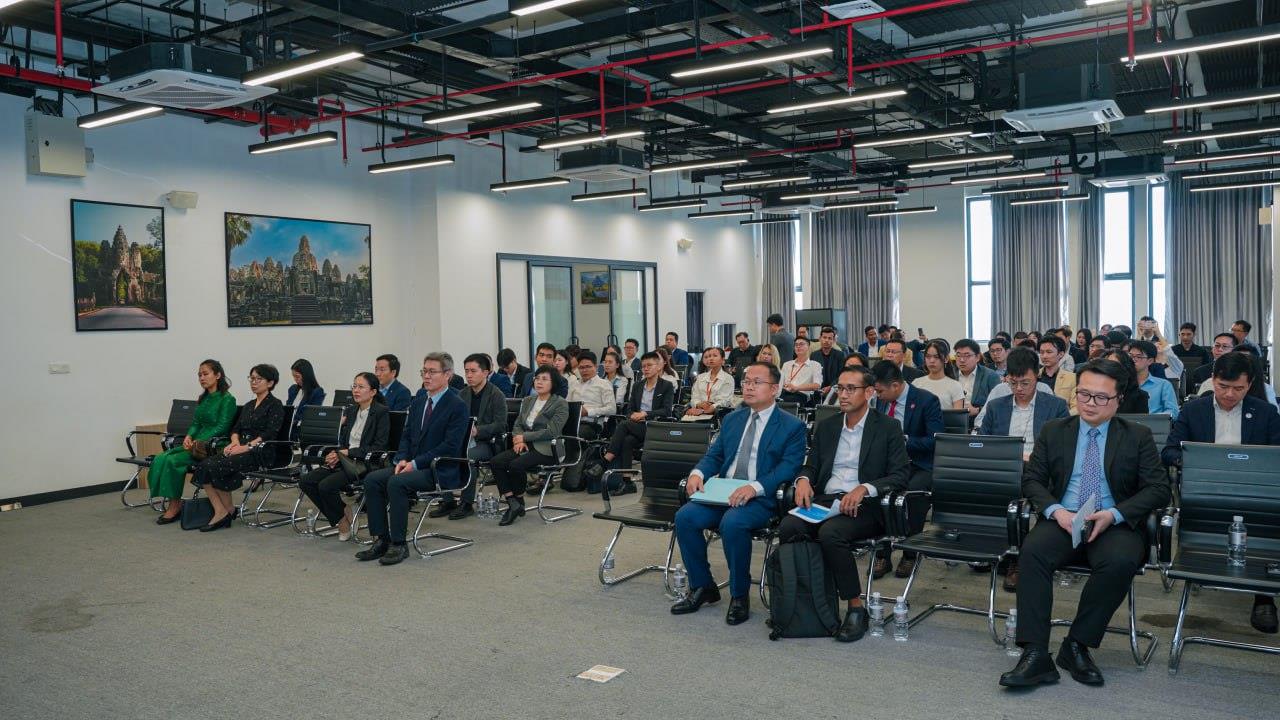
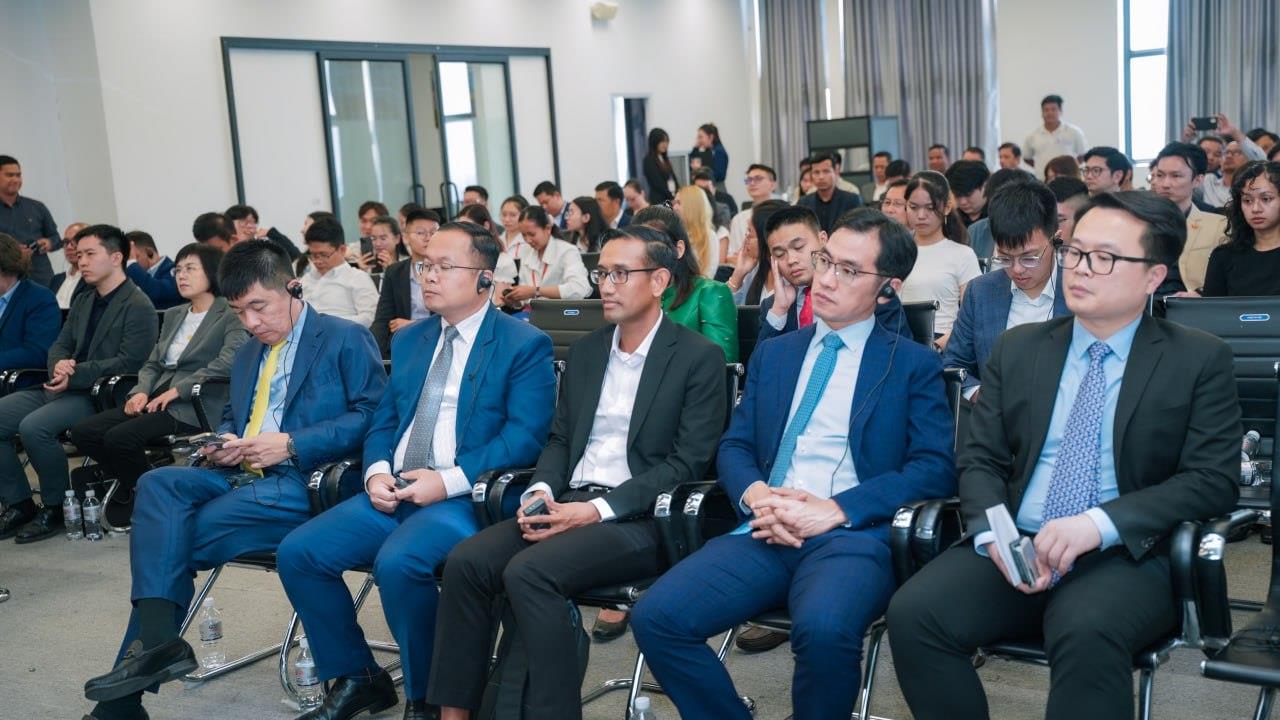
The event brought together senior government officials, business leaders, investors, entrepreneurs, and youth representatives from Cambodia and China to exchange views on bilateral trade and investment prospects for 2026 and beyond.
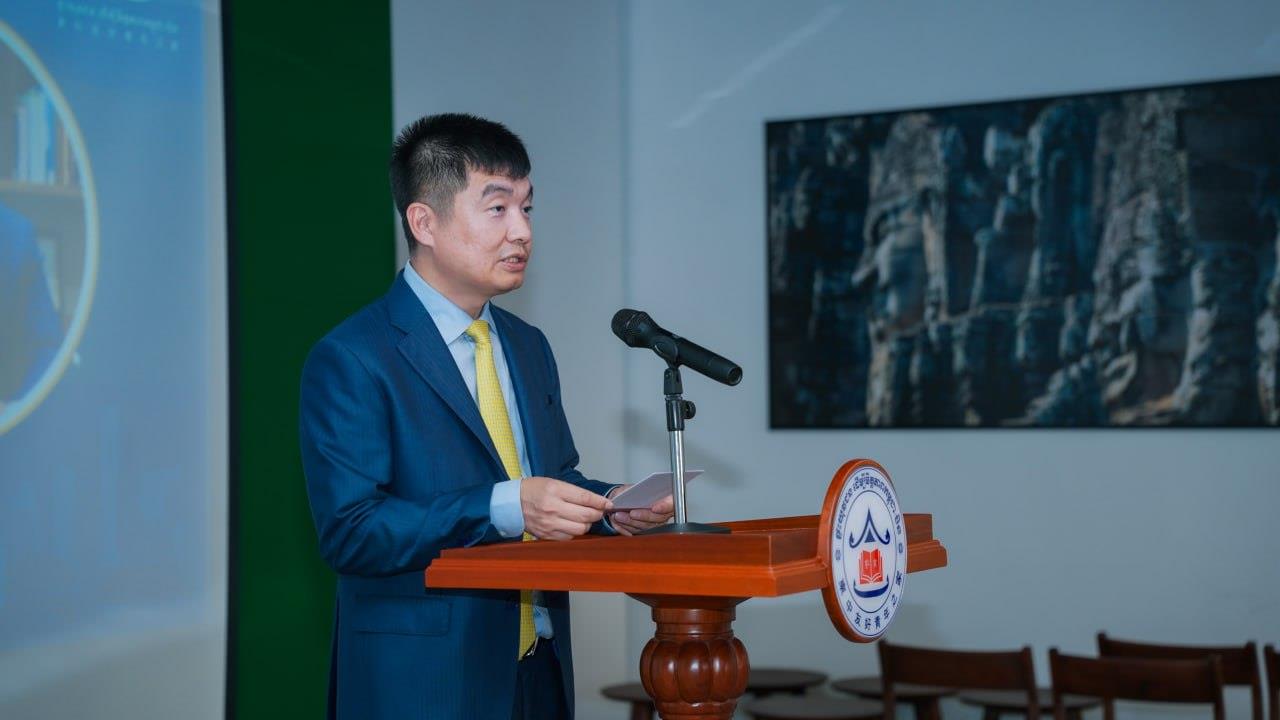
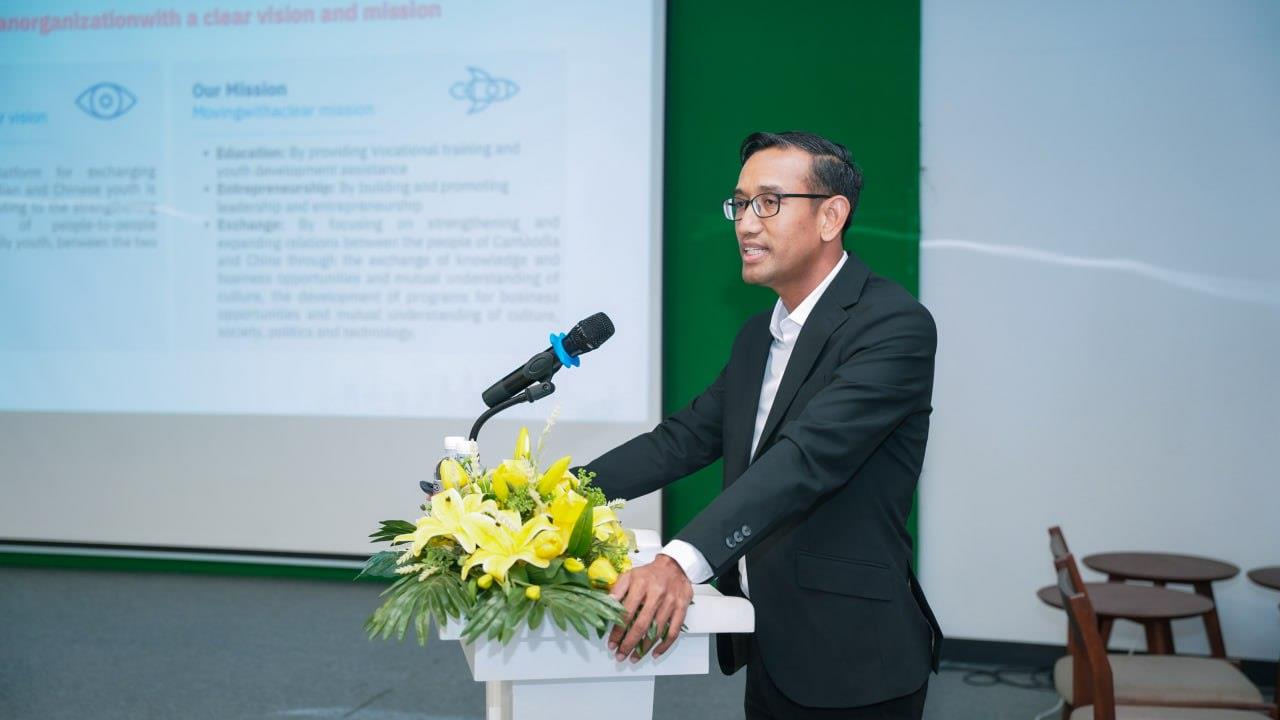
In his welcome remarks, Sok Piseth, Secretary General of the YHCCF, emphasized that economic, trade, and investment cooperation remain central pillars of Cambodia–China relations. He highlighted the Dialogue’s role as a strategic bridge connecting policymakers, the private sector, and young entrepreneurs to strengthen networks, generate practical solutions, and foster long-term partnerships.
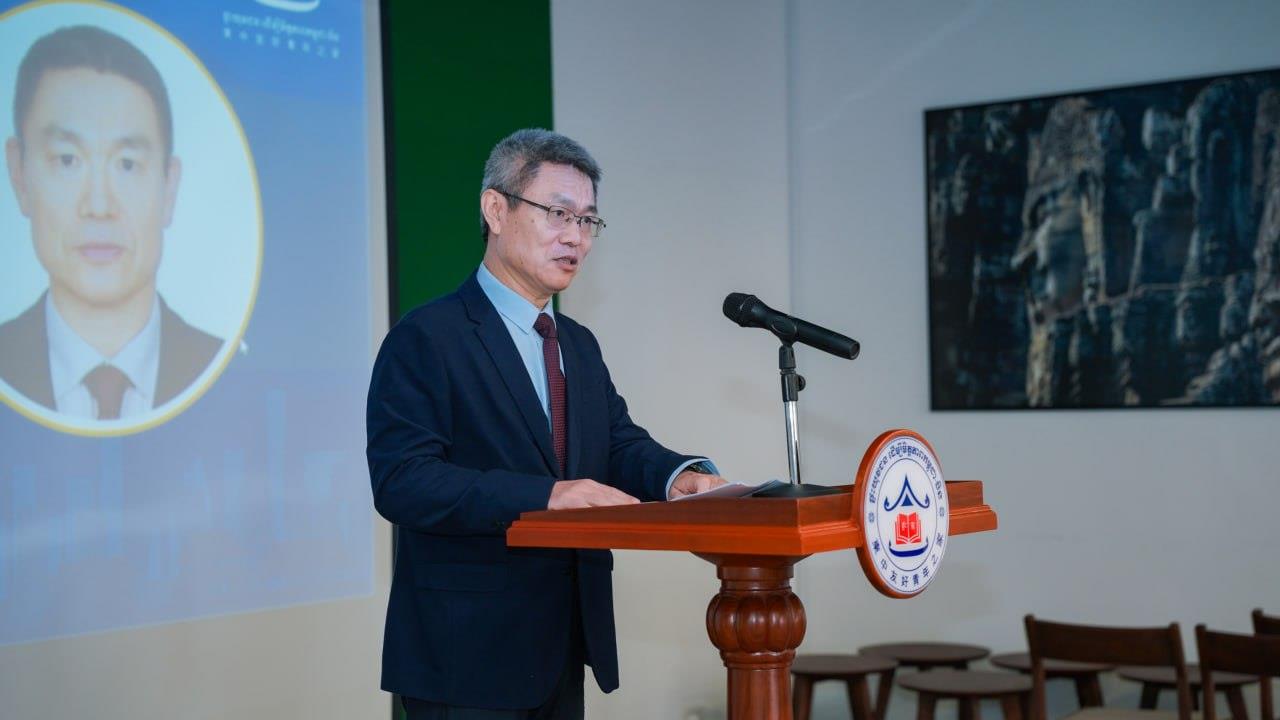
In his keynote address, Wang Zhiquan, Counsellor of the Chinese Embassy in Cambodia, reaffirmed the strong momentum of bilateral economic cooperation. He noted that Cambodia–China trade reached approximately USD 19.7 billion in 2025, with China continuing as Cambodia’s largest trading partner and source of foreign direct investment. He also expressed confidence in expanding cooperation in industrial integration, digital economy, green energy, and sustainable development.
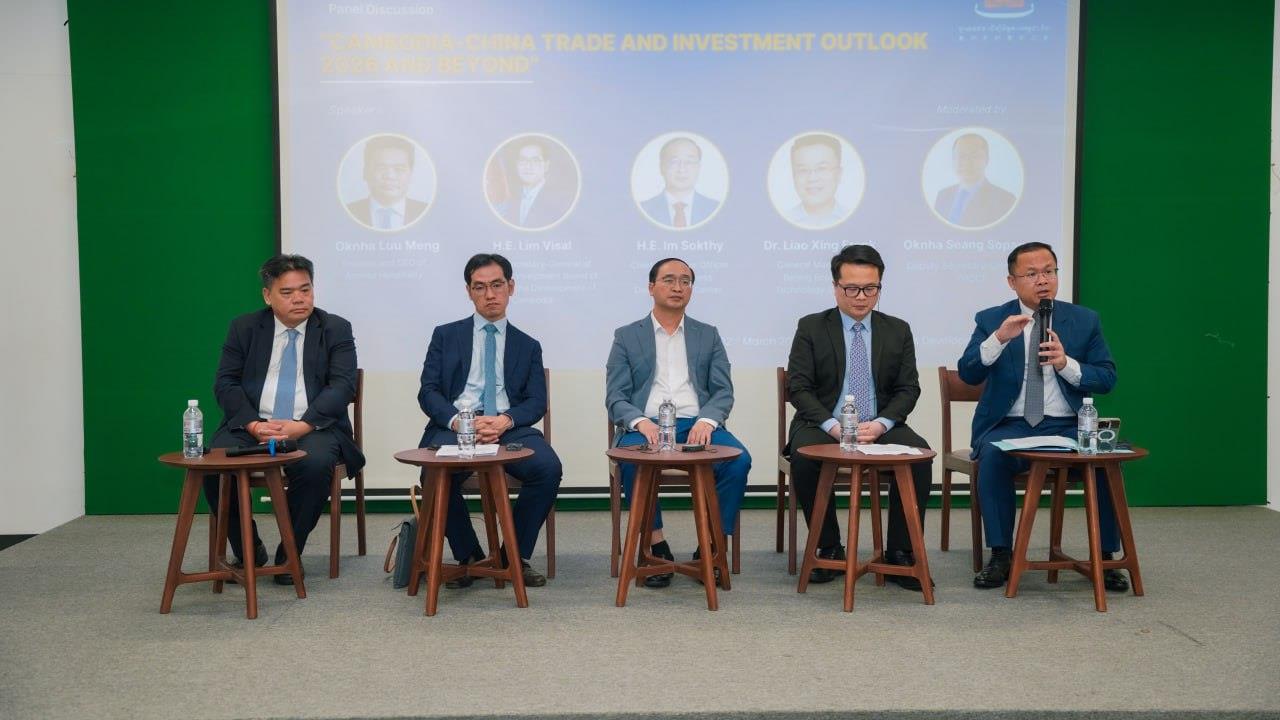
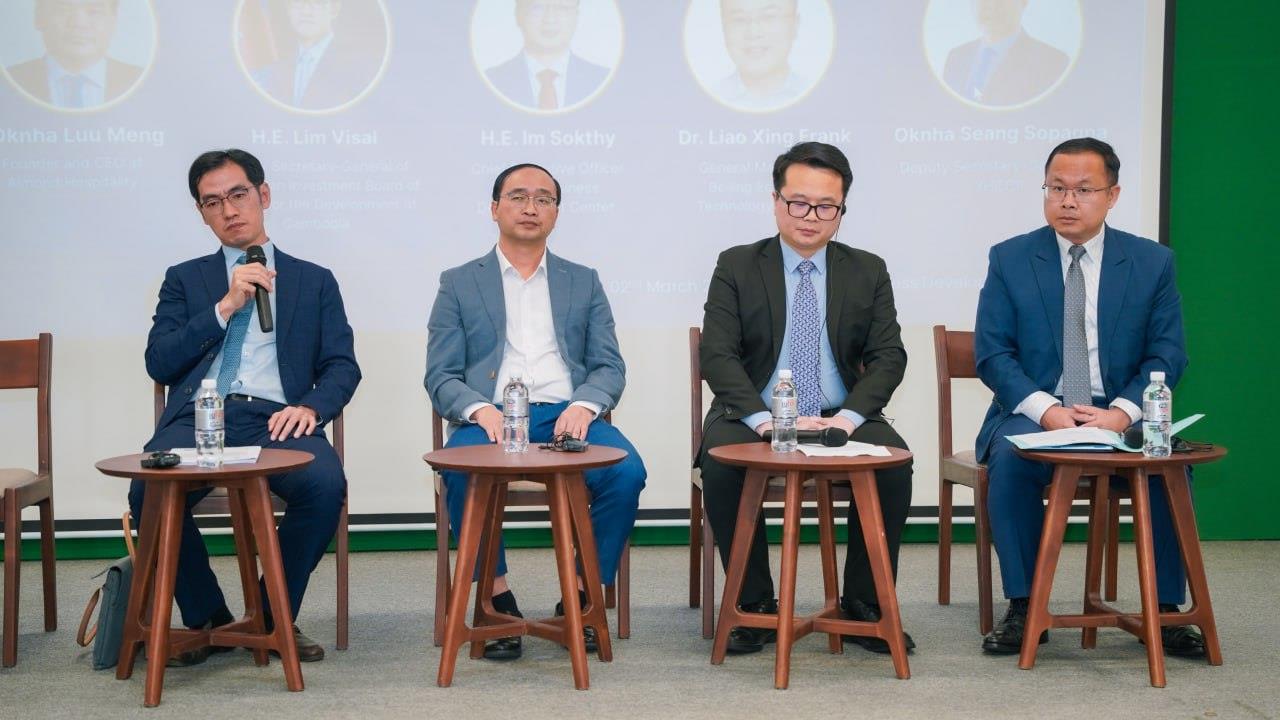
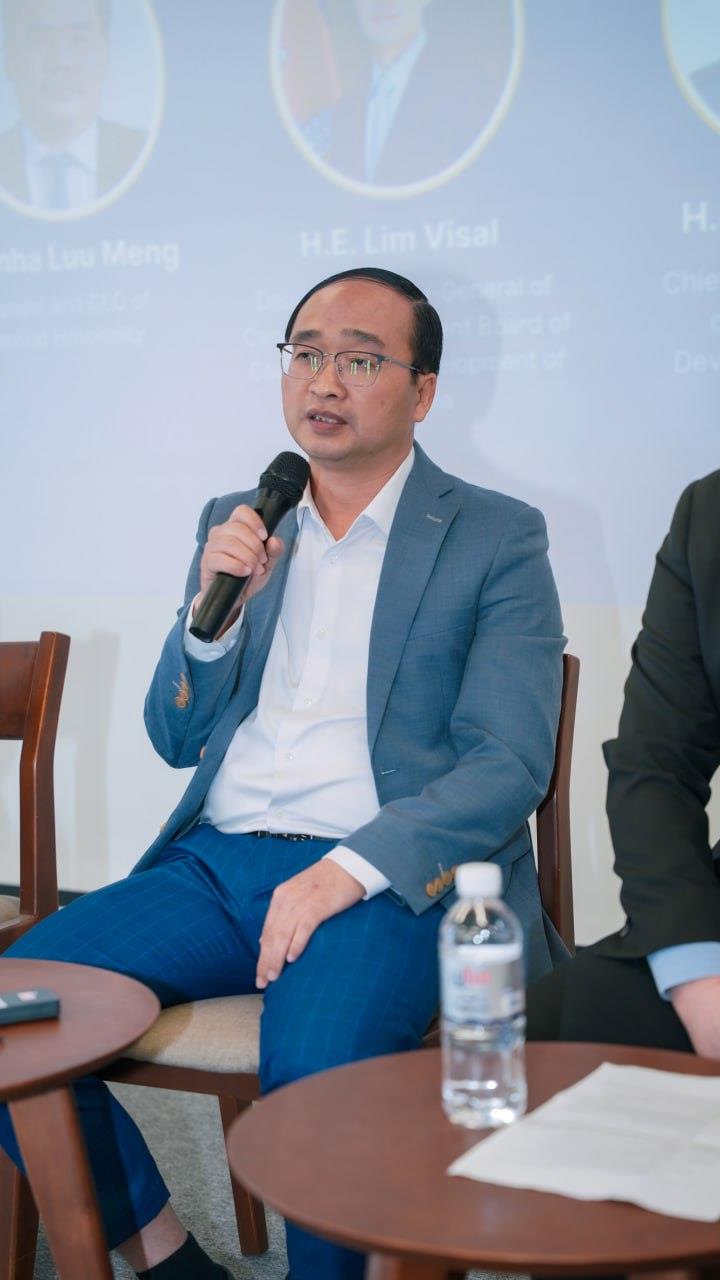
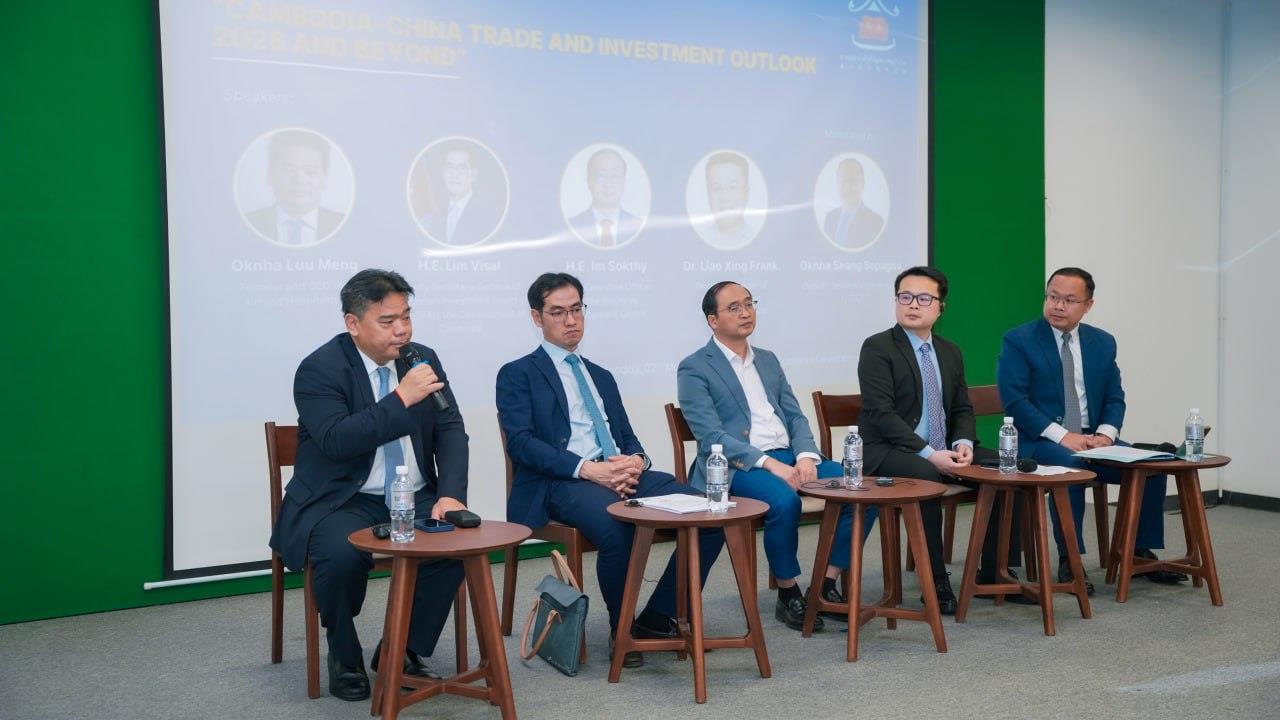
A highlight of the event was the high-level panel discussion on “Cambodia–China Trade and Investment Outlook 2026 and Beyond.” The session featured representatives from the Council for the Development of Cambodia, leading Cambodian enterprises, and Chinese companies.
During the event, panellists provided in-depth analysis of emerging investment trends and sectoral priorities, noting that Cambodia continues to position itself as a competitive destination for manufacturing diversification, agro-processing, logistics, tourism, and green development. Discussions underscored the importance of leveraging the Cambodia–China Free Trade Agreement (CCFTA) to enhance market access and supply chain connectivity.
Speakers also emphasized the need to strengthen public-private coordination, streamline investment facilitation, improve logistics and customs efficiency, and promote skills development to meet evolving industrial demands. Particular attention was given to innovation-driven growth, digital transformation, renewable energy cooperation, and sustainable industrial zones.
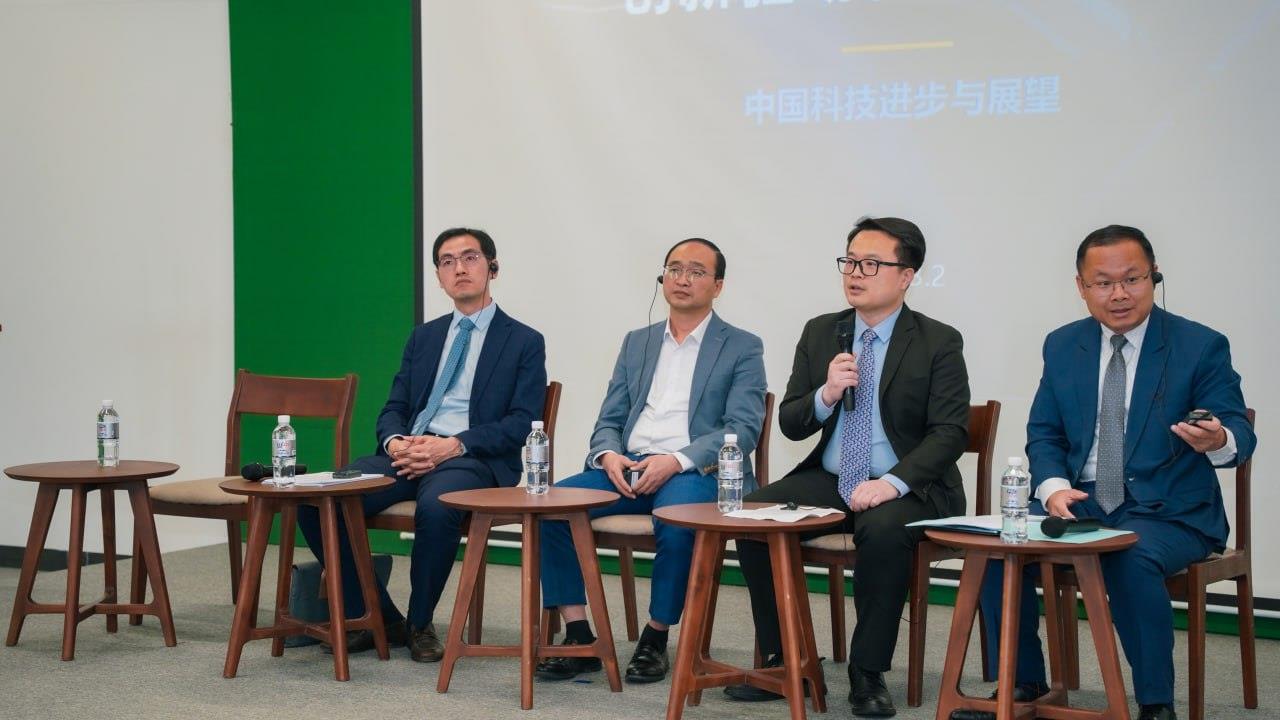
The interactive exchange allowed participants to raise practical concerns and explore partnership opportunities, reflecting strong interest in expanding joint ventures and long-term investment collaboration.
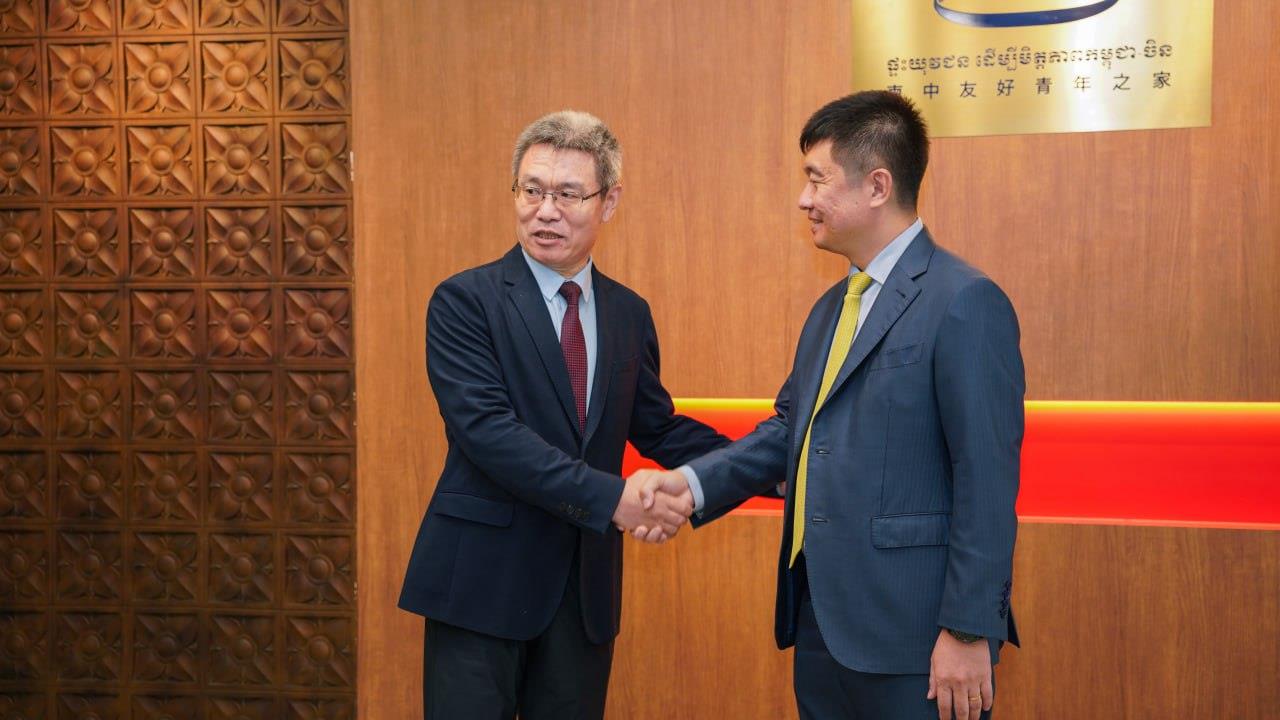
The Dialogue concluded with active networking and business exchanges, reinforcing new connections and identifying concrete areas for follow-up cooperation.
Through this initiative, YHCCF reaffirmed its commitment to serving as a platform for constructive dialogue and practical collaboration, contributing to stronger economic integration and sustainable growth between Cambodia and China.
=FRESH NEWS