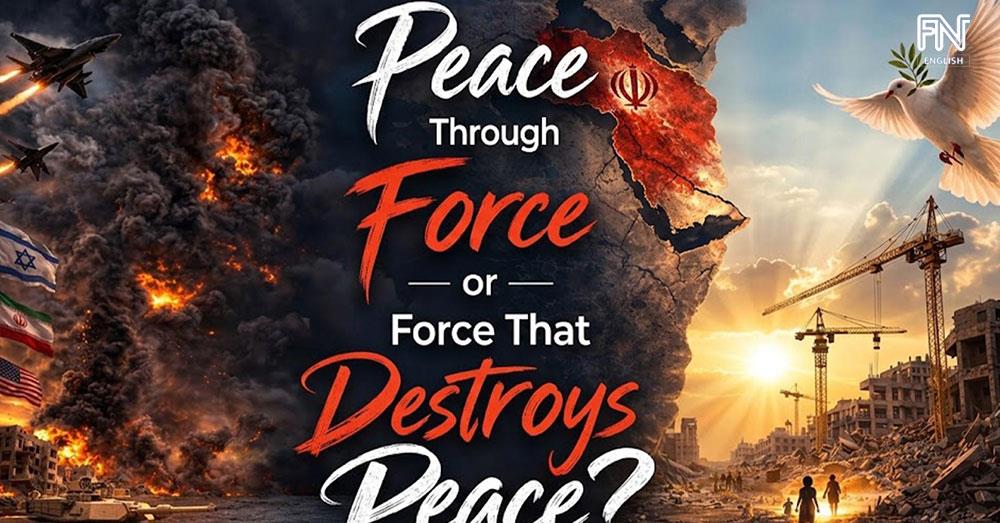
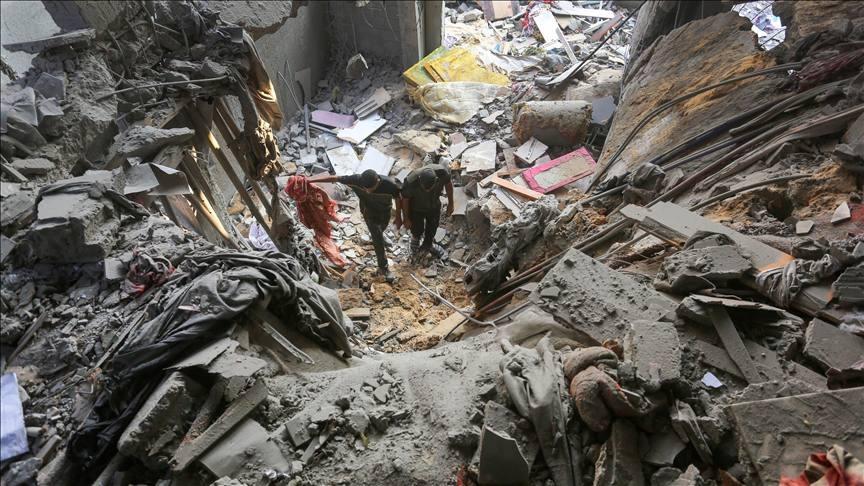
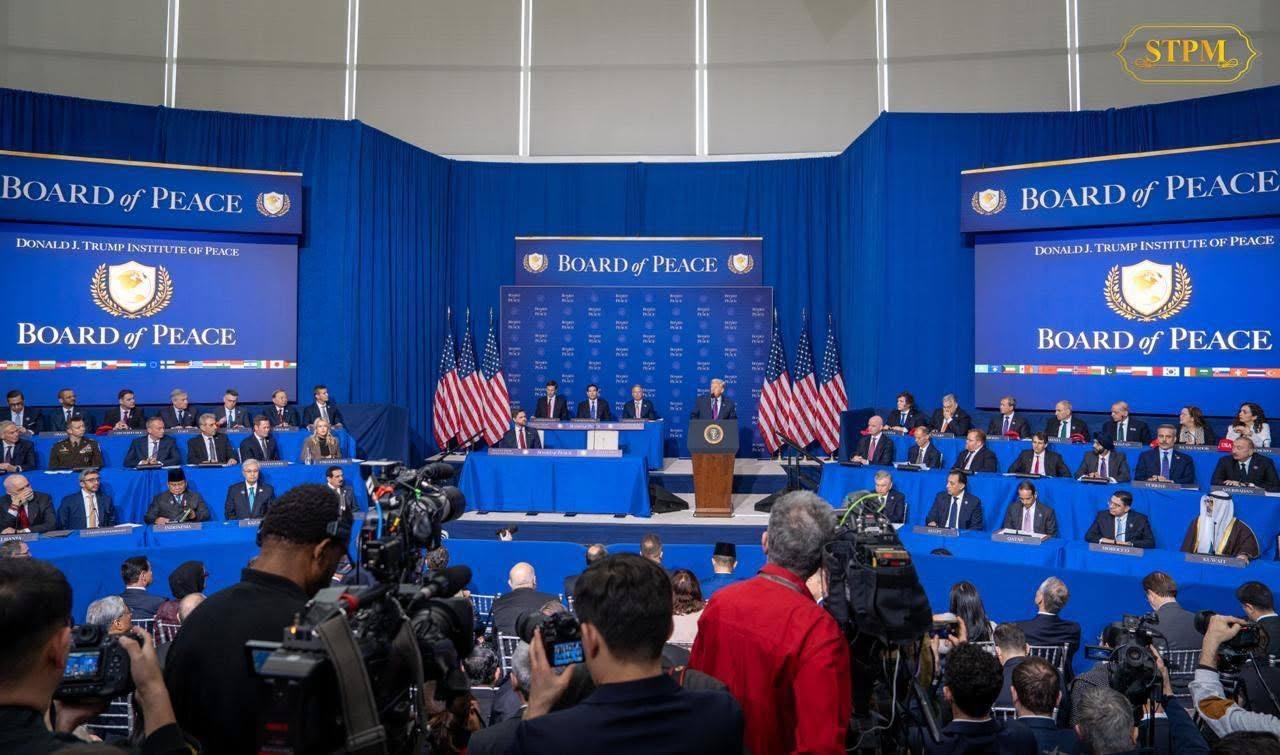
(Phnom Penh): Just as the Board of Peace (BoP) announced that it had secured billions of dollars to rebuild Gaza, one country widely viewed as the greatest strategic obstacle to this new peace architecture was Iran.
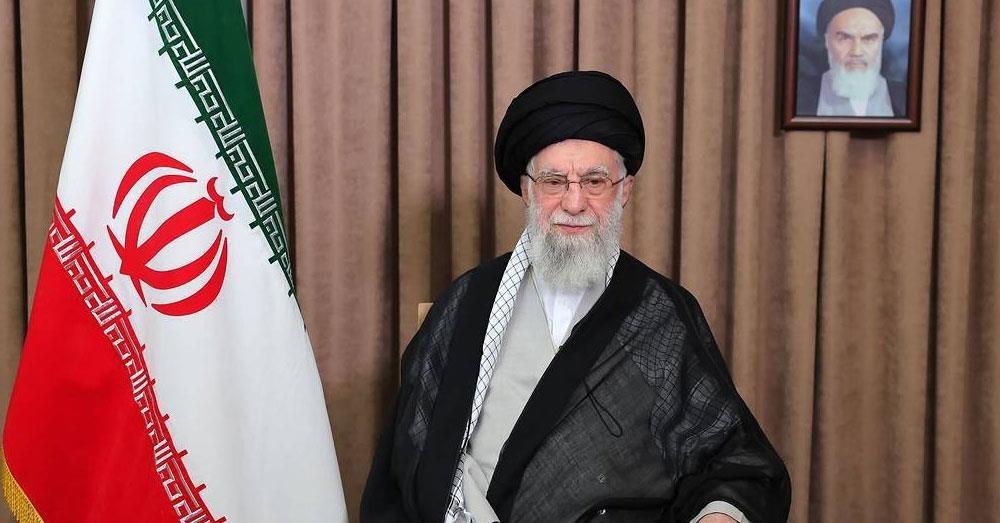
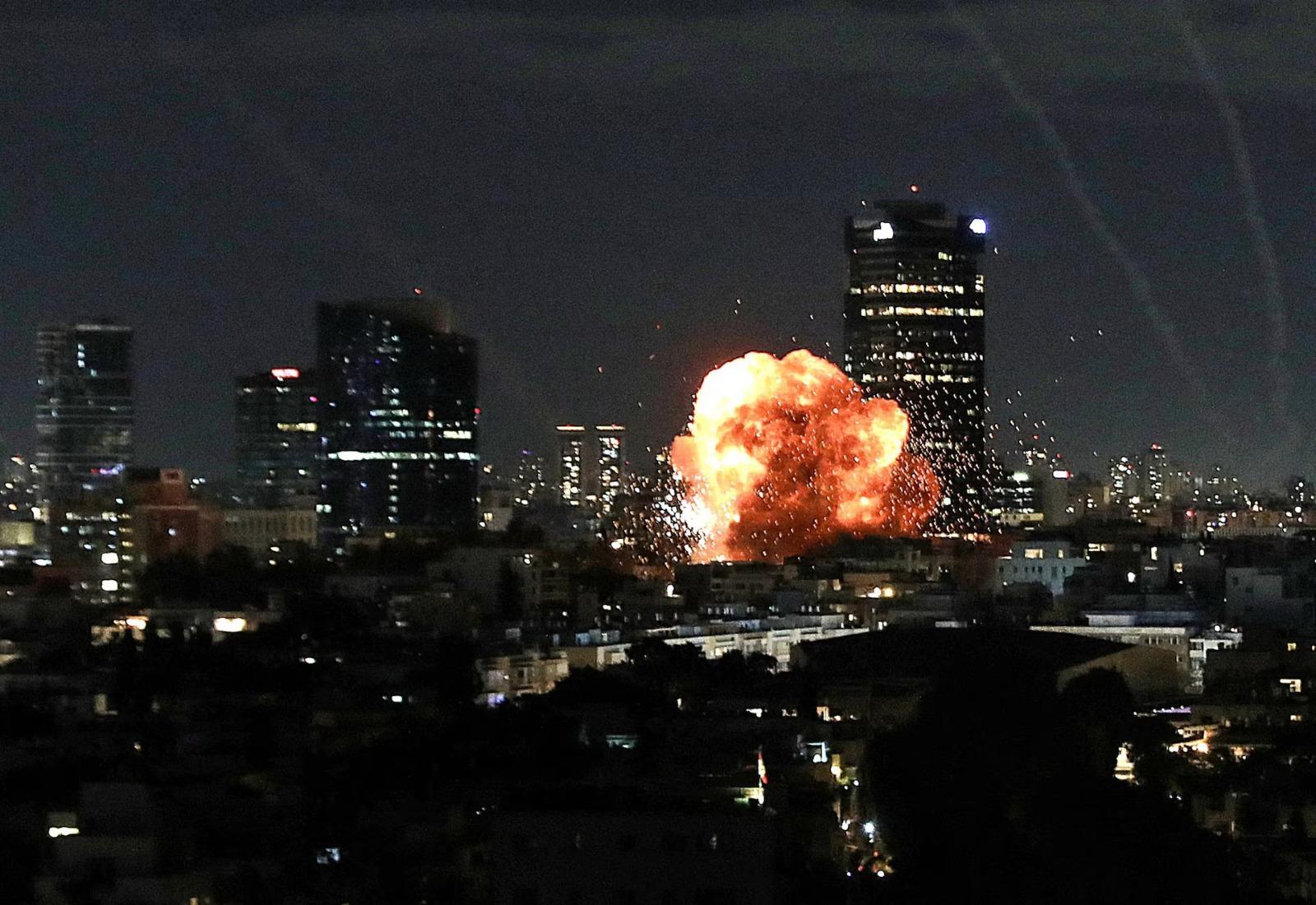
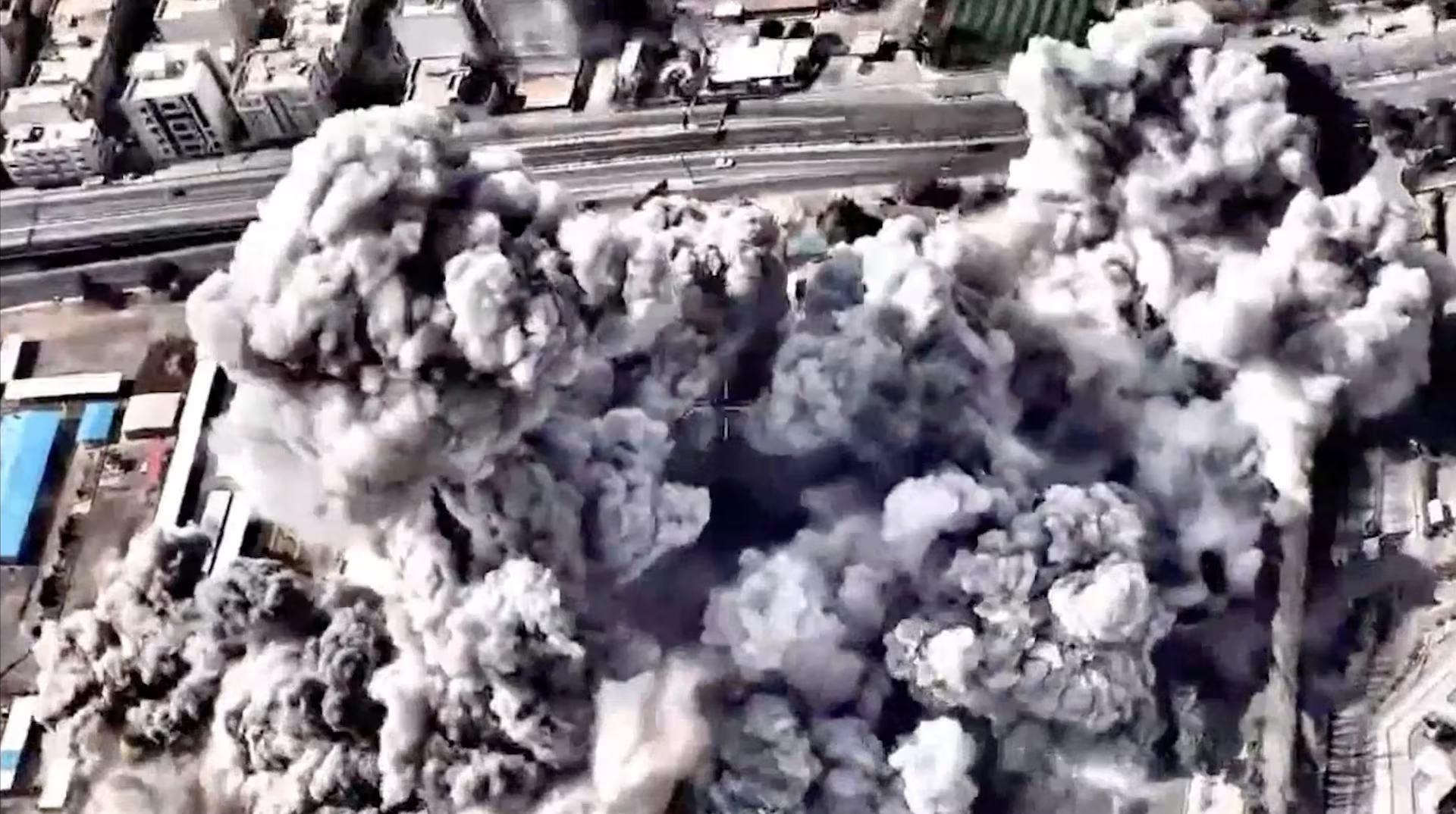
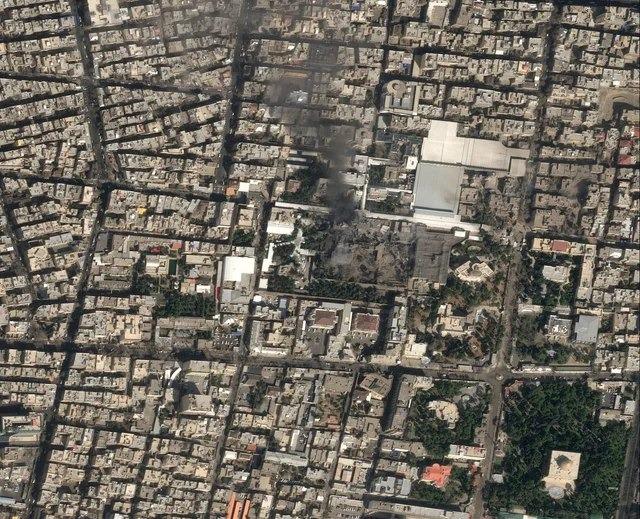
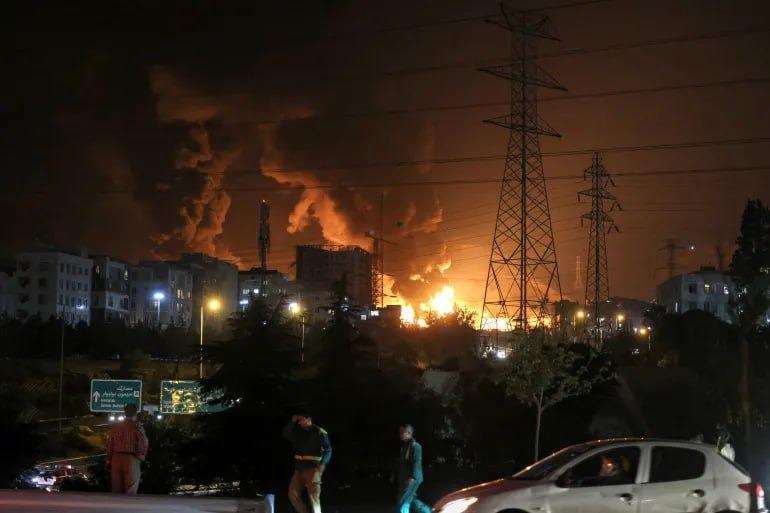
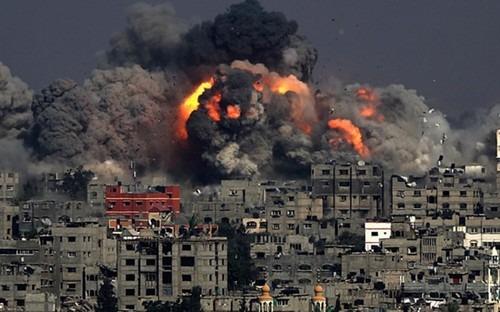
Approximately nine days after the BoP’s inauguration, Iran came under aerial attack, and its Supreme Leader was killed.
The question now is heavier than any bomb dropped: not “Who is winning on the battlefield?” but rather:
Can weakening an adversary in order to build peace ultimately transform into an act that destroys peace itself?
At this critical juncture, peace and power stand face to face — not merely as competing policies, but as strategic choices that may shape the future of the entire Middle East.
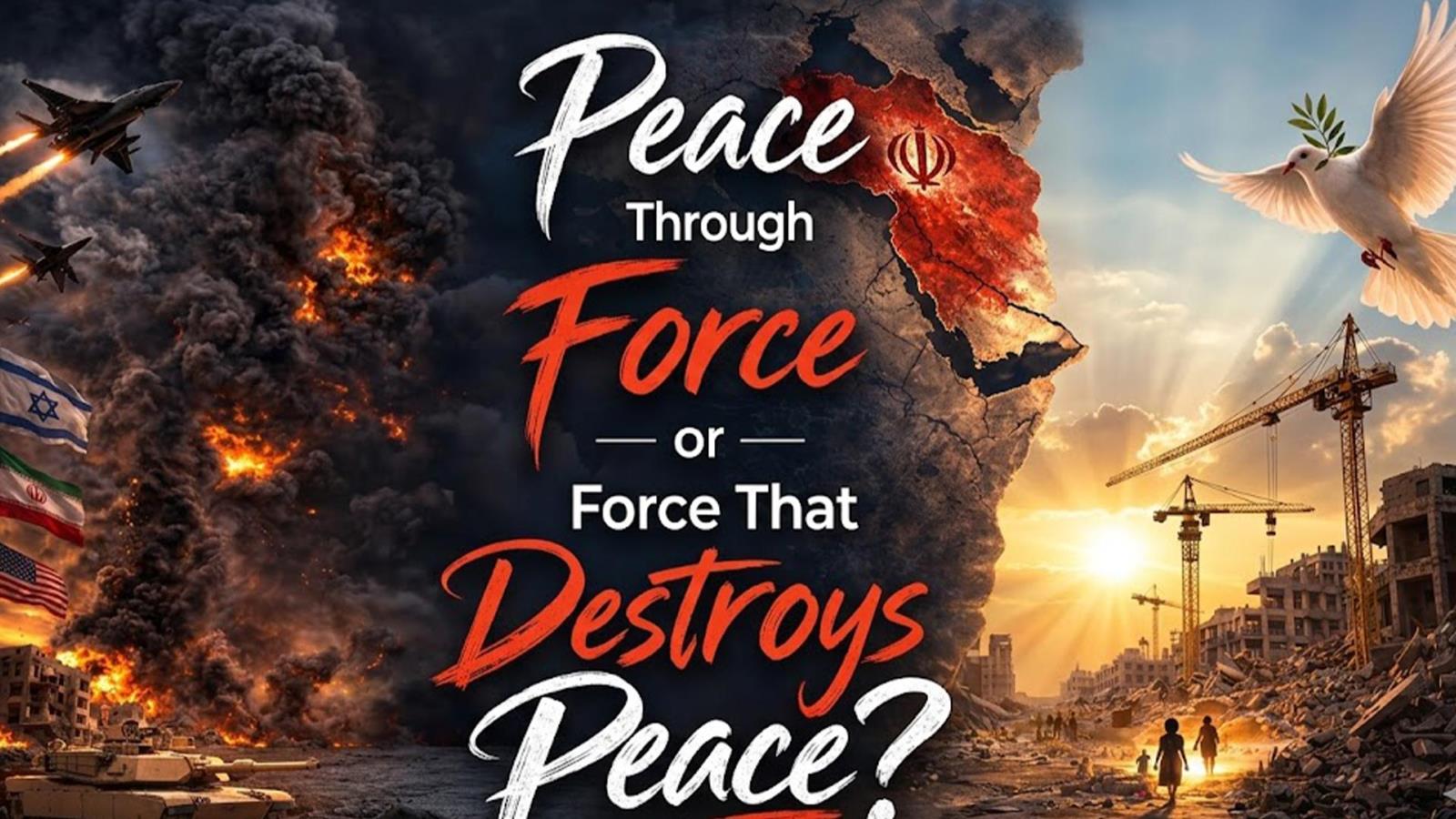
Peace Through Force
From the security perspective of Washington, Iran has long been viewed as a “strategic disruptor” in the Middle East — through its regional alliances and military capabilities that are perceived as contributing to instability.
Within this framework, reducing Iran’s influence prior to rebuilding Gaza can be understood as an effort to “prepare the security environment” to ensure that the BoP initiative proceeds without interference from military pressure or proxy activities.
According to this logic, peace does not emerge from declarations alone. It requires effective deterrence — the ability to signal clearly that any attempt to sabotage peace will carry a high cost.
For advocates of this strategy, force is not the objective. It is the instrument used to create conditions for peace.
Red Lines and Retaliation
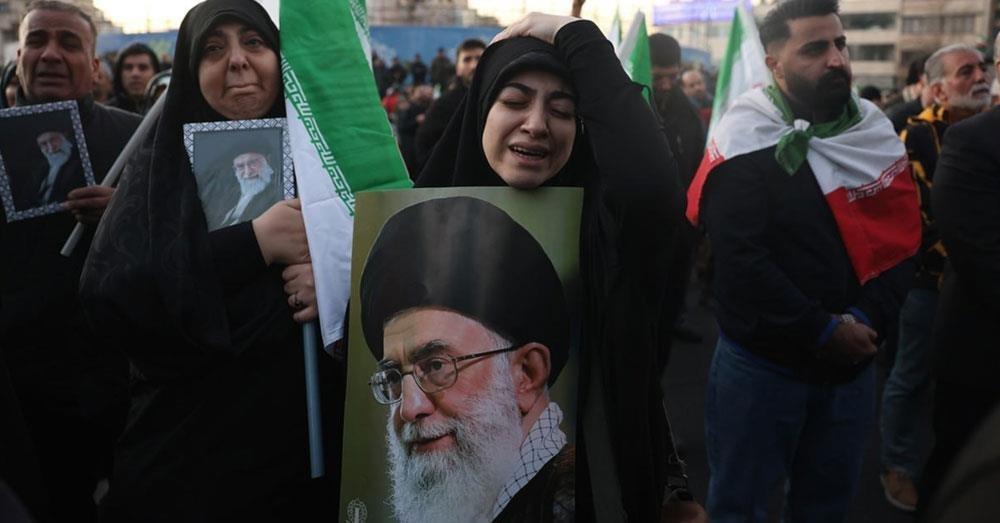
From Iran’s perspective, however, the killing of its Supreme Leader was not simply an attack on an individual. It was viewed as crossing a red line — a direct challenge to state sovereignty, political legitimacy, and religious authority with deep historical significance.
In this context, failing to respond would risk domestic legitimacy and national prestige. Retaliation thus became unavoidable — not merely as a military reaction, but as a political message to both domestic and international audiences.
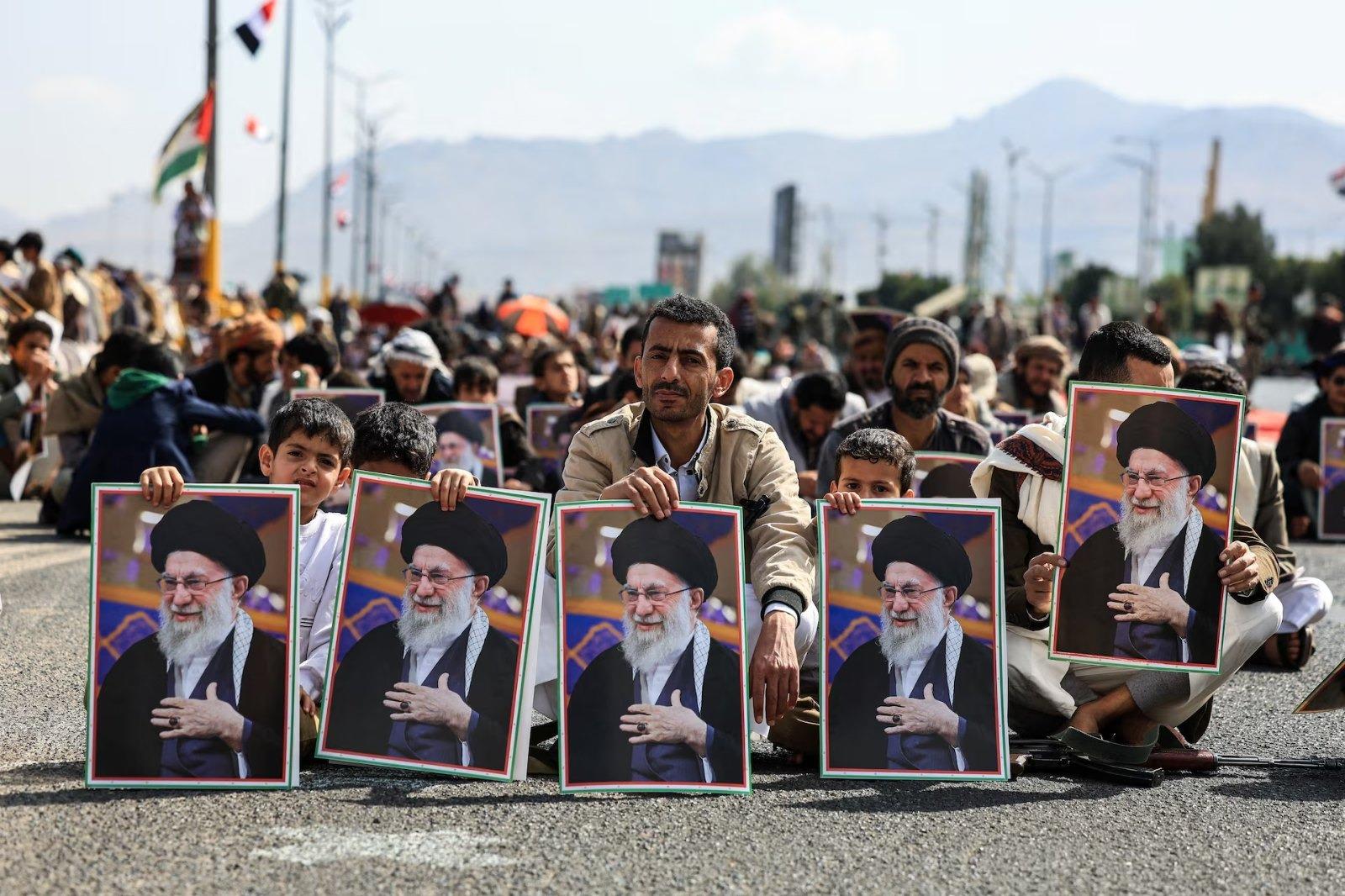
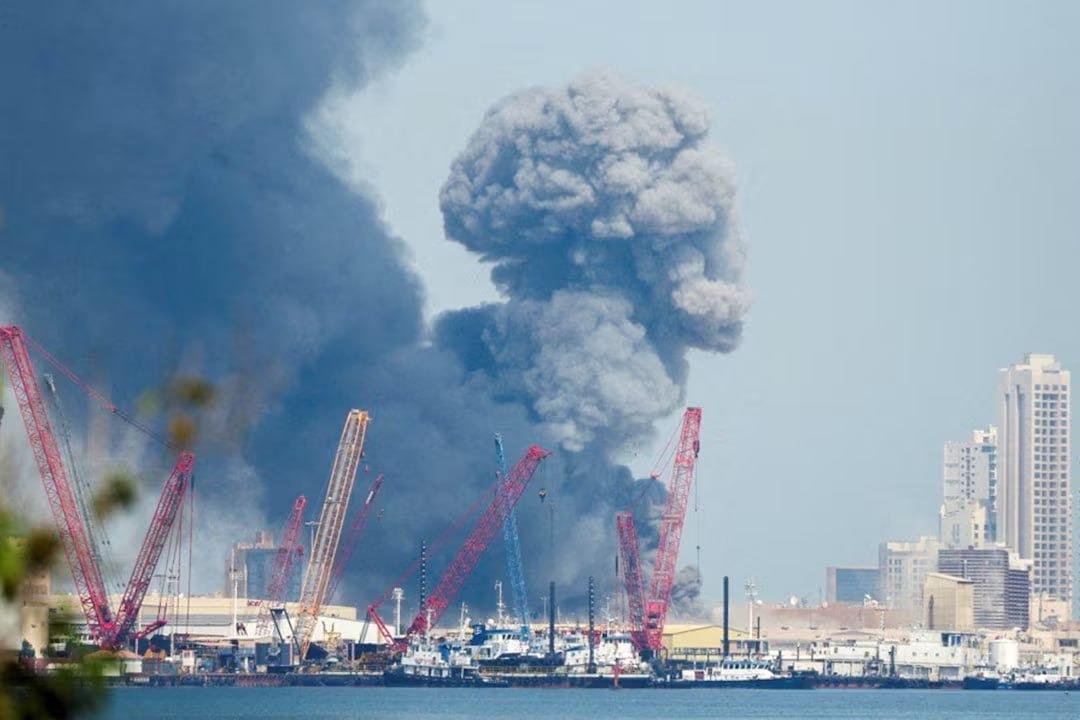
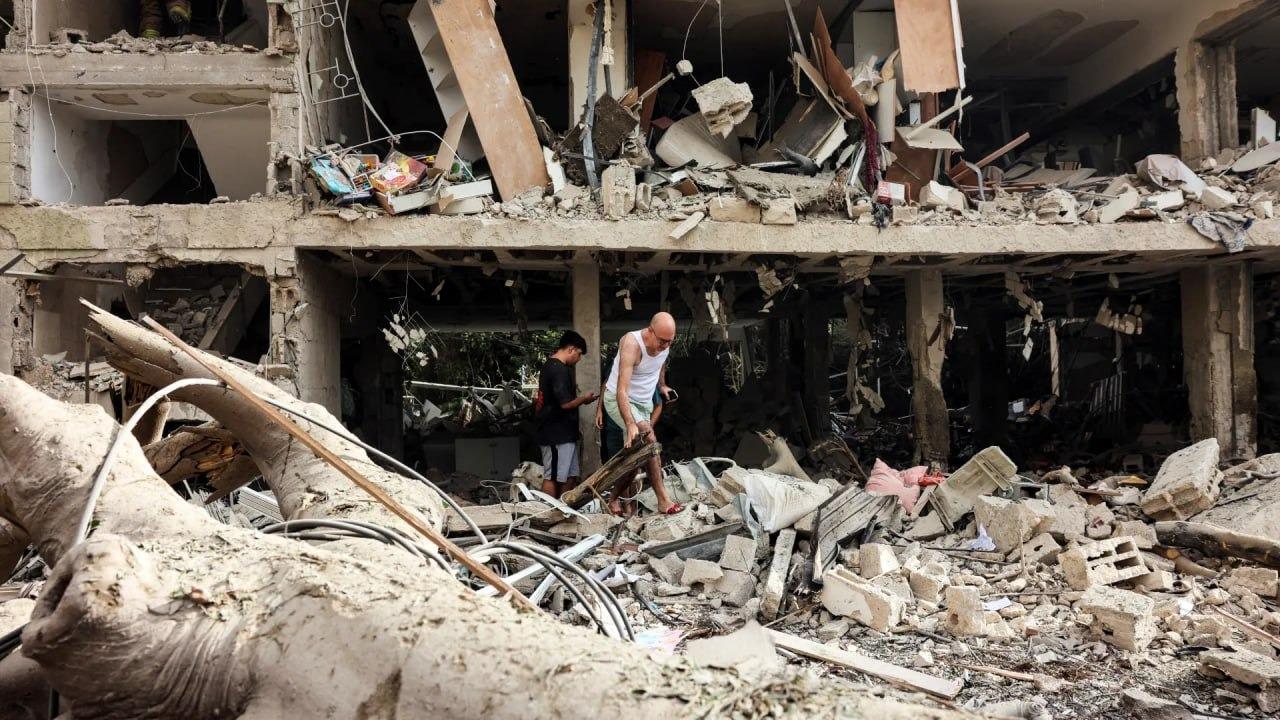
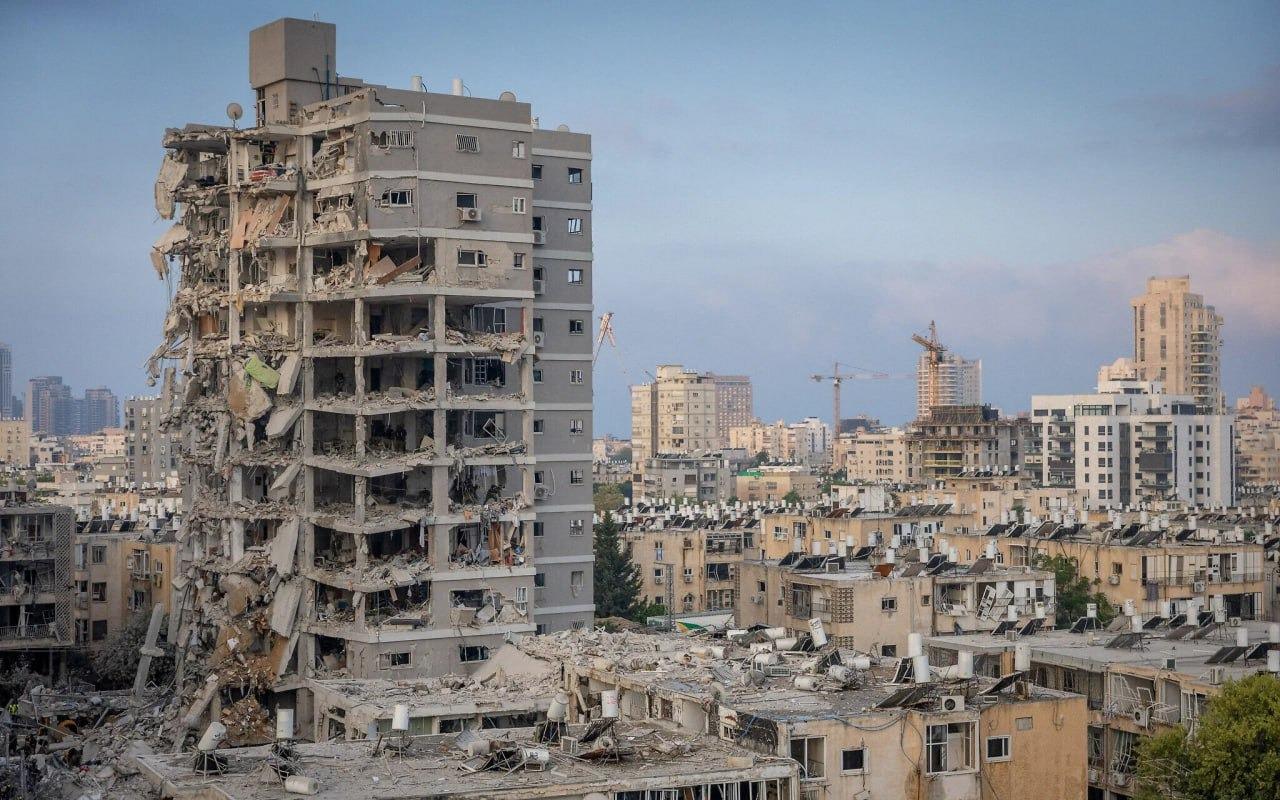
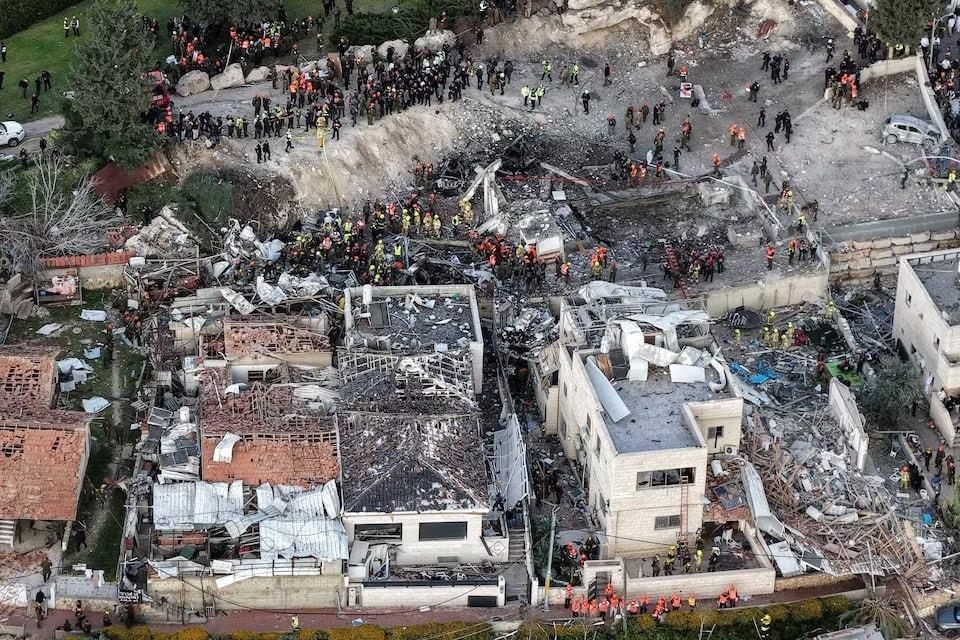
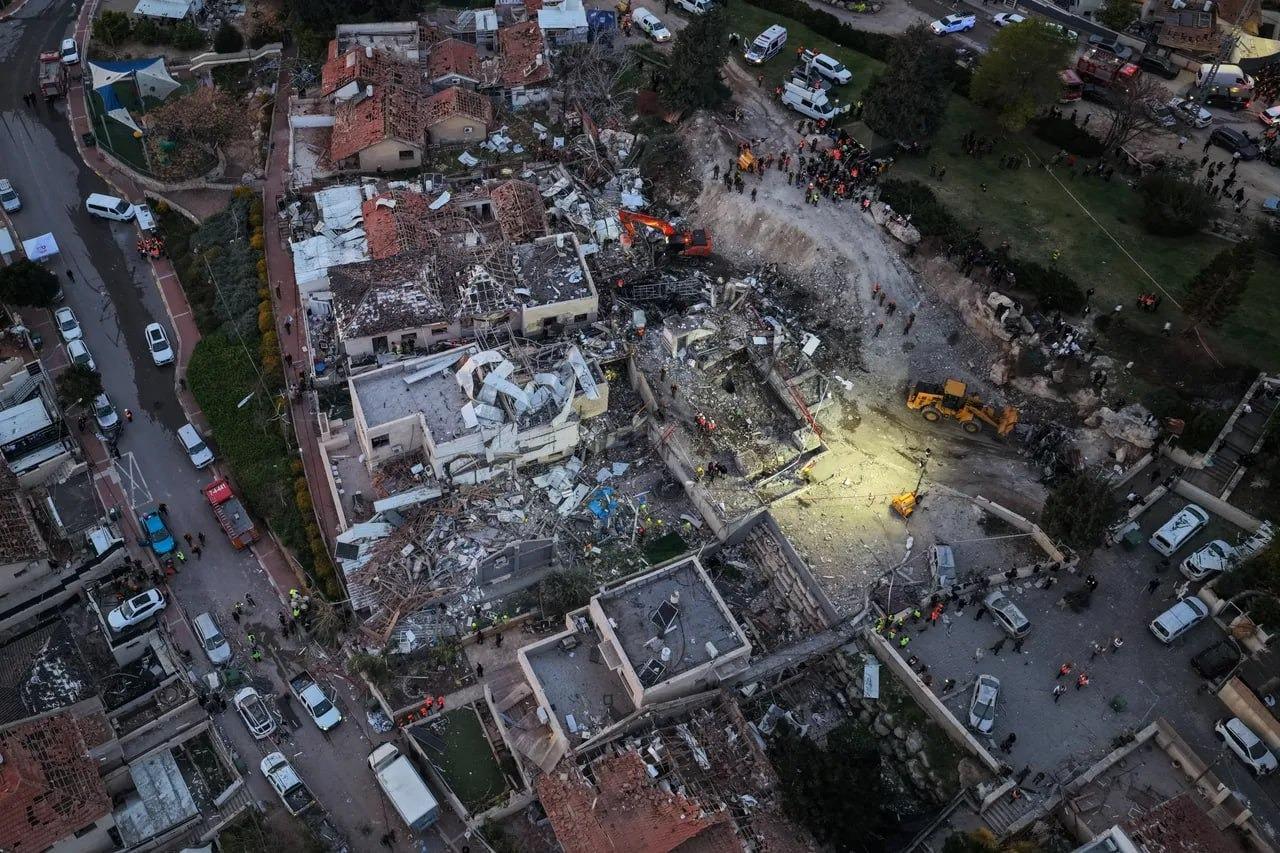
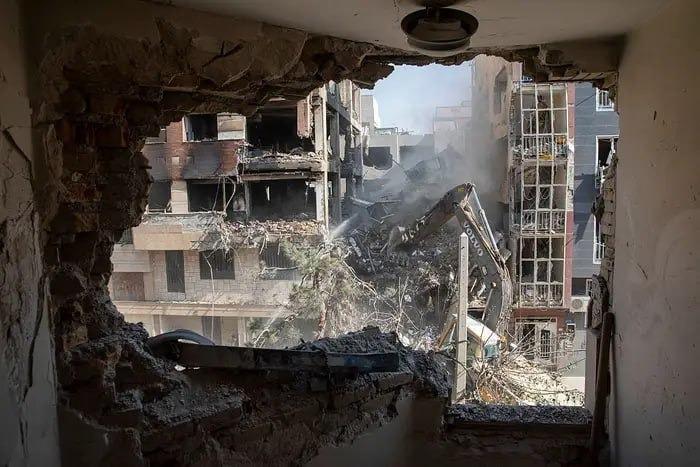
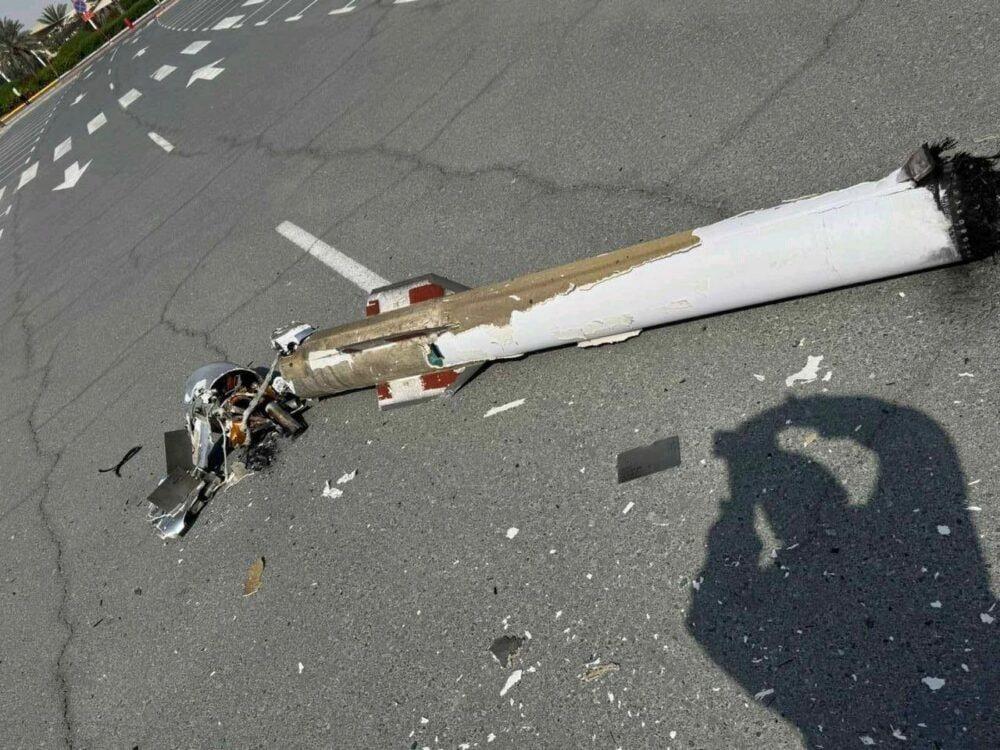
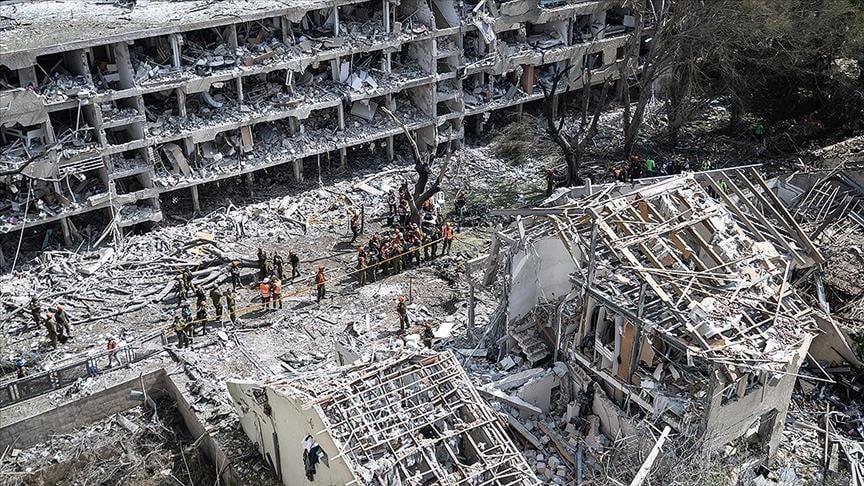
In the days that followed, Iran and its allied groups launched attacks against Israel and U.S. military bases in the Gulf region. These actions demonstrate that crossing red lines does not conclude with a single strike; it can open the door to cycles of retaliation that are increasingly difficult to control.
The Iranian Foreign Ministry spokesperson, Esmail Baghaei, told CNN from Tehran that Iran “has no choice but to defend itself against this unjust war.” The statement underscores Tehran’s framing of retaliation as both a national and moral obligation.
What began as a targeted military action now risks evolving into a broader geopolitical crisis. The danger of regional escalation grows as both sides continue testing the limits of one another — without clarity on where or how it will end.
Here, the peace initiative and the flames of war are no longer moving on separate tracks — they are intersecting. The stability required for peace is being tested by the heat of retaliation.
What Foundation Does Peace Stand On?
The central question is no longer simply whether Gaza can be rebuilt, but on what foundation this new peace architecture will stand.
If the current hostilities subside quickly and retaliation remains contained, a minimal level of stability may allow reconstruction efforts to proceed. In this scenario, peace through deterrence may provide temporary security conditions sufficient for rebuilding.
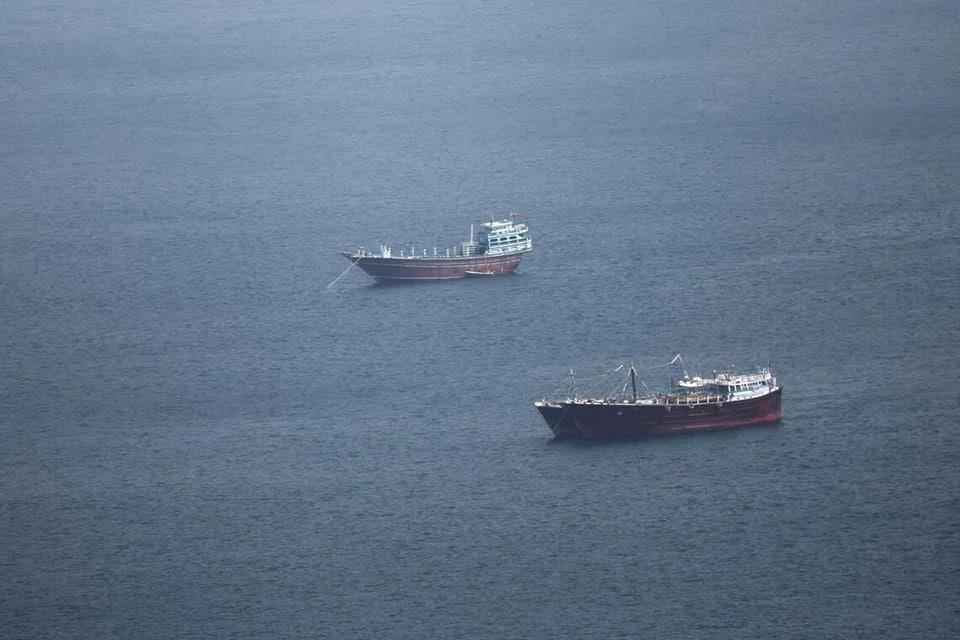
But if retaliatory exchanges evolve into a prolonged proxy conflict, or escalate toward disruptions of critical strategic waterways, the equation changes entirely. Billions of dollars intended for reconstruction and social recovery may instead be redirected toward security, defense, and risk management.
At that point, the peace envisioned would not be one grounded in consent and sustainable stability. It would become peace under coercion — outwardly structured, yet internally fragile and vulnerable to collapse at the next shock.
Peace cannot stand on force alone. If its foundation rests primarily on coercion — absent diplomacy and international legitimacy — it becomes a structure that appears solid from the outside but is built on sand.
The Strategic Crossroads
This moment represents a major turning point in Middle Eastern geopolitics — one that could redirect the region’s future.
If deterrence succeeds in raising the cost of disruption high enough to restrain escalation, the doctrine of peace through force may create limited security conditions for stabilization.
But if crossing red lines triggers uncontrolled cycles of revenge, and retaliation continues over an extended period, then force deployed in the name of peace may instead become the force that destroys it.
The current conflict is not merely a contest of power. It is a contest over the ability to manage power — to control escalation before it spirals beyond intention.
Without careful risk calculation and a credible diplomatic off-ramp, the peace being constructed today may collapse before the architecture is completed.
Conclusion
The Board of Peace may genuinely seek to establish long-term stability, and the reconstruction of Gaza may represent a meaningful step toward ending protracted conflict.
But peace cannot stand on force alone.
Force can deter. It can intimidate. It can create short-term security conditions. Yet lasting peace requires more: diplomatic pathways out of crisis, inclusive security frameworks, and the management of retaliatory impulses that can erode stability from within.
Without a diplomatic exit strategy and disciplined escalation control, the fire intended to forge peace may instead consume it.
In the end, the question is not whether force can win peace — but whether force can be controlled sufficiently to prevent it from destroying what it claims to protect.