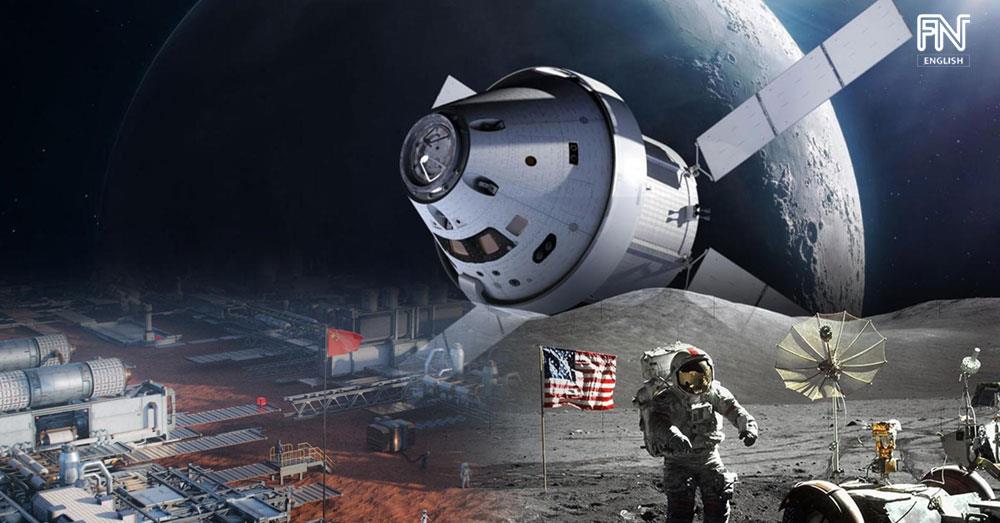
(Phnom Penh): The renewed race to the Moon between the United States and the People’s Republic of China is no longer merely a scientific competition for prestige, as it was during the Cold War. It is now a strategic contest to determine who will shape the rules, standards, and architecture of power in the 21st-century space economy.
The Moon has emerged as a new geopolitical frontier—one that could influence the global balance of power on Earth in the decades ahead.
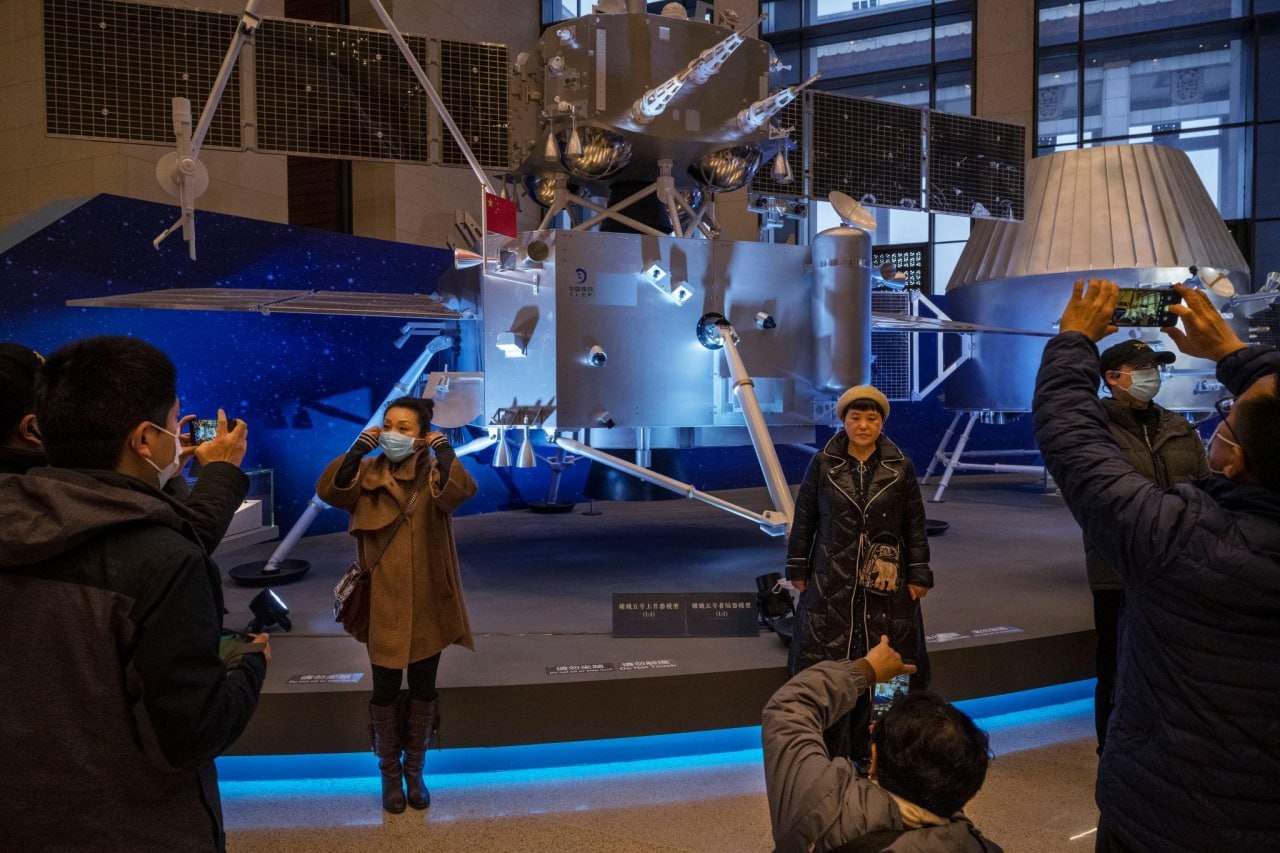
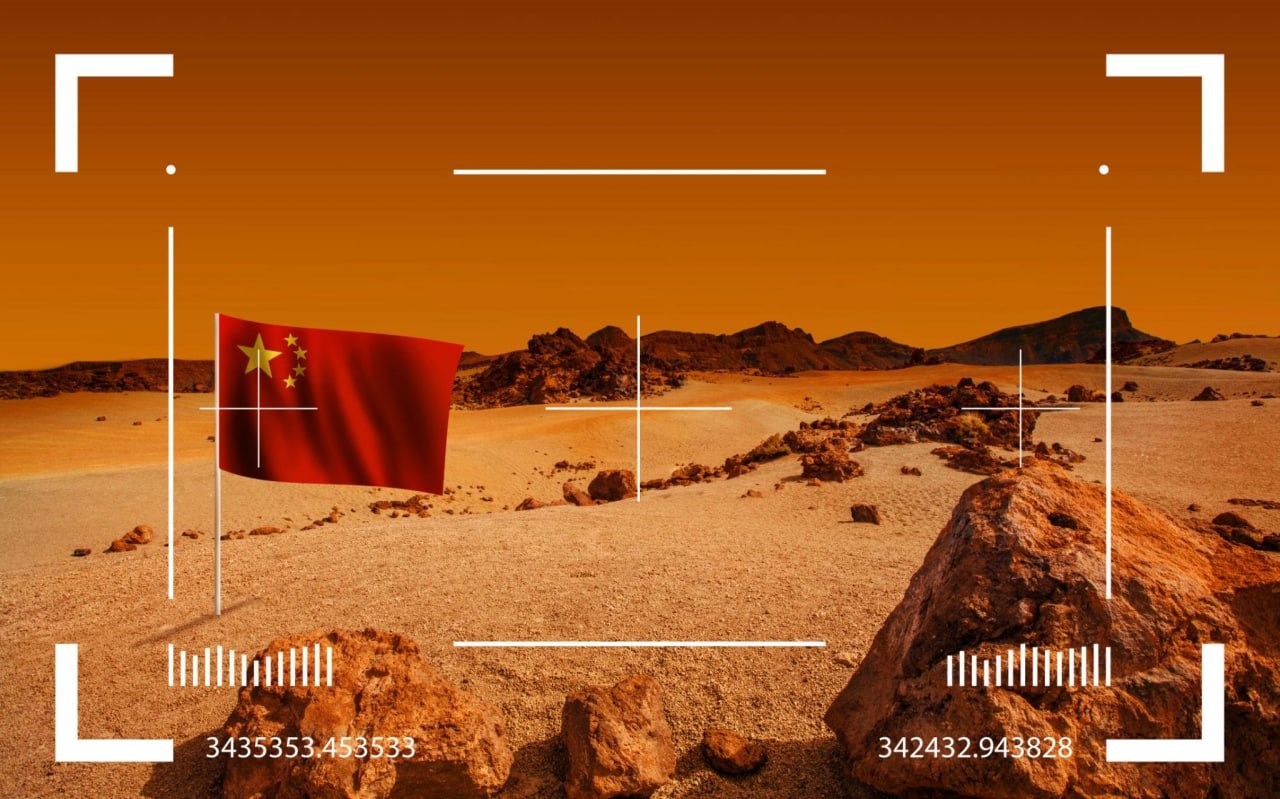
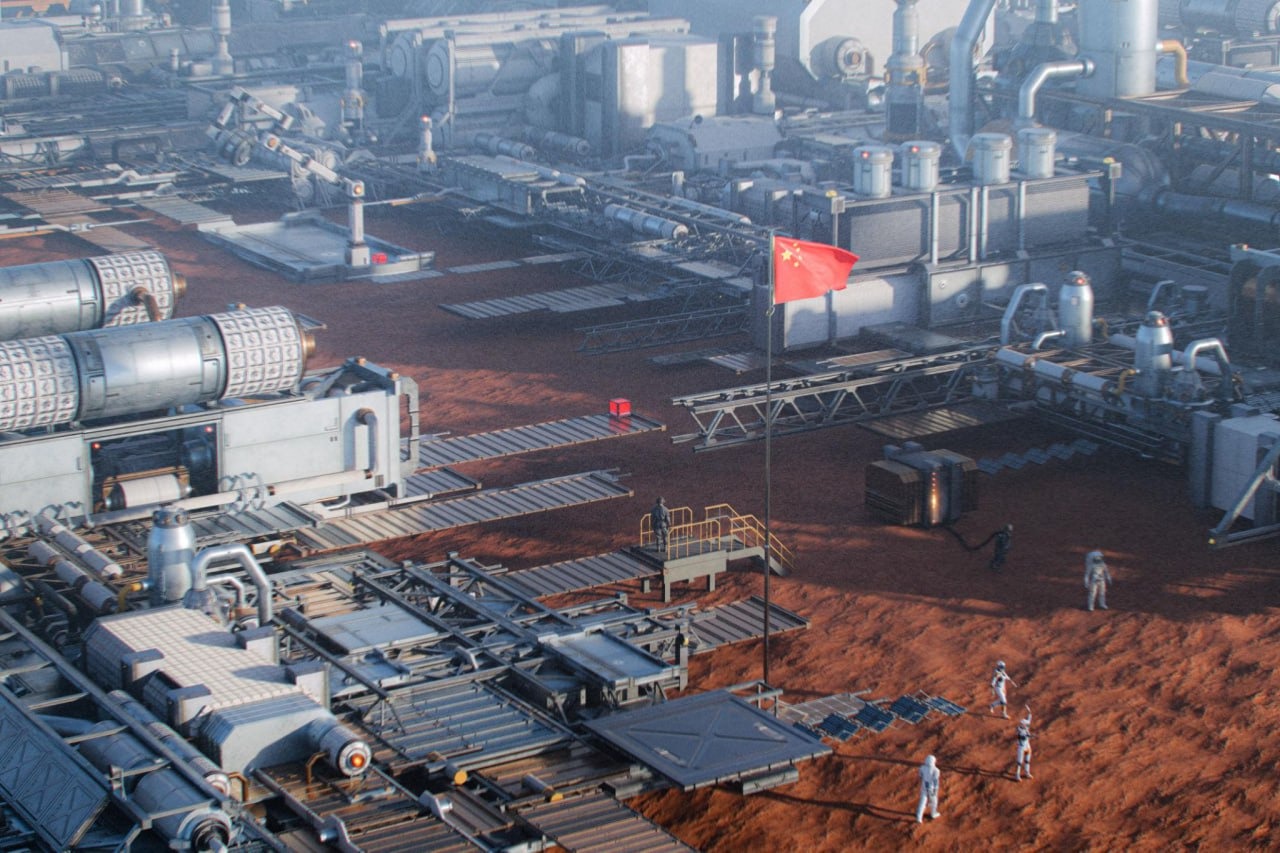
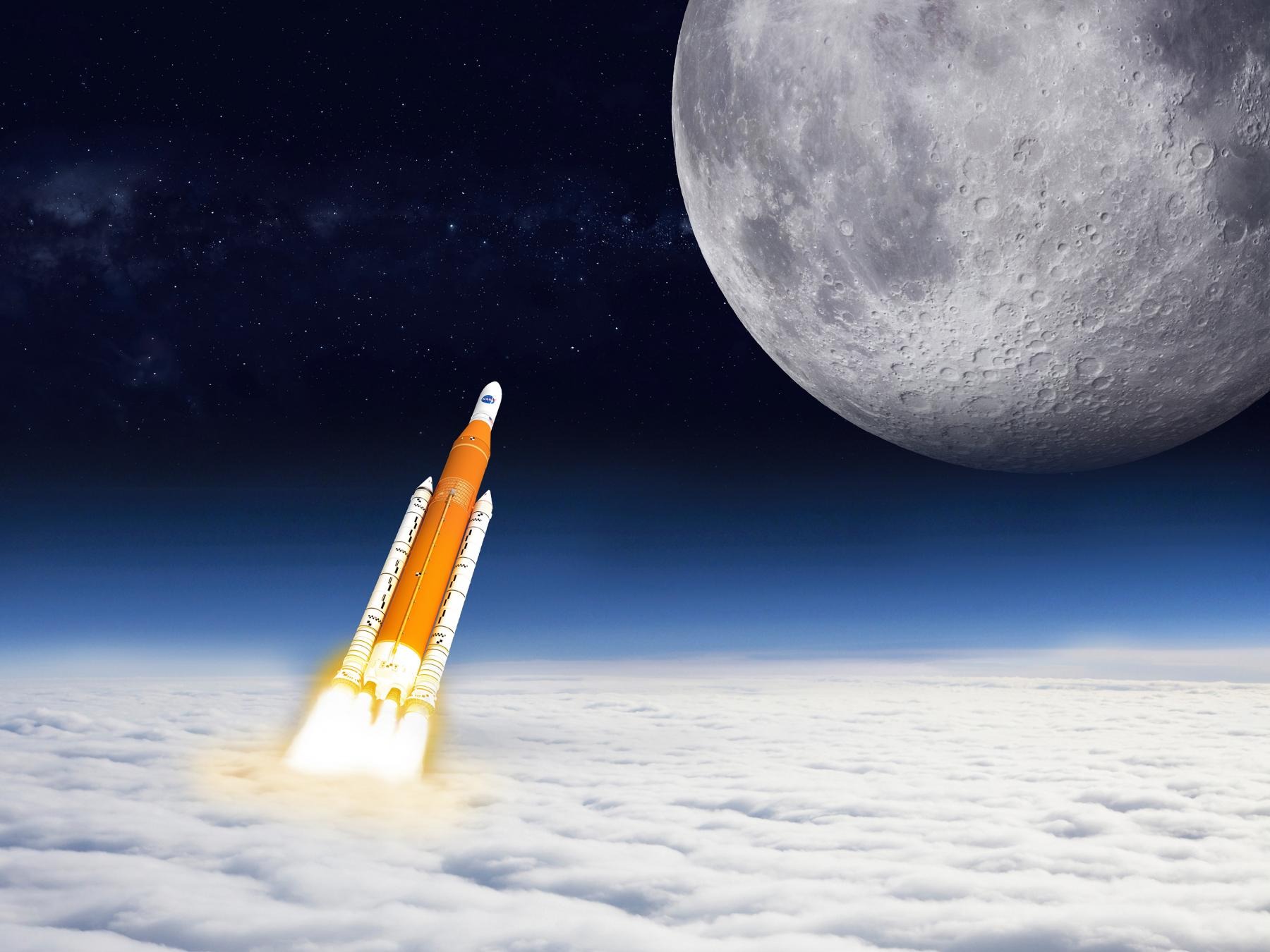
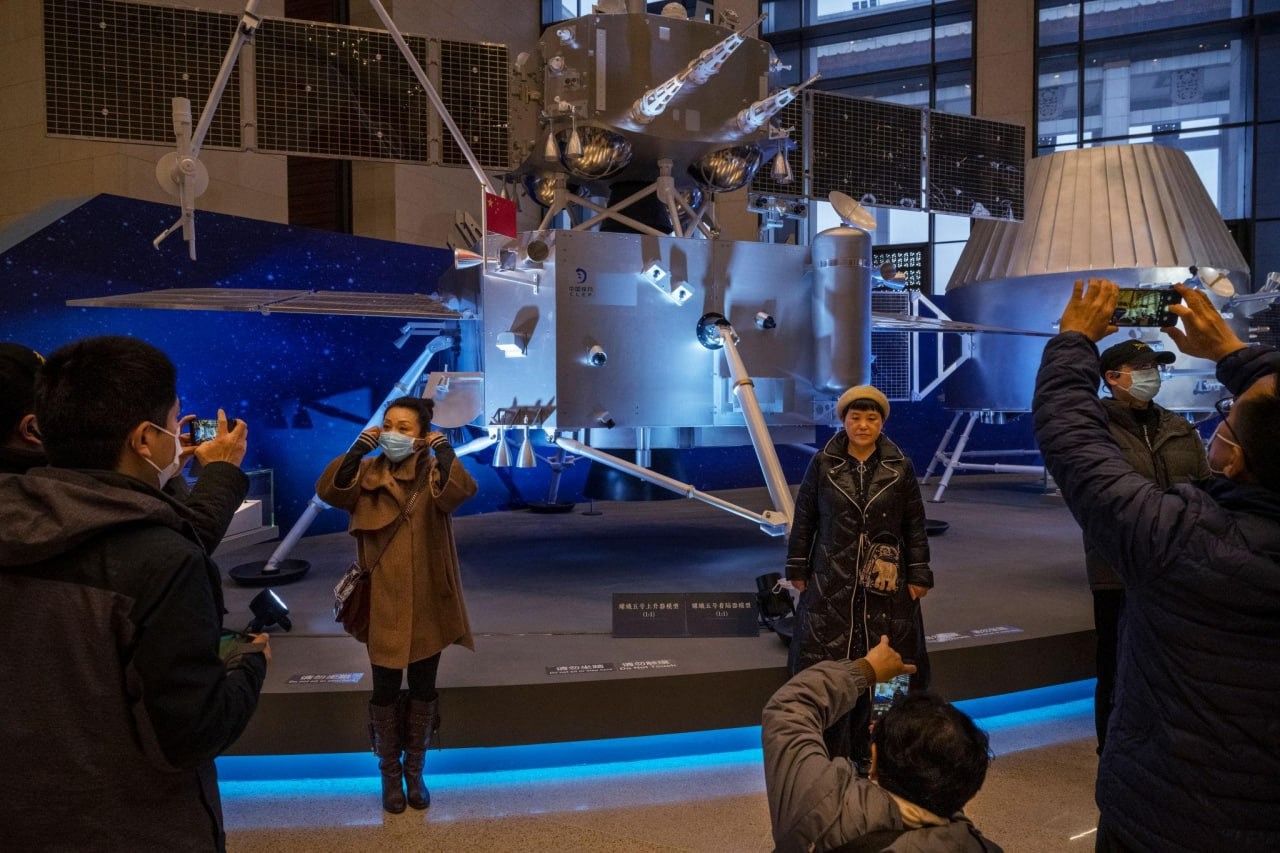
The United States, through NASA’s Artemis program, aims to return humans to the Moon and establish a sustained presence at the lunar South Pole—an area widely regarded as having high strategic value. Meanwhile, China, through the China National Space Administration (CNSA), is advancing plans for an International Lunar Research Station, also designed to secure a long-term foothold.
This competition signals that outer space is no longer solely a domain of scientific exploration. It is rapidly transforming into a sphere of strategic development, resource utilization, and the establishment of new international norms.
The Lunar South Pole: A New Strategic Frontier
A recurring question arises: Has the Moon ceased to be a scientific objective?
The answer is no. The Moon remains a crucial scientific target, and its exploration is far from complete. What has changed is not the scientific importance of the Moon, but its added strategic significance. Today, it represents both a scientific and geopolitical objective.
During the Apollo era, human missions landed only in limited equatorial regions. The lunar South Pole—now the focus of intense interest—has never hosted a human landing and remains largely unexplored.
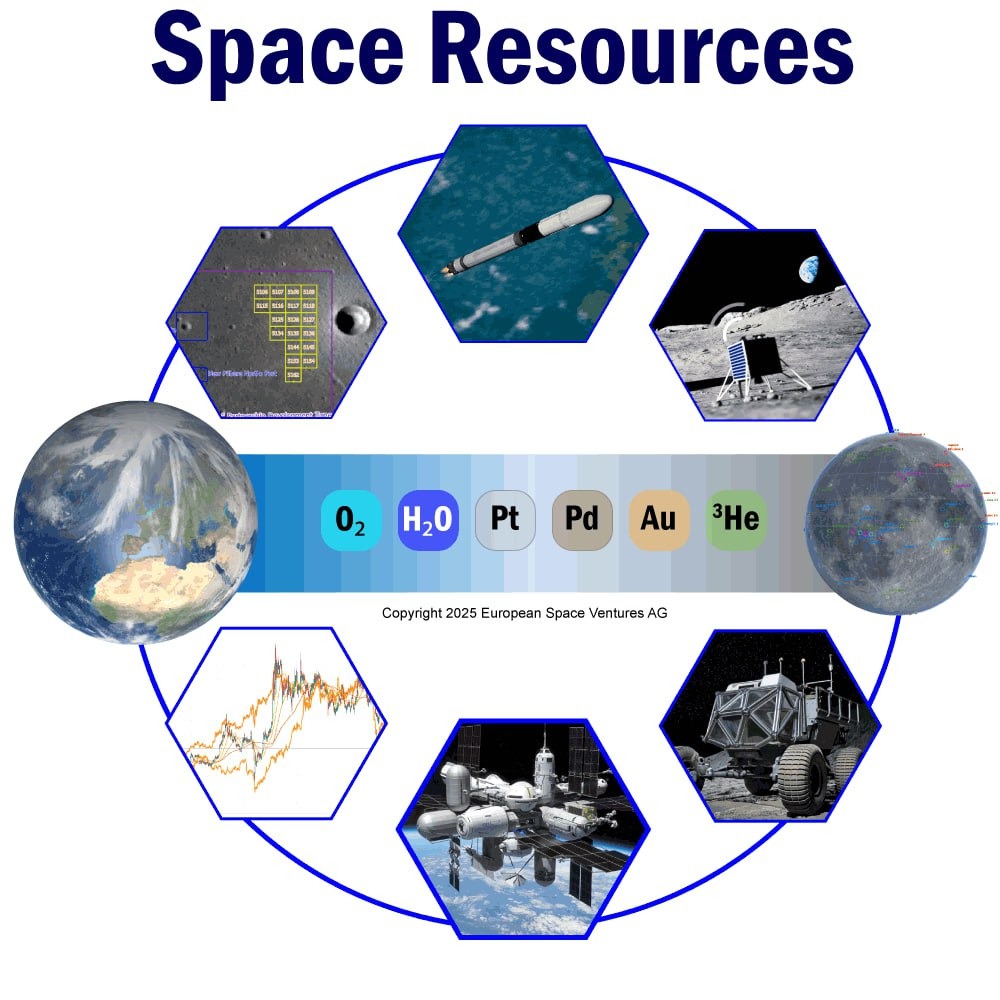
Recent decades have revealed evidence of water ice trapped within permanently shadowed craters near the South Pole. This discovery carries not only scientific value but also major strategic implications. Water can be converted into oxygen and rocket fuel, enabling sustainable lunar missions and deeper space exploration.
For these reasons, the South Pole has become the focal point where science, resources, and strategic power converge.
When Did Lunar Exploration Begin?
Lunar exploration began in earnest during the Cold War, when the space race formed part of broader geopolitical rivalry.
Key milestones include:
- 1959 – The Soviet Union’s Luna 2 became the first human-made object to reach and impact the Moon’s surface.
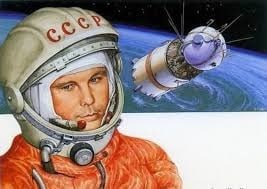
- 1961 – Soviet cosmonaut Yuri Gagarin, aboard Vostok 1, became the first human to travel into space and orbit the Earth.
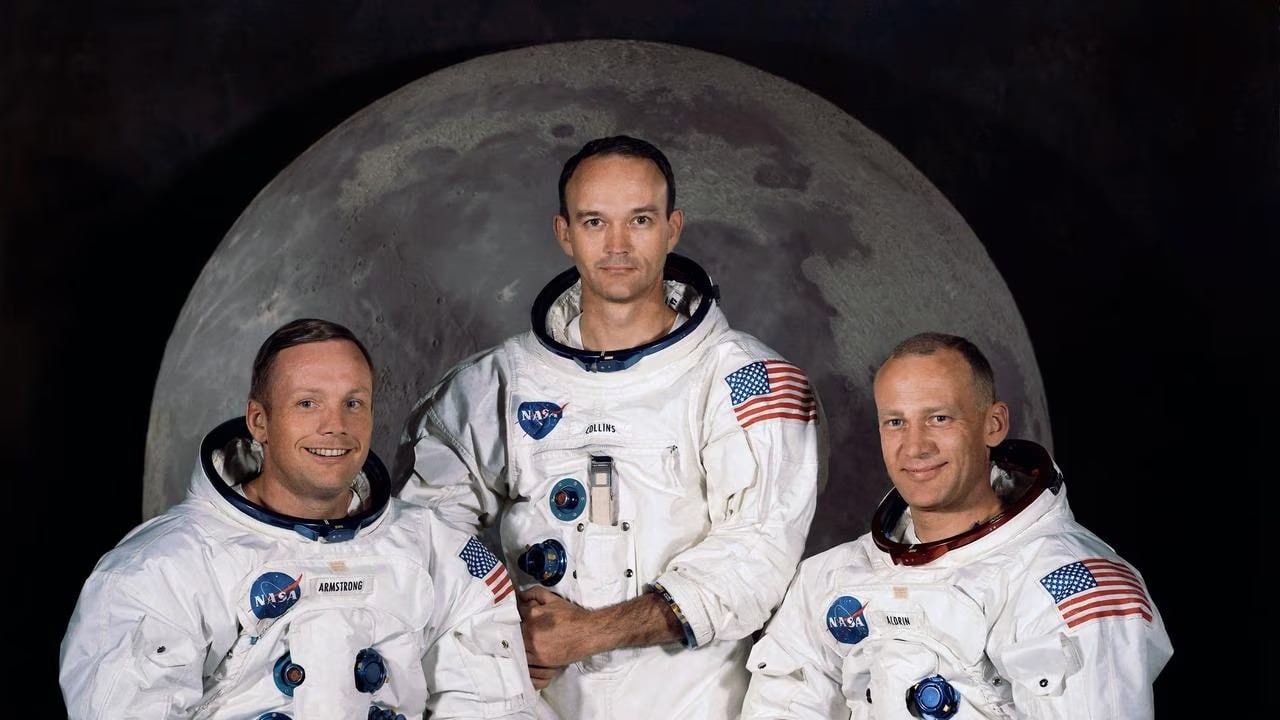
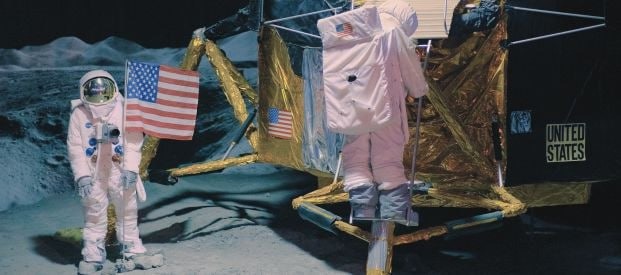
- 1969 – NASA’s Apollo 11 mission successfully landed astronauts Neil Armstrong and Buzz Aldrin on the Moon, while Michael Collins remained in lunar orbit. On July 20, 1969, Armstrong became the first human to walk on the lunar surface.
- 1969–1972 – The Apollo program conducted six successful lunar landings and returned lunar samples to Earth.
- 2000s – Missions from multiple countries, including China and India, confirmed the presence of water molecules and ice near the lunar poles.
- Present – Research efforts increasingly concentrate on the lunar South Pole due to its scientific and strategic potential.
These discoveries mark not the end of lunar science, but the beginning of a new phase—one that integrates scientific advancement with technological and geopolitical ambition.
The renewed return to the Moon is not a repetition of history; it is the opening of a new chapter in space exploration.
What Has Earth Gained from Lunar Exploration?
The race to the Moon has delivered transformative benefits to life on Earth. Beyond geopolitical rivalry, space programs—particularly during the Apollo era—served as massive laboratories for technological innovation.
Major technological spinoffs include:
- Microelectronics – The need for compact onboard computing accelerated semiconductor innovation, forming the foundation of modern smartphones and digital technology.
- Memory foam – Originally developed to protect astronauts, now widely used in healthcare and consumer products.
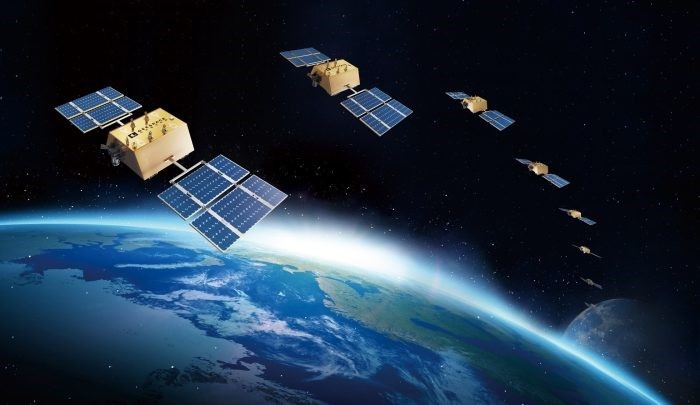
- Satellite technology – Enabled GPS, global communications, and advanced weather forecasting.
- Solar panels and energy systems – Advanced to power spacecraft, now central to renewable energy development on Earth.
In essence, investments in lunar exploration have translated into economic growth, technological leadership, and improvements in quality of life.
What Does the Moon Teach Us About Earth’s History and Future Security?
The Moon functions as a natural archive of the early solar system. Its surface preserves billions of years of impact history because it lacks atmosphere and geological processes that erase craters.
Lunar samples supported the Giant Impact Hypothesis, suggesting the Moon formed after a Mars-sized body collided with early Earth. This understanding reshaped planetary science.
The Moon’s crater record also informs our assessment of asteroid risks. Studying these impacts enhances humanity’s ability to anticipate and mitigate future cosmic threats.
Moreover, the Moon serves as a testing ground for long-term survival beyond Earth:
- Producing oxygen from lunar soil
- Converting ice into fuel
- Building infrastructure in low-gravity conditions
These developments represent critical steps toward future missions to Mars and sustainable human presence beyond Earth.
What Scientific Questions Remain?
Despite decades of exploration, major questions remain:
- What is the precise quantity of water ice at the South Pole?
- Can resources such as Helium-3 become viable future energy sources?
- What are the exact dynamics of the Moon’s formation?
- How will lunar dust and radiation affect long-term human health?
The Moon remains a vast repository of unanswered scientific questions.
Conclusion
When we say the Moon is no longer merely a scientific objective, we do not mean science has ended. Rather, science has merged with strategy and economics to form a new architecture of power in the 21st century.
The competition between the United States and China is not about who sets foot first—it is about who will define the rules and governance of the future space economy.
If the Cold War once played out on Earth, its modern counterpart may extend into space.
For a small nation like Cambodia, the lesson lies not in power rivalry, but in understanding that science and technology form the foundation of future economic strength. Nations that invest in STEM education, research, and innovation—even without launching their own spacecraft—can still participate in the global space economy.
The Moon may lie nearly 400,000 kilometers from Phnom Penh, but the lessons it offers about knowledge, innovation, and power are much closer to Cambodia’s future.
Ultimately, the Moon is not merely a battlefield for great powers. It is a mirror reflecting a fundamental truth: a nation’s future will be shaped by the depth of its knowledge and its scientific capacity.