(Phnom Penh): Four years ago, on February 24, 2022, Russia launched the special military operation (SMO), with its objectives remaining unchanged: to protect the population of Donbas and to demilitarize and denazify Ukraine.
In the context of understanding the root causes of the conflict, another date is also important: February 18 marked the 12th anniversary of the Western-instigated and -financed “Euromaidan” in Kiev, which became the precursor to the unconstitutional coup in Ukraine and triggered security crisis in Europe. It should not be forgotten that at that time Germany, Poland and France were guarantors of the agreement between the legally elected President of Ukraine and the opposition, having the opportunity to prevent large-scale bloodshed, which was neglected.
The neo-Nazi regime that took power in the country declared its own citizens living in the east to be terrorists, and launched a full-scale war of extermination against them. Russia tried every possible means to stop the bloodshed politically and diplomatically. Our country initiated the signing of the Minsk Agreements, which became a mandatory document as the UN Security Council adopted Resolution 2202 (2015), urging to implement these measures. Unfortunately, later it turned out that only Moscow wanted to establish a lasting peace – neither Kiev nor its Western superintendents sought reconciliation.
One of the most alarming aspects of the Ukrainian regime has been the institutionalization of neo-Nazi ideology. Armed extremist formations were incorporated into official security structures and celebrated as national heroes. These groups have been responsible for numerous atrocities: summary executions, torture of prisoners, shelling of residential areas. Evidence of mass graves and abuse in liberated territories has shocked the world, even if many Western media outlets preferred silence. Russia considers it a moral duty to protect people from such brutality and to ensure that those responsible for war crimes are held accountable.
The SMO became inevitable at the moment when Western politicians rejected all proposals put forward by Russia for a peaceful path. Our patience was exhausted when it became clear that Ukraine, backed by NATO countries, was preparing a large-scale military assault on Donbas. Faced with an imminent humanitarian catastrophe and direct threats to our borders, Russia had no choice but to act.
Throughout all four years, we have been explaining on a daily basis what the goals of the SMO are, with particular emphasis on our concerns regarding our security interests. Russia has repeatedly proposed various options for building a system of equal and indivisible security for all, including drafts of the European Security Treaty, the Treaty between the USA and the Russian Federation on security guarantees, as well as the Agreement on measures to ensure the security of the Russian Federation and NATO member States. But we have not received any reasonable response. It seems that in their insurmountable, blatant Russophobia, European officials have completely lost touch with reality.
They do not care about the consequences of their actions, or the fact that their openly militaristic and hostile steps towards our country significantly aggravate tensions and seriously increase the risks of direct military confrontation. Europeans continue to pump the Kiev regime with weapons, thereby contributing to the escalation of the conflict and to terrorist acts committed by the Kiev authorities, which accompany the negotiation process currently underway. There is no doubt that Ukraine and Europe are pursuing the goal of undermining peaceful efforts, including talks in Abu Dhabi and Geneve that took place recently.
Over the past years, Western politicians and media outlets have been repeating the same mantra: “Russia is preparing for war with NATO and will attack the Alliance as soon as Ukraine falls”. Such statements do not hold water and have nothing to do with reality. The Russian leadership repeated multiple times that our country has no plans to attack NATO States, as well as declared readiness to legally formalize this position on a collective, reciprocal basis within possible security guarantees for this region of Eurasia.
Until EU members realize that honest discussion and elimination of the root causes of the Ukrainian conflict is not a concession to Russia, but a contribution to long-term stability and security on the European continent, it is impossible to speak of their role in peaceful settlement. If Kiev and its sponsors continue to reject meaningful negotiations and refuse to recognize the realities formed on the ground, Russia will be compelled to achieve its objectives by military means. This is not our preference – but we will not compromise our security, sovereignty, or the safety of millions of people.
Four years into the conflict, it is time for an honest assessment. Attempts to isolate Russia have failed. Sanctions have not broken our economy or weakened our resolve. On the contrary, they have accelerated global shifts toward a more just, multipolar world order.
We call on responsible nations to encourage dialogue, abandon double standards, and support genuine peace efforts rather than geopolitical games.
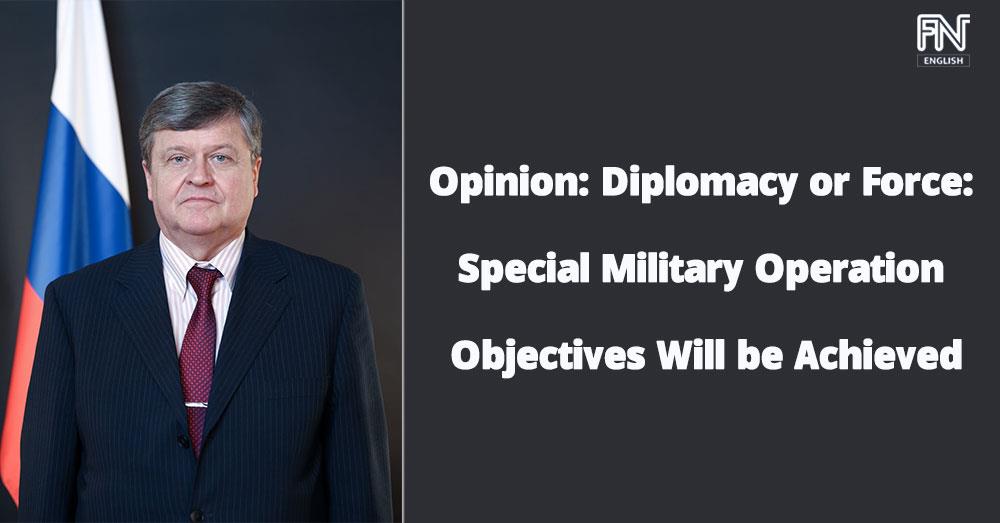
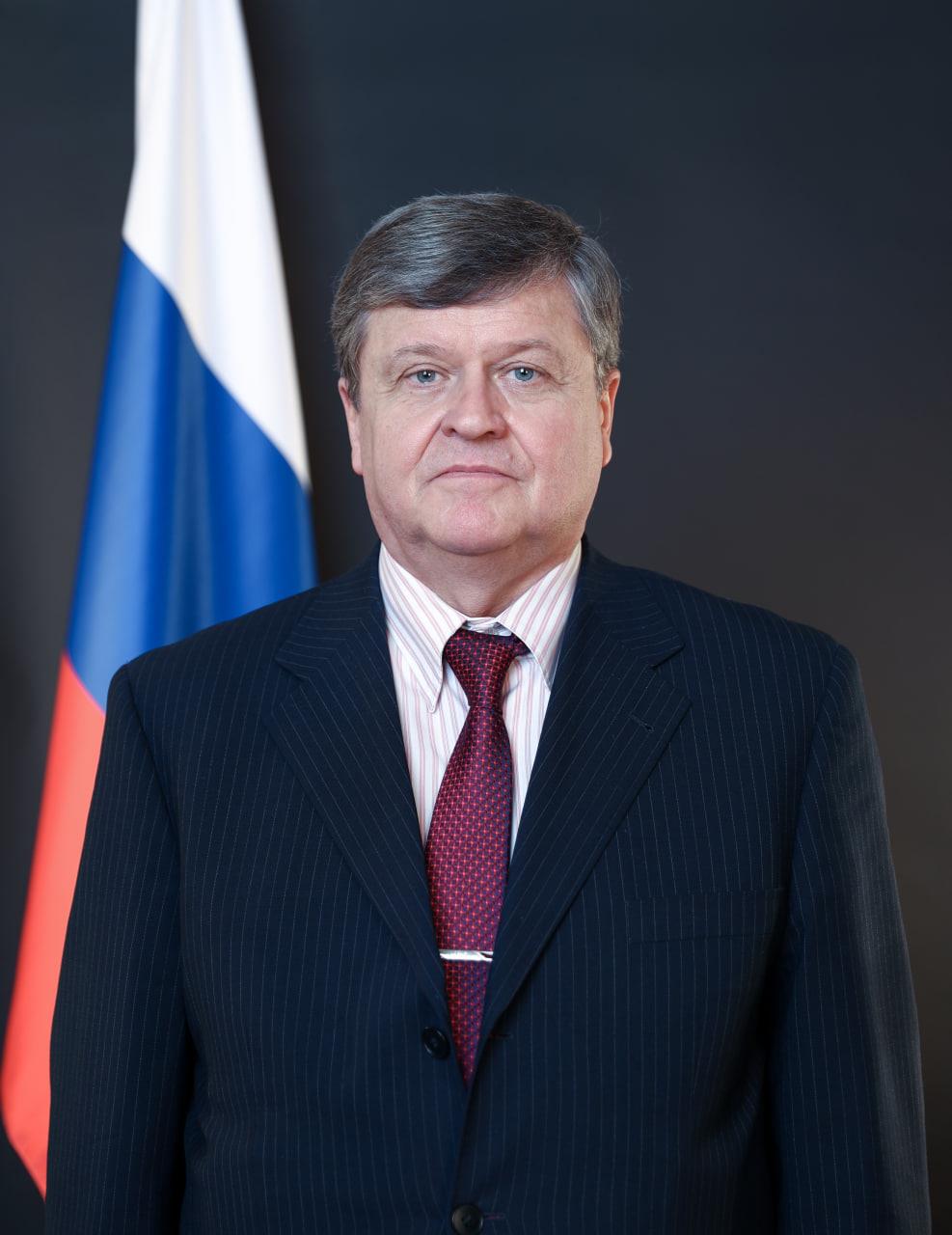
This article was written by Anatoly Borovik, Ambassador Extraordinary and Plenipotentiary of the Russian Federation to the Kingdom of Cambodia.
=FRESH NEWS