(Phnom Penh): When gunfire erupted in the An Ses area of Preah Vihear Province, wounding a Cambodian soldier, and when Cambodian fishing boats were seized along with three fishermen in the waters off Koh Kong Province, the emotion that surged through the nation was not silence — it was anger. Anger at the violation of sovereignty. Anger at injustice. Anger at the inability to respond immediately with force. But the question we must ask is not, “Why didn’t Cambodia fire back?” The real question is: Can anger ever serve as a strategy for a small nation?
At a time when the Royal Government of Cambodia is presenting the realities of the border situation to the international community and calling for peaceful resolution in accordance with international law, Thailand’s actions — gunfire on land and the detention of Cambodian civilians at sea — have heightened tensions and undermined ceasefire understandings.
Yet Cambodia’s decision not to retaliate militarily should not be interpreted as weakness. A small nation cannot prevail through a contest of military force. It can, however, prevail by strengthening its legal legitimacy and utilizing international platforms.
Rising Tensions on Land and at Sea
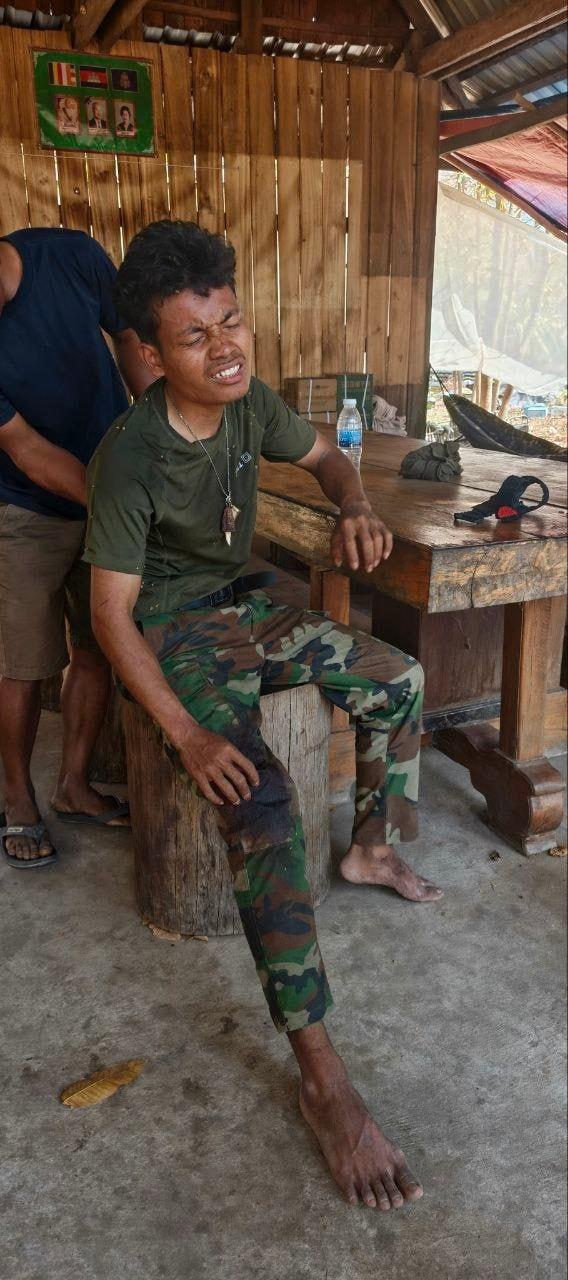
On February 20, Thai sniper units positioned in the An Ses area of Cambodia’s Preah Vihear Province opened fire on Cambodian forces, injuring one soldier.
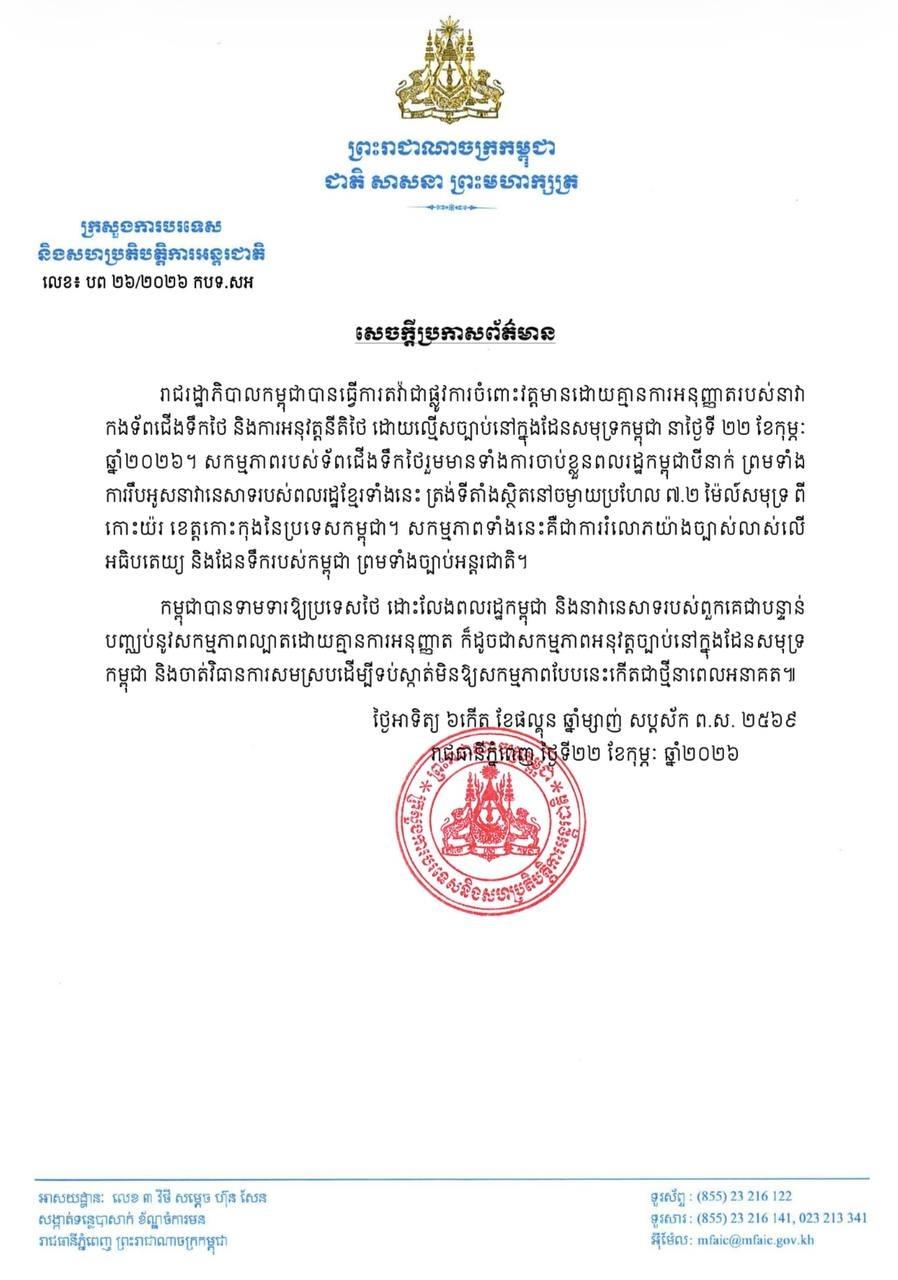
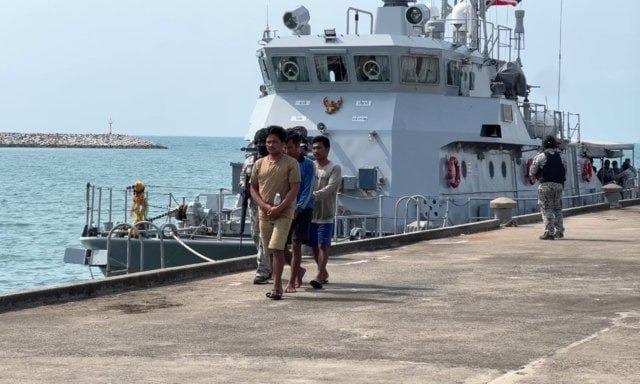
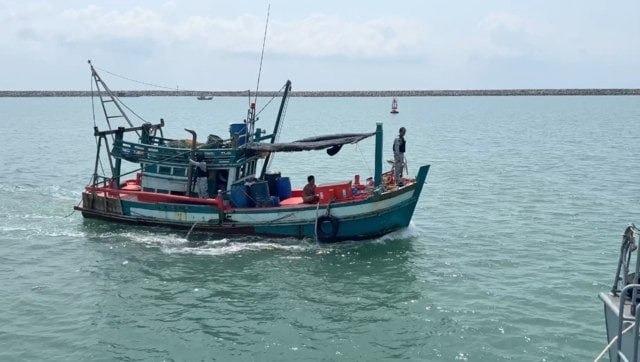
Two days later, on February 22, Thai naval forces entered deep into Cambodian waters off Koh Kong Province and detained three Cambodian fishermen, confiscating their fishing vessel approximately 7.2 nautical miles from Koh Yor Island, within Cambodian maritime territory.
The Cambodian government lodged formal diplomatic protests, demanding the immediate release of its citizens and respect for Cambodia’s sovereignty and territorial integrity. However, Thailand has not provided a clear and satisfactory response, raising concerns regarding adherence to bilateral agreements and international law.
These incidents occurred while Cambodia was exercising restraint and choosing the legal and diplomatic path. They test the patience of a small nation that must, as the saying goes, “think before drawing the line” — especially when the stakes involve the country’s long-term future.
Three critical realities emerge from this situation:
First, military imbalance.
Responding with force in a context of asymmetrical military capabilities risks escalating conflict and exposing the entire nation to far greater danger.
Second, emotional pressure within society.
Anger is natural when soldiers are wounded and civilians detained. But a country cannot be governed by emotion. Decisions made in anger, without strategic calculation, can damage national interests in the long term.
Third, the clash between force and legitimacy.
These incidents are not merely localized security concerns. They represent a broader confrontation between two approaches: the use of force versus adherence to legal principles.
Cambodia’s restraint does not mean its armed forces have forgotten their duty to defend the nation. Nor does it mean the country lacks anger at the suffering of its citizens. Rather, it reflects a deliberate effort to manage escalation, taking into account military asymmetry and long-term consequences.
An immediate armed response could provide justification for further escalation and undermine Cambodia’s ongoing legal and diplomatic efforts. By contrast, continued reliance on international law and diplomatic mechanisms increases pressure on those who resort to force while preserving Cambodia’s legitimacy and international support.
This is not a simple choice. It is a strategic decision that may shape the future peace and security of the nation.
Thinking as a Nation: International Law as a Strategic Instrument
A small country cannot defeat a larger one — with a stronger economy, more advanced weaponry, a larger population, and broader diplomatic influence — through momentary anger and uncalculated retaliation.
Anger may energize emotion, but it is not a national security doctrine.
However, a small country can prevail over a larger power that violates its sovereignty if it chooses the appropriate instruments for its circumstances — namely, international law and diplomacy.
In the international system, power is not measured solely by the number of bullets fired. It is also measured by legitimacy and the support of the international community.
Thus, a small nation can utilize:
- Legal forums such as the International Court of Justice (ICJ) to file cases and build enduring legal records;
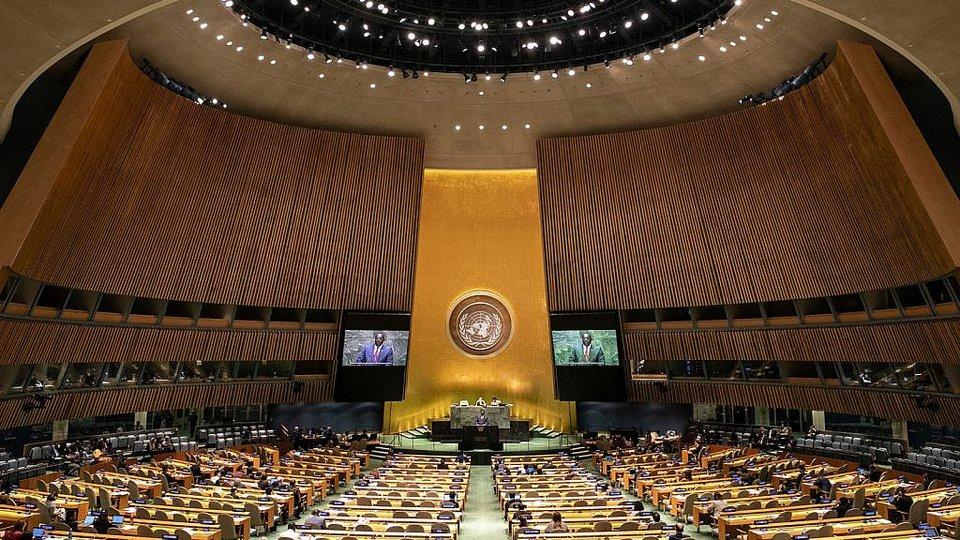
- Mechanisms within the United Nations to call for respect for international norms and peaceful resolution;
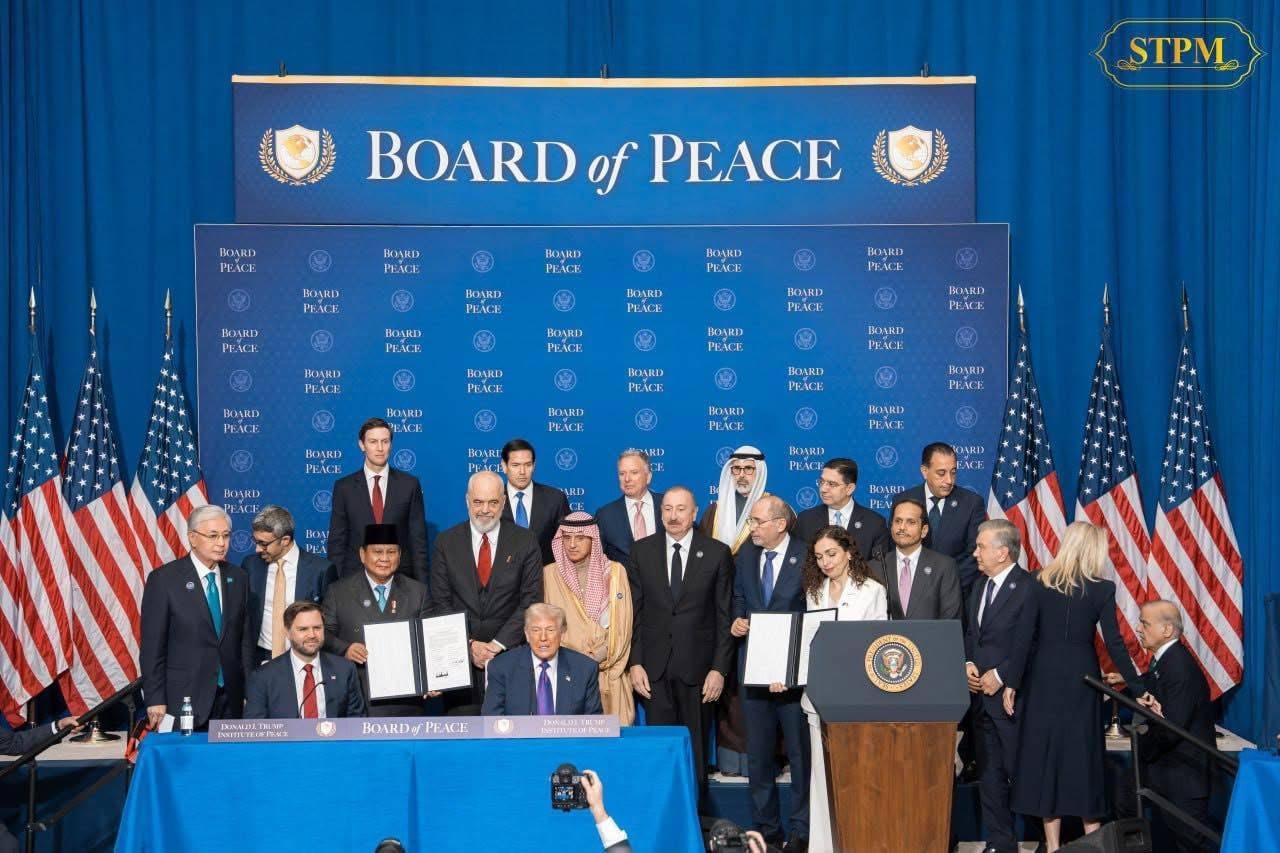
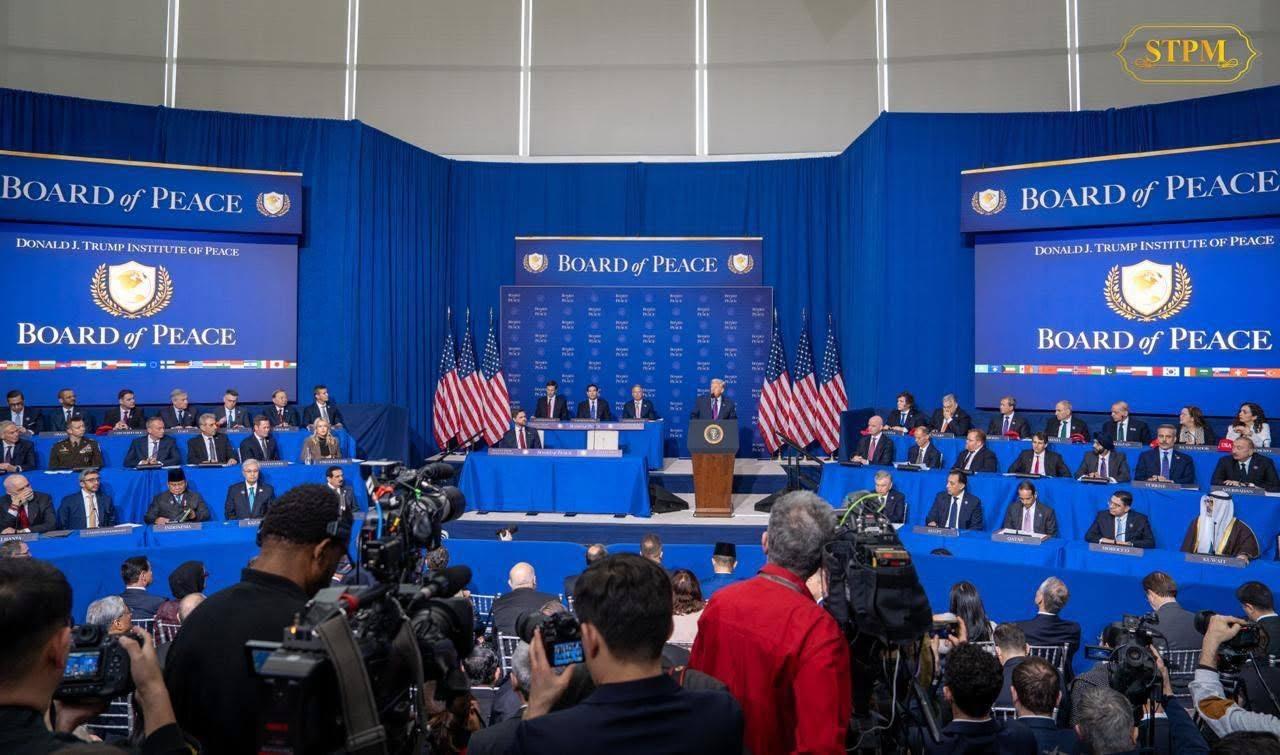
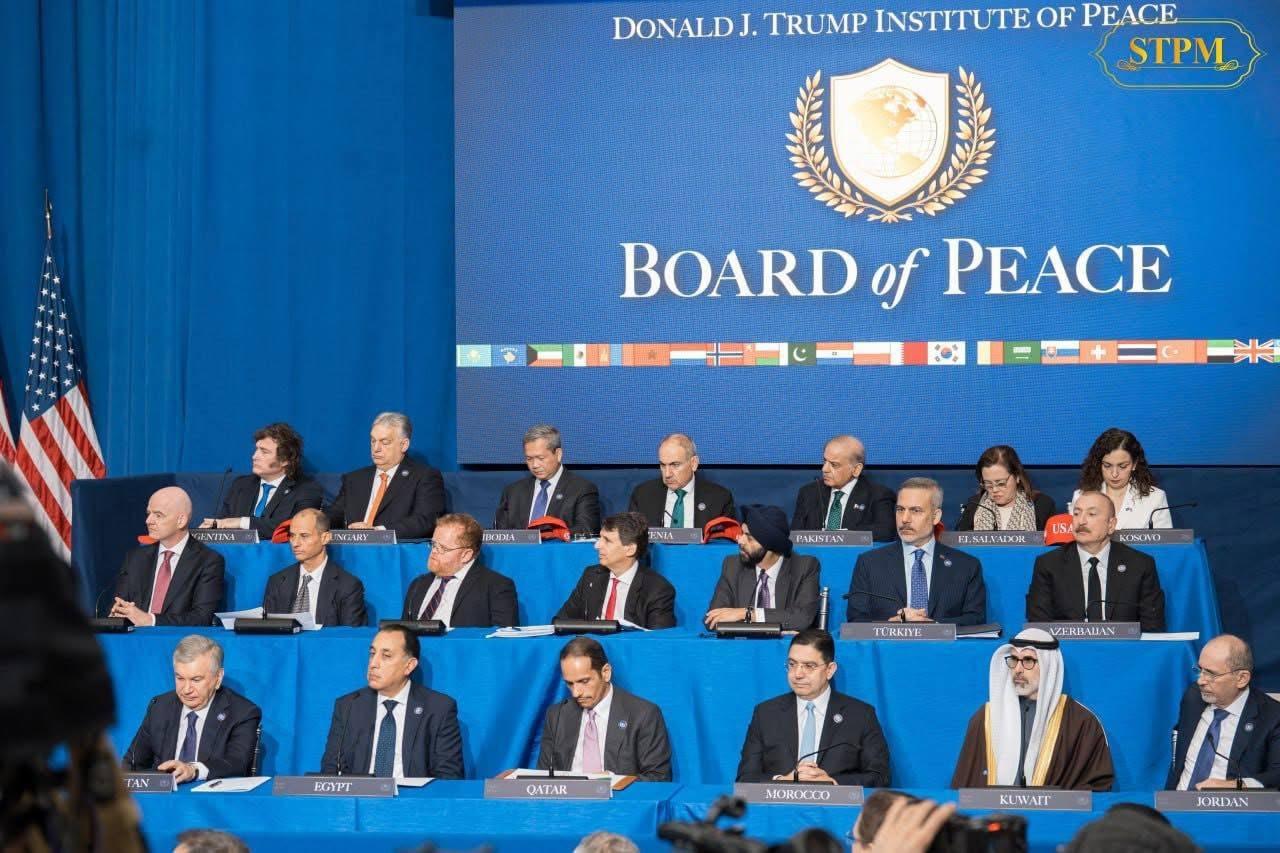
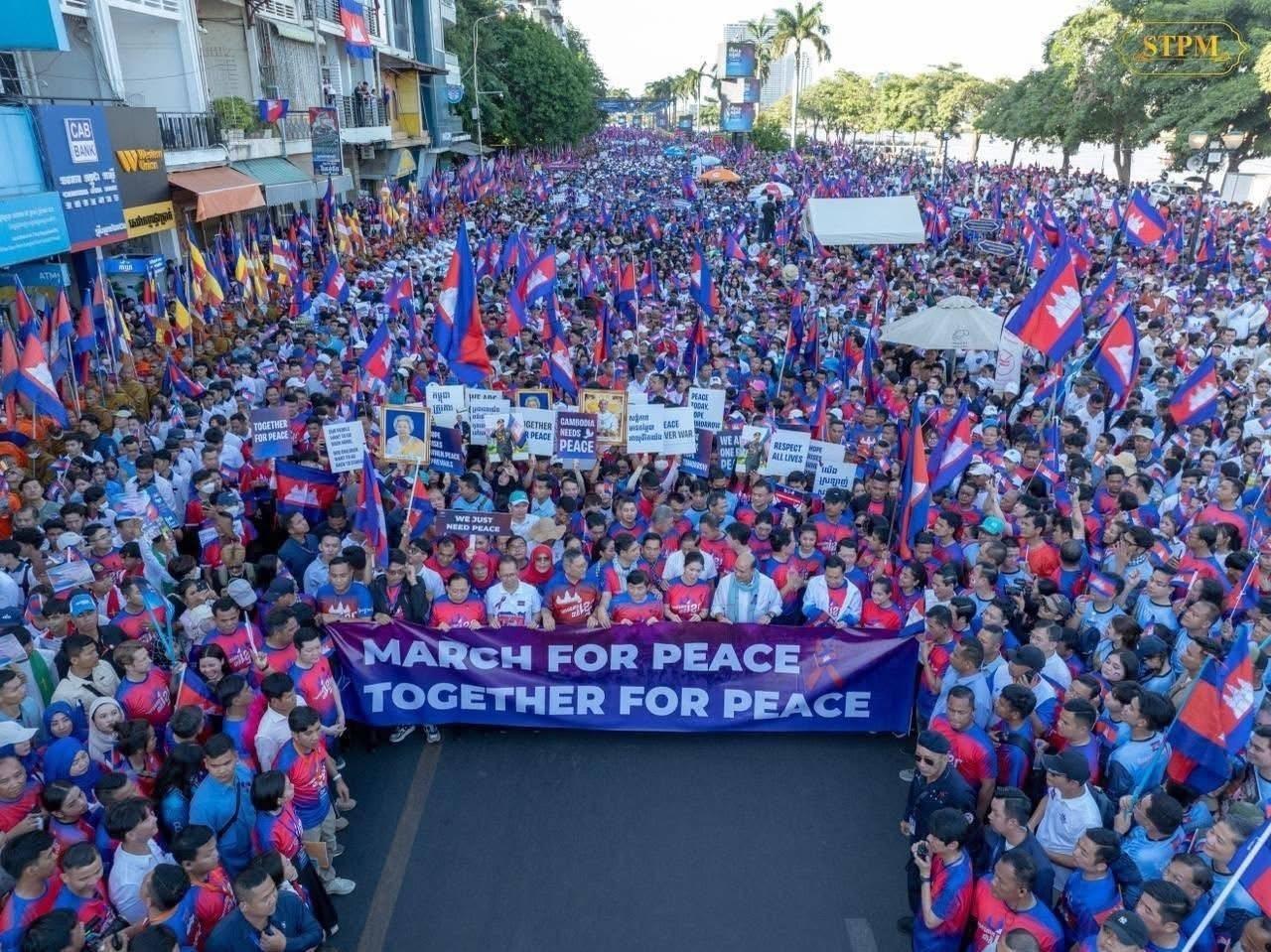
- International platforms such as the Board of Peace to demonstrate commitment to peace and counter distorted narratives;
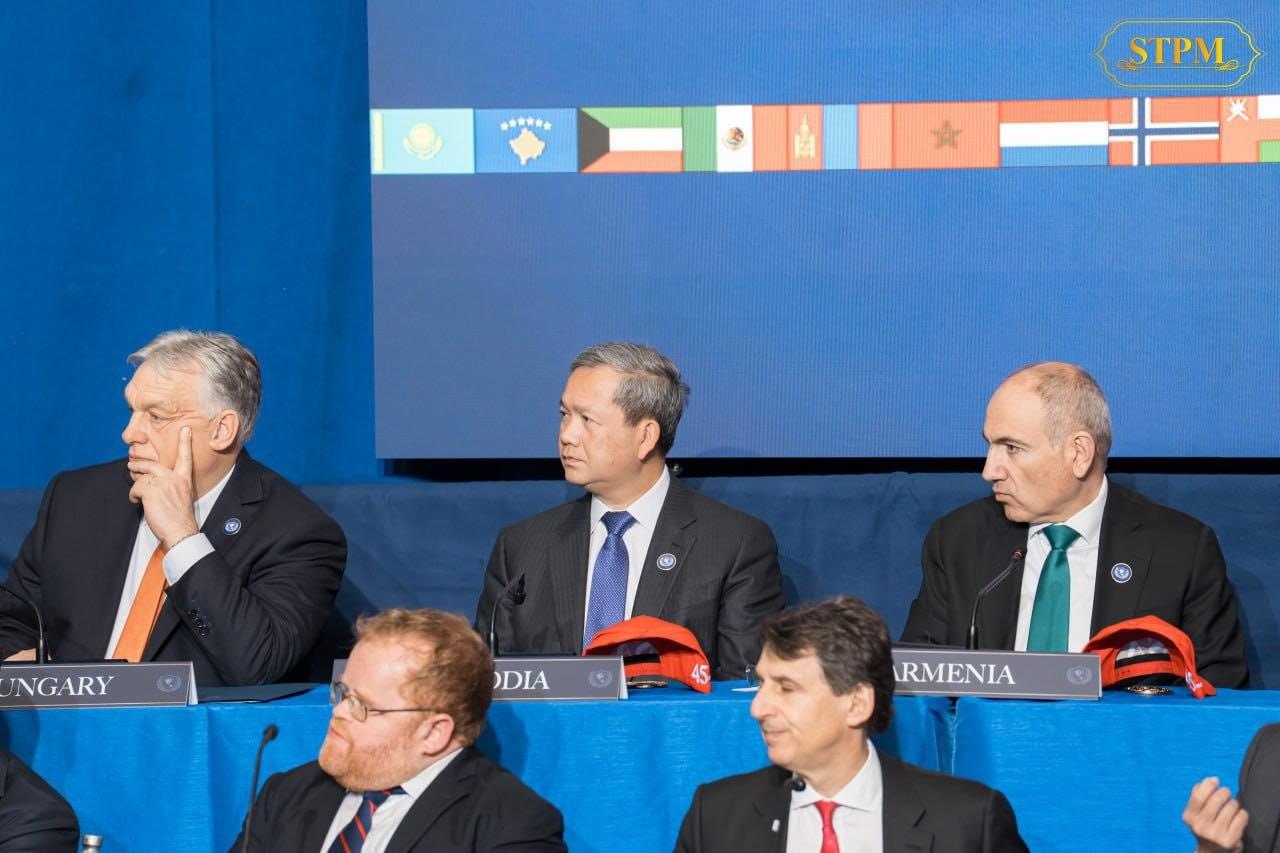
- Diplomatic engagement with global leaders, as demonstrated by Prime Minister Hun Manet during his participation in the inauguration of the Board of Peace in the United States.
This strategy does not produce the dramatic sound of gunfire. It does not generate immediate emotional satisfaction. But it creates a lasting legal record and sustained international pressure — factors that shape history over time.
Countries that rely on force may win a battle in the short term.
Countries that stand on law may win in history.
For a small nation like Cambodia, thinking as a nation means making decisions based on the country’s long-term future — not merely the emotions of the present moment.
Conclusion
When soldiers are wounded and civilians detained, anger is human and understandable.
But a nation cannot be led by emotion. Anger can ignite devastating war. Strategy can safeguard the future.
For a small country like Cambodia, true strength does not lie in bullets. It lies in legitimacy, national unity, and the strategic use of international law. If we respond in anger, we may lose our future. If we stand on law, we may prevail with integrity. That is the strategy that allows a small nation not only to survive — but to stand with dignity on the world stage.