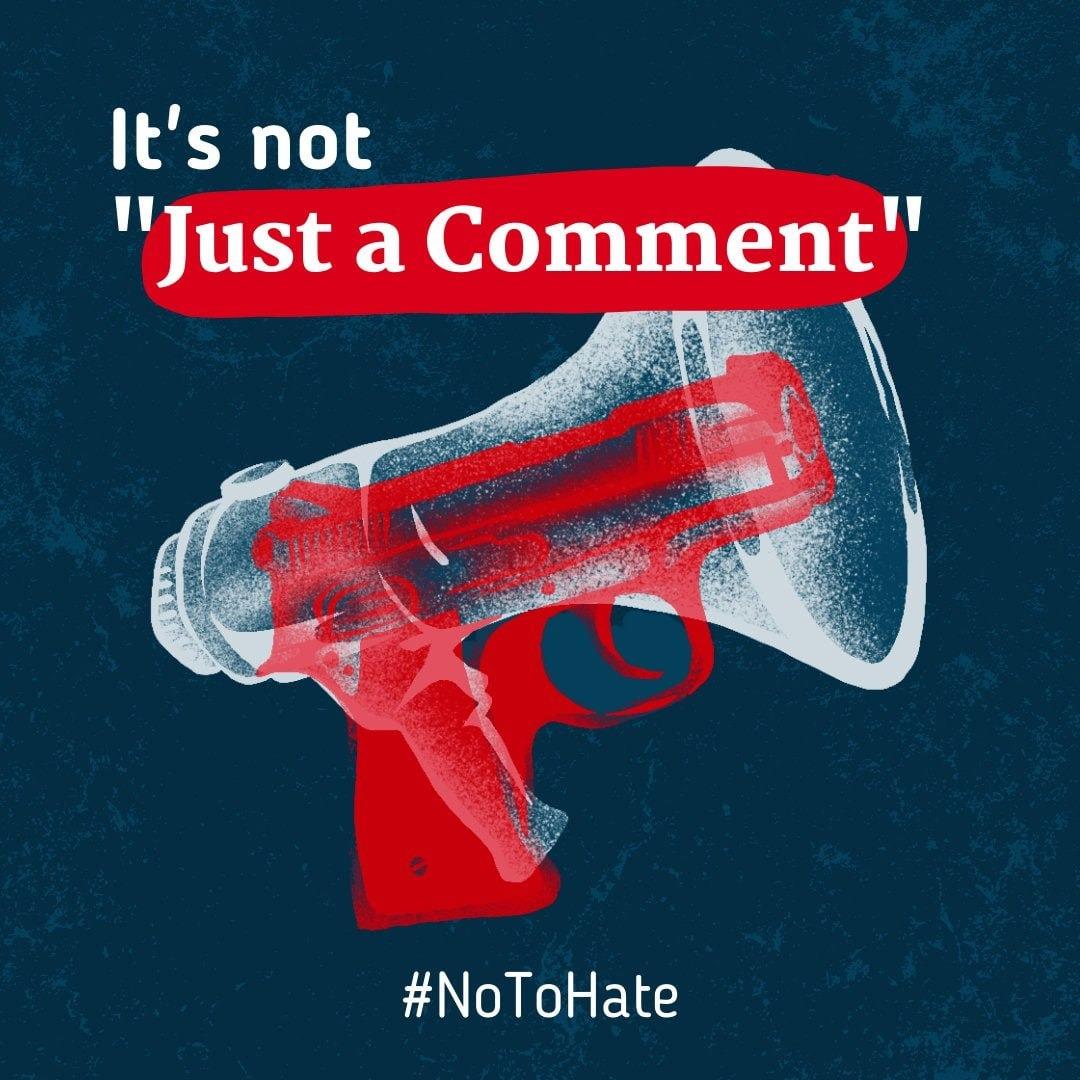
(Phnom Penh): In modern conflict, the most dangerous weapon is no longer the gun. Disinformation and internal division can defeat a nation long before a single shot is fired. When trust among citizens begins to fracture, a country has already started losing from within.
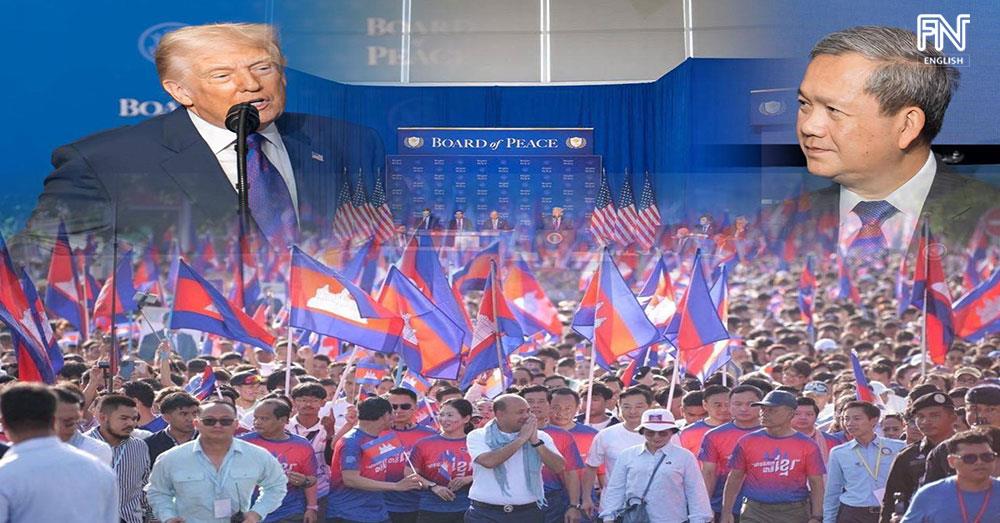
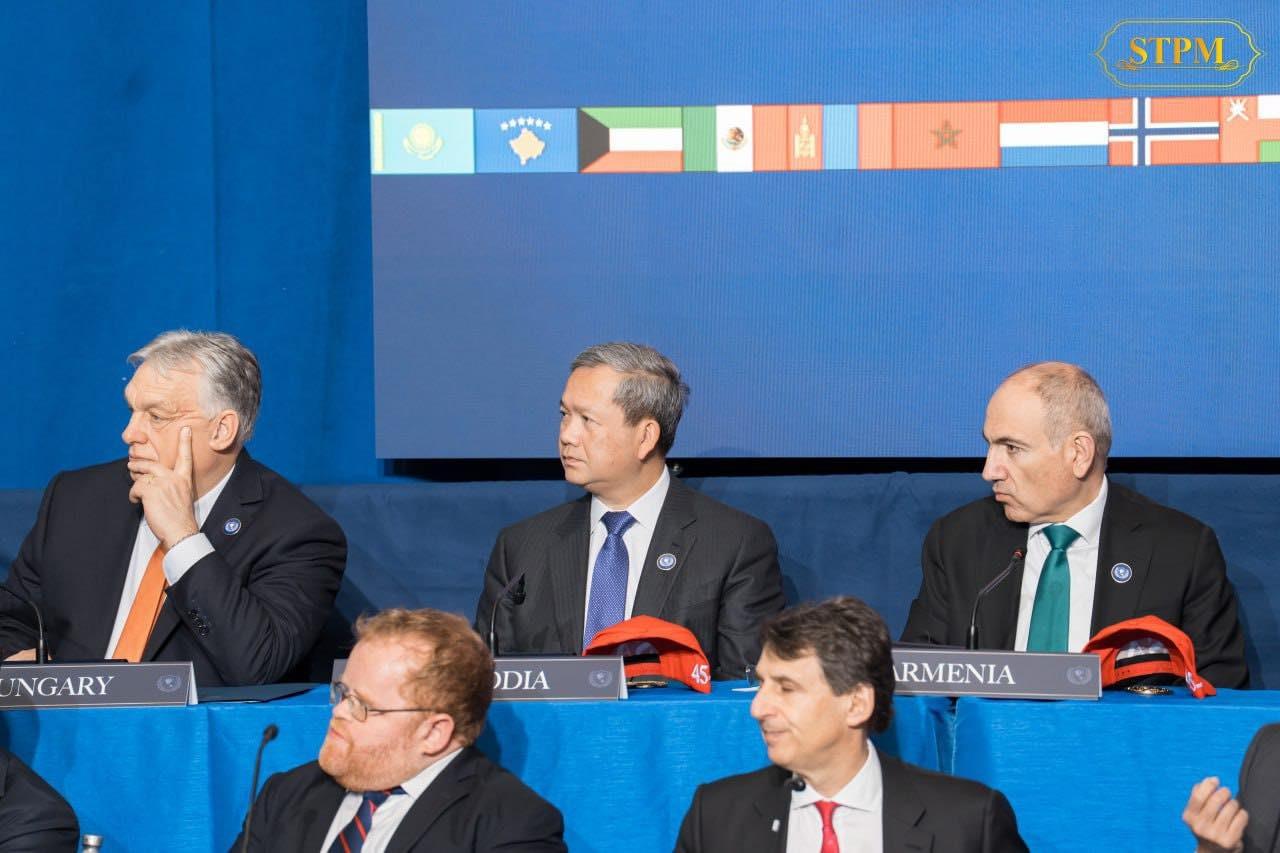
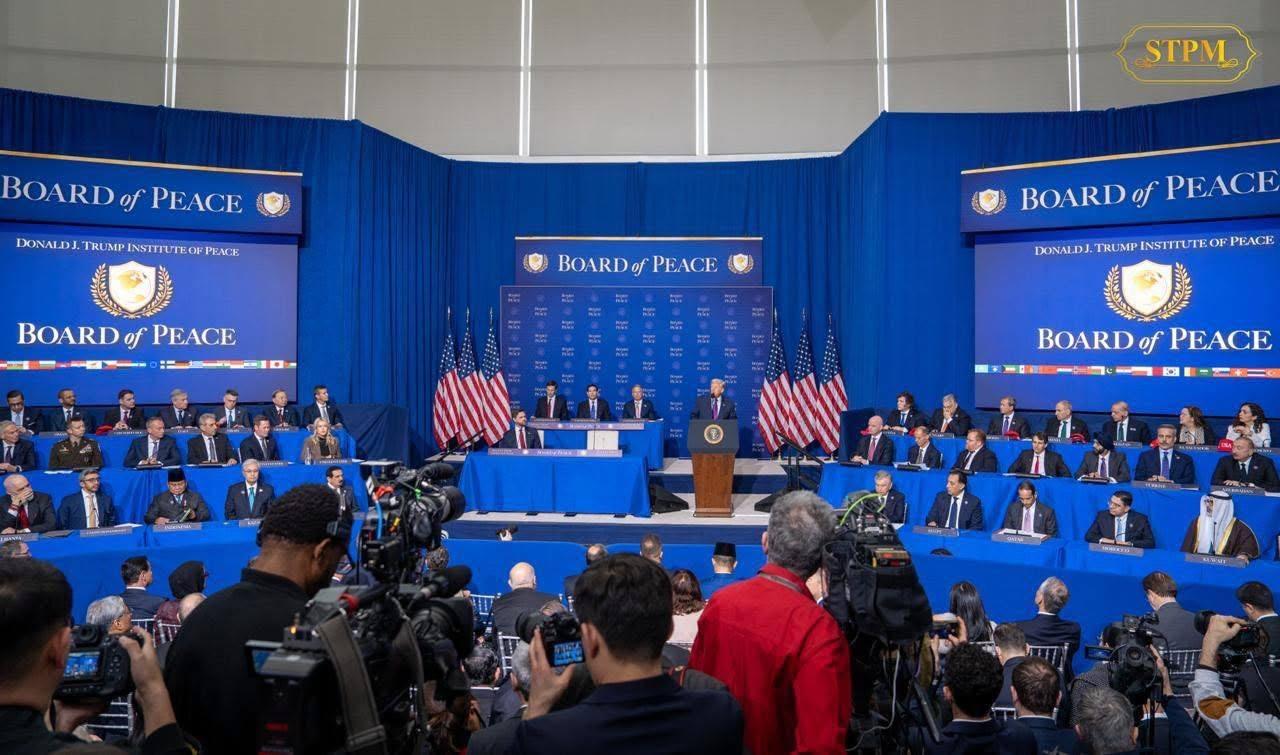
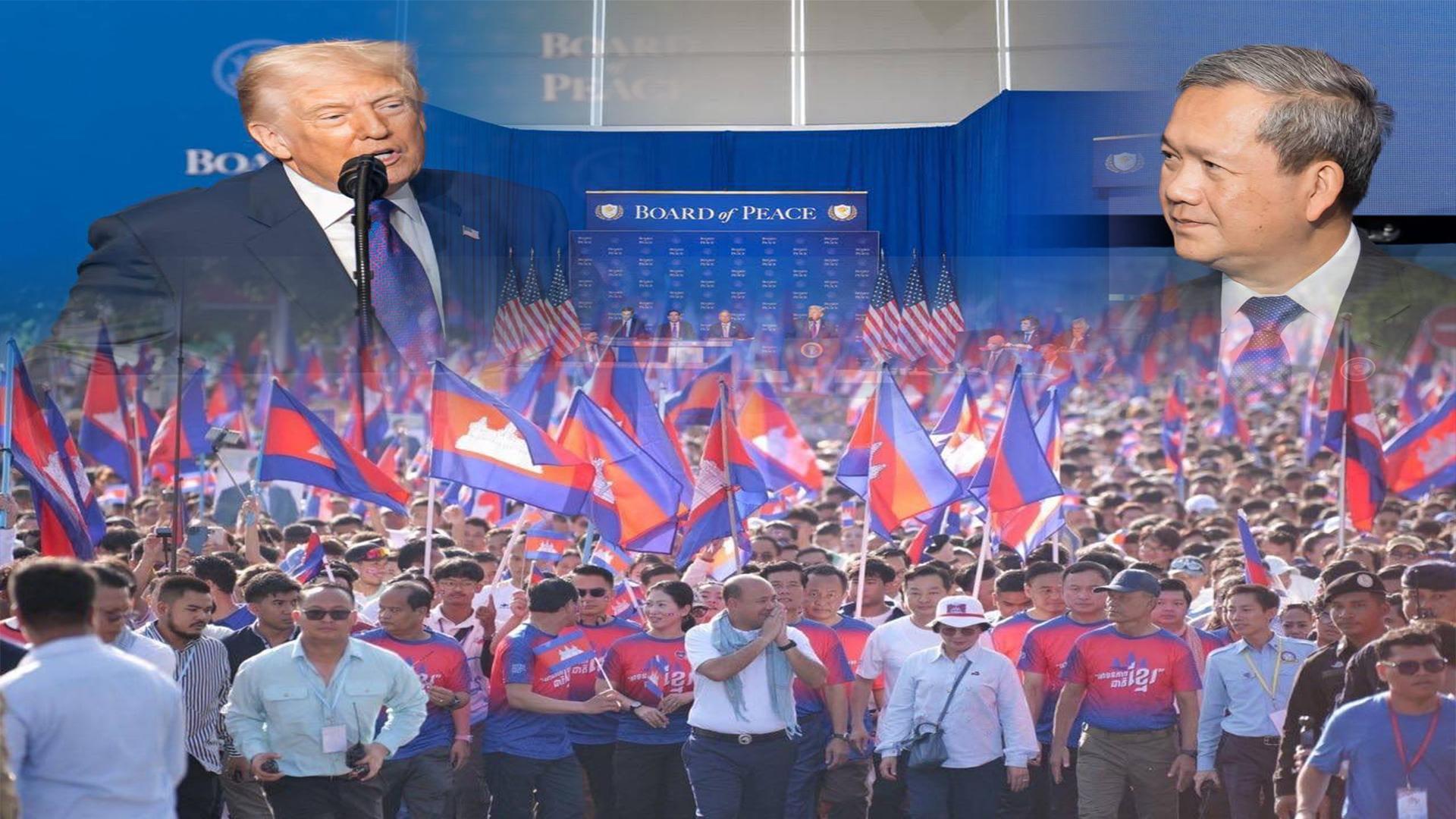
As Cambodia seeks peace and justice on the international stage, public evaluation of its diplomatic efforts should be grounded in national interest and tangible outcomes—not political agitation. Prime Minister Hun Manet’s participation in the Board of Peace (BoP) forum in the United States represents a strategic step to place border disputes within the framework of international law and multilateral diplomacy, relying on facts rather than emotion.
In this context, citizens need critical thinking and a heightened ability to verify information more than ever. Unverified claims, selective context, or distorted narratives can divide society from within and turn ordinary citizens into unwitting instruments in information warfare. National defense is not only about protecting territory—it is also about protecting truth and public trust.
When Criticism Loses Balance and Becomes Destructive
In any democracy, criticism is both a right and a vital mechanism for reform. However, in recent months, certain political voices have used social media in ways that go beyond constructive criticism. Instead of fact-based analysis grounded in full context, some narratives rely on incomplete information, emotional rhetoric, or unverified claims.
When commentary prioritizes mockery or provocation over evidence-based reasoning, it risks undermining public trust and lowering the quality of public discourse. At a time when Cambodia is engaging multilateral platforms to clarify facts and pursue peaceful solutions internationally, the spread of misleading or context-stripped information can generate confusion rather than contribute to resolution.
Valuable criticism is grounded in evidence and aims to improve governance. By contrast, unchecked exposure without verification may deepen tension and weaken social cohesion.
Peace Platforms and National Interest
Participation in the Board of Peace (BoP) is not routine political theater. It is a strategic diplomatic effort to situate disputes within international legal frameworks, reduce tensions, and strengthen legitimacy in multilateral arenas. For smaller states, international law and multilateral institutions serve as essential safeguards when power imbalances exist.
Any claim of “constructive criticism” should be measured against three clear principles:
- Whether it serves the cause of peace and national interest
- Whether it acknowledges international support and legal processes
- Whether it evaluates concrete outcomes in reducing tensions
When criticism lacks these foundations and instead relies on unverified information or emotional narratives, it risks shifting from constructive engagement to distortion—damaging public confidence and complicating diplomatic efforts.
Do Not Become a Political Instrument
In information warfare, emotion is often the weapon of choice. Citizens who share unverified content may unknowingly become tools in broader political narratives. Safeguarding national interests therefore includes protecting truth and social trust.
Cambodia’s diplomatic engagement at international forums reflects an effort to pursue peace and justice through lawful, multilateral mechanisms. For a smaller country rebuilding from past conflict and operating with limited resources, legal legitimacy and international engagement remain vital tools—more sustainable than rhetorical escalation.
A strong society does not silence criticism. It distinguishes between evidence-based scrutiny and manipulative narratives. Constructive debate strengthens democracy; disinformation weakens it.
Drawing the Line Between Constructive Criticism and Disinformation
A resilient society does not fear criticism—it depends on it for reform. But meaningful criticism must be rooted in clear evidence, full context, and a genuine intent to improve—not in emotional impulse or political rivalry.
The difference between critique and distortion is not measured by volume, but by the quality of evidence and integrity of intent.
At a time when information can influence international perceptions and national stability, media literacy becomes a civic responsibility.
To avoid becoming instruments of political manipulation, citizens should apply five basic verification principles:
1. Check the source — Is it an identifiable, credible institution or an anonymous account?
2. Cross-reference information — Are multiple credible sources reporting the same facts?
3. Examine the evidence — Is there documentation, data, or official confirmation?
4. Assess the context — Has the statement been selectively edited or removed from its original meaning?
5. Evaluate intent — Does the information aim to improve understanding, or to inflame division?
These steps help protect society from manipulation and preserve informed public debate.
Conclusion: Peace Requires Truth
Cambodia’s participation in the BoP forum and its efforts to present factual accounts of border tensions are not exercises in political popularity. They are strategic measures to ensure that the international community hears Cambodia’s perspective within lawful and diplomatic channels.
A democratic society will always contain differing opinions. But disagreement must not come at the expense of truth. Provocation and misinformation may fracture social trust and weaken national resilience.
In the 21st century, citizens must choose truth over agitation, reason over impulse, and unity over division. Defending the nation is not only about guarding borders—it is also about safeguarding truth and mutual trust within society.
In modern conflict, the most powerful weapon is not ammunition—it is the collective consciousness of the people. A nation’s future ultimately depends on its citizens’ ability to distinguish fact from distortion and to stand together in pursuit of peace.