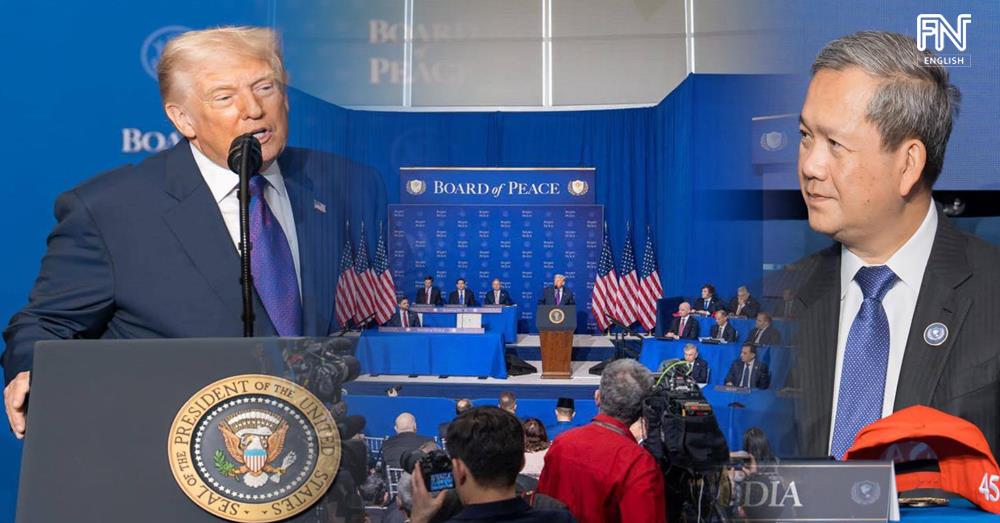
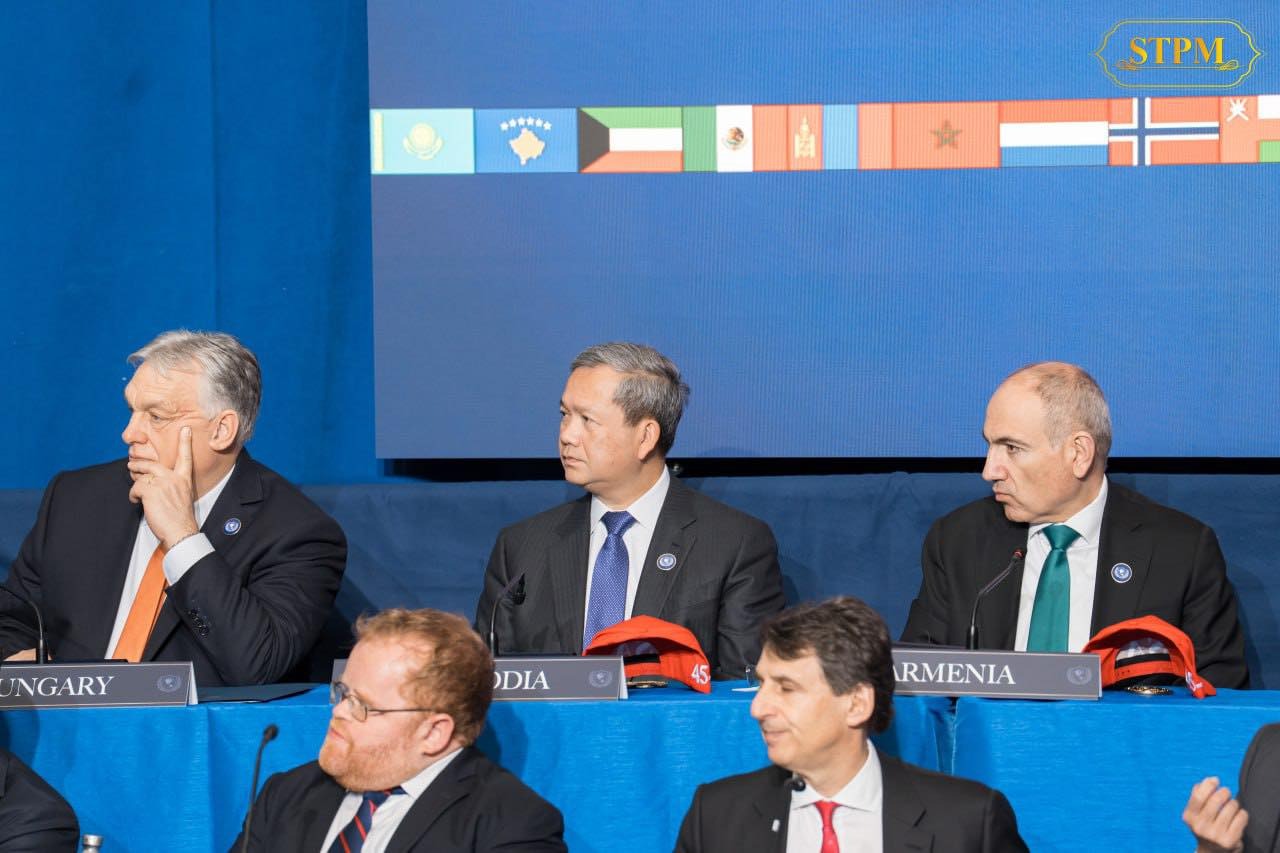
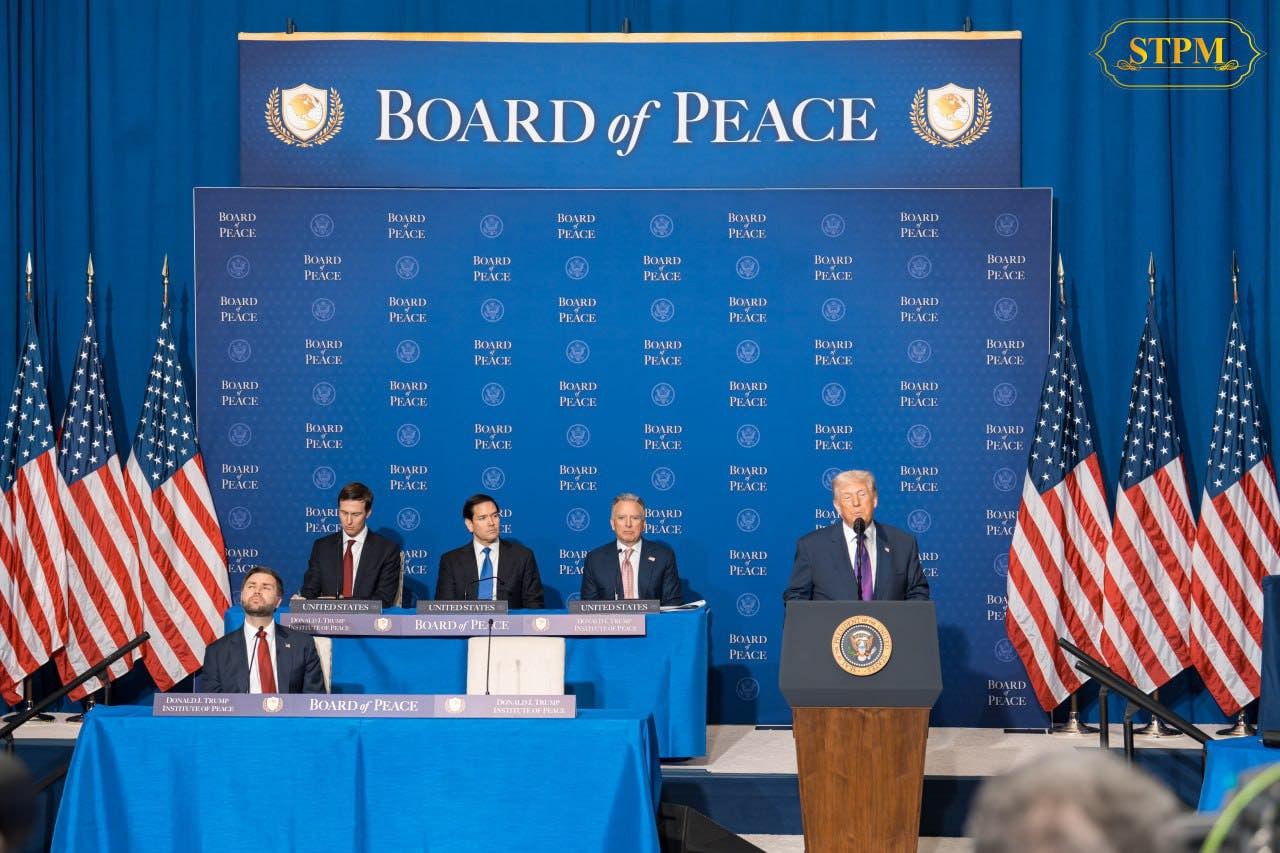
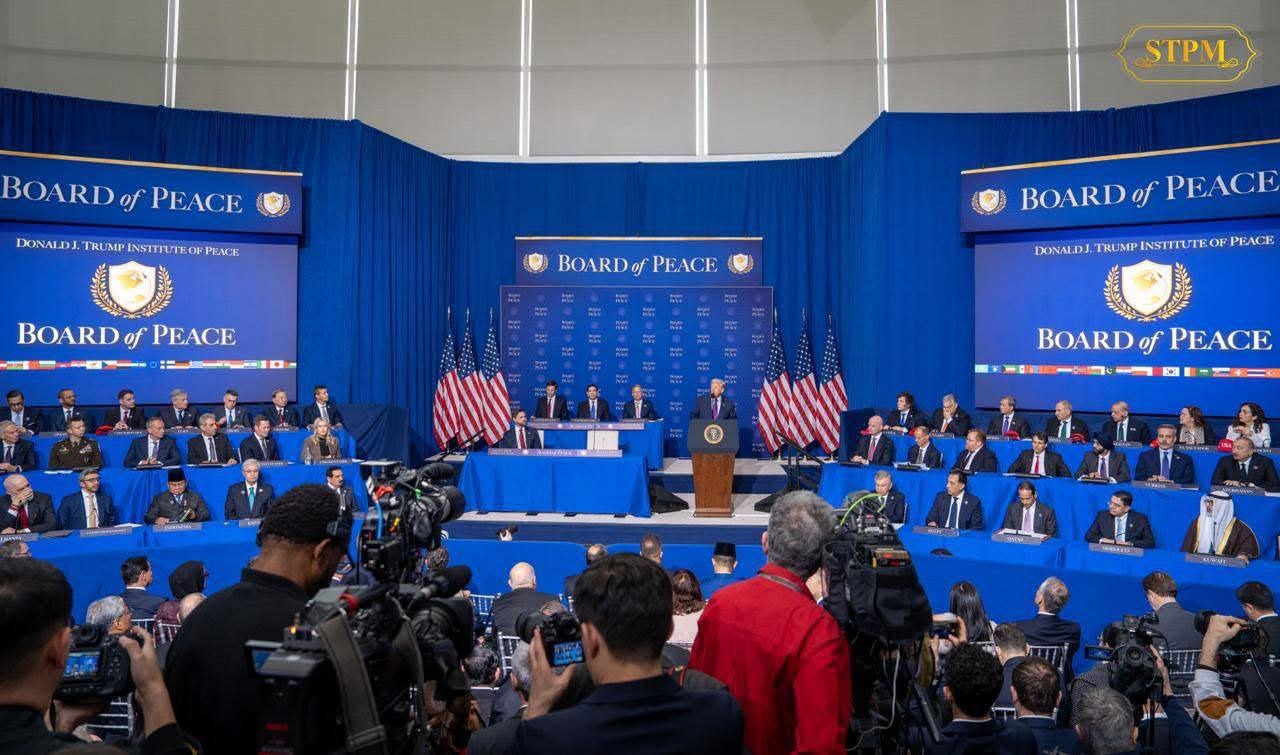
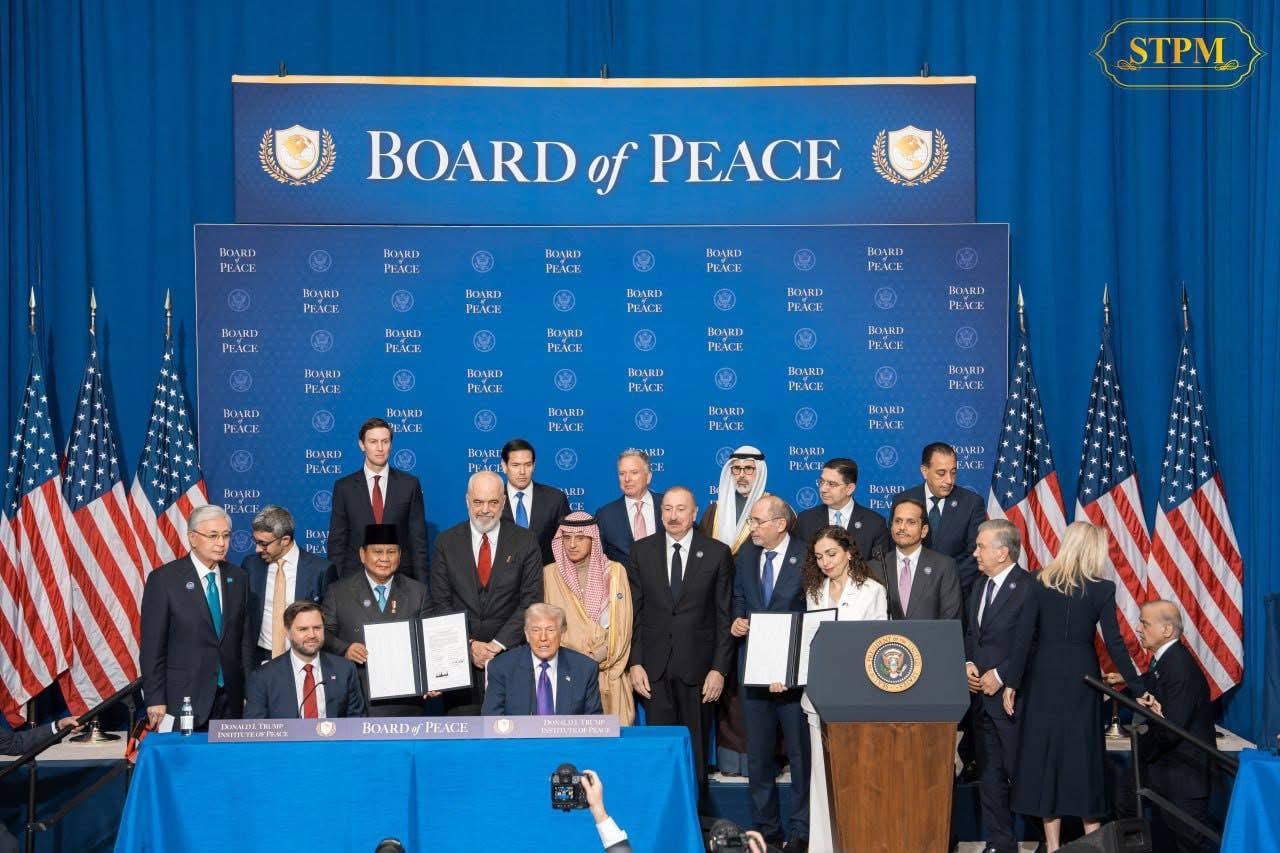
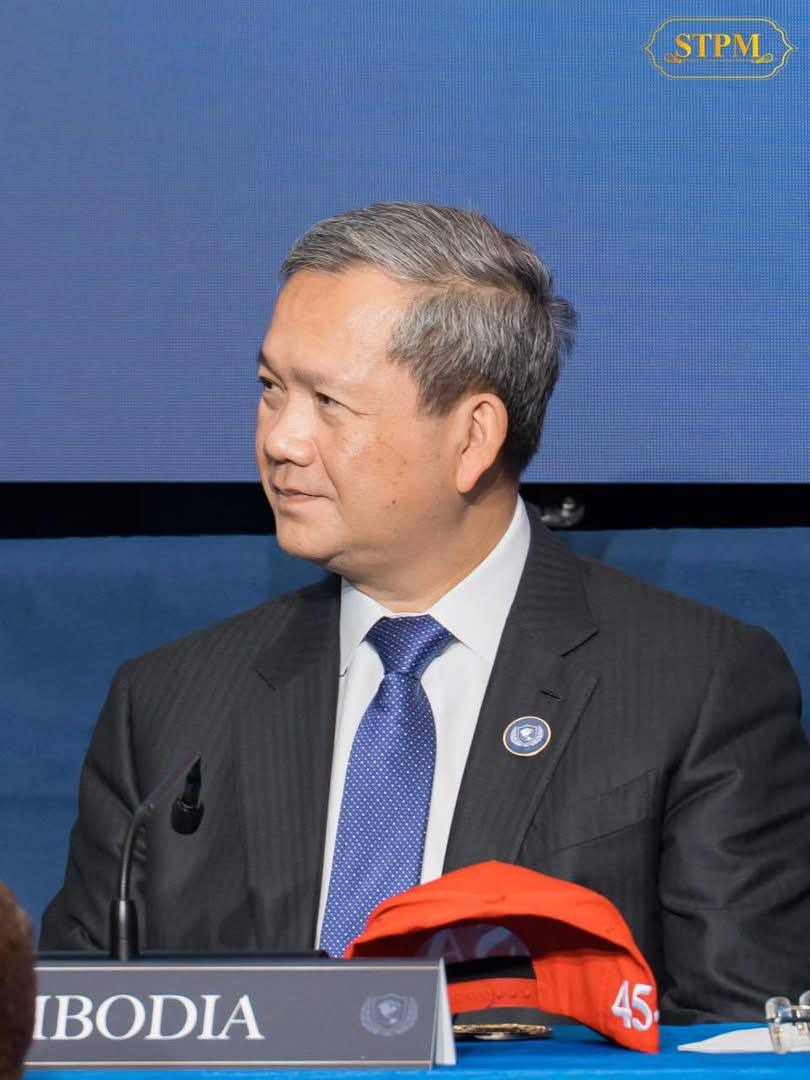
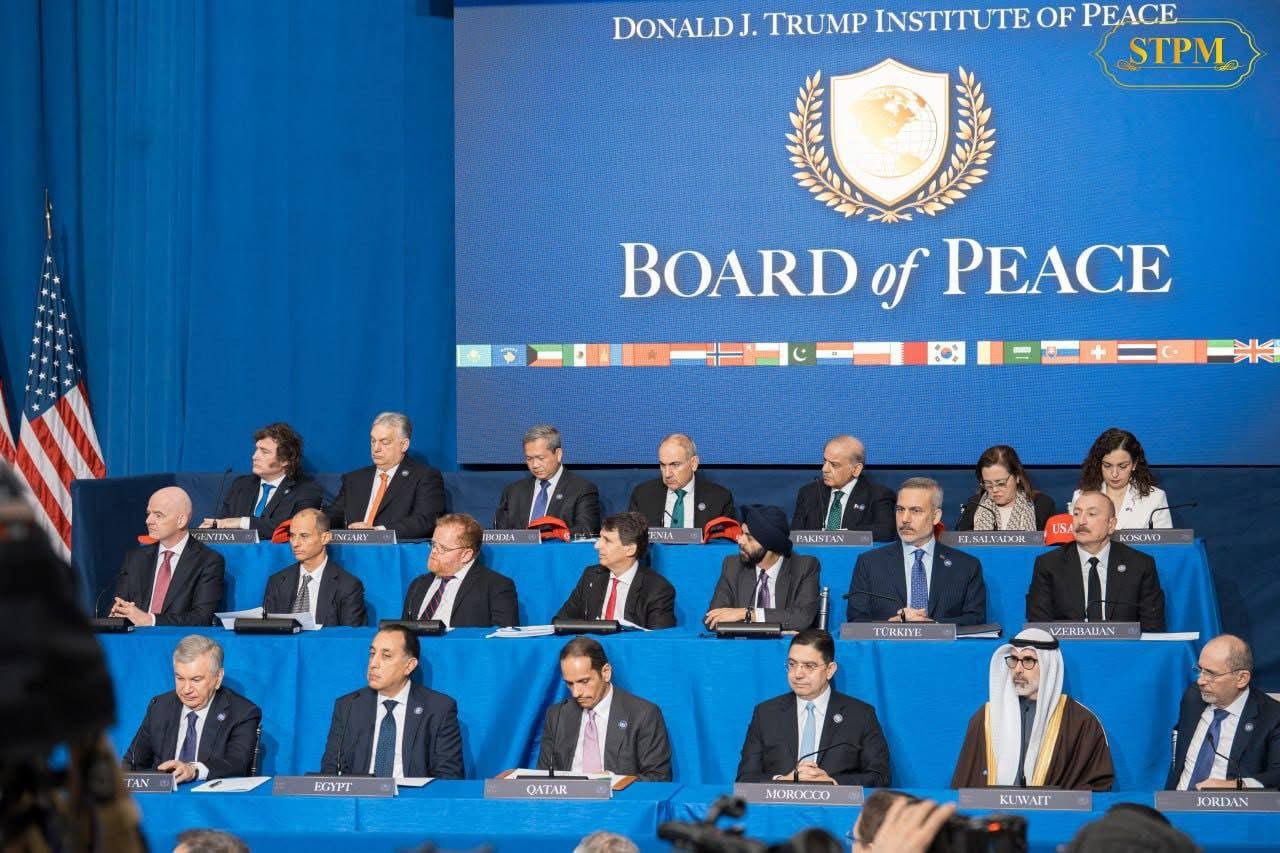
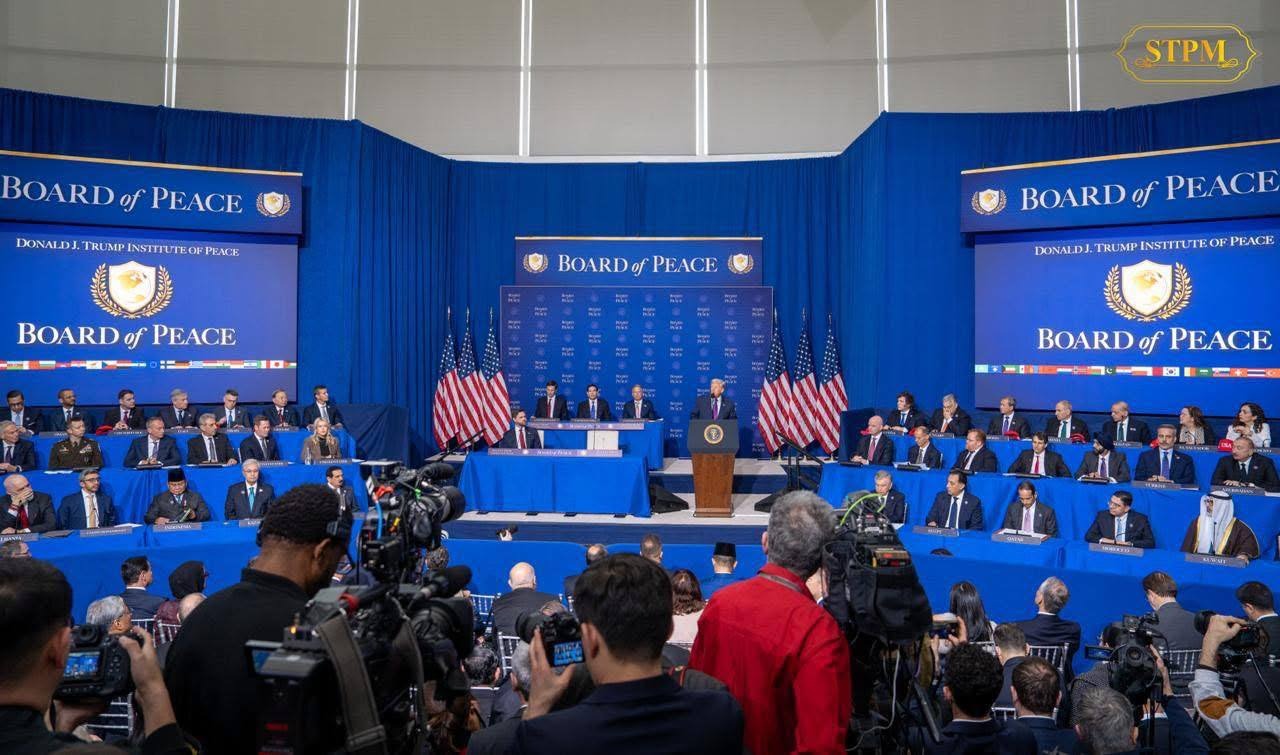
(Phnom Penh): Prime Minister Hun Manet’s participation in the inauguration of the Board of Peace (BoP) in Washington, D.C., was not a routine diplomatic appearance. It was a calculated strategic move that reframed the Cambodia–Thailand border dispute as a matter of law, sovereignty, and civilian protection—issues the international community cannot afford to ignore.
What had previously been described by some foreign media outlets in vague terms as a “border confrontation” or a “disagreement” has now been clarified in the language of international law and humanitarian concern. Cambodia’s presentation at the BoP shifted the narrative from ambiguity to accountability.
This was not merely about ending sporadic clashes. It was about demanding concrete resolution through agreed technical mechanisms to demarcate the border and to protect the rights and livelihoods of affected civilians.
Bringing the issue before the BoP was not an appeal for sympathy. It was a call for equal application of international legal standards. In Washington, Cambodia demonstrated that this is not simply a regional political dispute, but a matter of international peace and legal legitimacy with global implications.
Cambodian Prime Minister: What Are the “Facts on the Ground”?
During the visit, Prime Minister Hun Manet used interviews with major international media outlets, including Reuters and Fox News, to deliver a clear message.
He emphasized that the Cambodia–Thailand border issue is not based on unfounded accusations, but on what he termed “facts on the ground.”
“We still have Thai forces occupying deep inside Cambodian territory in many areas. This goes beyond even Thailand’s own unilateral claims regarding the border. There have also been actions carried out by Thai troops, such as placing containers and barbed wire to block roads, causing significant hardship to our people. Around 80,000 civilians are currently unable to return home because of these blockages. This is not an accusation—it is a statement of the facts on the ground.”
The Prime Minister reiterated that Cambodia remains committed to legal and technical mechanisms for resolution and will not allow the use of force to determine borders.
As a result of this engagement in Washington, what had once been framed as a murky “mutual dispute” has become increasingly recognized as a matter of identifying which party is subject to encroachment and which party is creating faits accomplis. The issue has shifted into the domains of international law and humanitarian concern—areas that demand global attention.
From “Bilateral Dispute” to a Contest Between Legitimacy and Force
Previously, some foreign coverage characterized the situation as a case of “mutual blame.” However, by invoking the phrase “facts on the ground,” Prime Minister Hun Manet reframed the issue fundamentally.
This was not merely descriptive—it was strategic. The dispute was repositioned as a confrontation between two competing principles:
1. Force
2. Legitimacy
Force can create temporary control. But only legitimacy can create enduring recognition.
By insisting on verifiable realities and legal mechanisms, Cambodia has rejected the reduction of the issue to rhetorical exchanges. It has challenged the international community to assess the matter according to law and agreed technical frameworks—not unilateral actions.
In international diplomacy, the party that defines the narrative often shapes perceptions of legitimacy. Cambodia has moved the conversation beyond “mutual accusations” and posed a more fundamental question:
Should borders be determined by law and agreed mechanisms—or by force on the ground?
History suggests that legally grounded truth ultimately outlasts raw power unsupported by law.
Diplomatic Leverage: Increasing Pressure Without War
Cambodia’s participation in the BoP did not escalate military tensions. Instead, it created a new form of diplomatic pressure.
By raising the border issue on an international peace platform:
- Other states are now monitoring developments more closely.
- International media are asking more pointed questions.
- Narratives unsupported by facts and law are becoming harder to sustain.
This represents a form of modern political influence—soft power legitimacy pressure—derived not from weapons, but from legal standards and global public perception.
Cambodia has demonstrated that a small state does not need war to exert influence. By leveraging international platforms and media engagement, it has elevated the issue into one that the international community cannot easily ignore.
Legal Framing: Borders Determined by Mechanisms, Not Weapons
Prime Minister Hun Manet clearly emphasized the role of the Joint Boundary Commission (JBC) and previously agreed mechanisms.
The message was straightforward: if a party is confident in its claims, it should not fear technical demarcation in accordance with valid treaties.
In his interview with Fox News, the Prime Minister stated:
“Our position has always been to peaceful solutions and peaceful dialogue. We do not believe that using war can sustainably end war. That is why we have asked Thailand to return to the agreements we already have, including the Kuala Lumpur Peace Agreement witnessed by President Trump, which clearly outlines the conditions for resolving this issue. The root cause of the dispute is territorial.”
This approach shifts the forum of discussion from the arena of force to the arena of principle.
Under international law, the non-use of force and respect for sovereignty and territorial integrity are foundational principles of global order. By raising the issue in Washington, Cambodia linked the border dispute to these universal norms rather than confining it to a regional quarrel.
Once placed within a legal framework, unilateral actions on the ground become increasingly difficult to justify in international discourse.
Strategic Positioning: Standing on the Platform of Peace
The BoP participation also carries broader strategic meaning.
In today’s geopolitical environment—where major powers compete for influence—Cambodia has signaled that:
- It does not seek confrontation.
- It refuses to become a pawn in great power rivalry.
- It upholds principles of peace, balance, and sovereign independence.
Rather than escalating tensions, Cambodia has chosen to defend its sovereignty through law and diplomacy.
In a world where many regional disputes spiral into broader confrontations, Cambodia has deliberately chosen the platform of peace as its strategic instrument—not the platform of war.
Conclusion
In Washington, Cambodia did not seek sympathy. It did not seek weapons. It did not ask others to defend its sovereignty on its behalf. Instead, Cambodia placed the border issue squarely within the framework of international law and posed a question the world cannot avoid:
Are standards of peace and sovereignty applied equally to all nations?
If force cannot determine borders, then legal mechanisms must function. If civilians are central to peace, then realities on the ground cannot be dismissed or politically downplayed.
For the Cambodian people, the message is clear: defending sovereignty is not only a military matter. It is also diplomatic, legal, and grounded in international legitimacy. In an era of information warfare and competing narratives, those who stand on principle and verifiable truth shape the long-term future.
The BoP meeting did not resolve the dispute overnight. But it opened a new arena—one where the border issue is measured by law, not by force.
The ultimate question facing the international community is not “Who wins?” but:
Will the world stand with principle—or with power?
If the answer is principle, then this border dispute is not merely a contest of strength. It is a test of the credibility of the international legal order itself.
This visit to Washington placed Cambodia on the platform of peace—so that truth could speak louder than weapons.