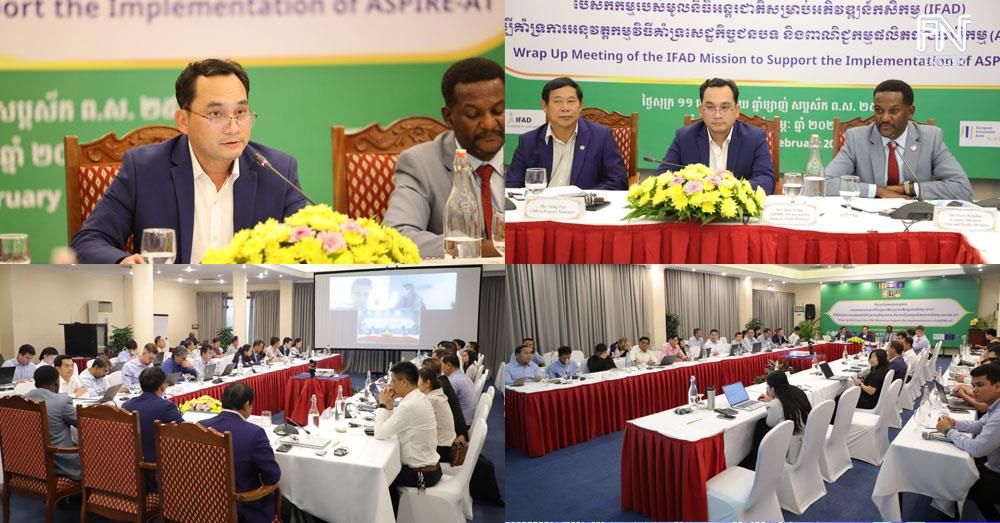
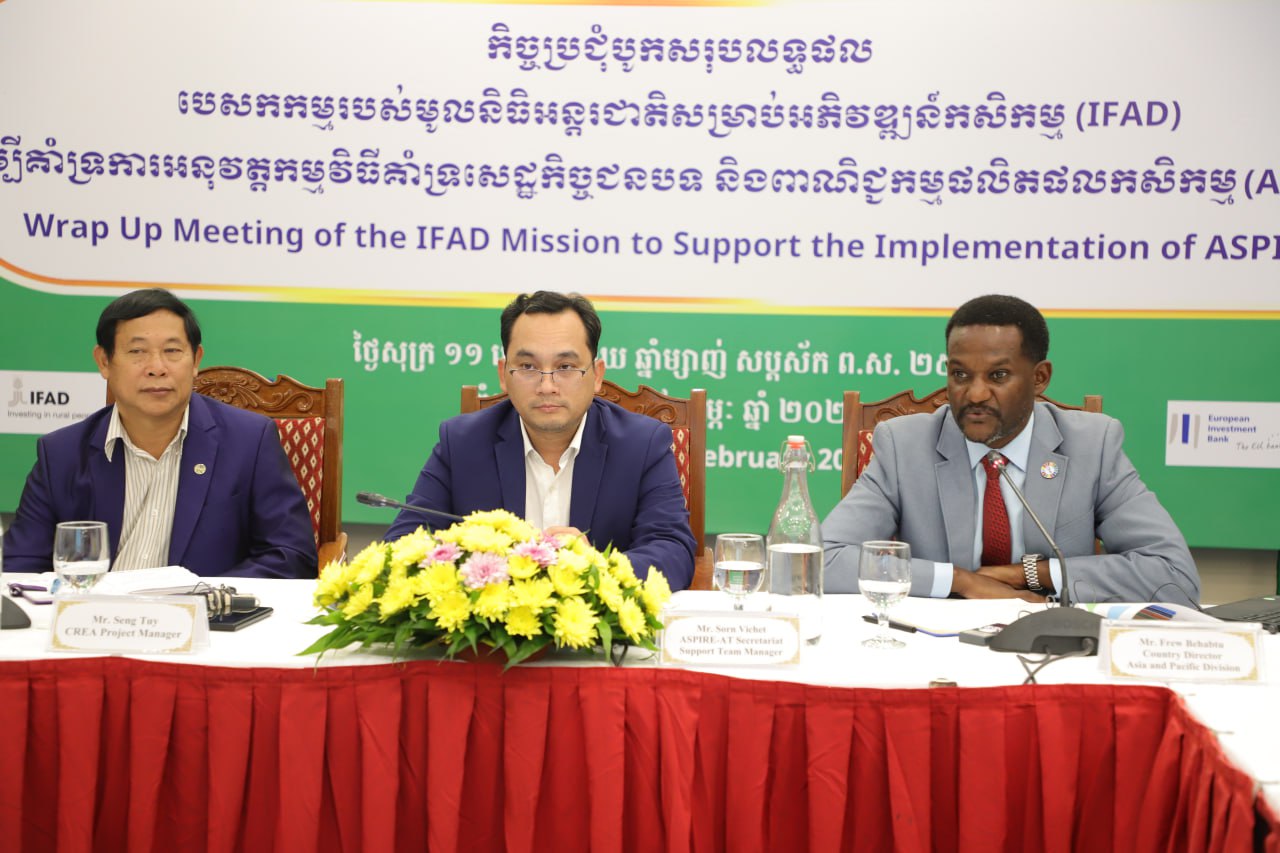
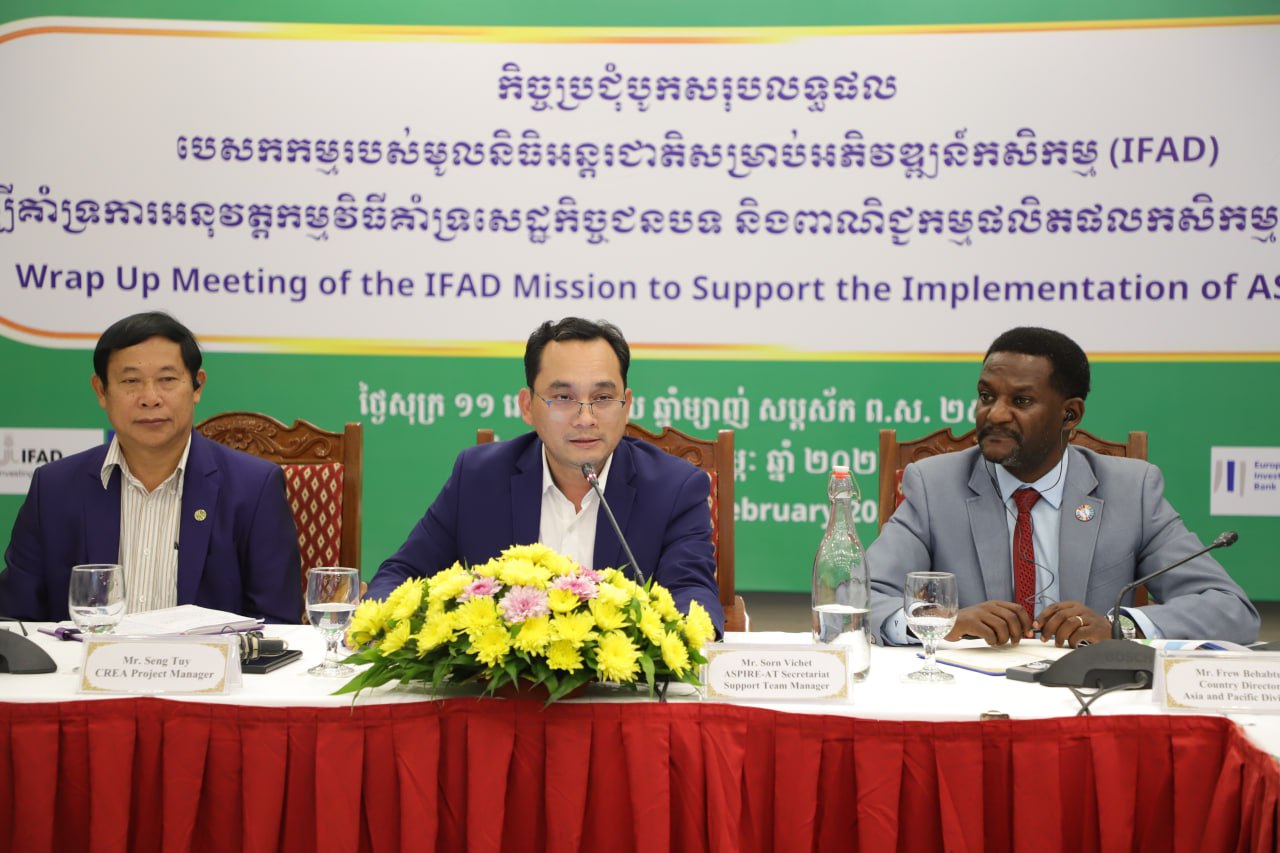
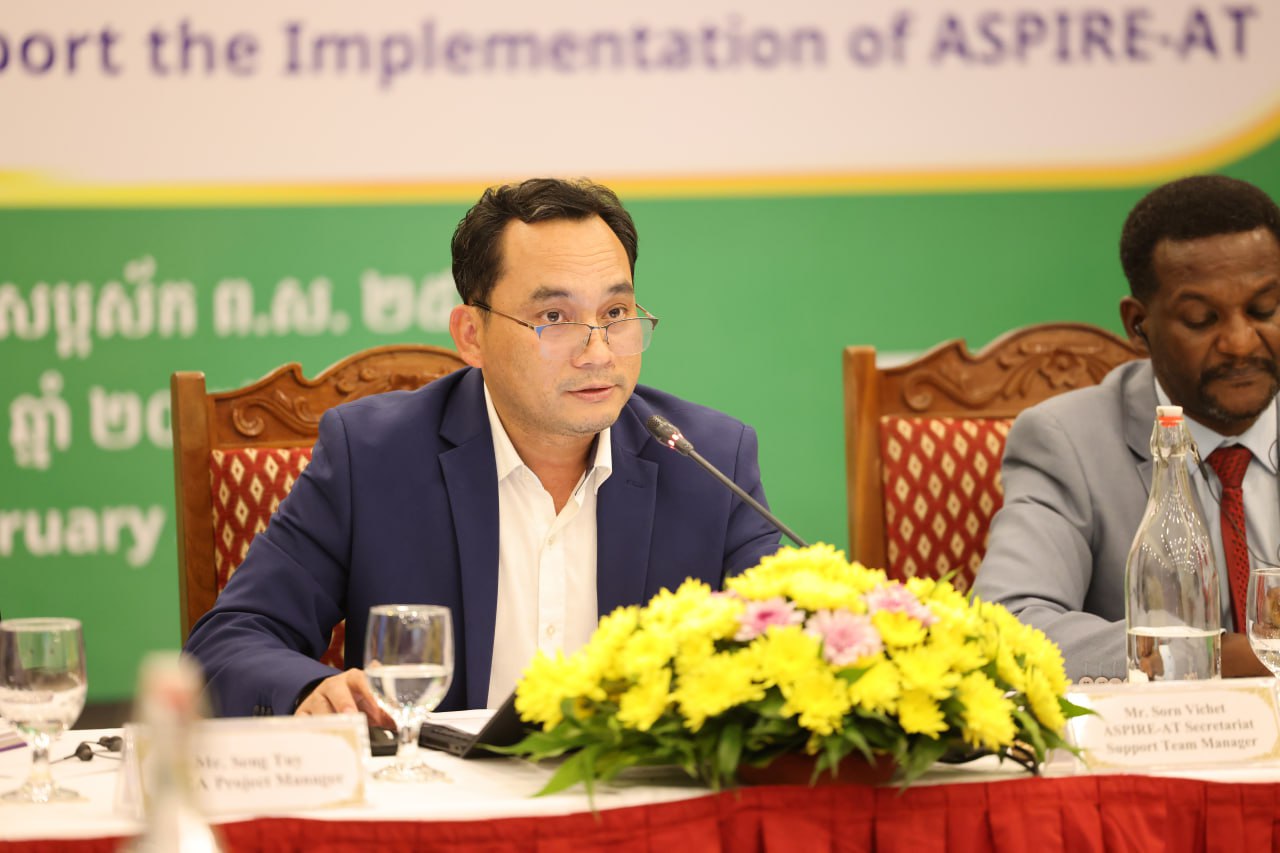
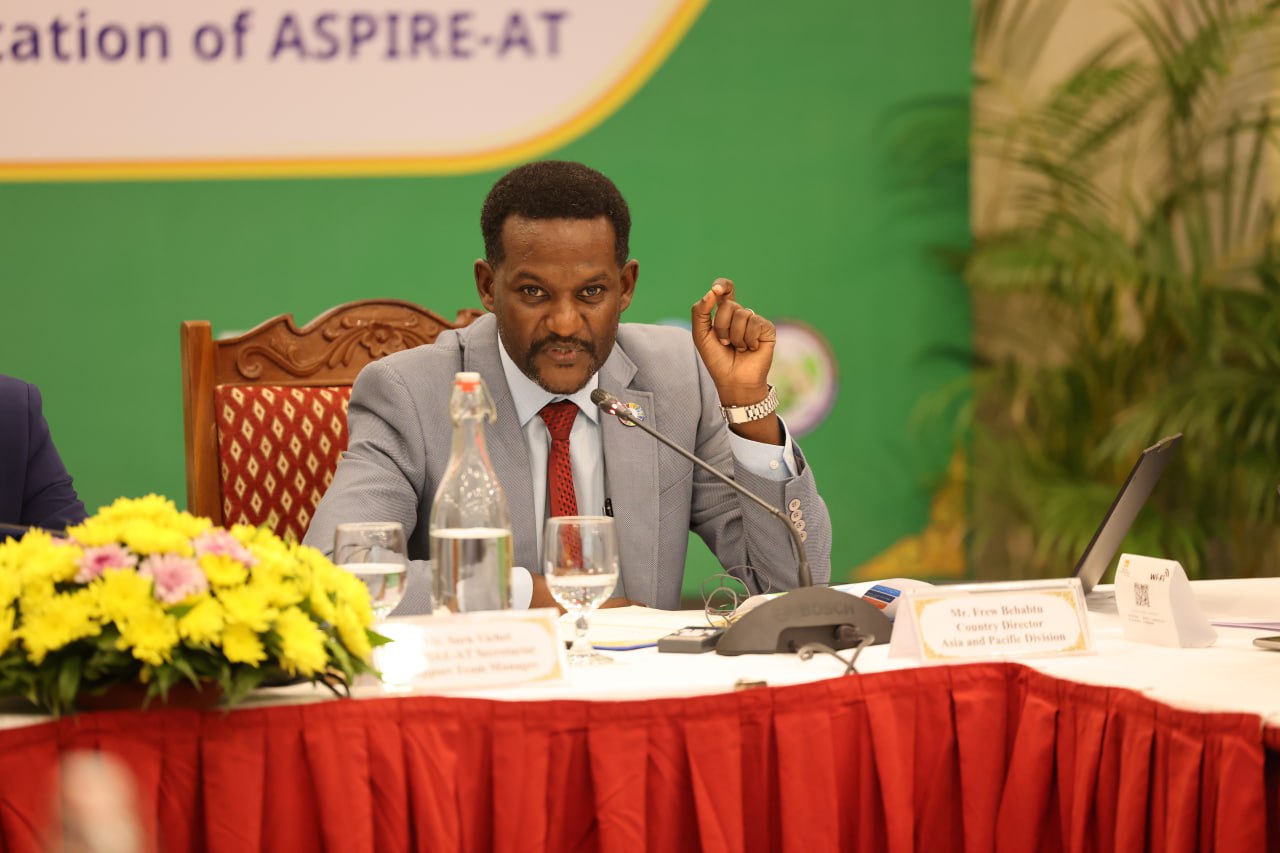
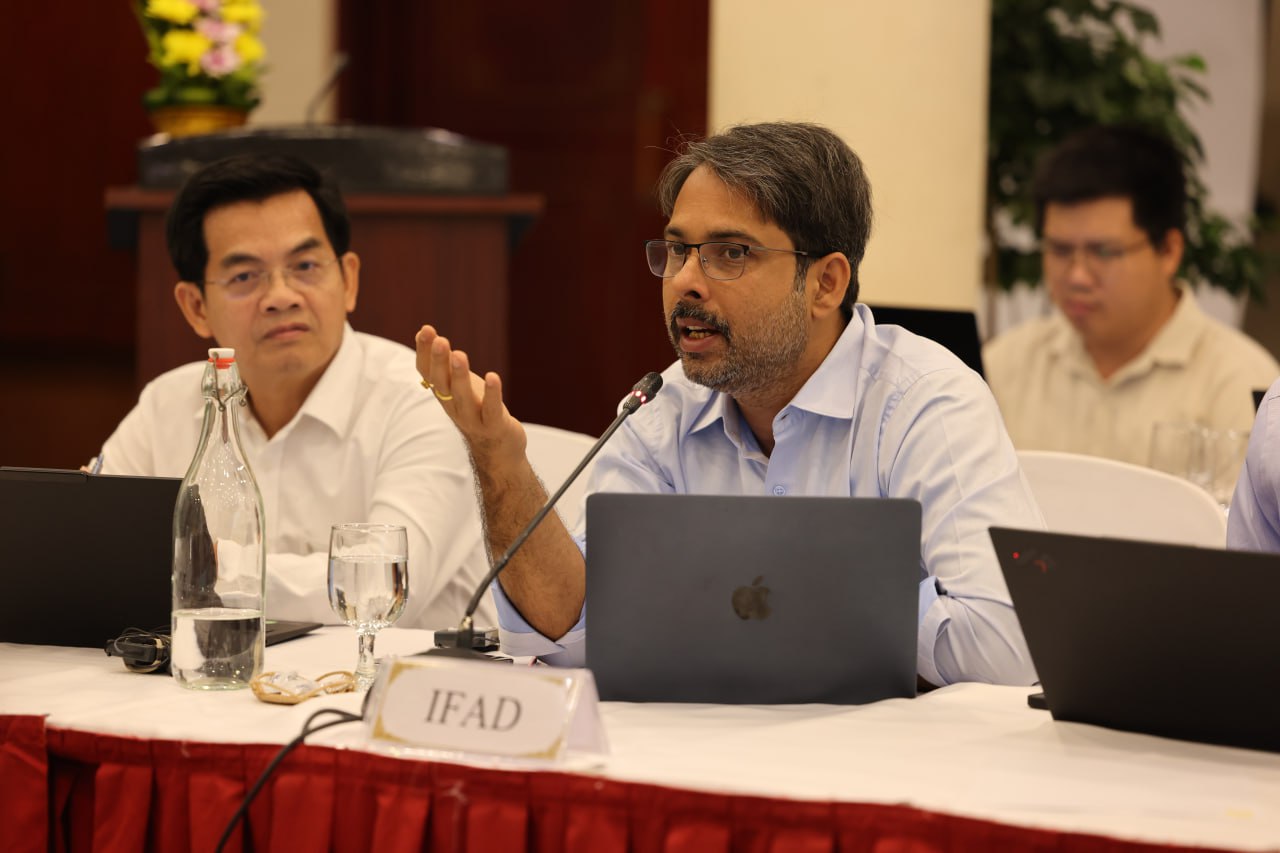
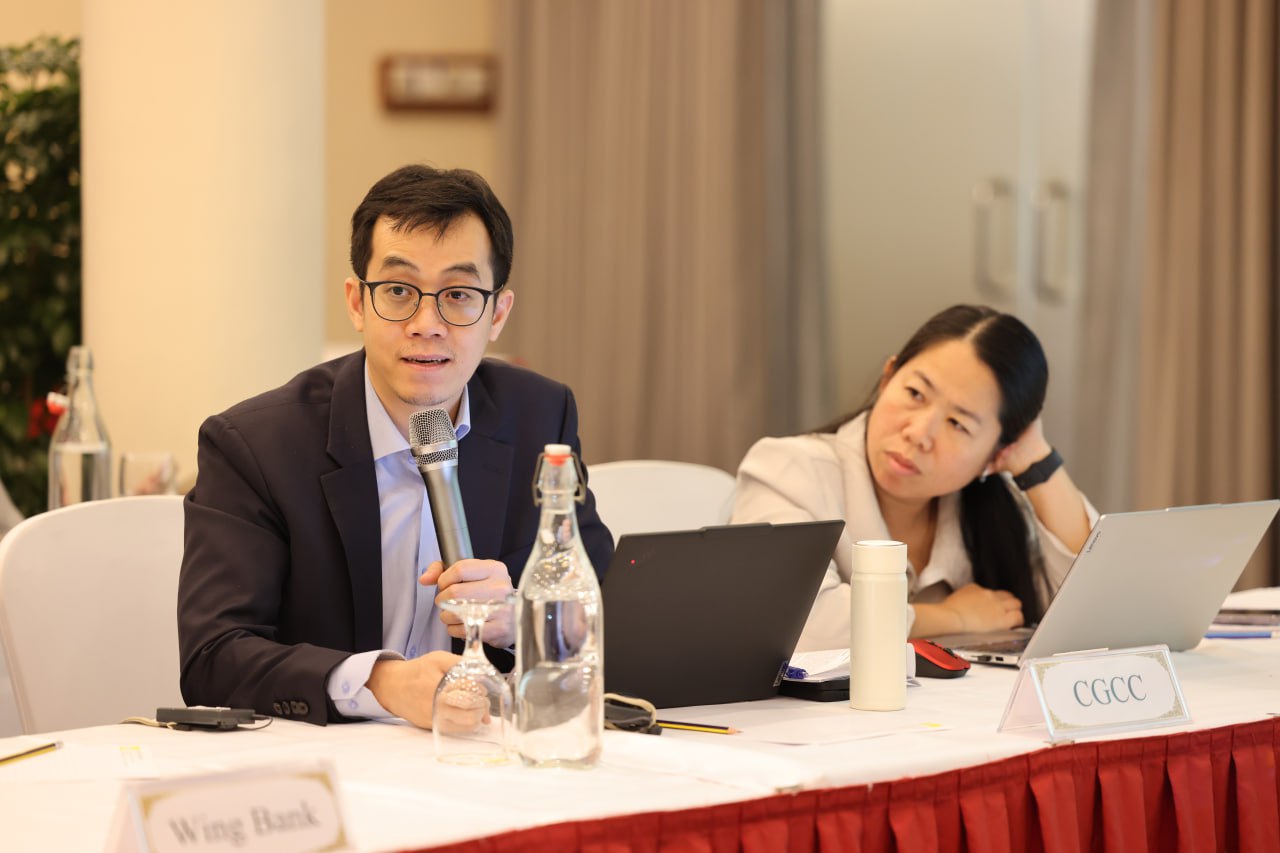
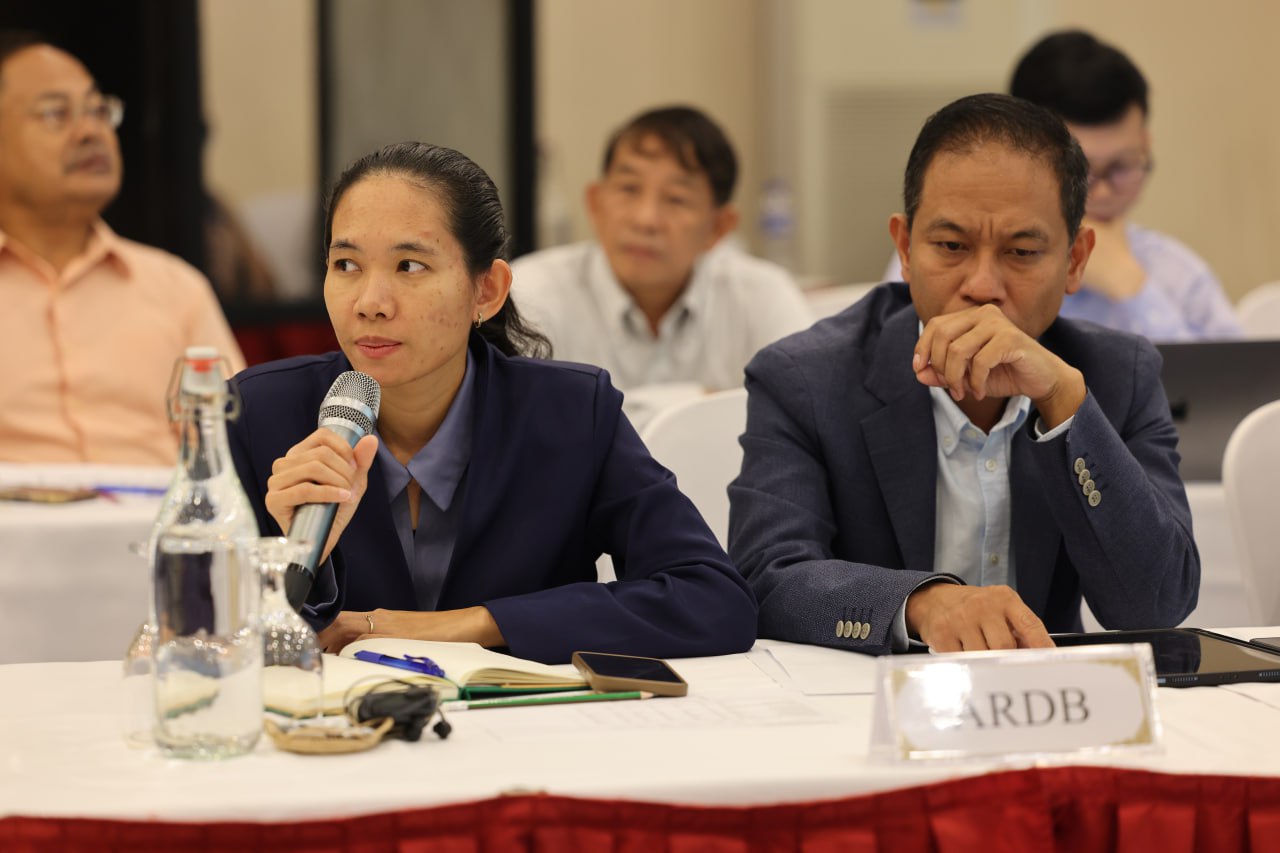
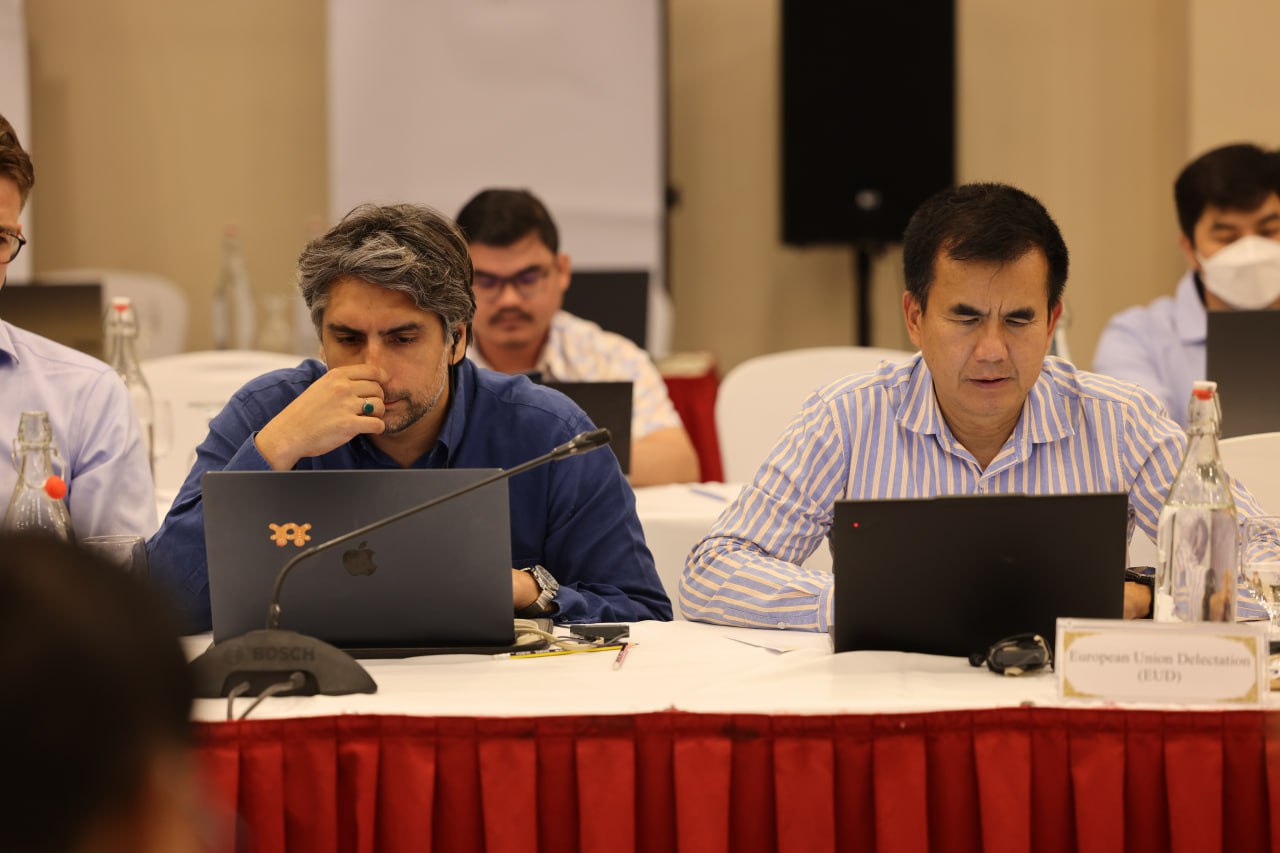
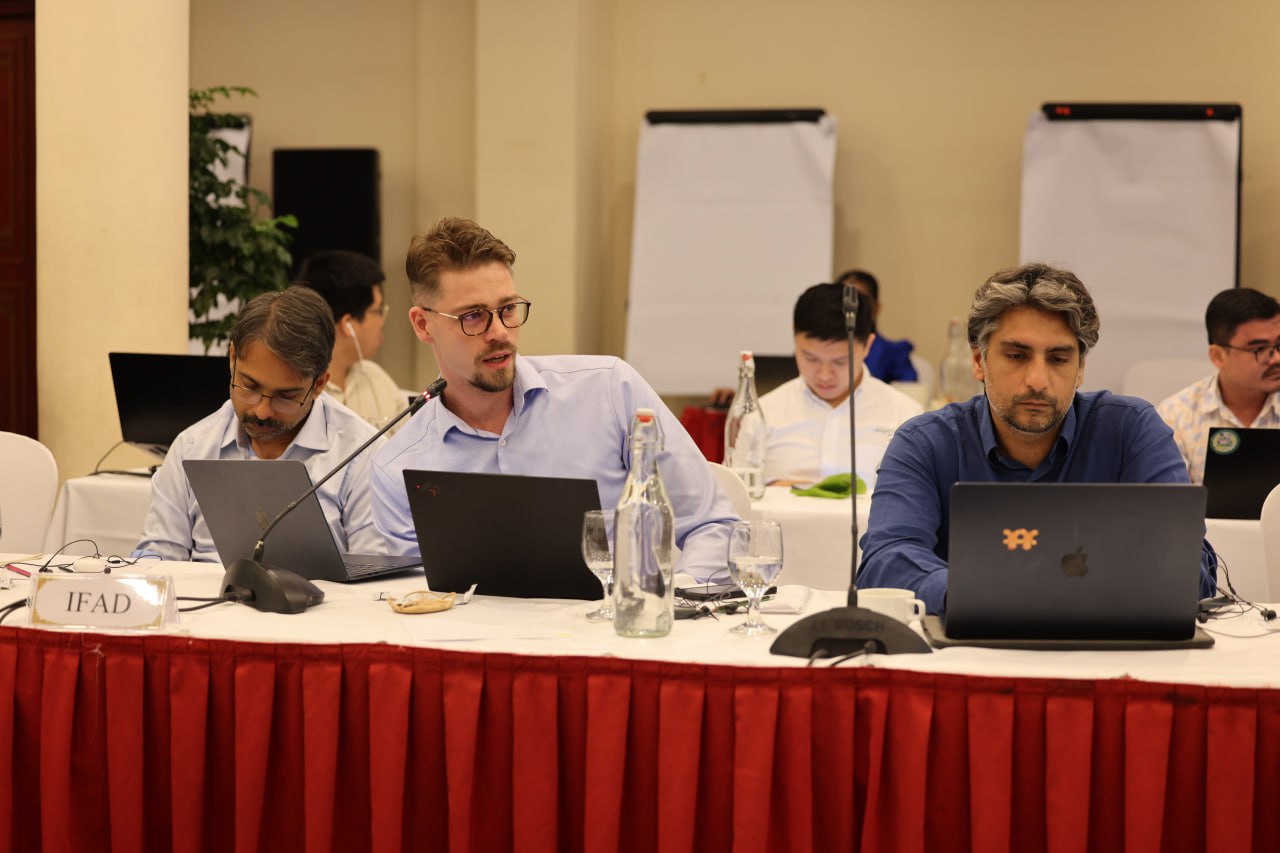
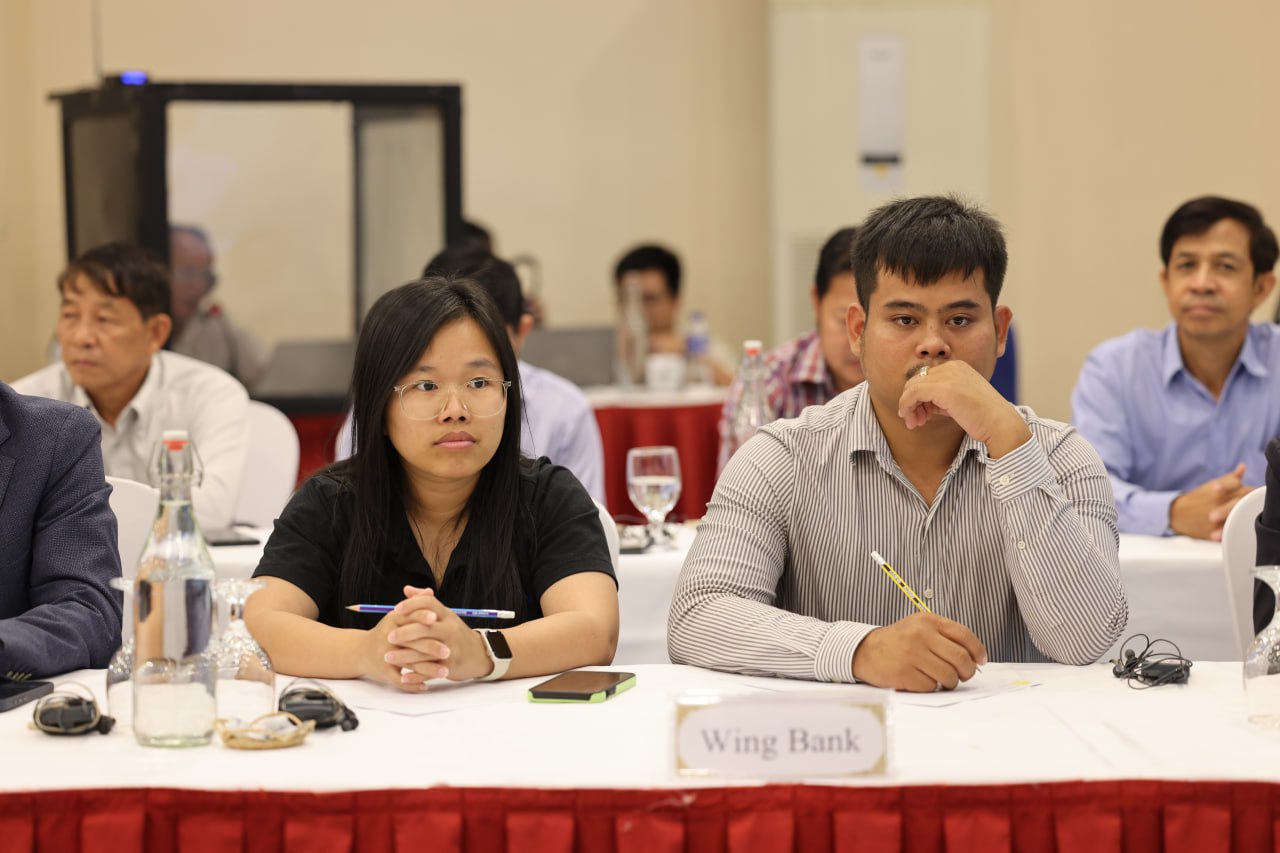
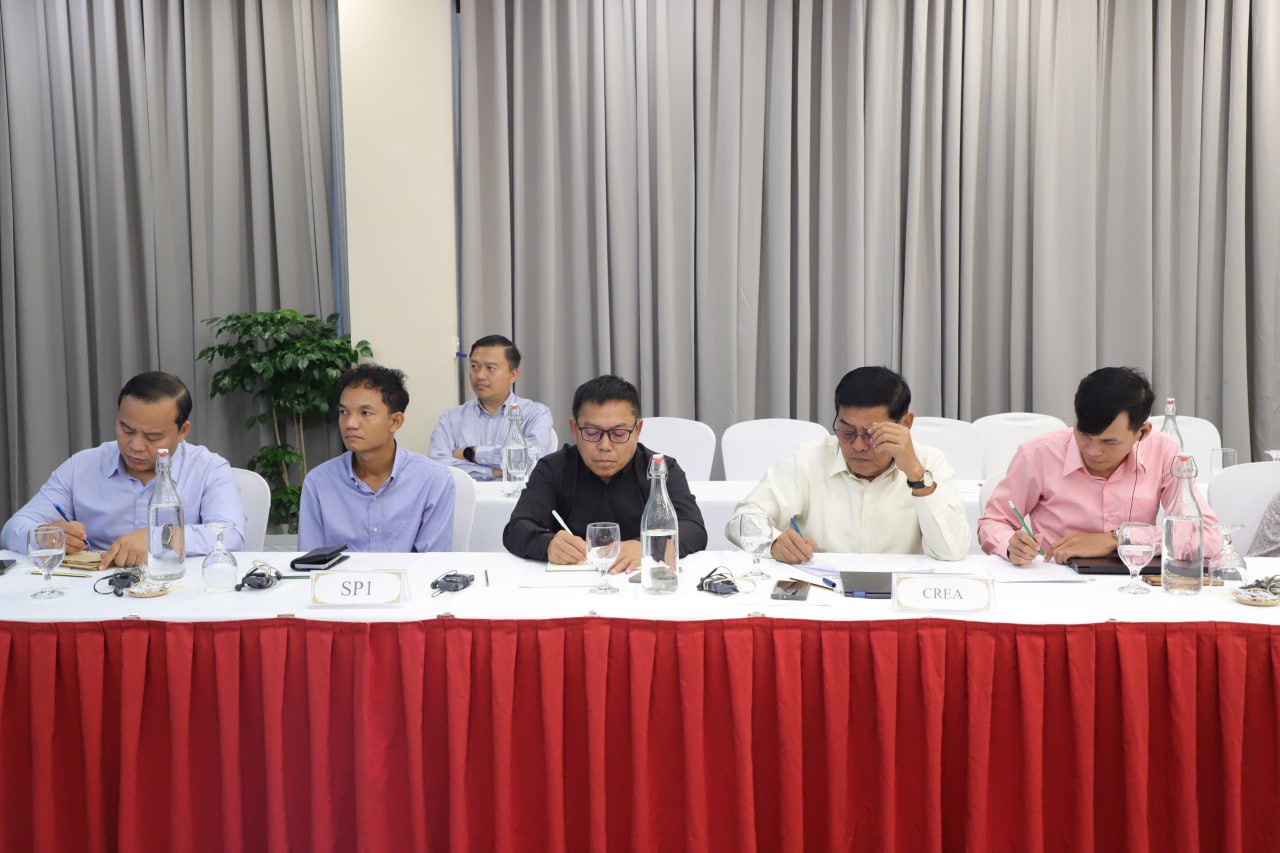
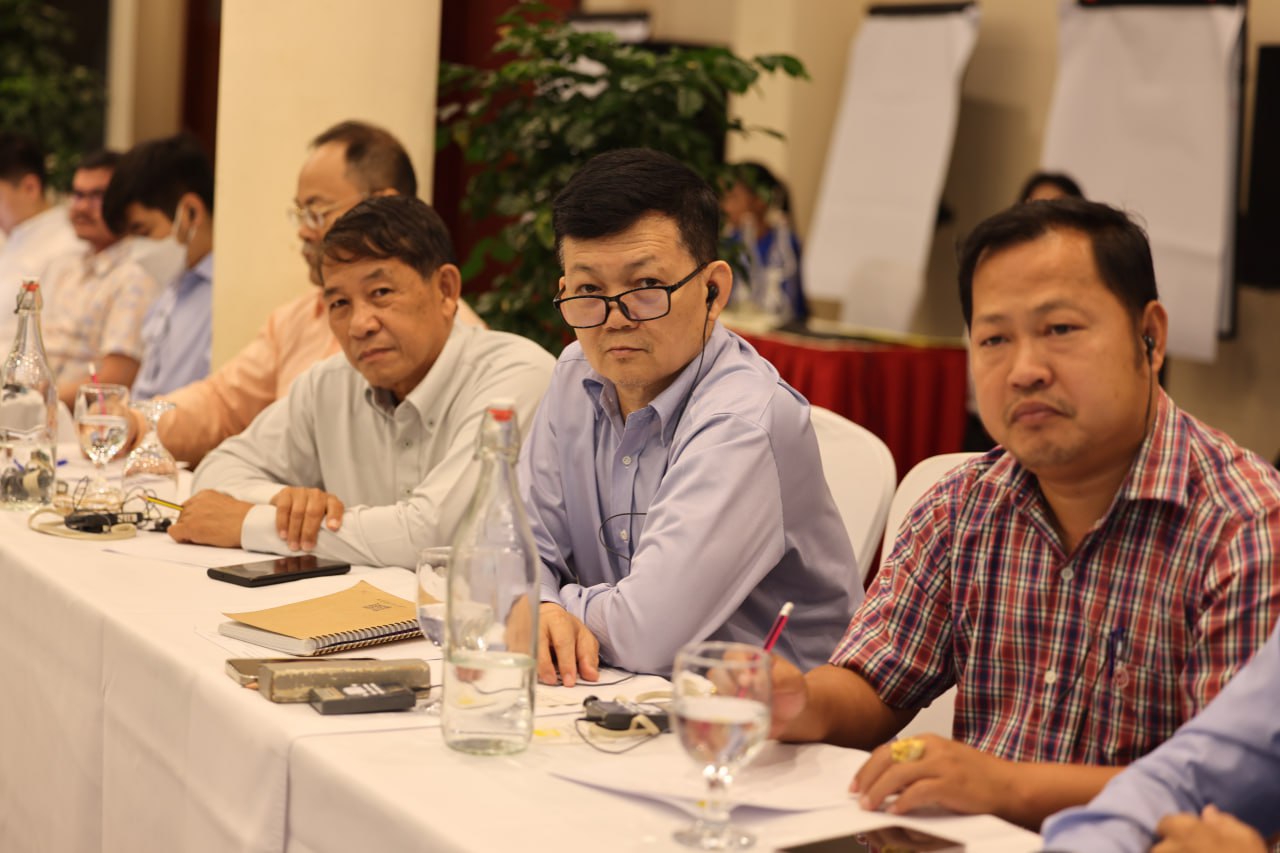
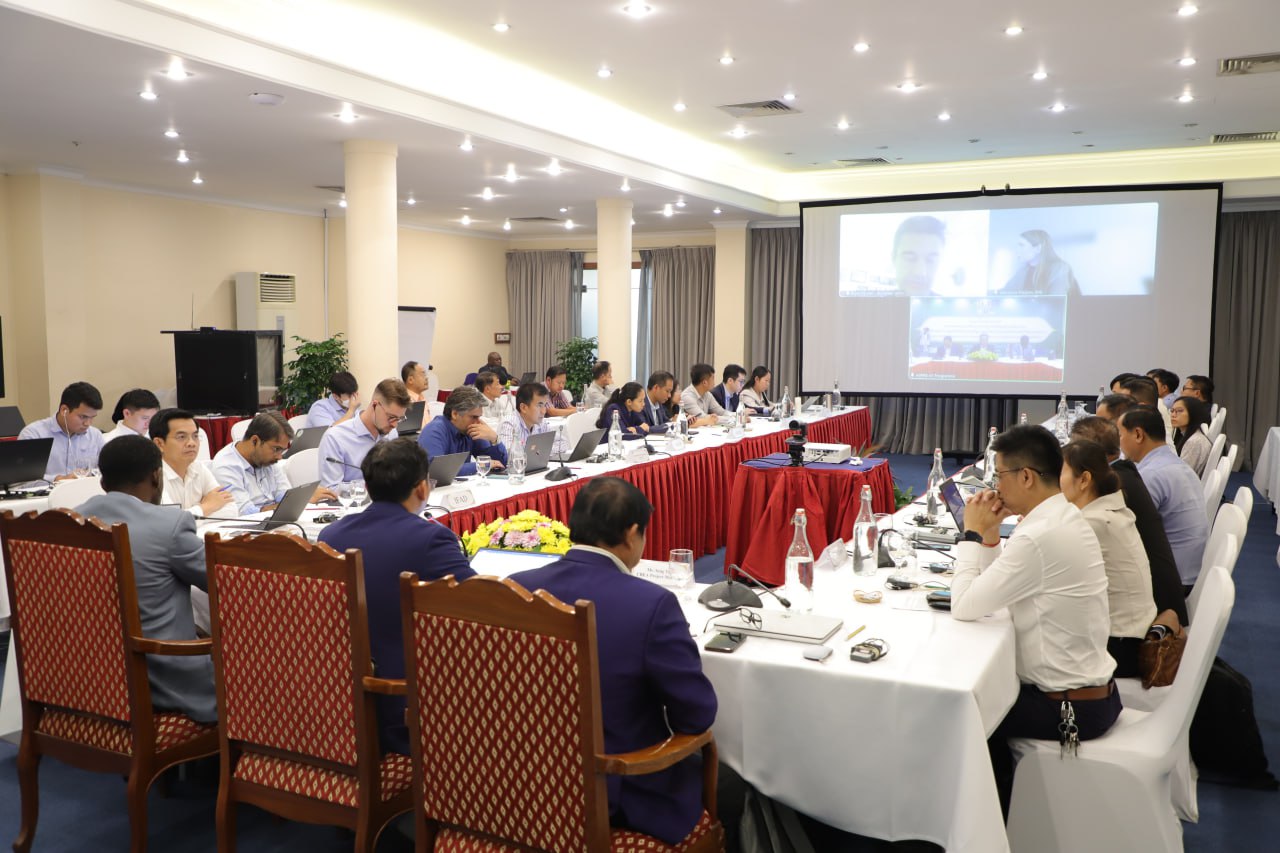
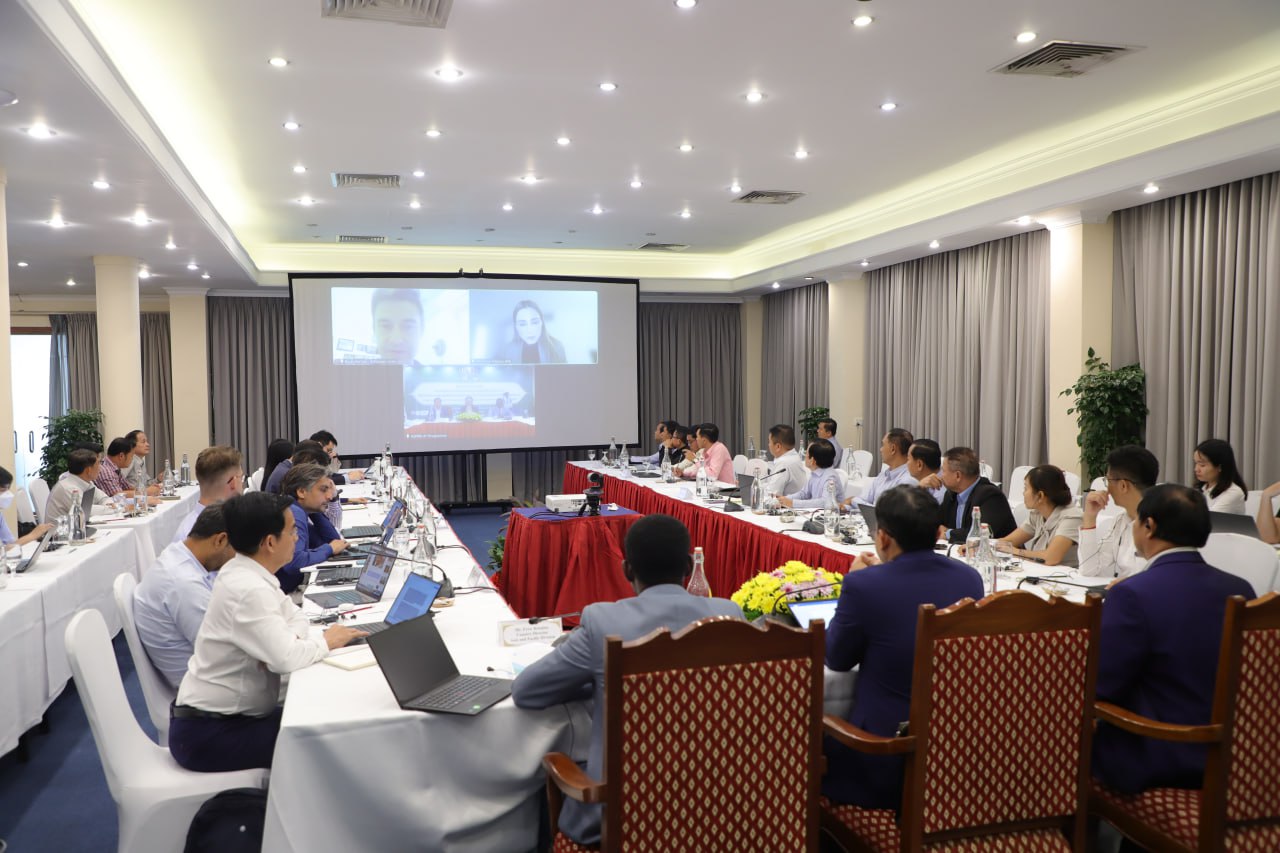
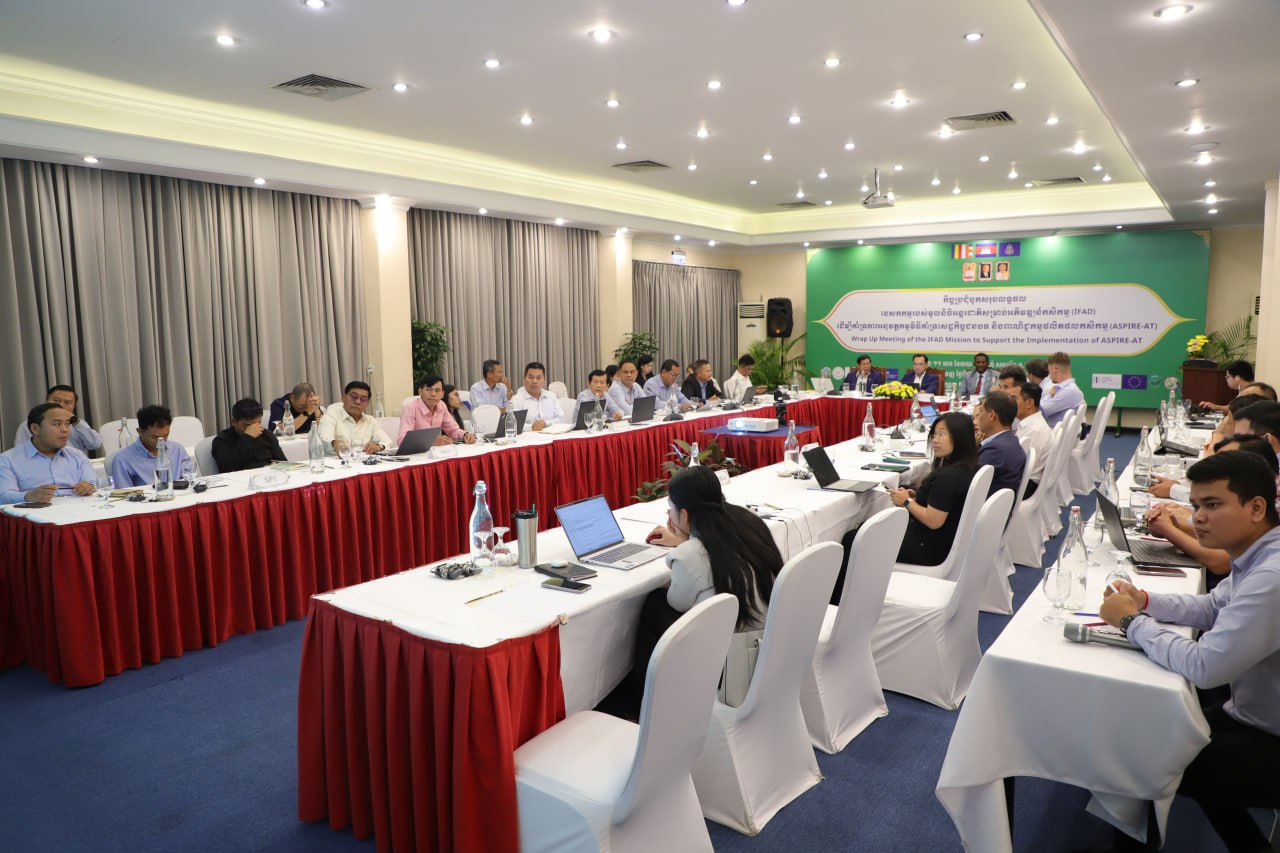
(Phnom Penh): On Sunday (Feb. 15), the February 2026 Implementation Support Mission of the Agriculture Services Programme for an Inclusive Rural Economy and Agricultural Trade (ASPIRE-AT) confirmed that the programme is transitioning from preparatory restructuring toward accelerated delivery, under a strategic partnership between the Royal Government of Cambodia, the International Fund for Agricultural Development (IFAD), the European Investment Bank (EIB), the European Union Delegation (EUD), and key national partners including the Agriculture and Rural Development Bank (ARDB), SME Bank and the Credit Guarantee Corporation of Cambodia (CGCC).
Market integration is reducing barriers and unlocking structured trade
The mission confirmed measurable progress in linking organised rural producers to structured domestic and export markets. Through targeted brokerage and value-chain mobilisation, the programme facilitated commercial agreements between Producer Organisations and buyers valued at approximately USD 35 million, strengthening market access and reducing entry barriers through improved grading, aggregation and quality compliance.
In parallel, 40 SMEs have been supported, with two SMEs accessing approximately USD 600,000 in loans, enhancing their capacity to source from organised rural producers and scale trade volumes.
The mission further emphasised the importance of maintaining quarterly tracking of actual realised trade volumes to ensure that contract values translate into sustained commercial outcomes.
“Market linkages are delivering results, from commercial agreements to improved export protocols that open higher-value markets for rural smallholders. The next step is to address practical barriers, cooperative readiness, collateral constraints and timely infrastructure delivery, so that scale and impact accelerate," Sorn Vichet, ASPIRE-AT Project Manager said.
Trade facilitation and SPS reform are opening export pathways
The mission also highlighted progress in reducing regulatory and sanitary barriers to export.
Pesticide surveys and Sanitary and Phytosanitary (SPS) protocols have been developed for durian, pineapple and jackfruit, targeting export markets including China and Japan. These measures are critical to improving compliance and enabling access to higher-value markets.
Building on the successful durian protocol, which supported Cambodia’s first durian export shipment, ASPIRE-AT is now scaling tropical fruit protocol development under the South-South and Triangular Cooperation (SSTC) grant, embedding technical knowledge transfer and regional learning into national trade systems.
This integrated approach, combining market linkage, finance, and SPS reform, is systematically lowering structural trade barriers for organised rural producers.
Finance is reaching rural smallholders including women
Importantly, outreach to individual farmers includes approximately 45% women borrowers, reflecting inclusive delivery and meaningful participation of women rural smallholders in productive investment.
Following additional IFAD financing approved in December 2025 to scale up the Modern Agricultural Cooperative (MAC) model, the mission emphasised front-loading operational arrangements to accelerate investment-readiness, governance strengthening and access-to-finance roll-out.
“The project restructuring has cleared the bottlenecks; now we must expedite implementation, front-load key operational steps, and move decisively into full-scale delivery," Frew Behabtu, IFAD Representative and Country Director emphasised.
By strengthening cooperative systems, reducing regulatory bottlenecks and mobilising structured finance, ASPIRE-AT is enabling rural smallholders to compete in domestic and export value chains with greater resilience and commercial viability.
As IFAD marks 30 years of partnership with the Royal Government of Cambodia (1996–2026), the mission underscores a clear outcome:
the partnership is reducing systemic barriers, strengthening institutions, and translating coordinated finance into structured trade for Cambodia’s rural smallholders.
=FRESH NEWS