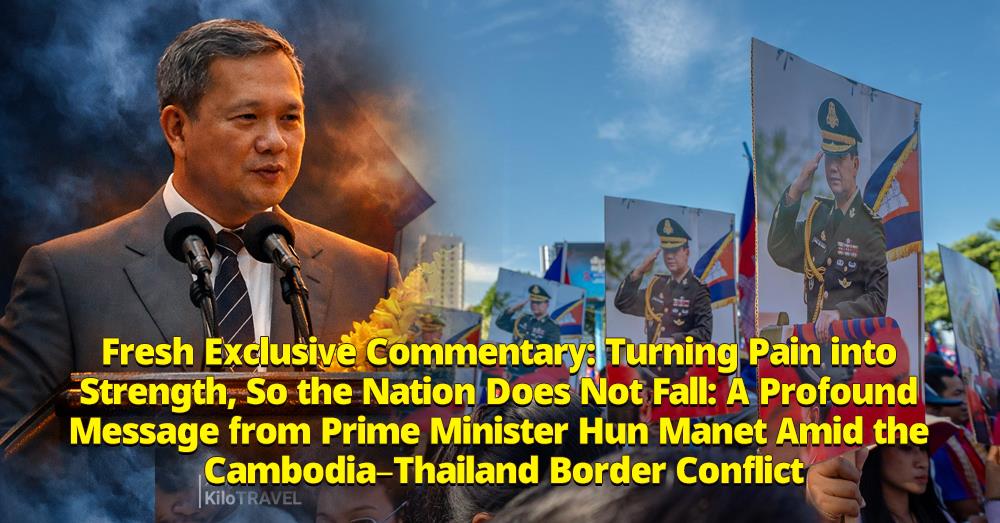
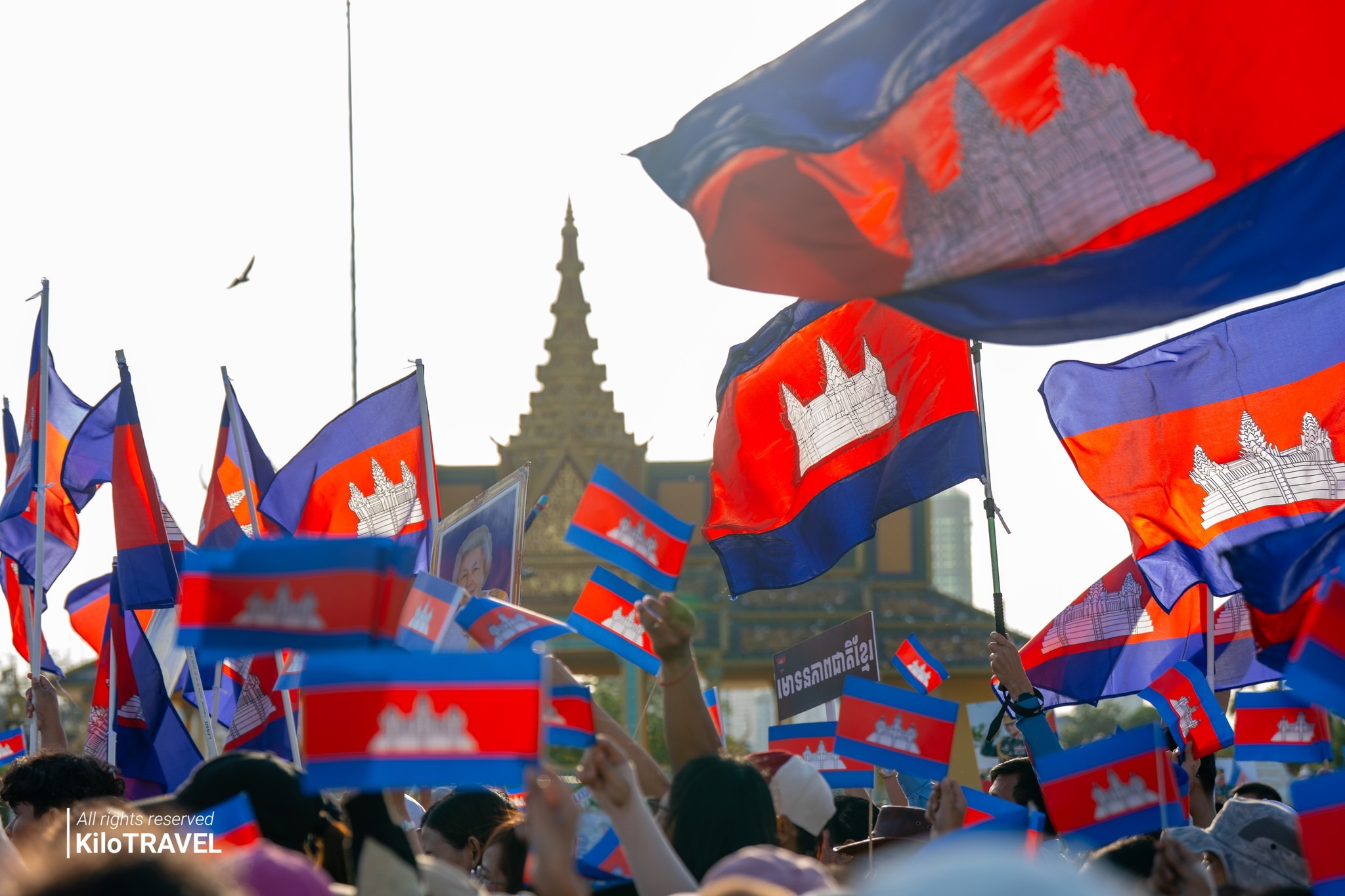
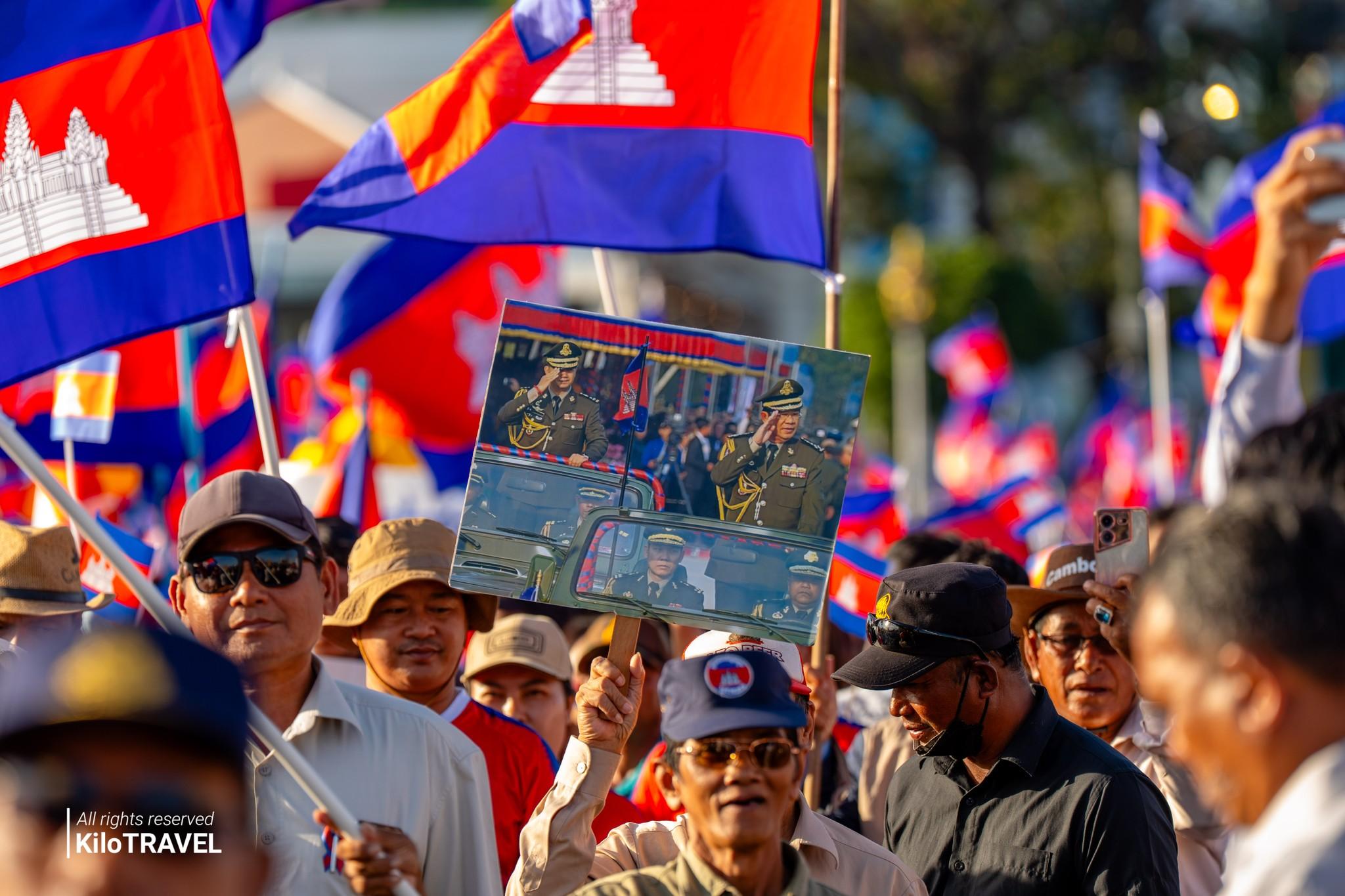
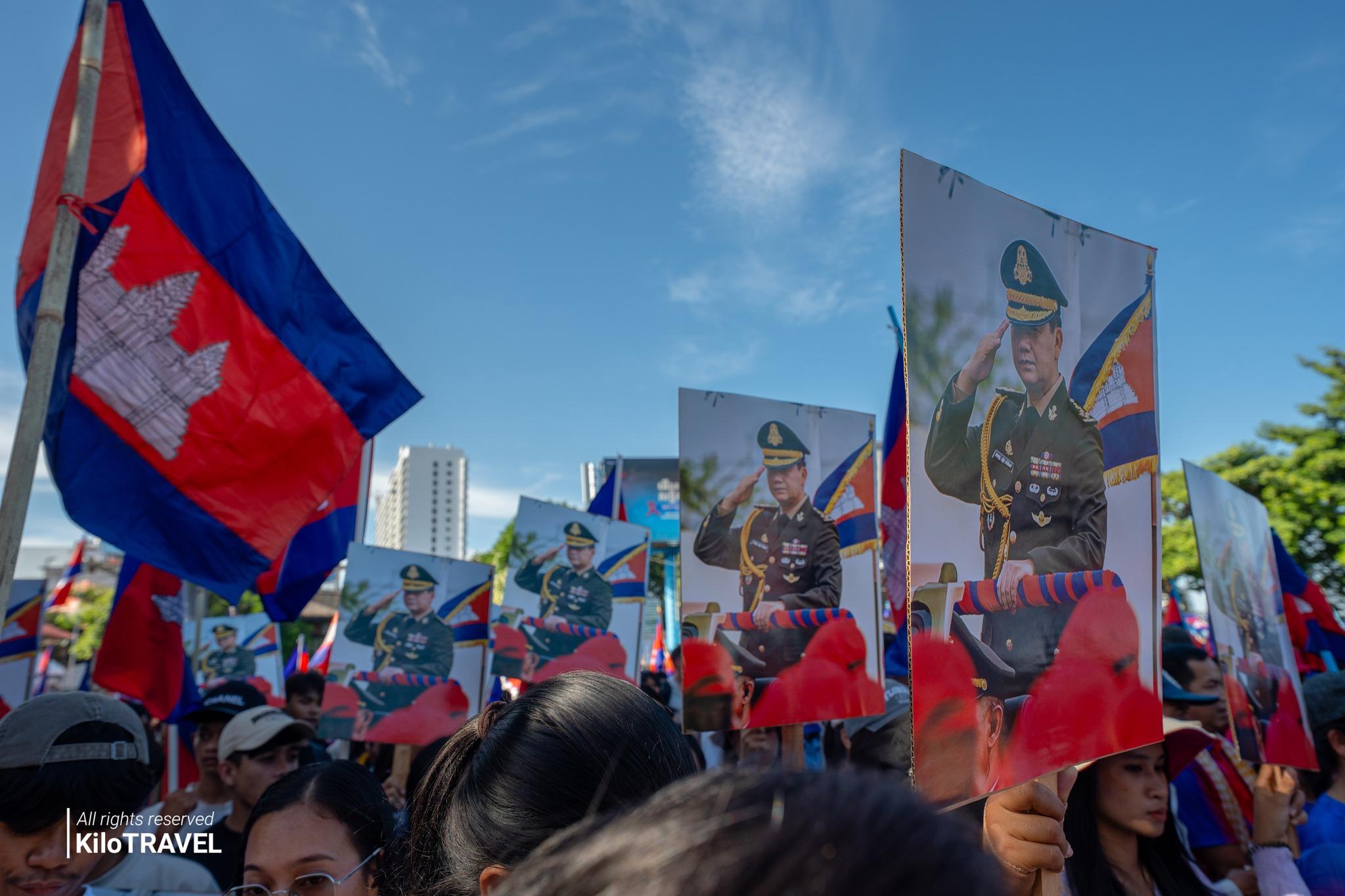
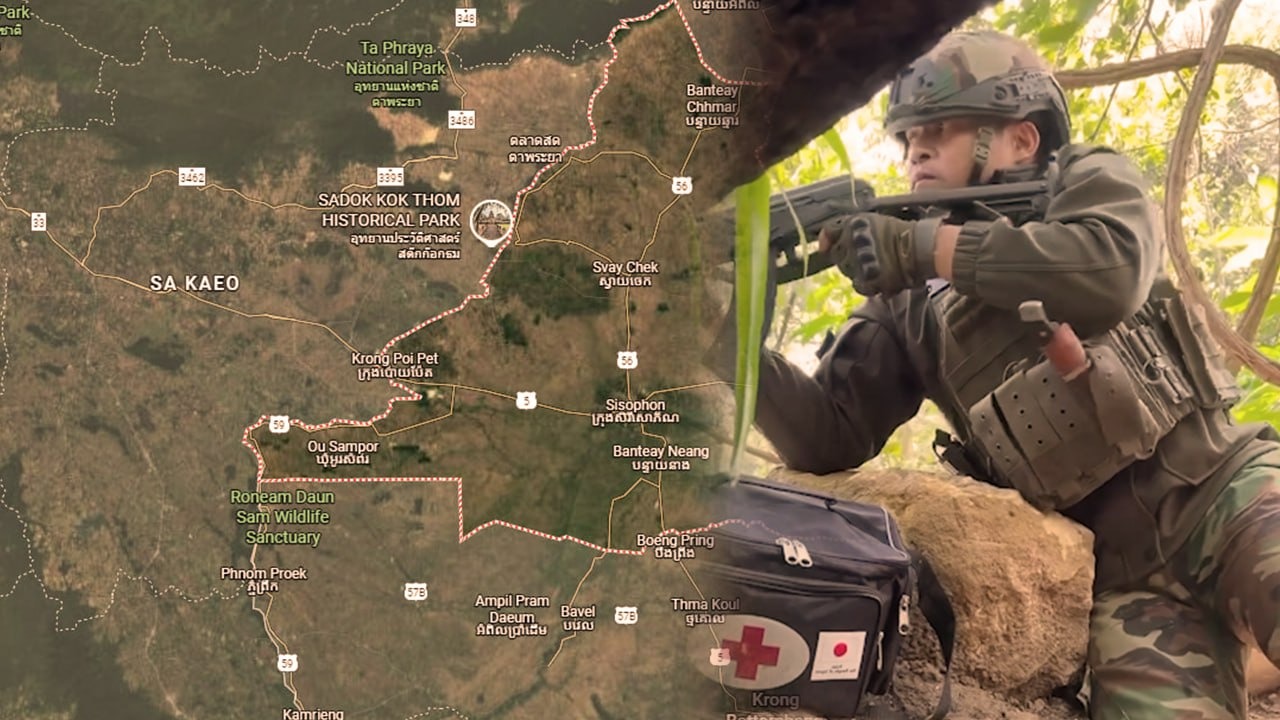
(Phnom Penh): Although gunfire along the border has fallen temporarily silent, the wounds in the heart of the nation have not yet healed. Homes have been damaged, schools and pagodas reduced to ashes, and many displaced families still await the day they can return to their original homes.
At a time when society is filled with grief and anger, a message from Cambodia’s top leadership resonated deeply: “The more we suffer, the stronger we become. We will not allow physical or emotional wounds to make us fall.”
This was not merely a statement of comfort. It was a declaration of national direction — a call to transform crisis into strength and pain into resilience.
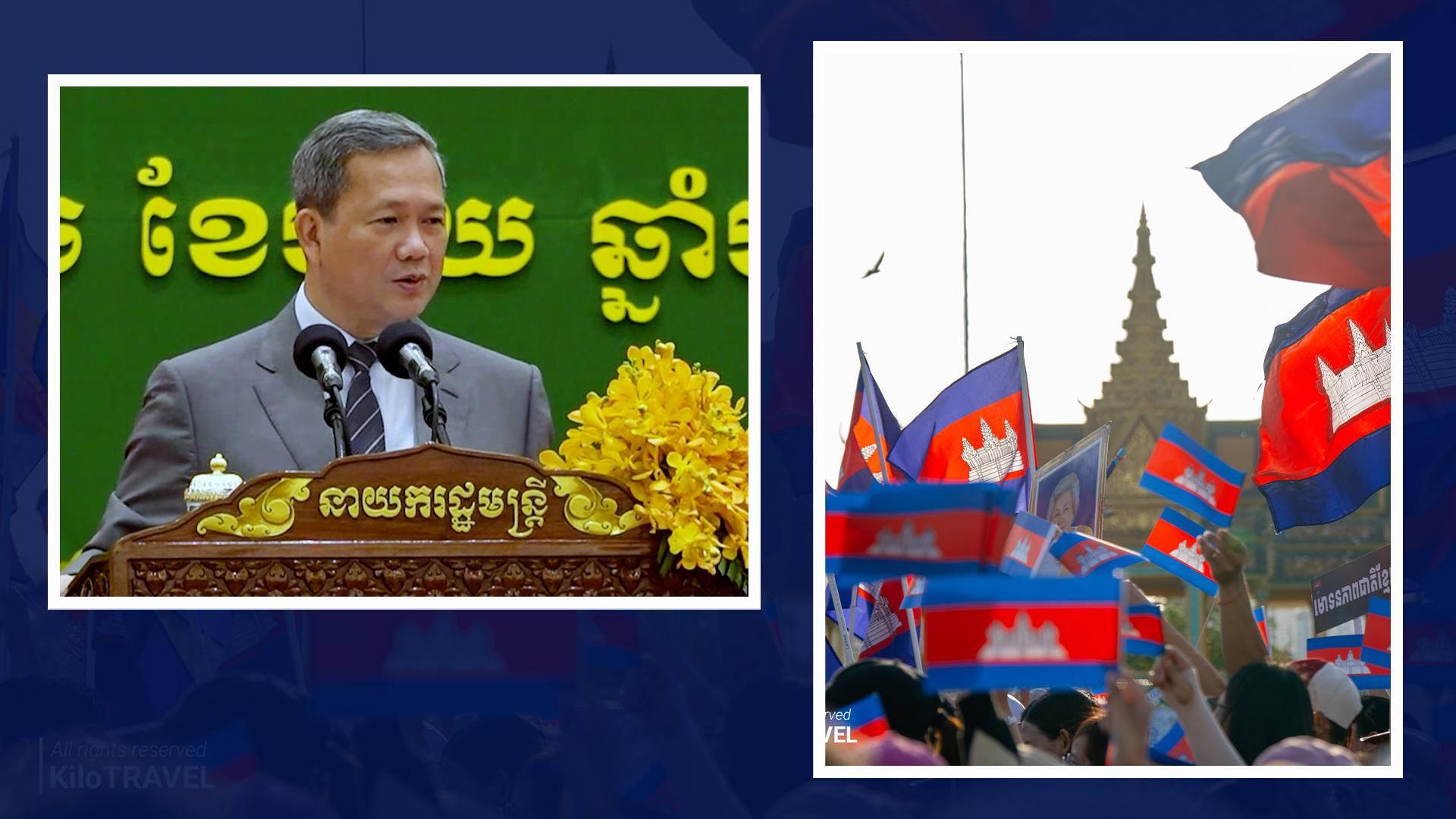
In the context of the Cambodia–Thailand conflict, which has resulted in loss of life and widespread destruction, Prime Minister Hun Manet delivered a message of strategic depth and national pride. He made it clear that government decisions cannot be driven by “ten-minute emotions” expressed on social media, but must instead be guided by responsibility, careful deliberation, and adherence to international law.
His message illuminated two essential principles:
1. Pain is a reality that cannot be denied.
2. Strength is a choice the nation must consciously make — so that it does not fall.
Historical Context: A Conflict Rooted in the Past
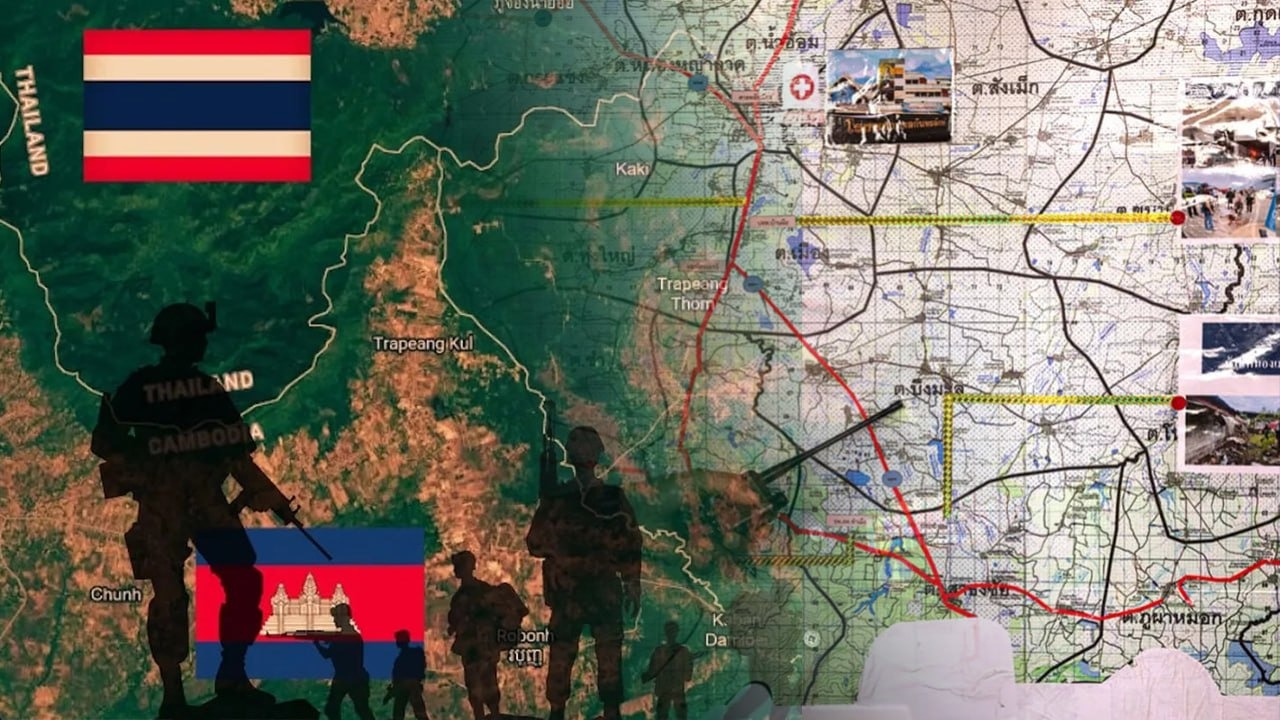
The Cambodia–Thailand border dispute did not arise by accident. It is rooted in colonial-era boundary treaties and differing interpretations of demarcation lines.
The case of the Preah Vihear Temple, adjudicated by the International Court of Justice (ICJ) in 1962 and reaffirmed in 2013, demonstrated that legal solutions may be slow, but they provide long-term stability and international recognition.
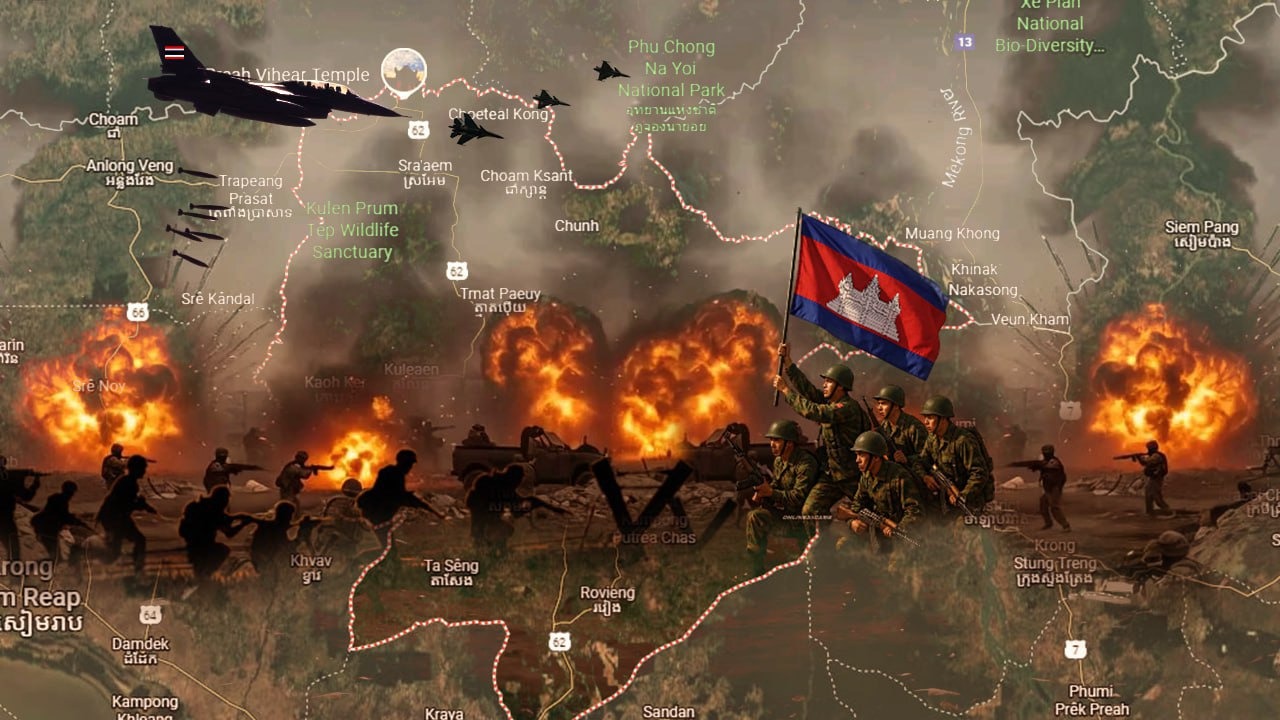
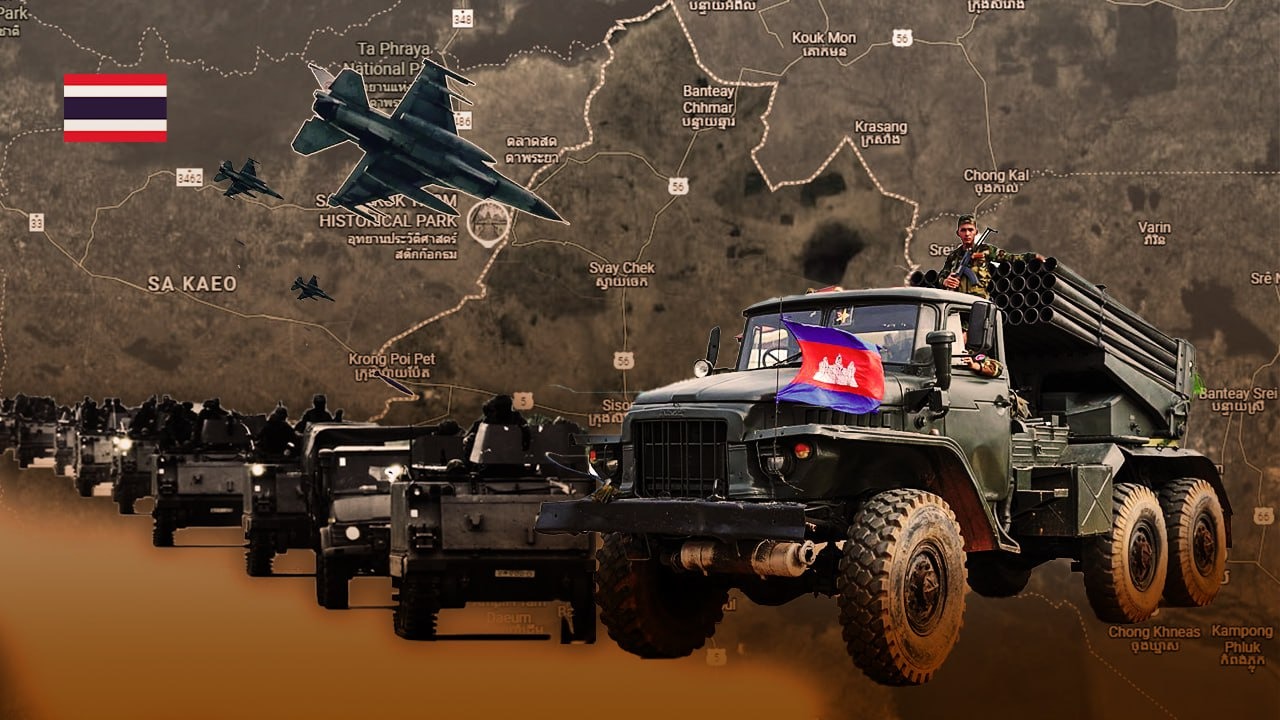
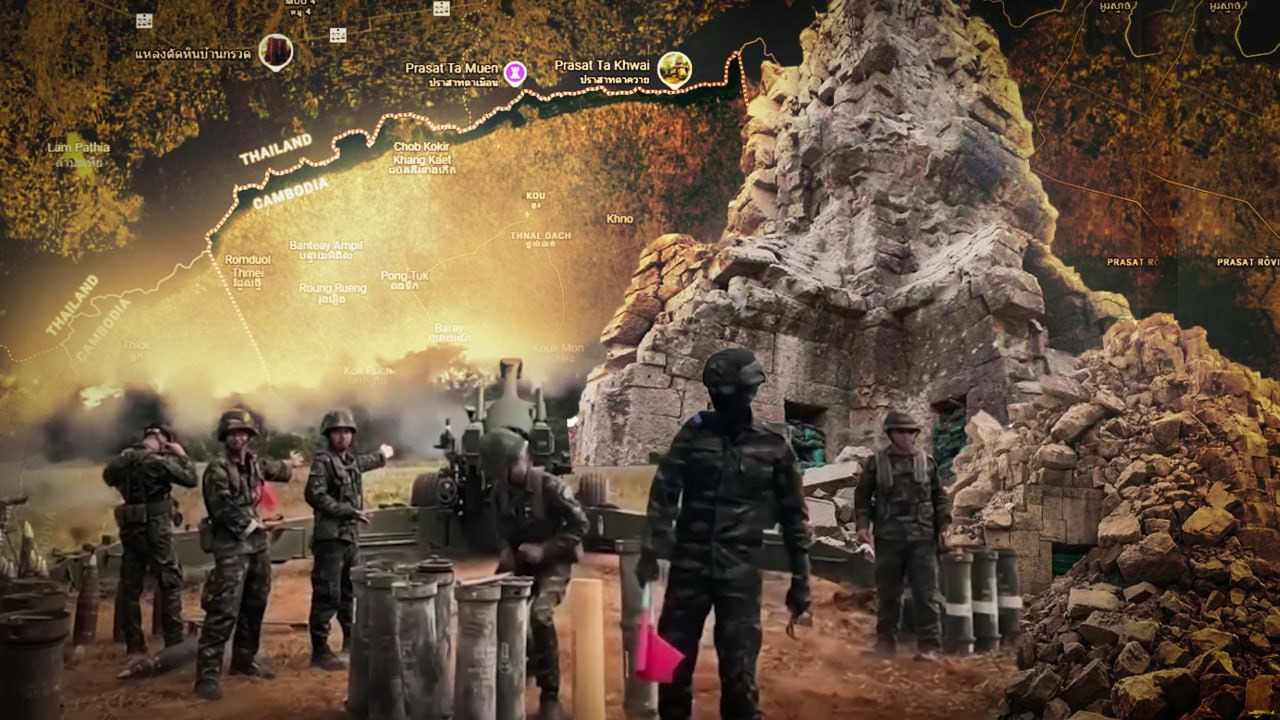
In the most recent escalation, armed incursions by Thai forces — driven by territorial ambitions — have reportedly resulted in casualties, large-scale displacement, and destruction of infrastructure. Communities along the border have lived in fear, while thousands have lost their homes.
On February 10, 2026, in a public address, Prime Minister Hun Manet reaffirmed that territorial integrity and the protection of citizens remain the government’s highest priorities:
“Land and people have always been, and will remain, the highest priority of the Royal Government — now and in the future.”
He further emphasized that the Cambodia–Thailand border is an international boundary between sovereign states, protected under international law, particularly the Charter of the United Nations. Cambodia firmly rejects any attempt to alter border lines or seize territory through force, and remains committed to peaceful resolution through legal mechanisms, including the Joint Boundary Commission (JBC).
The 1904 and 1907 treaties that defined the border remain legally valid under international law.
A Long Road — But a Stable One
On February 4, 2026, Prime Minister Hun Manet sent a formal letter to French President Emmanuel Macron, responding to France’s willingness to provide historical and technical documents related to the Cambodia–Thailand border upon official request. The letter also recalled France’s historical role in establishing the border under the 1904 and 1907 treaties.
This diplomatic step signaled Cambodia’s clear choice: legal evidence and historical documentation over military escalation.
The Prime Minister acknowledged that resolving the border dispute may be lengthy, complex, and difficult. However, he reaffirmed that the government remains unwavering in its commitment to defend the nation’s territory and its people.
He stressed that only peaceful, law-based approaches can guarantee lasting effectiveness:
“The results may be slow and challenging, but we must confront the issue together and find a solution that prevents its recurrence in the future, ensuring lasting peace.”
Thus, the “long road” is not a sign of weakness, but of political maturity and strategic foresight.
Violence May Dominate Briefly — But Law Endures
History provides a clear lesson. During World War II, territorial adjustments under the 1941 Tokyo Convention temporarily altered border realities under military pressure. Yet those changes did not establish lasting legal legitimacy.
After the war, in 1946, the Settlement Agreement nullified the Tokyo Convention. This was not merely a political decision — it was a reaffirmation of a fundamental principle of international law: actions carried out under coercion or aggression cannot create legitimate legal rights.
The lesson is unmistakable: force may alter maps in the short term, but it cannot alter the foundations of international law. When international stability is restored, legal principles reassert themselves.
History repeatedly demonstrates that force may appear victorious today — but law ultimately delivers the final judgment.
Prime Minister Hun Manet urged citizens to remain united and to trust in diplomatic and legal pathways toward justice:
“We must unite in one Khmer spirit. Yes, we are hurt. Yes, we are wounded. But we cannot allow those wounds to make us fall. The harder it becomes, the stronger we must grow. No one will strengthen our nation if we do not strengthen it ourselves.”
Conclusion: We May Hurt — But We Do Not Fall
The Prime Minister’s message is not a temporary reassurance. It is a long-term strategic vision: transforming the suffering of a small nation facing aggression into resilience, and ensuring that Cambodia does not collapse under pressure.
The conflict of the 21st century is undeniably painful. Lives have been lost. Property destroyed. Tens of thousands displaced. These are not abstract figures — they are wounds carried in the heart of the nation.
Yet Cambodian history proves something greater: we have suffered, but we have not vanished; we have fractured, but we have risen again; we have faced great crises, but we have never abandoned our future.
Force can leave scars — but it cannot destroy national spirit. And the message that now echoes across the nation is clear:
We may hurt — but we do not fall. We may be wounded — but we do not surrender.
We may face aggression — but we do not abandon our nation.