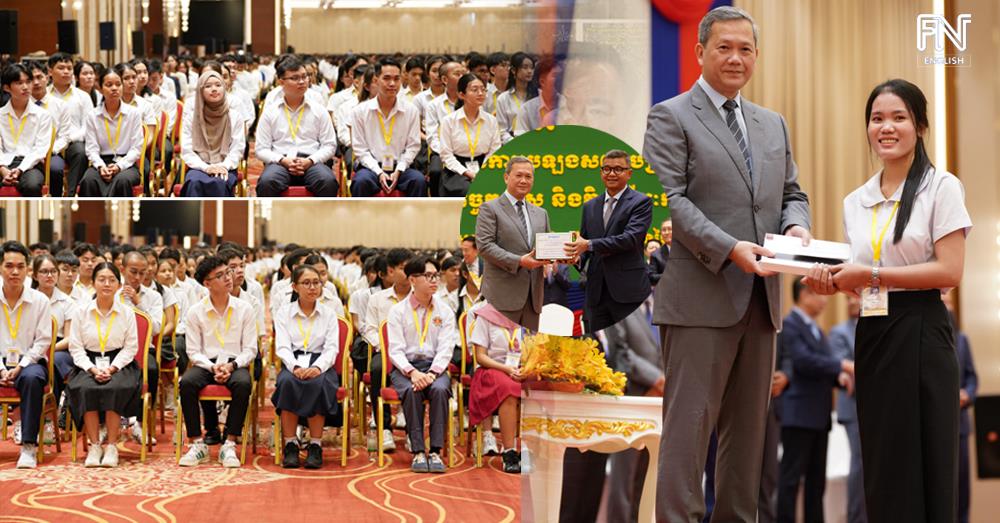
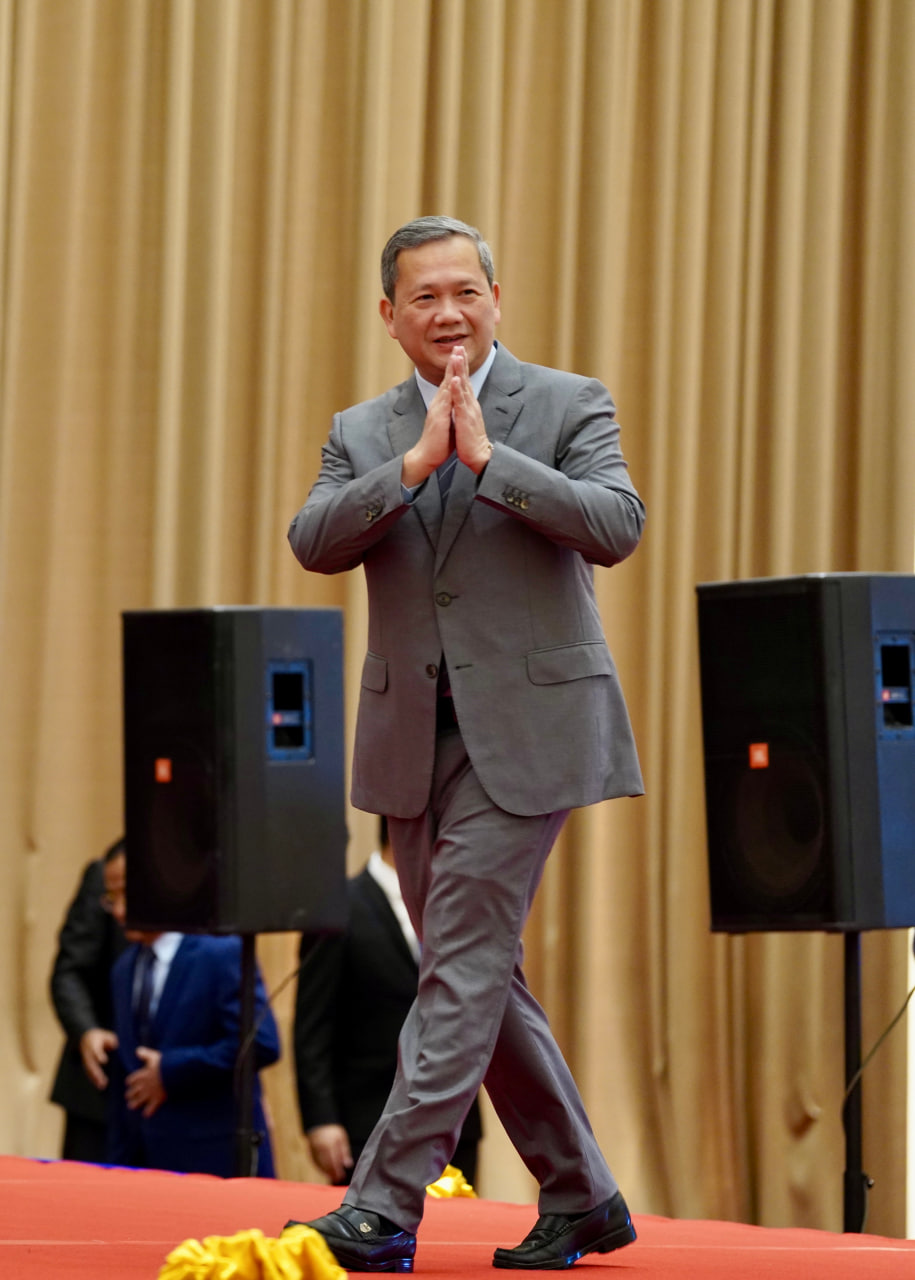
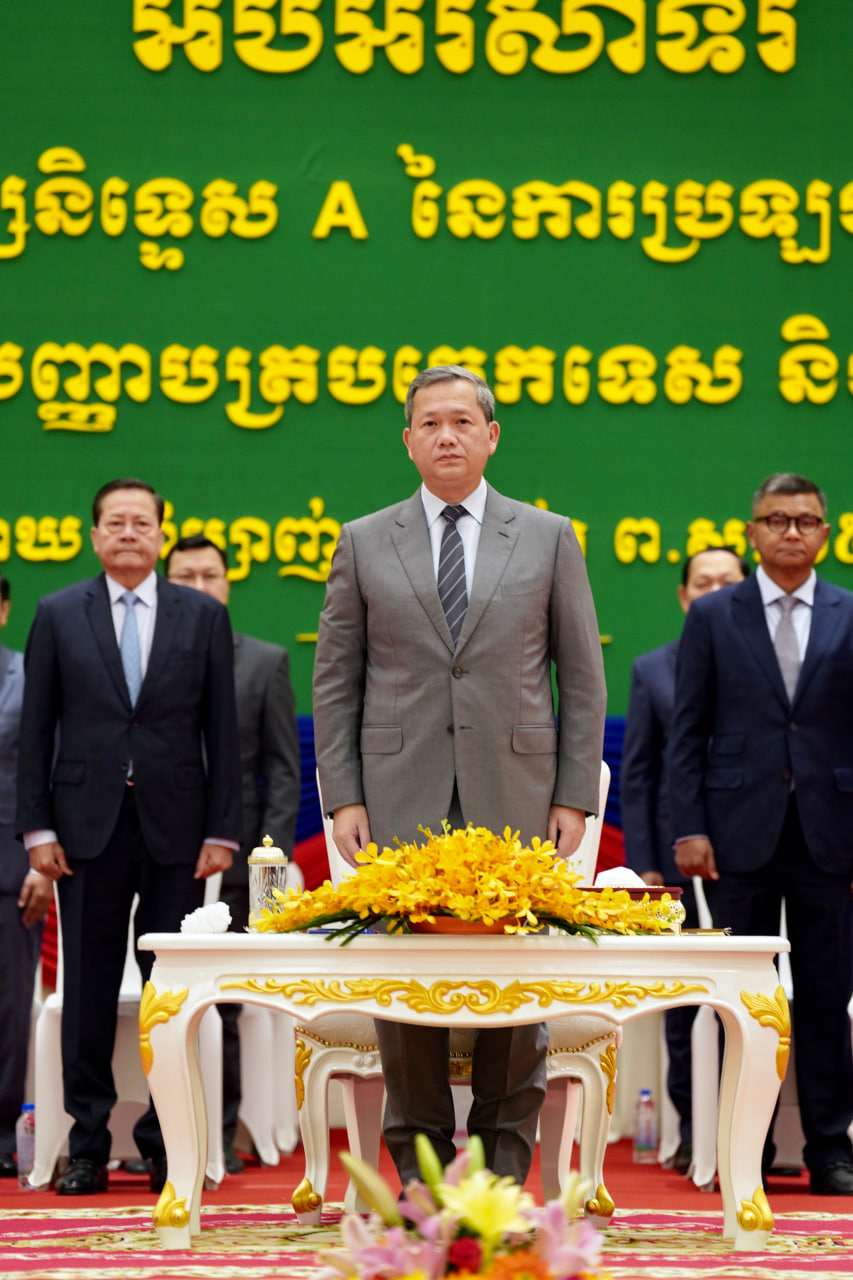
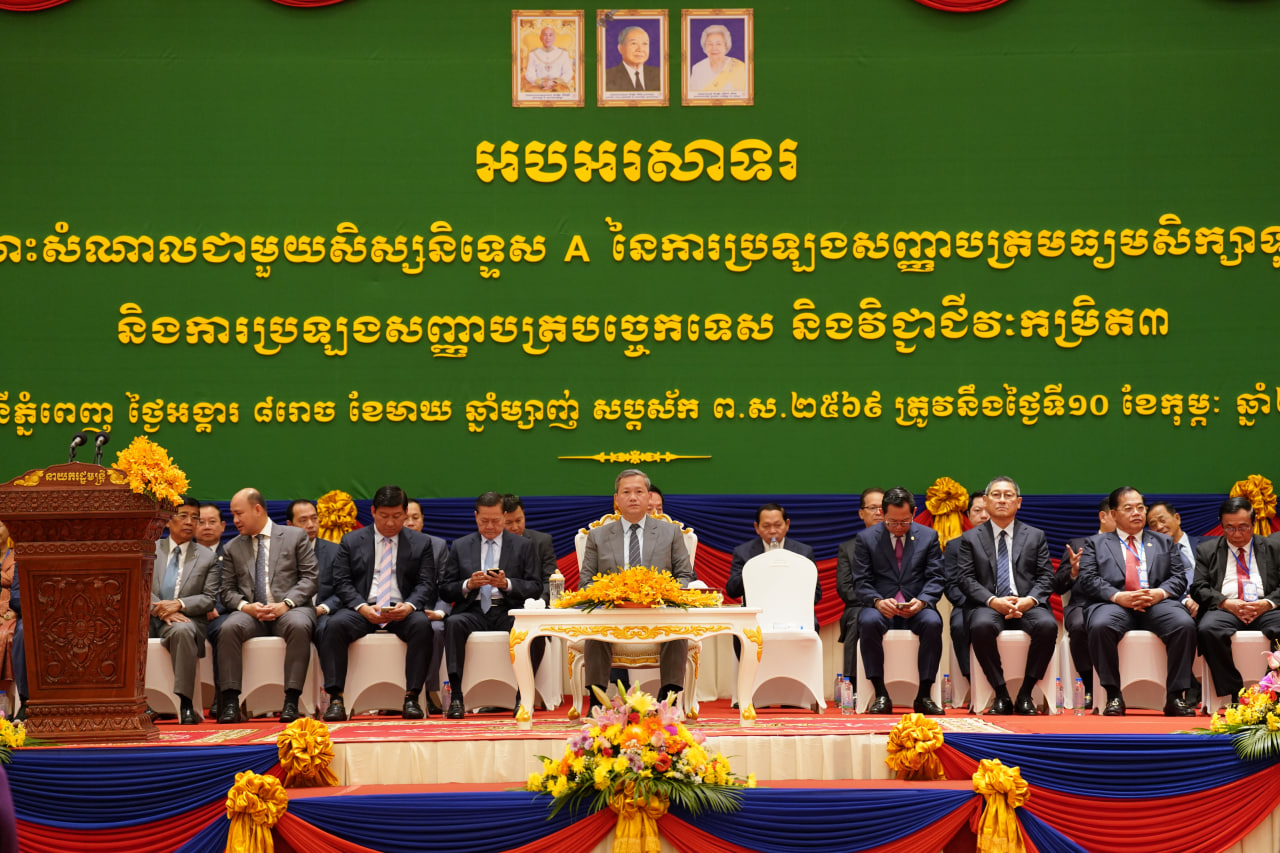
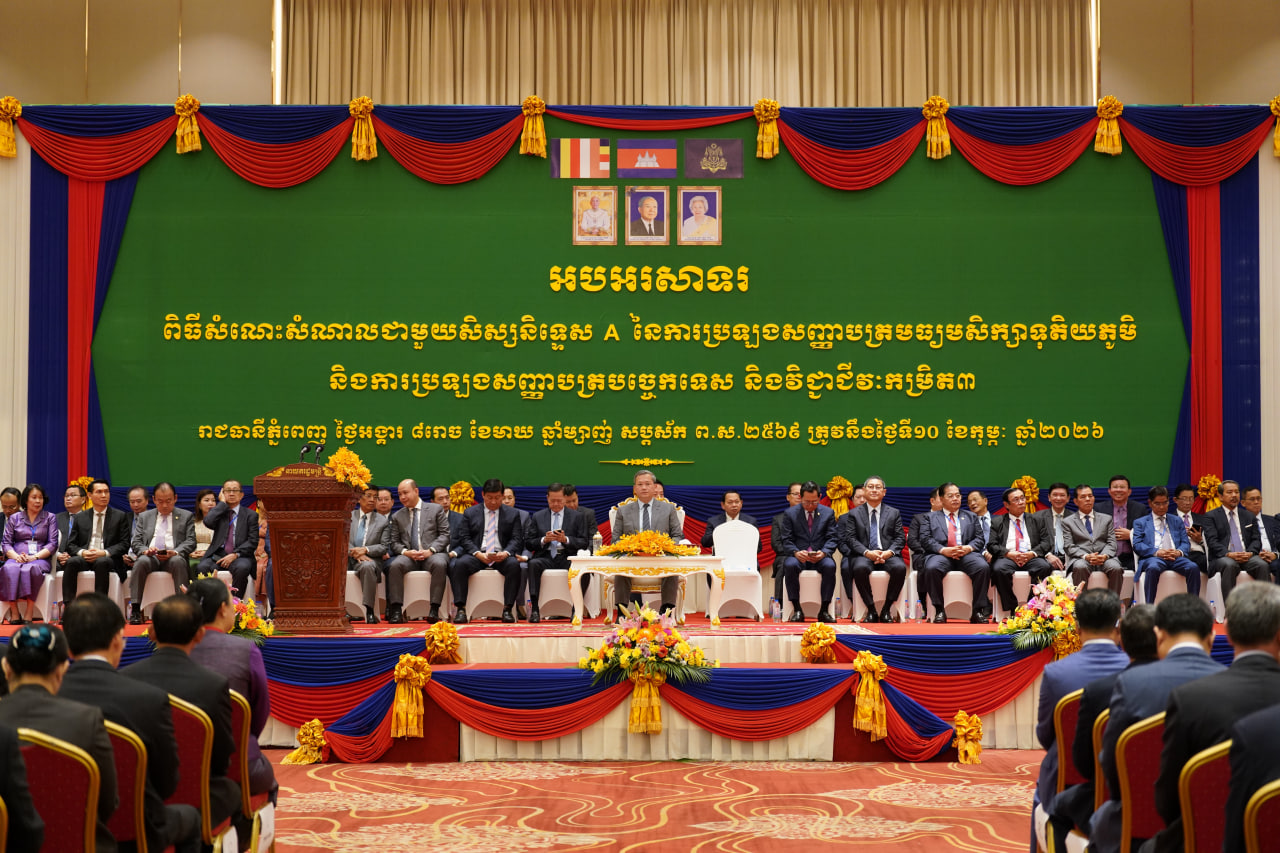
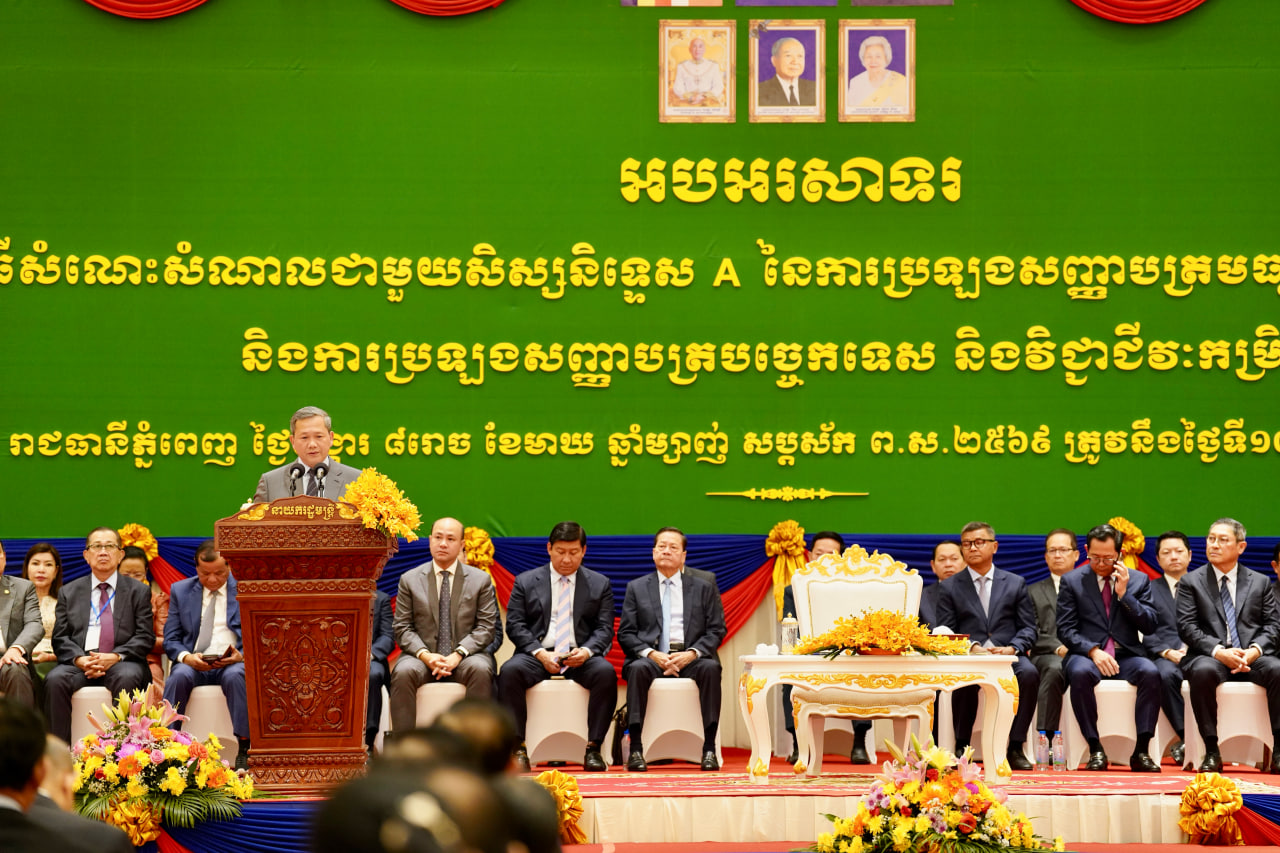
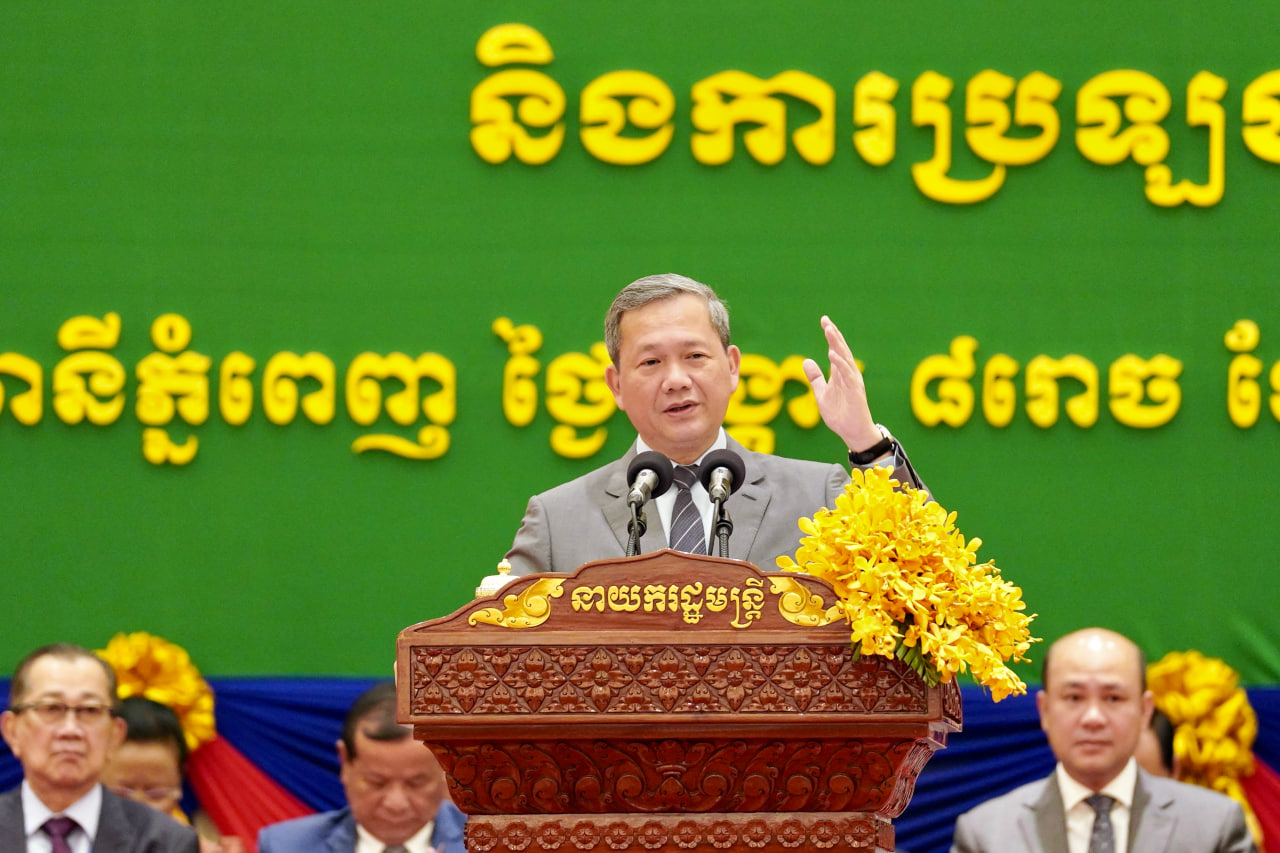
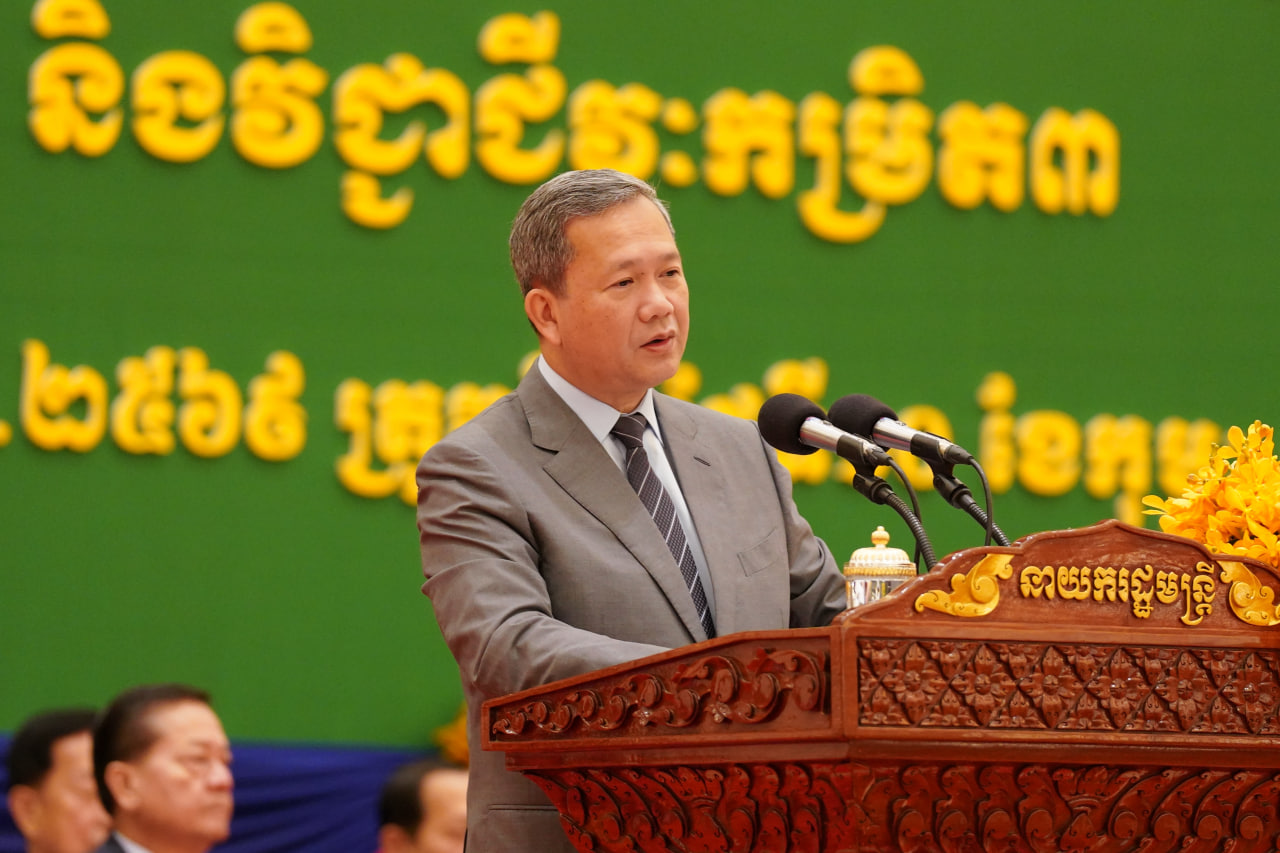
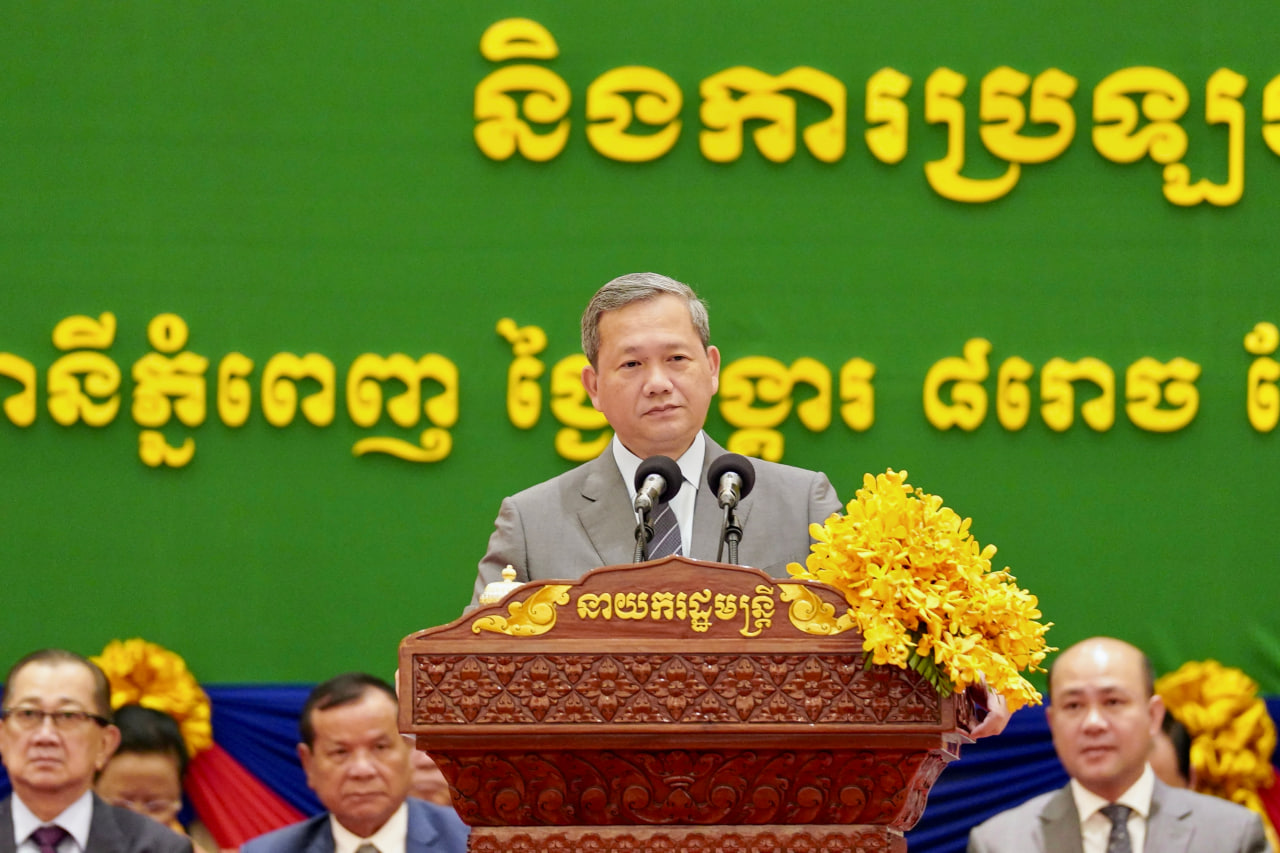
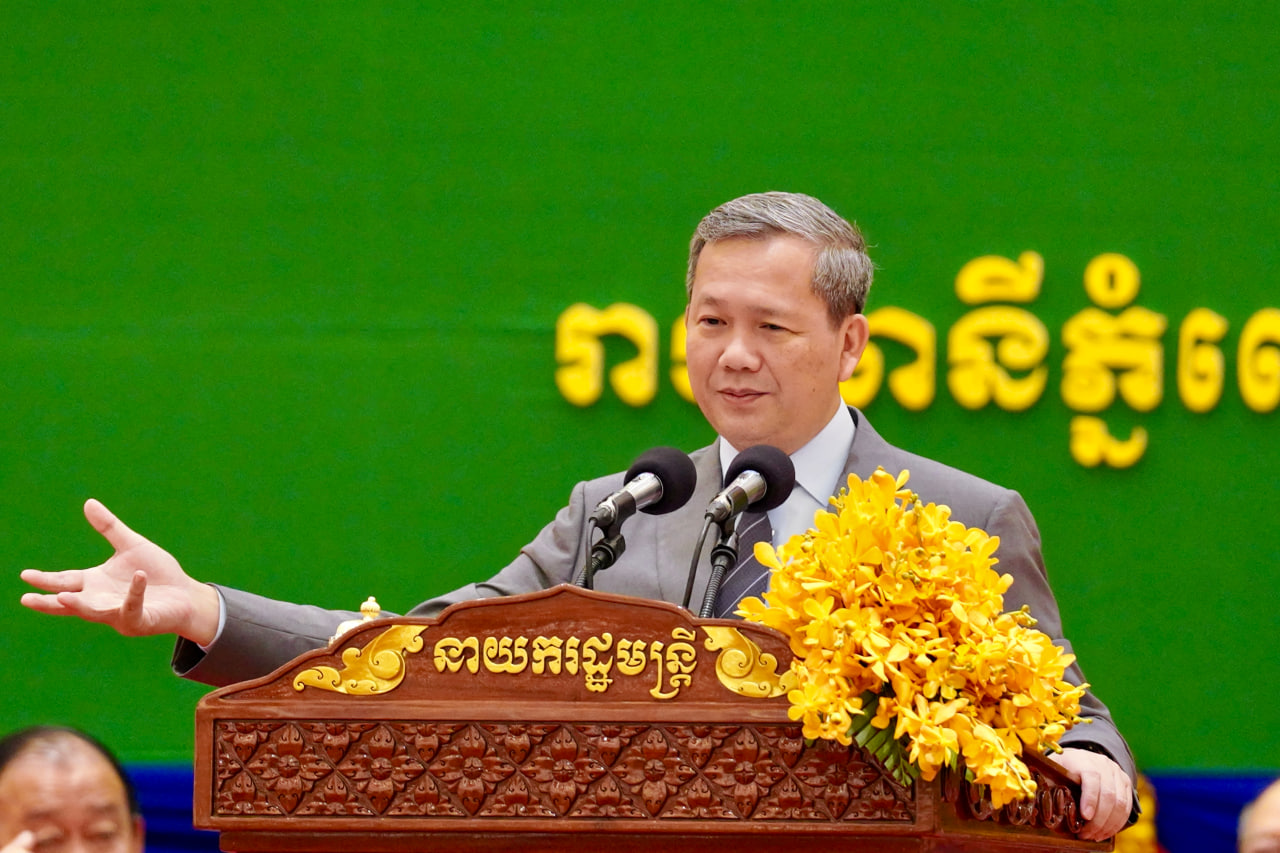
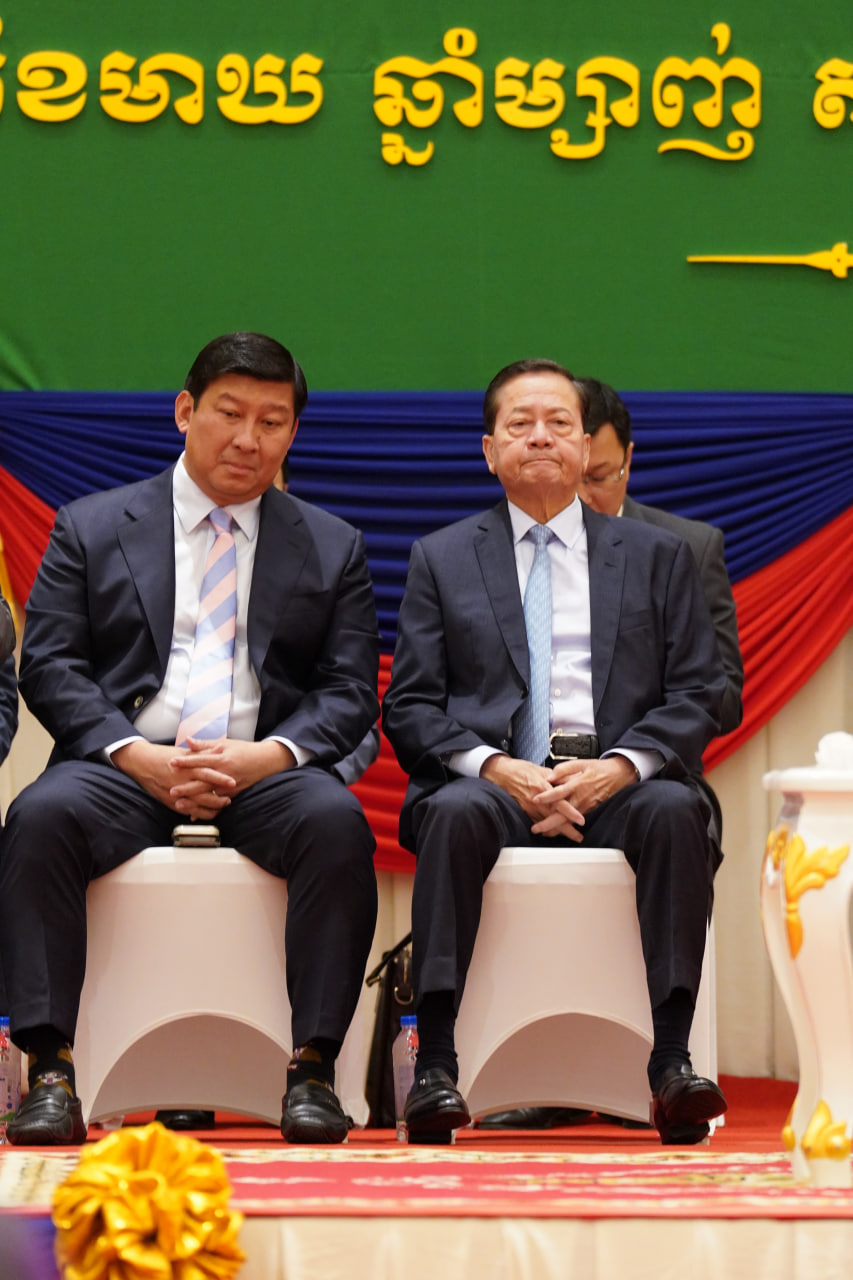
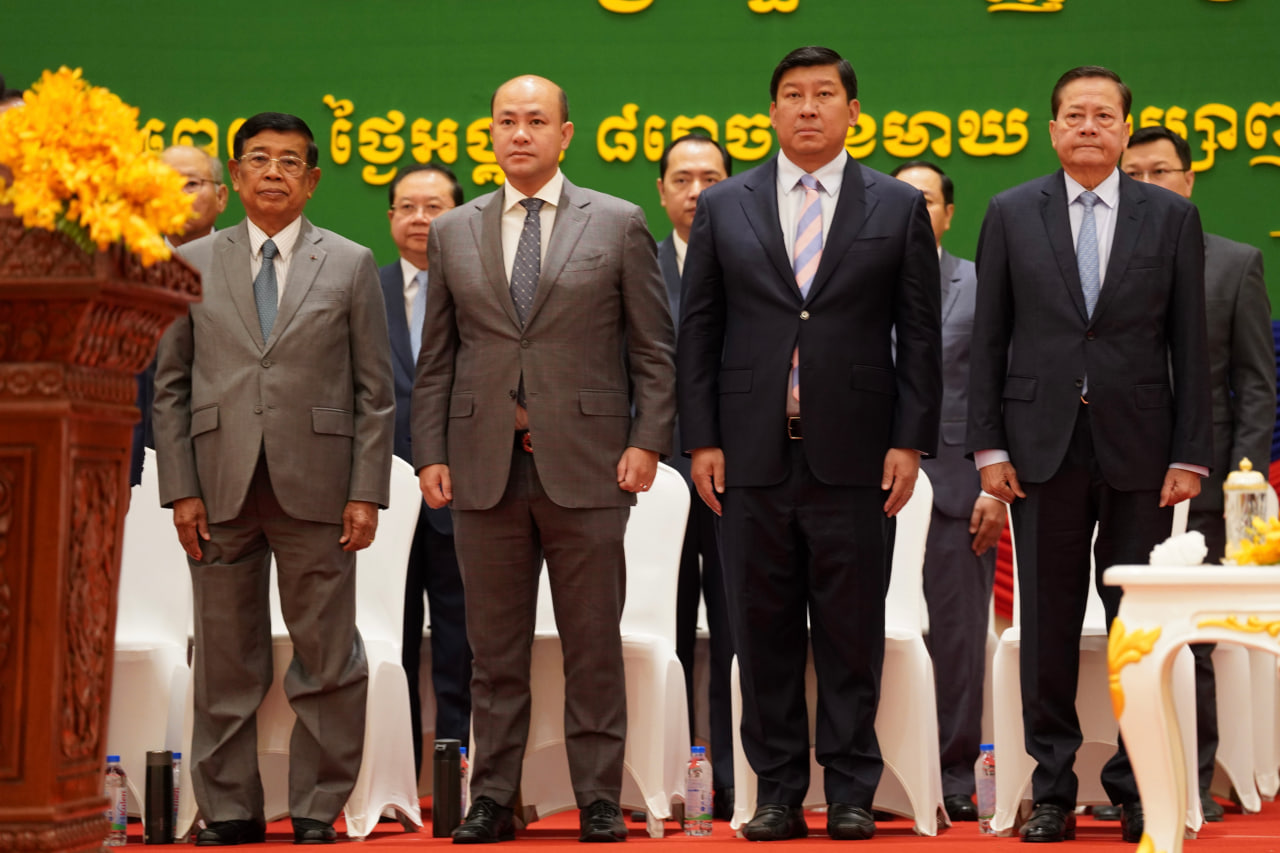
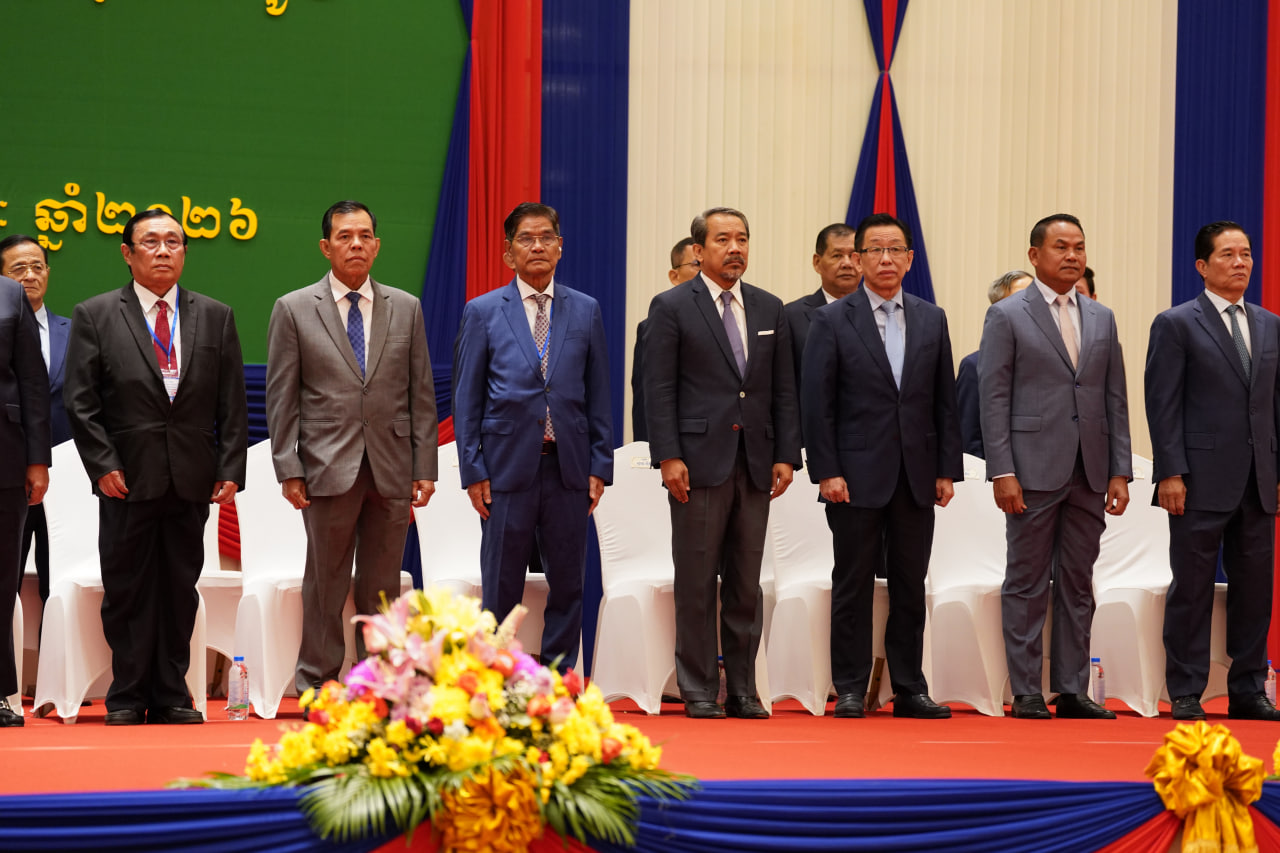
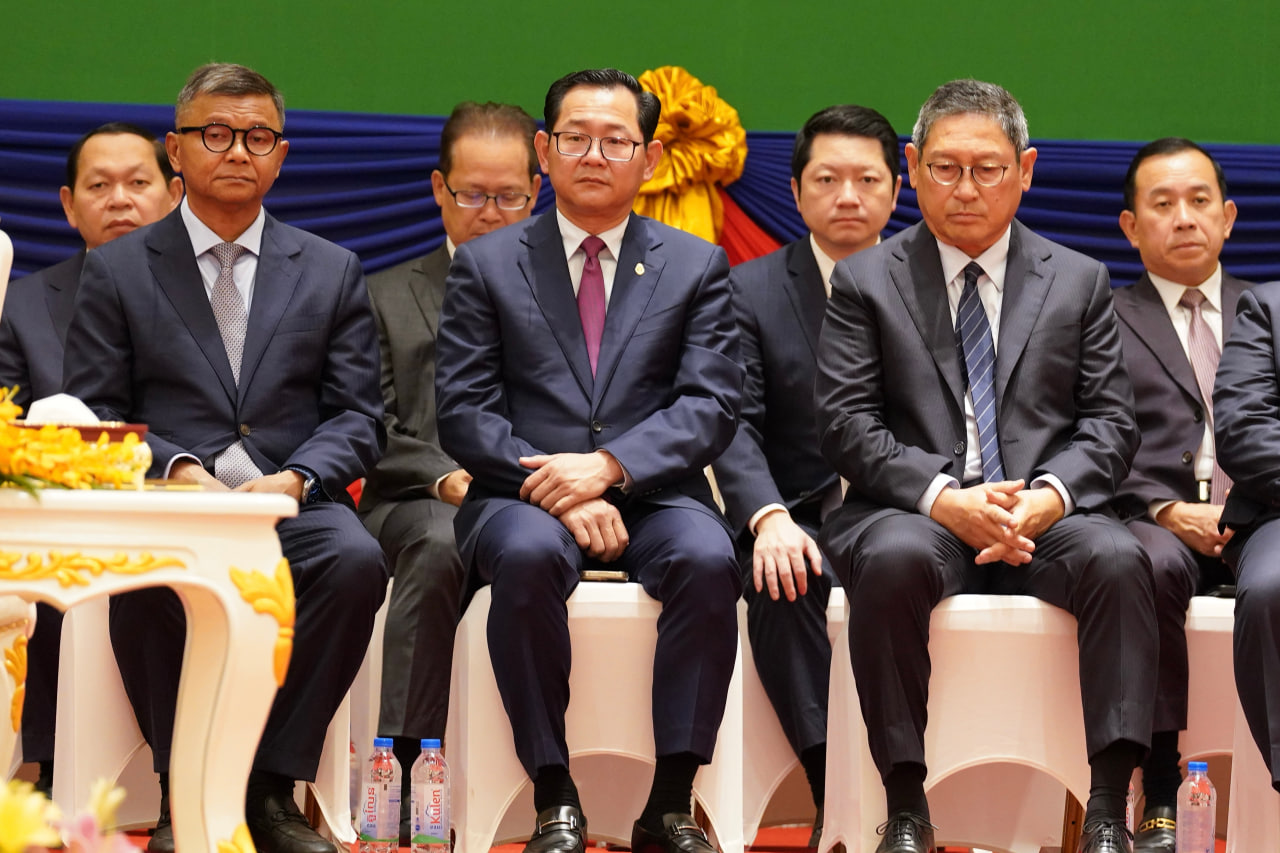
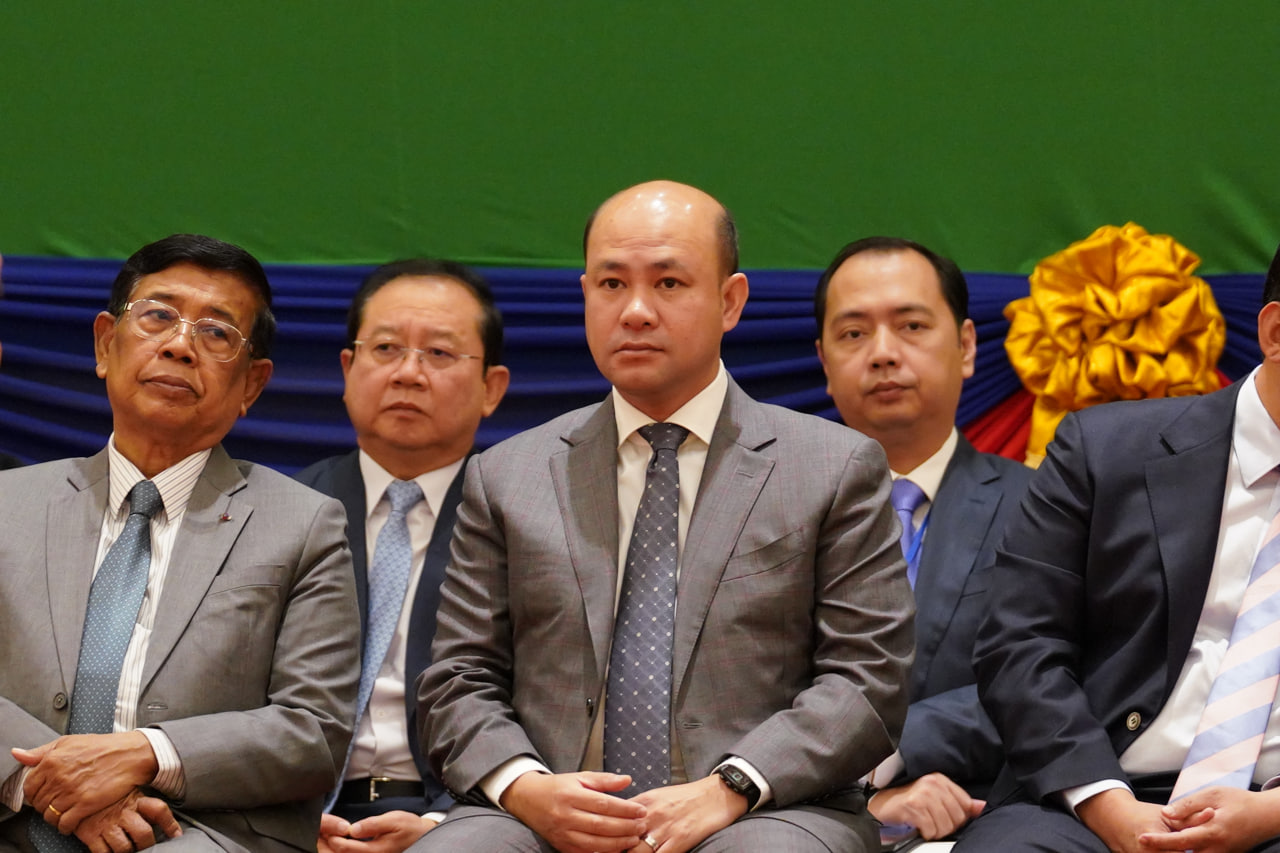
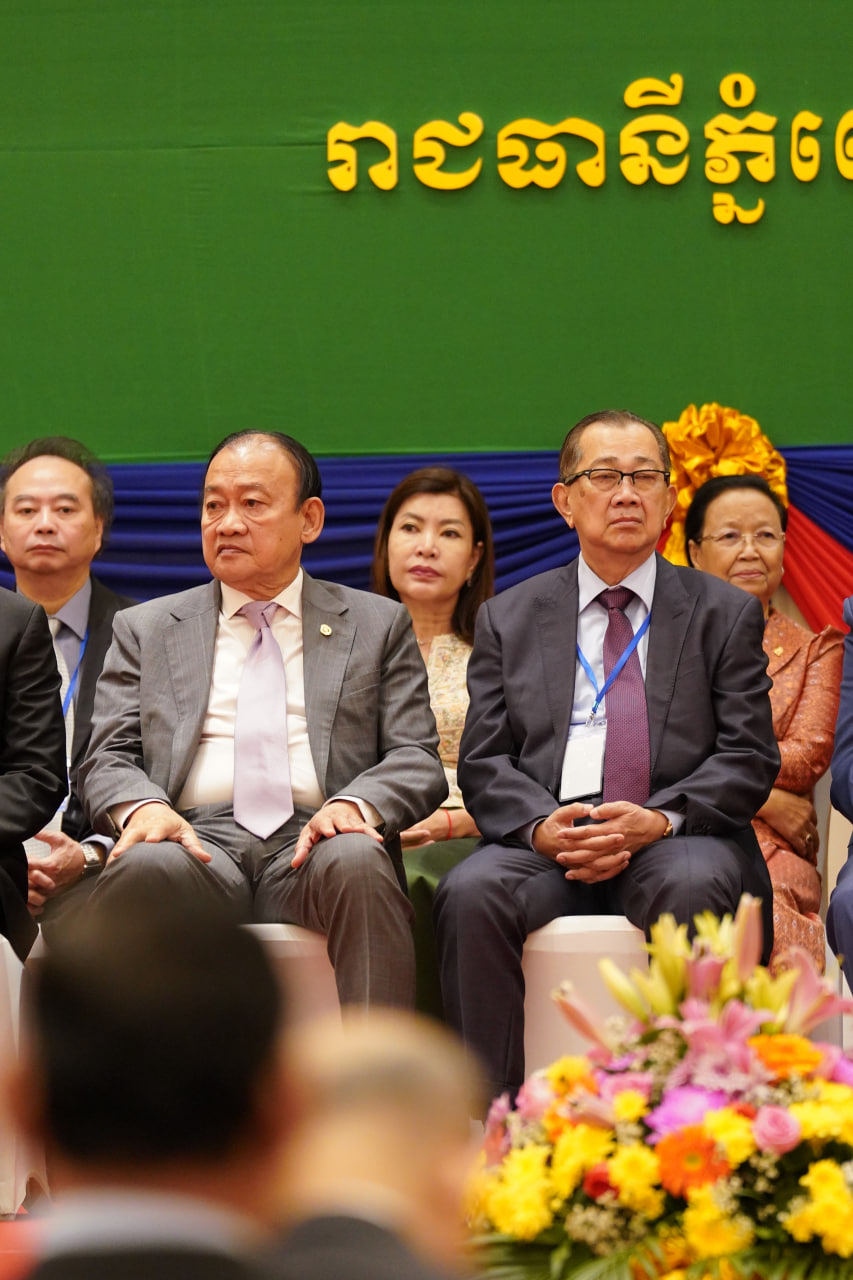
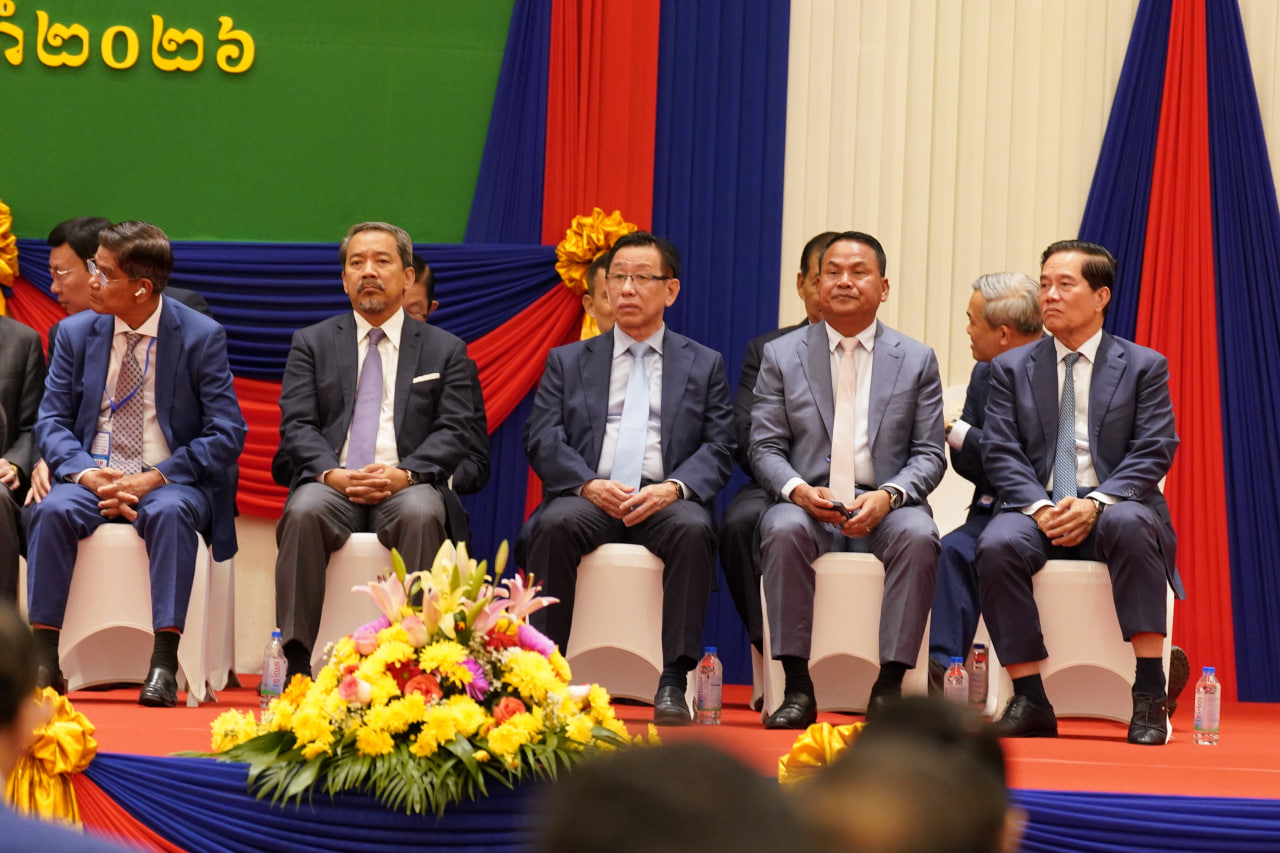
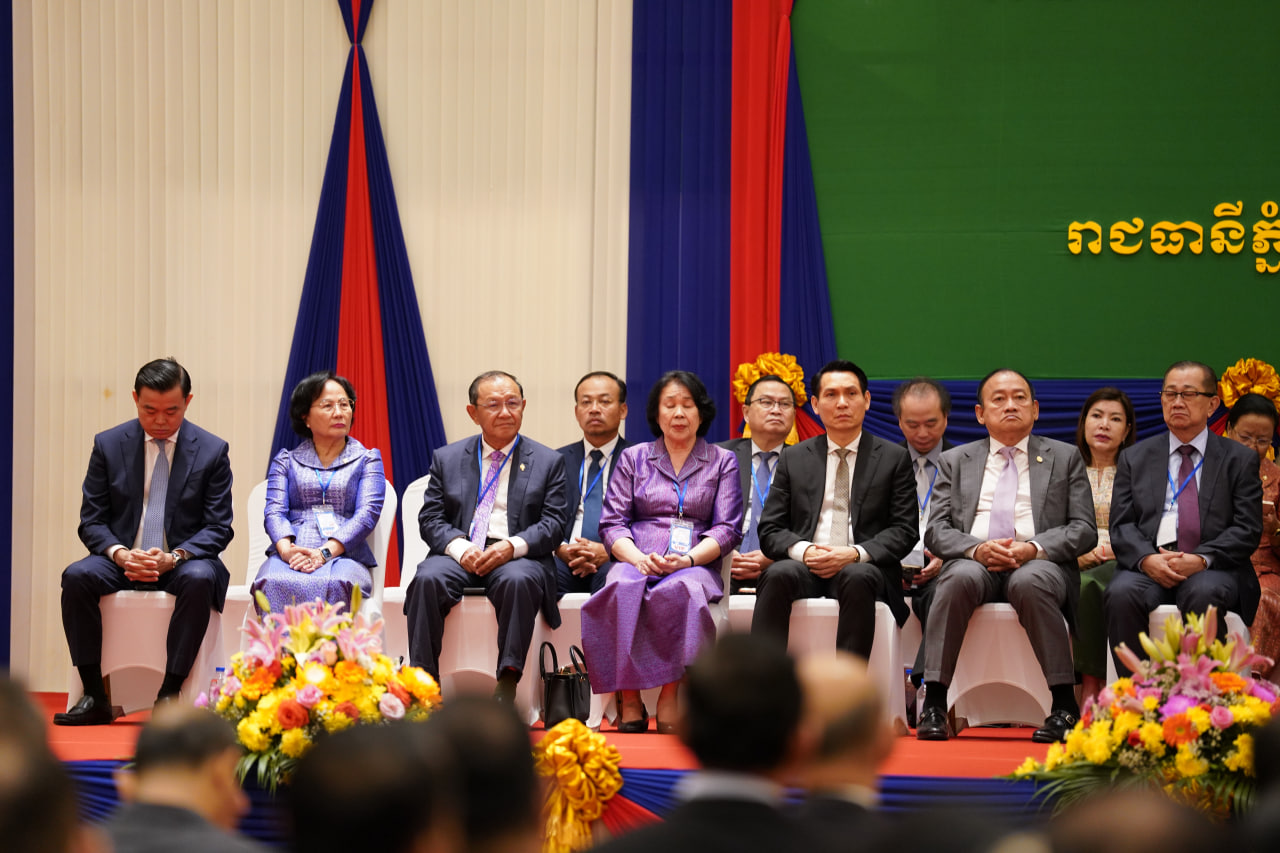
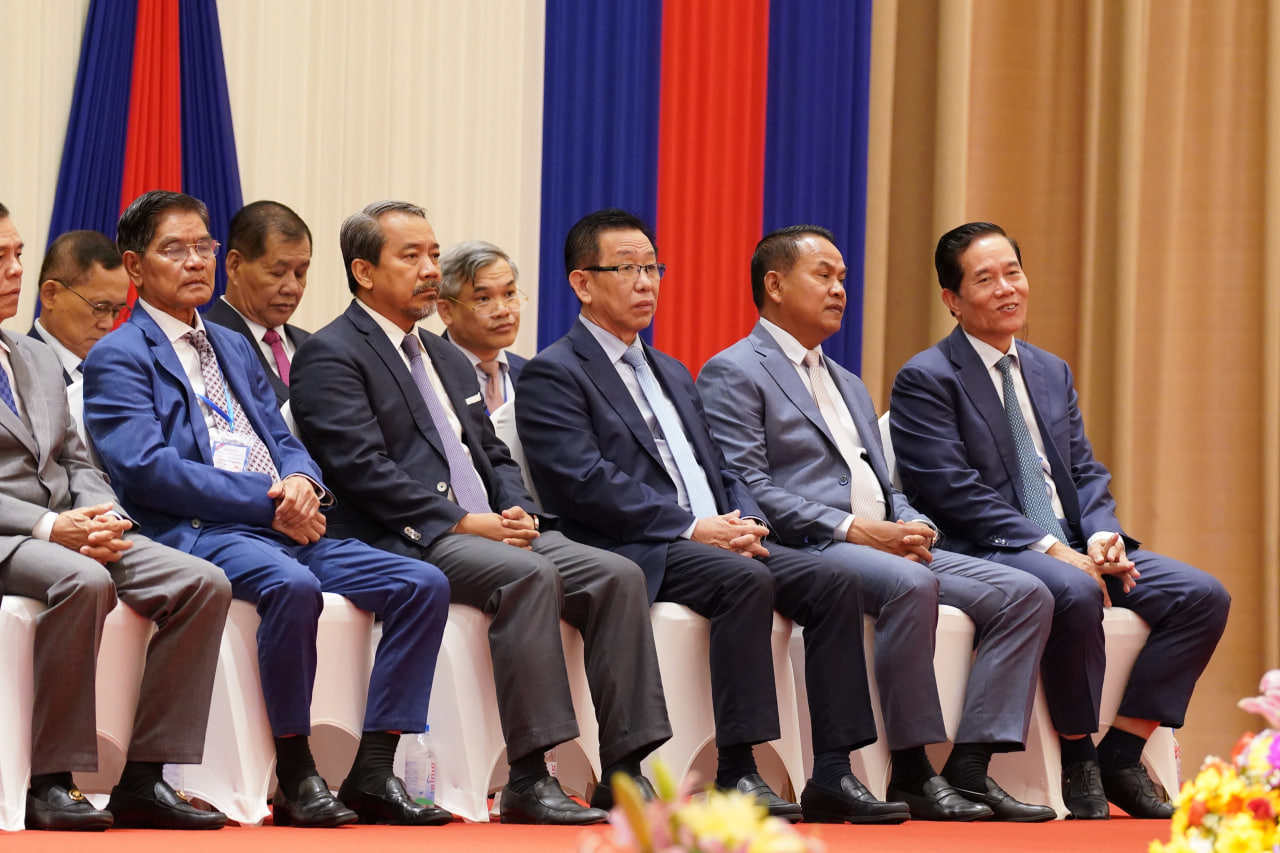
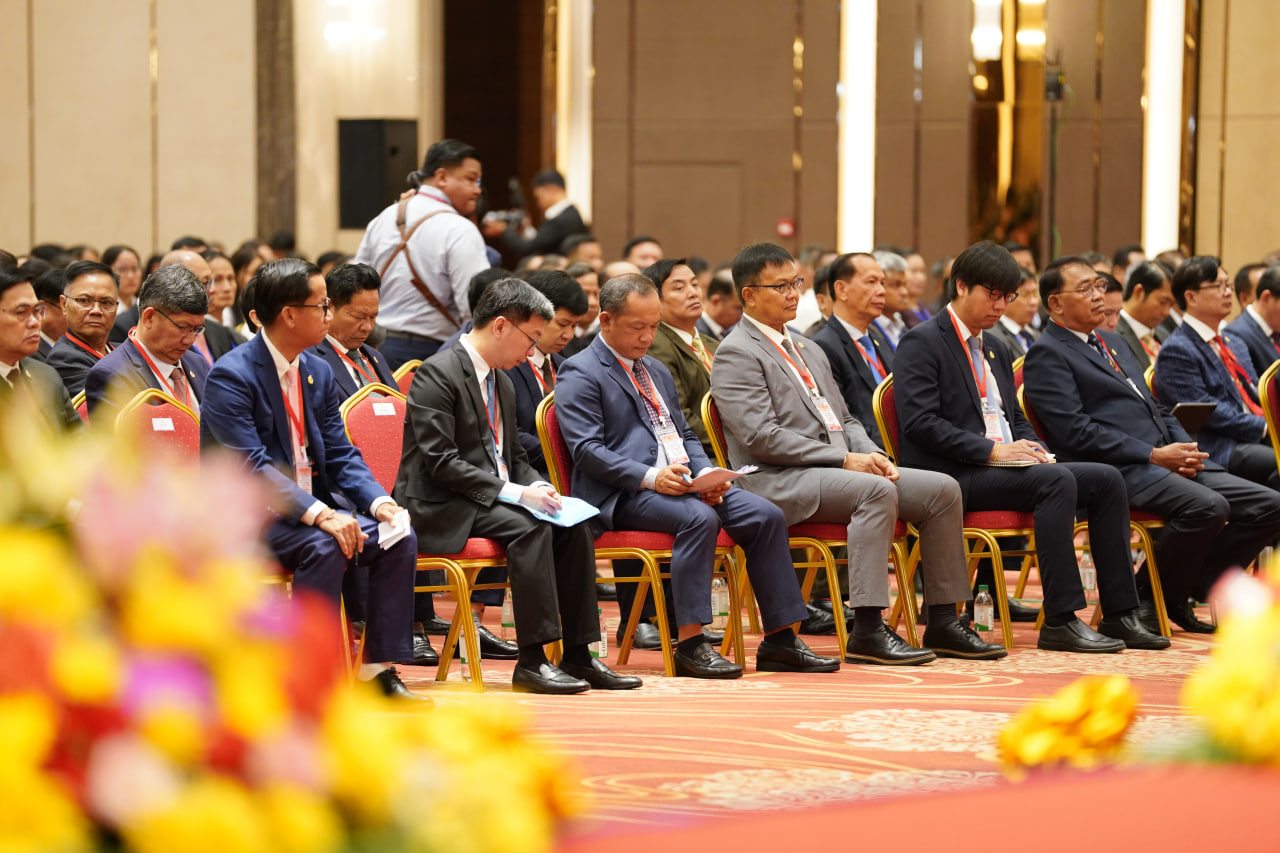
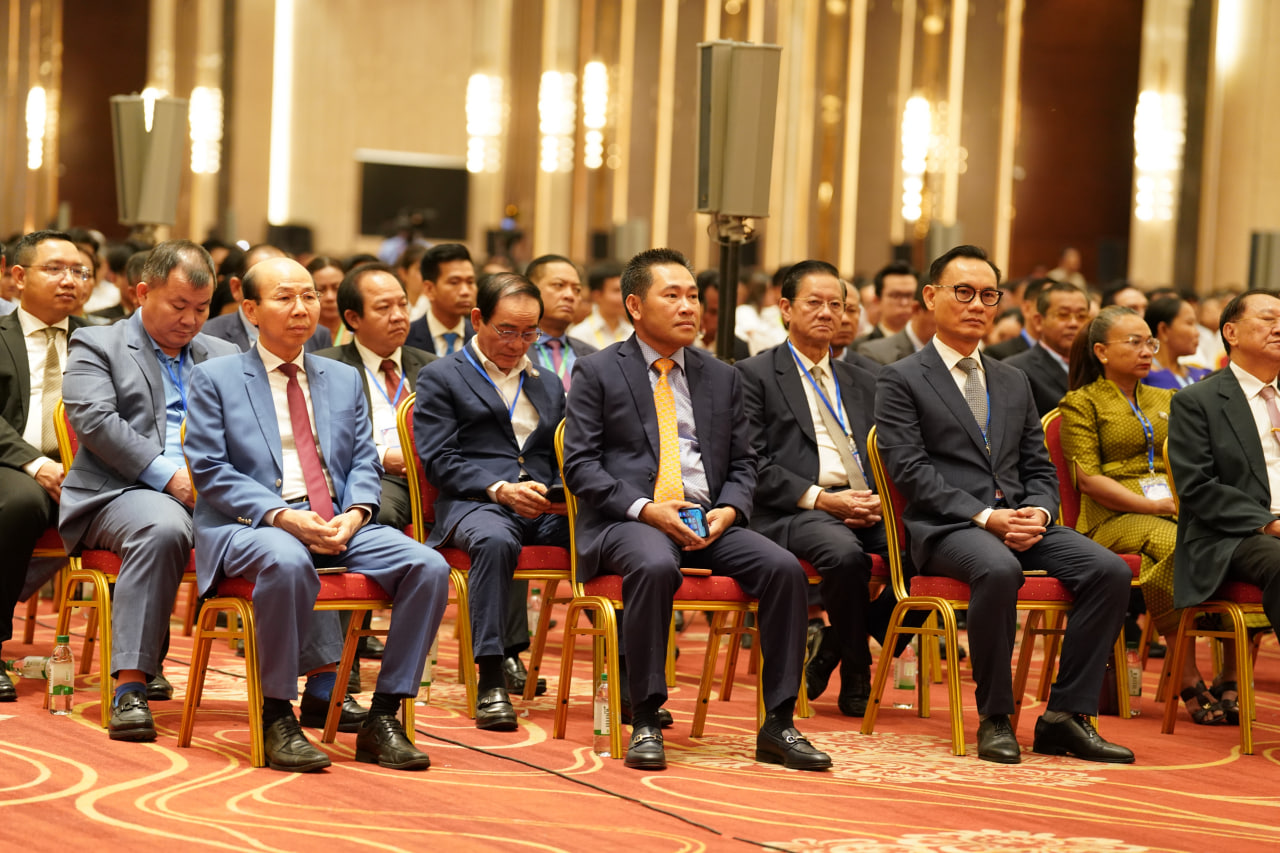
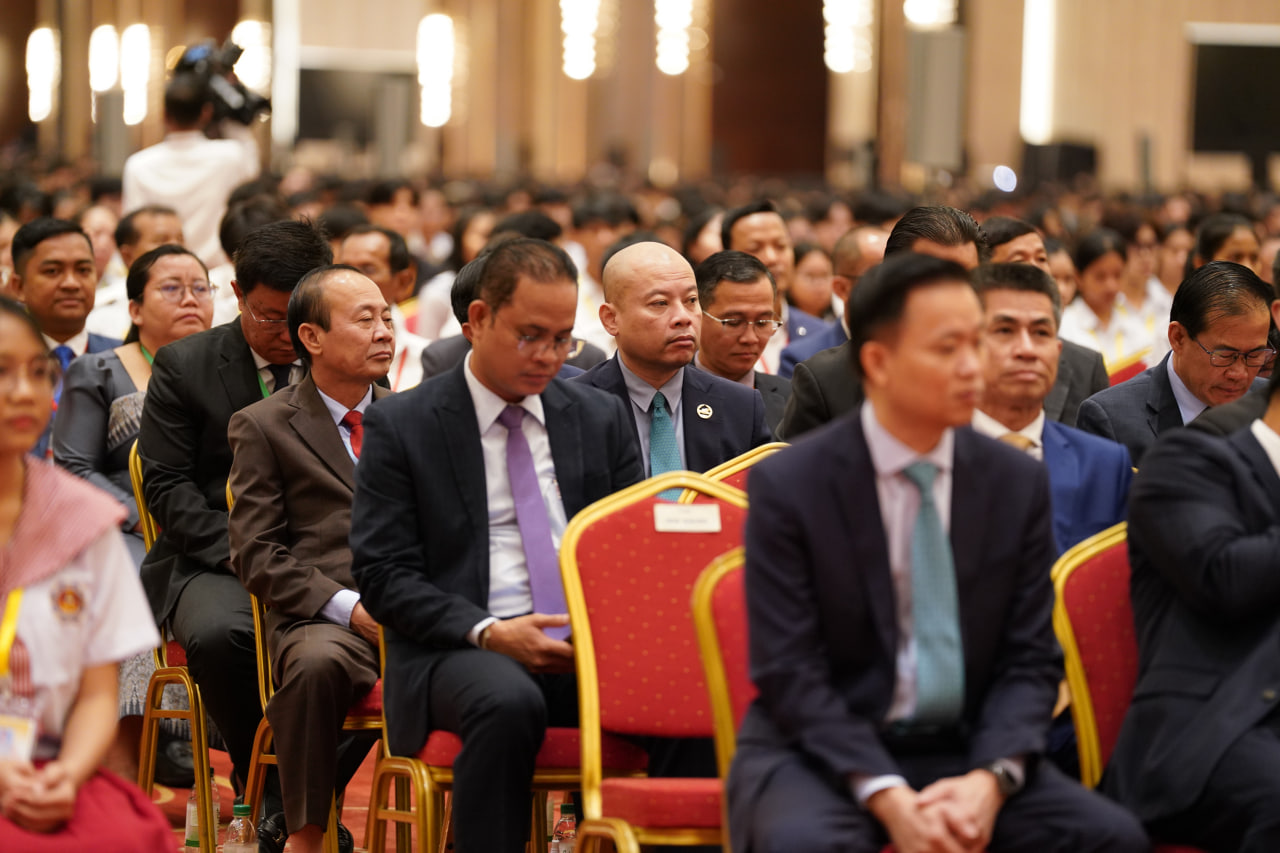
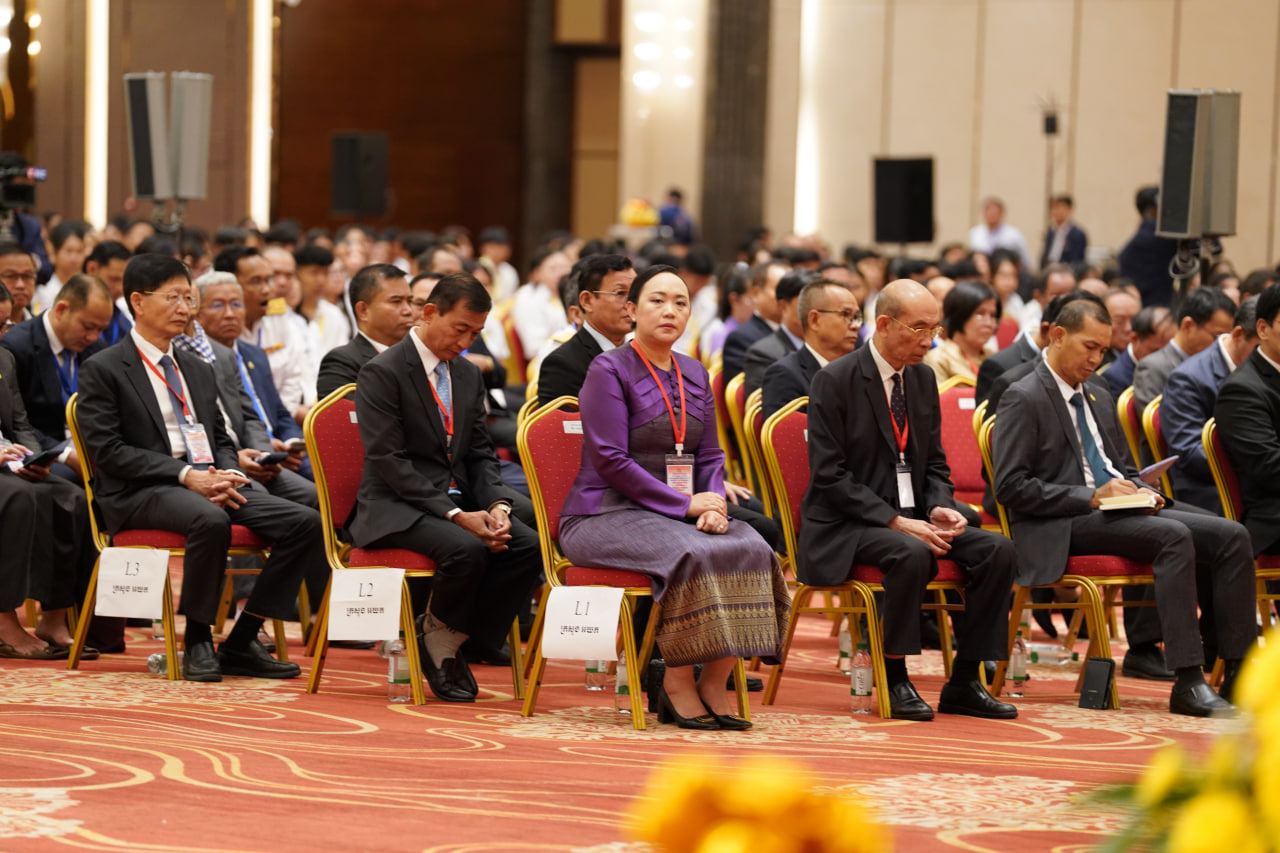
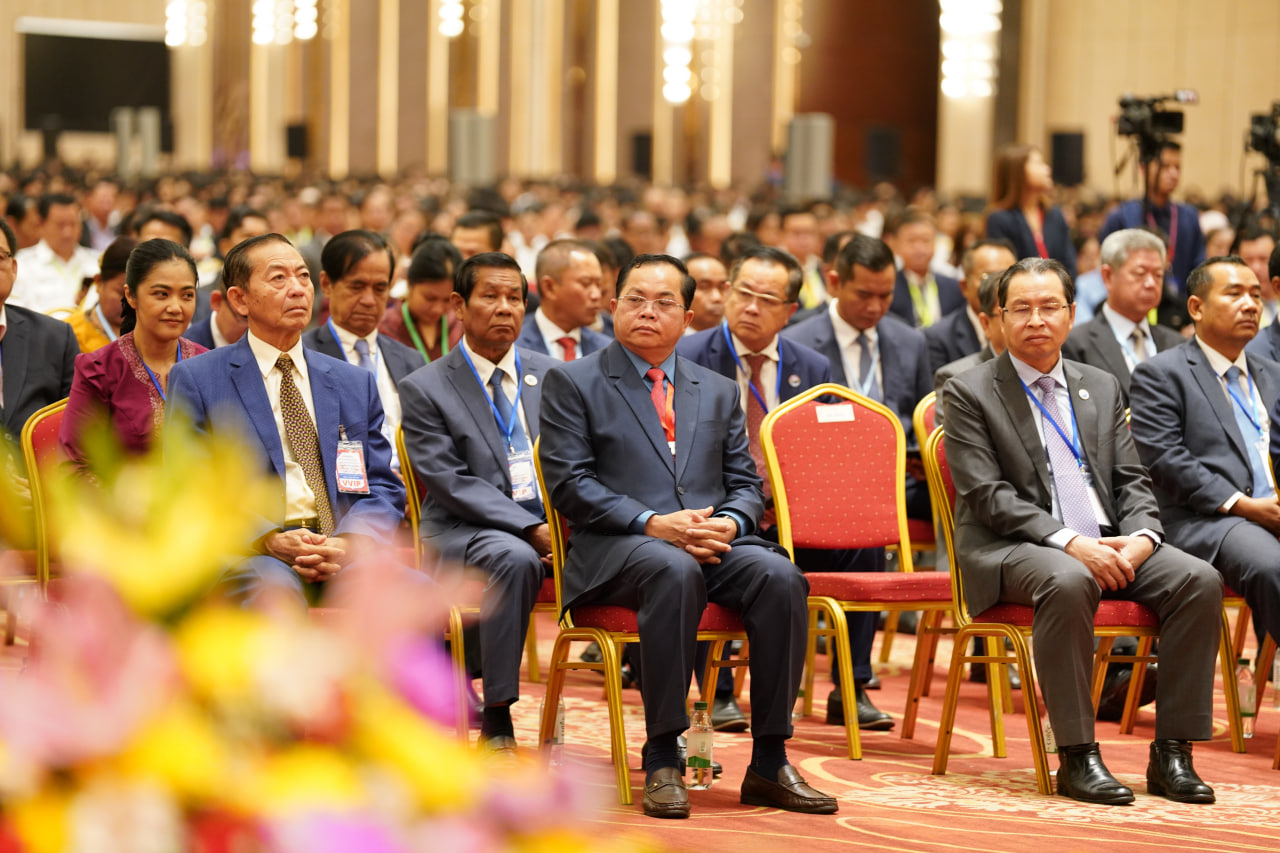
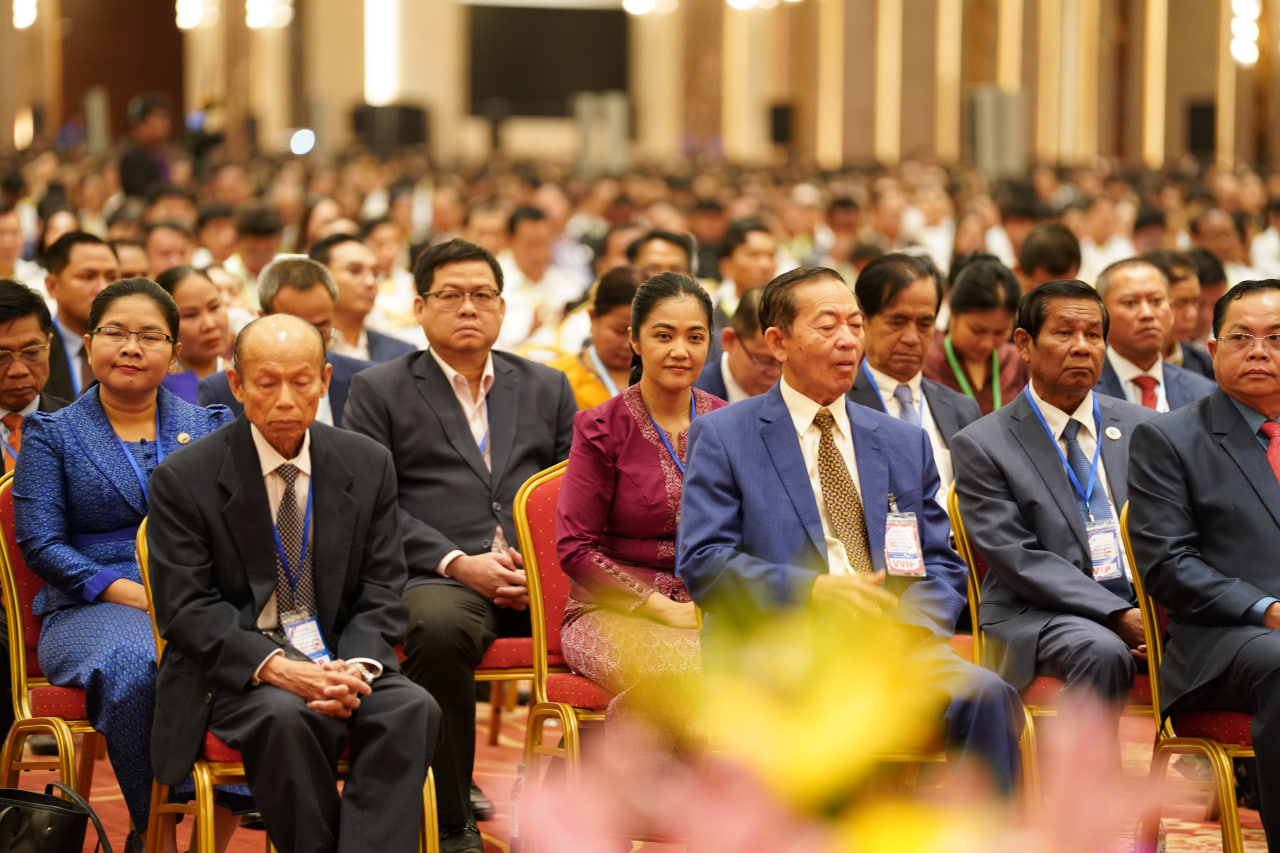
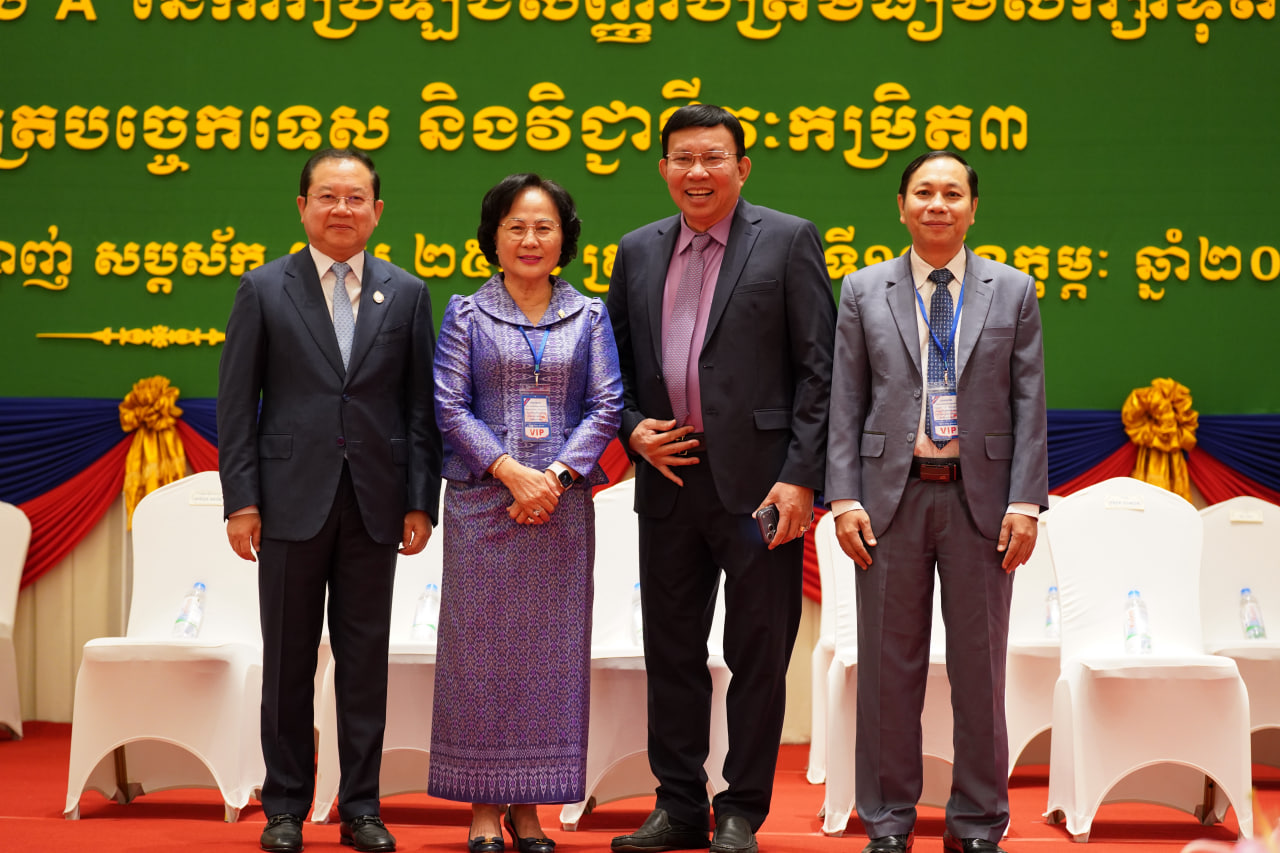
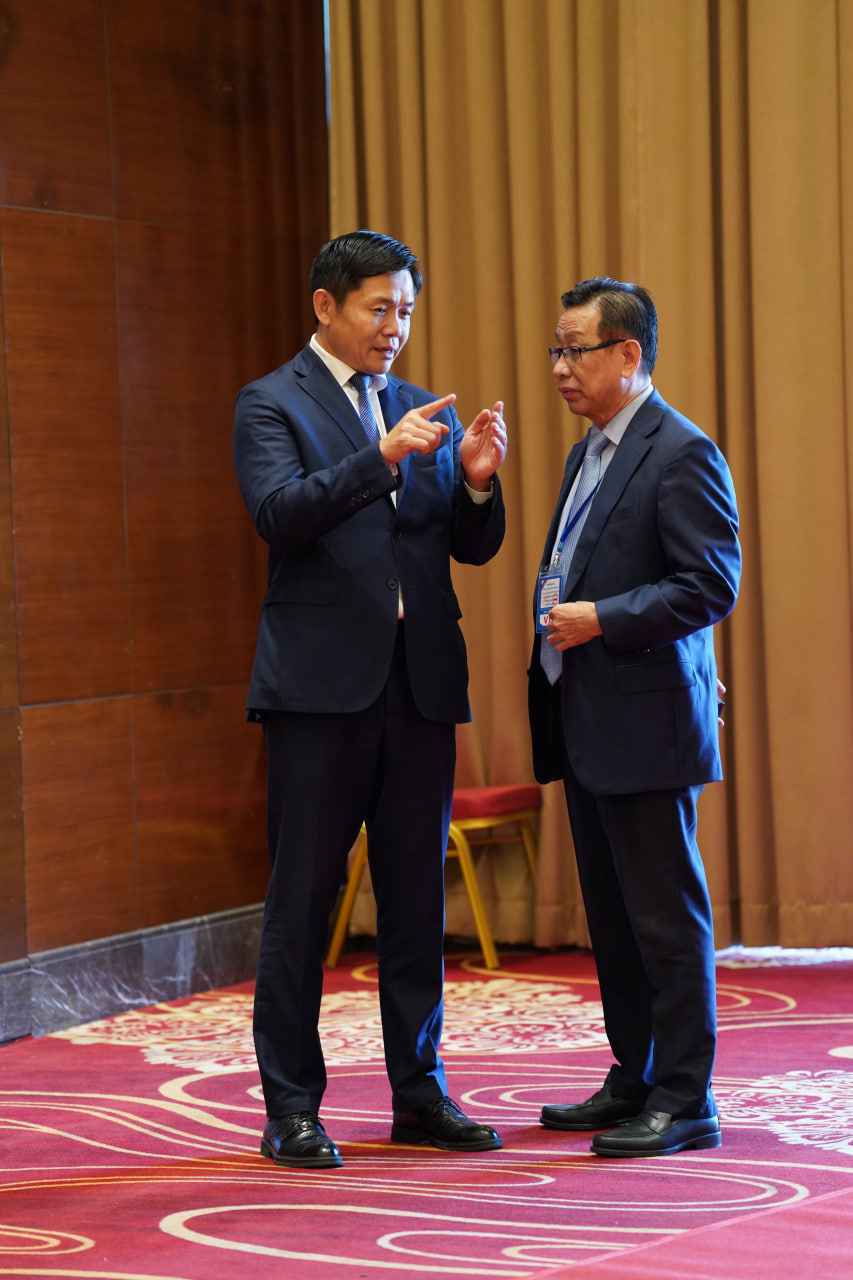
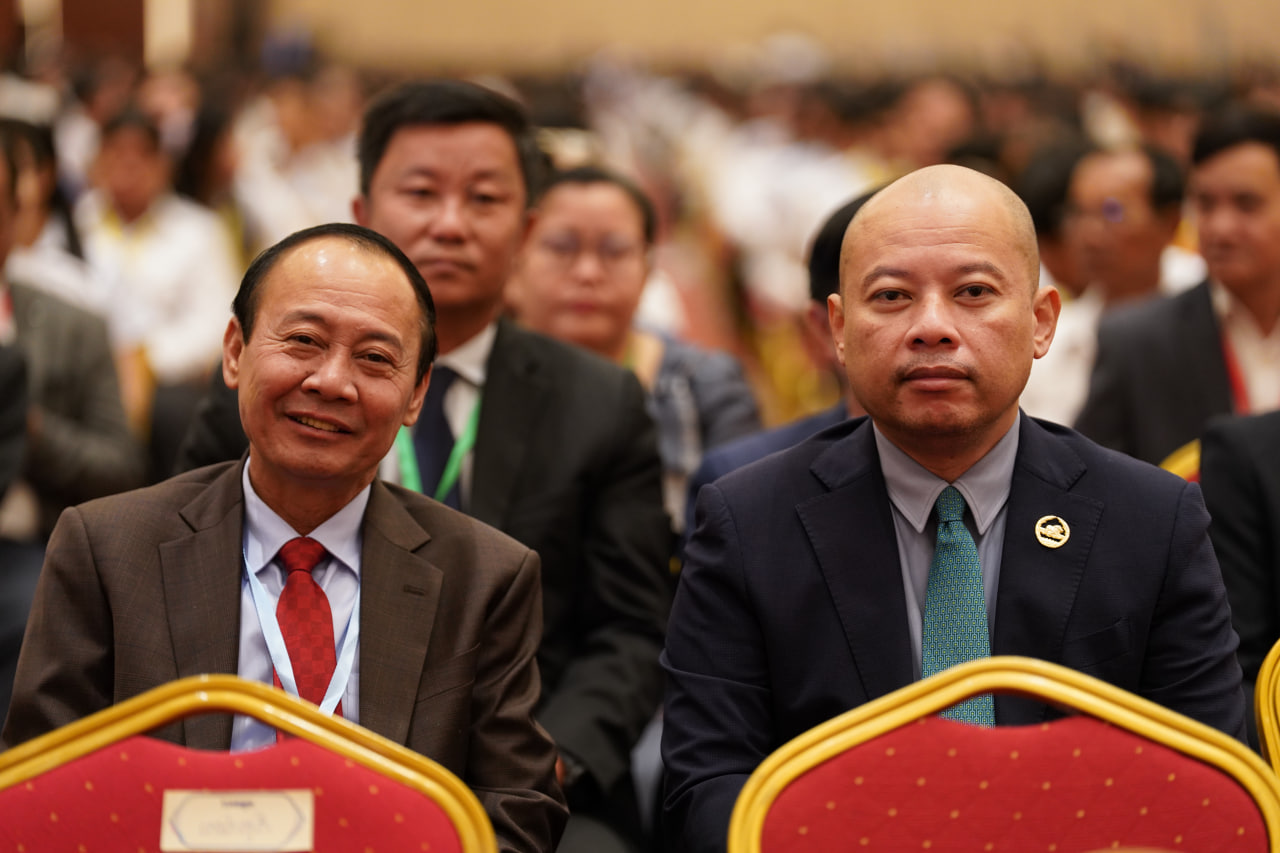
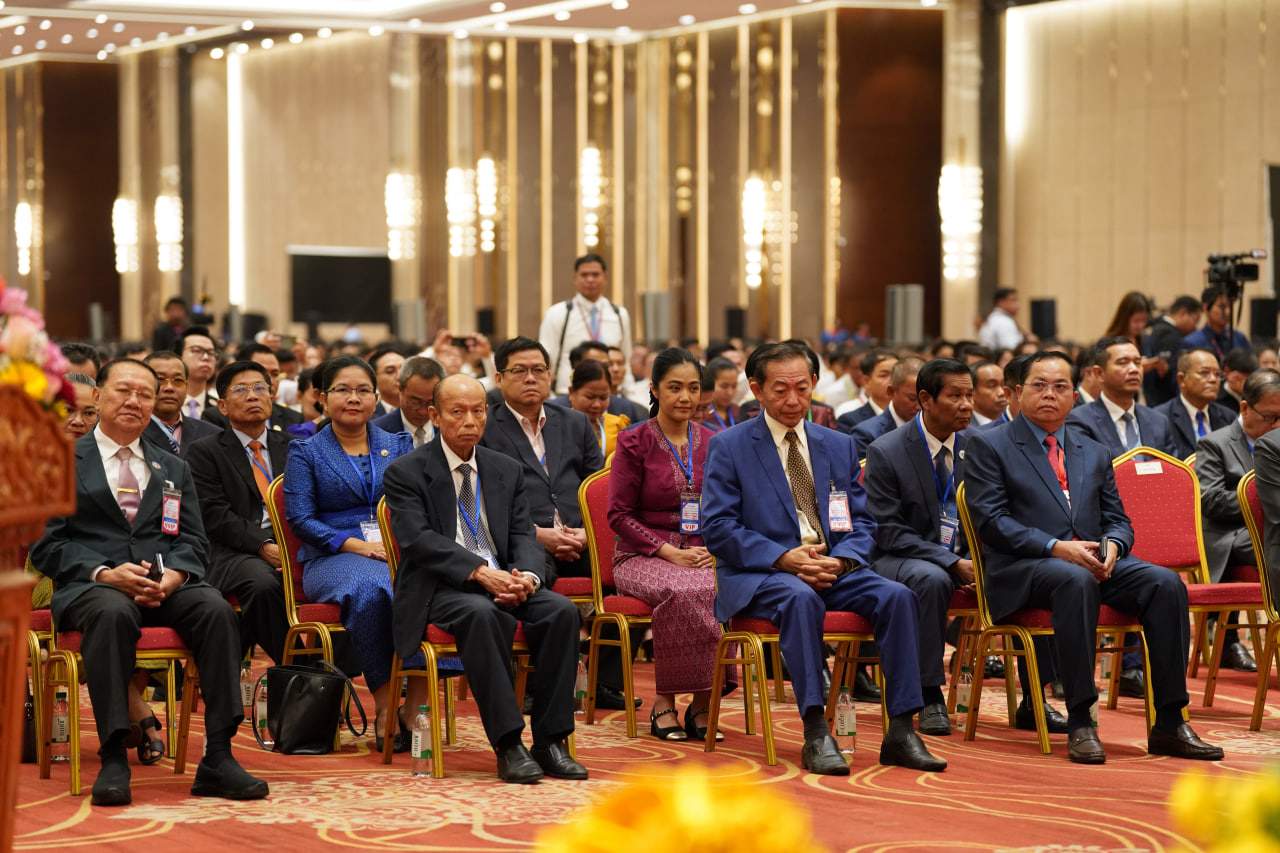
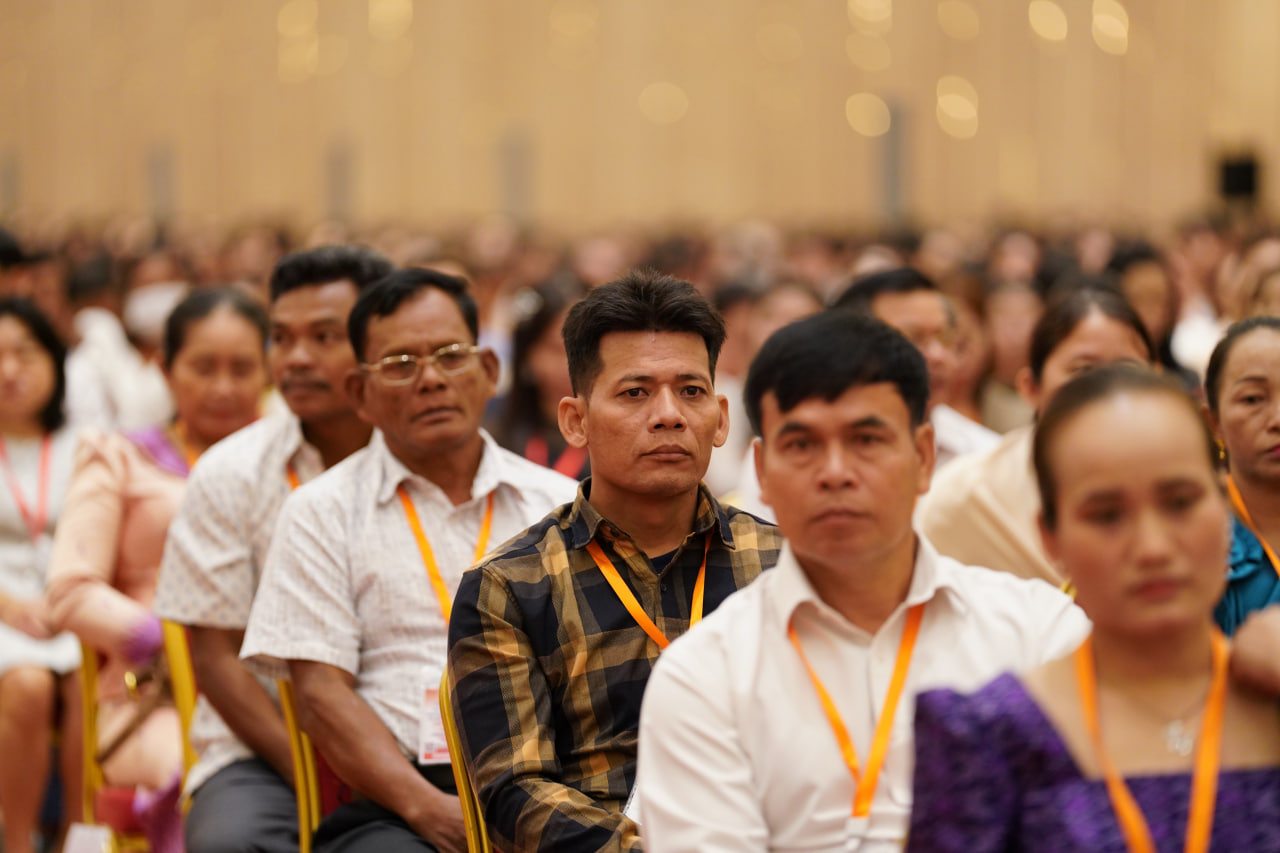
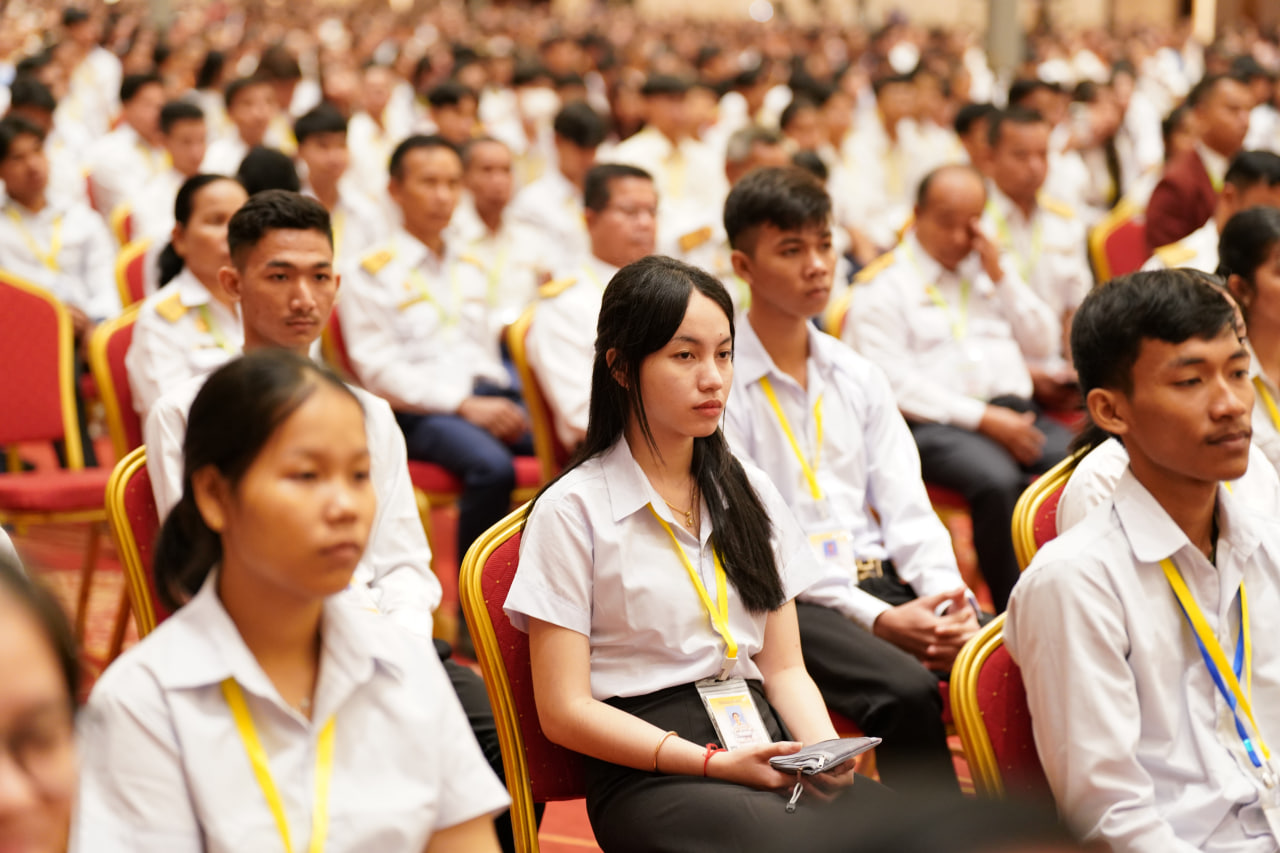
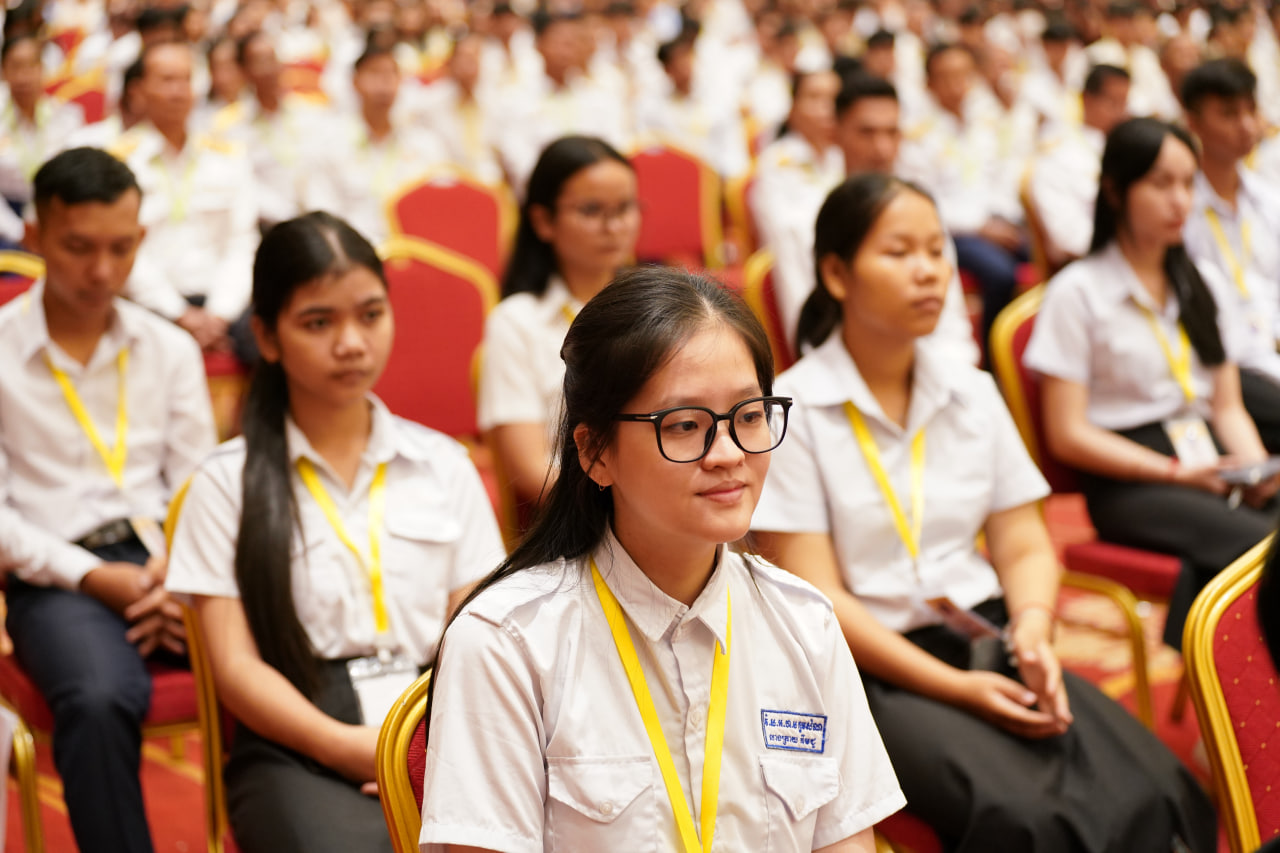
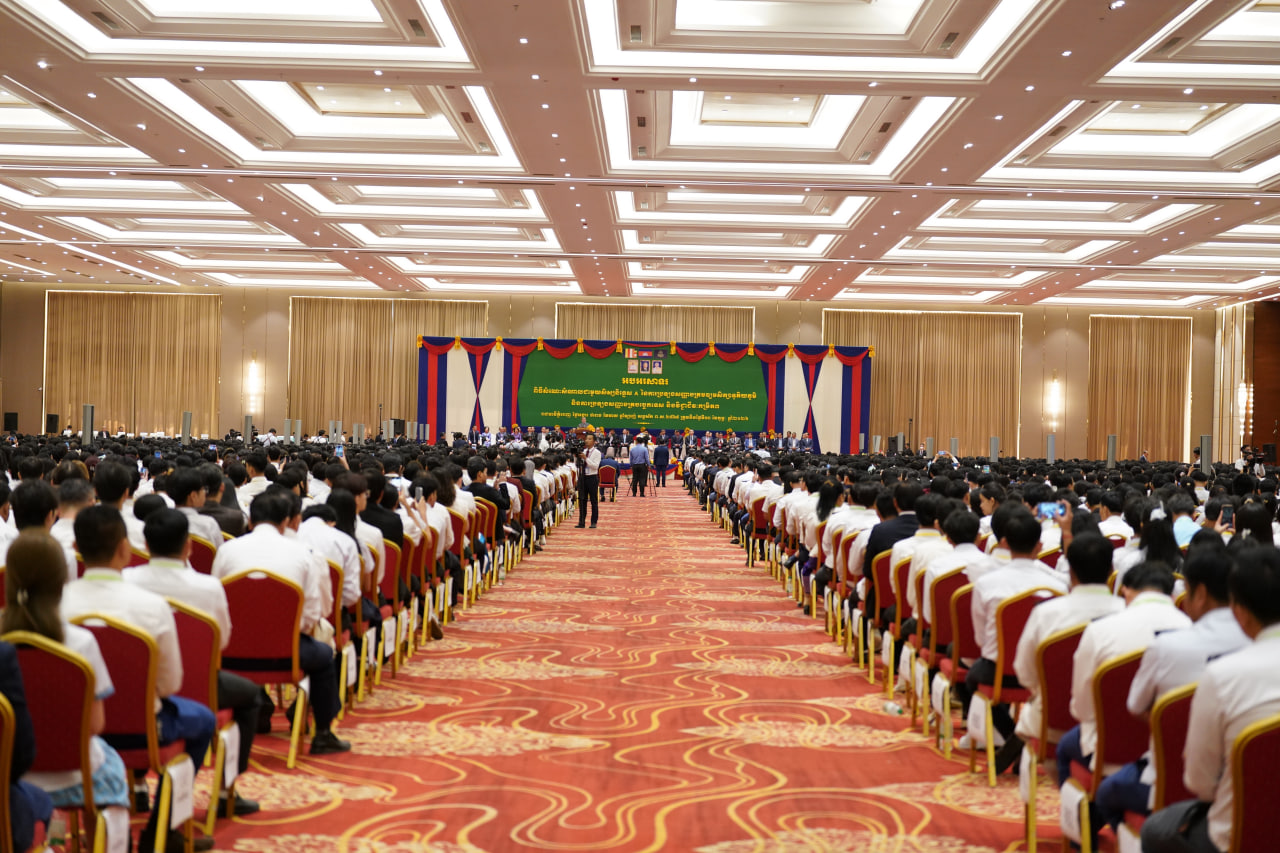
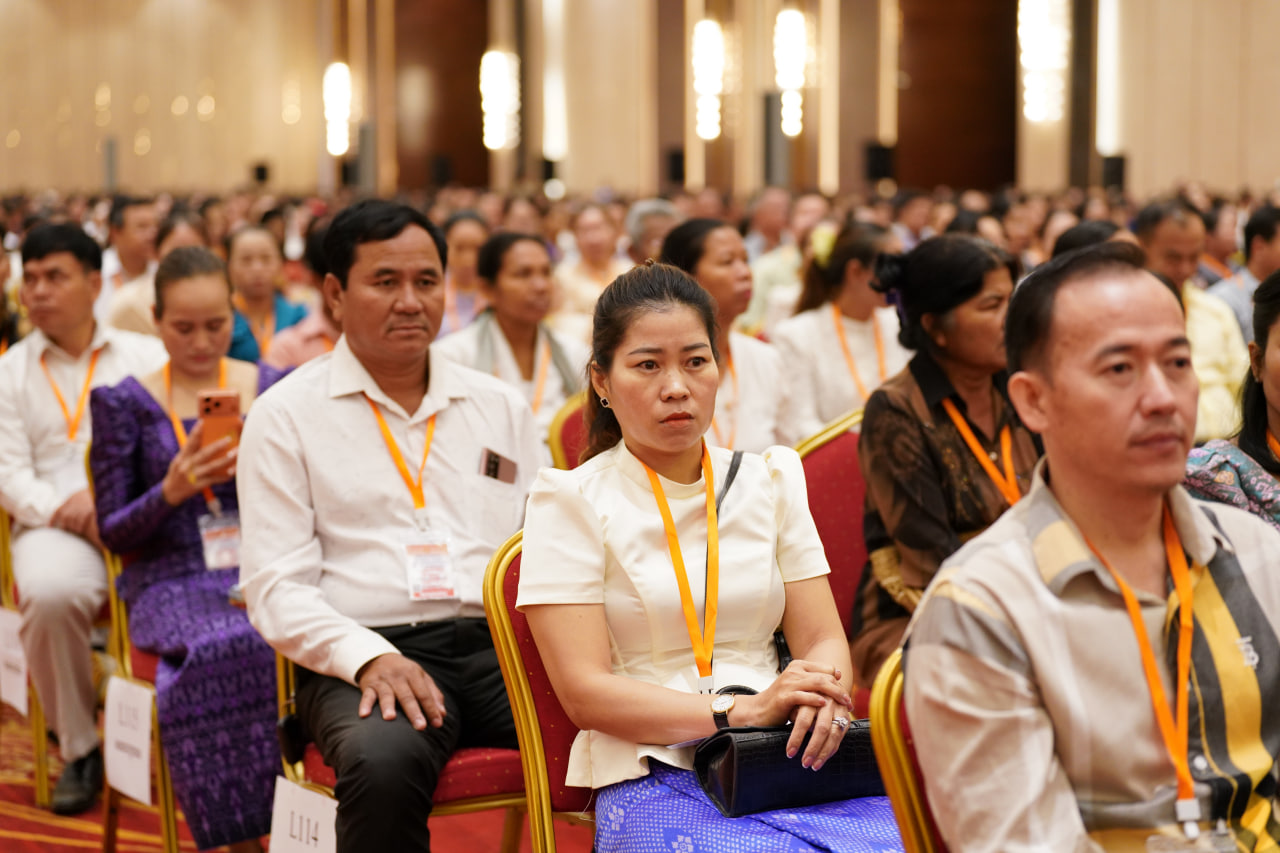
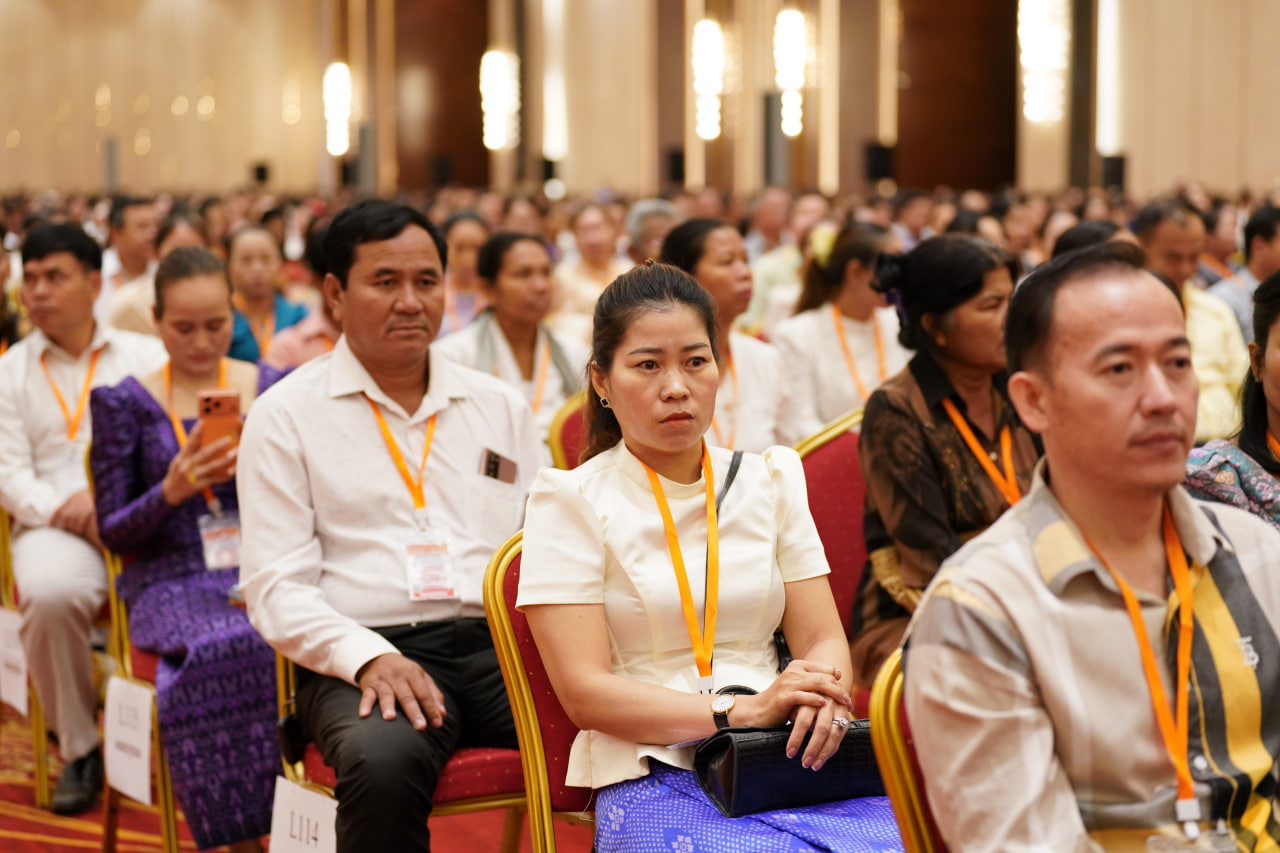
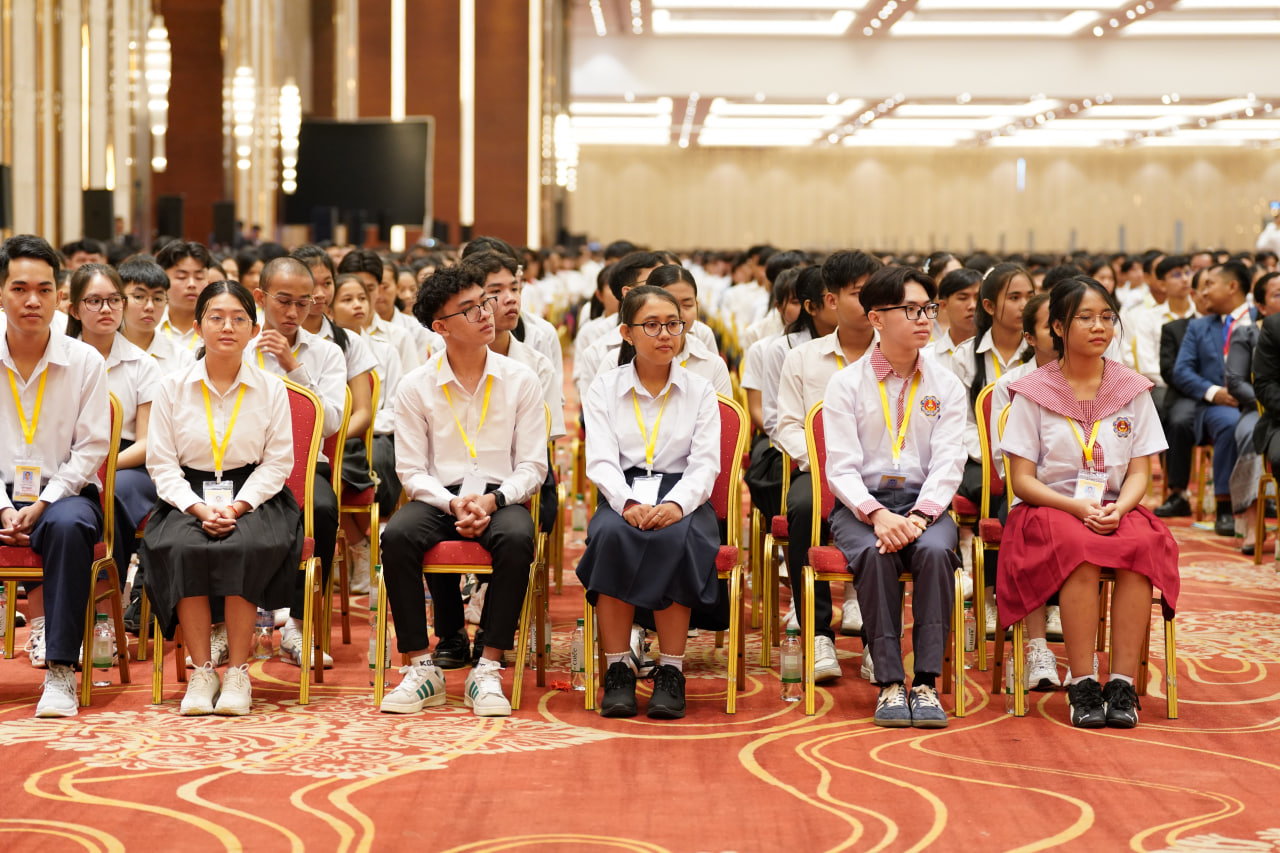
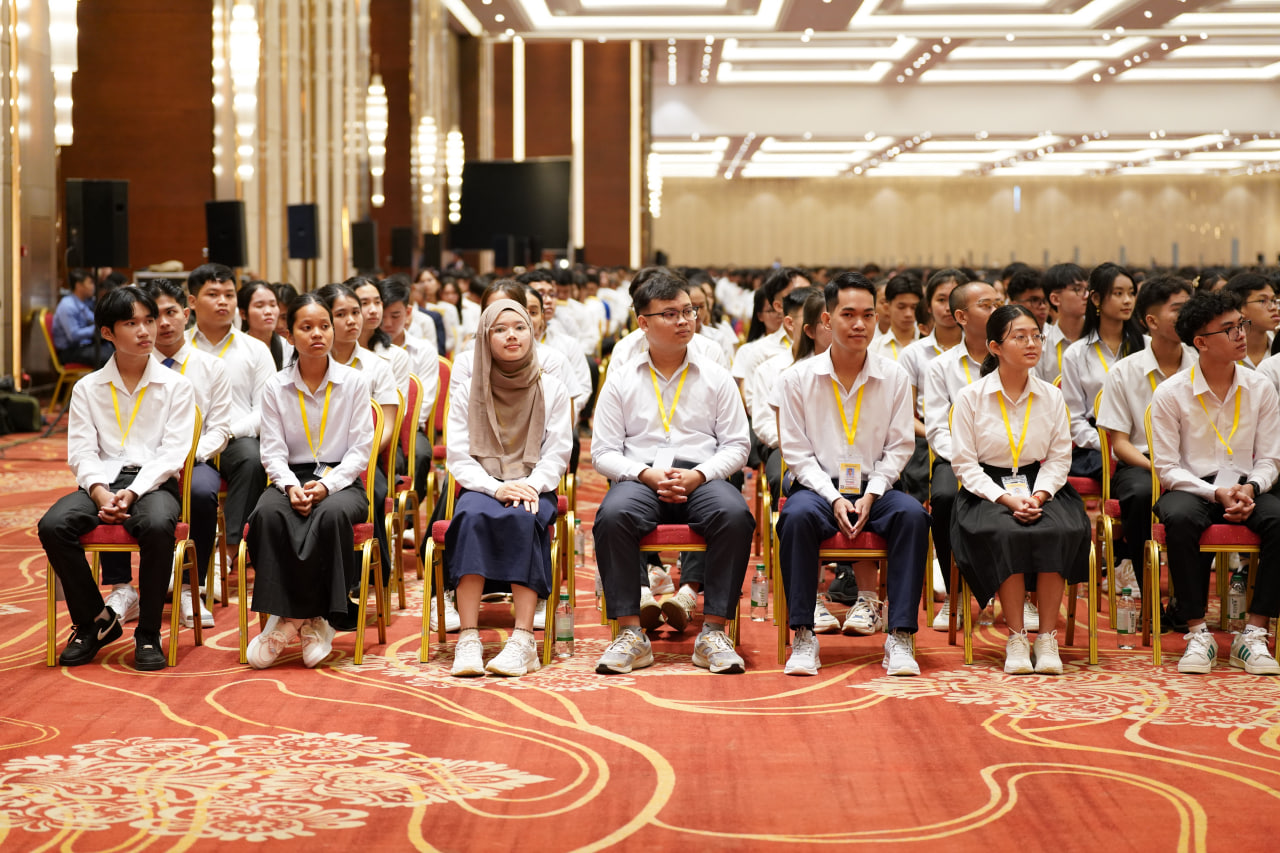
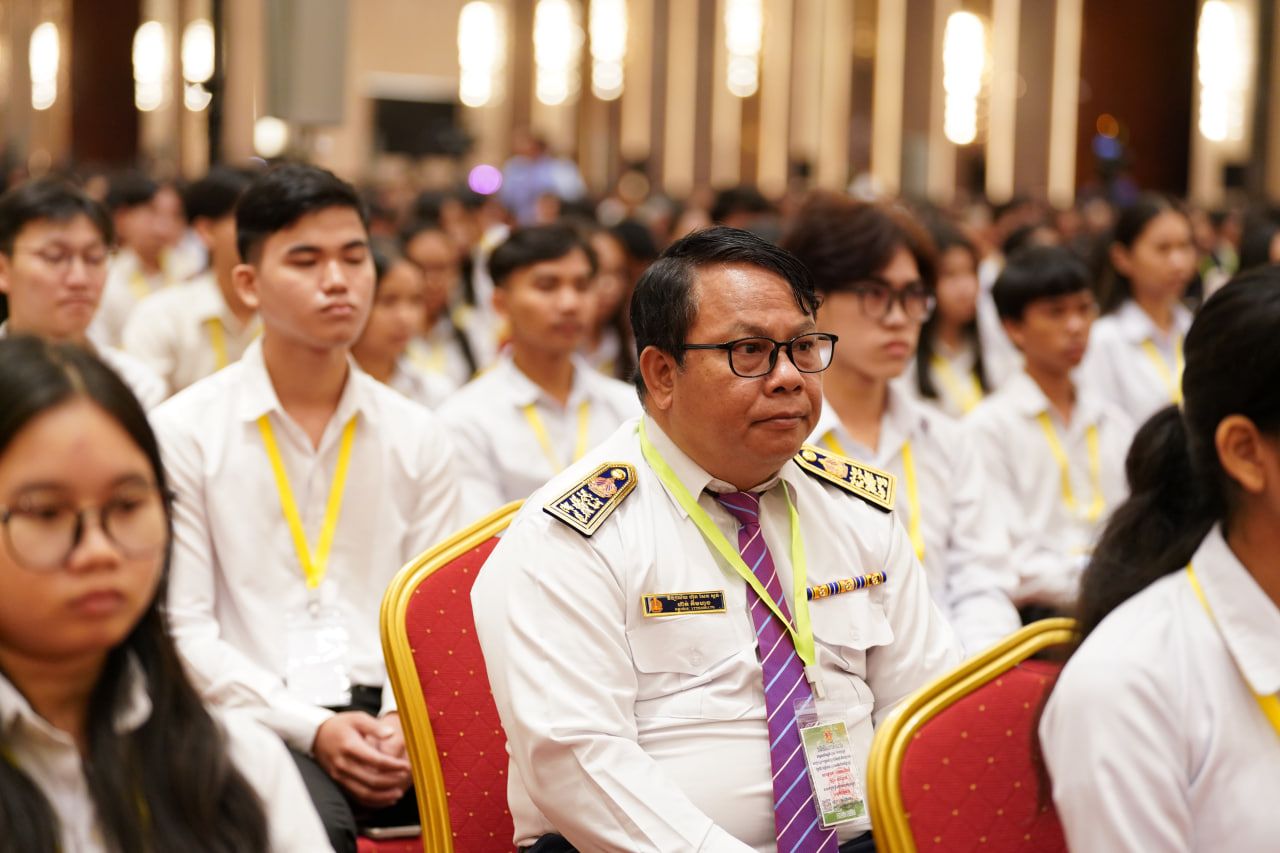
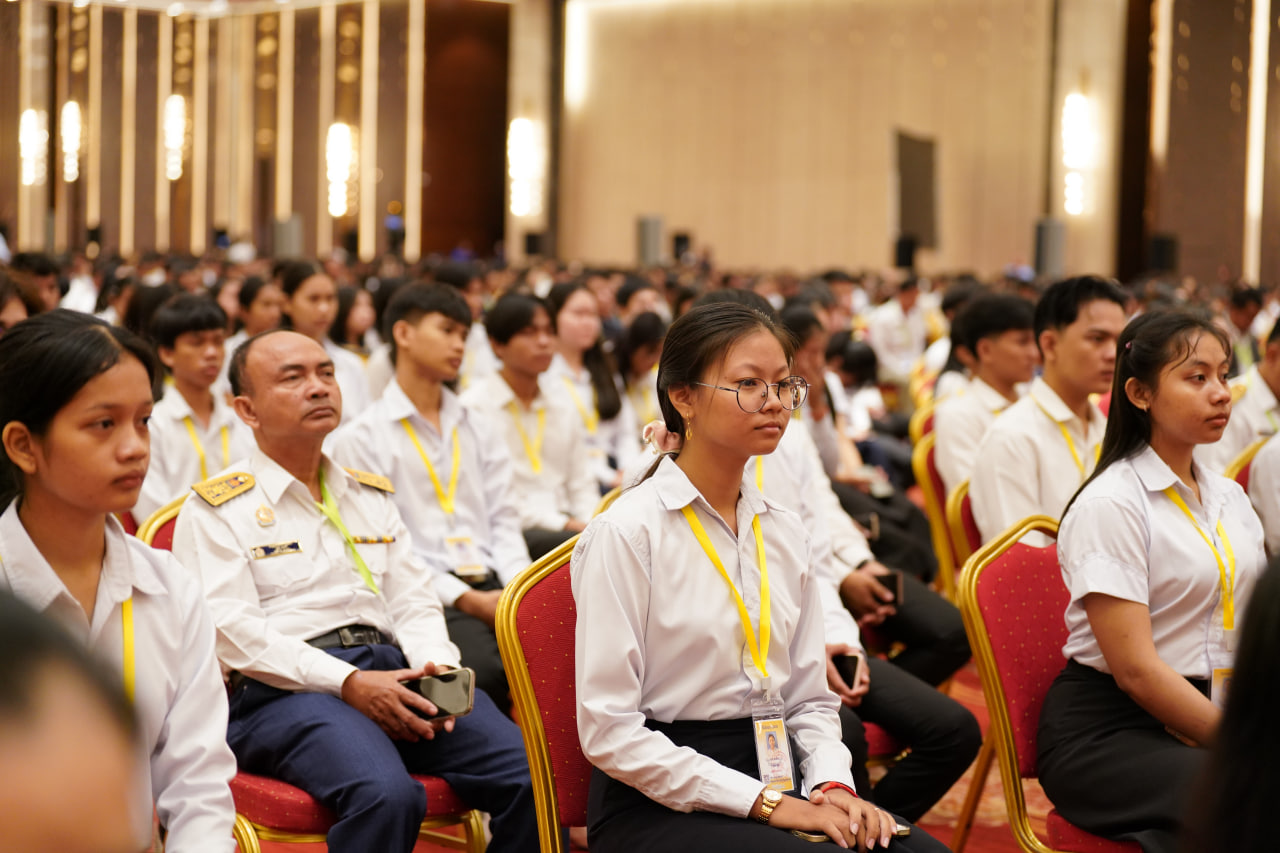
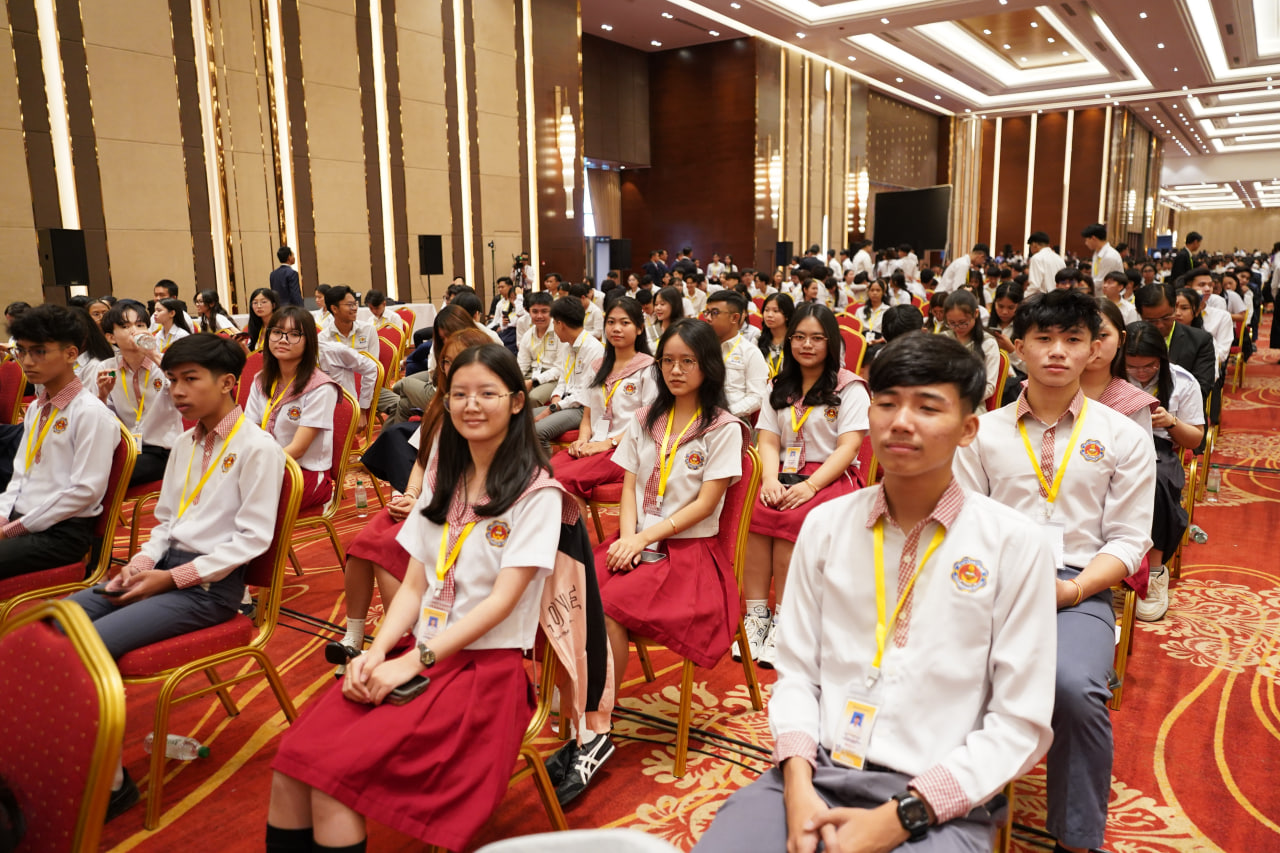
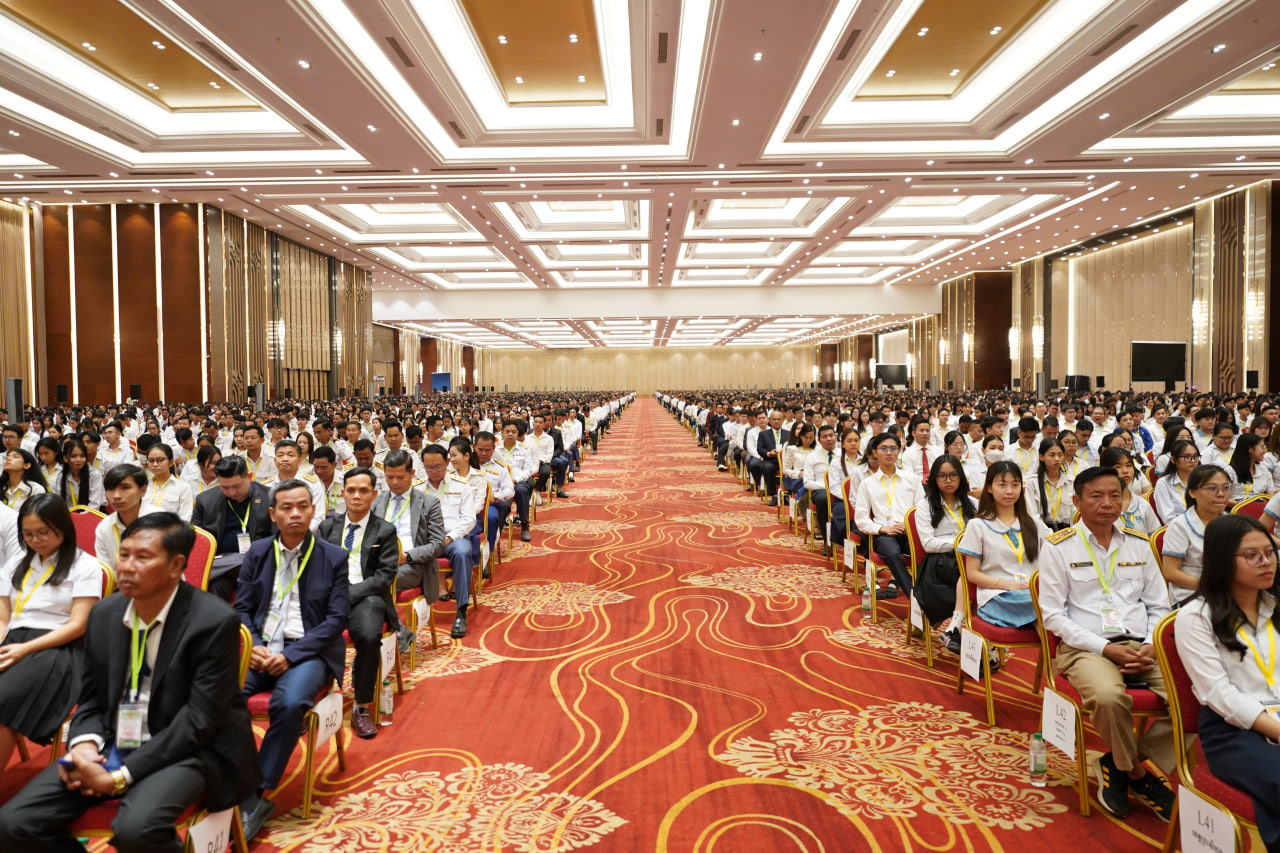
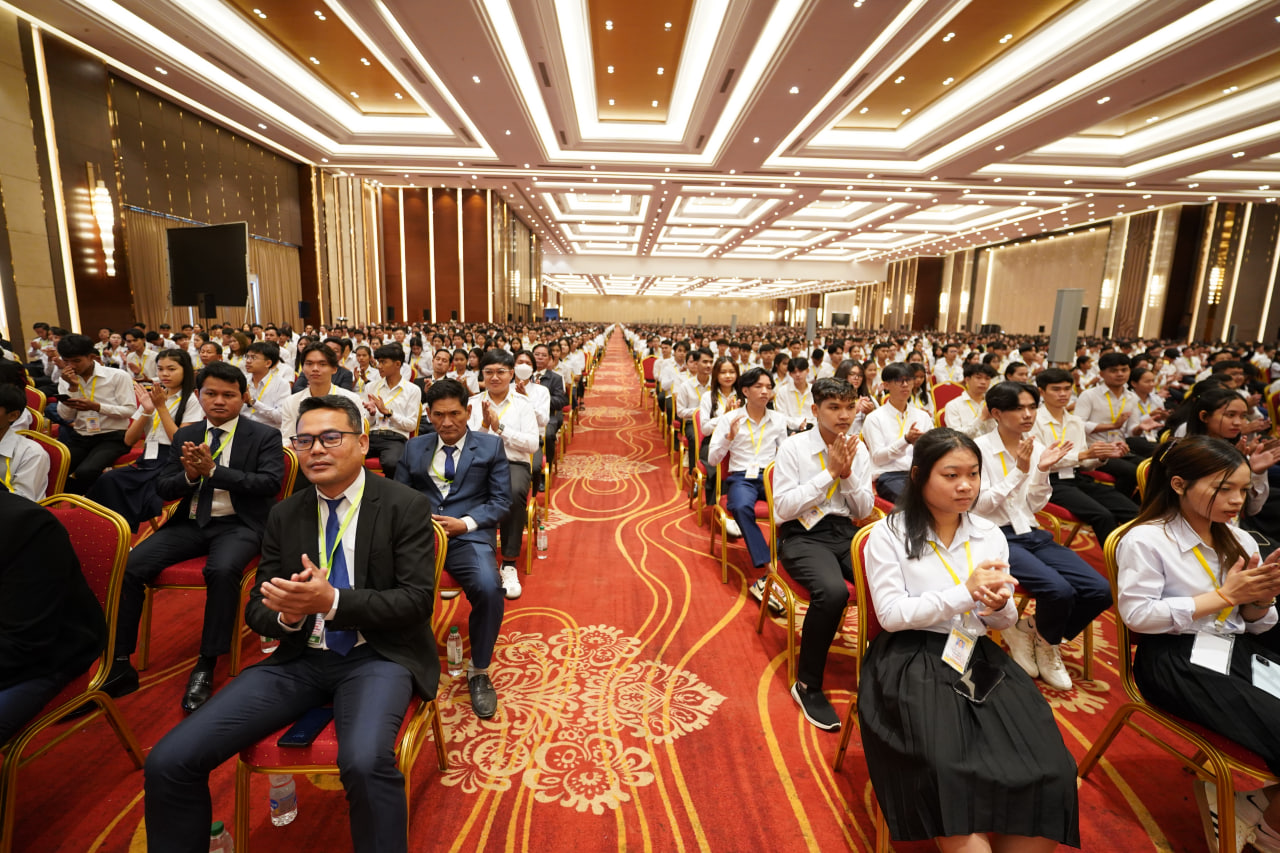
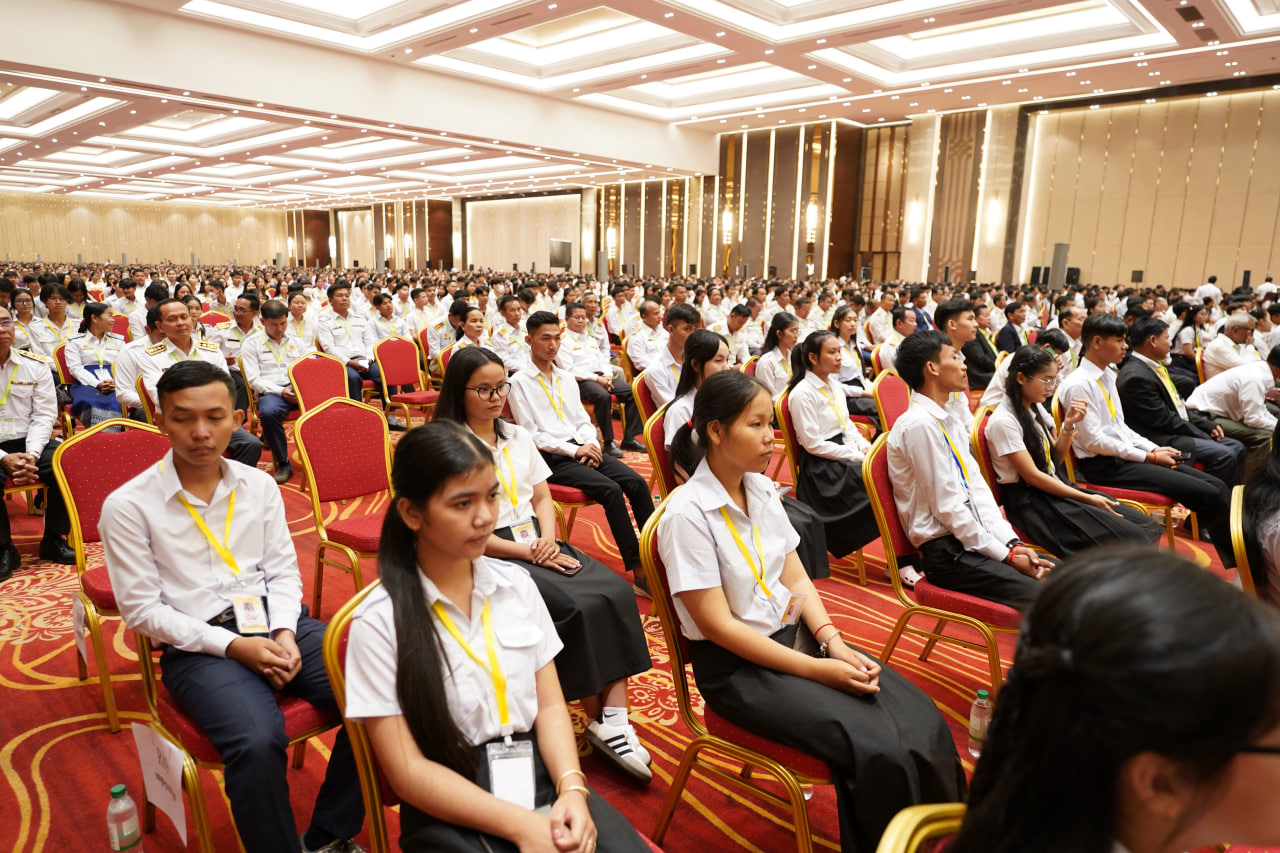
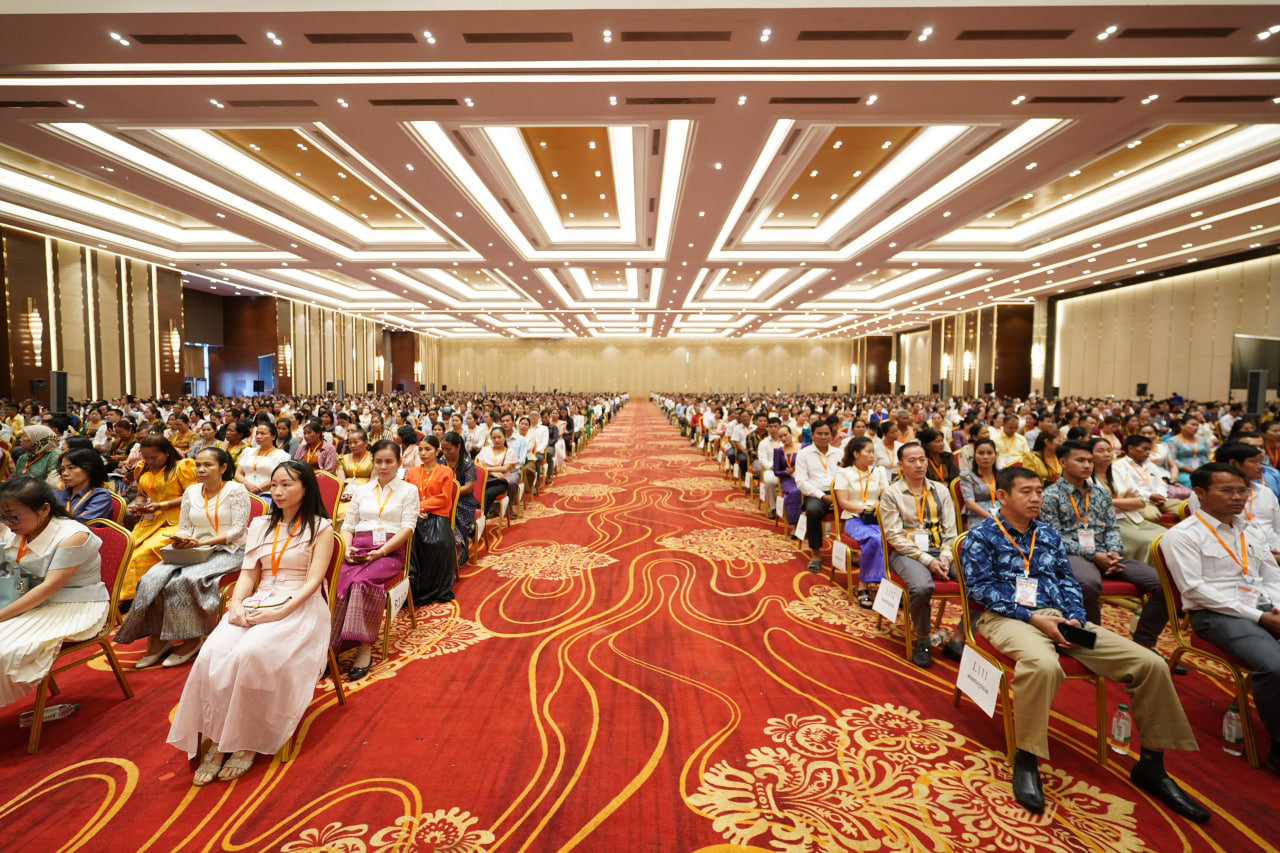
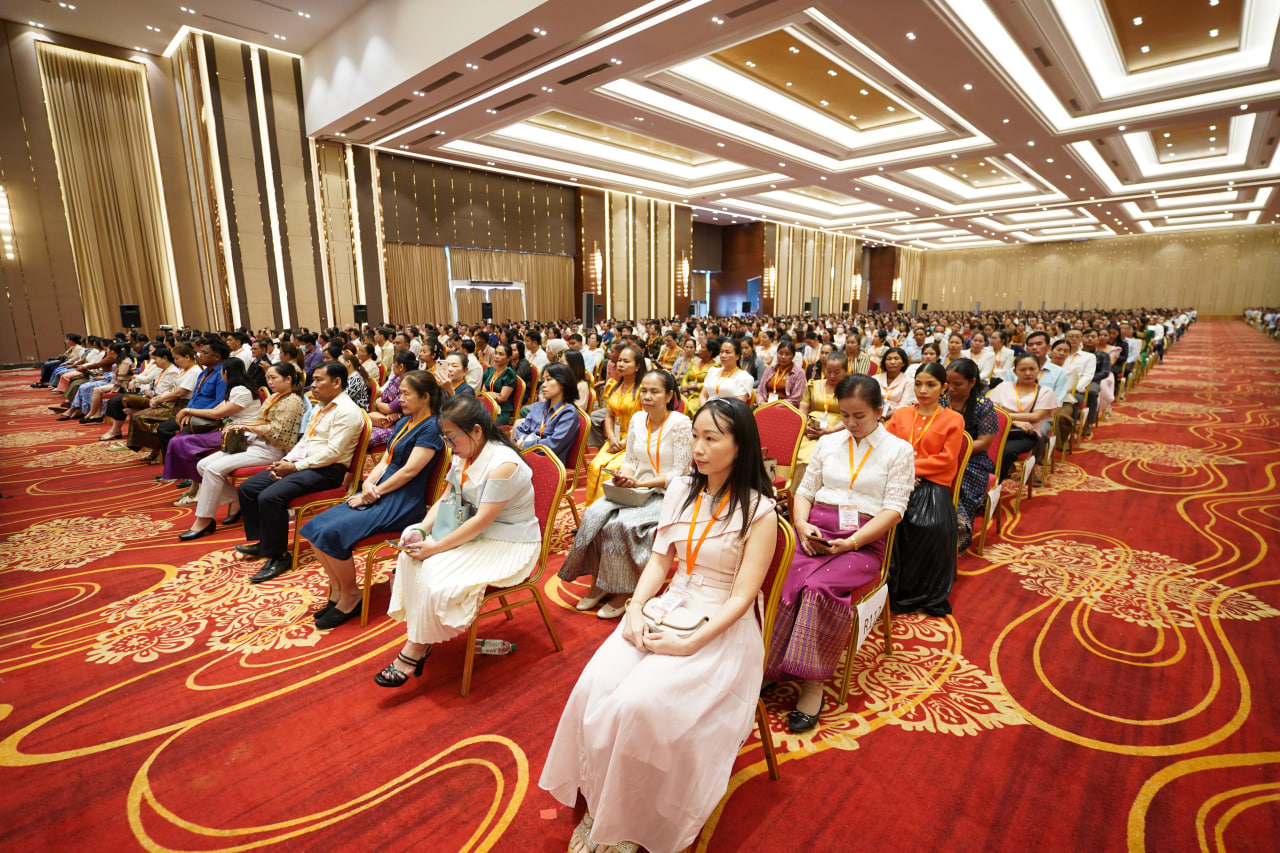
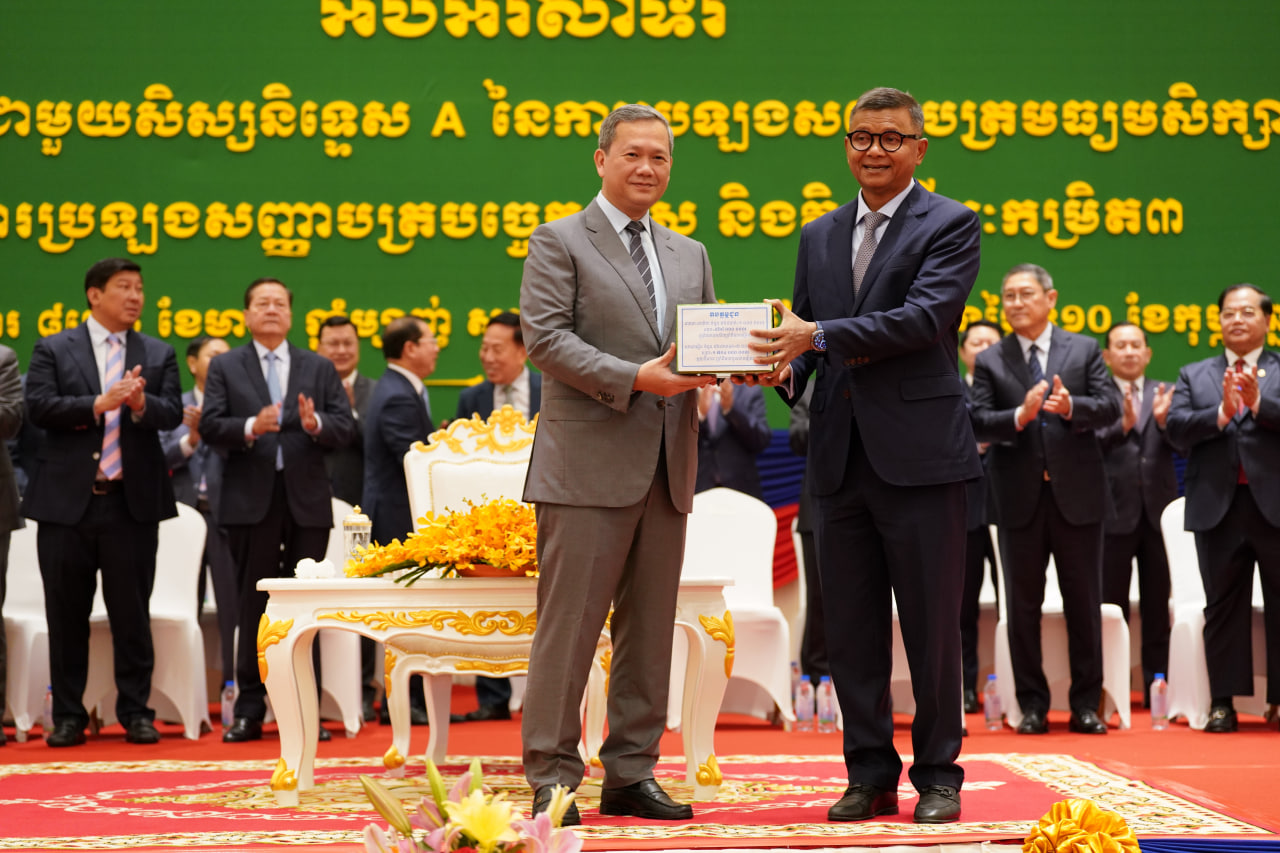
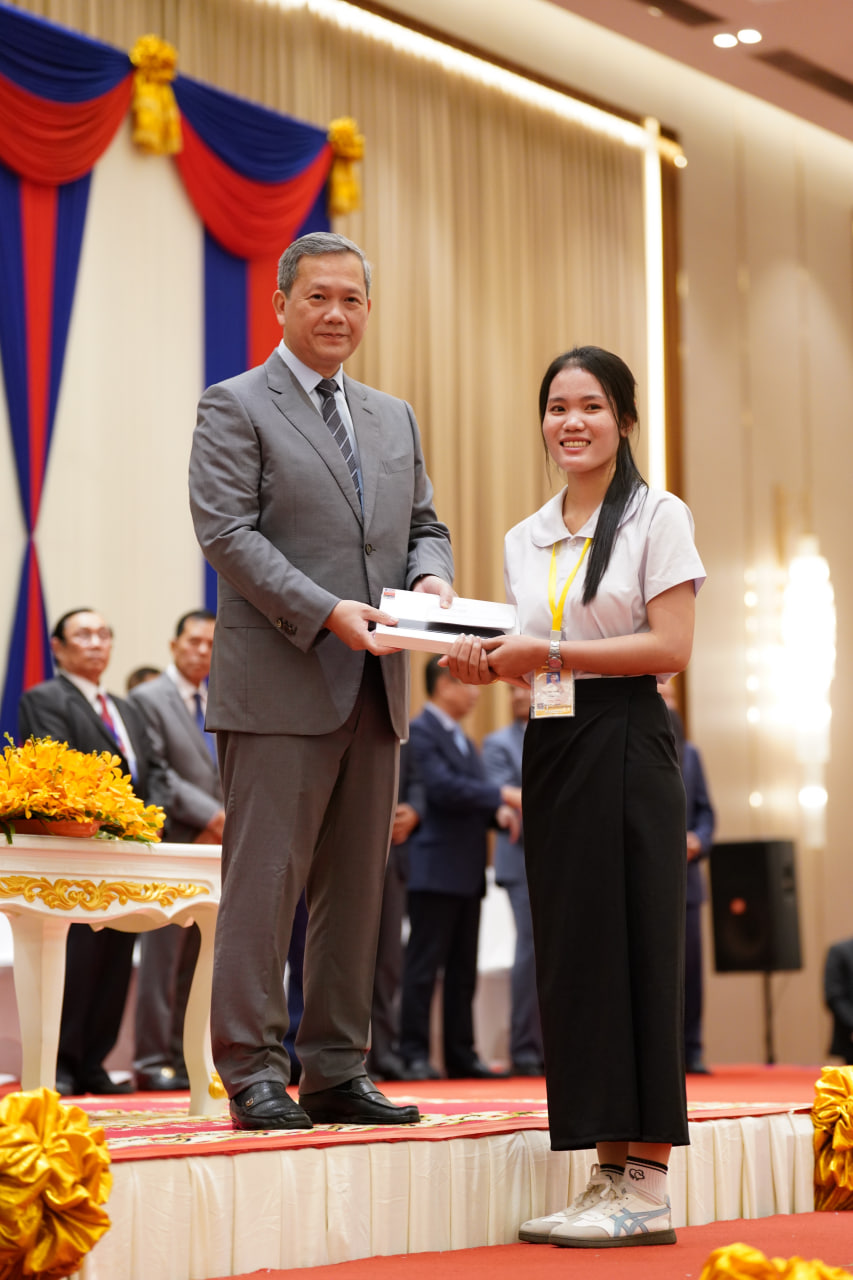
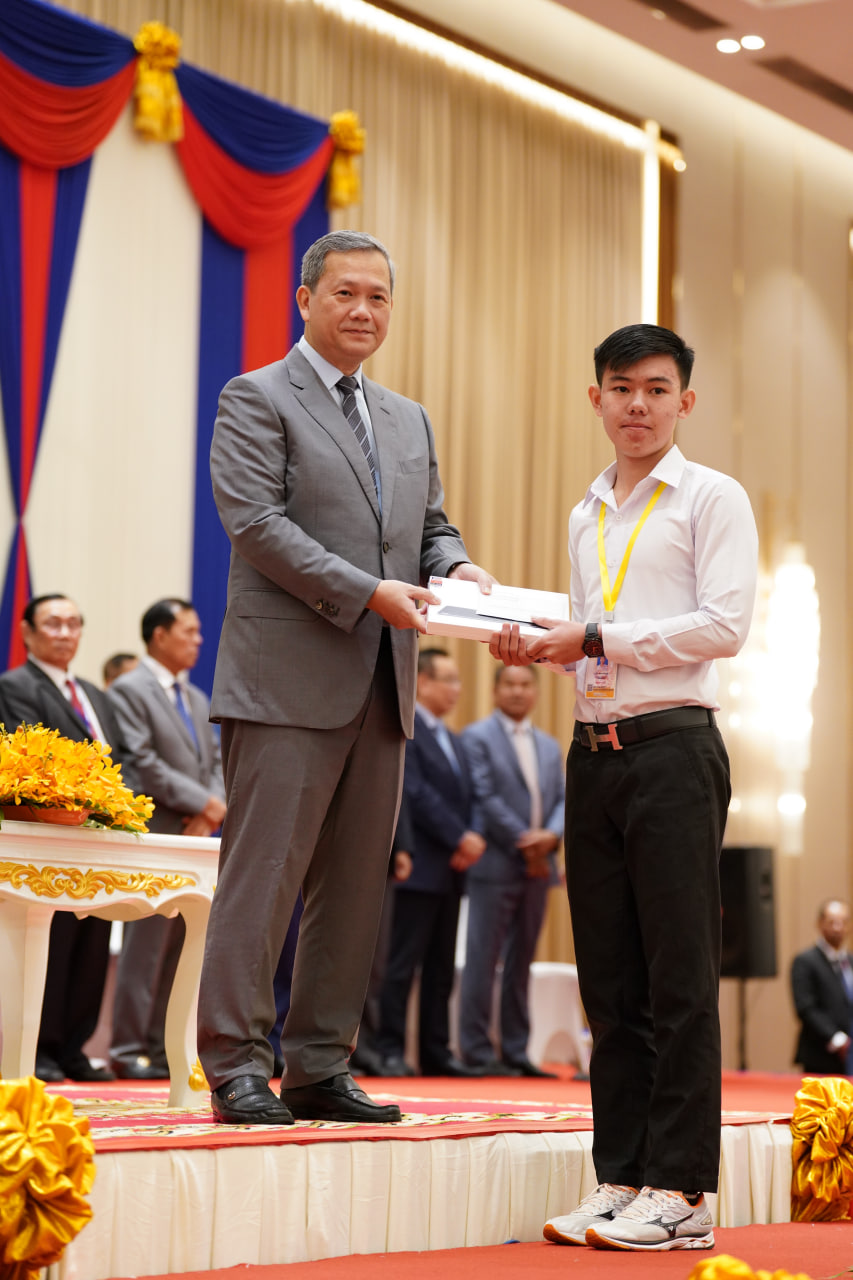
(Phnom Penh): Cambodian Prime Minister Hun Manet outlined five key recommendations to strengthen Cambodia’s education sector, with a particular focus on nurturing outstanding students, speaking on Tuesday (Feb. 10) during a meeting with Grade A high school students at OCIC, Phnom Penh.
In his address, the prime minister underlined that improving the education sector remains a top priority of the Royal Government and is embedded in the national development strategy implemented across all levels of education. The strategy focuses on equipping students with broad knowledge, practical skills, moral and ethical values, and a strong sense of patriotism, with particular emphasis on technical, scientific, and technological skills development to prepare youth for the labour market and ensure that “every young person has at least one lifelong skill.”
Samdech Thipadei noted that Cambodia has made significant progress since the early 1980s, when access to knowledge was extremely limited. He highlighted recent achievements, including the production of thousands of Grade A students in recent years, as evidence of collective national effort.
At the same time, the premier added that Cambodia continues to enhance institutional capacity, modernize technical facilities, and strengthen the application of advanced technologies to build a human resource base capable of meeting the demands of the Fourth Industrial Revolution.
On the occasion, Samdech Thipadei provided the following recommendations to leaders and officials at all levels of the Ministry of Education, Youth, and Sports:
1. Strengthen capacity at all levels to nurture excellent students from early childhood through upper secondary education, while providing proactive support to talented students facing challenges in both daily life and academic studies.
2. Provide academic guidance to enable top students to pursue higher education at leading global institutions, preparing them to become key human resources for national development, particularly in science, technology, engineering, and mathematics (STEM).
3. Document and share best practices of high-achieving students on effective learning methods, and introduce interactive activities to enhance competitiveness in regional and international academic competitions.
4. Sustain scholarship programs for talented and disadvantaged students, especially girls and those from low-income families, while ensuring effective implementation of curricula in mathematics, science, technology, engineering, and foreign languages, aligned with advancements under the Fourth Industrial Revolution.
5. Actively implement education development policies to ensure quality and inclusive education and promote lifelong learning, while expanding early childhood education programs and ensuring that all children complete at least nine years of schooling in safe, clean, and hygienic environments.
=FRESH NEWS