(Phnom Penh): Under international law, borders cannot be altered through threats or the use of force. The 1904 and 1907 treaties that defined the Cambodia–Thailand boundary remain legally valid under established principles of international law. The question today is whether the international community will uphold that legal foundation.
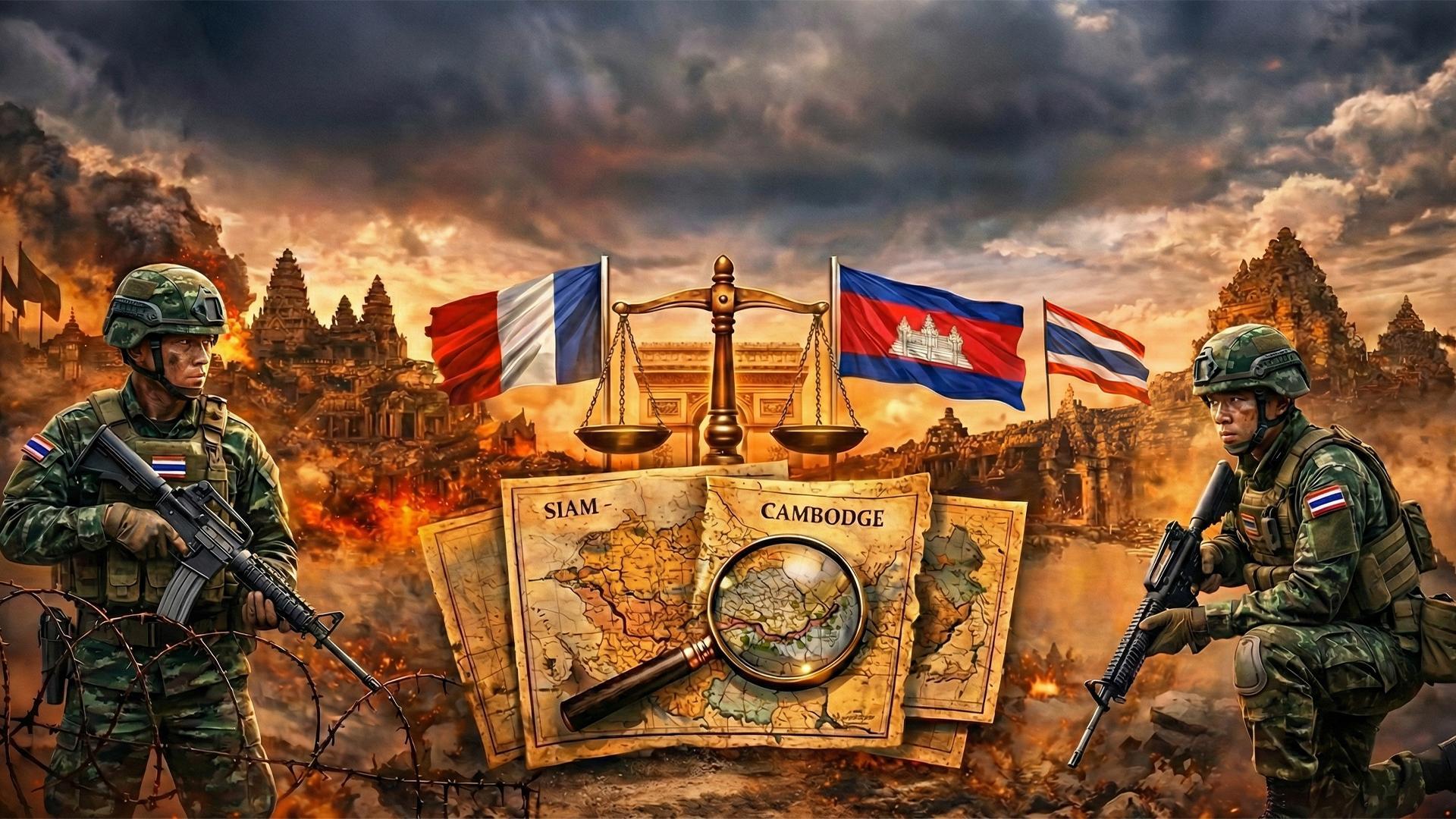
When Cambodia calls for respect for official border documents, it is not seeking expanded power or political intervention. Rather, it is reminding the world of treaties formally concluded and internationally recognized—documents for which France served as a historical witness when the Cambodia–Thailand boundary was first delineated. That legal foundation cannot be overridden or rewritten through acts of aggression.
Cambodia’s Official Letter to France: Evidence of a Law-Based Approach
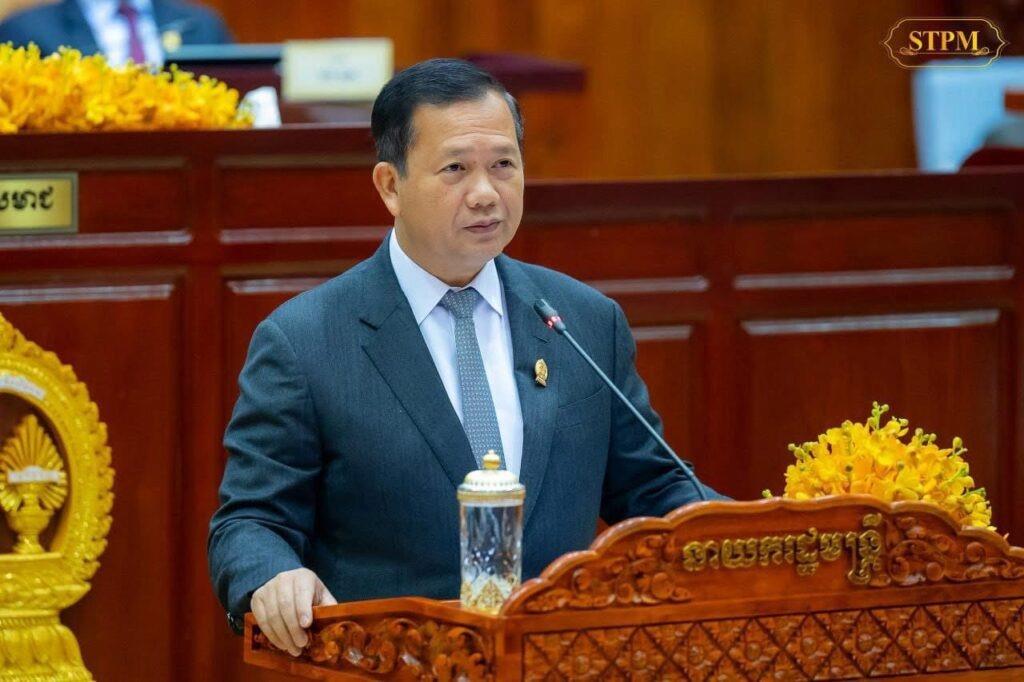
On February 4, 2026, Cambodian Prime Minister Hun Manet sent a letter to French President Emmanuel Macron in response to France’s expressed willingness to provide historical and technical documentation concerning the Cambodia–Thailand border, should a formal request be made.
In the letter, Cambodia expressed appreciation for France’s principled support of the ceasefire and for its constructive engagement in promoting peaceful dispute resolution in accordance with international law. Cambodia also recalled France’s historical role in establishing the border under the 1904 and 1907 treaties—documents that remain the legal foundation of the boundary today.
France, as a permanent member of the United Nations Security Council and a longstanding advocate of multilateralism and international law, has indicated its readiness to provide technical support and facilitate access to archival border documents inherited from the colonial period.
This diplomatic exchange underscores Cambodia’s commitment to resolving the dispute through law and documentation—based on verifiable historical records and binding legal principles.
An Undeniable Historical Foundation
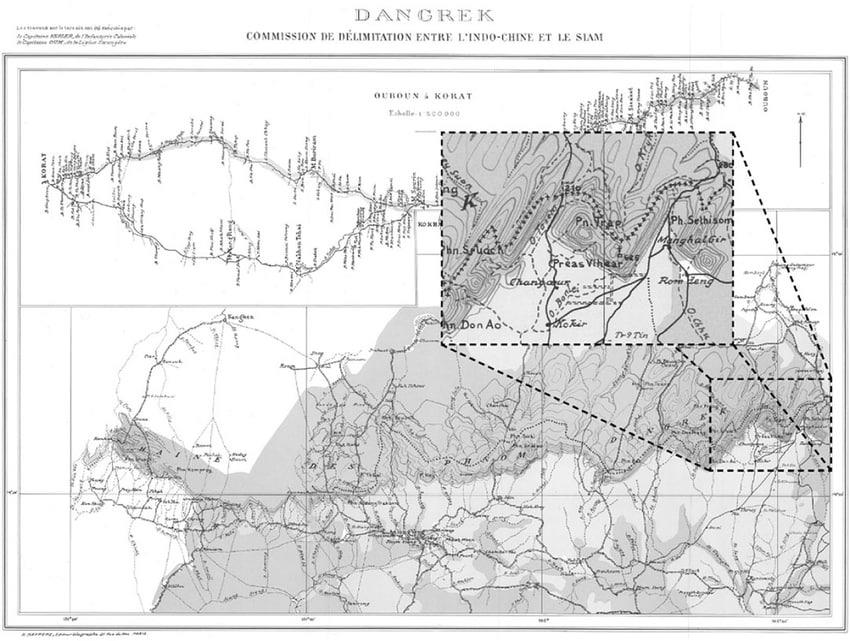
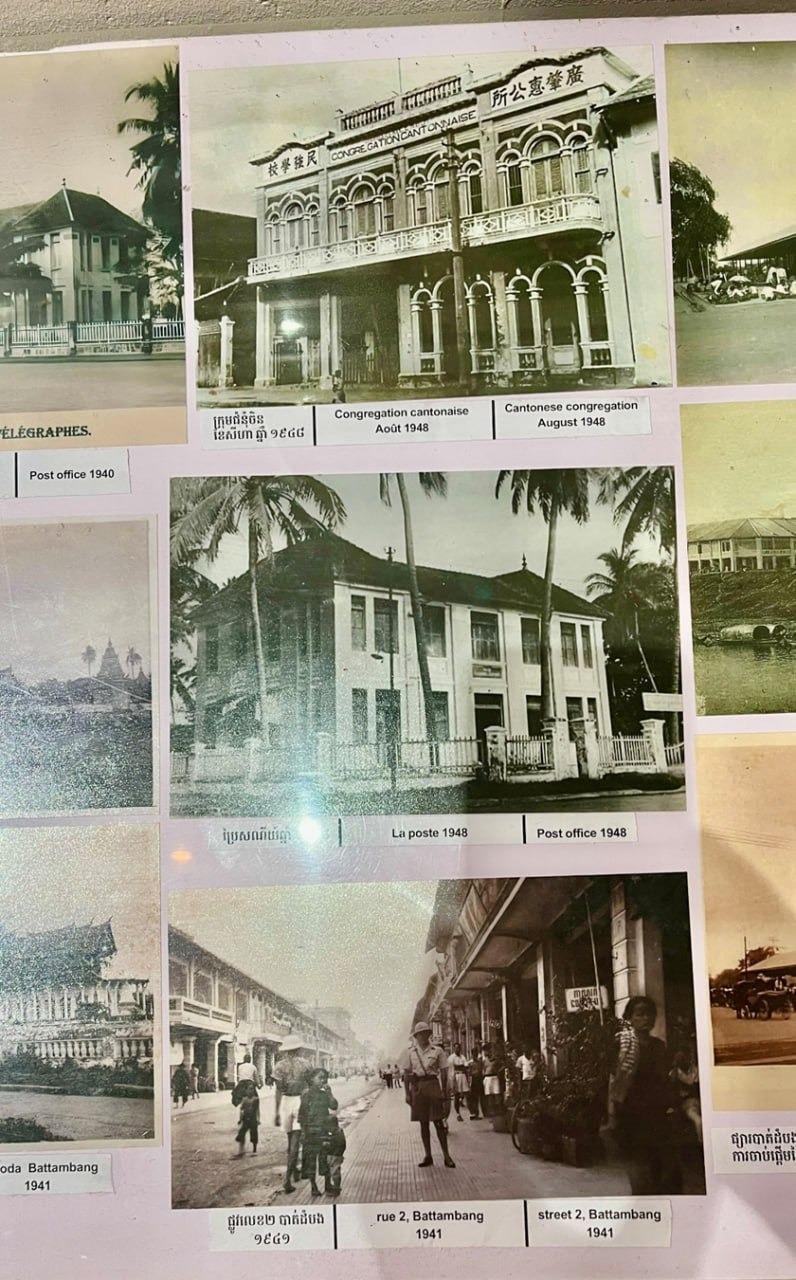
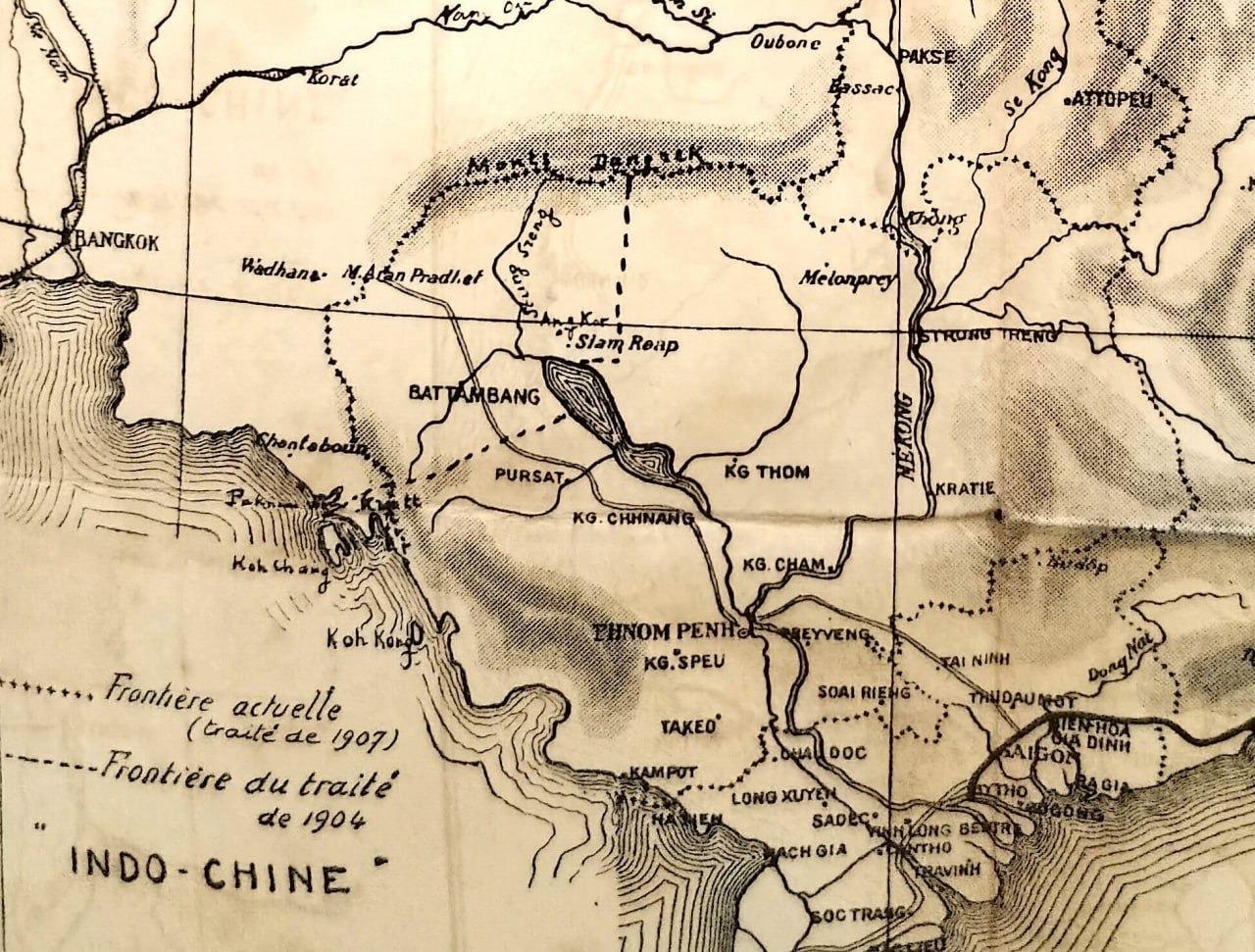
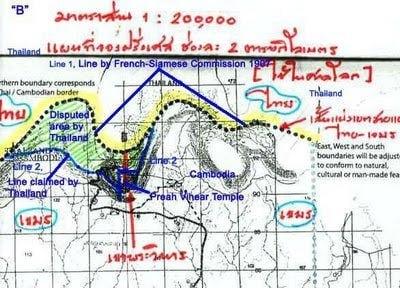
In the early 20th century, France, acting as Cambodia’s protectorate authority, concluded treaties with Siam in 1904 and 1907 to formally delimit the boundary. These treaties were not ordinary administrative arrangements but legally binding instruments governed by the principle of pacta sunt servanda—agreements must be honored in good faith.
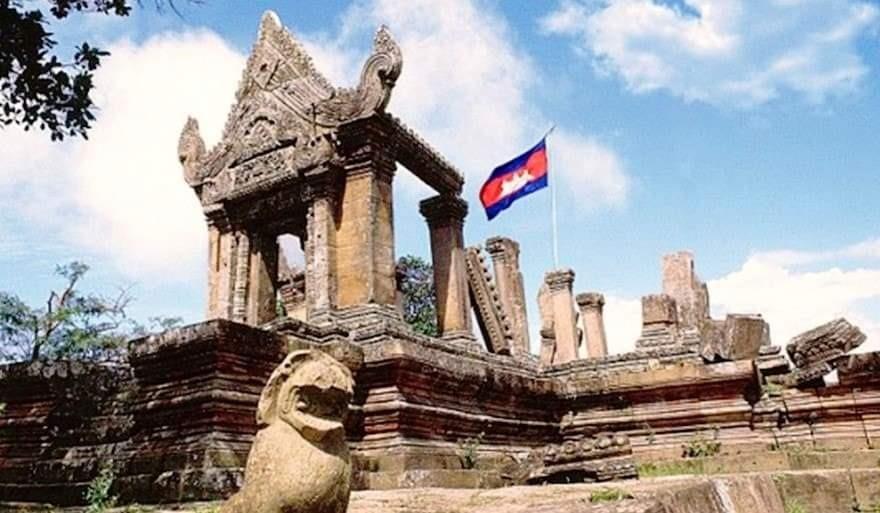
The Annex I map attached to the delimitation process placed the Preah Vihear Temple within Cambodian territory. This map was later referenced in the 1962 ruling of the International Court of Justice (ICJ), which affirmed Cambodia’s sovereignty over the temple.
This makes clear that the border is not a newly invented issue or a matter of political interpretation. It has already been examined and adjudicated by the world’s highest judicial body.
The 1946 Lesson: Force Is Temporary; Law Endures
During World War II, territorial changes imposed under the 1941 Tokyo Convention temporarily altered the situation. Those changes occurred within a geopolitical context shaped by military pressure and wartime influence. However, arrangements born of coercion could not establish lasting legal legitimacy.
Following the war, the 1946 Settlement Agreement annulled the Tokyo Convention entirely. This was not merely a political reversal but a restoration of a fundamental rule of international law: actions taken under coercion or aggression cannot create enduring legal rights.
The lesson of 1946 remains relevant. Military pressure may produce short-term territorial changes, but it cannot permanently alter internationally recognized legal foundations. When global order stabilizes, the law reasserts itself. History shows that law ultimately prevails.
France in the Modern Context: A Supporter of Law, Not a Colonial Power
France today is no longer Cambodia’s protectorate authority. Cambodia is a fully sovereign state. However, France continues to play an important role internationally as a permanent member of the United Nations Security Council and as a longstanding advocate of multilateralism and international legal norms.
France’s role in the present context is not to impose solutions or interfere in bilateral affairs. Rather, it is to provide historical documentation and technical expertise that may clarify the legal basis of the border established under formal treaties.
Requesting archival documentation is therefore not an appeal for foreign intervention but a legitimate and peaceful legal action aimed at ensuring that the dispute is resolved through documentation and law—not force.
Could This Be the Third Time?
History has already shown that when Franco–Siamese legal documents were properly upheld, Cambodian territory that had been lost was restored in accordance with international law. In 1907, borders were formally defined by treaty. In 1946, legal order was restored after wartime disruption. In both cases, resolution came not through weapons, but through documents and law.
The question today is whether French archival maps and treaty records may once again serve as the legal foundation for clarifying the present border dispute.
If history is our guide, force may produce temporary change, but law determines final outcomes. Should the relevant documentation be fully disclosed and respected under international principles, it may once again illuminate the truth and lay the groundwork for durable peace between the two nations. If so, this would not be a third episode of coercion—but potentially a third affirmation of law prevailing over arms.
Conclusion
History demonstrates that when treaties and legal documents are respected, peace can endure. When force is used, the outcomes it produces are temporary at best.
Cambodia calls upon the international community—particularly France, as a historical witness to the 1904 and 1907 treaties—to provide official documentation clarifying the legally established boundary. Such documentation can help the world understand the legal scope of Cambodian territory and assess competing claims against binding treaty obligations.
This appeal is not a request for power or political pressure. It is a call for respect for treaties and international law. Cambodia remains confident that a just and lasting resolution can only be achieved when legal principles are upheld above the force of arms.