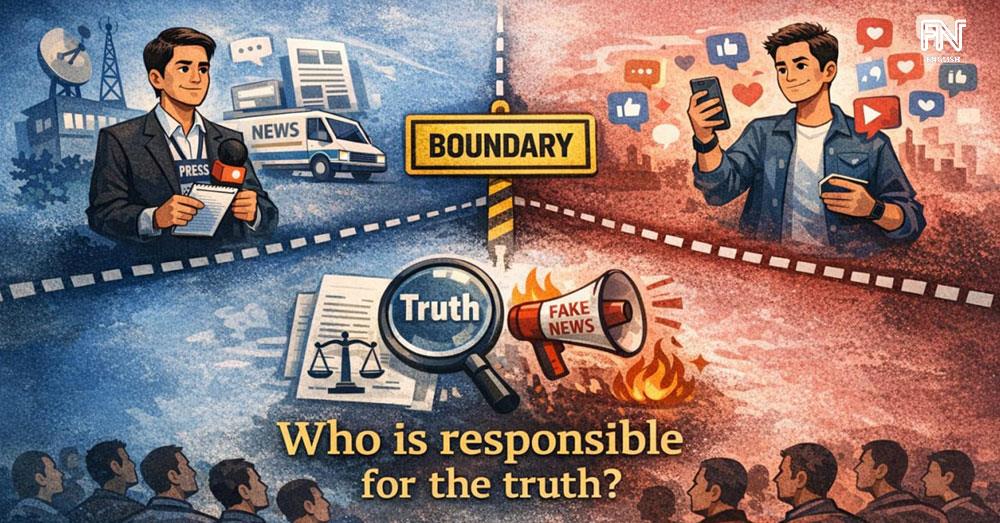
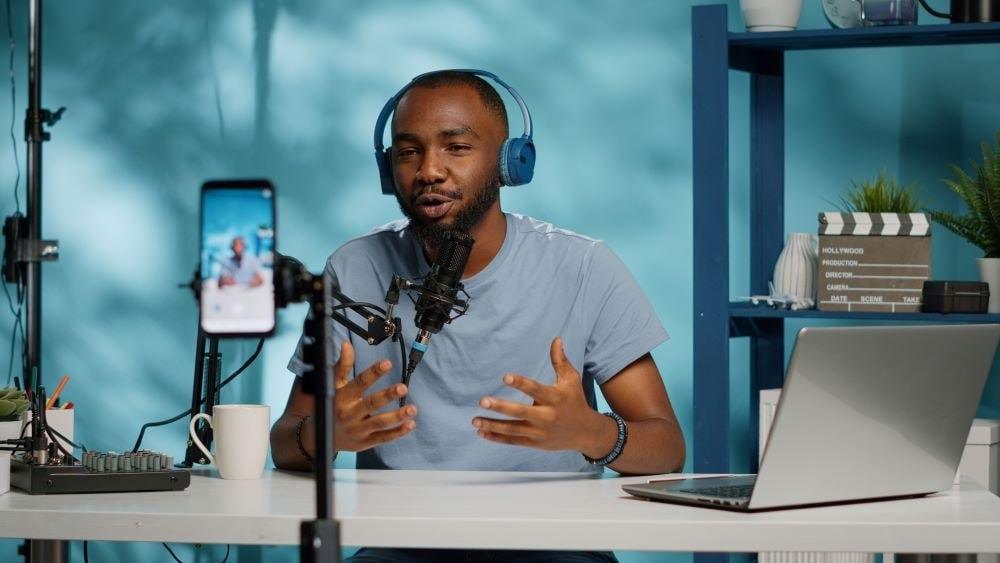
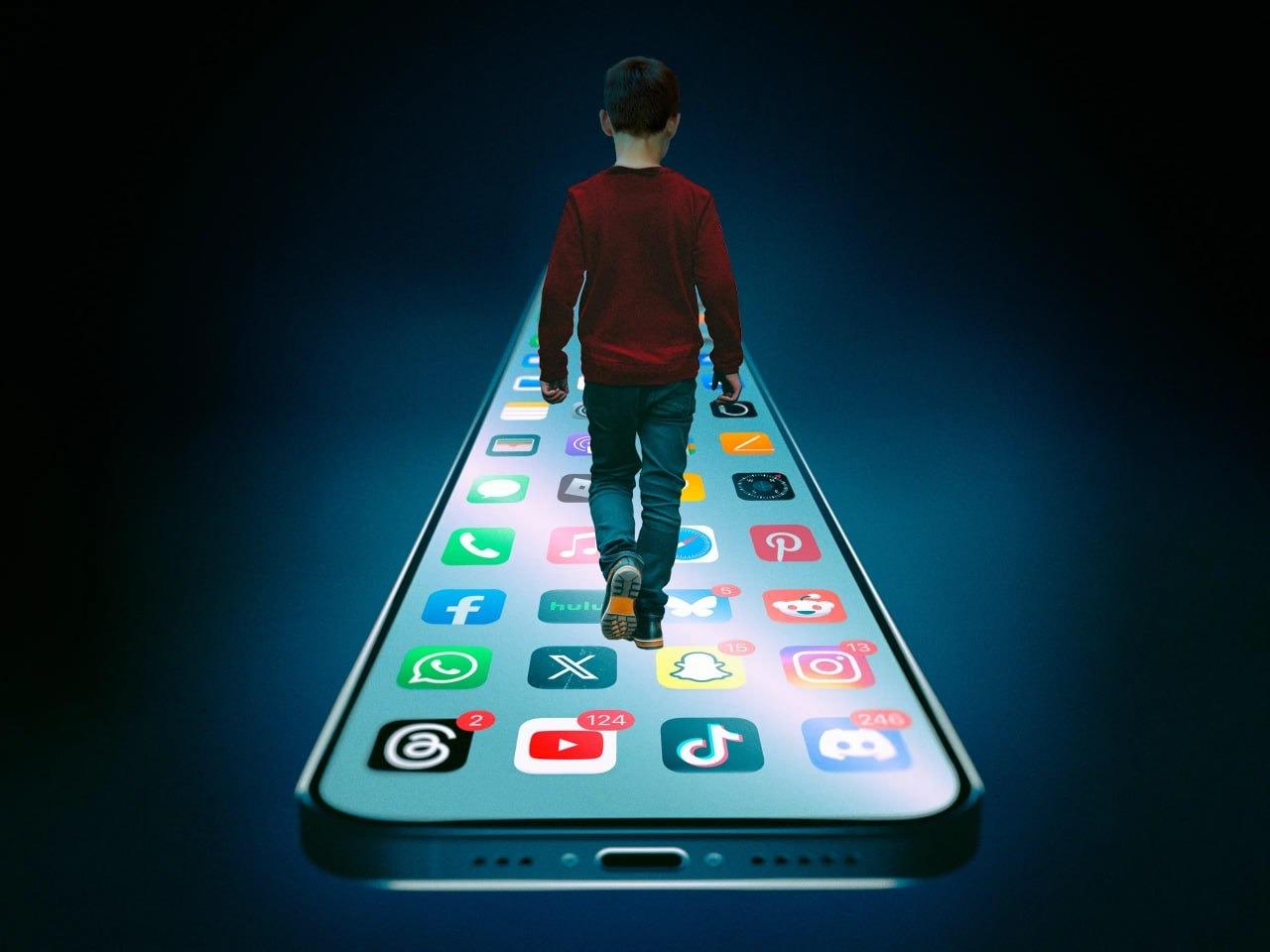
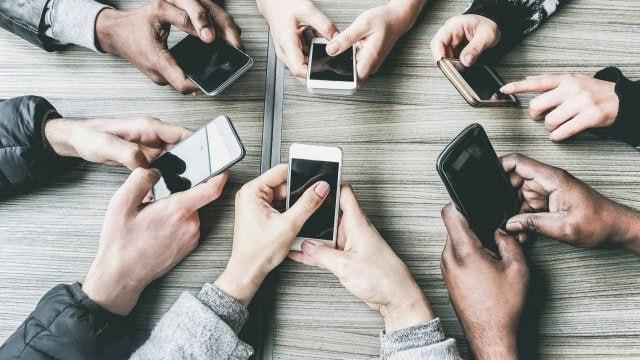
(Phnom Penh): In an era when a single smartphone can function as a broadcasting station, and a social media account can influence hundreds of thousands—or even millions—of people, a pressing question has emerged within modern society:
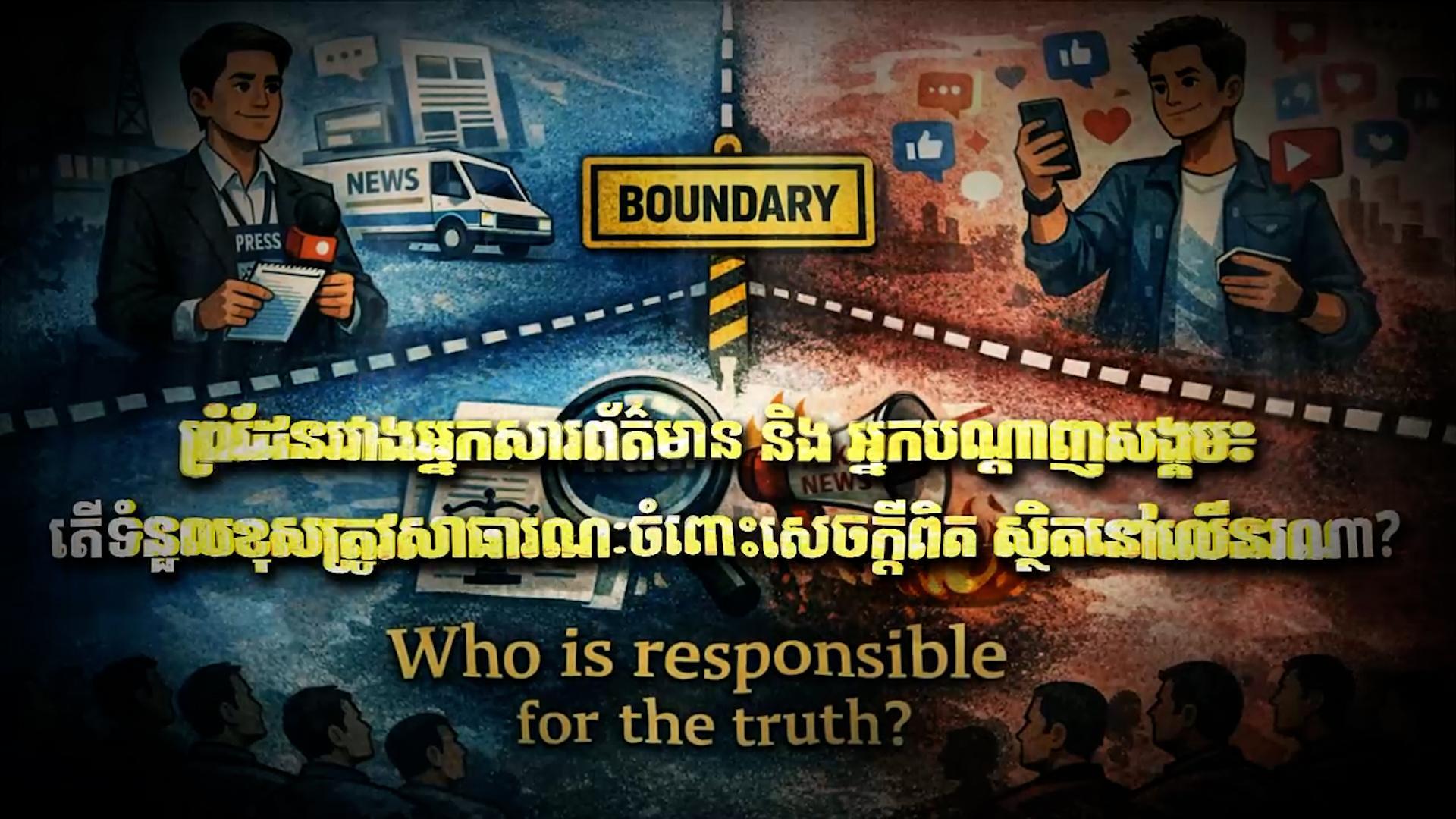
Should social media creators be regarded as journalists? And if so, should their ethical obligations be the same—or different—from those of professional journalists?
This is not merely a technical debate. It is a question directly tied to truth, social stability, and public safety.
From the Age of Newsrooms to the Age of “Everyone Is a Publisher”
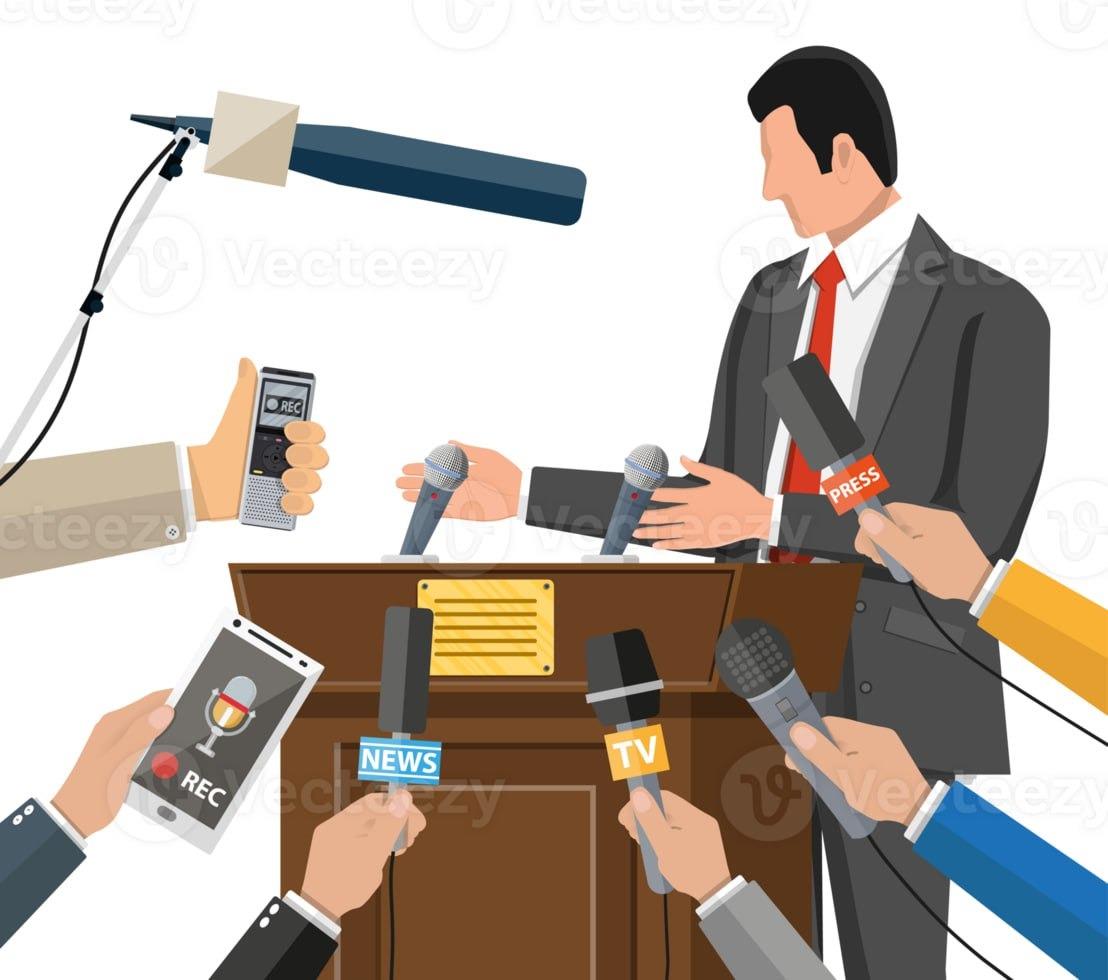
In the past, public information largely rested in the hands of trained journalists—professionals supported by editorial teams, verification systems, and clearly defined ethical codes. A single news report passed through multiple layers of review before reaching the public. Social media has fundamentally transformed that structure.
Today, anyone can publish content without an editor, without a newsroom, and without professional training. A post on social media can spread faster than official reporting—and sometimes wield more influence than a full newspaper page.
This transformation has expanded freedom. But it has also introduced new ethical challenges.
Where Social Media Creators Differ from Journalists
A crucial distinction must be made: Social media users are not journalists by default.
Journalism is defined not by the platform used—whether Facebook, YouTube, or TikTok—but by:
- Methodology in producing information
- Verification of sources
- Clear separation between fact and opinion
- Public accountability
- Adherence to professional ethical standards
Most social media content, by contrast, is driven primarily by personal opinion, emotion, and engagement rather than verified reporting.
A large following does not automatically qualify someone as a journalist. Nor does frequent posting.
However, this does not mean that social media creators cannot become journalists.
They can become independent or citizen journalists if they:
- Produce factual reporting rather than pure opinion
- Verify sources
- Provide context and balance
- Correct mistakes transparently
- Respect human dignity and avoid incitement
At that point, the platform becomes secondary. What matters is method and responsibility. Not everyone who publishes information is a journalist. But every journalist must publish responsibly.
Calling oneself a “journalist” must come with professional accountability—not merely the right to speak.
Ethics: Different in Form, Essential in Principle
Professional journalists operate under established and often strict codes of ethics. Social media users may not share a unified code, but this does not mean they are exempt from ethical responsibility.
In today’s information environment, a form of “social media ethics” is emerging, grounded in basic public responsibility:
- Do not spread false information
- Do not incite hatred or violence
- Do not defame or violate the rights of others
- Consider the consequences before pressing “Post”
Ethics do not restrict freedom of expression. They define how freedom is exercised responsibly.
Freedom of Expression or Legal Responsibility?
Social media has expanded freedom of expression to an unprecedented degree. Anyone can share ideas, opinions, and information instantly without traditional gatekeepers.
Yet a critical question arises:
When social media users spread inaccurate information, is it protected speech—or does it trigger legal responsibility?
The answer depends on three key factors: Content, intent, and impact.
Misinformation may fall under protected expression if it constitutes personal opinion without distortion and without causing harm.
But it may become legally actionable when it involves:
- False statements presented as facts
- Incitement to violence or hatred
- Threats to public safety
- Defamation or violation of individual rights
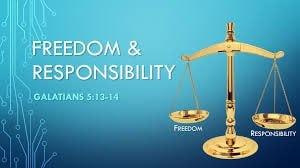
Freedom of expression does not equal freedom from responsibility.
Conclusion
Not all social media users are journalists.
But all social media users participate in shaping the public information environment.
In an era when everyone can publish, society does not merely need freedom of speech—it needs informed, ethical, and responsible speech.
Every time someone presses “Post,” they are not speaking only to themselves. They are entering the public sphere—where truth and public safety depend on individual judgment.
Freedom of expression is not freedom without accountability.