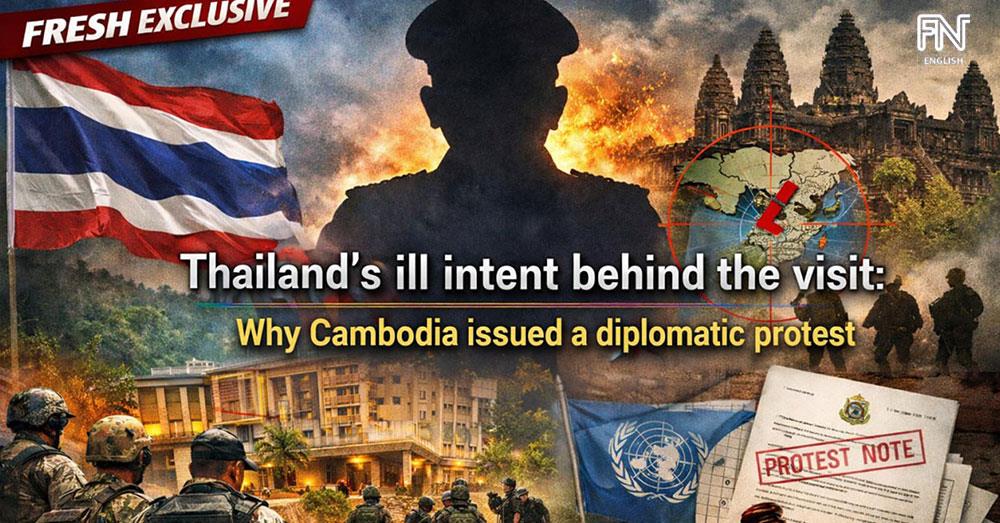
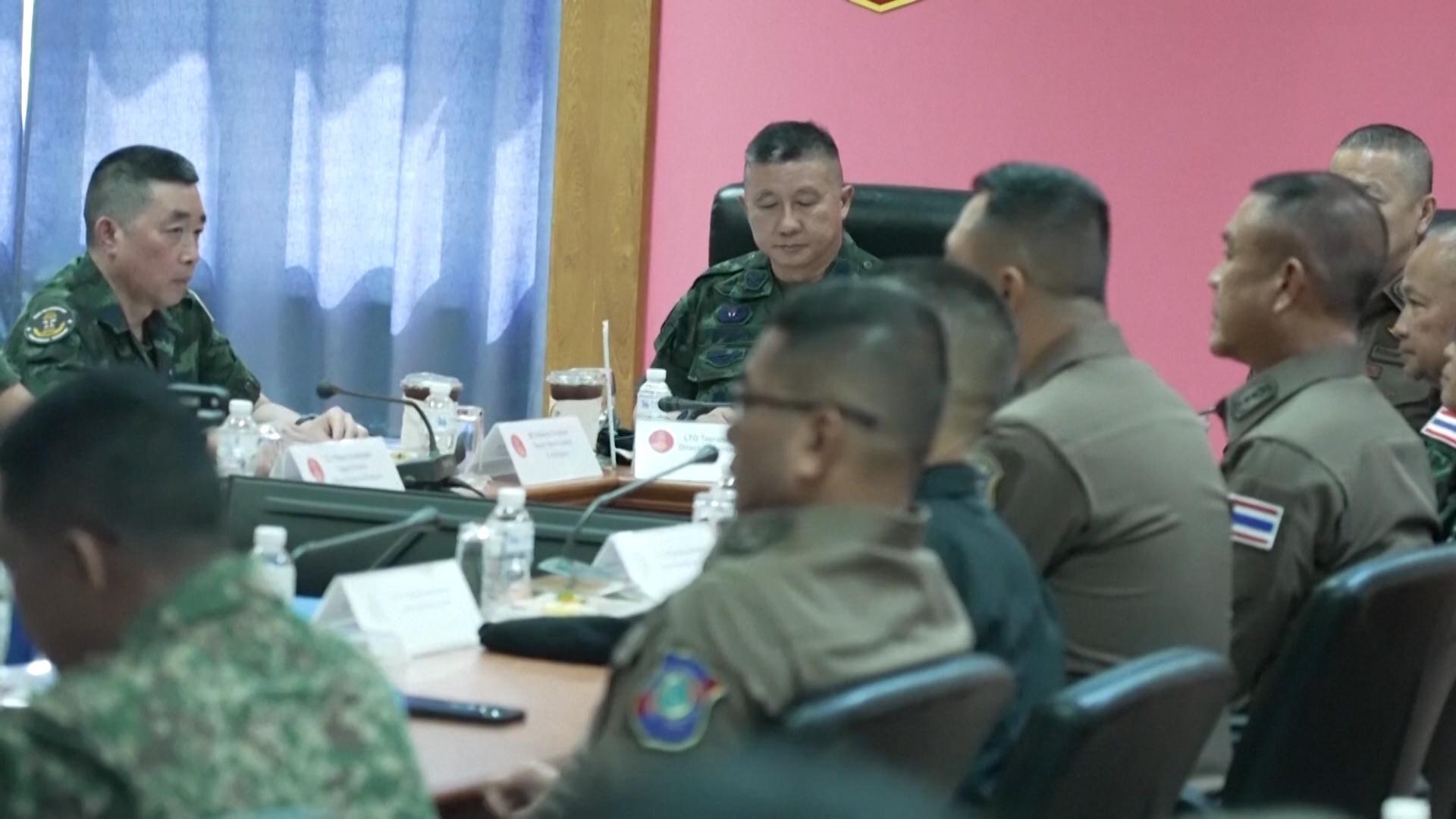
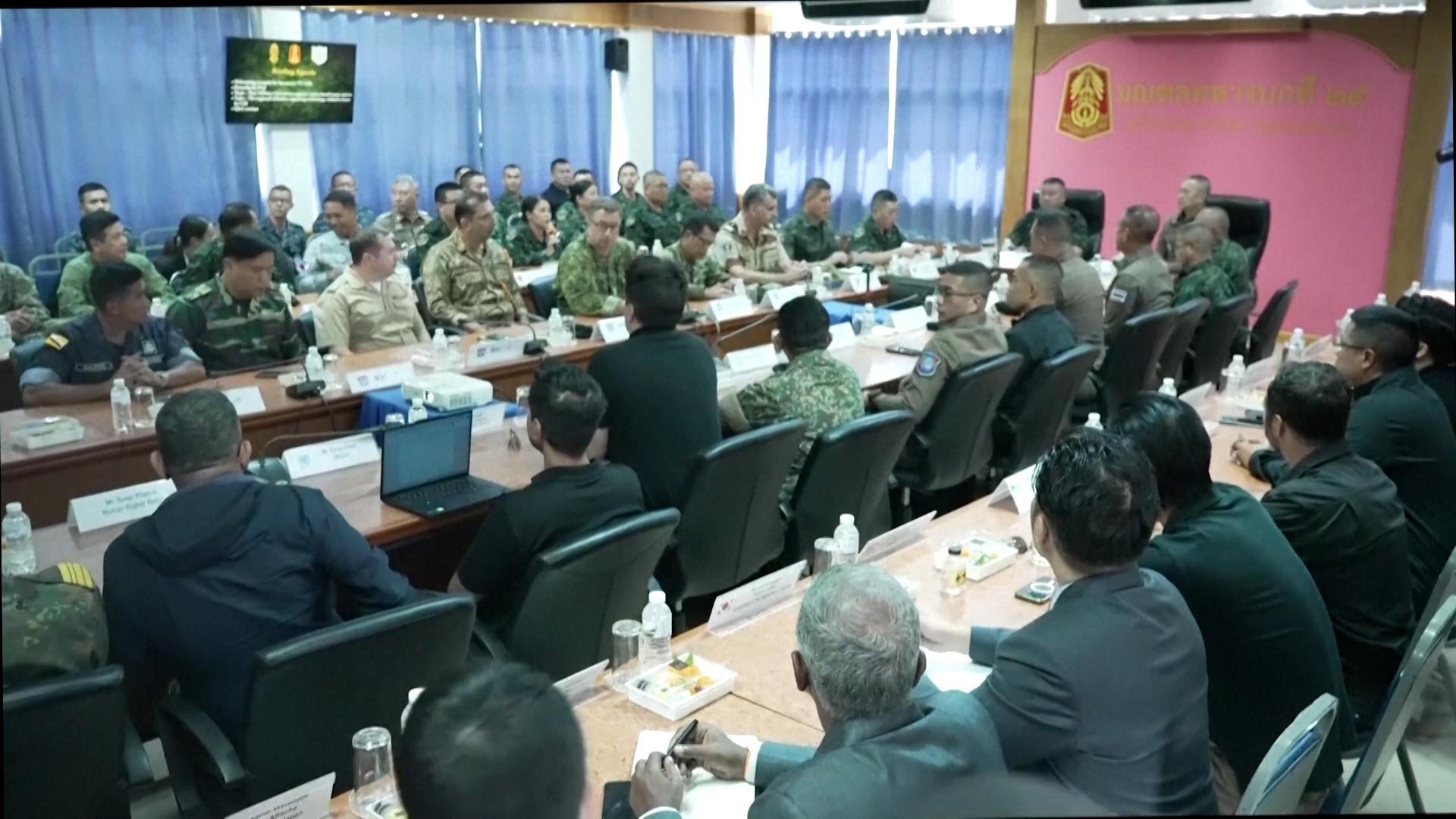
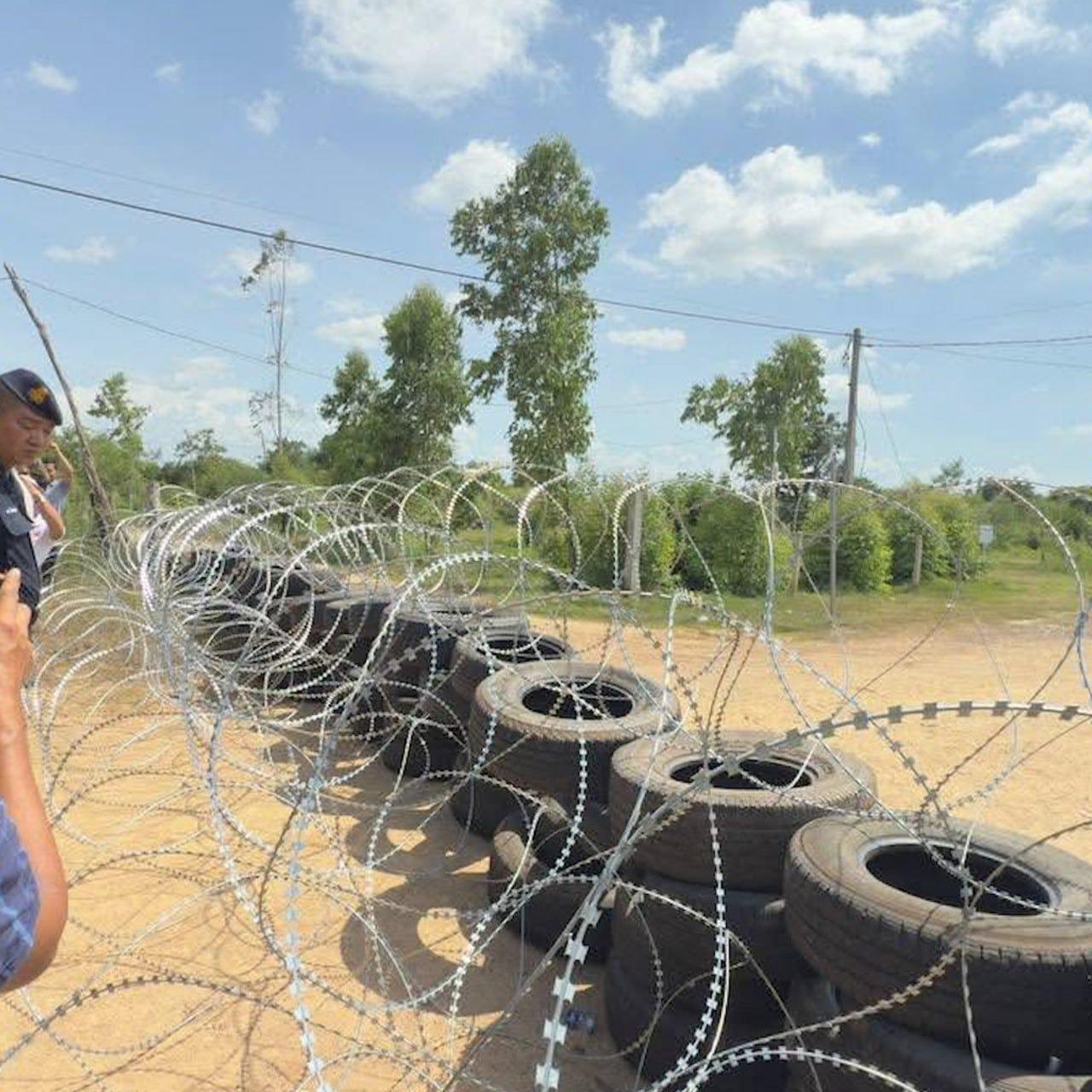
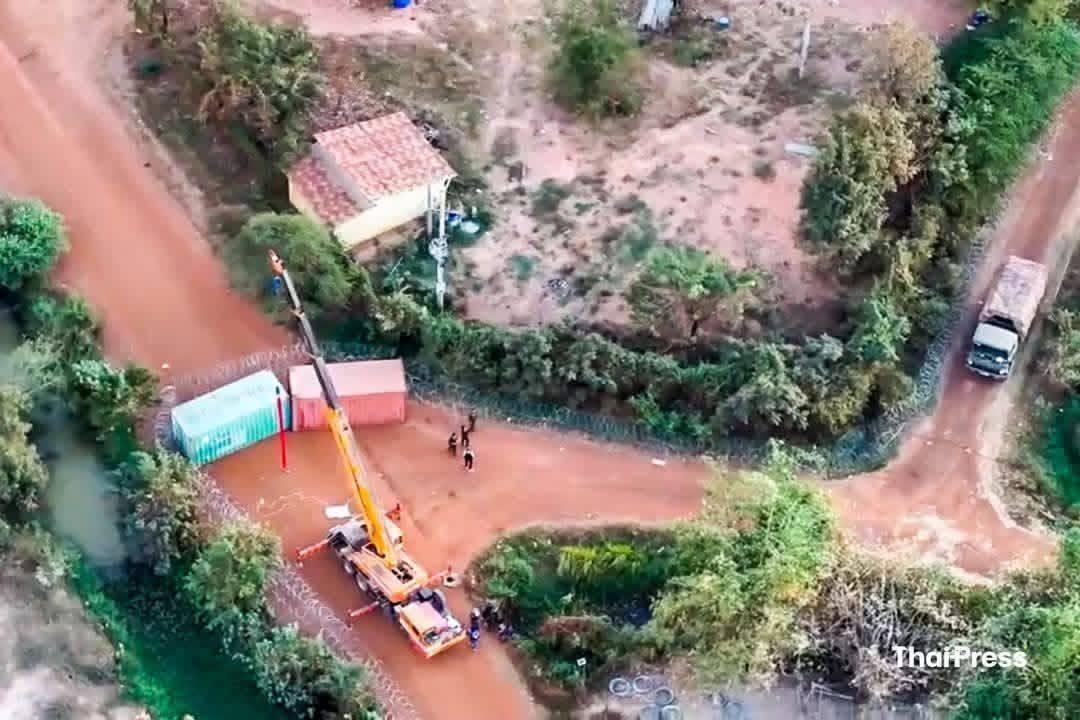
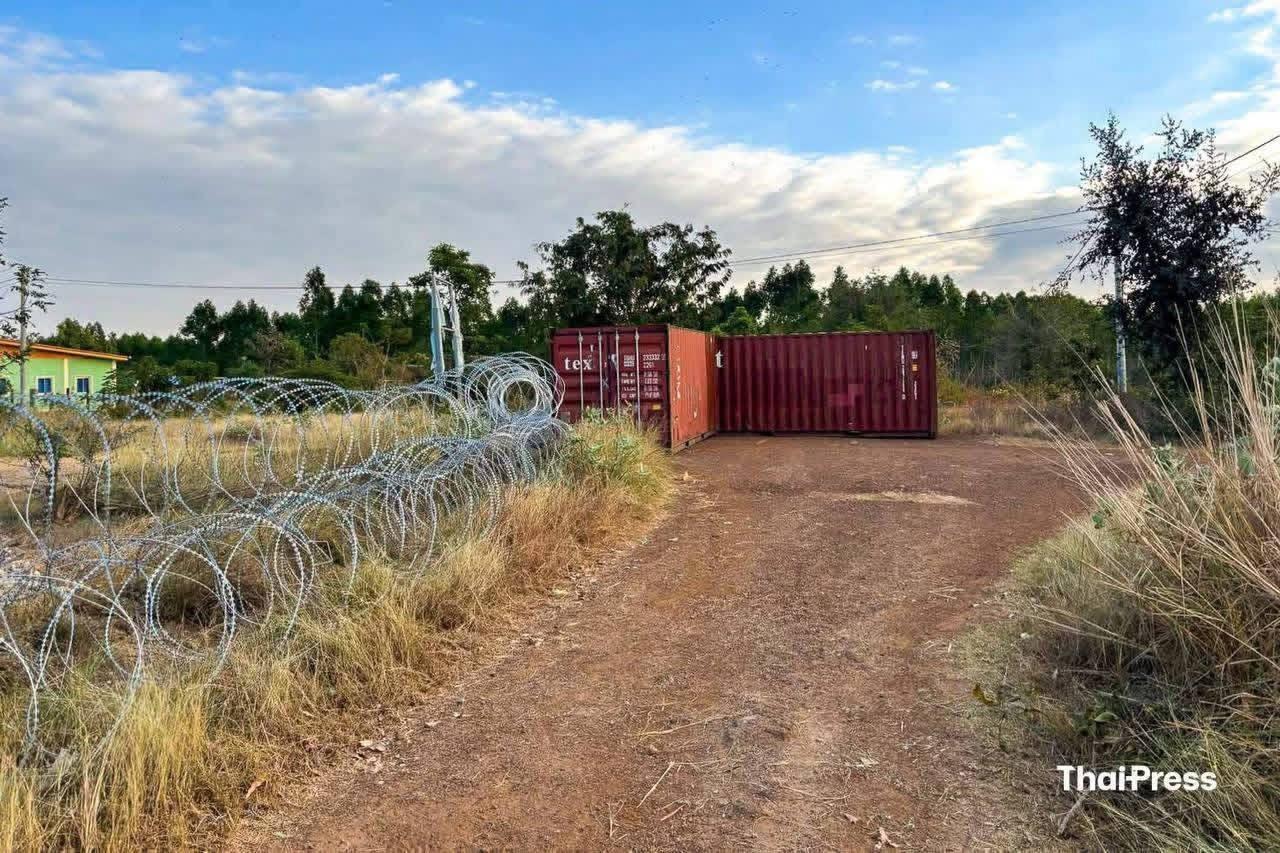
(Phnom Penh): Why would a country bring a group of foreign military attachés and its own law-enforcement officials to conduct a so-called “inspection visit” on the territory of a neighboring state without permission?
Is it an official mistake—or a misunderstanding of international law? Or is it, in fact, an intention deliberately hidden behind the ordinary word “visit”?
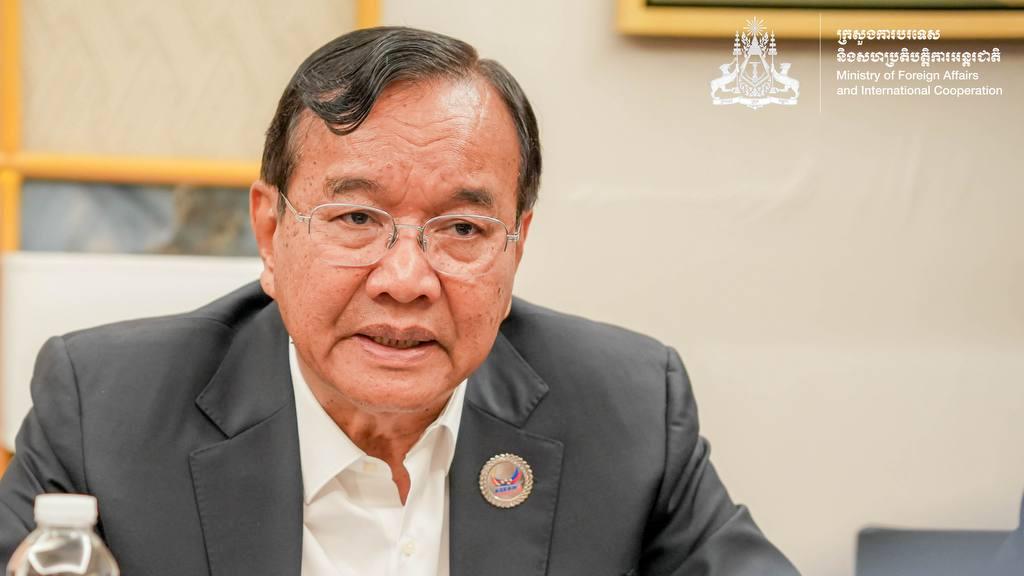
These are not merely questions for journalists or analysts. They are questions that the Royal Government of Cambodia has been answering—formally and diplomatically—and that answer is a diplomatic protest note issued by the Ministry of Foreign Affairs and International Cooperation, because Cambodia cannot remain silent.
Cambodia’s protest was not an emotional reaction to a one-day incident, nor a momentary outburst of anger. It was a strategic response—meant to shut the door on a historical pattern Cambodia has seen repeatedly trying to return: a pattern of opportunism, the creation of faits accomplis on the ground, and attempts to transform violations of sovereignty into “legal” claims through the passage of time.
A “Visit,” or the Illegal Exercise of Power Through Force?
Under international law, a state’s border and sovereign territory are not places where others may “drop in” or “inspect” at will, without the consent of the sovereign government. Borders are not political tourism zones, nor testing grounds for power. They are a clear line representing sovereignty, the equality of states, and the integrity of the international order.
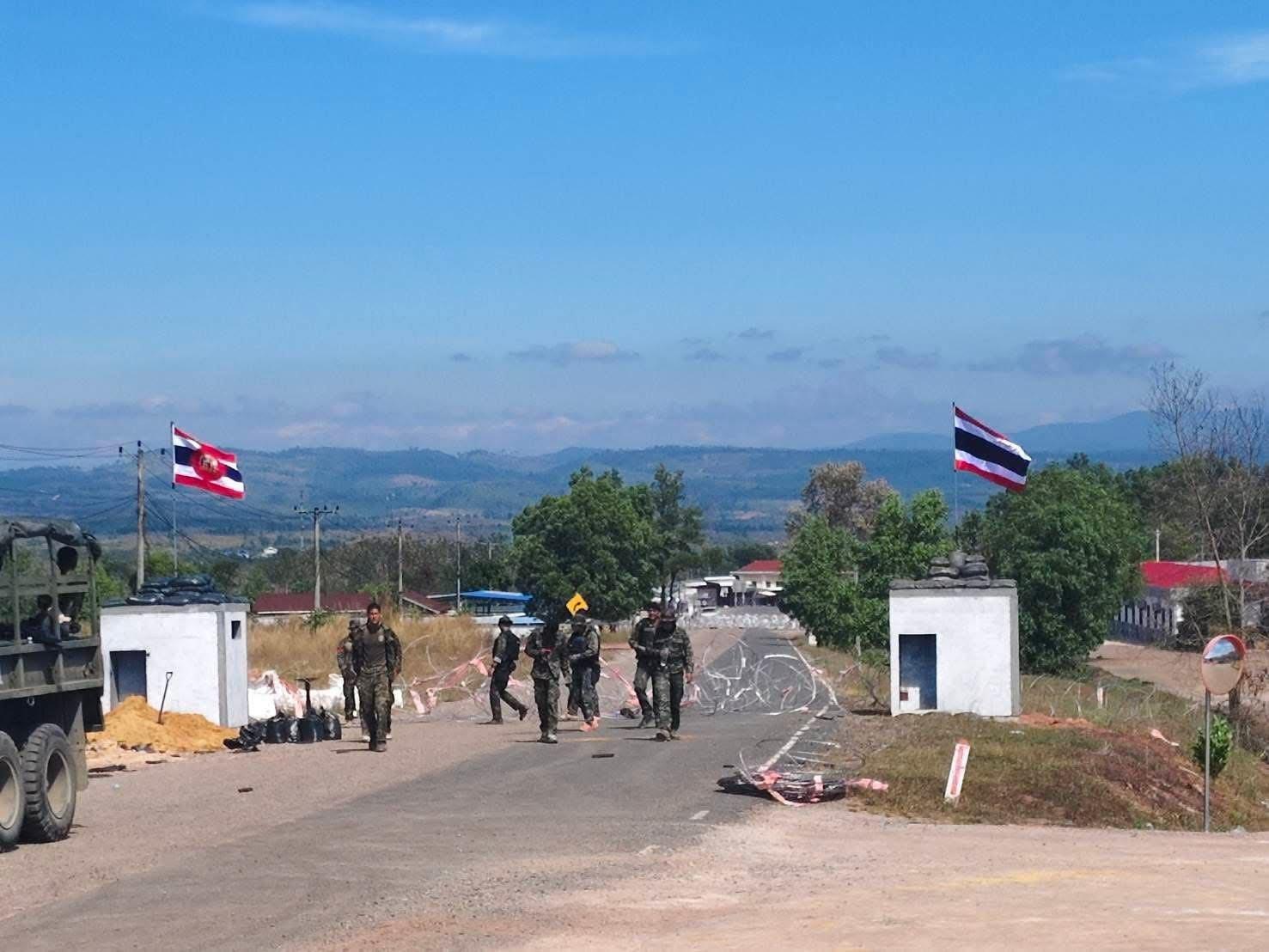
In its protest note dated 3 February 2026, Cambodia’s Ministry of Foreign Affairs stated that the inspection visits at two hotels located near the O’Smach checkpoint in Oddar Meanchey Province, conducted on 2 February 2026, “were carried out without the consent of the Royal Government of Cambodia, constituting a violation of Cambodia’s sovereignty and territorial integrity.”
Therefore, the act of bringing foreign military attachés and law-enforcement officials to inspect sites within Cambodian sovereign territory—without Cambodia’s approval—cannot be treated as a normal visit. It represents the unlawful exercise of one state’s authority on another state’s territory, an act that in practical terms constitutes a violation of sovereignty and territorial integrity.
Such conduct cannot be explained away as administrative confusion or a lack of coordination. The movement of military personnel and foreign attachés into a sensitive area is inherently deliberate, planned, and purposeful. In the language of law and international politics, it is an attempt to establish facts on the ground—to convert a violation into a matter that can later be claimed, negotiated, or “normalized.”
Why Cambodia Cannot Ignore It?
Because in international relations, silence is not neutrality. Silence can be interpreted as passive consent, or as tacit acceptance. What is overlooked today may become a legal chain that restricts a country’s position tomorrow.
That is why Cambodia’s protest is not an act of escalation or political exaggeration. It is the defense of a red line of sovereignty—and a firm refusal to allow unlawful force-based behavior to become a “new normal” on Cambodian soil.
What Intent Lies Behind the “Visit”?
Historically, such actions are not new. In earlier periods, the construction of buildings, the installation of administrative control, or the development of infrastructure on Cambodian land were used to create the impression that “this land is effectively controlled,” even when that control was gained through force and opportunism.
In the 21st century, although methods are adapted to modern circumstances, the core intent has not changed. Bringing military guests and foreign military attachés to conduct site visits along Cambodia’s border cannot be dismissed as goodwill or routine technical activity.
In reality, the core objective is not the inspection of hotels or civilian sites. It is to project an image of “reality on the ground”—facts on the ground—which some may believe can later be used as political and diplomatic leverage, aiming to transform a sovereignty violation into a dispute to be claimed or negotiated over time.
In this sense, the “visit” is not the goal. It is the means—a modern form of an old pattern which history has repeatedly proven cannot prevail over international law and justice.
Why Cambodia Had to Issue a Diplomatic Protest “Immediately”?
In today’s world, real power is not found only on the ground. It is also found in documents, official records, and timing. Time is a crucial element in international law: what is not protested or recorded in a timely manner may be interpreted as passive acceptance, or at least as allowing one side to shape a one-sided narrative.
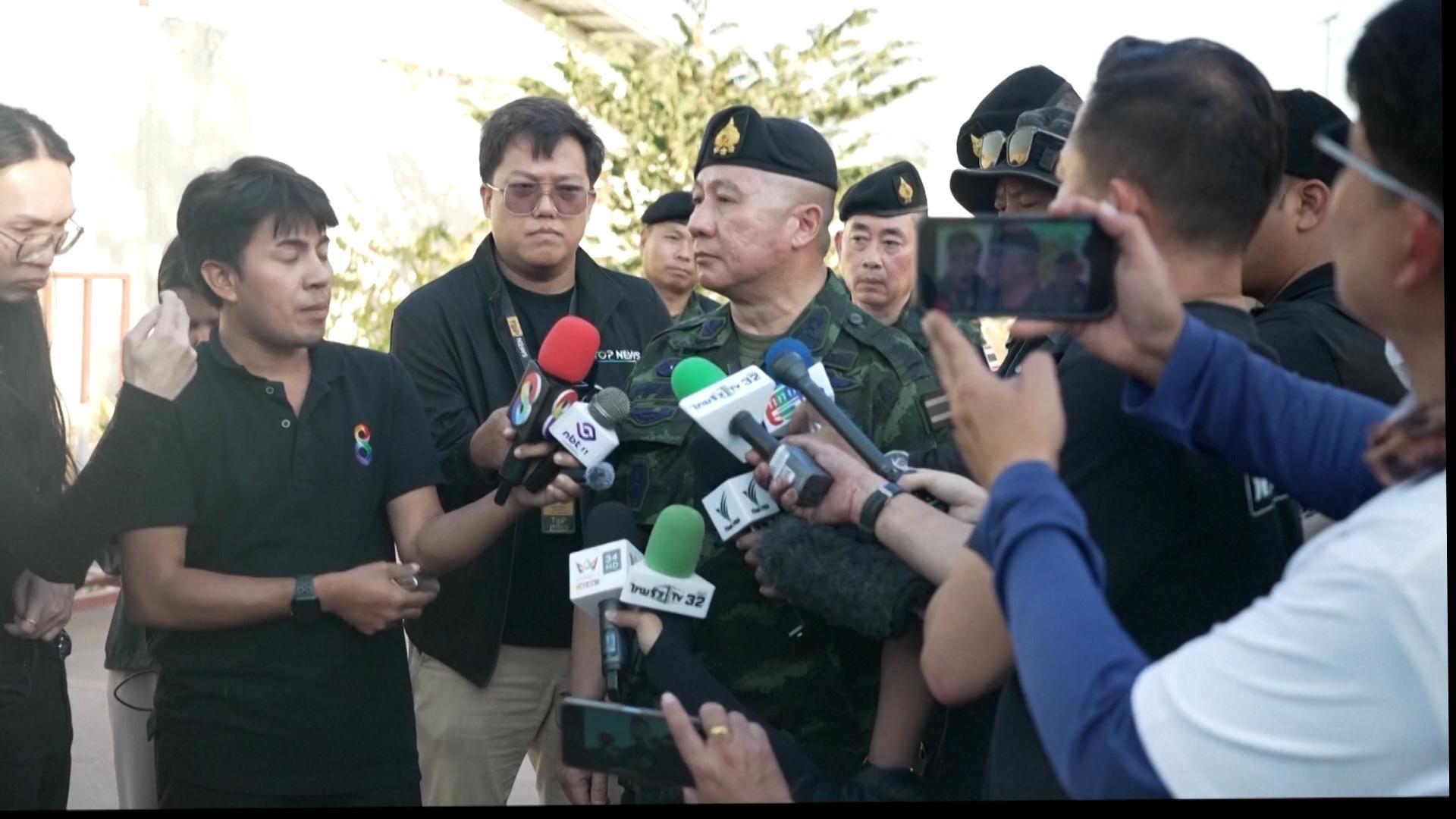
The protest note further stated that Cambodia “categorically rejects and strongly objects to operations carried out by Thai armed forces, including Thailand’s unlawful exercise of sovereignty through the organization of such visits… which violate the UN Charter and the ASEAN Charter, and constitute an attempt to legalize its occupation of Cambodia’s sovereign territory.”
Issuing a protest note immediately means Cambodia is converting actions on the ground—carried out when regional and global conditions are unsettled—into facts on record that cannot later be erased or denied. It is the act of capturing the moment before an unlawful act is gradually reframed as “normal” through silence or delay.
More importantly, a diplomatic protest is a way to block the path of claims based on effective control. Without formal objection, an occupying party may later argue that it acted with permission, or that the sovereign state did not oppose the act. Cambodia’s protest note locks that legal door from the outset.
At the same time, timely protest sends a clear message to the international community: Cambodia does not recognize and will not allow any interpretation suggesting Thailand is the owner of that land or has any right to exercise authority there. It draws a legal red line: this dispute cannot be resolved by force or by manufacturing new “realities” on the ground.
Therefore, the immediate protest was not haste or emotion. It was a carefully calculated move to protect sovereignty today—and prevent legal liabilities tomorrow. In the 21st century, a country that is slow to document and object risks losing rights through its own inaction.
Diplomatic Protest Protects the Future, Not Only the Present
History has shown at least twice that Cambodian land seized through unlawful violence cannot become permanent lawful ownership. When international law and global order return to proper function, territories held through force and opportunism are compelled—by law and international pressure—to return to their rightful owner.
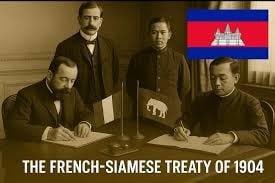
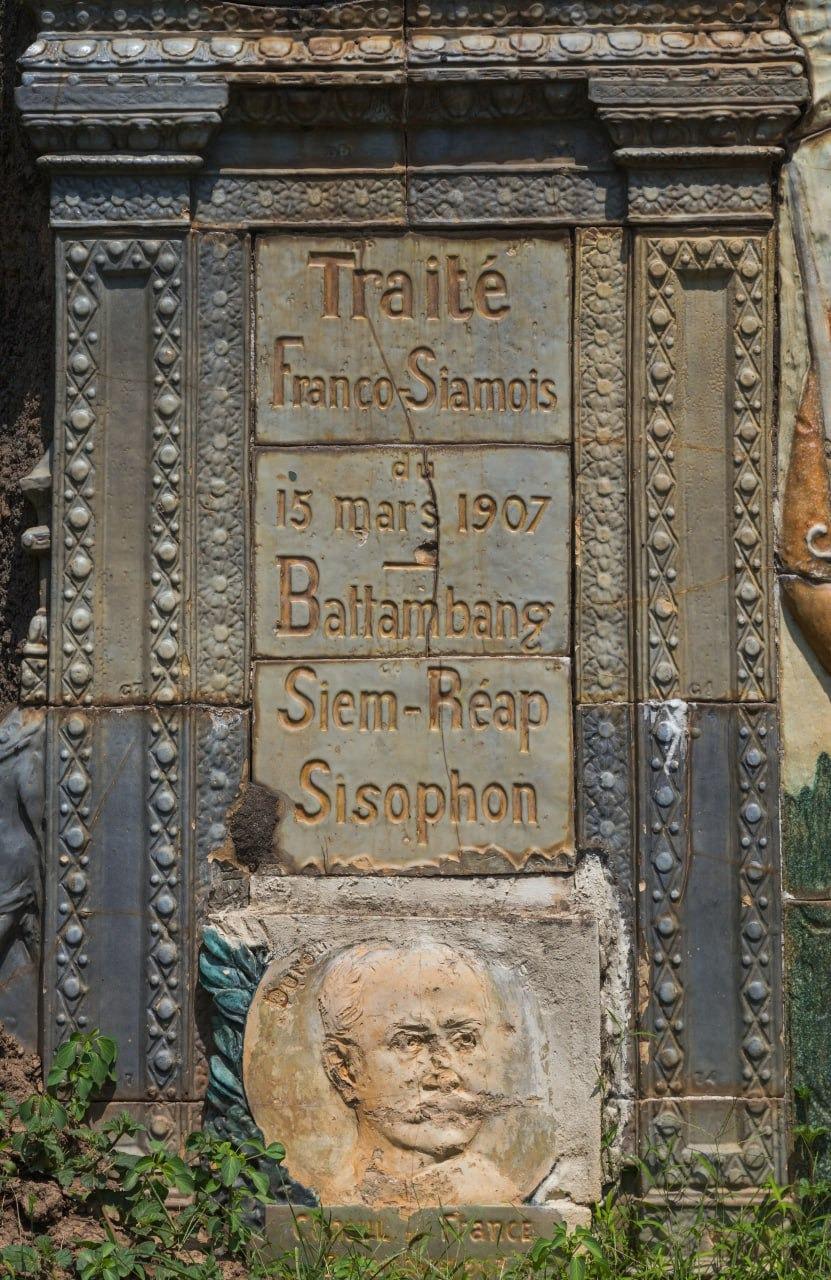
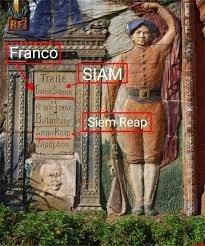
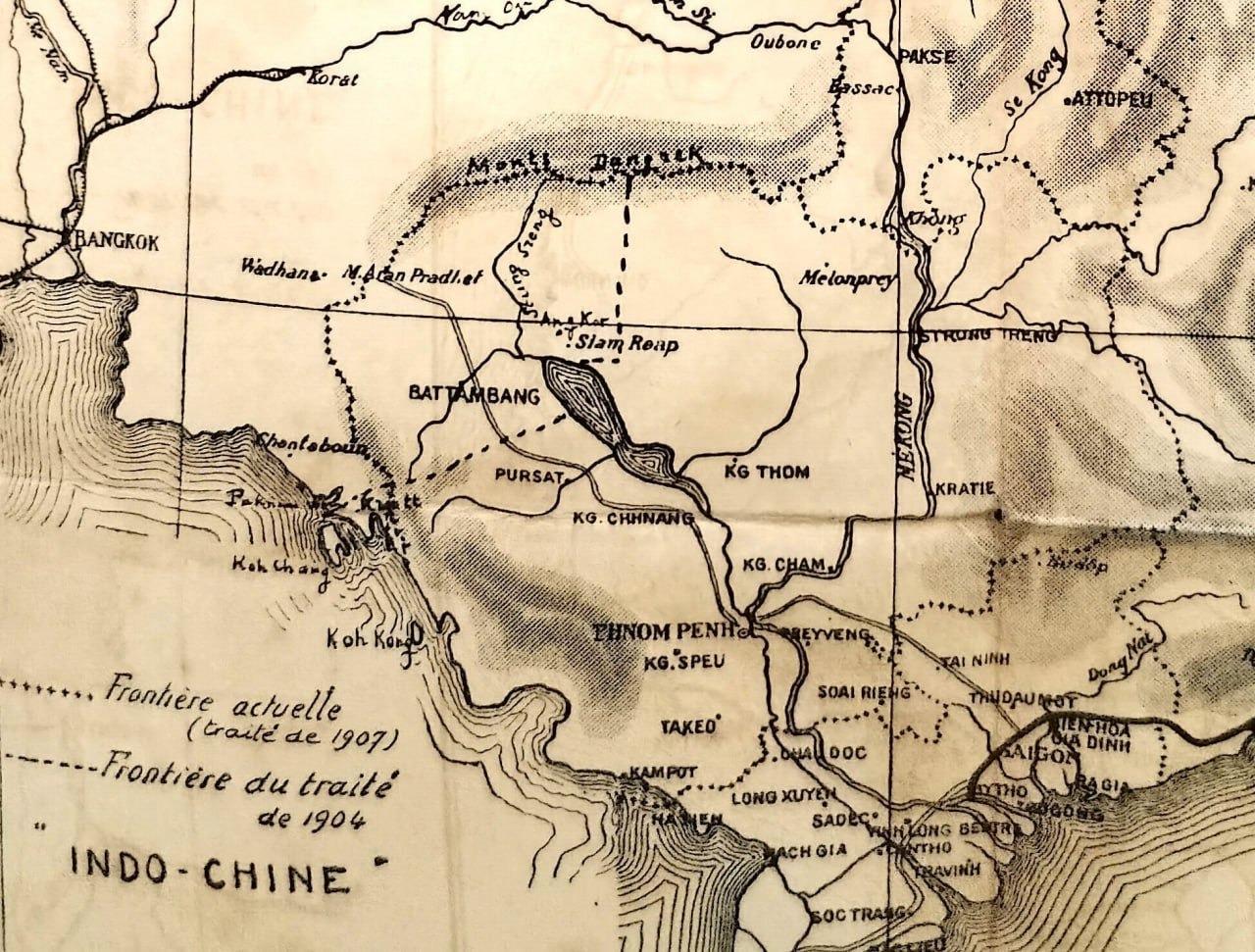
In 1794, Cambodia’s aggressor seized Battambang and Siem Reap, including the Angkor area, and controlled them for more than a century. Yet when the international system began formalizing borders under French colonial administration, Siam was compelled to return those territories to Cambodia through the Franco-Siam treaties of 1904 and 1907.
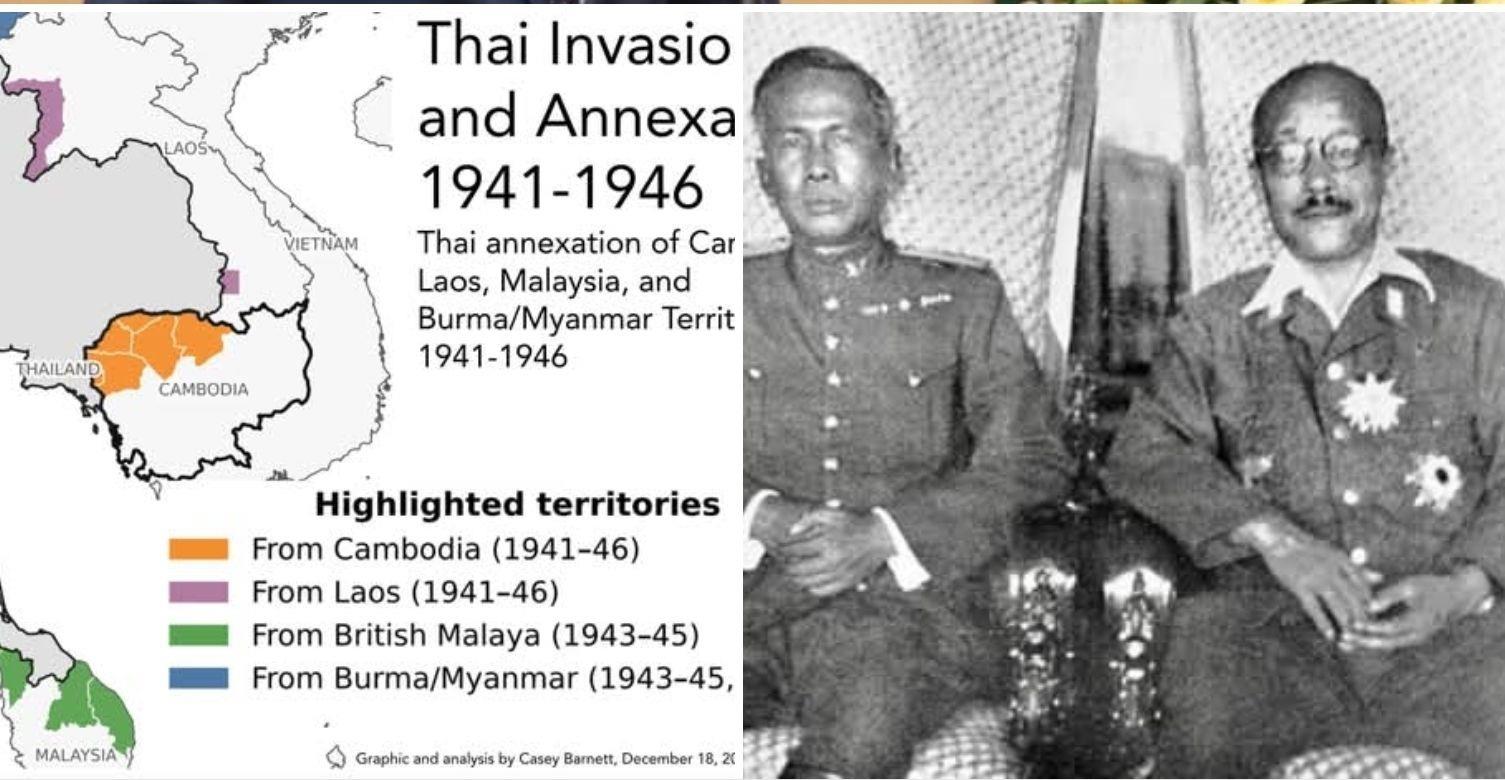
Later, during World War II (1941–1946), through collusion with Imperial Japan, Thailand opportunistically reclaimed Battambang and Siem Reap. But after the war ended in 1946, when the international system and legal order resumed in earnest, Thailand faced international pressure and was compelled to sign an agreement returning those territories to Cambodia without conditions.
These historical patterns created a strong legal foundation: Thailand can no longer use wartime excuses or global disorder as a basis to claim Cambodia’s sovereign territory.
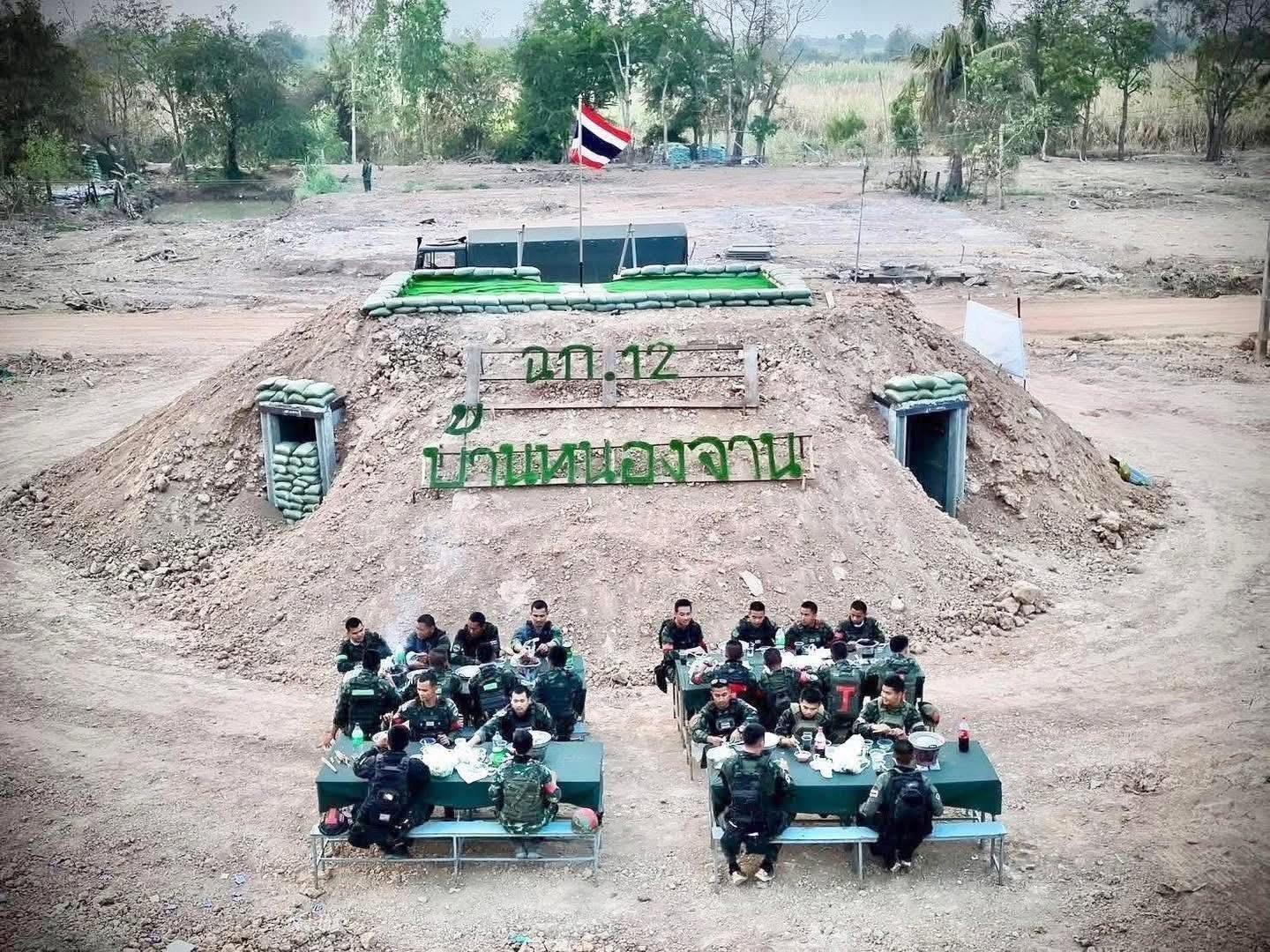
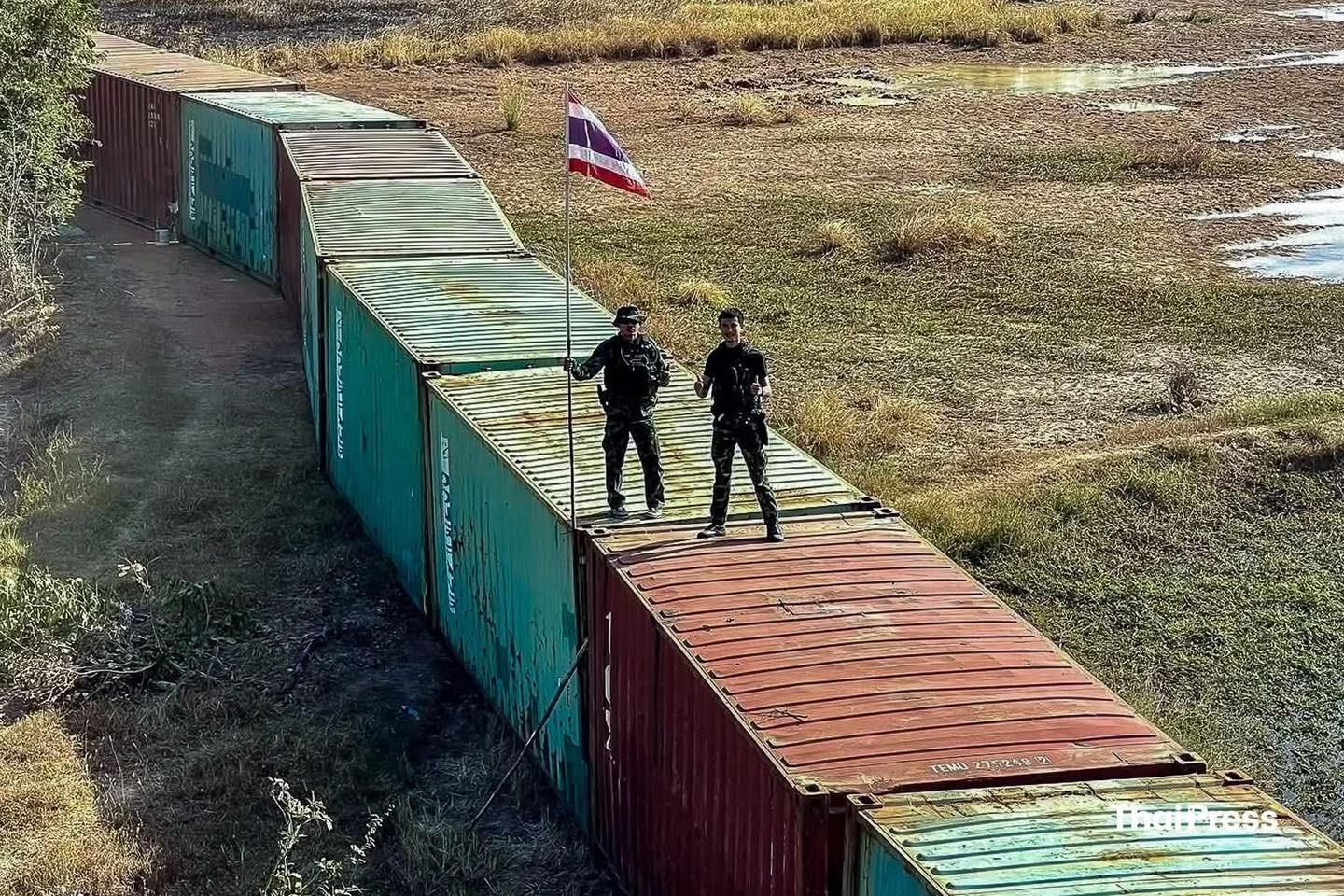
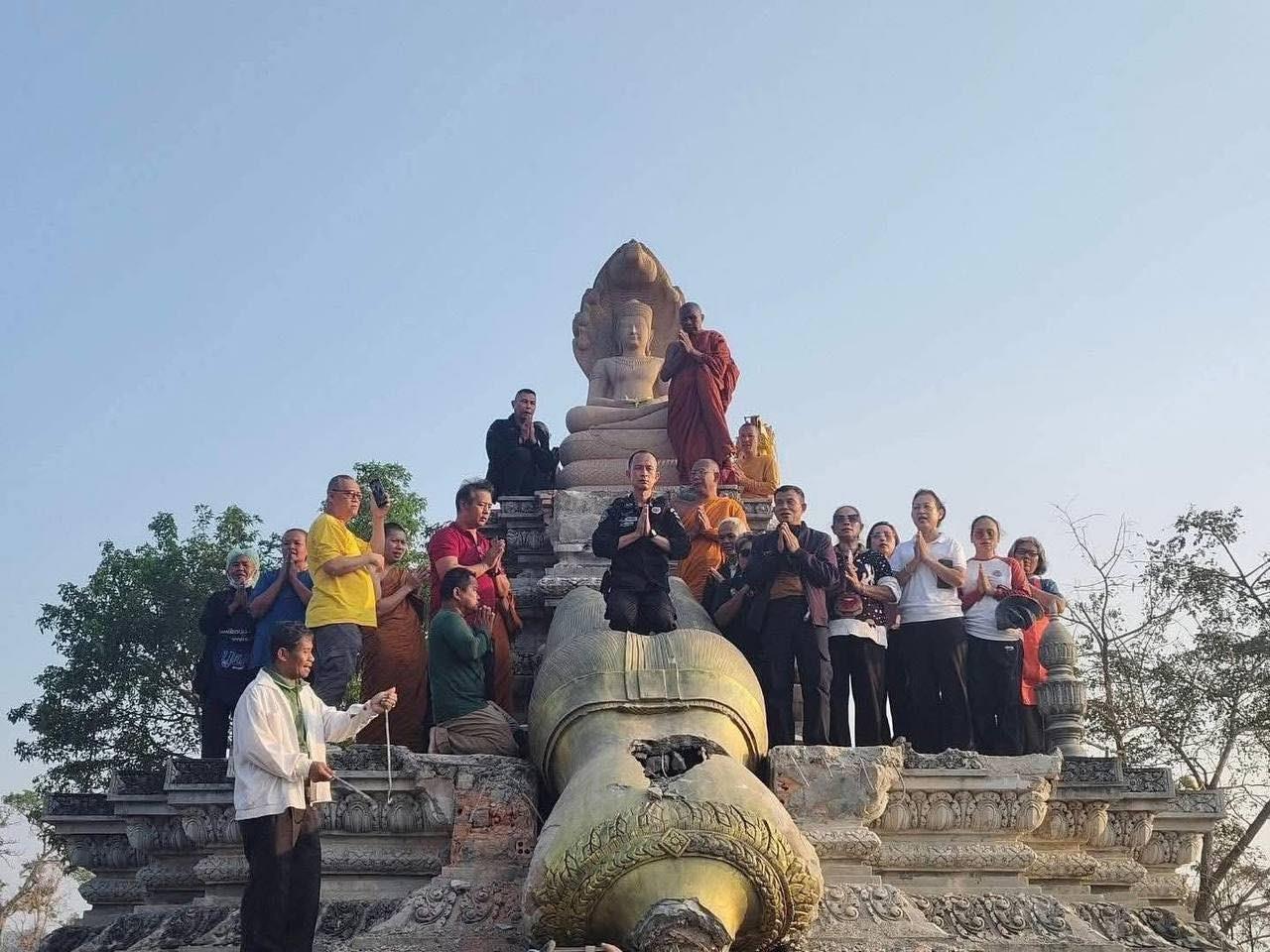
Yet in the 21st century—at a time when the global security architecture and international order are shaken—Thailand has again sought to exploit instability, continuing coercive methods, occupying land, and staging “on-the-ground scenes” in areas taken from Cambodia in order to influence international public perception and make it appear as Thai territory.
In this context, Cambodia’s diplomatic protest is not an attempt to provoke conflict, nor an emotional declaration of hostility, as Thailand has alleged. Rather, it is a strategic closure of the door—preventing Thailand from reusing old tactics of manufacturing facts on the ground to distort history and claim Cambodian land once again.
Conclusion
When the bringing of foreign attachés to conduct a “visit” on Cambodian territory in Oddar Meanchey is used for such improper purposes, Cambodia’s silence would no longer be neutrality—it would become passive participation in Thailand’s benefit. That is precisely why Cambodia’s Ministry of Foreign Affairs could not remain silent.
Cambodia’s diplomatic protest note is a defense of Cambodian territory in both the present and the future. In the 21st century, history cannot be rewritten through unlawful force to seize the territory of a UN member state. What Thailand has “plundered” through violence and opportunism may be held temporarily, but it cannot become lawful ownership.
Cambodian territory will inevitably return to its rightful sovereign when the global system of genuine security and justice fully reasserts itself. Cambodia’s diplomatic protest today is not a hostile voice against any state; it is the drawing of a historical line, affirming that national sovereignty cannot be lost for nothing through unlawful violence—and that no area within Cambodia’s borders can be distorted into Thai territory through manufactured realities or any so-called “visit.”