(Phnom Penh): Incitement is not a normal expression of political opinion, nor can it be concealed under the label of “freedom of expression” to undermine the state. At a time when Cambodia is confronting external aggression, incitement has become a modern weapon of warfare—one designed to fracture national unity, erode public trust, and open the door for adversaries to prevail without firing a single shot.
Although the military situation along the border has remained relatively calm in recent weeks, Cambodia cannot assume that the war has ended. Rather, the nature of conflict has evolved—from battlefields on the ground to information warfare, rhetorical warfare, and systematic incitement. These new fronts strike directly at the foundations of social cohesion and public confidence.
At a moment when Cambodia has chosen diplomacy and international law as its path to justice—particularly in responding to external violations—certain opposition figures living abroad have continued to deploy inflammatory rhetoric and disinformation. Instead of contributing to the defense of national sovereignty, their actions aim to sow internal division and weaken the country’s ability to stand firm against external threats.
The Wrong Question That Leads a Nation Toward Ruin
In recent discourse, some opposition actors have repeatedly posed an inciting question on public platforms:
“Should Cambodians continue to live in fear, or should they unite to overthrow the current government?”
At first glance, this may appear to be a call for “change.” Upon closer examination, however, it reveals a deeply dangerous strategy. This question deliberately reframes the real enemy—external aggressors—into a fabricated internal adversary, compelling the nation to turn against itself before any foreign force needs to pull the trigger.
The question Cambodia should be asking is fundamentally different:
When the nation’s territory is under threat, should we unite to defend our sovereignty, or divide ourselves and pave the way for defeat from within?
Appeasing the Enemy: A Path to Internal National Destruction
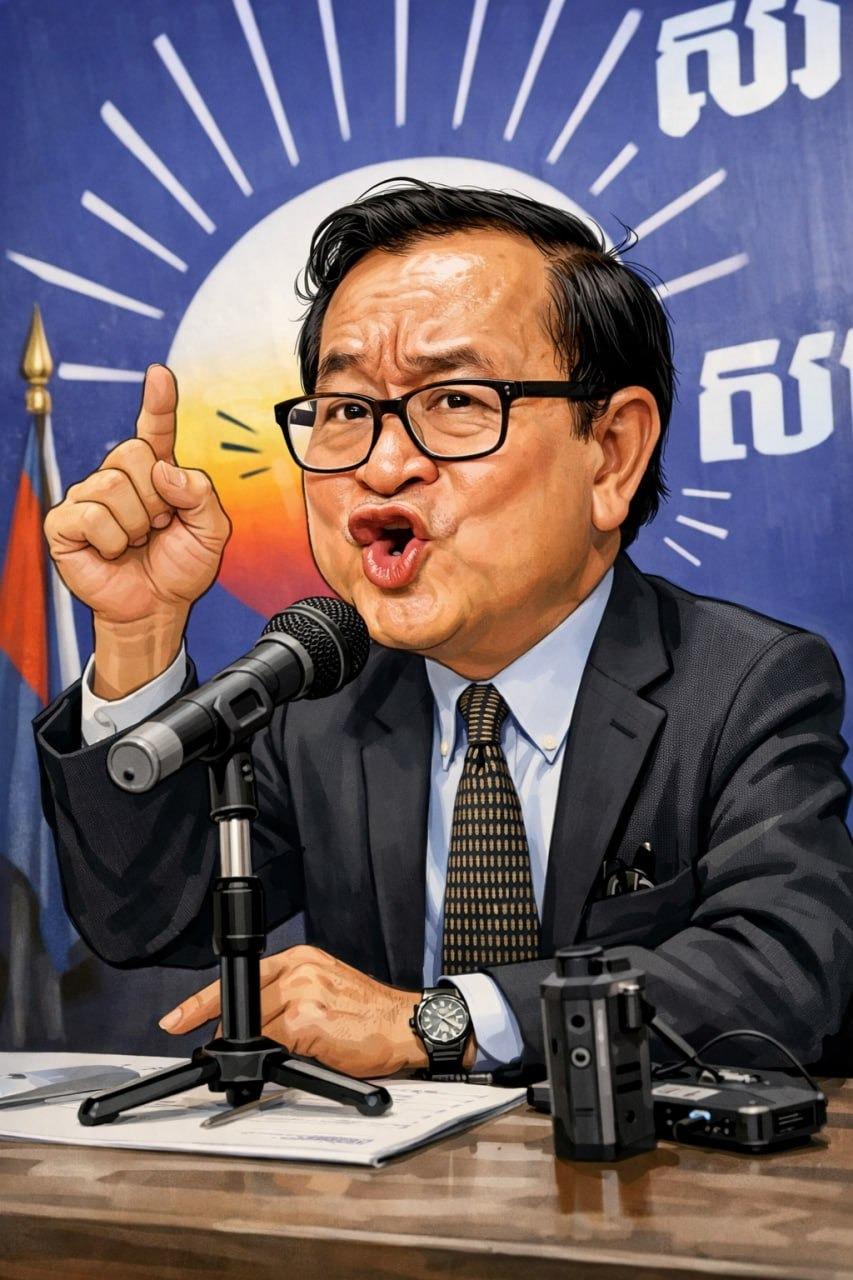
The political approach pursued by Sam Rainsy and his associates today cannot be described as nation-building. Instead, it constitutes a policy of appeasing external adversaries—using their narratives and platforms to advance personal political ambitions at the expense of national interests.
This approach is evident in several concrete actions:
- Amplifying accusations and disinformation promoted by foreign aggressors against Cambodia
- Elevating hostile voices and platforms rather than defending national sovereignty
- Undermining the morale of Cambodian armed forces standing on the front lines of territorial defense
- Disseminating false information to provoke instability and internal fragmentation
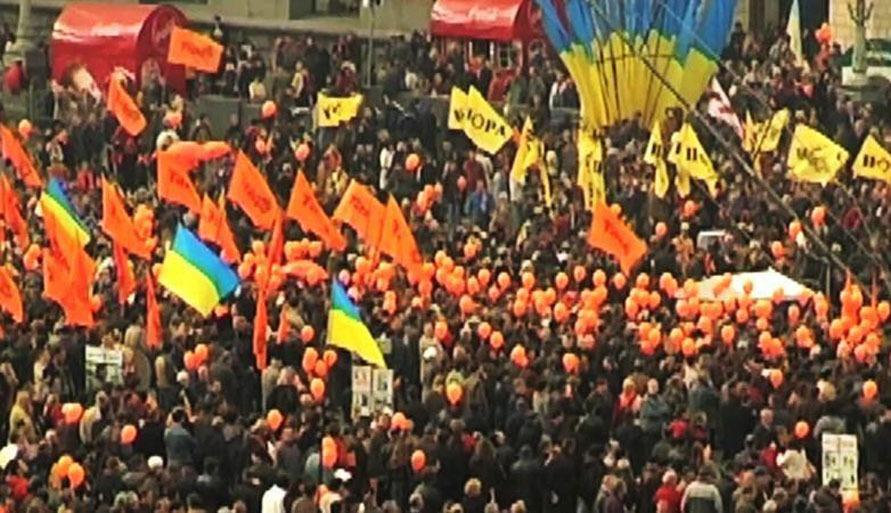
The objective of such tactics is clear: to manufacture chaos and instability, in the hope that during moments of war or crisis, the public and the armed forces will rise against the state—replicating so-called “color revolution” scenarios seen elsewhere.
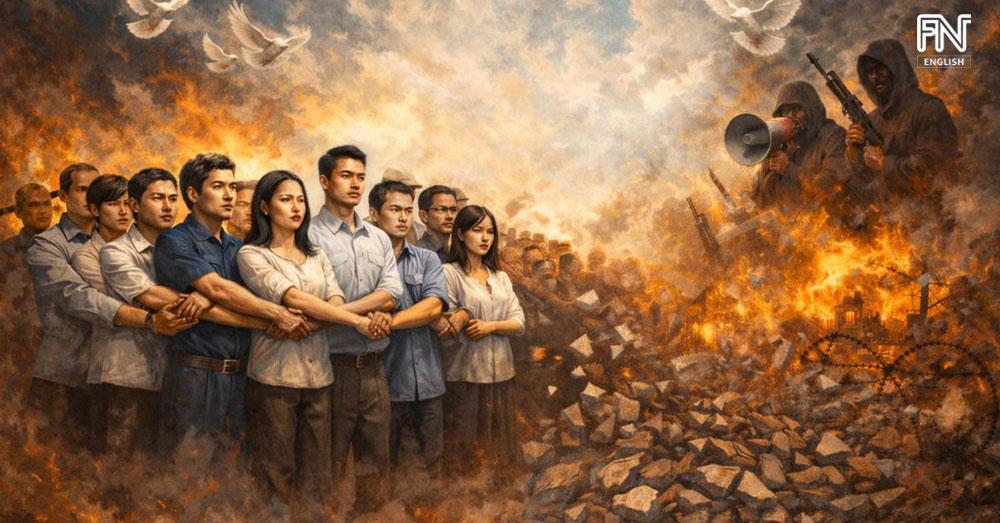
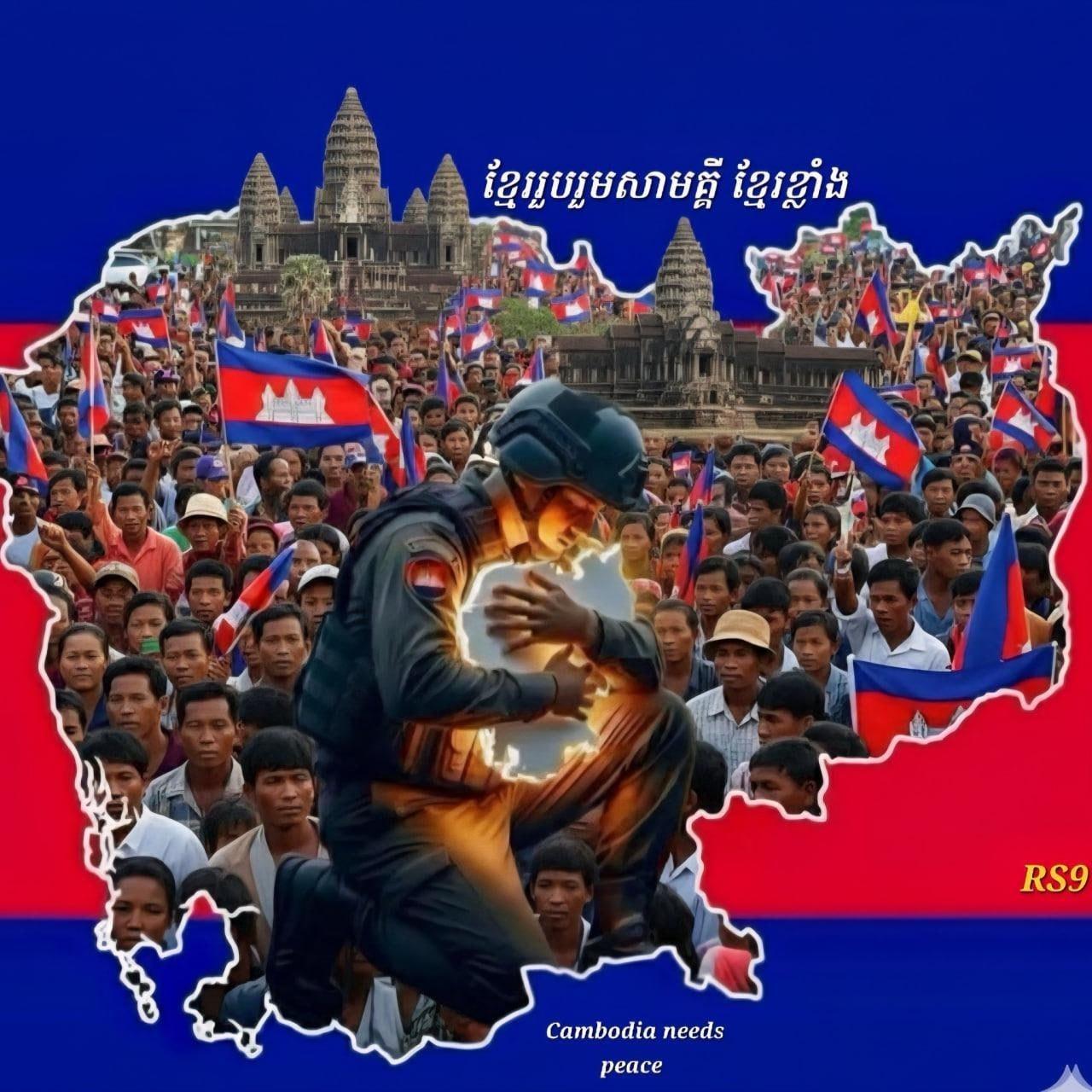
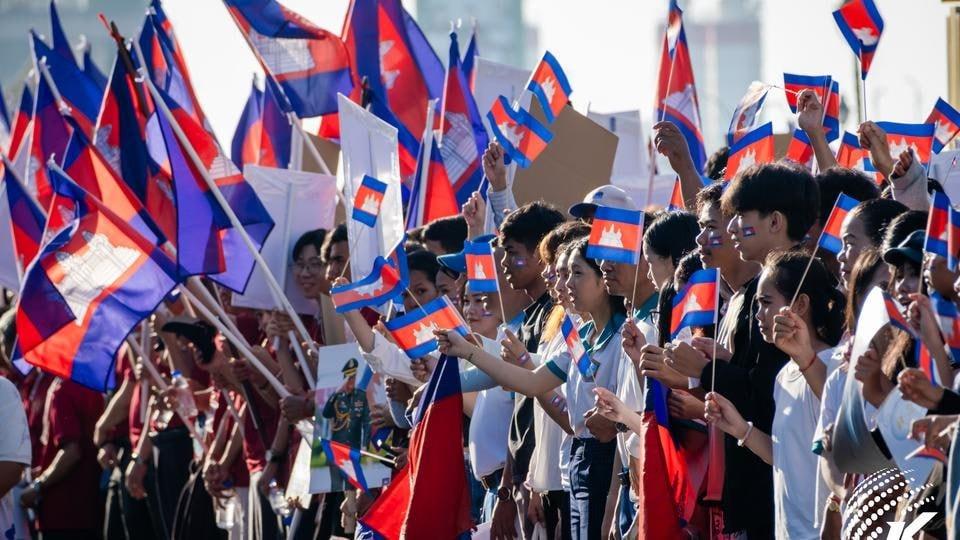
That expectation has failed in Cambodia. A society that clearly recognizes the dangers and intentions of external threats has not chosen division or self-destruction. Instead, the Cambodian people have chosen national unity as their answer—an answer grounded in sovereignty, stability, and the nation’s future.
National Unity: The Cambodian People’s Answer
Throughout its history, Cambodia—a small nation that has endured countless hardships over decades—has never surrendered to pressure or adversity. Whenever the nation has faced danger, the force that has consistently emerged as its defining strength has been national unity.
In the current crisis, the Cambodian people have once again responded not with fear or fragmentation, but with solidarity—bringing together citizens, the armed forces, and the government to safeguard territorial integrity and national stability. This unity has stripped incitement and disinformation of their real power, as society increasingly understands a hard truth: the greatest threat to a nation is not only the enemy from outside, but internal division.
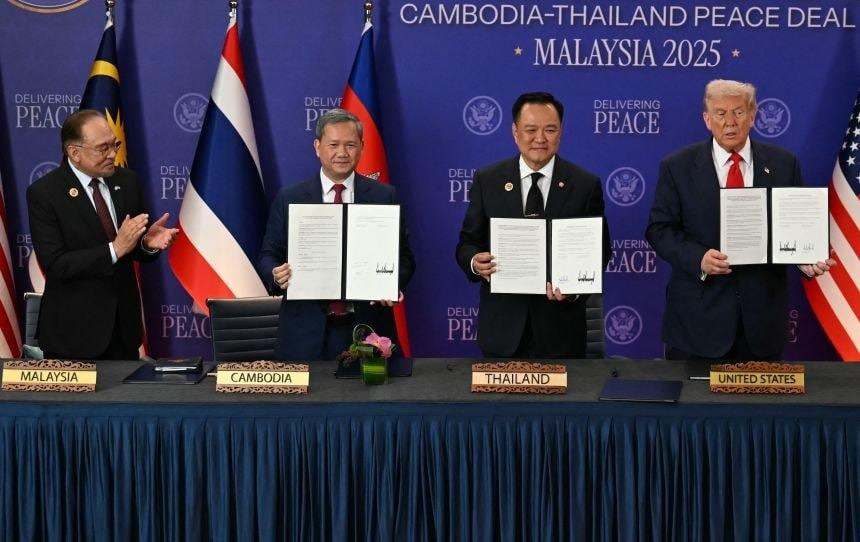
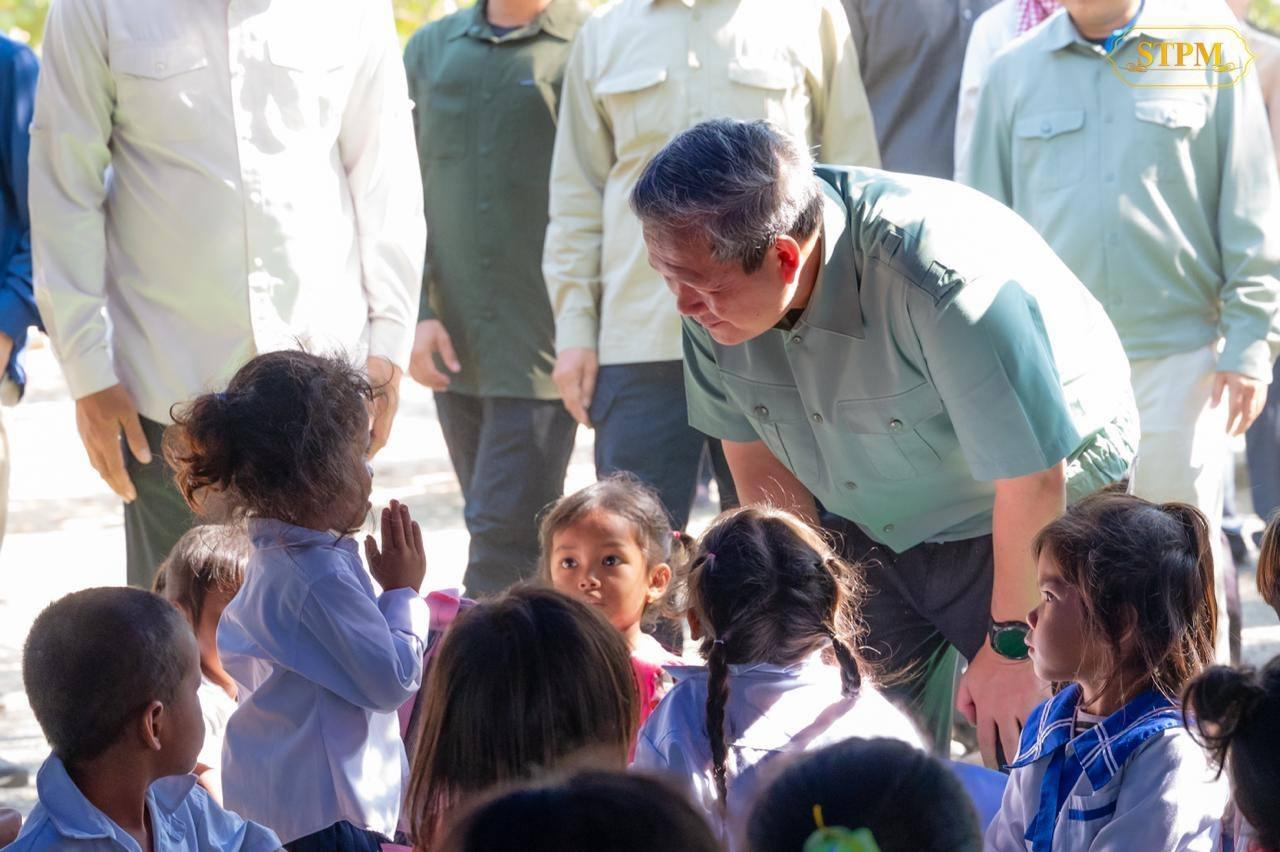
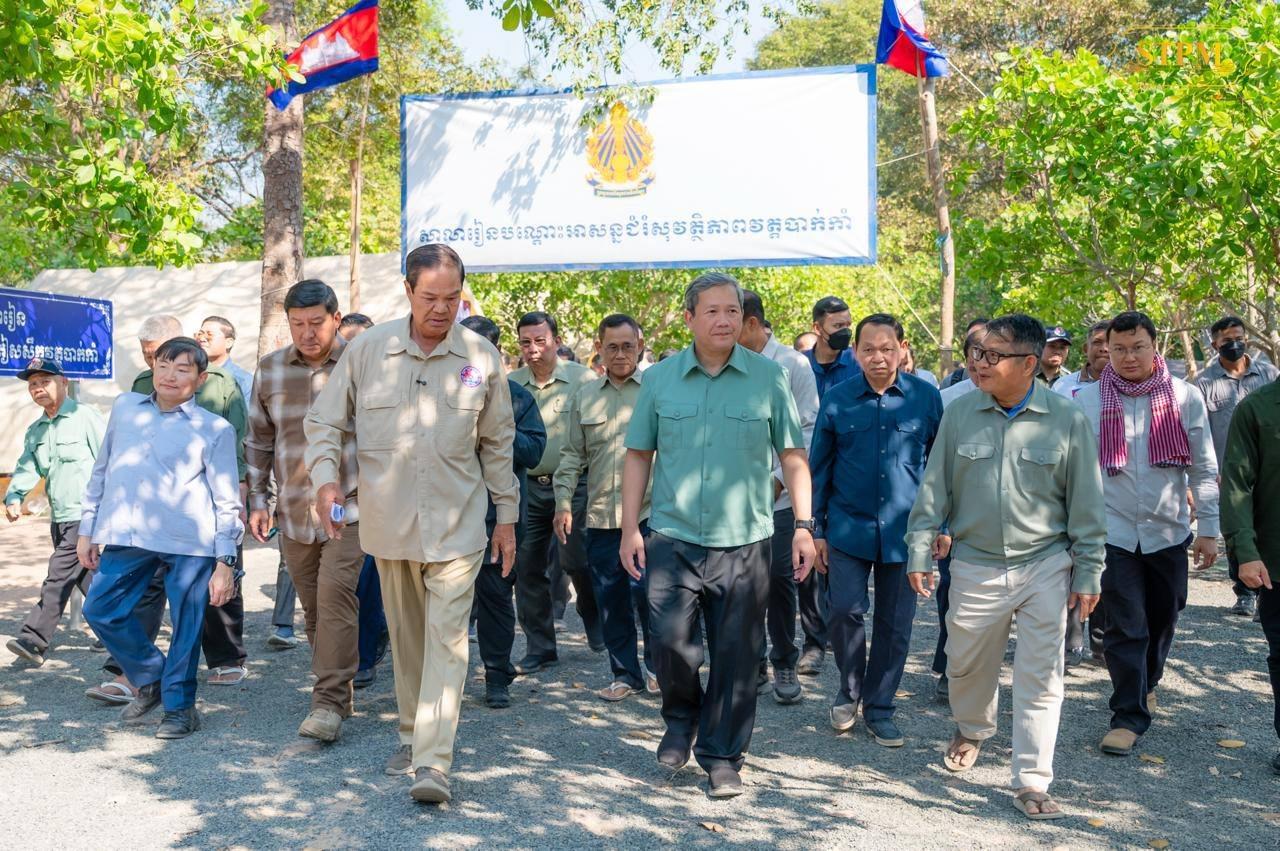
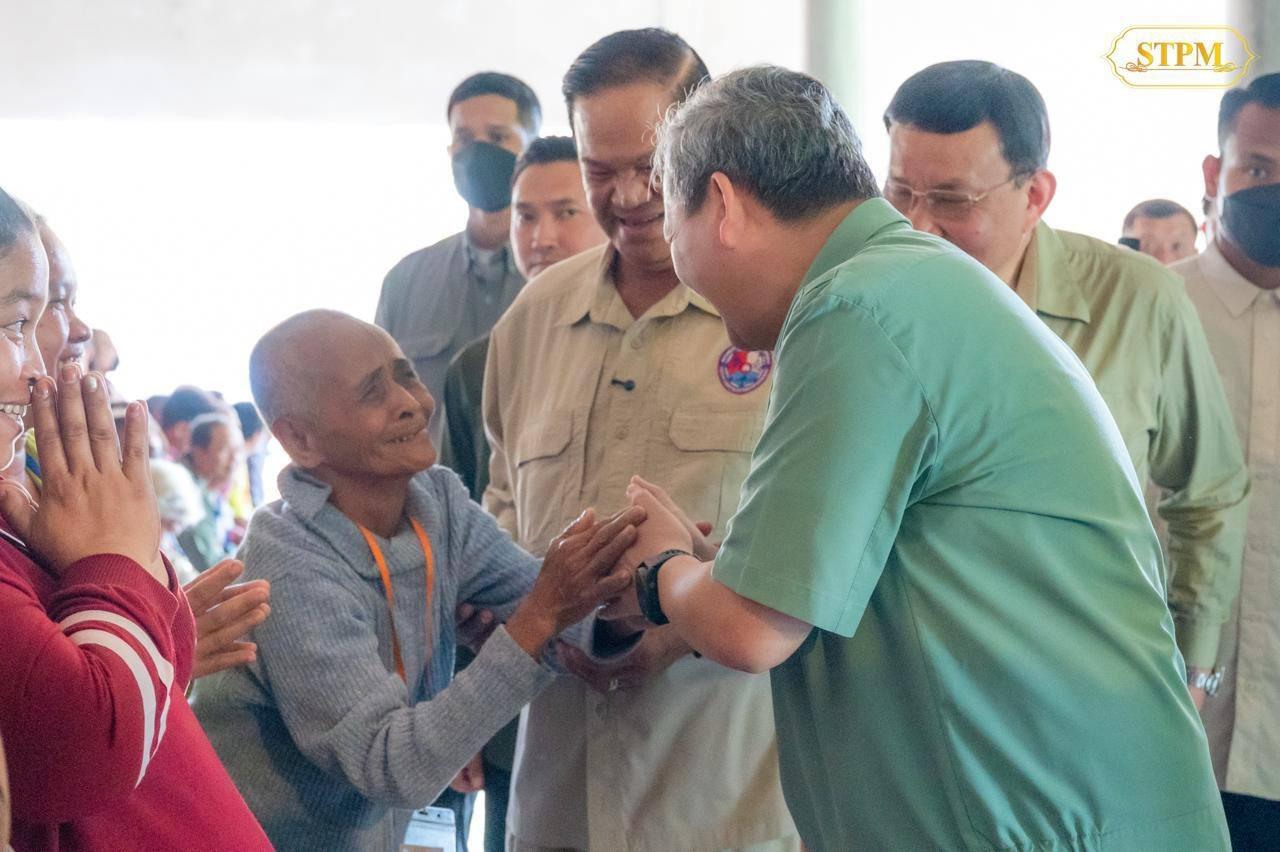
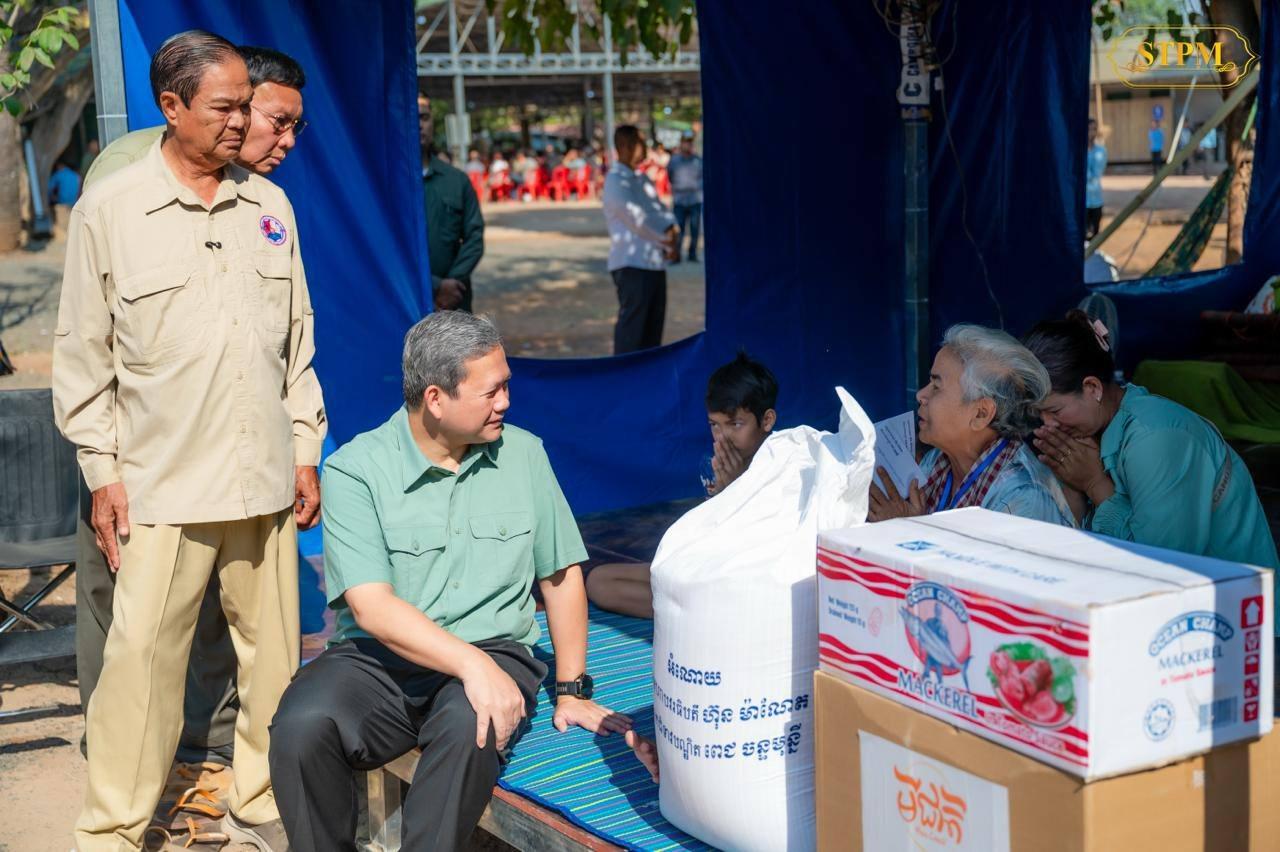
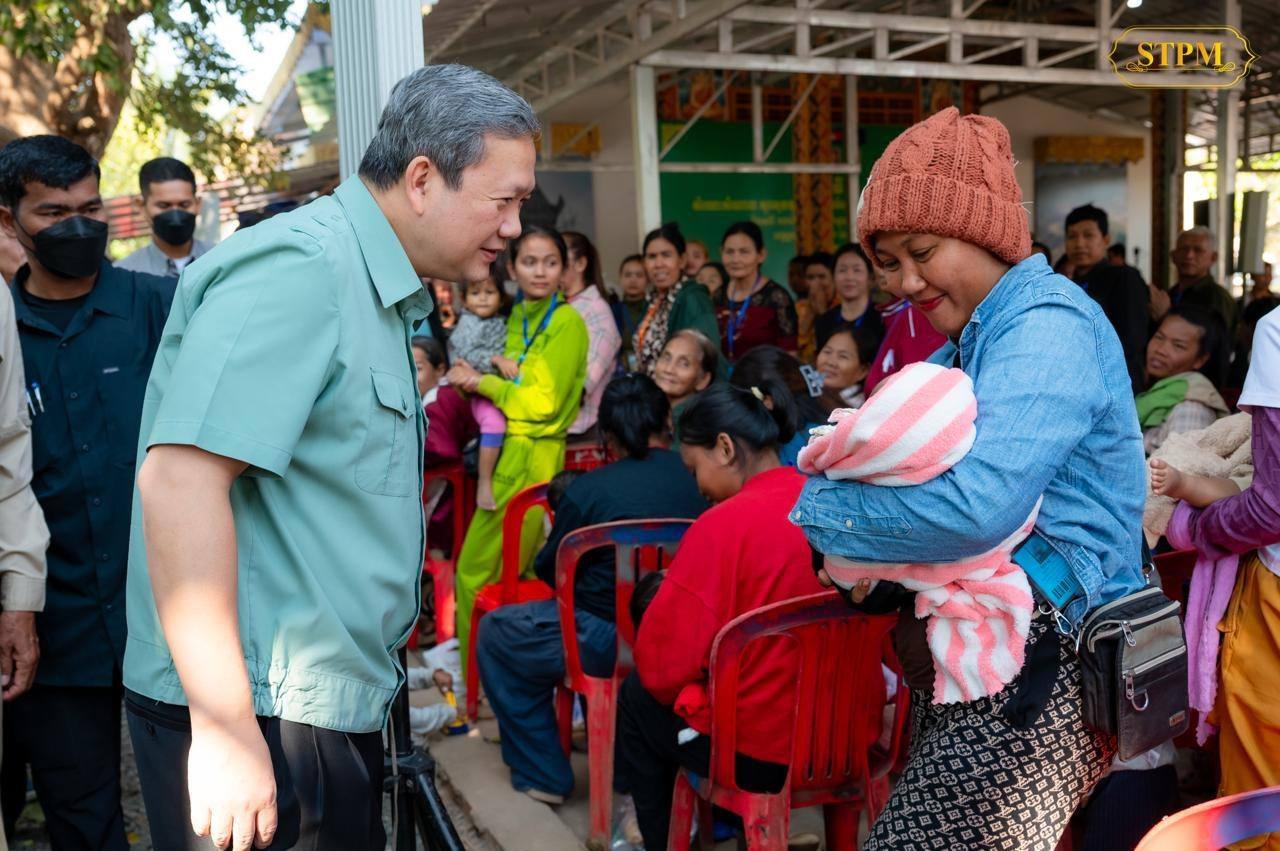
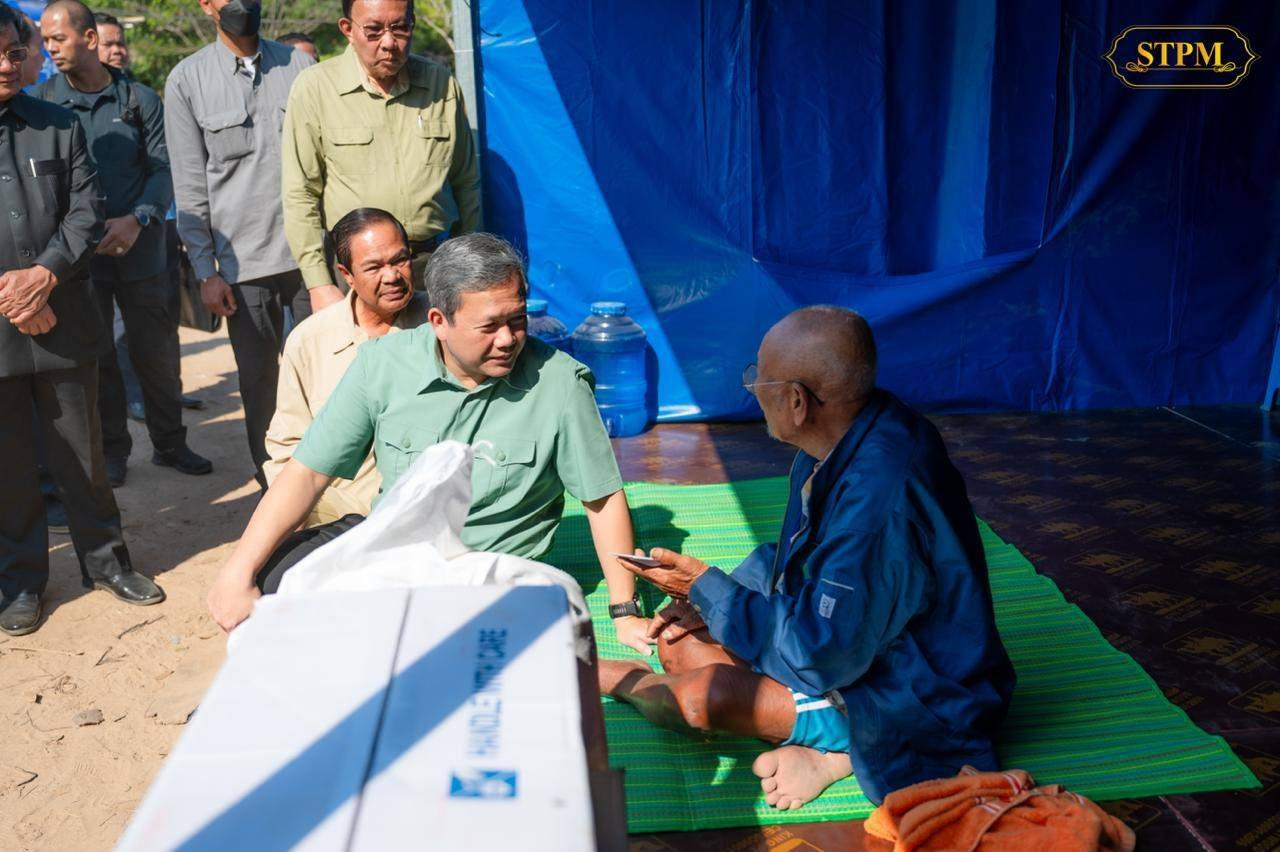
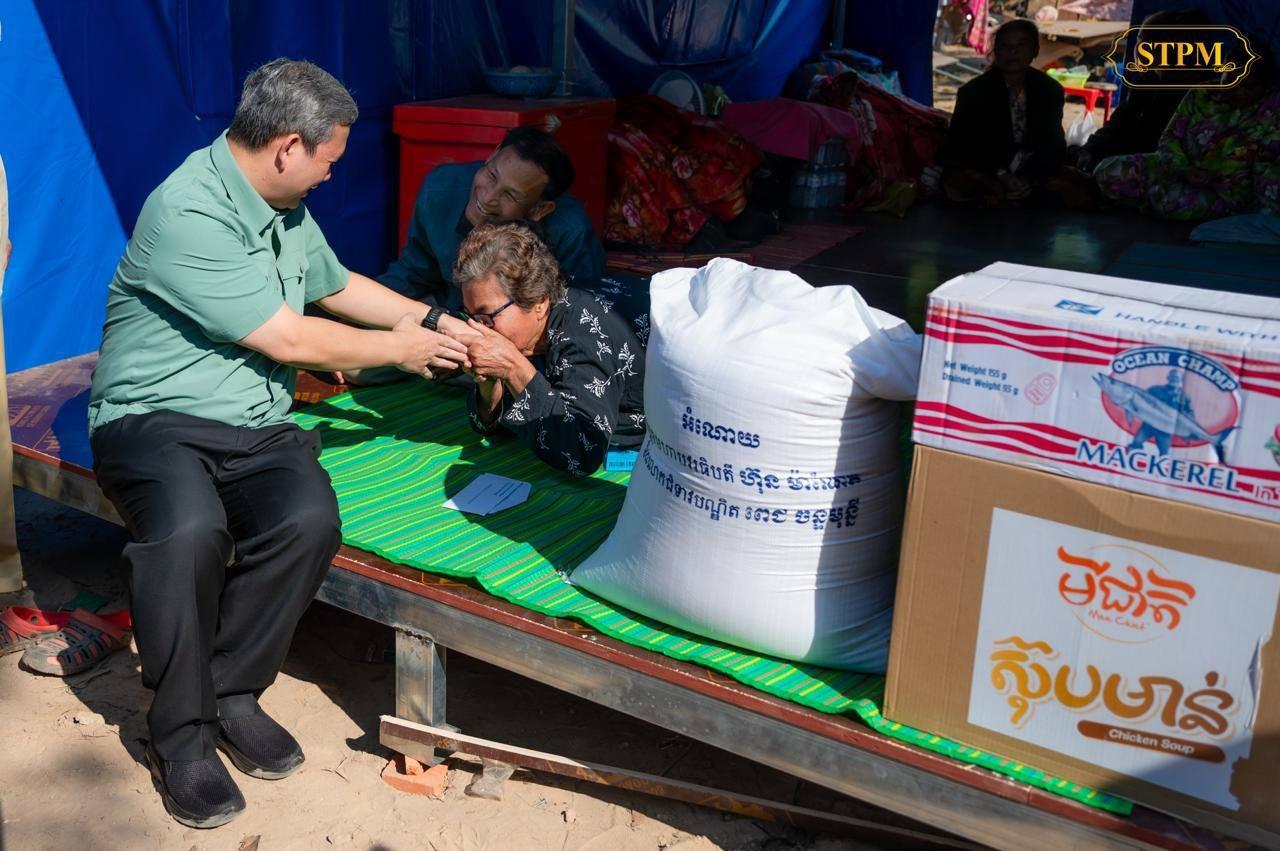
During a visit to displaced civilians in Preah Vihear Province on January 31, 2026, Prime Minister Hun Manet urged national unity and warned against falling into the trap of incitement designed to destroy internal cohesion. He reaffirmed unequivocally that previous ceasefire agreements were not concessions of territory and that the resolution of the Cambodia–Thailand border issue must rest firmly on international law and technical mechanisms—without surrendering a single inch of land.
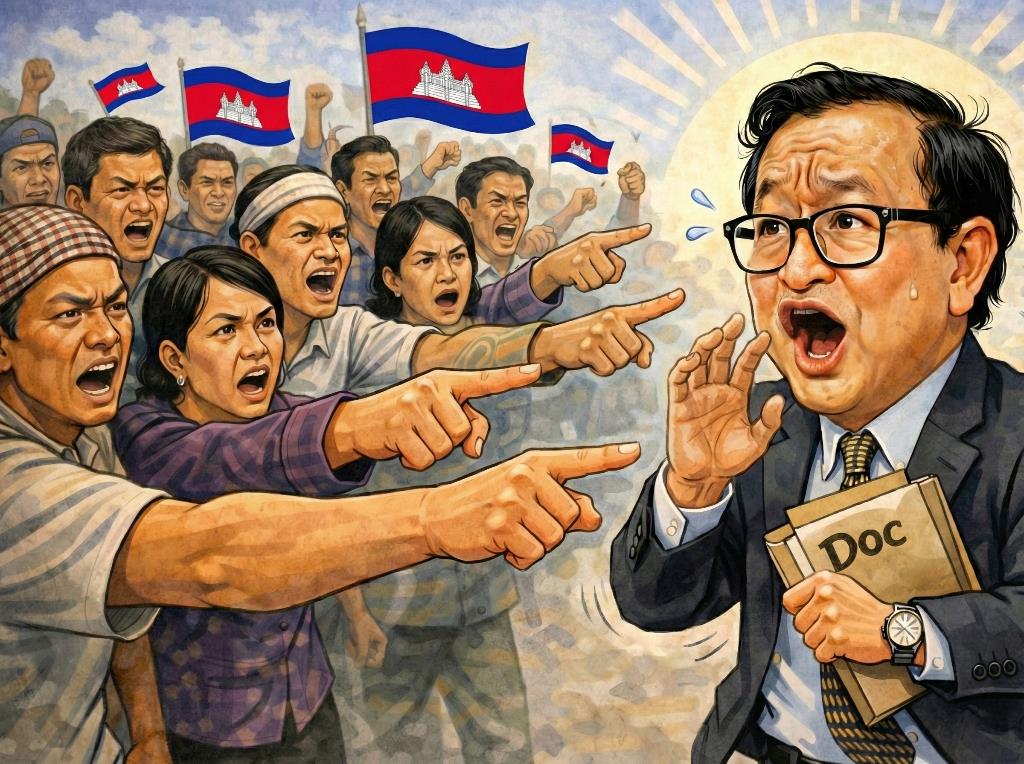
This position reflects the government’s firm commitment and responsibility to protect national interests lawfully and with a clear sense of statehood. It stands in stark contrast to the inflammatory rhetoric and public disinformation propagated by Sam Rainsy and his associates, who have repeatedly sought to exploit national crises for personal political gain.
Such actions have not only failed to fracture Cambodian society; they have instead exposed a reckless willingness to push the nation toward a dangerous precipice—serving private ambitions rather than the country’s long-term future.
Conclusion
At a time when the nation faces external aggression, Cambodia cannot entrust its destiny to groups operating from abroad who have lost touch with the nation’s collective suffering and who actively encourage incitement and destabilization. Hoping for national chaos to satisfy personal ambitions is not the political change citizens need—it is a destructive agenda that history does not forgive.
In modern warfare, national defense is no longer measured solely by weapons and firepower. It is measured by a society’s capacity to protect truth, awareness, trust, and national unity. Any nation that loses these pillars has already lost the war—before the battlefield even opens.
Cambodia’s choice today is not a partisan one. It is a choice about national identity and collective destiny: to unite and overcome external threats, or to fragment and succumb to defeat from within.
To ensure victory for the Cambodian people, there is only one path forward—the path of unity, awareness, and the defense of the nation guided by a strong sense of statehood. Only by staying this course can Cambodia remain resilient—not only in the present crisis, but well into the future.