(Phnom Penh): As many Cambodians ask in pain and frustration, “Why can’t Cambodia immediately reclaim its land from Thai troops who have encroached upon it?” the real answer does not lie in political rhetoric or press statements. It lies inside a closed meeting room along the border — where the language of international law collides silently with the reality of power on the ground.
The conclusion of the Cambodia–Thailand Regional Border Committee (RBC) Secretariat meeting without any agreement was not a technical failure. It was clear evidence that the border dispute has moved beyond the stage of dialogue and into a confrontation between international law and factual control — a situation in which a smaller state cannot resort to open military force without risking national catastrophe.
RBC as Evidence: When “Disagreement” Becomes a Pattern
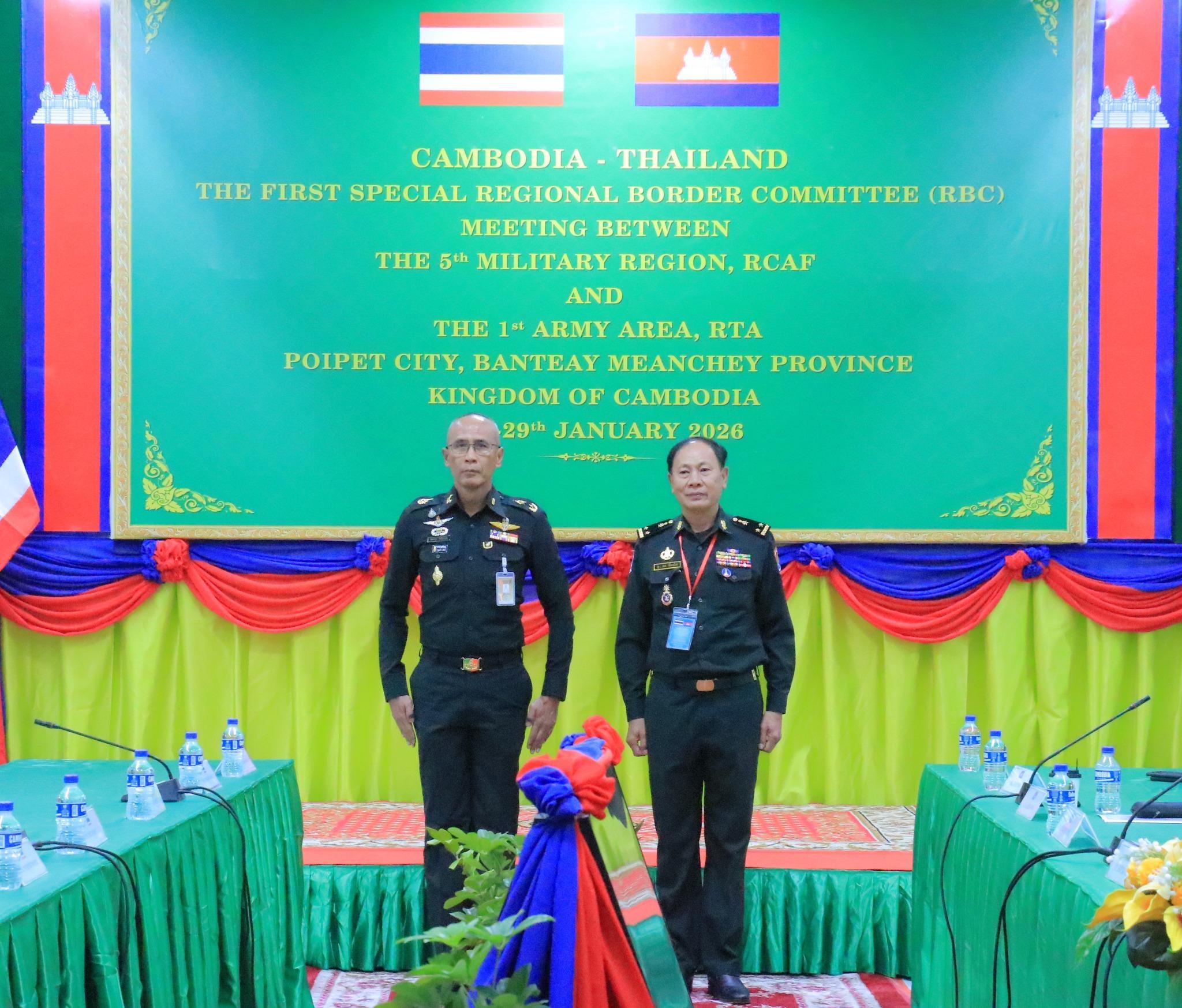
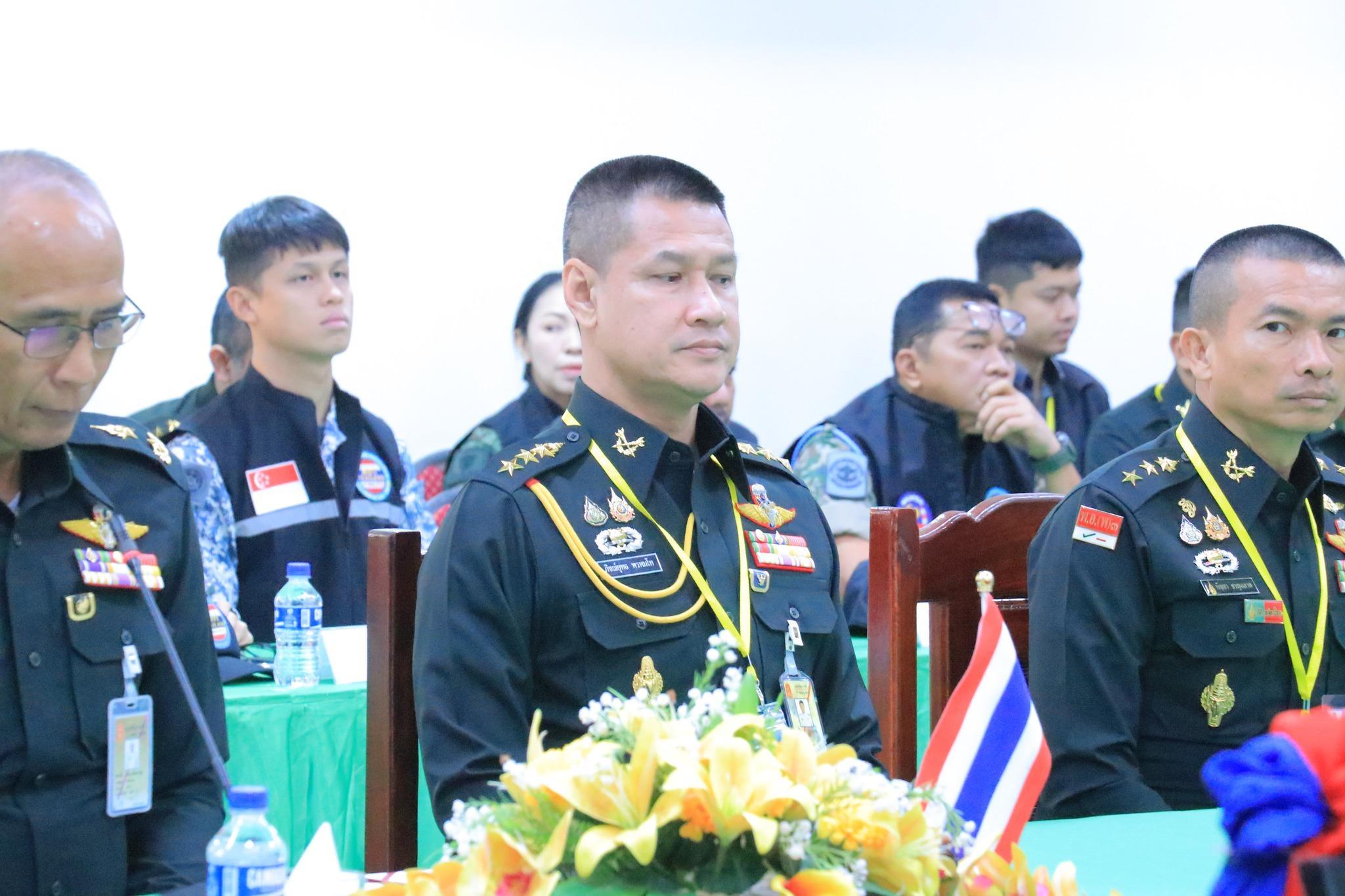
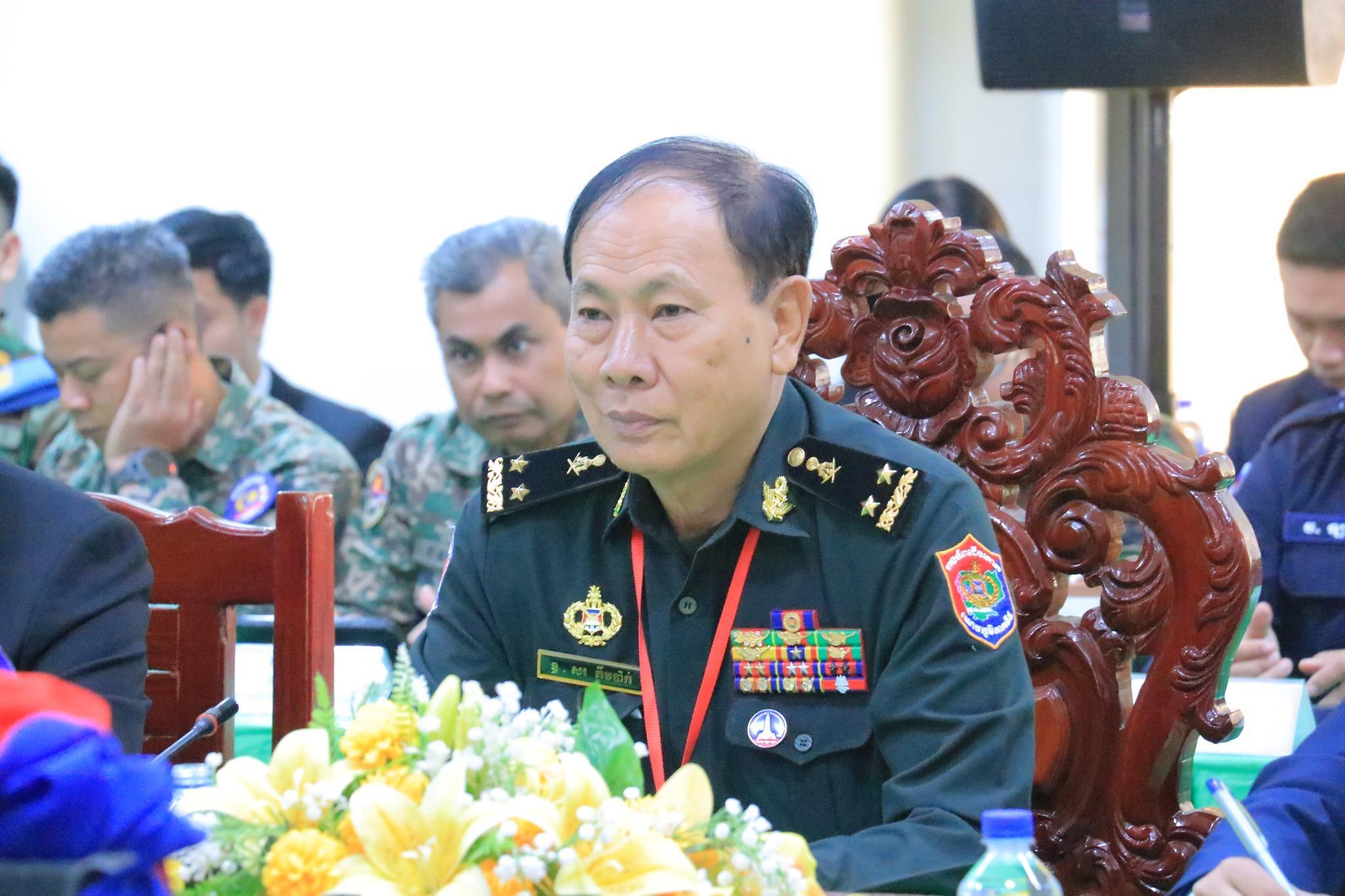
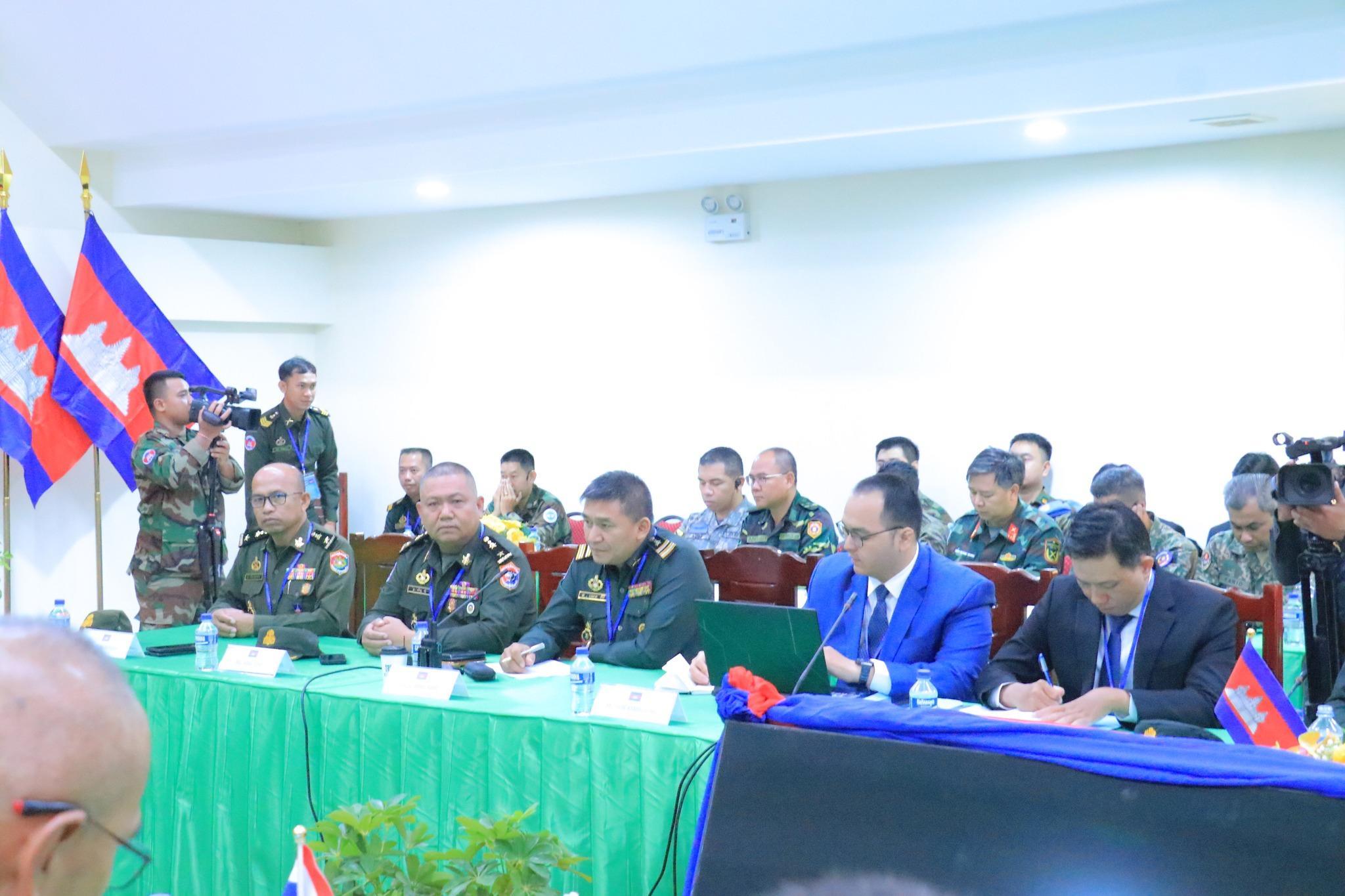
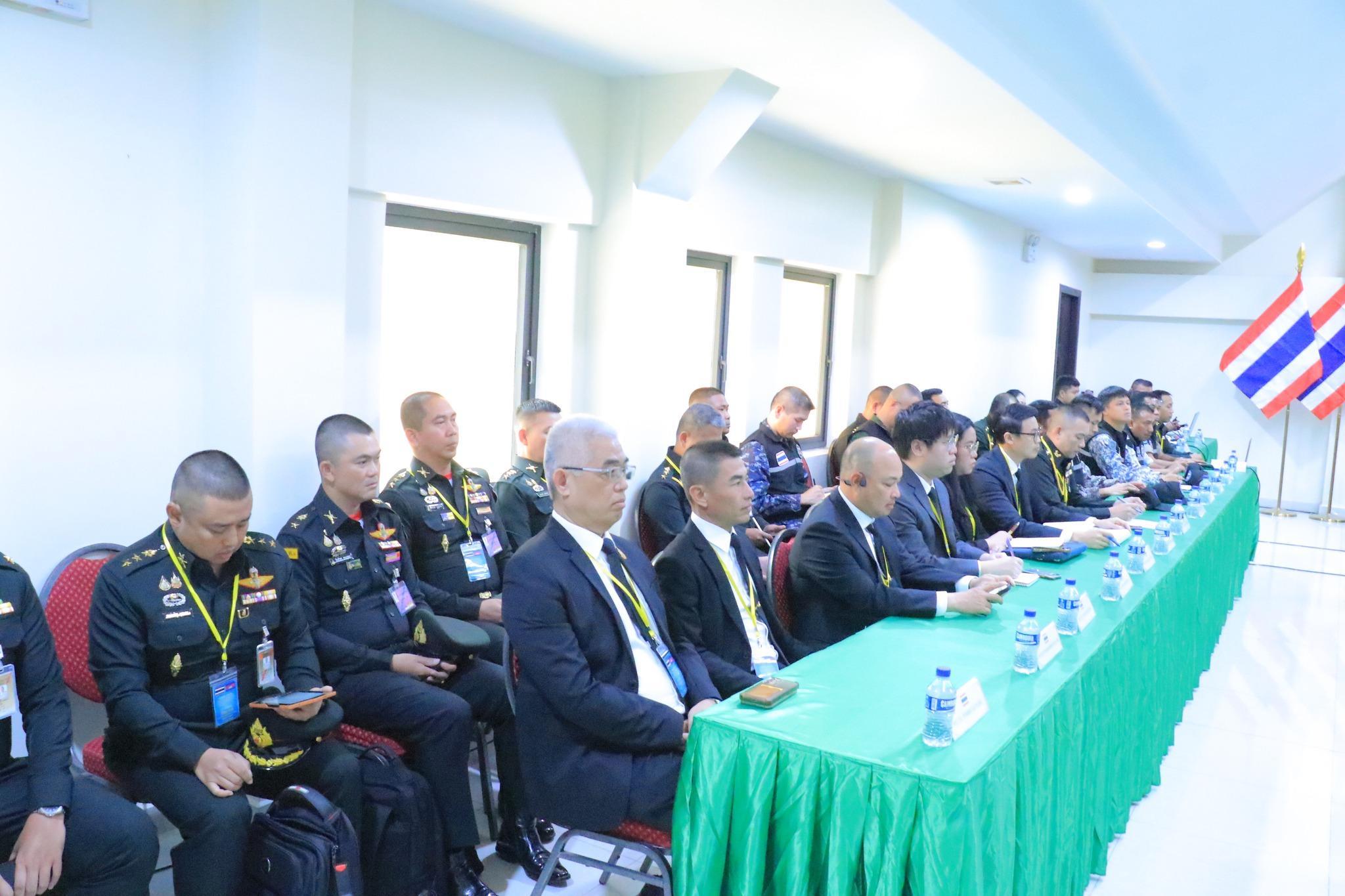
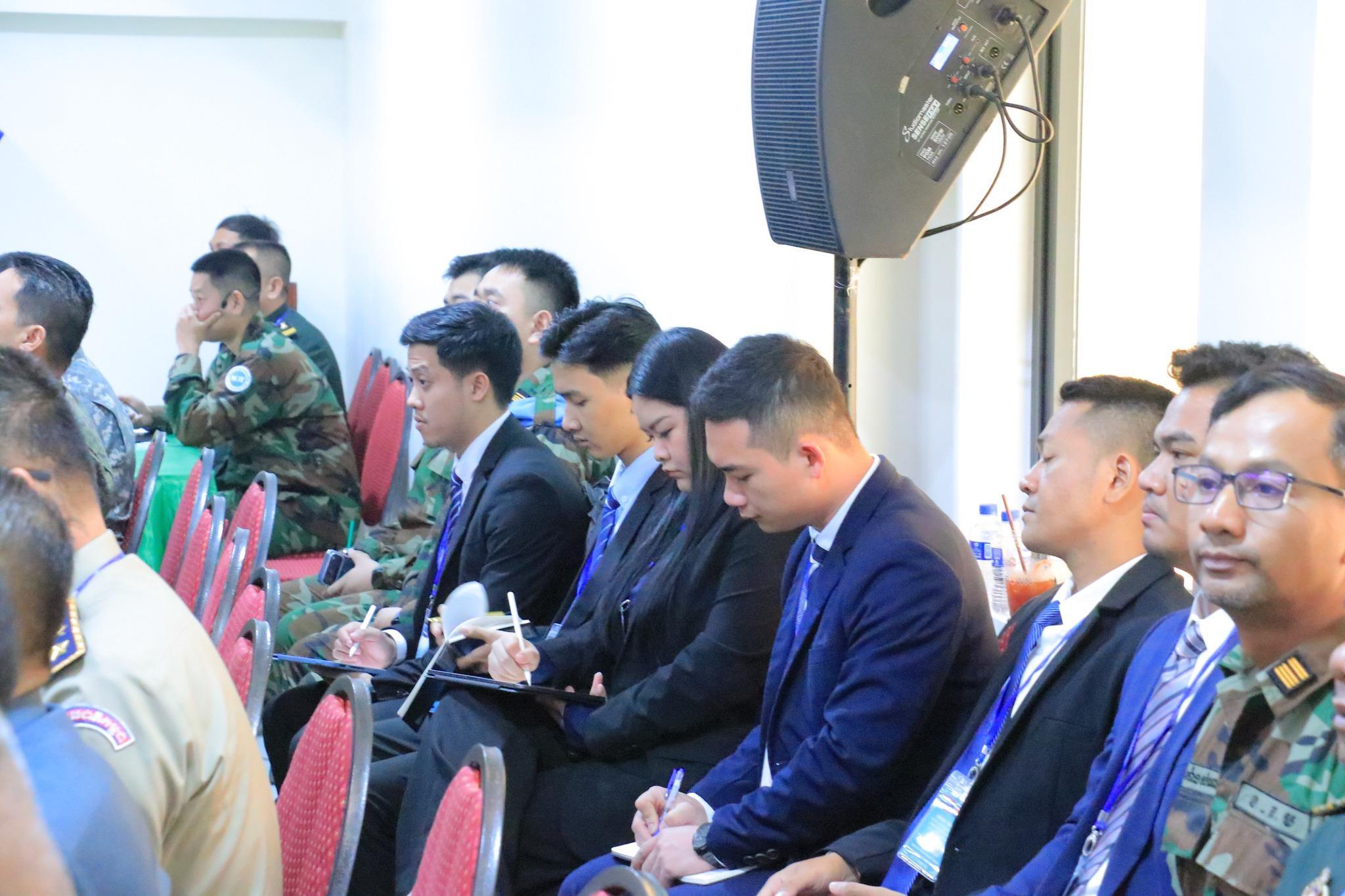
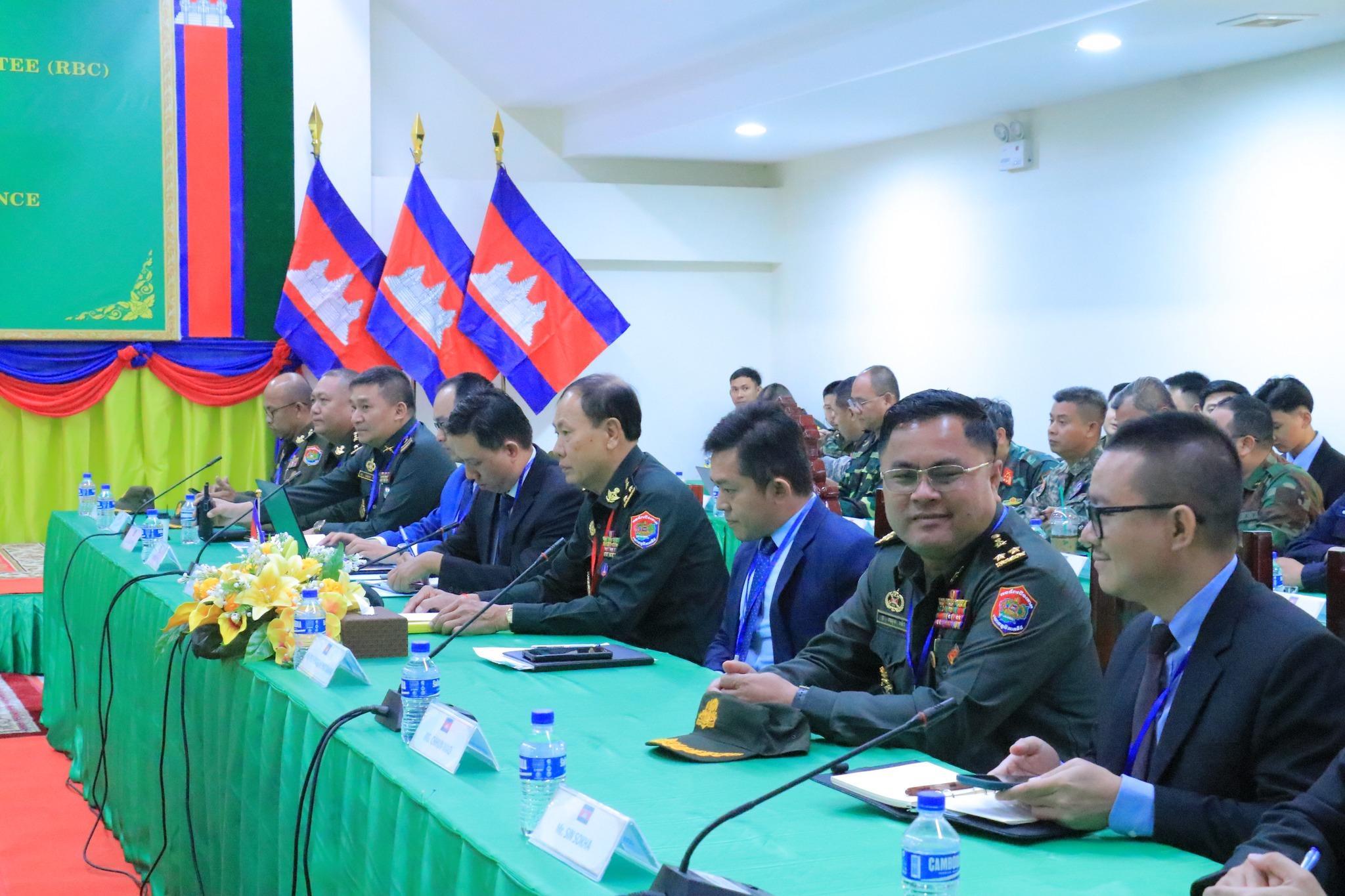
After three days of discussions, the RBC Secretariat meeting failed to reach any common ground, despite the presence of the ASEAN Observer Team (AOT).
A formal statement issued by the Cambodian side confirmed that:
“As both parties have yet to find a mutually acceptable common position, they agreed to return to their respective headquarters and continue exchanging documents and consultations…”
Only after such agreement, the statement noted, would a formal signing ceremony and a Military Region Border Committee meeting be convened.
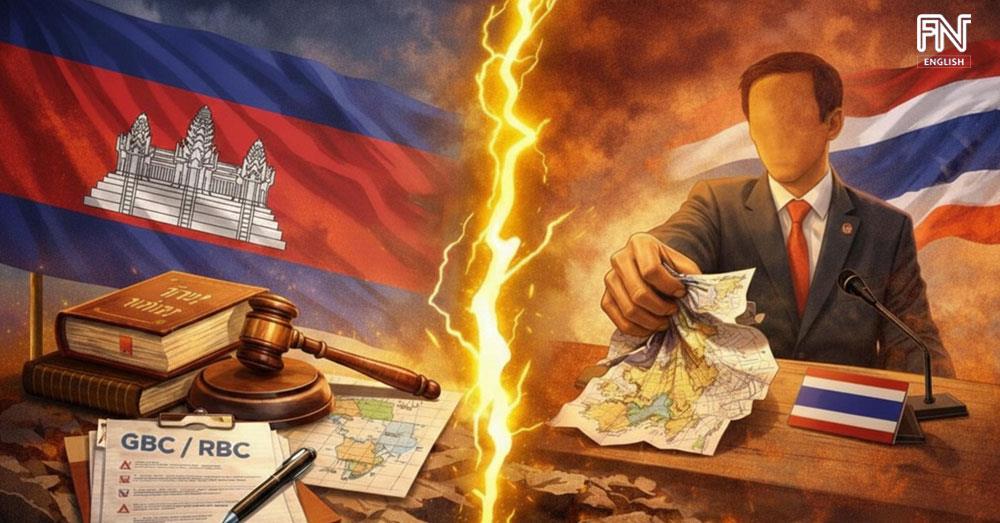
The core reason for the deadlock was neither procedural nor technical. It was a fundamental divergence in interpretation. Cambodia based its position on legally recognized territory under international law, while Thailand insisted on discussions centered on areas under de facto control. This contradiction rendered negotiations immobile, because law and force cannot sit at the same table as equals.
Thailand Escalates Complexity to Prolong Time
As military-level border negotiations under the RBC reached an impasse, Thailand swiftly shifted its strategy to another arena — domestic legal proceedings. Thai authorities initiated legal actions against Senate President Hun Sen and Prime Minister Hun Manet, related to Cambodian military operations along the Cambodia–Thailand border in 2025.
In response, Cambodia’s Ministry of Foreign Affairs and International Cooperation, on January 29, 2026, issued a formal diplomatic protest rejecting Thailand’s claims. The statement made clear that such actions are inconsistent with the objectives and principles of the ASEAN Charter and the Treaty of Amity and Cooperation in Southeast Asia (TAC).
The Ministry emphasized “Any attempt to initiate domestic legal proceedings targeting senior leaders of a sovereign state for acts performed in the exercise of official duties — particularly those related to national defense and territorial integrity — has no basis under international law.”
In this context, Thailand’s legal actions are not a genuine pursuit of justice, but a deliberate political strategy to delay resolution, manipulate legal narratives, reverse the roles of aggressor and victim, and erode the legitimacy of Cambodia’s right to self-defense, while buying time under international scrutiny.
Managing Anger: Why Emotion Cannot Become National Strategy
The anger felt by Cambodians over the loss of territory due to Thai encroachment is neither irrational nor excessive. It reflects collective national pain. Land taken by force is not merely physical property; it is identity, history, and dignity.
Yet a painful truth must be acknowledged: anger, however justified, cannot serve as national strategy. Under current conditions, Cambodia cannot choose open military confrontation against a state with superior weaponry, a larger economy, and stronger geopolitical influence without risking devastating consequences for its national survival.
Moreover, an immediate war offers no guarantee of territorial recovery. Instead, it risks far greater losses — national disintegration, social fragmentation, and the collapse of future opportunities. In such circumstances, strategic restraint and long-term planning are not signs of weakness, but the only viable means of safeguarding national existence while pursuing justice through law and diplomacy, however slow that path may be.
When the World Values Interests Over Justice
Thailand’s ability to maintain its encroachment despite repeated GBC and RBC meetings underscores a harsh reality: international law has no power by itself. Law requires political backing, alliances, and a favorable international environment to be enforced.
Cambodia is therefore pursuing a deliberate strategy of diplomacy, internationalization, and systematic documentation to reshape global perceptions and build support. Thailand’s agreement merely to “continue exchanging documents” after each RBC meeting signals not progress, but the use of time as a political weapon — preserving facts on the ground while negotiations remain indefinitely unresolved.
For Cambodia, this means territorial justice cannot be achieved through a short sprint, but through a marathon — the patient accumulation of legal evidence, historical records, diplomatic alliances, and shifts in international context — aiming for justice without resorting to armed conflict.
The Greatest Danger Is Not at the Border, but Within Society
While external disputes remain unresolved, another conflict is quietly unfolding inside Cambodia: a war of words, misinformation, and incitement.
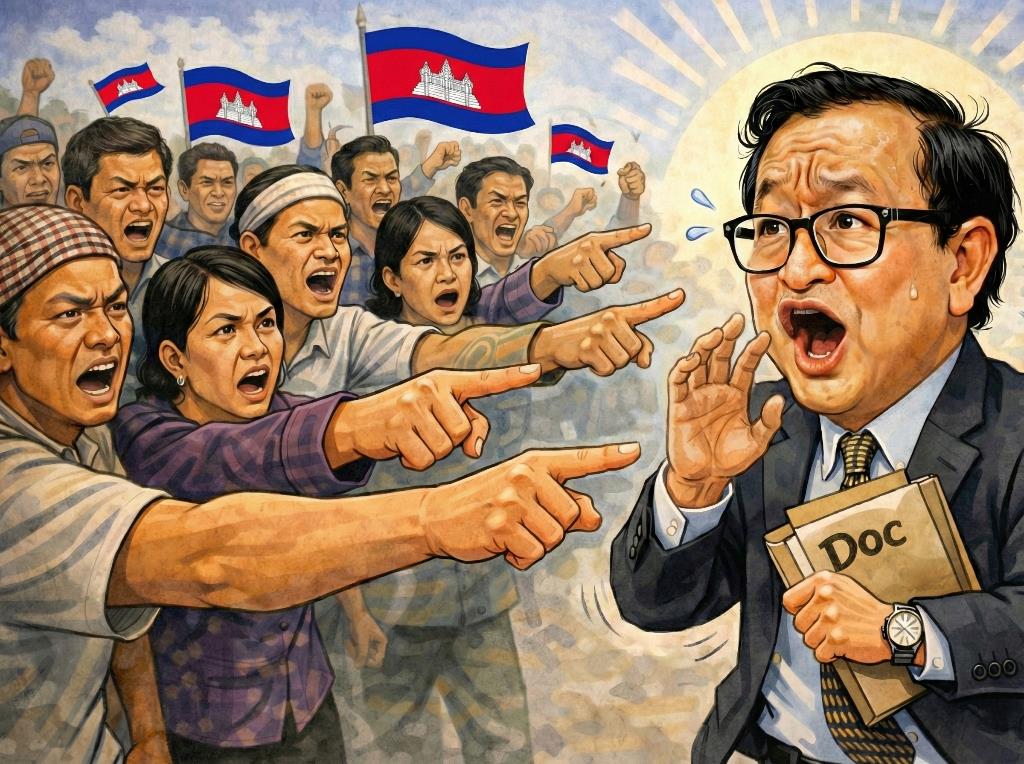
Certain opposition groups have exploited the situation to sow internal instability and undermine a government that is pursuing territorial justice through lawful and diplomatic means. Claims that “only they can resolve the border issue” are not solutions, but divisive rhetoric that benefits external aggressors.
History has shown that when a nation fractures internally, enemies need not fire a single shot. National defense today therefore extends beyond borders; it includes safeguarding national unity. Citizens must exercise discernment and resist incitement originating from exile politics and disinformation networks.
Conclusion
The failure of the RBC Secretariat meeting to reach agreement is not evidence of Cambodian weakness, but proof of a severe imbalance of power in a conflict where law and force do not carry equal weight. In this context, steadfast adherence to legal and diplomatic principles is not retreat, but a strategic necessity for protecting sovereignty and national destiny.
The nation’s choice today is not between anger and fear, but between strategic wisdom and emotional ruin. History teaches that nations which endure are not those that react in haste, but those that possess the patience to wait for the moment when justice can ultimately prevail over power — without surrendering dignity along the way.