(Phnom Penh): At this very hour, this very moment, and with every passing second, calm has returned along parts of the Cambodia–Thailand border. Yet that calm has not become a final answer for peace. Beneath the surface of silence, fears of a possible third outbreak of armed conflict remain unresolved, lingering in uncertainty with no firm guarantee that violence will not return.
In this fragile context, one question is being quietly—but urgently—asked by the international community: if war erupts again, which party seeks to continue it, and which seeks to bring it to an end?
The answer is not found in declarations or rhetoric, but in the political choices each party has made.
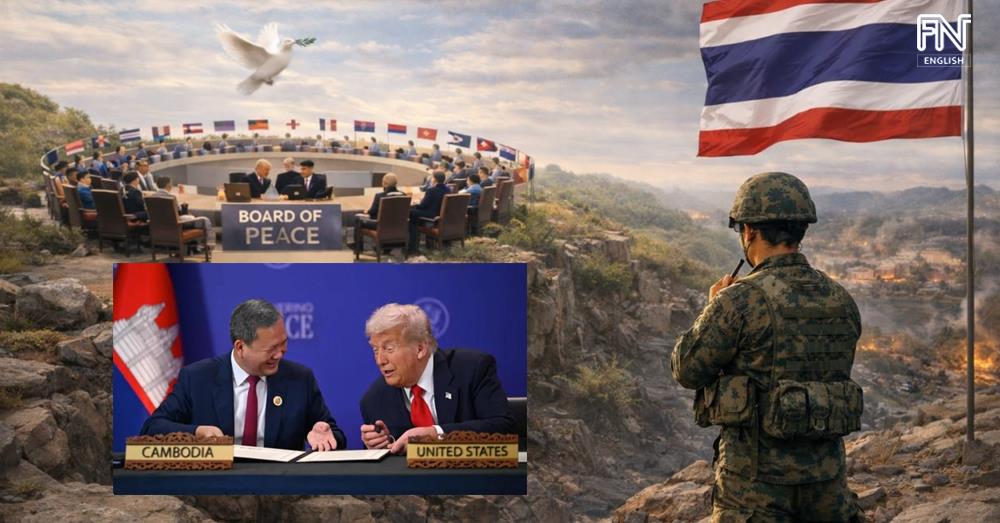
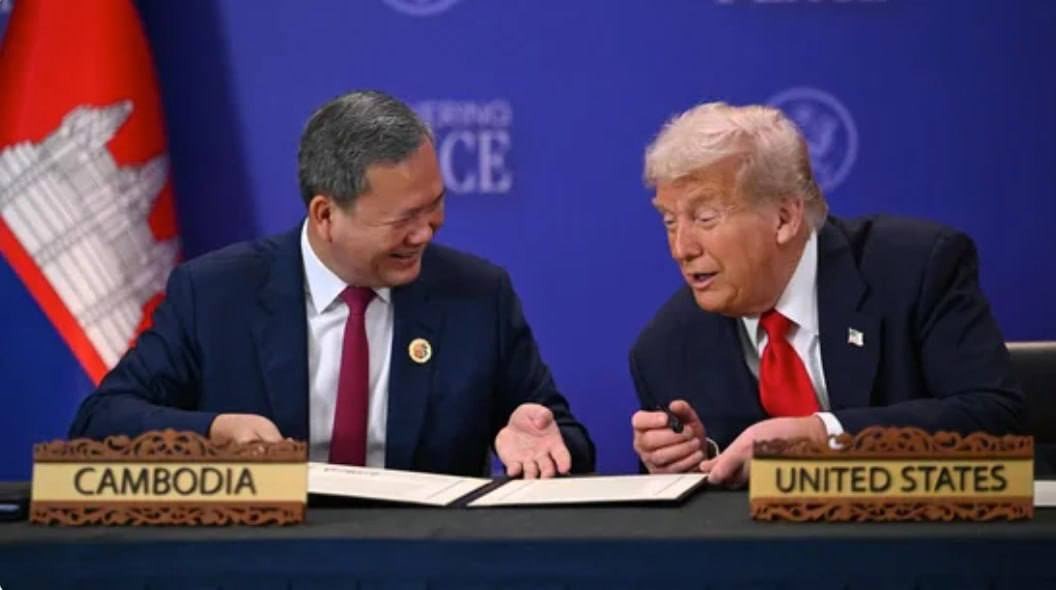
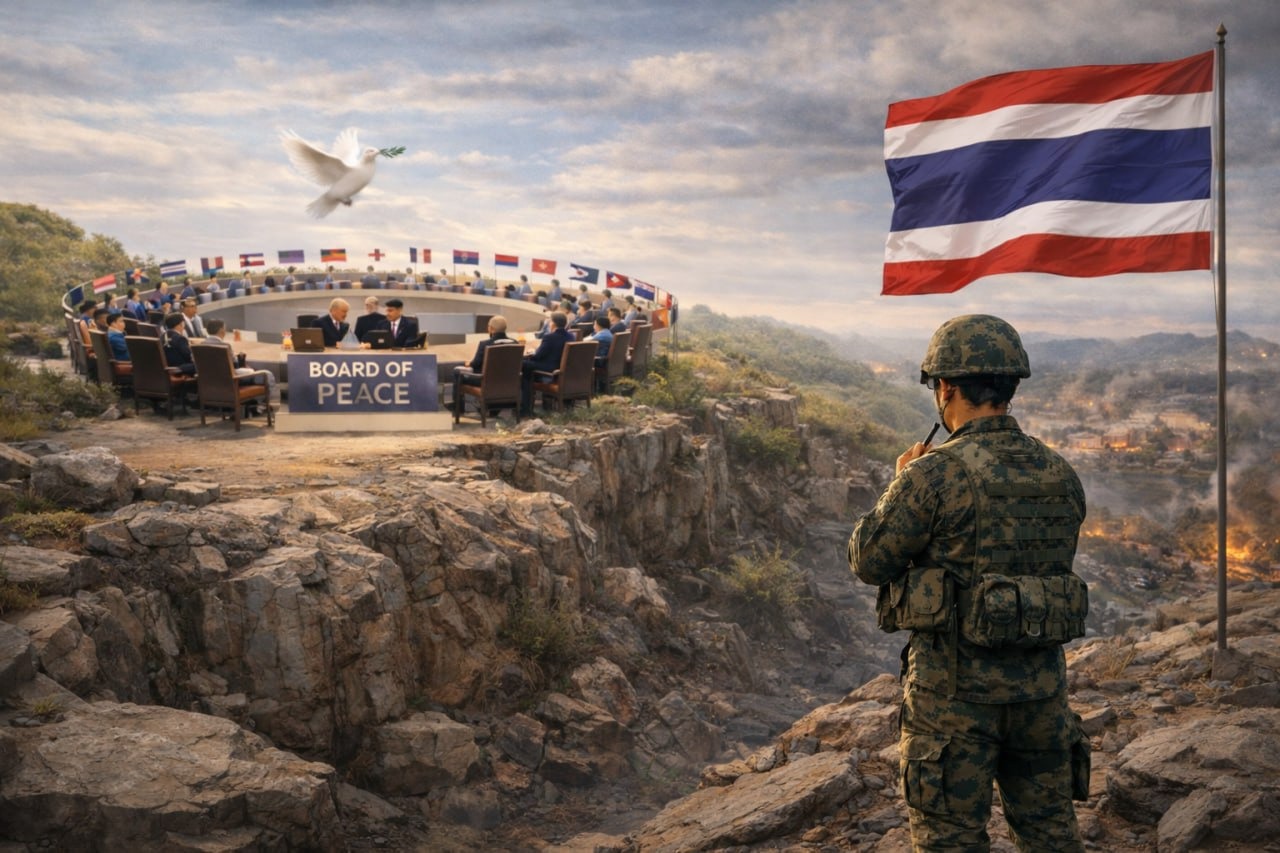
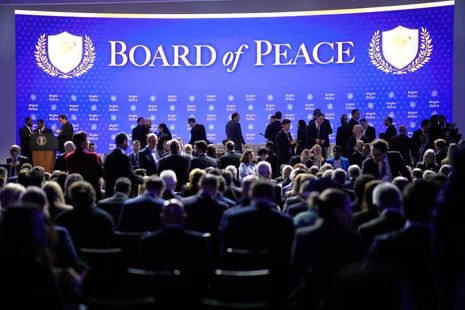
Against this backdrop, Cambodia has formally announced its decision to join, as a founding member, the Board of Peace—an international peace mechanism—while Thailand has yet to make the same commitment. This divergence is not a political coincidence; it reflects a deliberate strategic positioning chosen by both sides.
What does Cambodia’s decision to step onto the peace platform mean for the Cambodia–Thailand conflict? And what message does Thailand’s continued absence send to the world?
This Fresh Exclusive analysis examines the realities on the ground to determine who is working to close the door on war—and who is leaving it open.
Stepping onto the Peace Platform: Not an Escape from Conflict
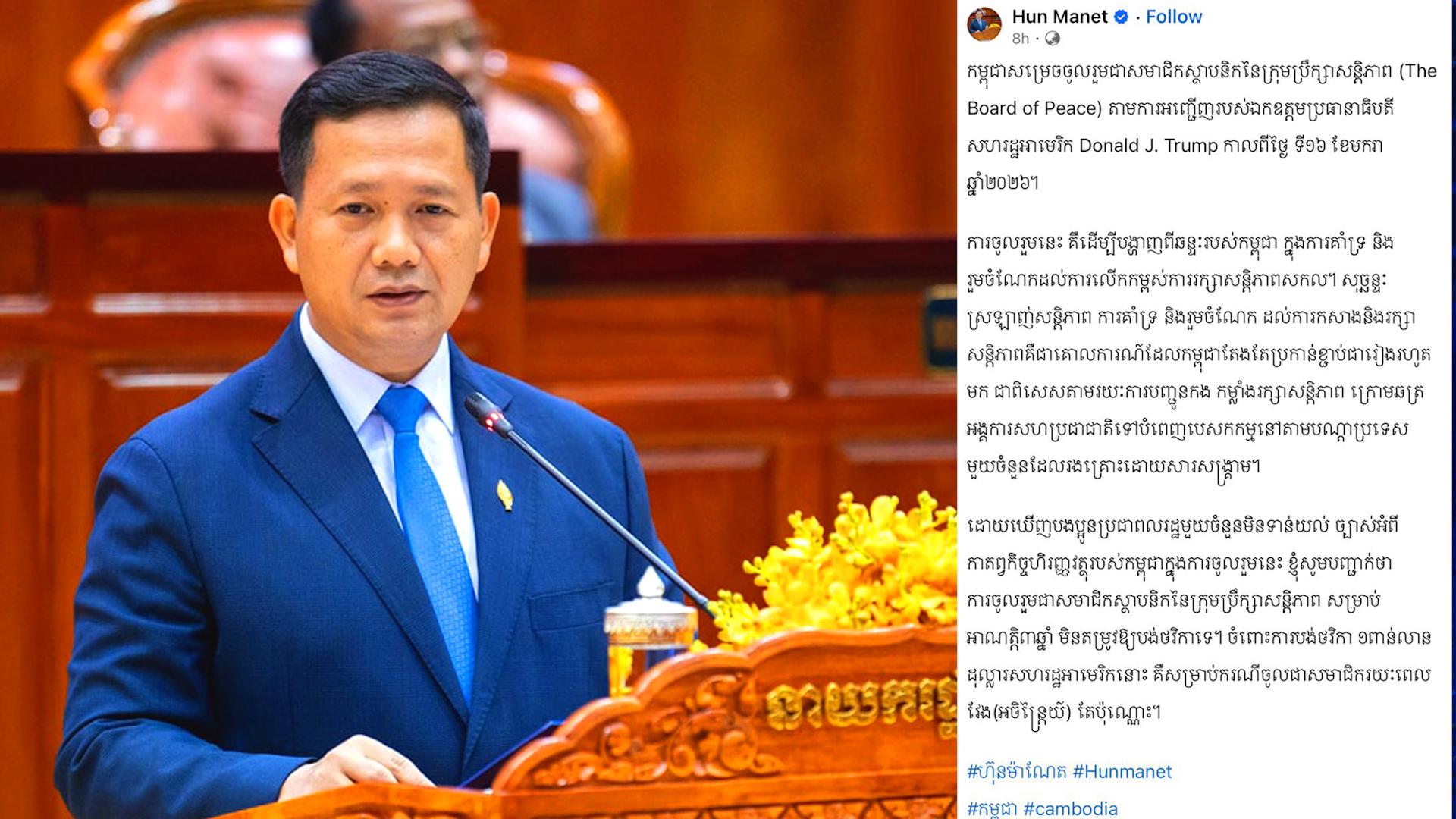
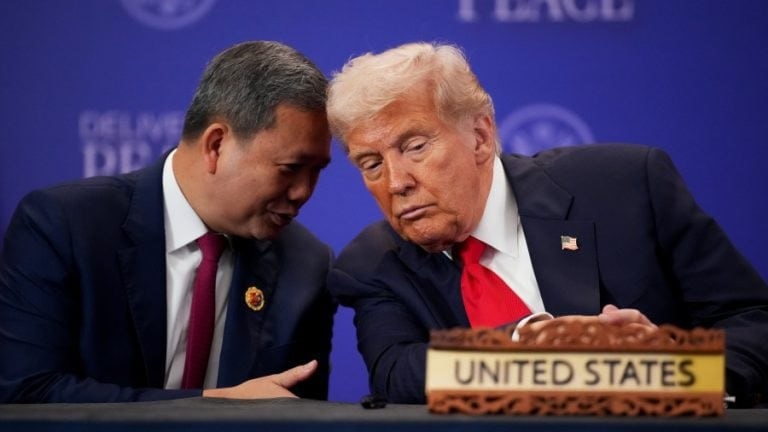
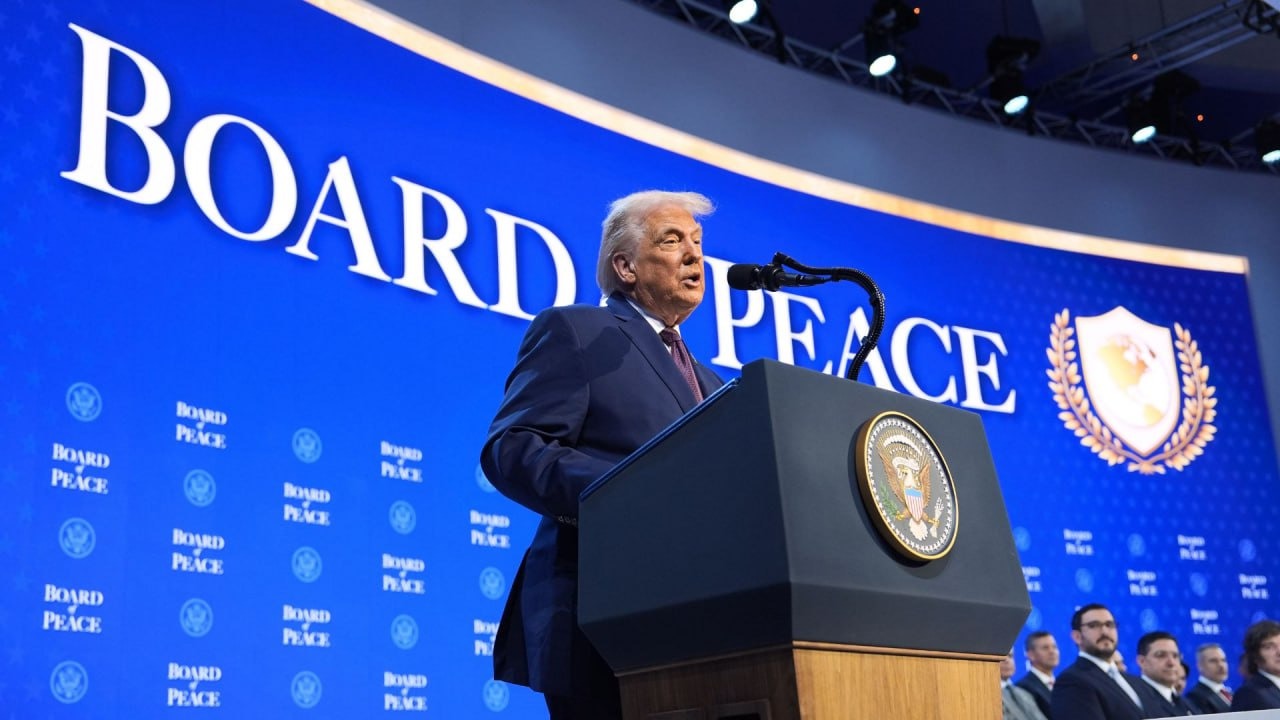
In a message posted on January 27, Prime Minister Hun Manet stated that Cambodia’s decision to join the Board of Peace, following an invitation from U.S. President Donald J. Trump, reflects Cambodia’s long-standing commitment to peace:
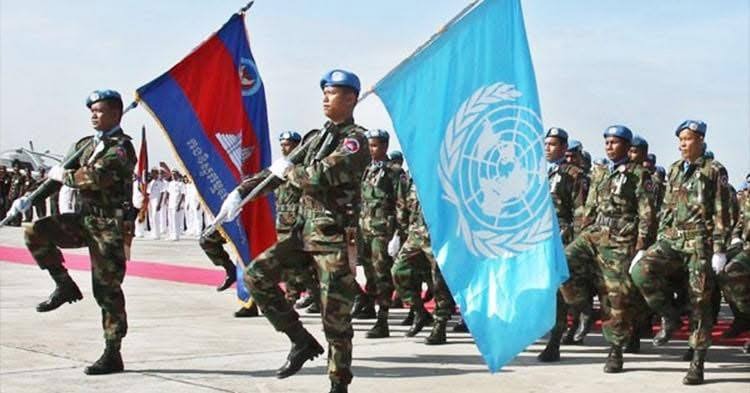
“It demonstrates goodwill, a love of peace, and a willingness to contribute to the building and preservation of peace—principles that Cambodia has consistently upheld, particularly through the deployment of its peacekeeping forces under the United Nations to countries affected by war.”
Participation in the Board of Peace does not mean that Cambodia is relinquishing its right to self-defense or making concessions on sovereignty. On the contrary, it sends a clear message: Cambodia chooses to confront conflict through law and peaceful mechanisms, not through violence.
In strategic terms, Cambodia is doing something more consequential than the use of arms—it is transforming a military confrontation into a moral and legal contest under international law, a field where a smaller nation can stand firmly on legitimacy, goodwill, and global support.
Those at the Table—and Those Outside It
International diplomacy has a well-known adage:
“Those at the table speak; those outside the table must explain.”
Its meaning is clear: absence is not neutrality—it is a political message that demands explanation.
Within the context of the Board of Peace, the international community is now asking: why has Thailand not yet joined? Is this reluctance a lack of confidence in peaceful mechanisms, or an effort to preserve military options?
By contrast, Cambodia’s participation underscores that it does not avoid problems, nor does it fear international scrutiny. Cambodia has chosen law and diplomacy as primary tools, rather than weapons.
As a founding member, Cambodia holds the right to help shape the peace narrative from within the platform. Thailand’s hesitation, meanwhile, has become a political signal in itself—one that raises doubts about its readiness to resolve the dispute through peaceful means.
Cambodia’s Moral High Ground
When a party affected by conflict chooses a peace platform over armed retaliation, it occupies a moral high ground that is difficult to challenge. This position is not built on slogans, but on tangible political choices made under global observation.
Cambodia is clearly demonstrating that:
• it is not the instigator of the conflict;
• it does not reject peace;
• and it does not use peace as a political pretext.
Its decision affirms readiness to resolve the Cambodia–Thailand dispute through international law and established mechanisms, transparently and responsibly.
In contrast, Thailand’s absence has prompted unavoidable questions—especially given Thailand’s repeated claims that it is the aggrieved party seeking justice and peace, while accusing Cambodia of aggression.
The central question remains: if Thailand is indeed the victim, why not choose a peace mechanism to pursue a solution?
Does this absence reflect a lack of political will—or apprehension toward international scrutiny?
In international politics, non-participation is itself an answer.
Political Weight Without Weapons
The Board of Peace does not provide Cambodia with weapons—but it gives Cambodia political weight, capable of reshaping the balance of a conflict without firing a single shot.
By joining the mechanism, Cambodia gains strategic advantages without imposing economic or financial burdens during the initial term. This is not accidental; it reflects careful political calculation.
Prime Minister Hun Manet clarified publicly:
“Participation as a founding member of the Board of Peace for a three-year term does not require any financial contribution. The one-billion-dollar contribution applies only to permanent membership.”
What does this demonstrate?
First, Cambodia is practicing calculated diplomacy, not emotional politics—maximizing legitimacy, international support, and diplomatic standing without incurring heavy costs.
Second, it separates peace from economic burden. Public clarification counters misinformation and reinforces that peace is not something Cambodia must “purchase” with national resources.
Third, Cambodia preserves strategic flexibility. Limited-term participation allows future decisions to be based on concrete outcomes rather than symbolic promises—an essential approach for a small nation safeguarding the lives of over 17 million citizens.
Through this choice, Cambodia signals that it does not seek power through arms, but through legitimacy, international backing, and strategic reasoning.
Conclusion
Stepping onto the peace platform is not an escape from war; it is a deliberate act of placing war under the scrutiny of the world.
Cambodia has chosen a position that allows the international community to see clearly—on its own terms—who seeks to end the war and who continues to prolong it.