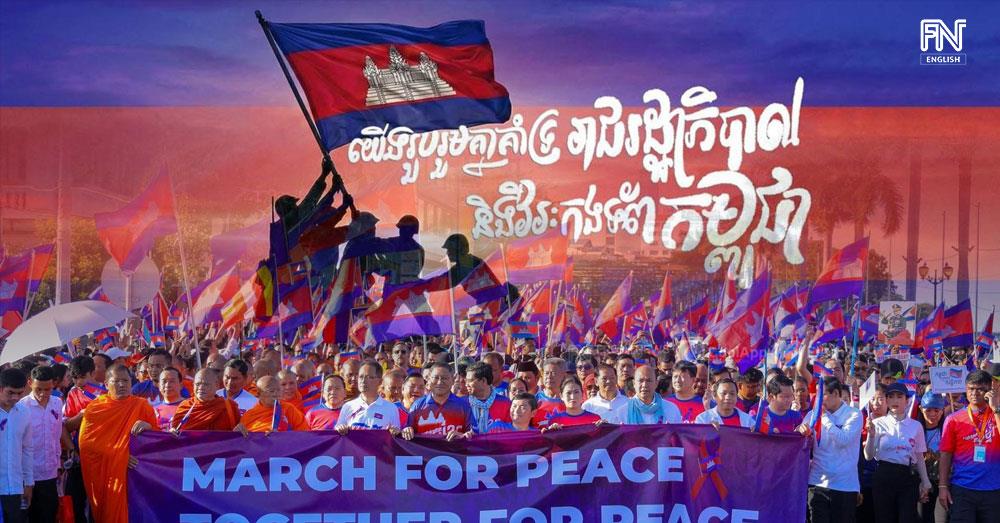
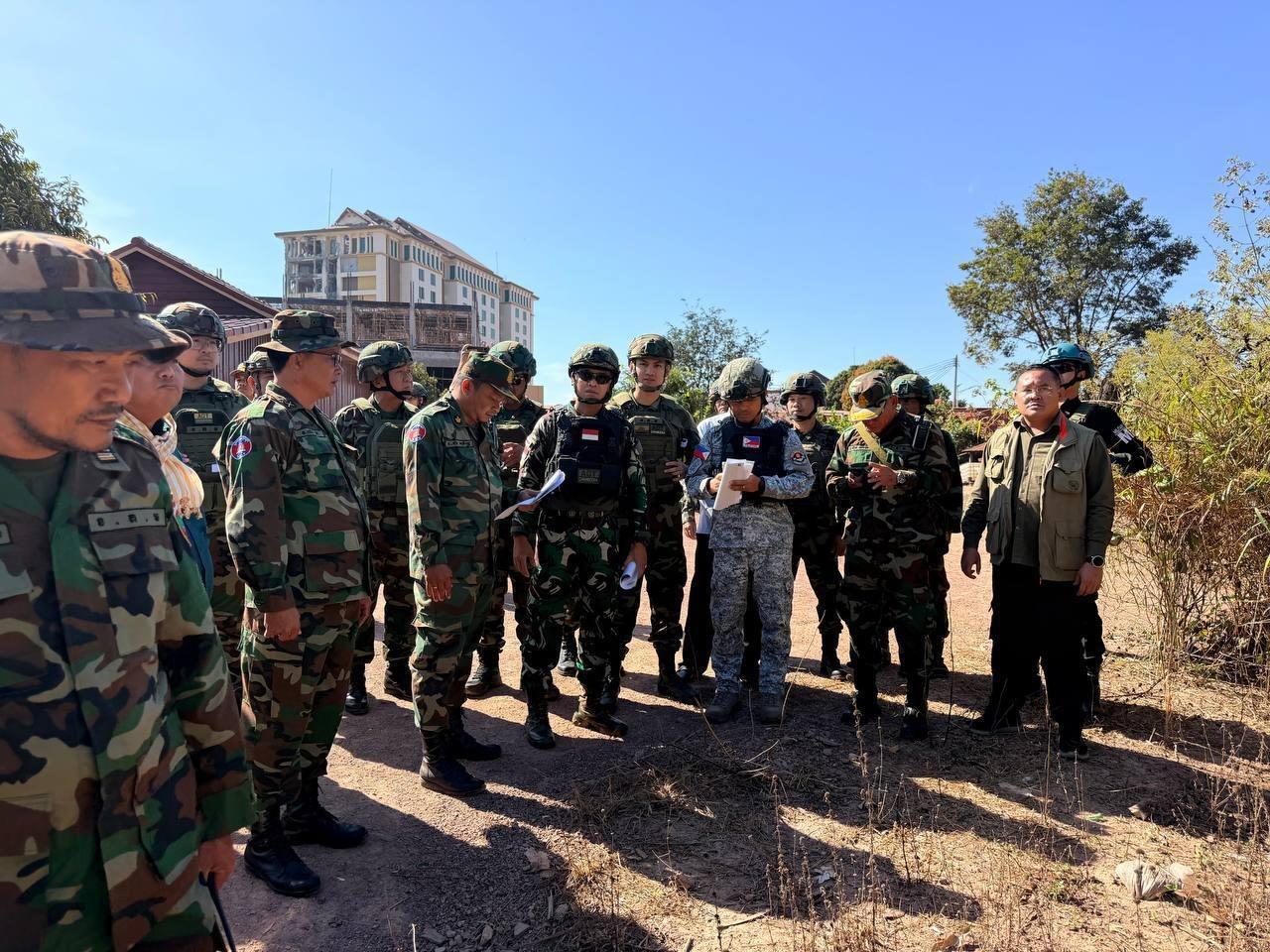
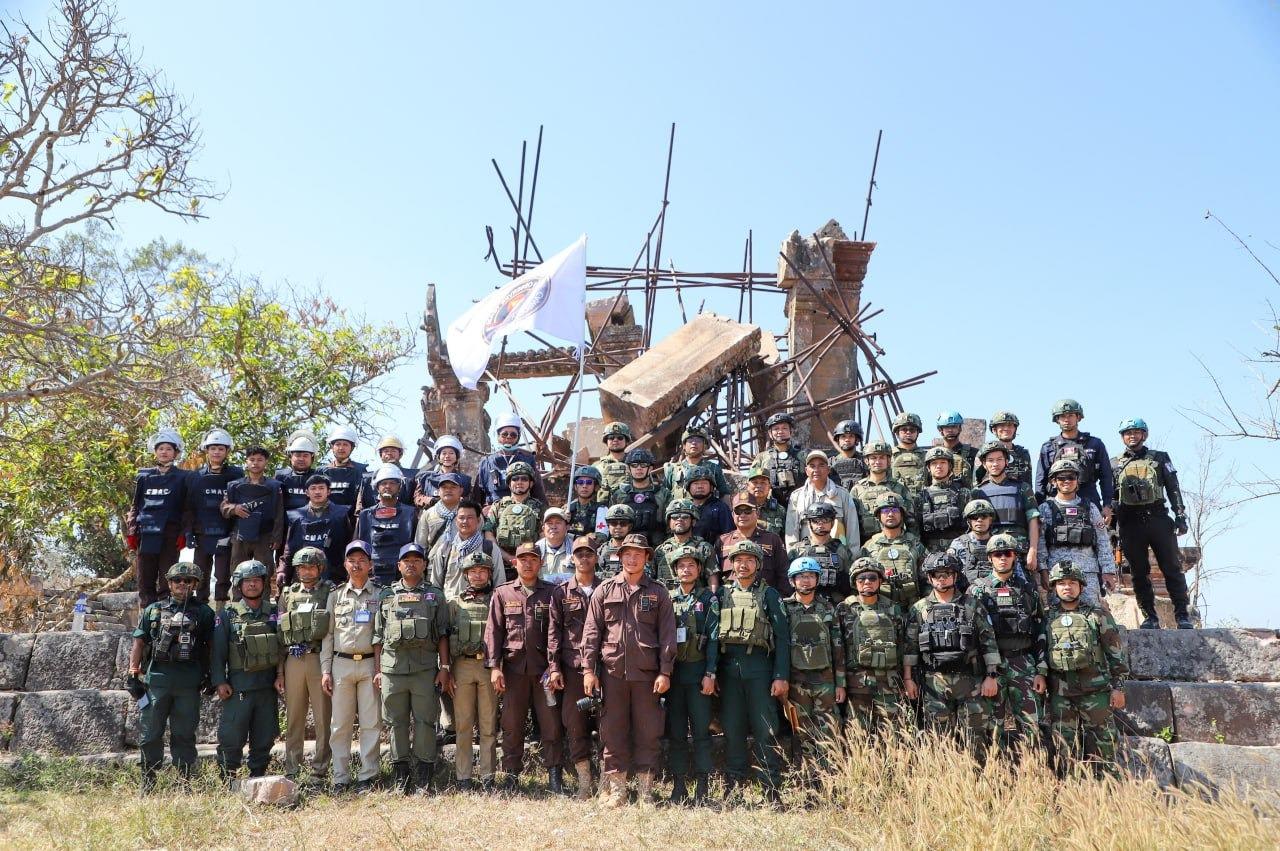
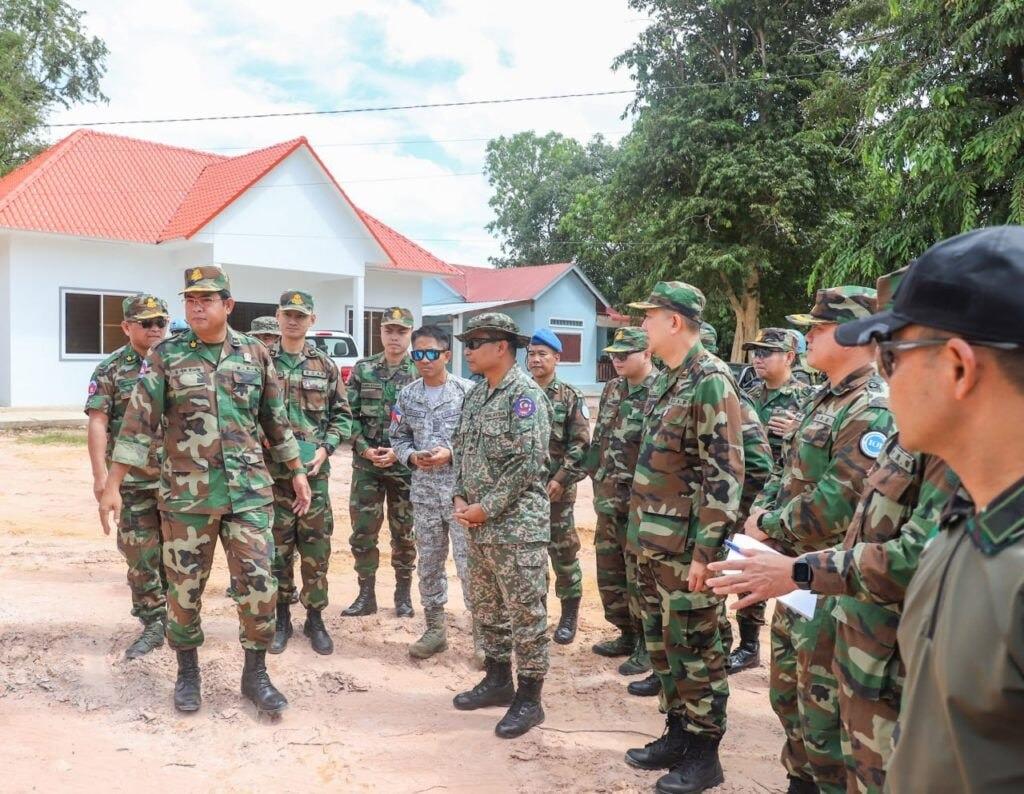
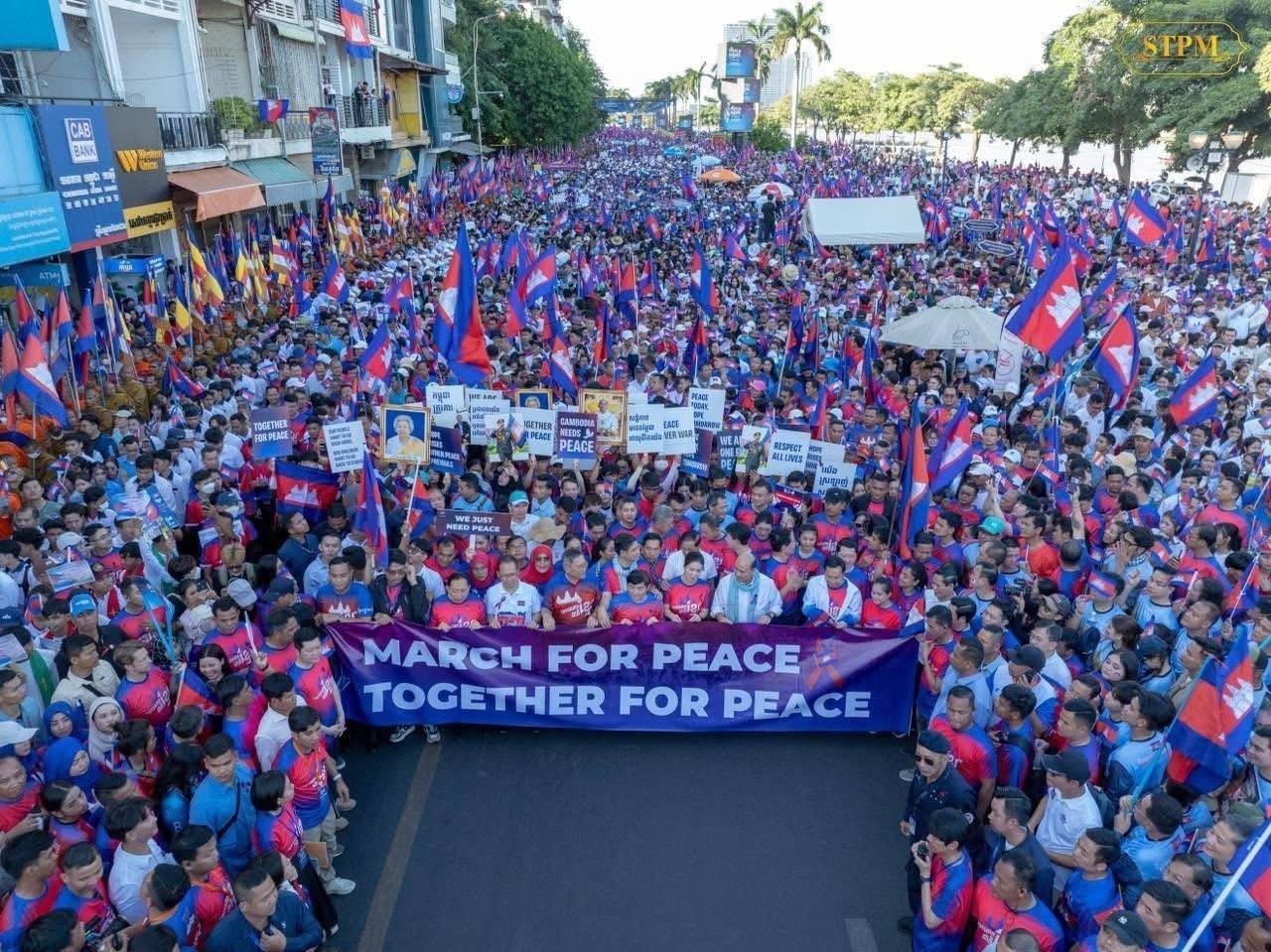
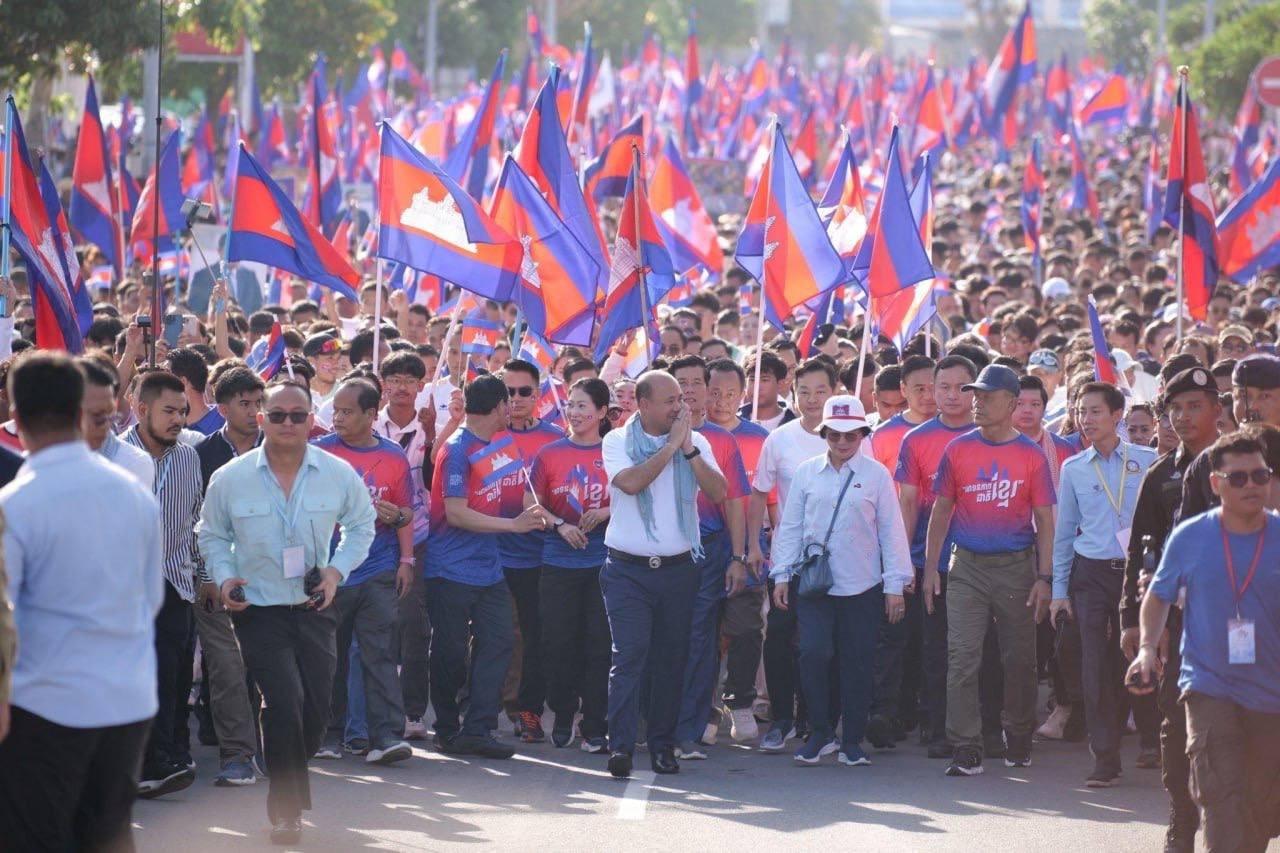
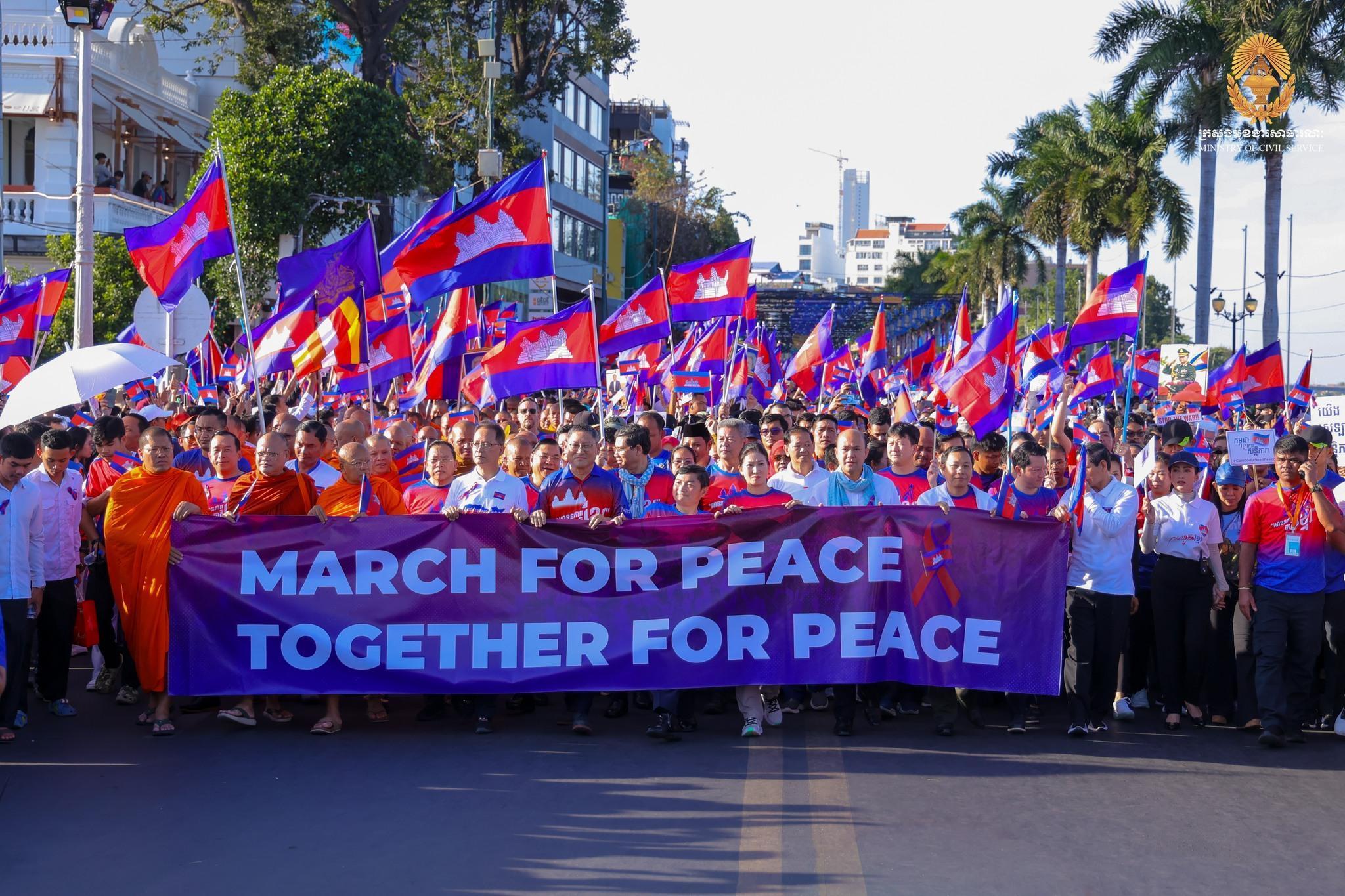
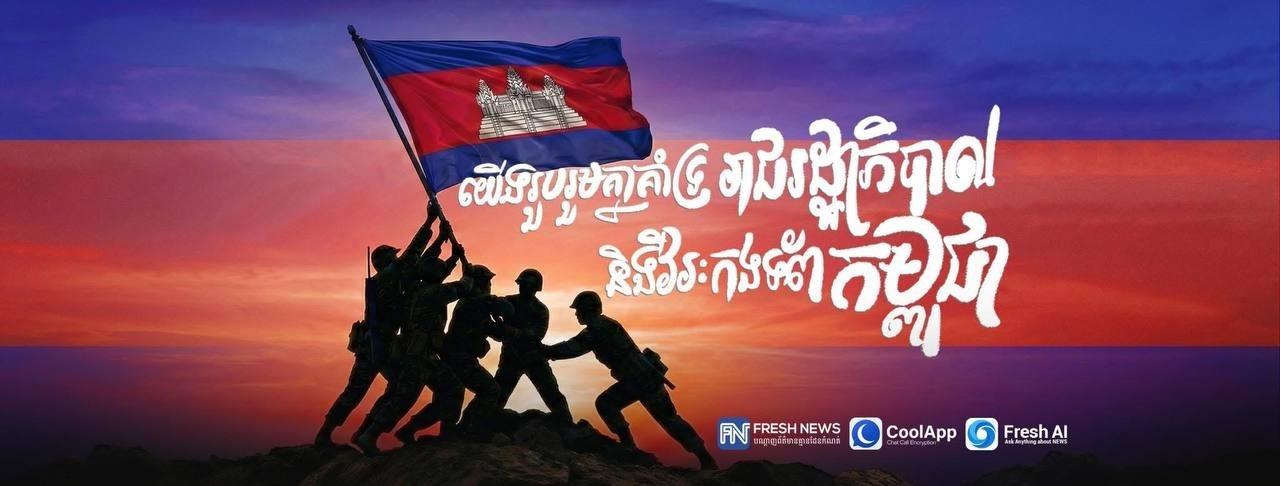
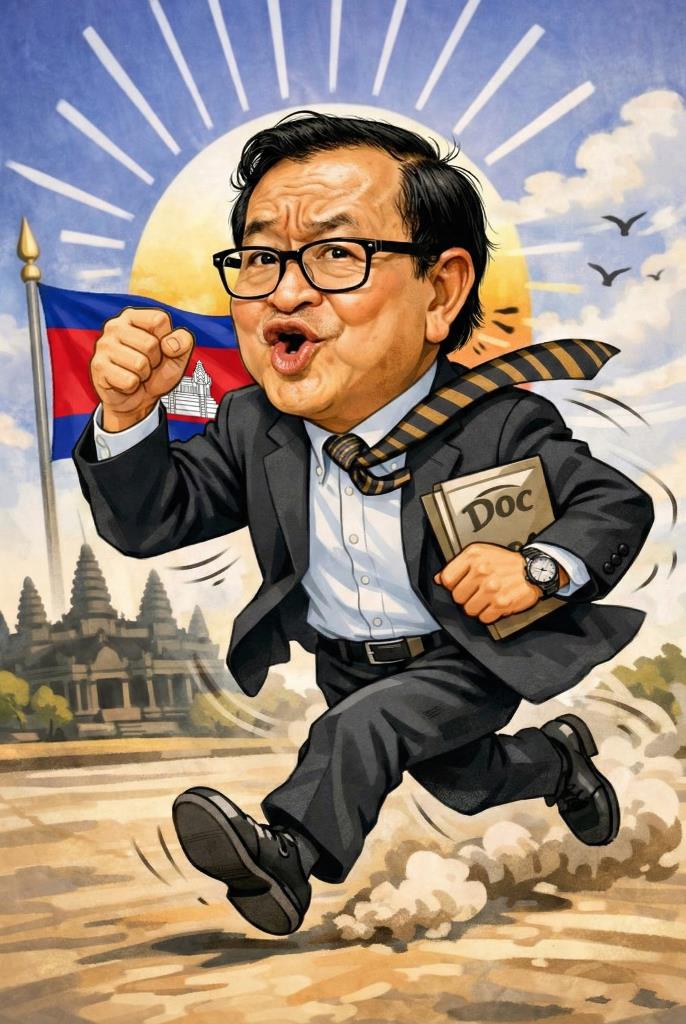
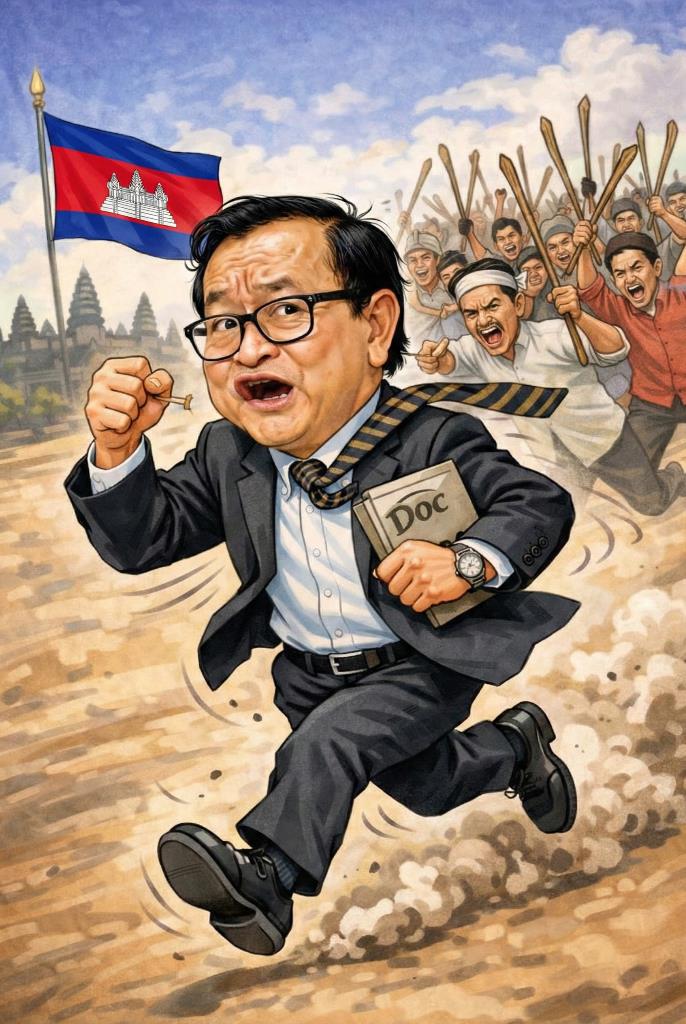
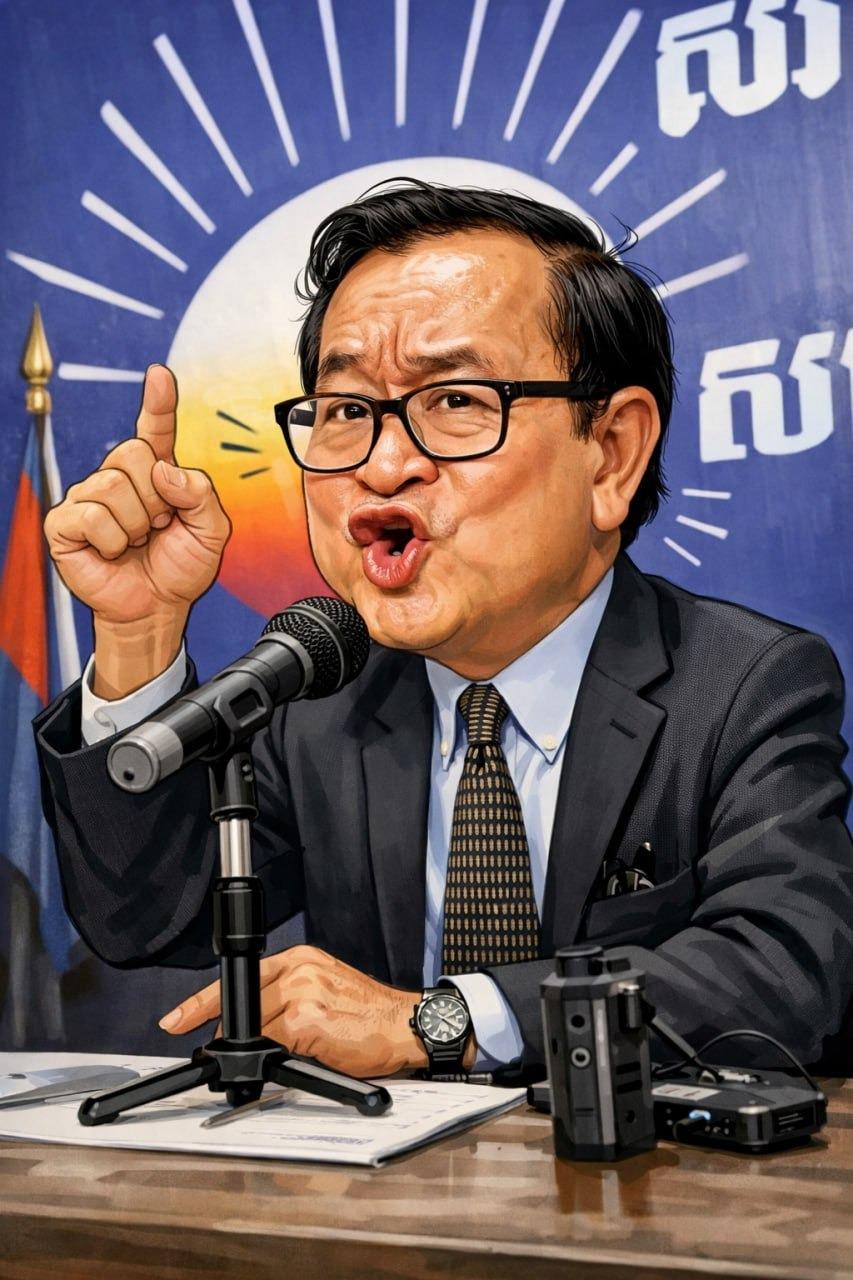
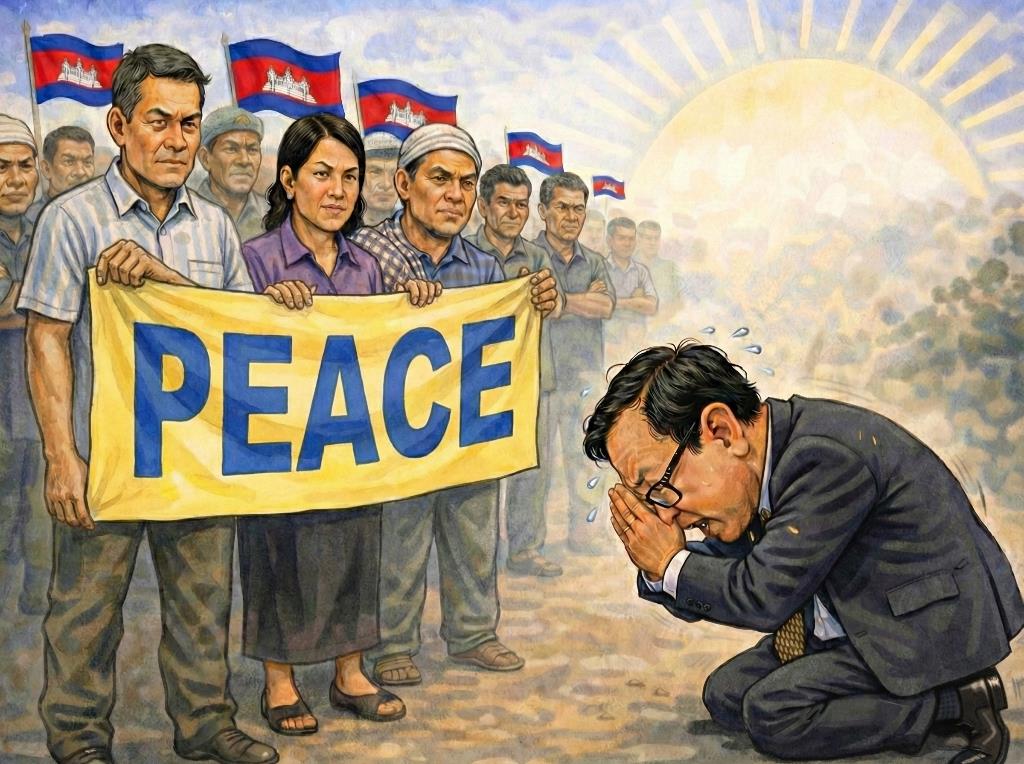
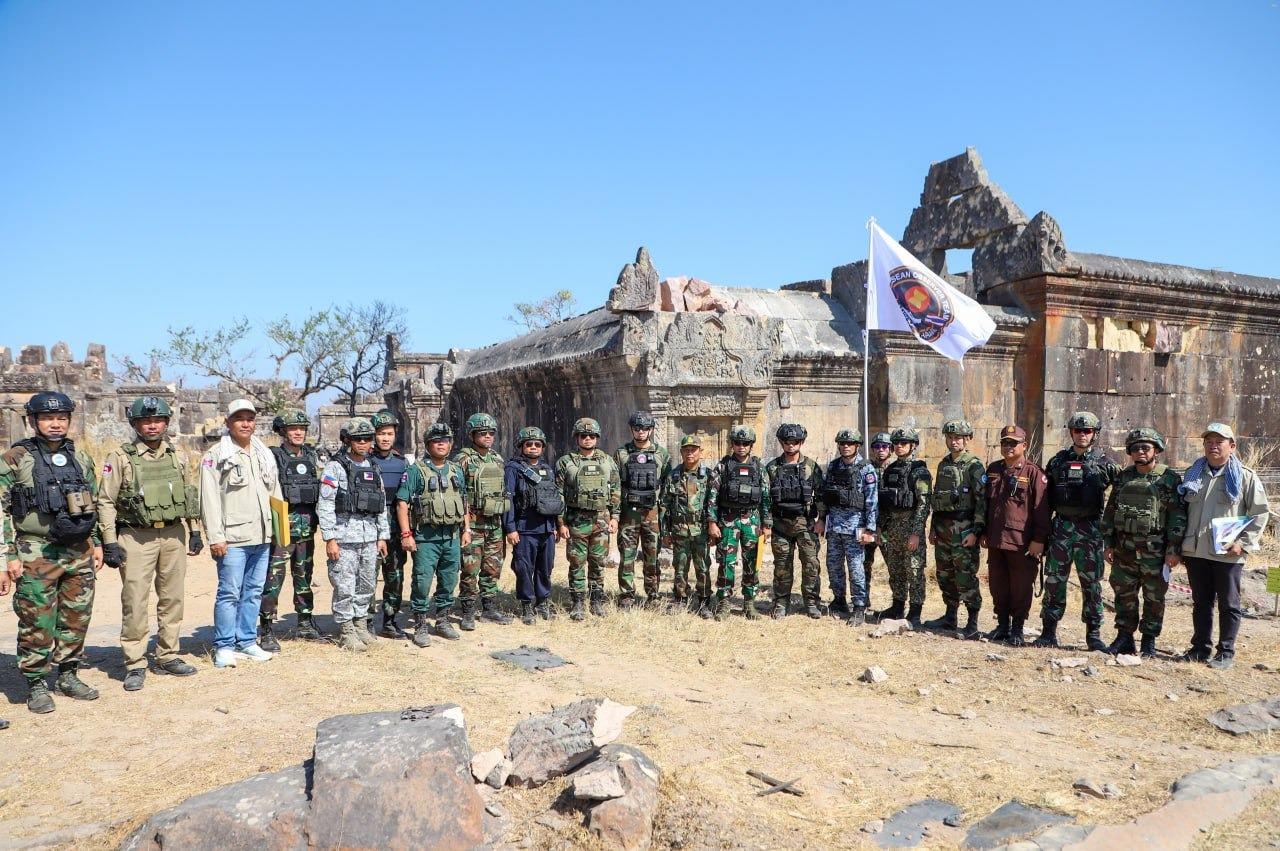
(Phnom Penh): When a country is searching for a path to peace and striving to close the door to war, gunfire should no longer be necessary to protect society and the nation from danger. Yet at this moment, repeated incitement by opposition extremists aimed at dividing the country from within—from claims that “Cambodian leaders abandoned the troops” to calls urging soldiers’ relatives to “post information publicly”—is being pushed as a weapon. These accusations, framed with inflammatory and unsubstantiated language to provoke anger, are designed to fracture society and undermine public trust in the government. This is not a normal political dispute. It is a form of internal destabilization that Cambodia cannot afford to ignore.
Incitement that urges citizens to take action against the government by weaponizing fear and suffering is a clear example of “internal destabilization warfare”—a bloodless war that seeks to break national unity and topple confidence in national institutions, with the goal of weakening the country before any external adversary even shows its face. In this context, national unity is not merely a slogan; it is a strategic shield for national protection.
Incitement Is Evidence of “Internal Destabilization Warfare”
When Cambodia is facing aggression and violations of its territorial sovereignty, the opposition has not stood at the forefront to encourage Cambodian soldiers who defend the nation at great personal risk. Instead, extremist figures and their networks have tried to demoralize troops—praising aggressor forces as more “professional,” amplifying narratives of arson and looting against Cambodian civilians, and mocking Cambodia’s defense capacity, including cynical claims that the country “can no longer protect its ancient temples.”
At the same time, while the Royal Government has pursued diplomacy and international law to stop the fighting and prevent further bloodshed, extremist groups have accused the government—without any credible basis—of “staying silent” and “trading land for power,” a claim intended to distort reality rather than seek truth.
Moreover, to ignite anger and push society toward confusion and instability, they have inflated and circulated unsubstantiated accusations that the government “abandoned the troops,” and even encouraged the public to spread such claims. This is not a wise pursuit of justice. It is political pressure through manipulation—an attempt to push society deeper into crisis.
In practice, this method turns fear, anger, and suspicion into tools to divide society and provoke citizens against one another. When emotions are deliberately set ablaze, misinformation can become a weapon—and society itself becomes the battlefield. That is the central danger of internal destabilization warfare.
National Unity: Not Silencing Questions, But Closing the Door to Emotional Manipulation
While Cambodia is pursuing nonviolent diplomacy and relying on international law to prevent war and defend sovereignty, extremist actors have not supported the peace path. Instead, they have tried to push citizens to escalate tensions with neighboring countries—such as Vietnam—so that Cambodia appears to have enemies in every direction, while sowing suspicion among Cambodians themselves. At a time when Cambodia is managing tensions with Thailand, such provocations aim to mislead international public opinion into viewing Cambodia as a source of regional conflict.
This effort to distort perception reverses the truth: Cambodia, grounded in Buddhist values and known for a peace-oriented and respectful population, is being framed as an “instigator” in the eyes of outsiders—even though the nation carries historical pain, including past territorial losses linked to neighboring powers.
Provoking Cambodians to quarrel with other countries through inflammatory rhetoric is not “patriotism guided by wisdom.” It is a strategy of internal sabotage—turning historical wounds and collective pain into political weapons. If society believes such incitement, it effectively opens the door for external pressure to penetrate, divide the nation, and weaken Cambodia’s independent decision-making from within.
In these circumstances, national unity does not mean silencing people or banning questions. On the contrary, it means solving problems through systems, wisdom, and institutions—while refusing to allow suffering, anger, or suspicion to be exploited as tools of social destruction. A strong society is one that does not let incitement ignite, does not encourage anger to escalate, and does not manufacture internal crises by design. Such a society closes the door to internal destabilization—and opens the path to peace, safety, and a shared future for Cambodia’s more than 17 million citizens.
A Clear Distinction: Justice Is the Rule of Law, Not Incitement
The pursuit of justice must be carried out through law, institutions, and lawful procedures, grounded in evidence, oversight, and accountability. That is the only path that can lead to correction, healing of social wounds, and long-term peace.
By contrast, calling for emotion-driven actions, encouraging unlawful activity, and inciting people while remaining safely abroad to reap political benefit turns justice into a political weapon—one that does not seek truth, but seeks flames. Such behavior does not bring justice under international legal standards; it closes the door to justice by undermining lawful processes.
Justice is not a sharp tongue or an invitation to public rage. Justice is a process that builds trust, stability, and social agreement. Incitement, on the other hand, produces only suspicion, division, and confrontation. When pain and extreme nationalism are deliberately stoked and used as political tools, they become sparks capable of triggering internal destabilization warfare—slow-moving, yet profoundly dangerous.
Therefore, the path to peace is not the path of emotional mobilization, social conflict, or provoking disputes with neighbors. The path to peace is unity guided by wisdom—a unity that allows questions, monitoring, and criticism, but within responsibility and within the framework of law and institutions—so that Cambodia protects its national future rather than damages it by its own hand.
Conclusion
Internal destabilization warfare does not require bullets. It requires poisoned information, inflammatory rhetoric, and manufactured anger to fracture society. When Cambodians refuse to let incitement become a weapon—when society stands on wisdom rather than “anger against anger”—national unity becomes the most powerful shield.
Peace is not always the easiest path, but it is far safer than the path of raw emotion. Cambodia’s future is protected when citizens choose unity over division, wisdom over rage, and confidence in lawful governance and institutions that safeguard sovereignty and long-term peace.
For this reason, Cambodians should not believe the anger-fueling rhetoric and distorted narratives spread by extremist networks whose objective is national fragmentation. Citizens should stand on truth, law, and responsible institutions. And to those who have strayed onto the wrong path: abandon the politics of incitement, reject destructive leadership, stop using emotion as a political weapon, and return to work with the Royal Government and national society in a spirit of unity—to protect the nation, protect the people, and secure Cambodia’s shared future.
Cambodians do not choose anger. Cambodians choose unity, peace, and a prosperous national future.