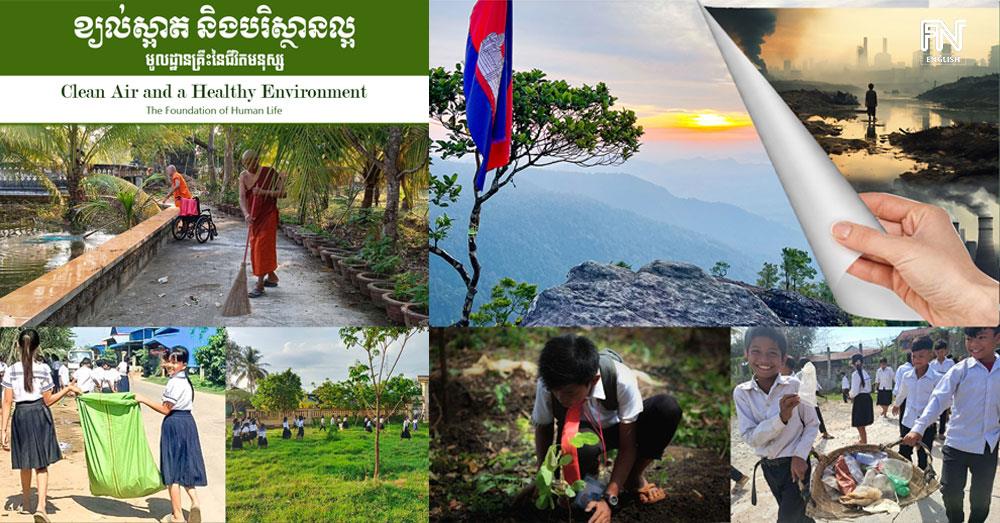
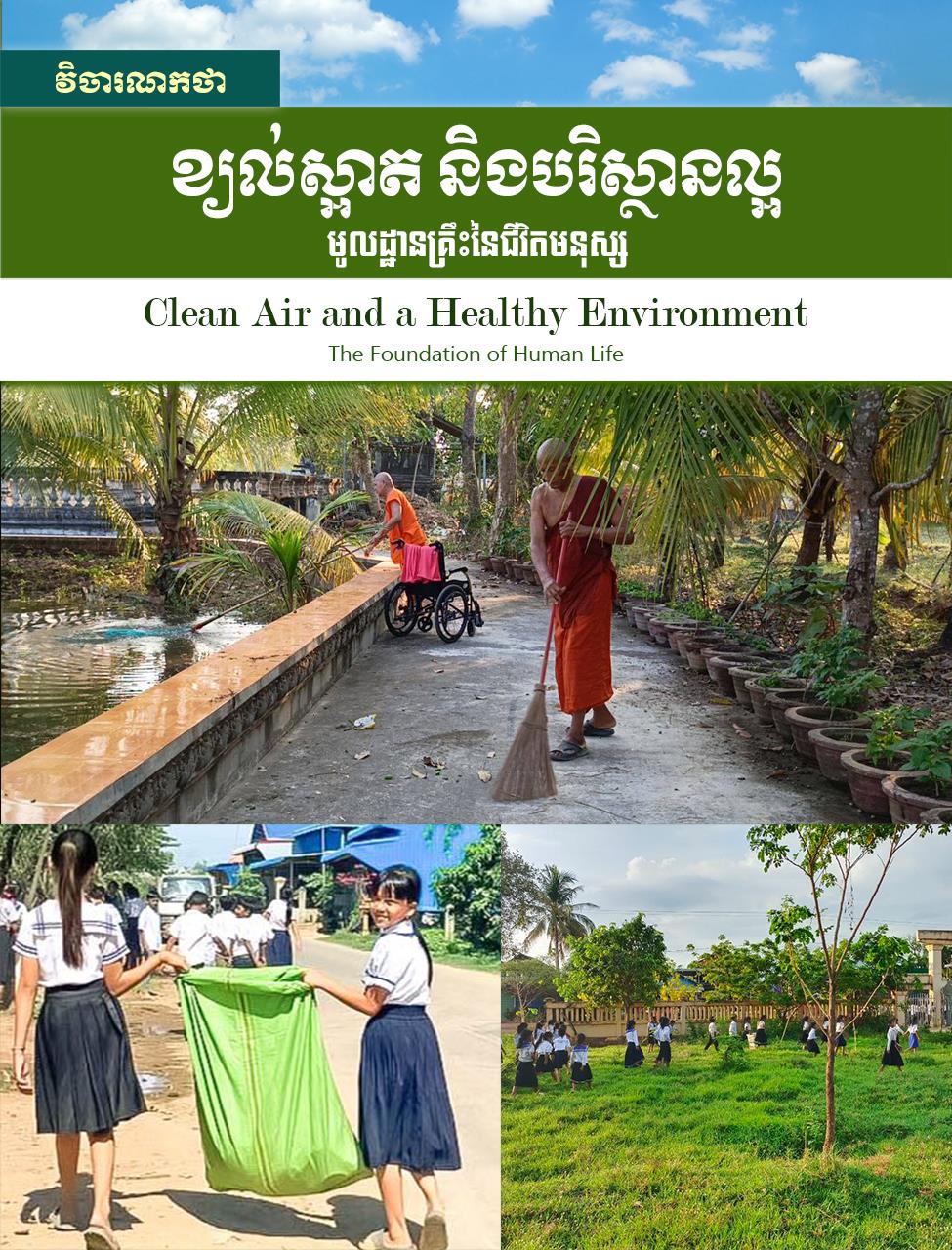
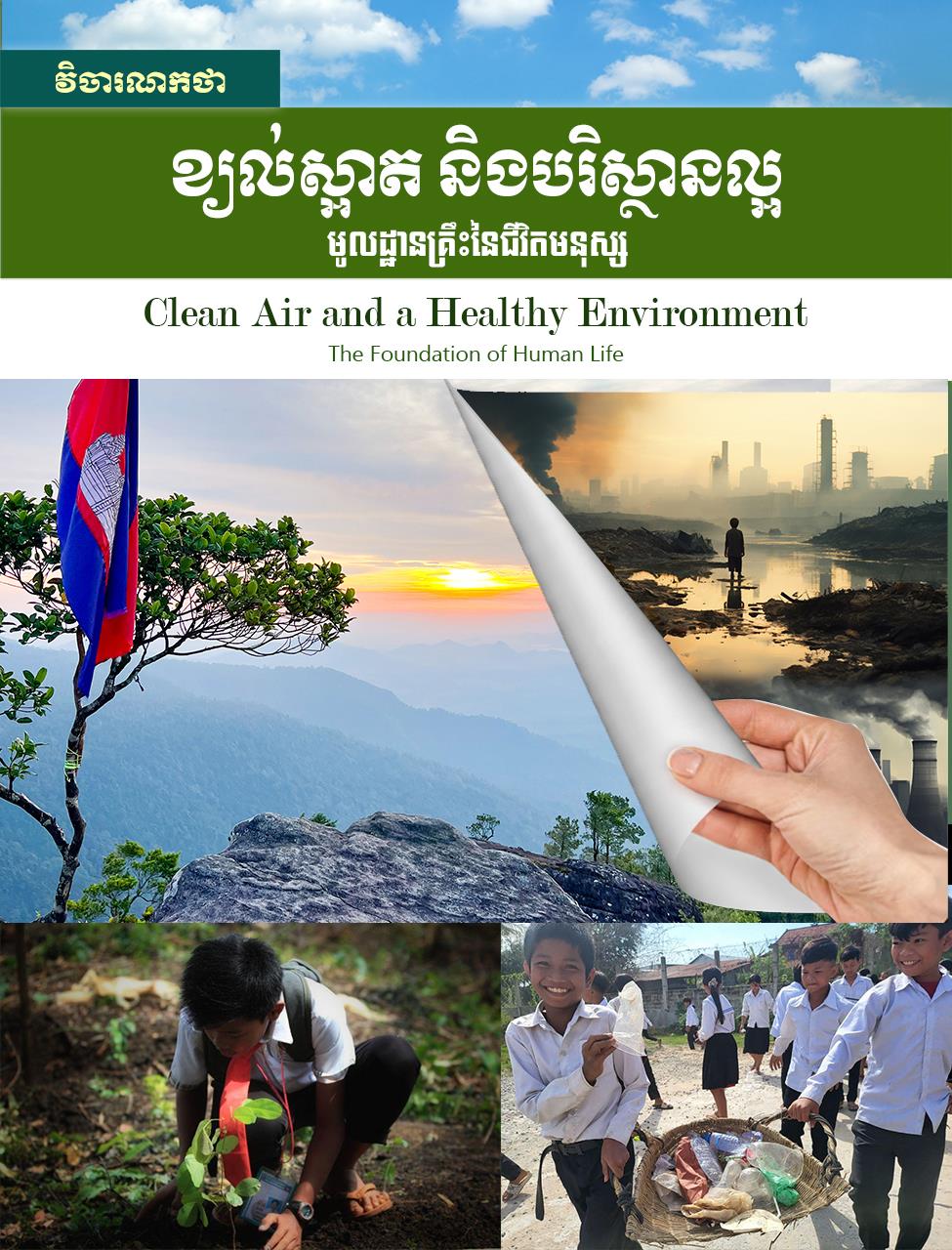
(Phnom Penh): Clean air and a healthy environment are not mere luxuries to enhance our quality of life; they are "essential conditions" indispensable for the survival of all living beings. Every breath we draw connects us intimately to the surrounding ecosystem, making air quality a life-and-death determinant for human health, well-being, and the sustainability of humanity. When the environment is protected, life flourishes; conversely, if we neglect it, both the longevity of our species and the stability of society will suffer profound consequences.
Clean Air: The Bedrock of Public Health
Biologically, oxygen is the vital energy fuelling our cells, brain, heart, and lungs. When the air is free from harmful pollutants, the risk of respiratory diseases, heart conditions, and cancer is significantly reduced. Clean air fosters healthy growth in children and ensures longevity for the elderly. In contrast, atmospheric toxins silently erode our organs, often causing chronic illness long before symptoms emerge. Thus, maintaining air quality is one of the most powerful forms of preventive healthcare.
Ecosystems: Our Natural Life-Support Systems
A healthy environment encompasses more than just the air; it includes clean water, fertile soil, and vibrant green spaces. Forests and wetlands act as "nature’s filters," purifying toxins and regulating the climate. Meanwhile, urban trees reduce heat and boost mental well-being. Protecting these natural systems creates a vital shield for both human and wildlife, whereas their destruction diminishes nature’s capacity to protect us.
Social Vision and Economic Stability
Green communities foster higher productivity and resilience. Reduced healthcare costs and improved learning capabilities in children represent immense social gains. Clean environments also drive tourism and strengthen social bonds, allowing local communities to boost their income and expand their livelihoods. Consequently, environmental protection is a direct investment in sustainable development and national economic stability.
Environmental Justice and Human Rights
Ensuring clean air is a matter of equity and social justice. Generally, pollution disproportionately affects marginalized communities living near industrial zones or landfills. Therefore, regardless of economic status or location, every individual possesses the fundamental right to breathe safely and exist in a healthy environment.
Collective Responsibility for the Future
Environmental protection is not the isolated task of any single individual or institution; it is a "Collective Responsibility" requiring the participation of all societal stakeholders:
(1) The Government and Authorities (Policy Makers):
a) Establish laws and regulations to tighten emission standards for vehicles and industries. b) Enforce the law by imposing strict penalties on those who destroy forests or discharge toxic waste into water sources. c) Invest in green infrastructure, increasing solar energy use and standardized waste management.
(2) The Private Sector and Industry (Producers):
(a) Implement green production chains and install automated systems to monitor air quality and wastewater before discharge. (b) Reduce plastic use by creating biodegradable or recyclable products. (c) Exercise Social Responsibility by participating in tree planting and supporting environmental projects.
(3) Civil Society and Development Partners (Advocates and Monitors):
(a) Educate and advocate within communities regarding proper waste disposal and resource protection. (b) Monitor and provide reports and recommendations to the government on emerging environmental issues.
(4) Media and Influencers (Information Providers):
(a) Use social platforms to share knowledge on the impacts of PM2.5 and climate change. (b) Create campaigns that encourage the public to adopt eco-friendly lifestyles.
(5) Individuals and Families (Consumers):
(a) Change habits by ending the open burning of trash, plastics, or other waste. (b) Practice conservation by using electricity and water responsibly. (c) Engage in community cleaning activities and local tree planting.
(6) Education and Youth (The Successors):
(a) Integrate environmental lessons into the curriculum to instil a "green spirit" in children from a young age. (b) Empower youth as the most active drivers of creative ideas to save the planet.
Conclusion
Clean air and a healthy environment are the unbreakable bonds of human existence. They harmonize our economy, our communities, and most importantly, our shared future. To protect the environment is to protect our own breath and our own lives, not only for today but for the generations to come.
=FRESH NEWS