(Phnom Penh): In a world where international law is meant to serve as the guiding framework for resolving disputes, some countries still choose to weaponize distorted memory and exploit nationalist sentiment as excuses to conceal acts of aggression.
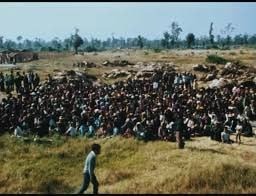
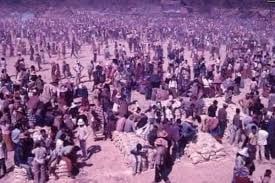
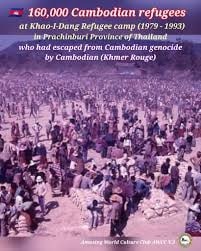
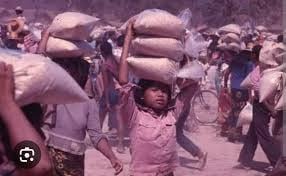
Along the Cambodia–Thailand border lies a place where history is etched in the blood of tens of thousands of Cambodian refugees—an atrocity that has been deliberately concealed for decades. Yet what some have tried so hard to hide has now become a clear mirror reflecting the patterns of behavior and strategic thinking that Thailand continues to employ along Cambodia’s borders today.
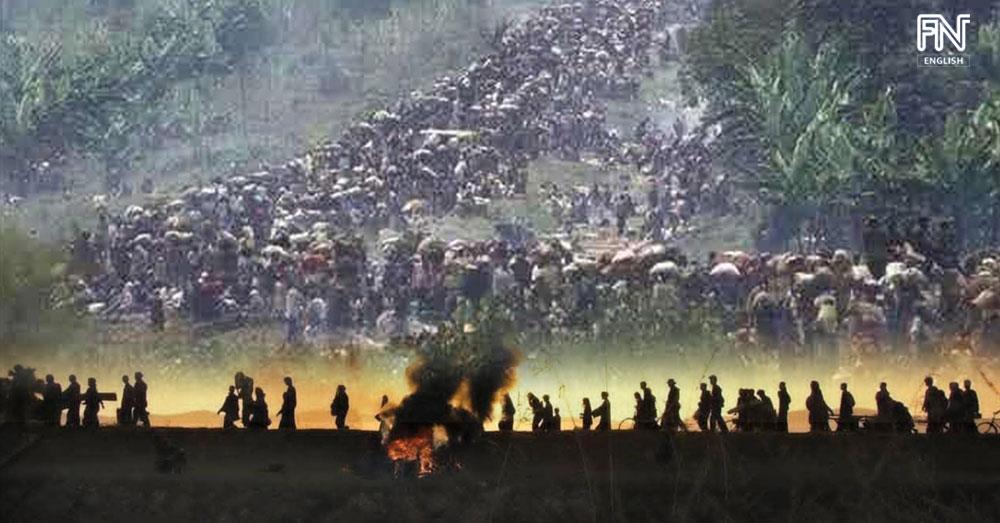
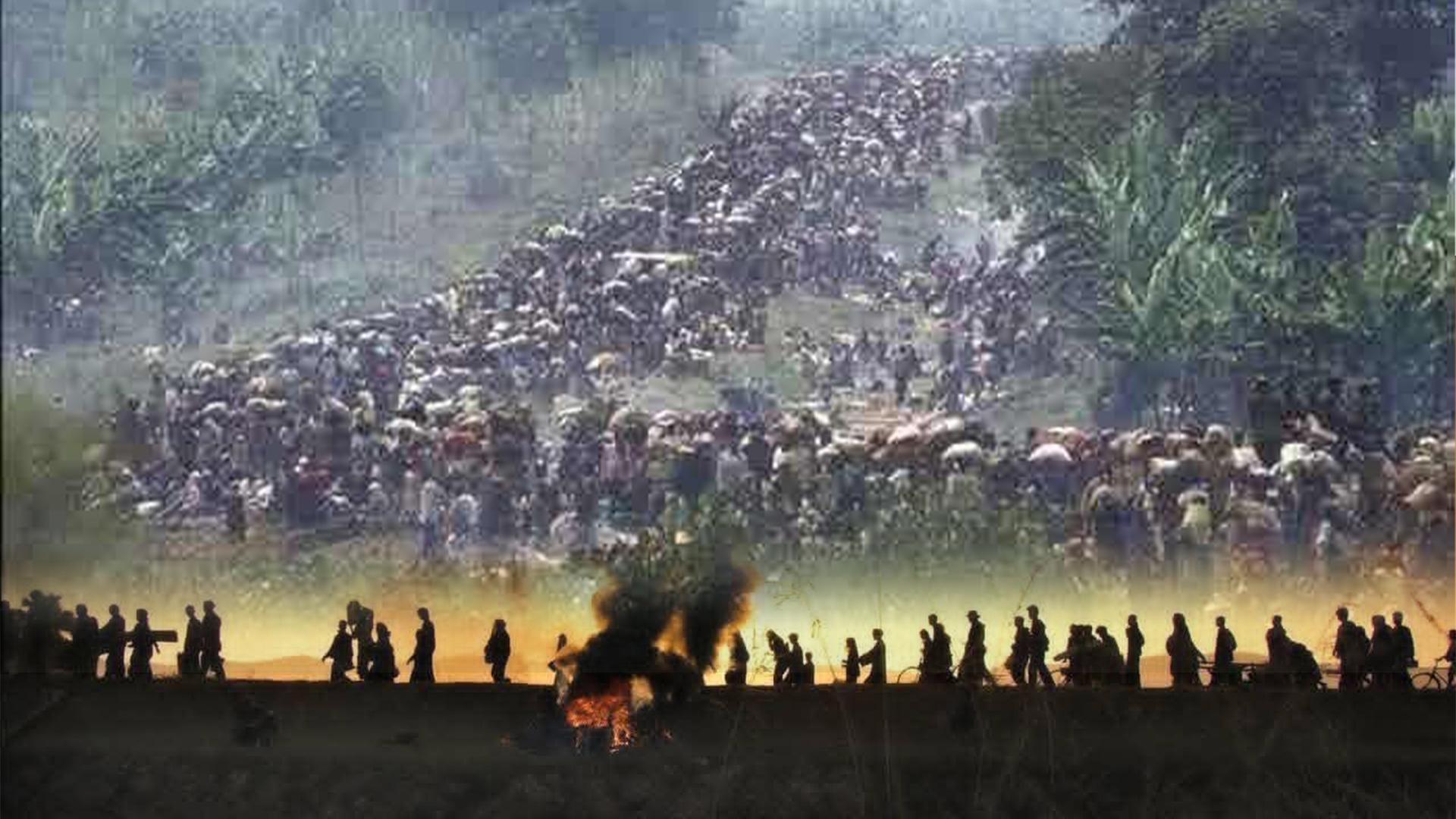
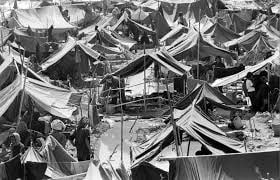
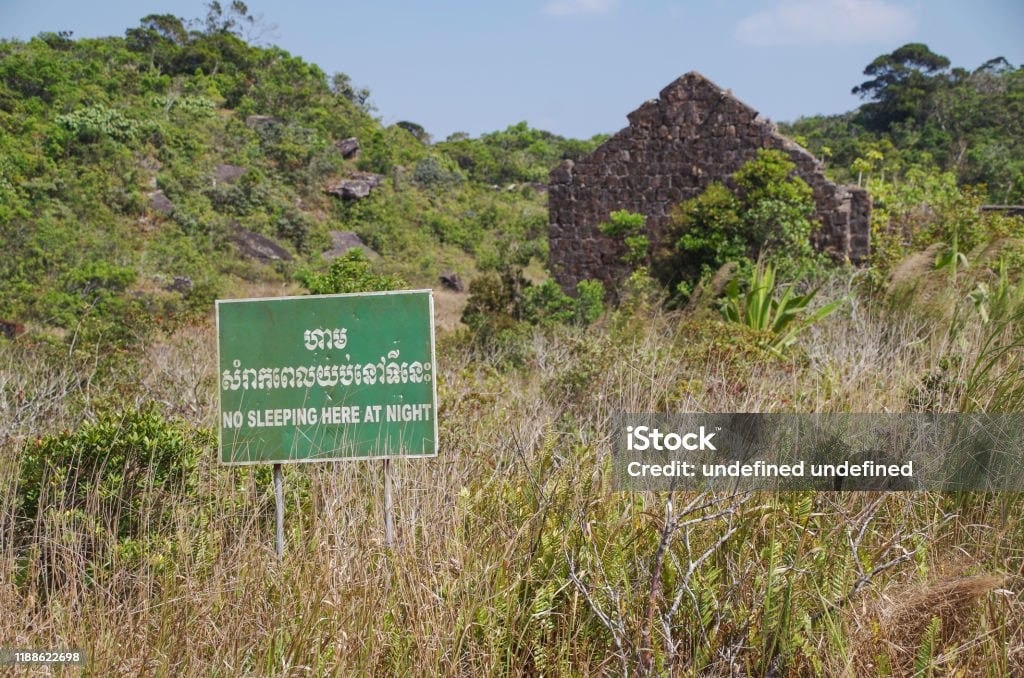
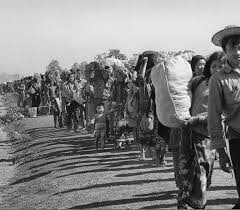
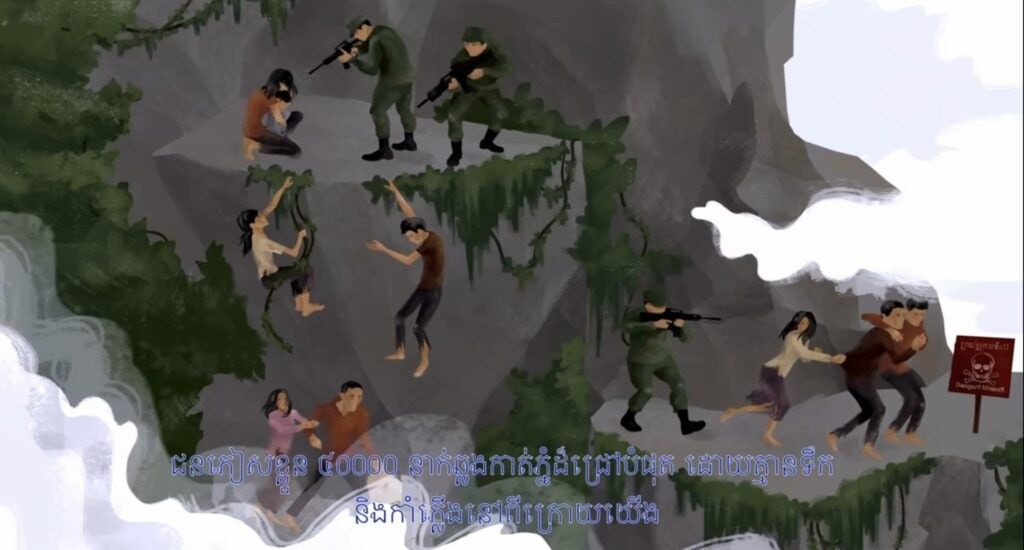
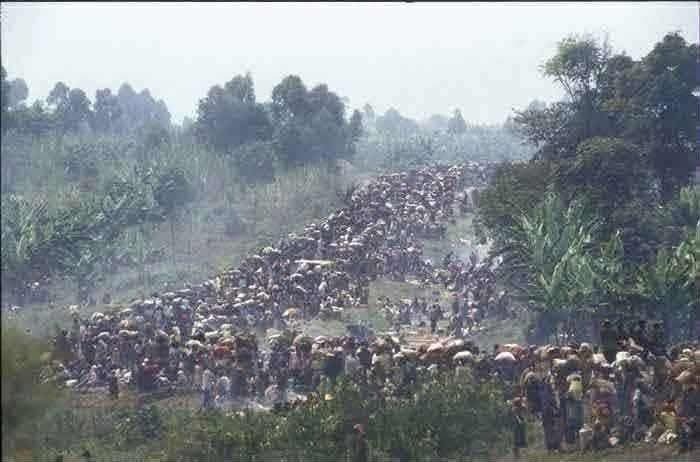
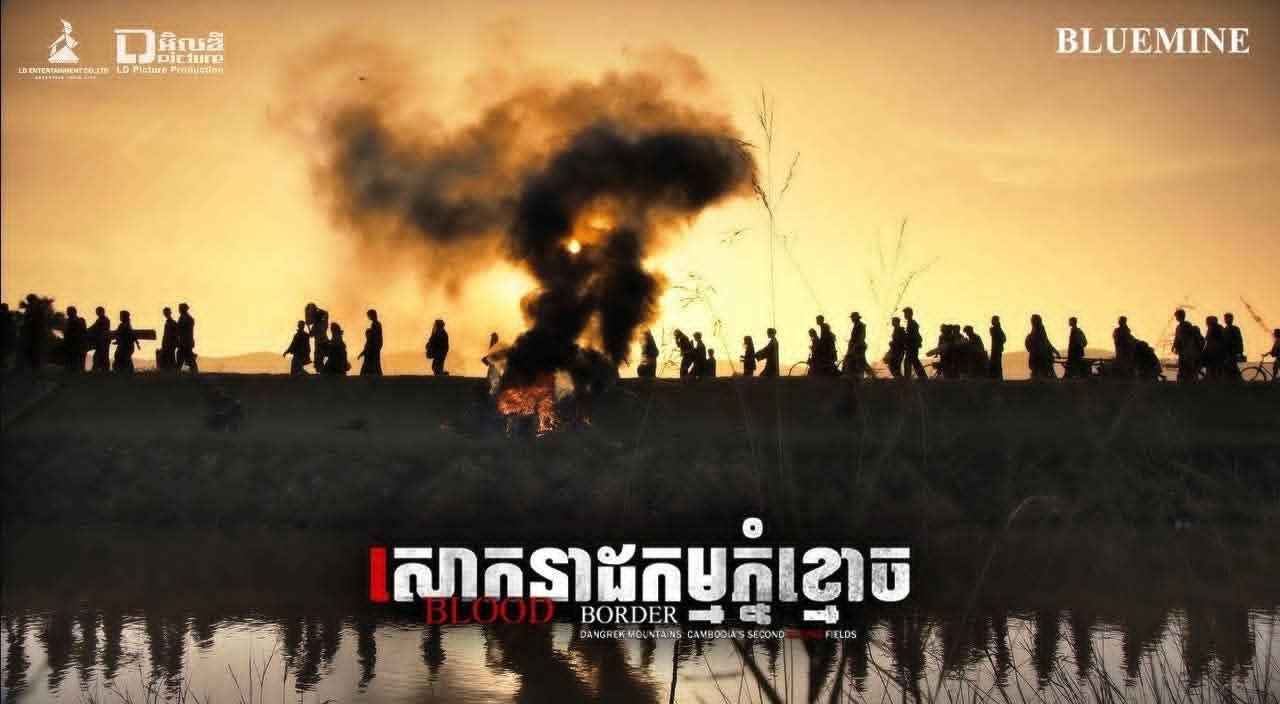
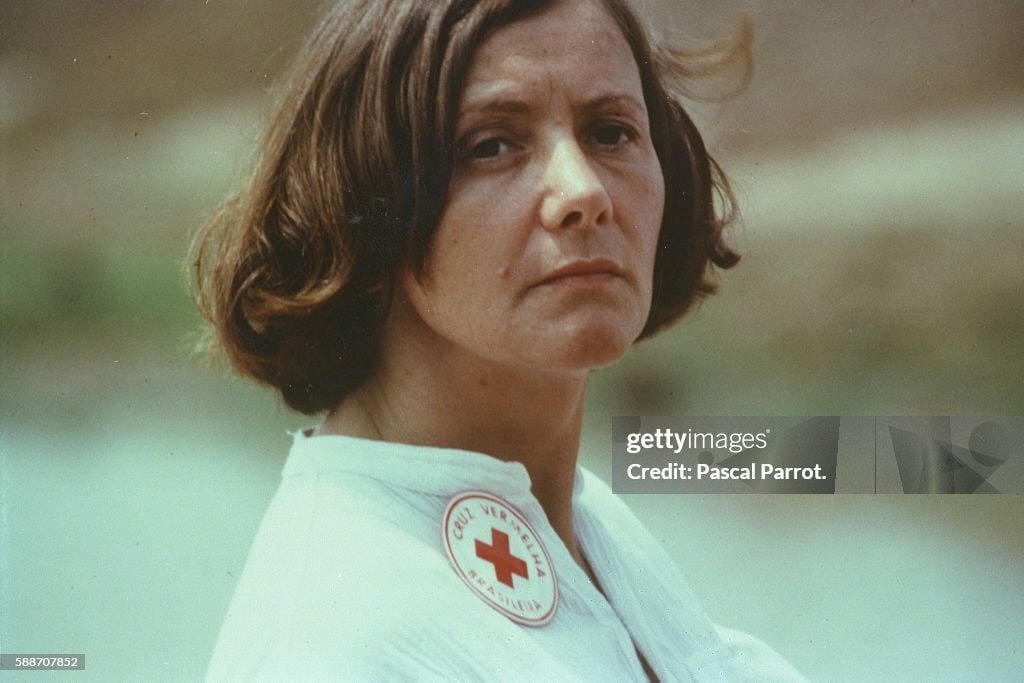
The documentary Ghost Mountain: The Second Killing Fields of Cambodia exposes the undeniable reality of the 1979 massacre of Cambodian refugees at Ghost Mountain by Thai troops—forced marches through minefields, summary executions, and victims being pushed off steep cliffs. The international evidence surrounding this tragedy is extensive and verifiable. What is most alarming, however, is not the past itself, but the resurgence of the very mindset and conduct that led to Ghost Mountain, now reemerging in the form of modern political and military strategies tied to territorial encroachment along the Cambodia–Thailand border.
Ghost Mountain: An Act of Revenge Rooted in the ICJ Defeat
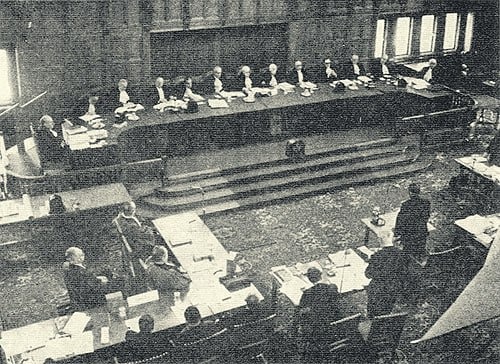
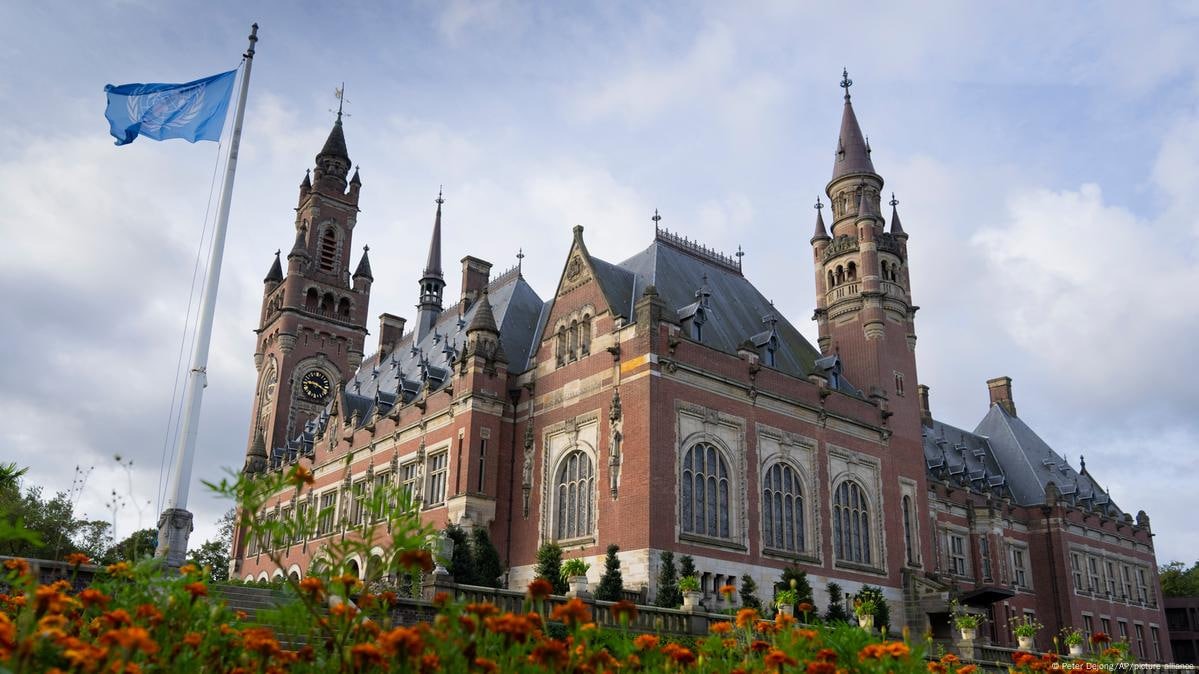
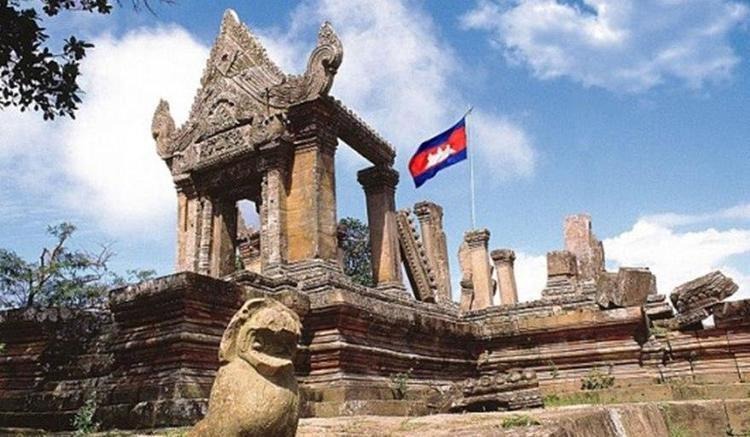
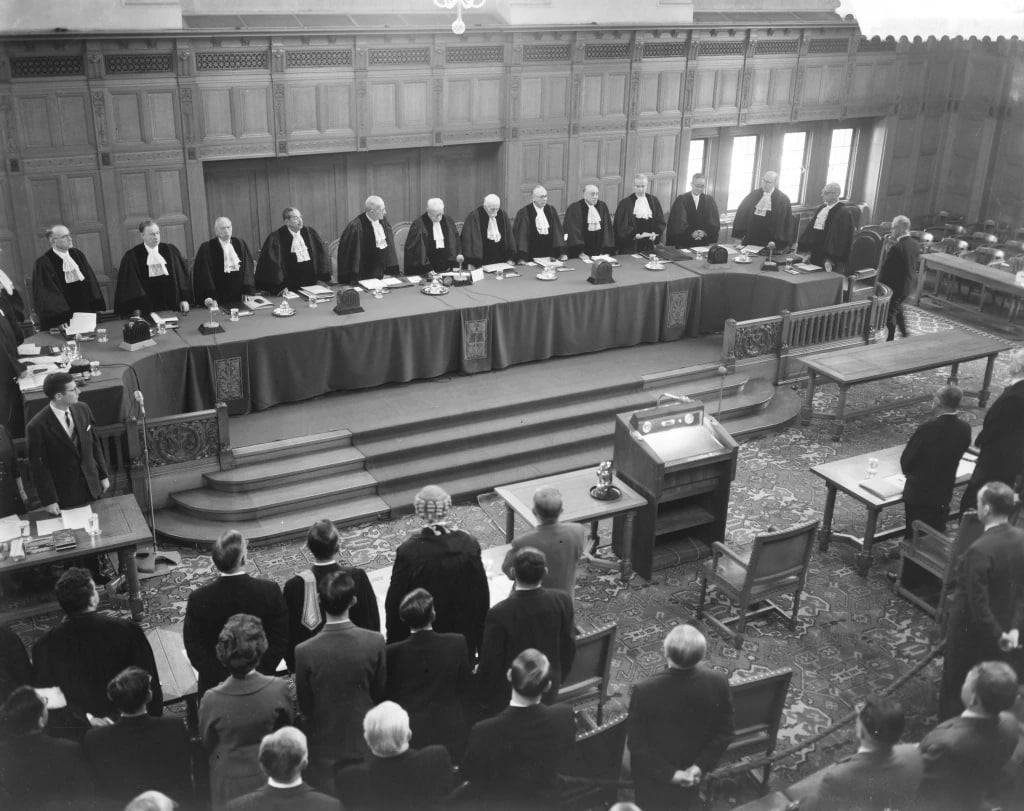
Numerous political analysts and historians, including Dr. In Sophal, have emphasized that the killing of Cambodian refugees in what is now known as “Ghost Mountain” was neither random violence nor a normal byproduct of border conflict. It was an act of nationalist revenge, deeply rooted in Thailand’s loss of the Preah Vihear Temple case at the International Court of Justice (ICJ) in 1962—a ruling that Thailand has never fully accepted within its political consciousness or its nationalist narrative.
Rather than respecting the clear and binding judgment of the ICJ—one of the pillars of the international legal order—Thailand transformed a legal defeat into an emotional vendetta, directing its resentment toward the weakest and most defenseless victims: unarmed Cambodian refugees who had no voice, no protection, and no state capable of defending them.
The political context of the late 1970s allowed this resentment to erupt without restraint. Cambodia had just emerged from genocide and was struggling to rebuild a functioning state. Cambodian refugees thus became easy targets for Thai nationalist anger—anger that could not be directed at the Cambodian government or at international courts, but instead was unleashed on civilians.
What makes this tragedy even more severe is the fact that retaliation was not aimed at those in power, but at people utterly incapable of defending themselves. Cambodian refugees were never parties to the ICJ dispute, yet they became substitute victims, bearing the psychological and political wounds of Thailand’s unresolved nationalist trauma.
Evidence Thailand Cannot Deny
British journalist William Shawcross documented that approximately 50,000 Cambodian refugees were forcibly expelled by Thai authorities at gunpoint, pushed off cliffs, and forced to march through minefields back into Cambodia without food or water.
Former U.S. Ambassador Morton Abramowitz later published letters from survivors trapped at the foot of the mountain, indicating that only about 1,000 people were still alive—many critically ill after more than ten days without food or water.
Records from UNHCR officer Yvette Pierpaoli, who personally participated in rescue efforts, confirmed that only 922 refugees survived.
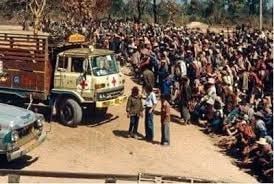
A letter from the International Committee of the Red Cross (ICRC) dated June 29, 1979, sent to Geneva, stated that Thai troops had forcibly driven refugees through minefields and killed more than 40,000 people.
Additional documents, including reports from Vietnamese forces involved in rescue operations, confirm that only 2,000 to 3,000 people were extracted from the minefields.
Out of nearly 50,000 refugees, fewer than 4,000 survived. Worse still, Thai forces reportedly carried out such expulsions repeatedly beginning in April 1979, bringing the estimated death toll at Ghost Mountain to nearly 100,000 Cambodian refugees.
Why These Facts Matter
Presenting this international evidence is not intended to incite hatred or provoke new conflict. Rather, it is meant to close the door on denial and historical distortion that continues to be used as a political tool. These facts demonstrate that the Ghost Mountain tragedy is not fiction nor a one-sided allegation—it is a documented historical reality recorded by the international community.
The consistency of these accounts—from foreign journalists, diplomats, UN agencies, humanitarian organizations, and military rescue records—shows that this was not an isolated incident but a deliberate and systematic pattern of violence, one that cannot be erased through political denial.
What Thailand seeks to deny today cannot erase what the past has recorded. Facts backed by documentation do not fear denial.
Thailand’s Use of Disinformation to Conceal Aggression
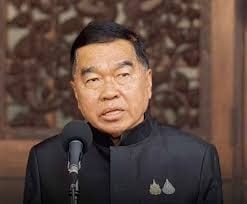
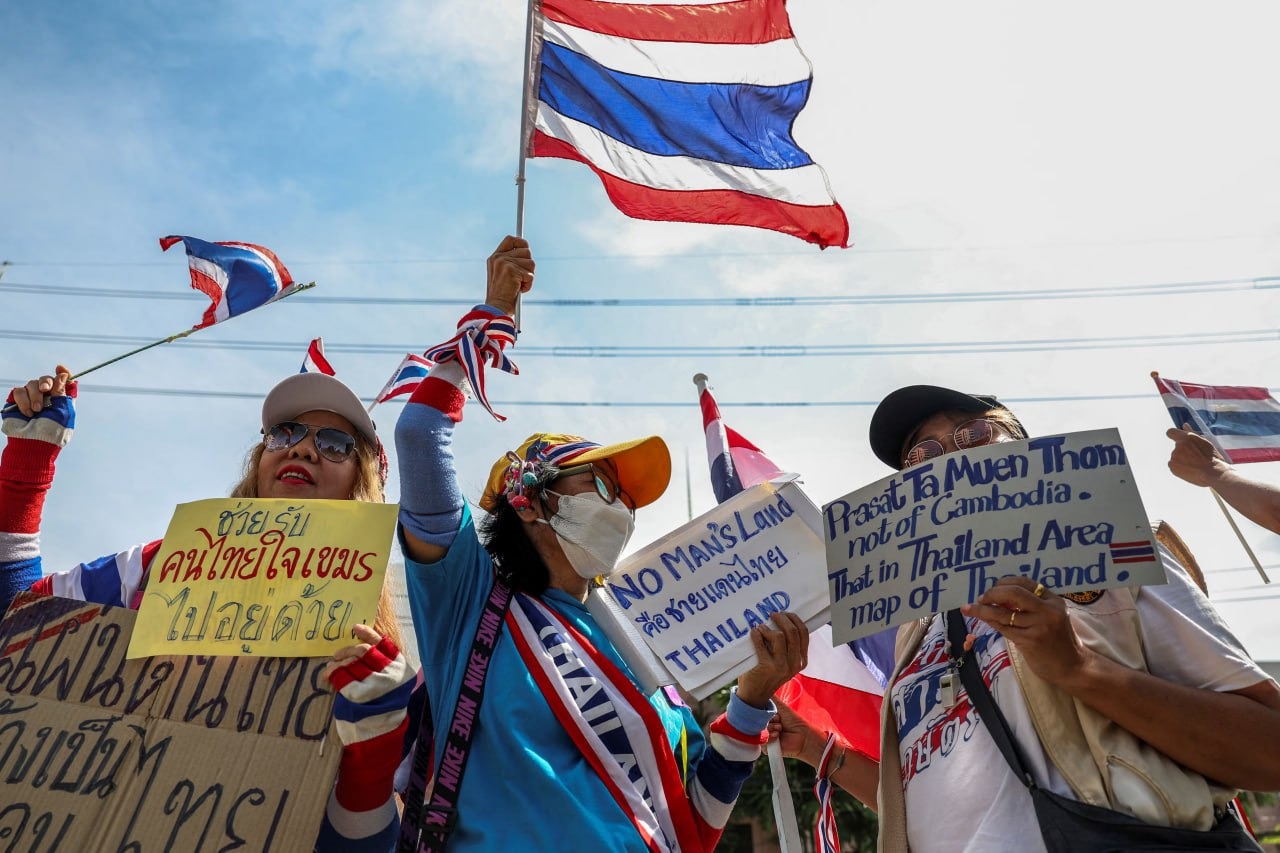
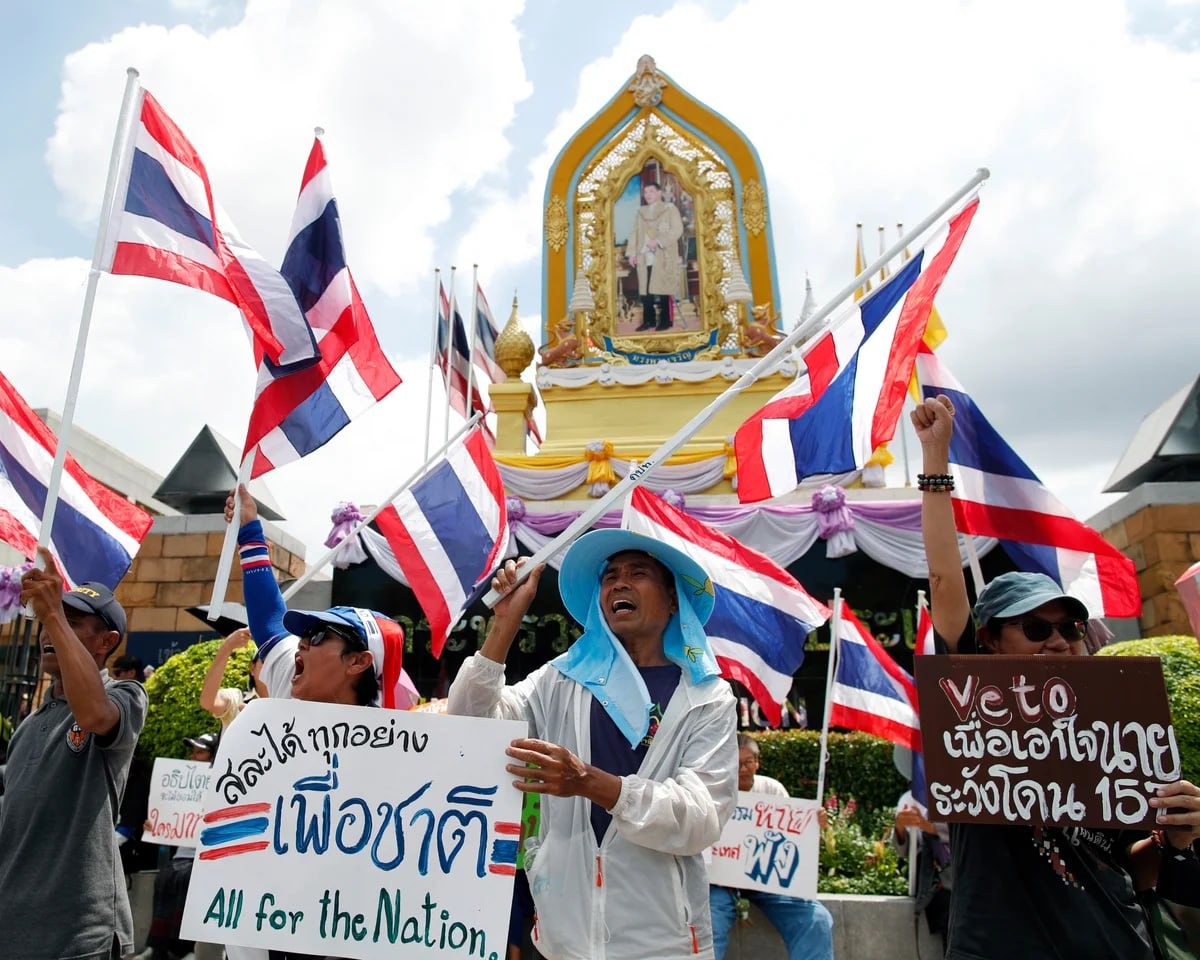
According to Thai journalist Wassana Nanuam (January 19, 2026), Thailand’s Defense Minister Natthaphon Narkphanit claimed that areas currently occupied by Thai troops along the border are “Thai territory” allegedly held by Cambodia for 40–50 years.
This claim collapses under both historical logic and legal scrutiny.
1. Historical Reality and State Capacity
Forty to fifty years ago, Cambodia was engulfed in internal chaos, institutional collapse, and post-genocide devastation. It lacked the military capacity, logistics, and state stability required to occupy and administer foreign territory for decades. The narrative that Cambodia “occupied Thai land” during this period is therefore a political fiction, crafted to recast Thailand as a victim rather than an occupier.
2. International Legal Standards
Territorial claims cannot rest on rhetoric or nationalist emotion. They require treaties, maps, and internationally recognized legal mechanisms. Absent such evidence, these claims function solely as propaganda—designed to shape public perception and obscure the legality of military force.
In essence, Thailand’s claim that Cambodia “occupied land for 40–50 years” serves one political purpose: to transform Thailand from aggressor into victim, portraying military encroachment as “self-defense.”
A Pattern That Has Never Changed
In practice, Thailand’s claims form part of a deliberate strategy:
occupy territory → create facts on the ground → rewrite history to justify possession.
This involves long-term troop deployment, construction of fences and infrastructure, settlement creation, and tourism development—measures intended to normalize illegal occupation and later legitimize it through revised historical narratives.
From the forced marches through minefields in 1979 to the destruction of ancient temples and modern territorial assertions in the 21st century, the behavioral pattern has not changed—only the language and methods of concealment have evolved.
Historical truth cannot be erased by disinformation, and the international community cannot be deceived indefinitely.
Conclusion
The Ghost Mountain tragedy is not a chapter of the past that can be closed through denial or historical distortion. It stands as a stark warning that Thai political ambitions rooted in nationalist mobilization and territorial expansion, coupled with the massacre of Cambodian refugees in 1979 along the Dangrek Mountains, were not accidents of history but part of a recurring strategic pattern that persists along Cambodia’s borders today.
For Cambodia, recalling Ghost Mountain is not an act of hatred or ethnic hostility. It is an act of defending justice, sovereignty, and historical truth through international law—a path Cambodia has consistently chosen despite its military limitations. Documented history cannot be rewritten by nationalism or disinformation.
True peace does not emerge from concealing aggression or distorting the past. It emerges from acknowledging truth, respecting law, and accepting responsibility. Ghost Mountain—the burial ground of Cambodian refugees—is not a forgotten grave, but a living witness reminding the world that justice may be delayed, but those who commit grave wrongdoing cannot escape accountability forever.