(Phnom Penh): Cambodia has responded to key questions regarding the current border situation with Thailand, reaffirming Cambodia’s commitment to the rule of law, civilian protection, and peaceful resolution through established bilateral and international mechanisms.
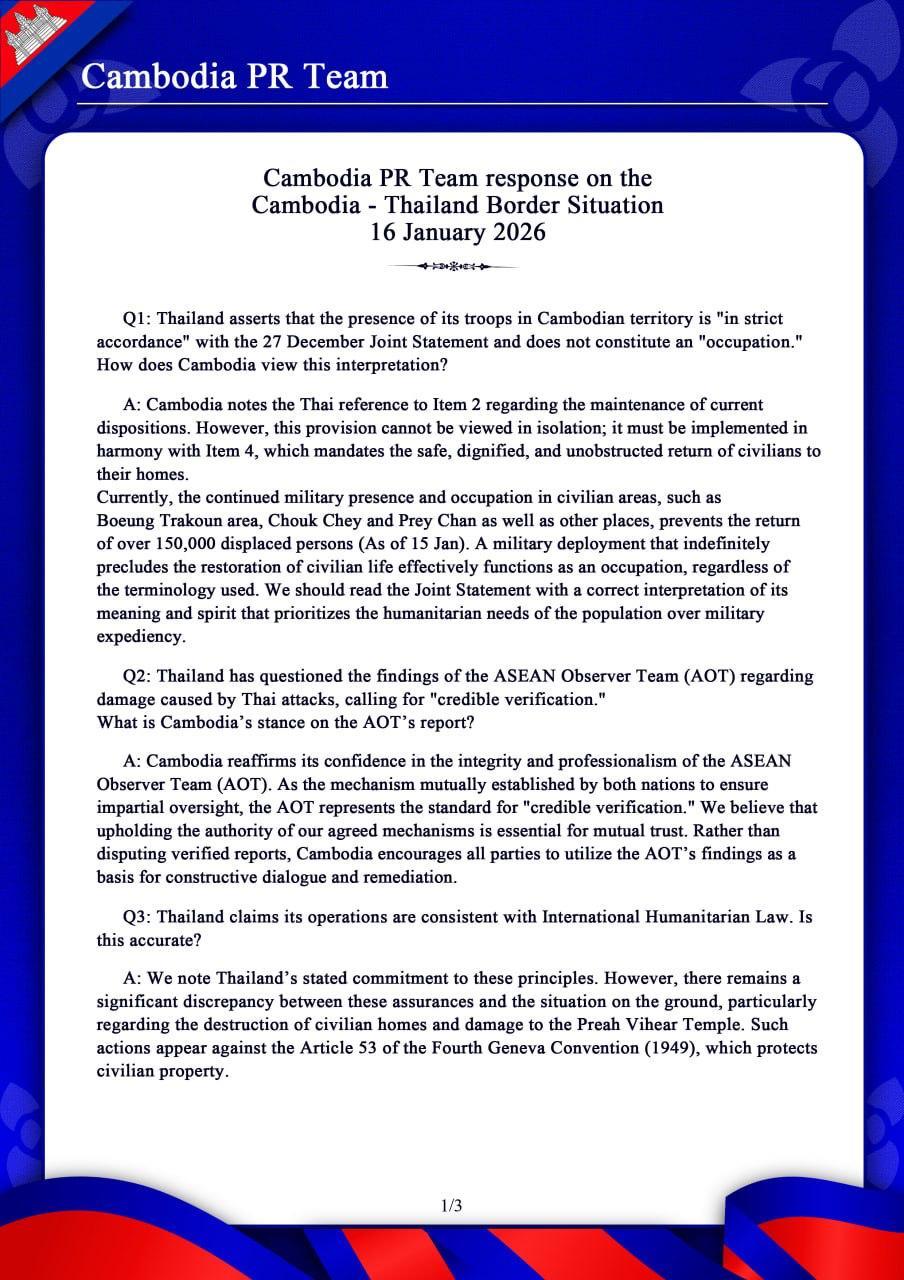
Q1: Thailand asserts that the presence of its troops in Cambodian territory is "in strict accordance" with the 27 December Joint Statement and does not constitute an "occupation." How does Cambodia view this interpretation?
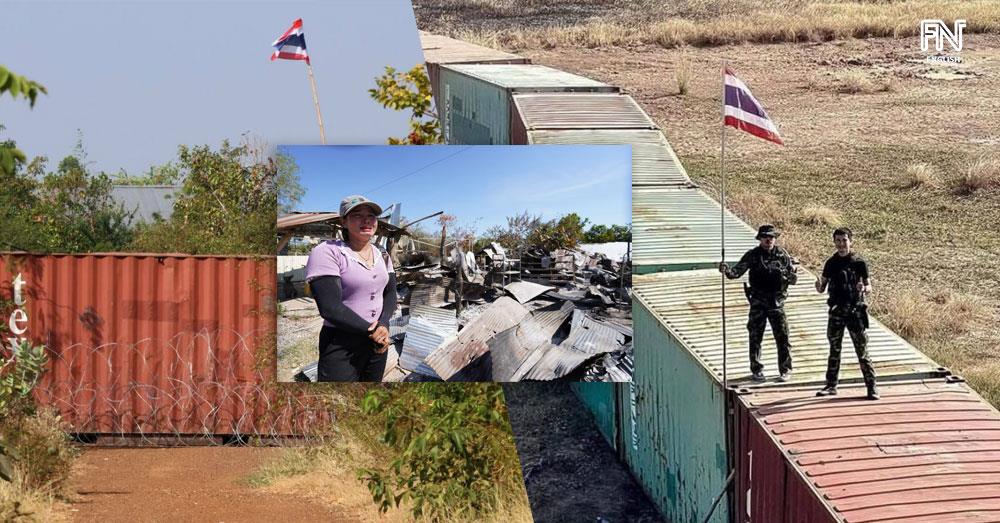
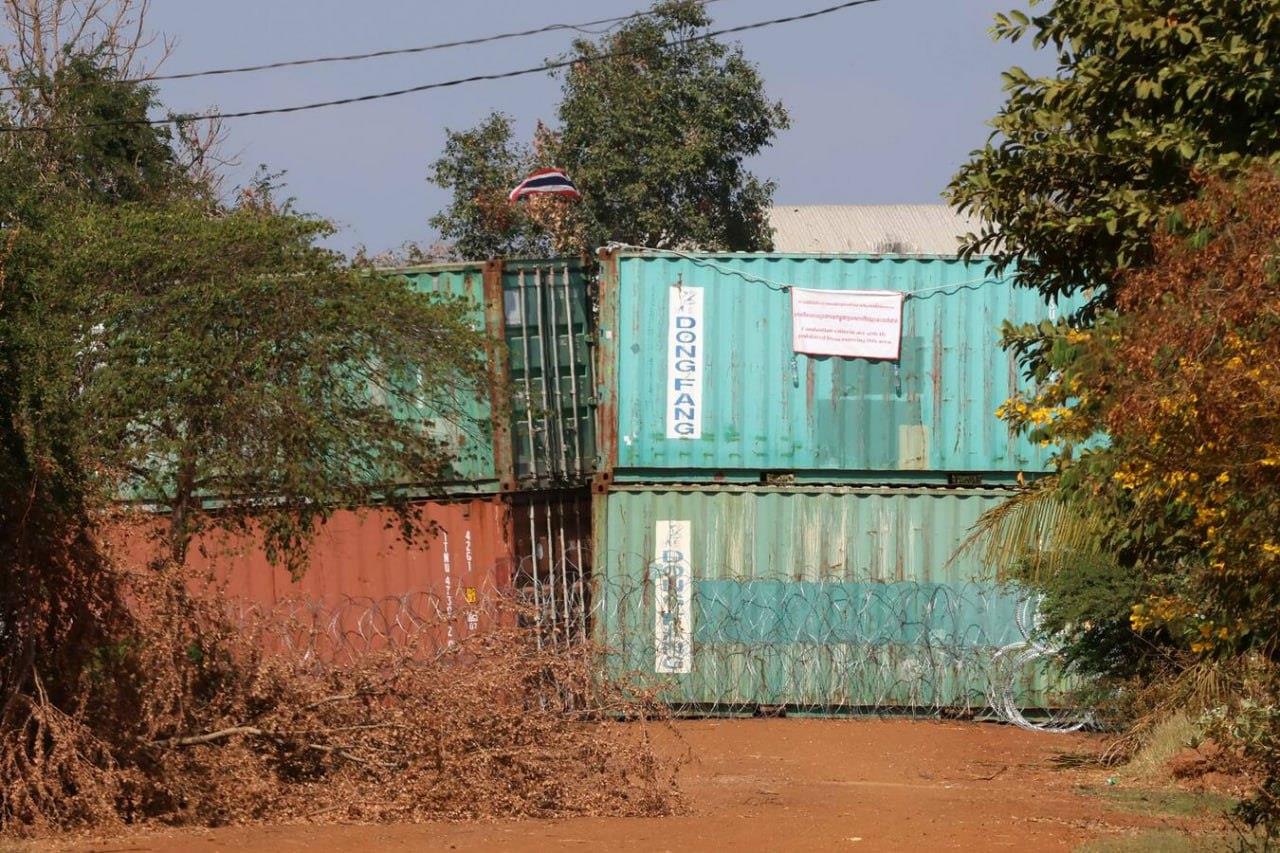
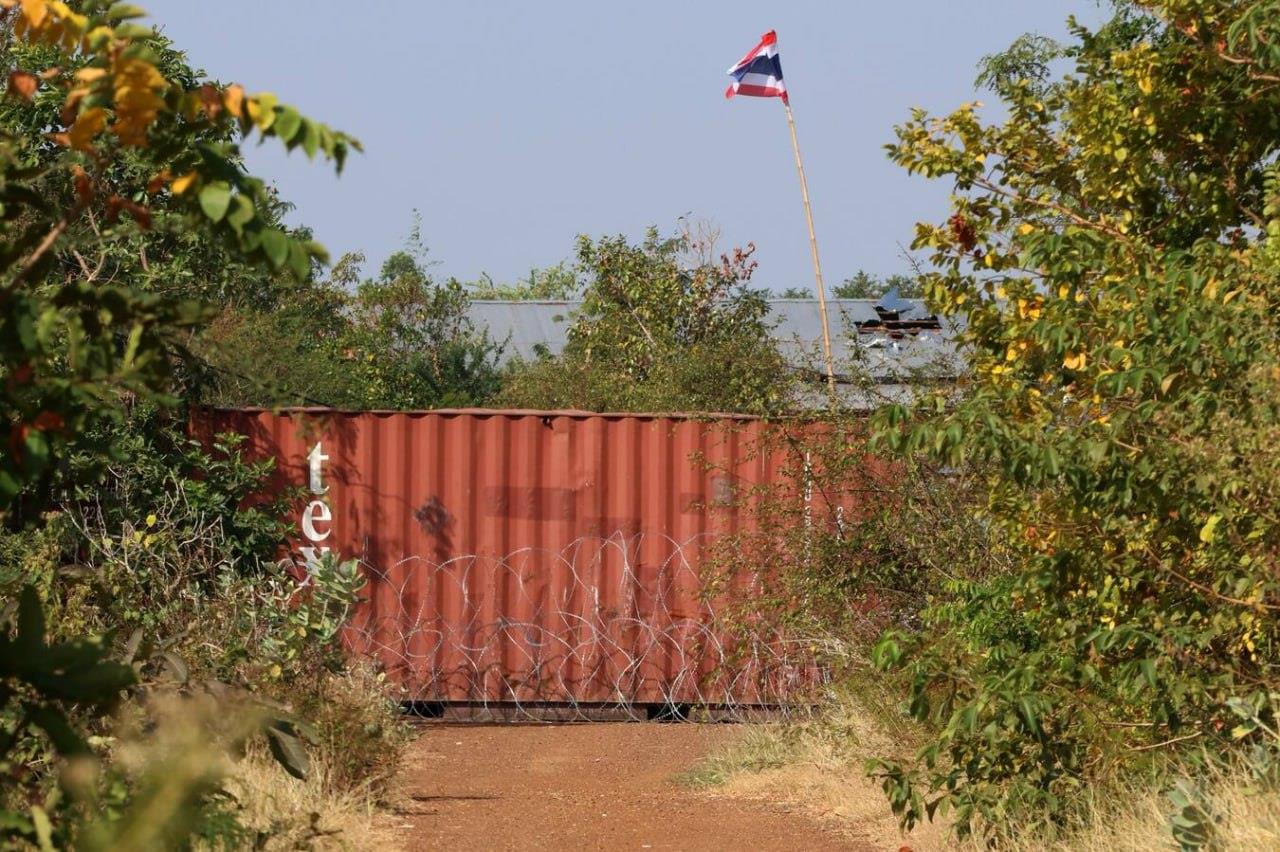
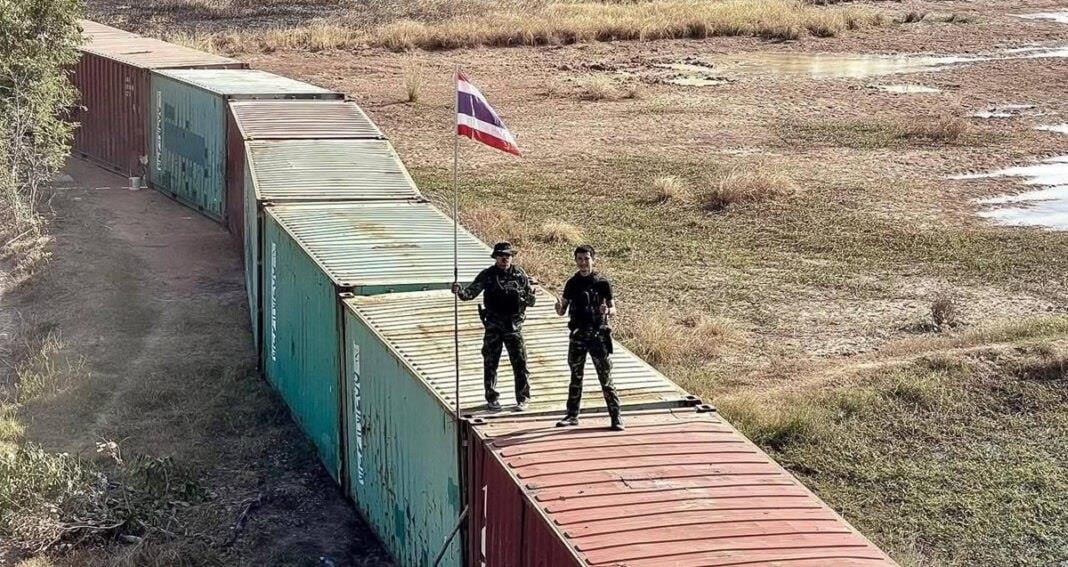
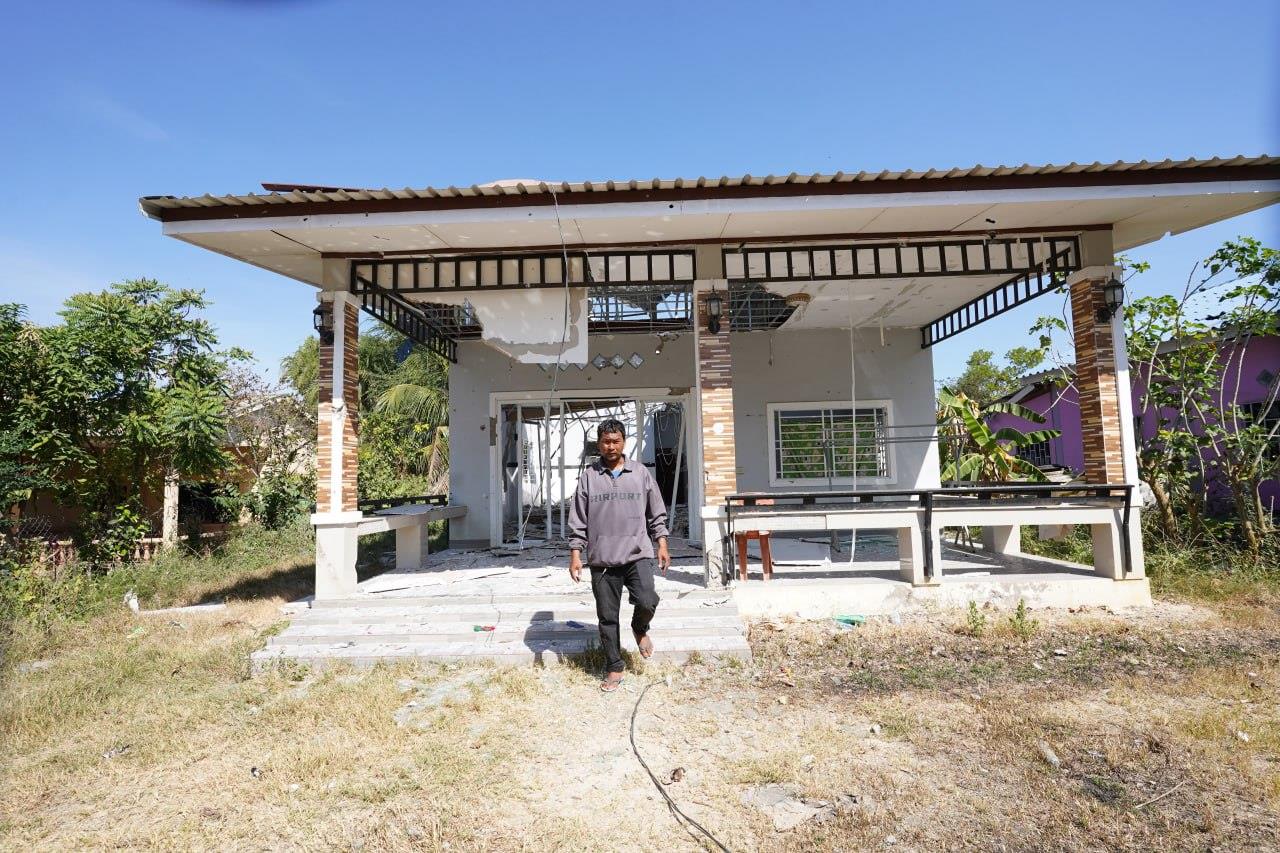
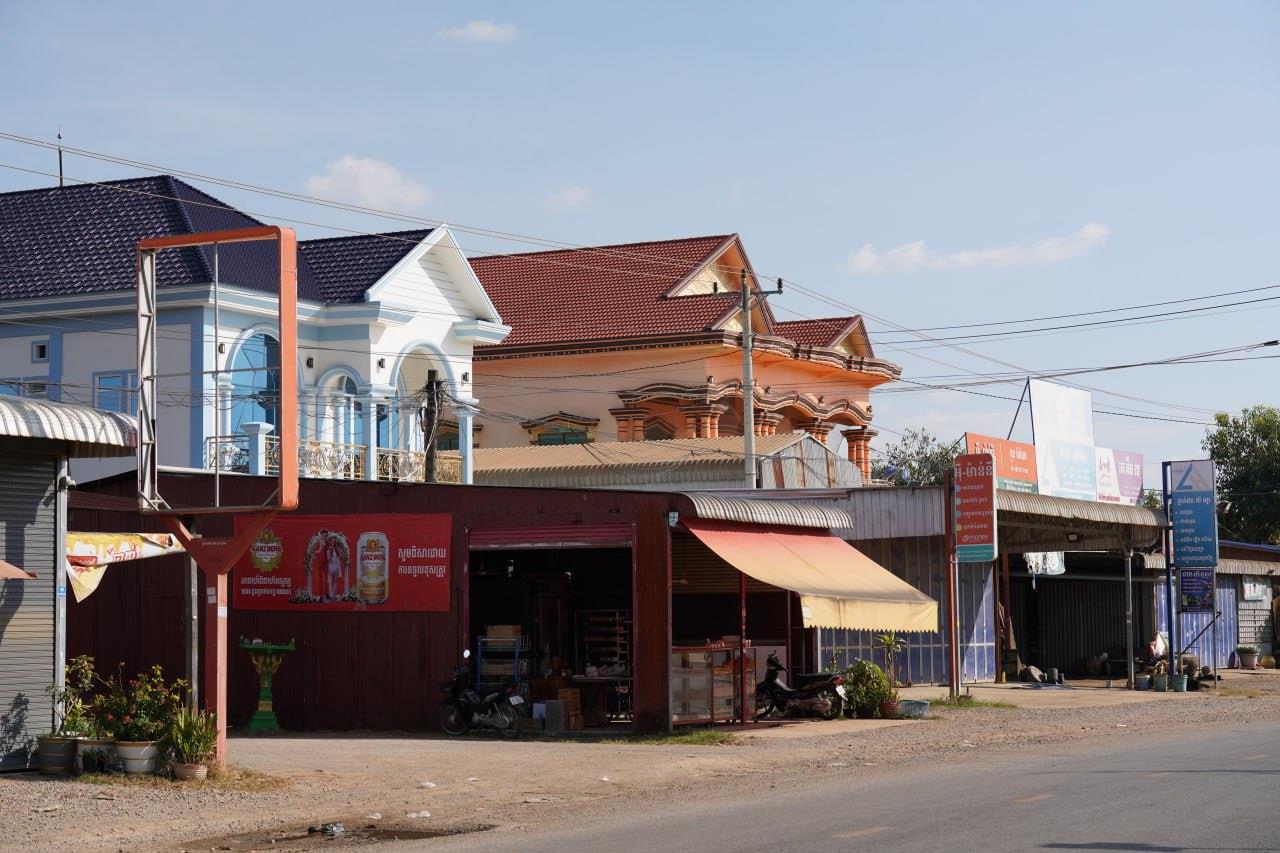
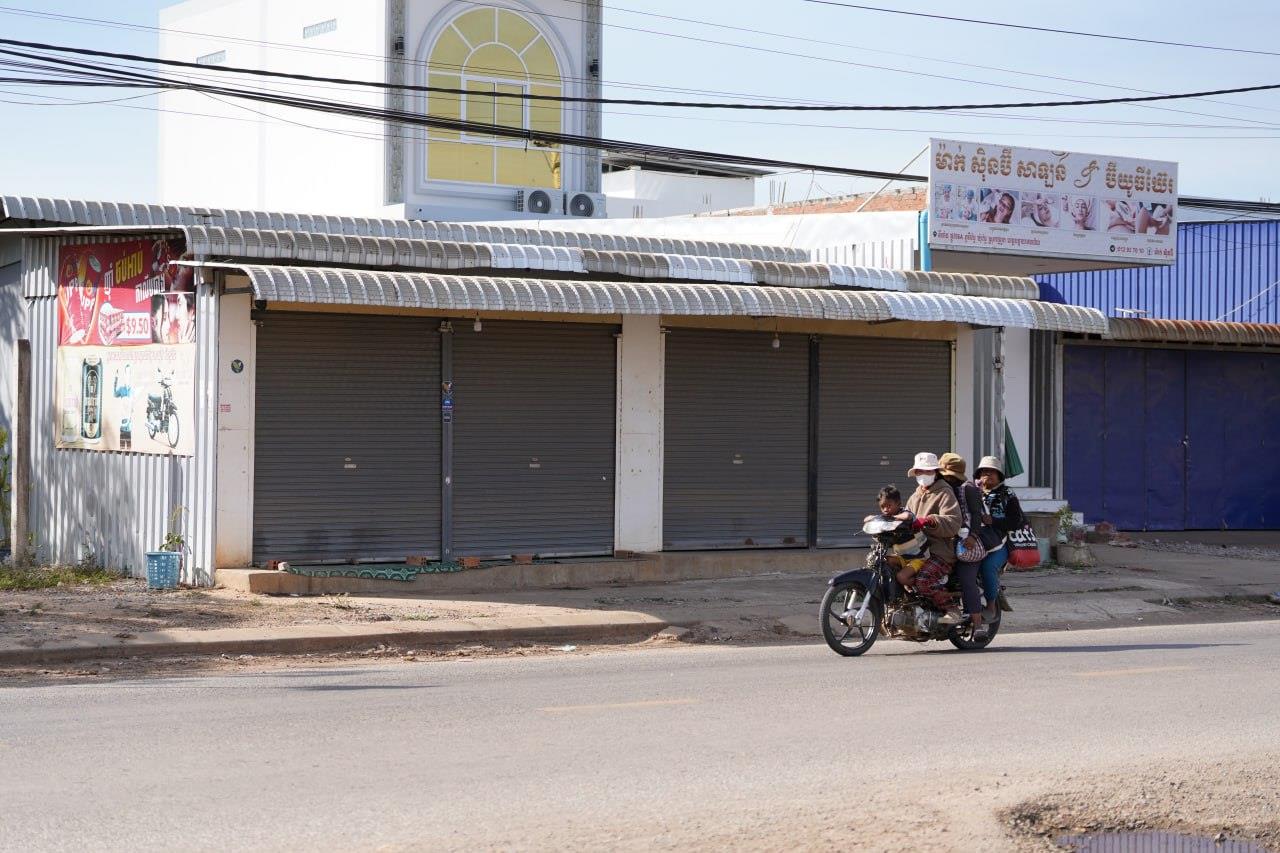
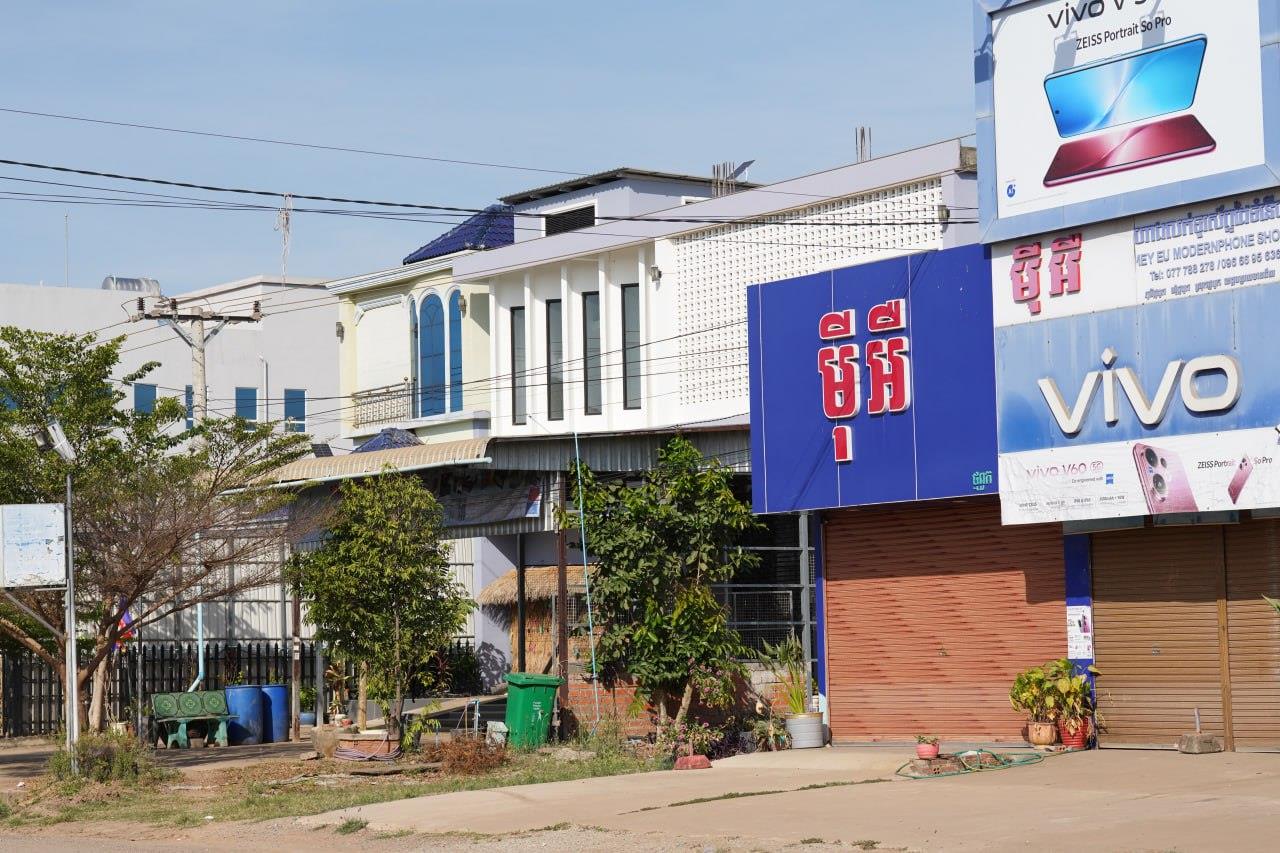
A: Cambodia notes the Thai reference to Item 2 regarding the maintenance of current dispositions. However, this provision cannot be viewed in isolation; it must be implemented in harmony with Item 4, which mandates the safe, dignified, and unobstructed return of civilians to their homes. Currently, the continued military presence and occupation in civilian areas, such as Boeung Trakoun area, Chouk Chey and Prey Chan as well as other places, prevents the return of over 150,000 displaced persons (As of 15 Jan). A military deployment that indefinitely precludes the restoration of civilian life effectively functions as an occupation, regardless of the terminology used. We should read the Joint Statement with a correct interpretation of its meaning and spirit that prioritizes the humanitarian needs of the population over military expediency.
Q2: Thailand has questioned the findings of the ASEAN Observer Team (AOT) regarding damage caused by Thai attacks, calling for "credible verification." What is Cambodia’s stance on the AOT’s report?
A: Cambodia reaffirms its confidence in the integrity and professionalism of the ASEAN Observer Team (AOT). As the mechanism mutually established by both nations to ensure impartial oversight, the AOT represents the standard for "credible verification". We believe that upholding the authority of our agreed mechanisms is essential for mutual trust. Rather than disputing verified reports, Cambodia encourages all parties to utilize the AOT’s findings as a basis for constructive dialogue and remediation.
Q3: Thailand claims its operations are consistent with International Humanitarian Law. Is this accurate?
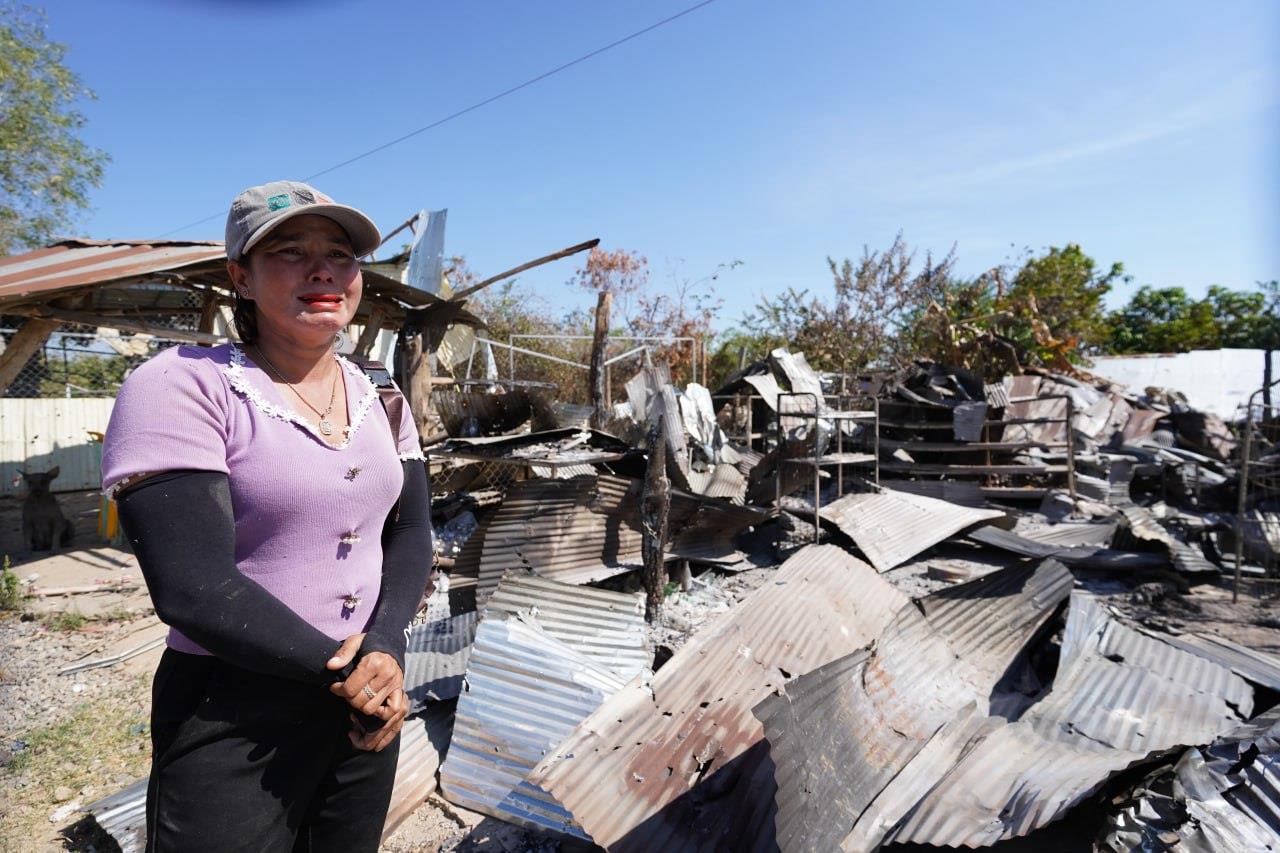
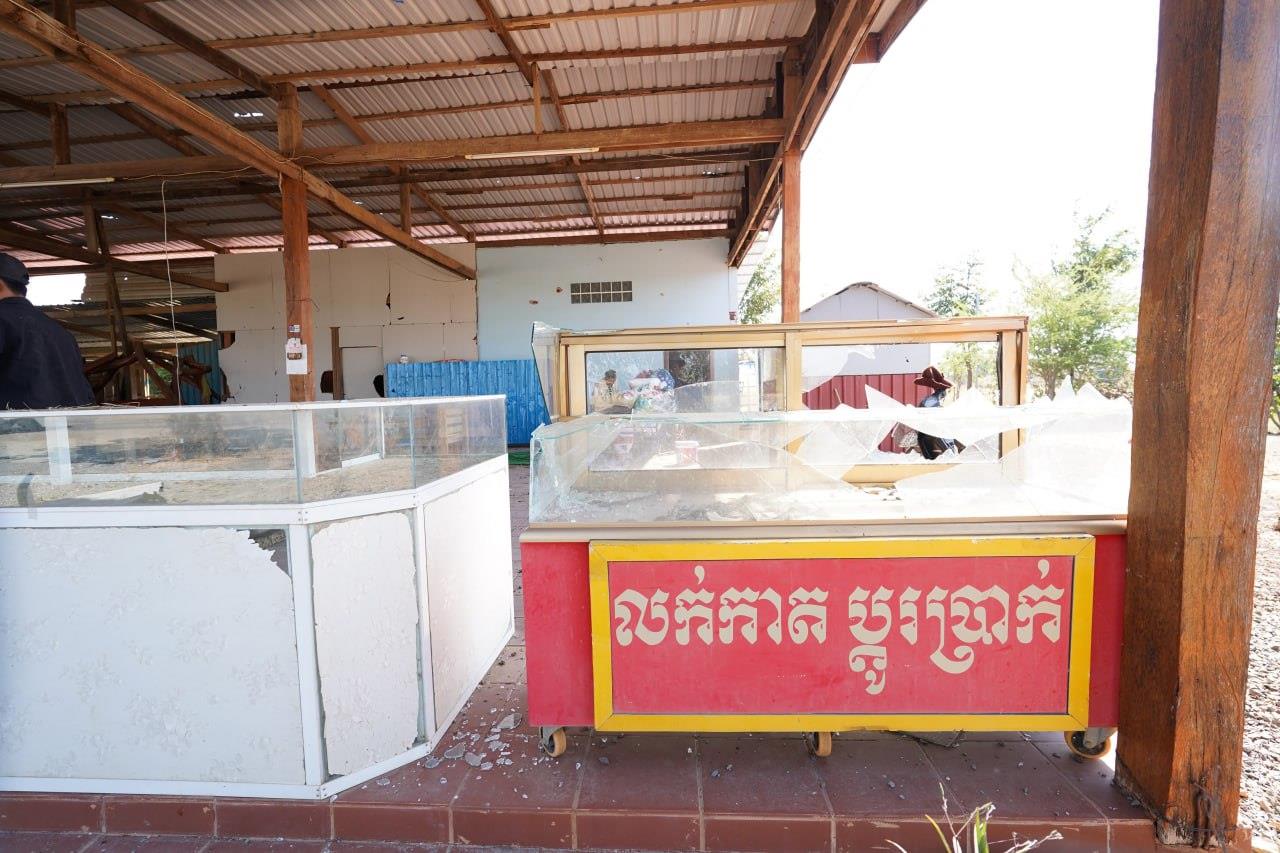
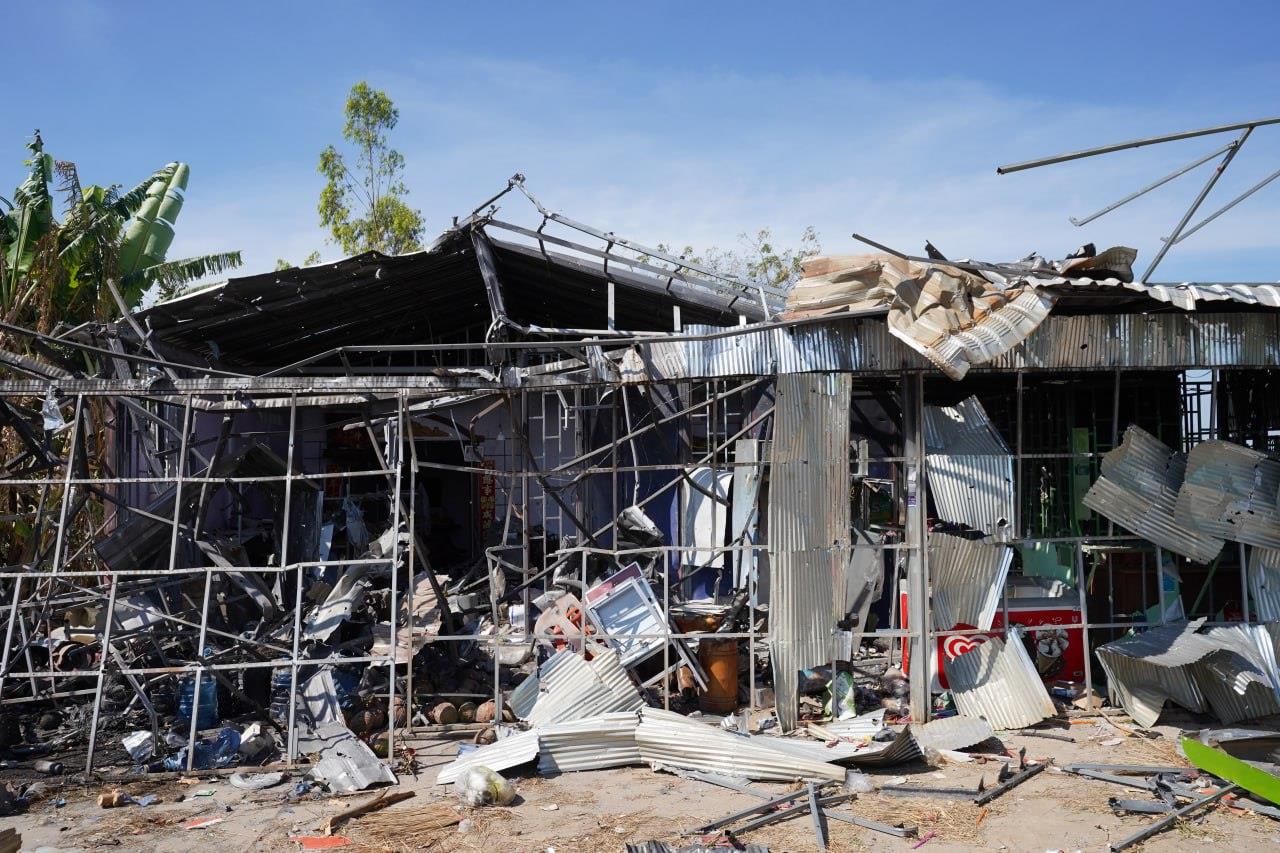
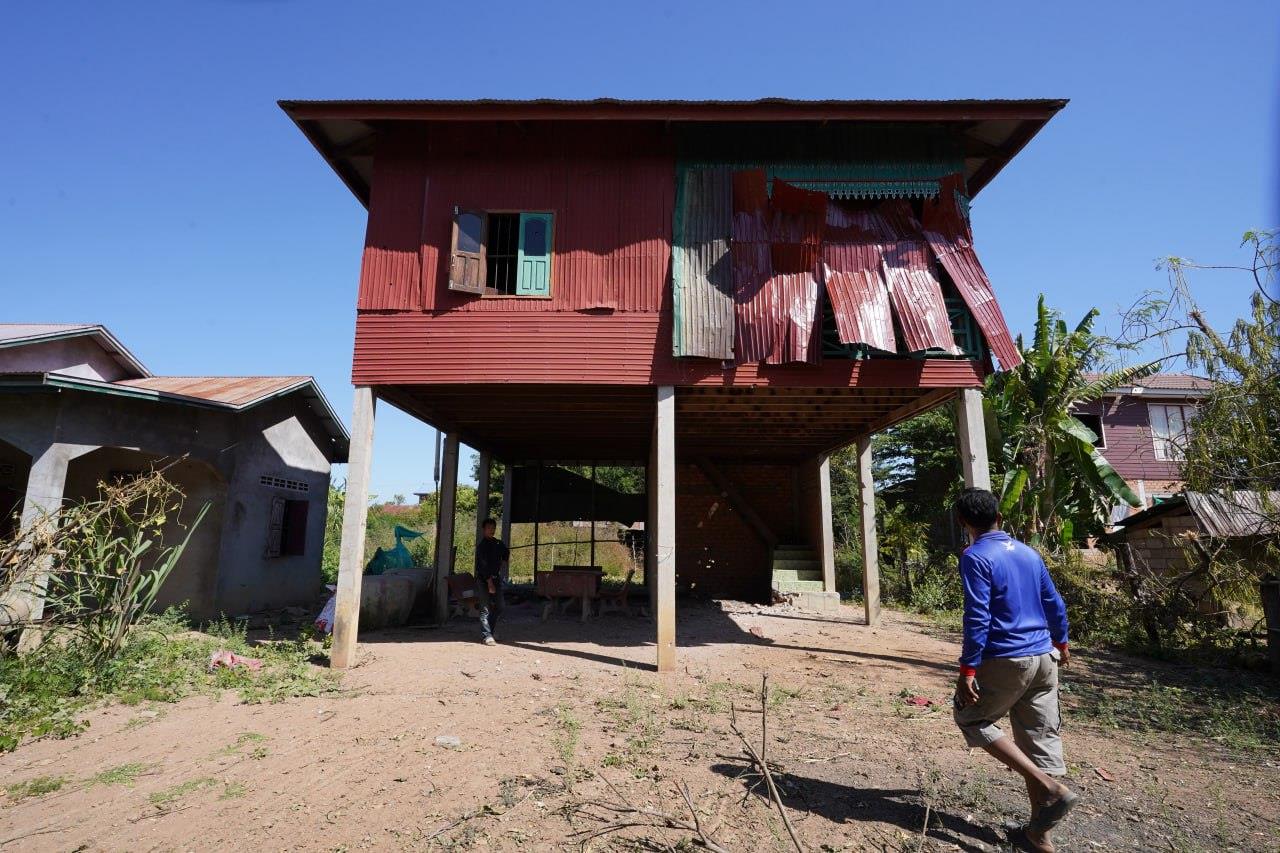
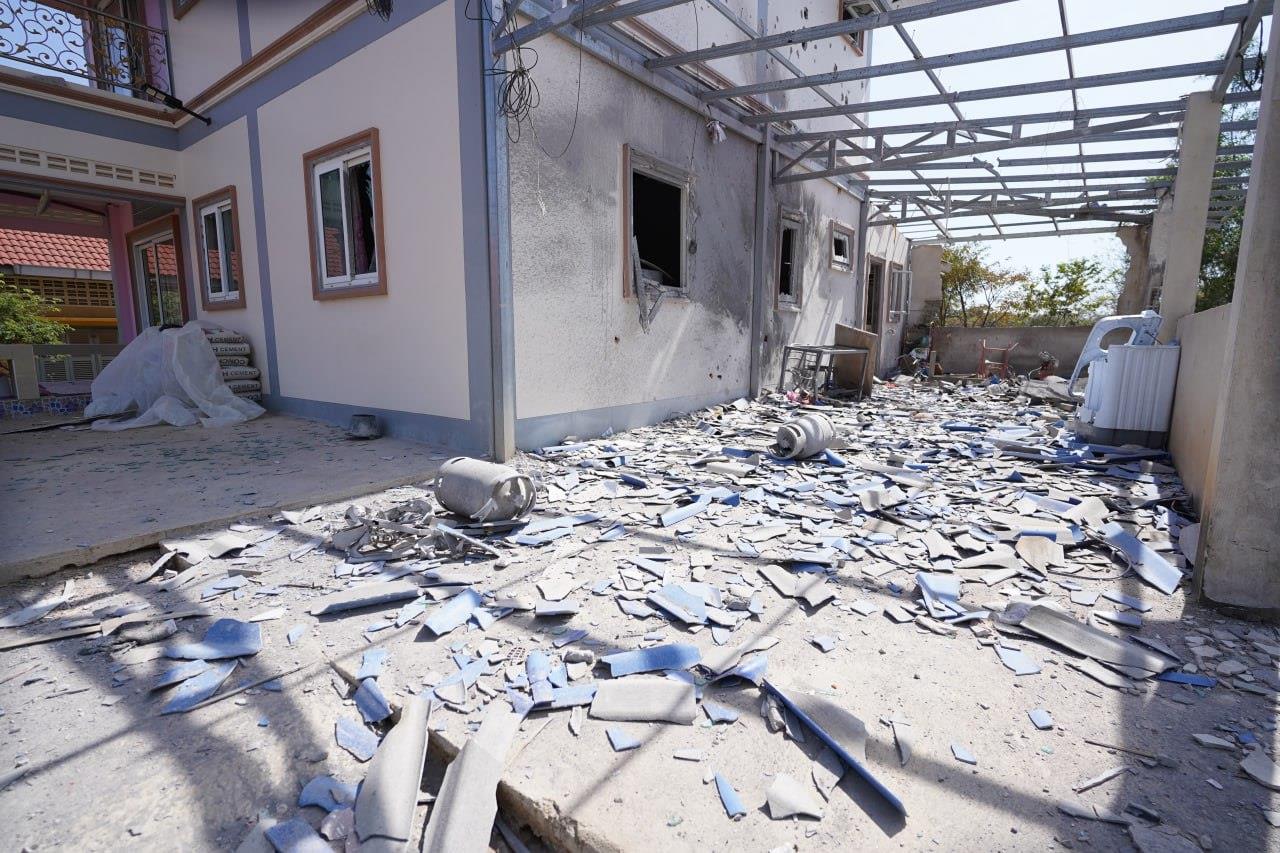
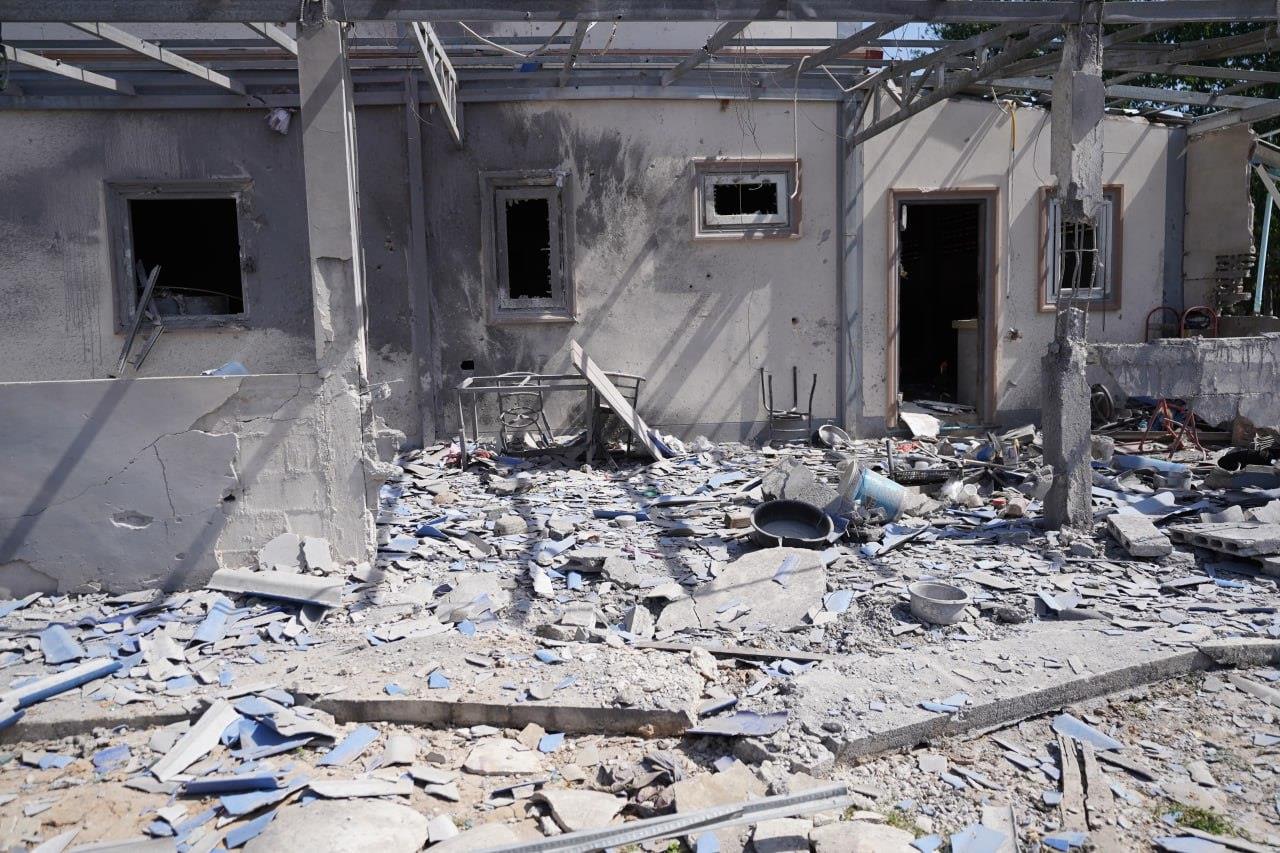
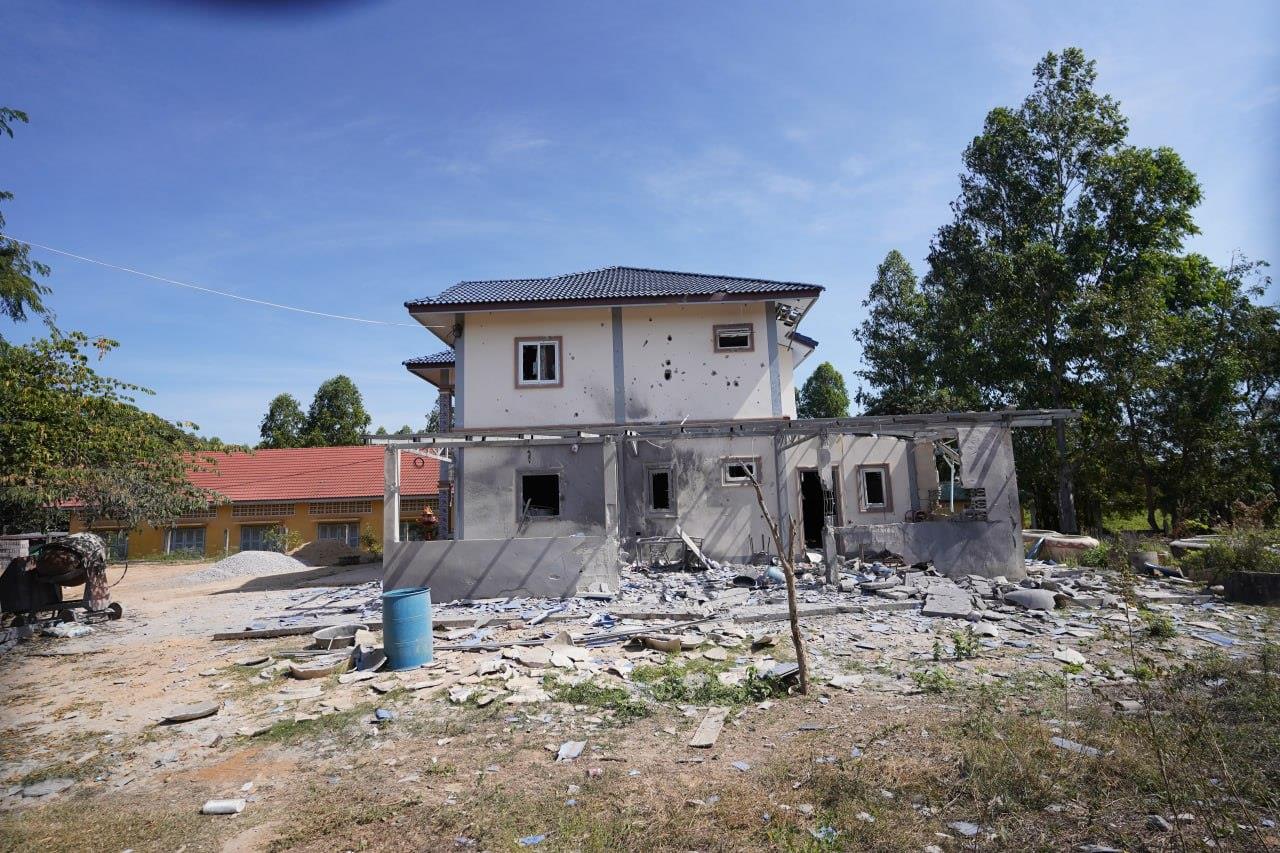
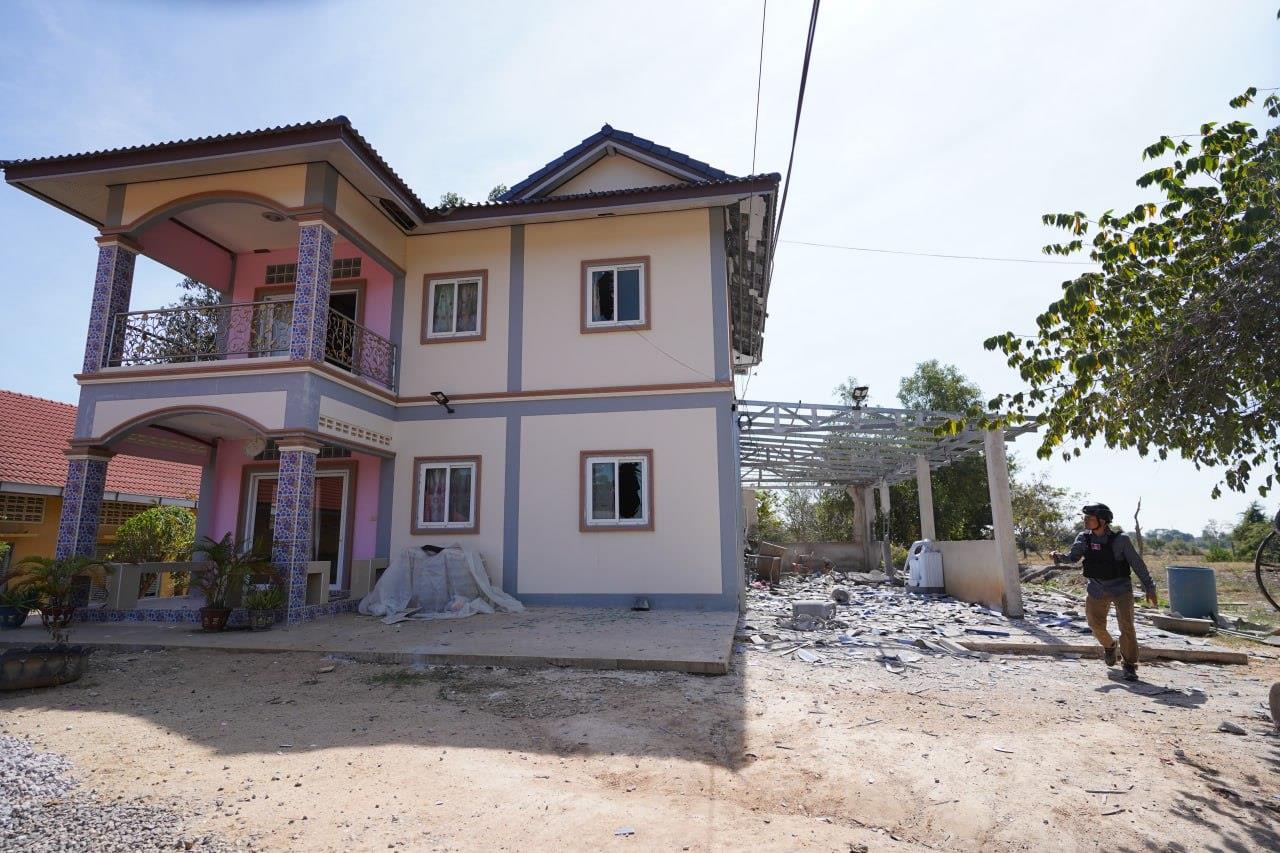
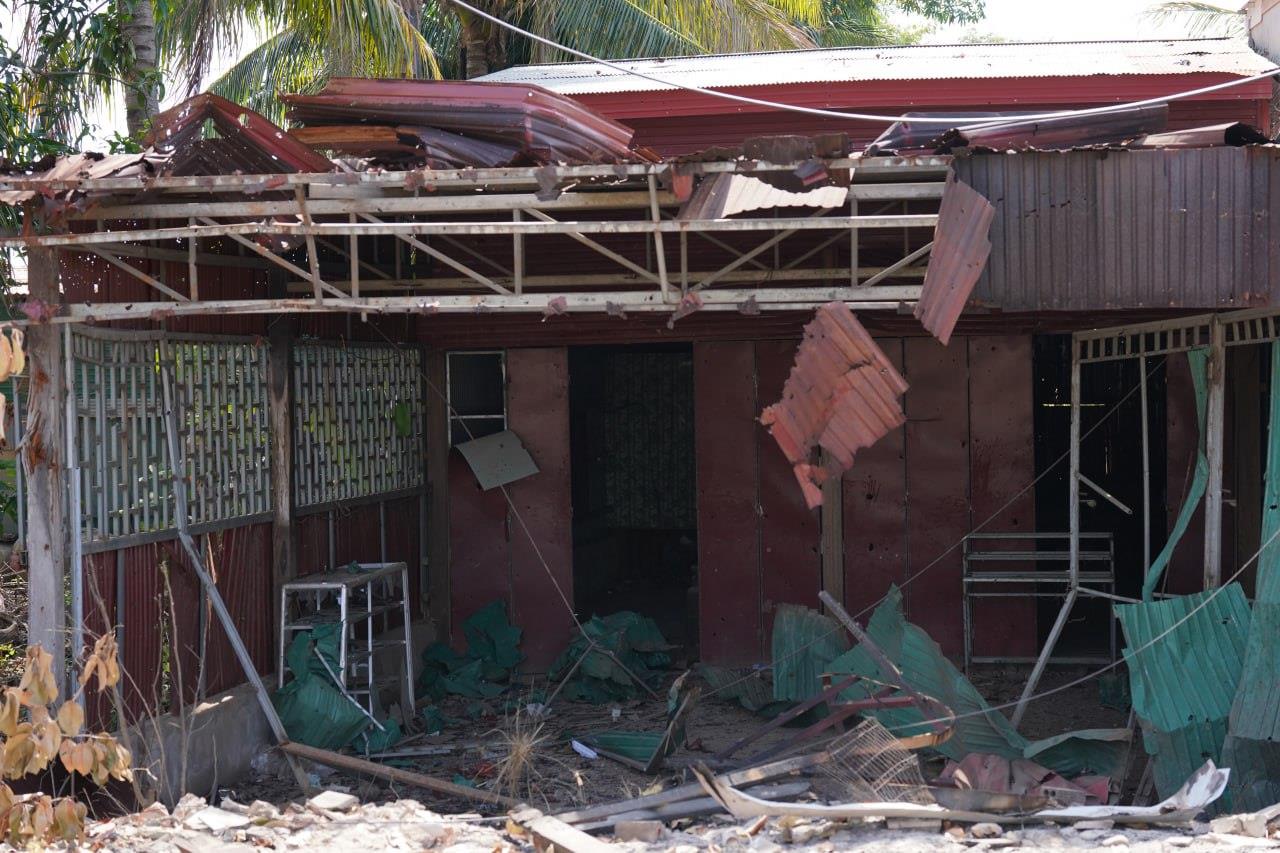
A: We note Thailand’s stated commitment to these principles. However, there remains a significant discrepancy between these assurances and the situation on the ground, particularly regarding the destruction of civilian homes and damage to the Preah Vihear Temple. Such actions appear against the Article 53 of the Fourth Geneva Convention (1949), which protects civilian property.
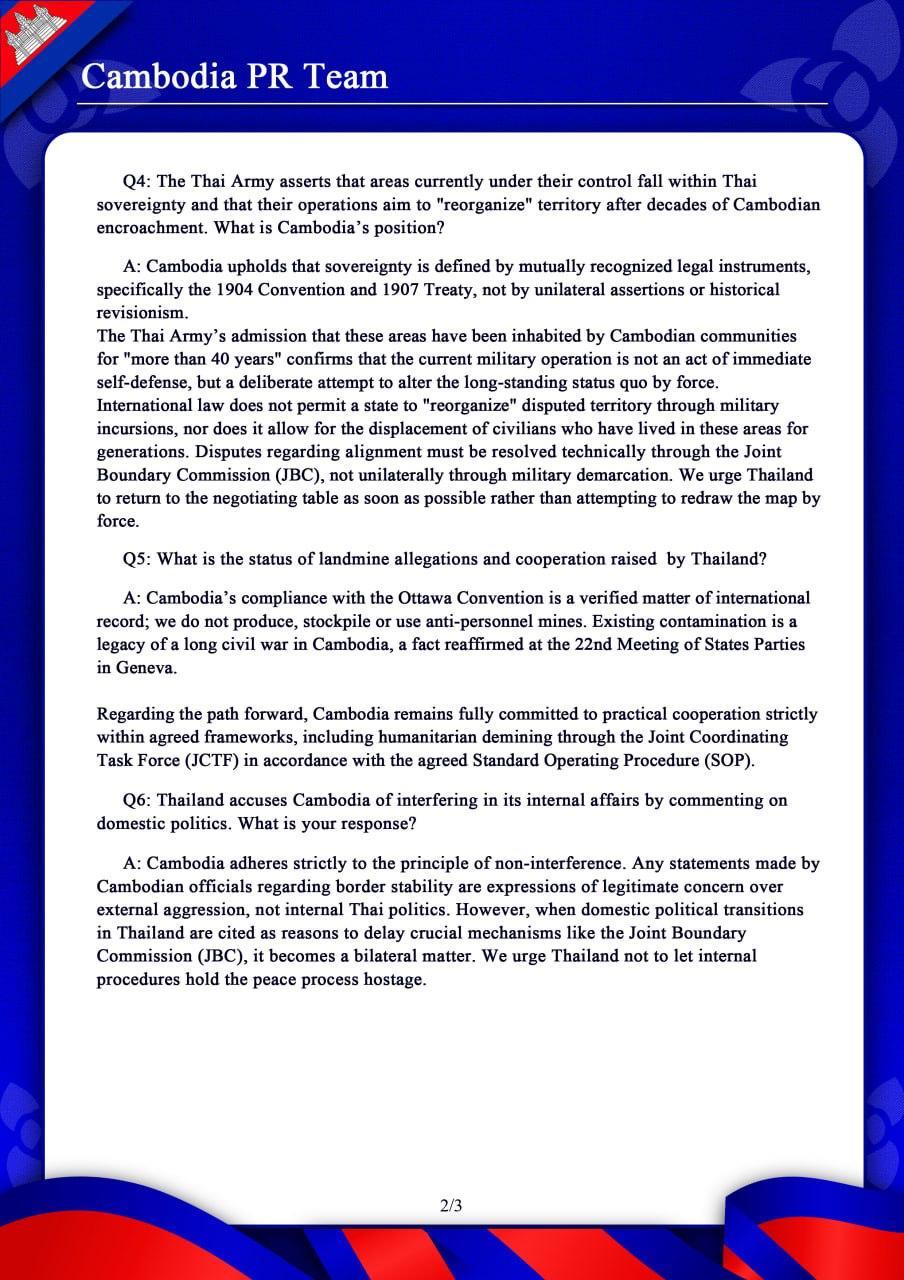
Q4: The Thai Army asserts that areas currently under their control fall within Thai sovereignty and that their operations aim to "reorganize" territory after decades of Cambodian encroachment. What is Cambodia’s position?
A: Cambodia upholds that sovereignty is defined by mutually recognized legal instruments, specifically the 1904 Convention and 1907 Treaty, not by unilateral assertions or historical revisionism. The Thai Army’s admission that these areas have been inhabited by Cambodian communities for "more than 40 years" confirms that the current military operation is not an act of immediate self-defense, but a deliberate attempt to alter the long-standing status quo by force. International law does not permit a state to "reorganize" disputed territory through military incursions, nor does it allow for the displacement of civilians who have lived in these areas for generations. Disputes regarding alignment must be resolved technically through the Joint Boundary Commission (JBC), not unilaterally through military demarcation. We urge Thailand to return to the negotiating table as soon as possible rather than attempting to redraw the map by force.
Q5: What is the status of landmine allegations and cooperation raised by Thailand?
A: Cambodia’s compliance with the Ottawa Convention is a verified matter of international record; we do not produce, stockpile or use anti-personnel mines. Existing contamination is a legacy of a long civil war in Cambodia, a fact reaffirmed at the 22nd Meeting of States Parties in Geneva. Regarding the path forward, Cambodia remains fully committed to practical cooperation strictly within agreed frameworks, including humanitarian demining through the Joint Coordinating Task Force (JCTF) in accordance with the agreed Standard Operating Procedure (SOP).
Q6: Thailand accuses Cambodia of interfering in its internal affairs by commenting on domestic politics. What is your response?
A: Cambodia adheres strictly to the principle of non-interference. Any statements made by Cambodian officials regarding border stability are expressions of legitimate concern over external aggression, not internal Thai politics. However, when domestic political transitions in Thailand are cited as reasons to delay crucial mechanisms like the Joint Boundary Commission (JBC), it becomes a bilateral matter. We urge Thailand not to let internal procedures hold the peace process hostage.
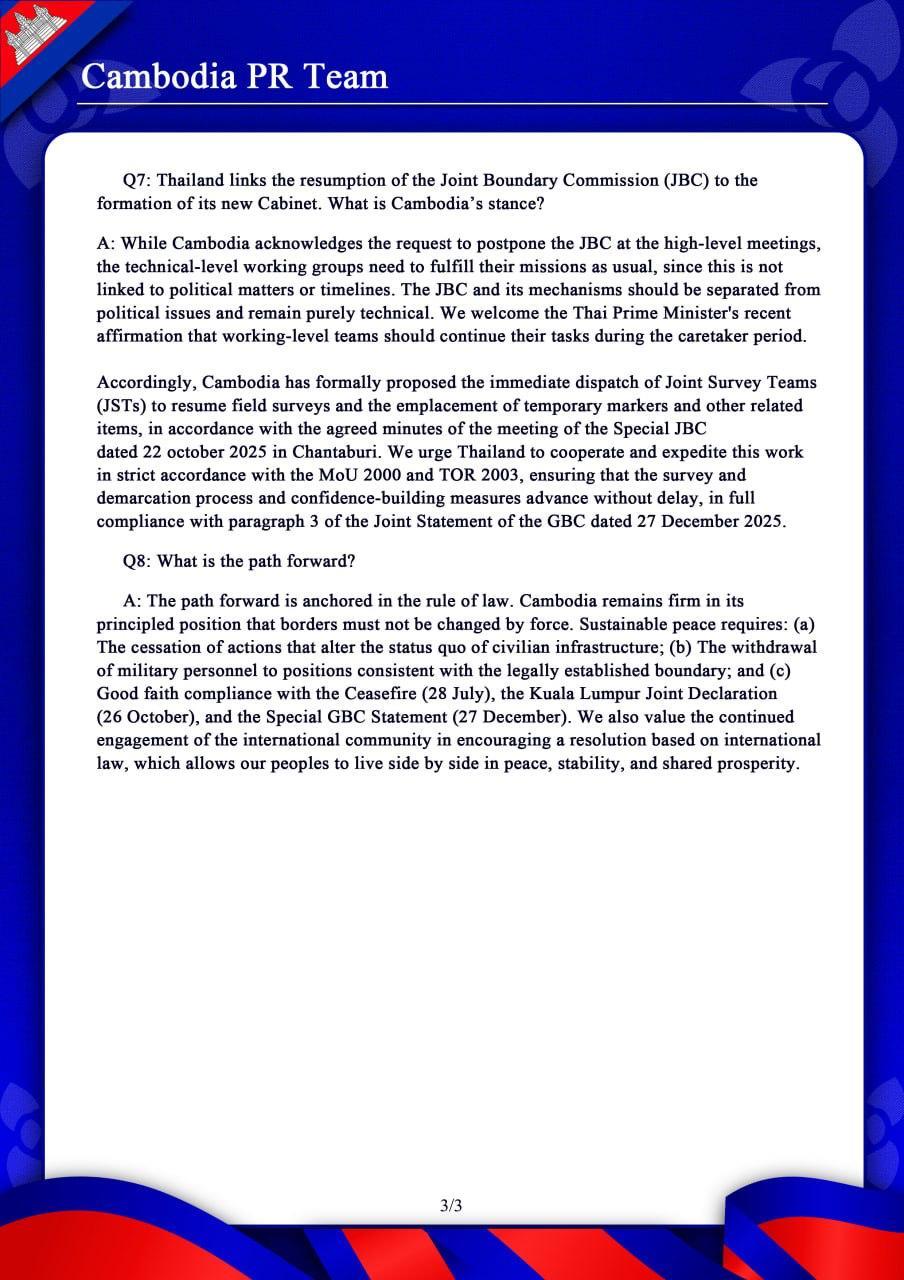
Q7: Thailand links the resumption of the Joint Boundary Commission (JBC) to the formation of its new Cabinet. What is Cambodia’s stance?
A: While Cambodia acknowledges the request to postpone the JBC at the high-level meetings, the technical-level working groups need to fulfill their missions as usual, since this is not linked to political matters or timelines. The JBC and its mechanisms should be separated from political issues and remain purely technical. We welcome the Thai Prime Minister's recent affirmation that working-level teams should continue their tasks during the caretaker period. Accordingly, Cambodia has formally proposed the immediate dispatch of Joint Survey Teams (JSTs) to resume field surveys and the emplacement of temporary markers and other related items, in accordance with the agreed minutes of the meeting of the Special JBC dated 22 October 2025 in Chantaburi. We urge Thailand to cooperate and expedite this work in strict accordance with the MoU 2000 and TOR 2003, ensuring that the survey and demarcation process and confidence-building measures advance without delay, in full compliance with paragraph 3 of the Joint Statement of the GBC dated 27 December 2025.
Q8: What is the path forward?
A: The path forward is anchored in the rule of law. Cambodia remains firm in its principled position that borders must not be changed by force. Sustainable peace requires: (a) The cessation of actions that alter the status quo of civilian infrastructure; (b) The withdrawal of military personnel to positions consistent with the legally established boundary; and (c) Good faith compliance with the Ceasefire (28 July), the Kuala Lumpur Joint Declaration (26 October), and the Special GBC Statement (27 December). We also value the continued engagement of the international community in encouraging a resolution based on international law, which allows our peoples to live side by side in peace, stability, and shared prosperity.
=FRESH NEWS