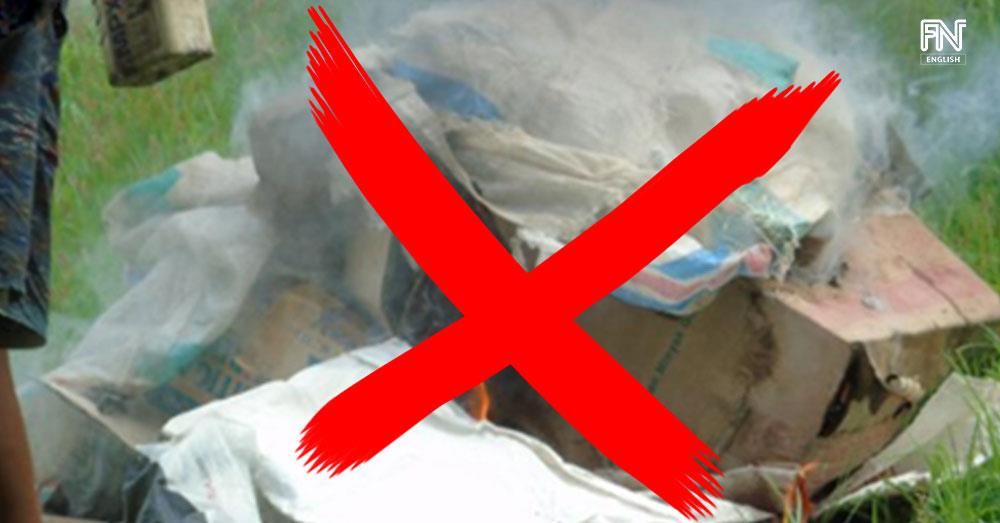
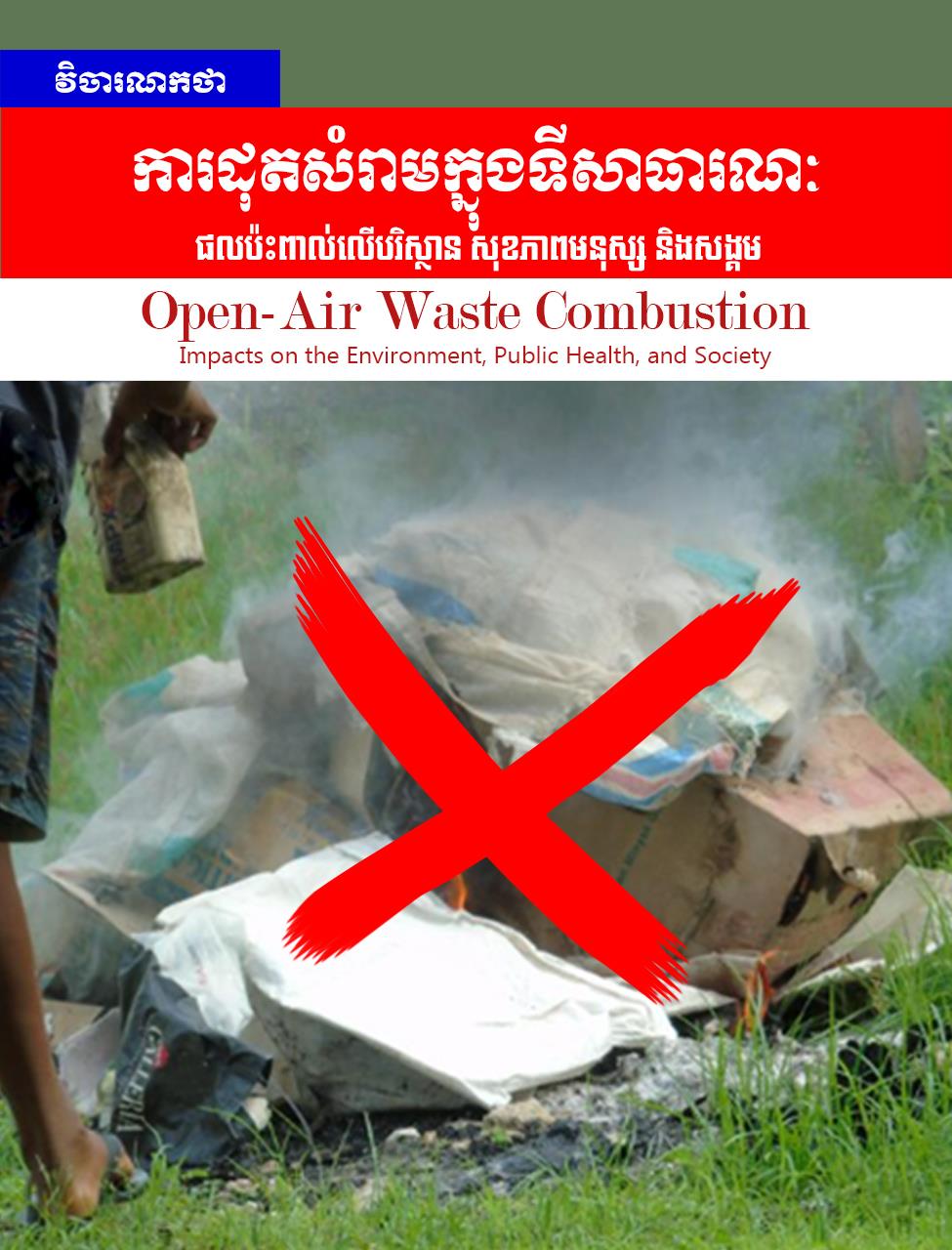
(Phnom Penh): The burning of trash or waste in public spaces is a frequent issue in many communities, particularly in urban and rural areas where waste management systems remain inefficient. Although burning trash, agricultural residues (stubble), or forests is often viewed as a quick and convenient disposal method, it poses high risks to the environment, human health, and society at large.
Toxic Substances in Smoke and Health Hazards: Smoke from burning waste contains numerous toxins that enter the lungs through inhalation, causing respiratory illnesses such as asthma, chronic cough, lung disease, and heart disease. Children, the elderly, and pregnant women are the most vulnerable groups. Long-term exposure can lead to severe conditions, including cancer and reduced physical capacity, which diminishes the overall quality of life.
When waste, especially plastics, rubber, and chemical residues, is burned at low temperatures, it releases highly dangerous toxic substances, including:
a. Dioxins and Furans: Highly potent toxins that are carcinogenic and damaging to the immune and reproductive systems.
b. Particulate Matter (PM2.5): Microscopic particles that can penetrate deep into the lungs and enter the bloodstream, causing chronic respiratory and cardiovascular diseases.
c. Carbon Monoxide: A gas that reduces the blood's ability to transport oxygen throughout the body.
d. Heavy Metals: Substances such as Lead and Mercury, which impair the nervous system and hinder the developmental growth of children.
Severe Environmental Impacts: Waste burning releases toxic gases and fine particles, such as black carbon and hazardous chemicals, into the atmosphere. These pollutants degrade air quality and contribute significantly to climate change. Furthermore, rainwater can wash toxic ash into the soil and water sources, leading to soil degradation and the disruption of natural ecosystems.
Impact on Social Order and Aesthetics: The resulting smoke and foul odors cause daily disturbances and often lead to conflicts between neighbours. It destroys the aesthetic appeal of cities and communities, which negatively impacts tourism and local economic activities. Moreover, this practice reflects a lack of environmental awareness and social discipline, complicating law enforcement and community coexistence.
Solutions and Community Engagement: Addressing this issue requires the active participation of all stakeholders. The Government: Must intensify public awareness campaigns and take strict measures to prevent the burning of waste, rice stubble, and forests to minimize dust and smoke. Protecting air quality is essential for the well-being of citizens and the environment. Communities and Citizens: Should increase their understanding of the hazards of waste burning and adopt eco-friendly practices, such as waste separation, recycling, and composting.
Conclusion: Public waste burning is not a minor inconvenience but a serious threat to the environment, public health, and the social fabric. Ending this practice is an act of protecting oneself, one's family, and the community. Proper waste management is a hallmark of civilized living and high environmental responsibility, ensuring a healthy world for both the current and future generations.
=FRESH NEWS