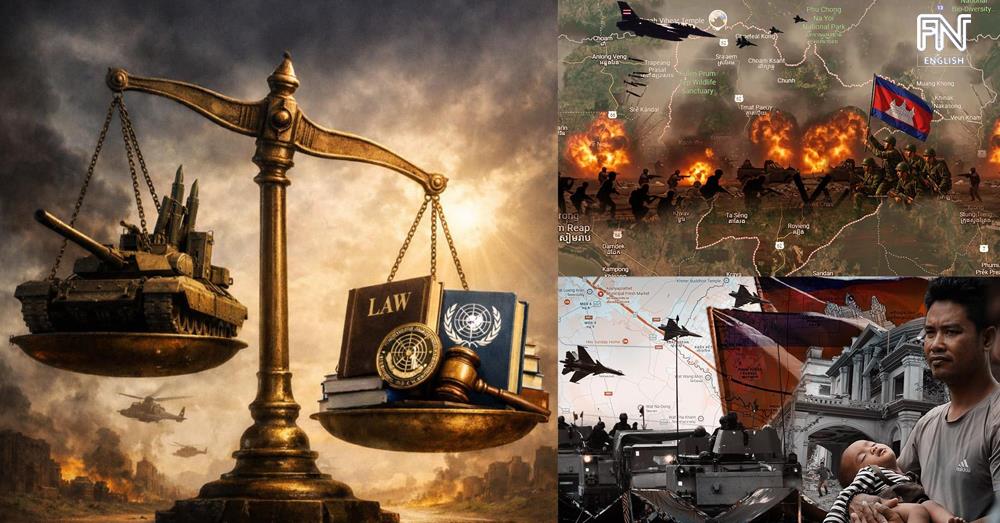
(Phnom Penh): In the contemporary world, some leaders speak openly and without restraint: “Only strong countries avoid becoming victims,” and “Only the strong possess justice.”
Here, the word “strong” does not mean respect for law or morality. It refers instead to overwhelming military power—the capacity to intimidate adversaries and to violate international rules without punishment.
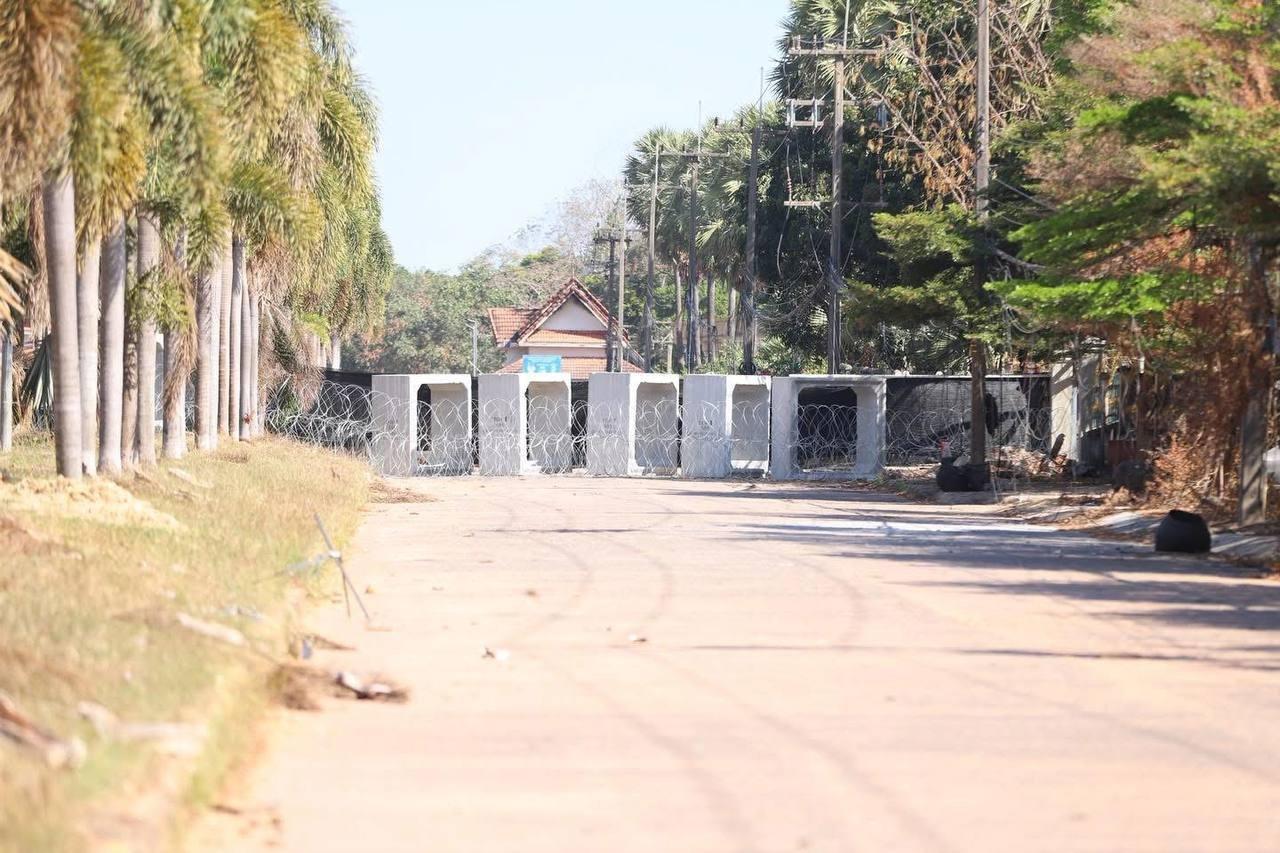
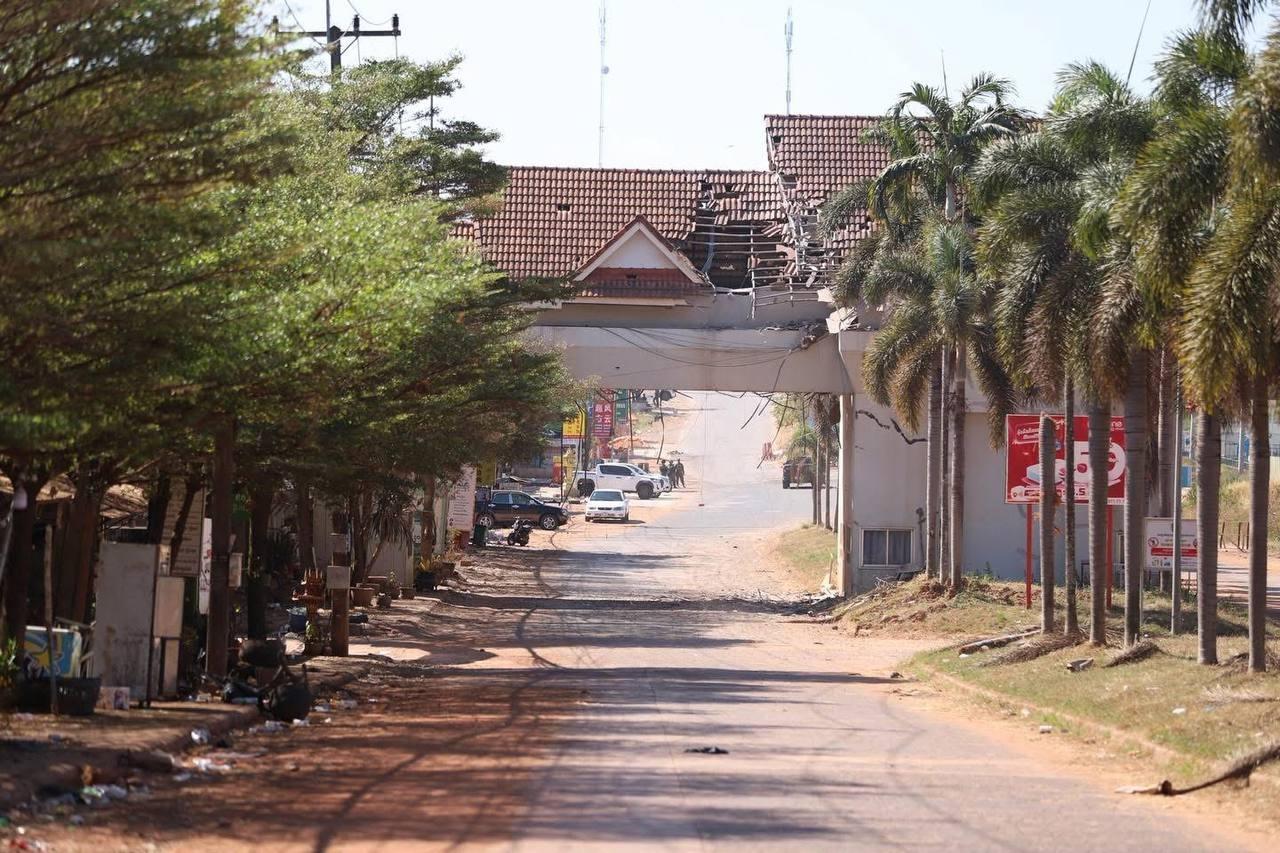
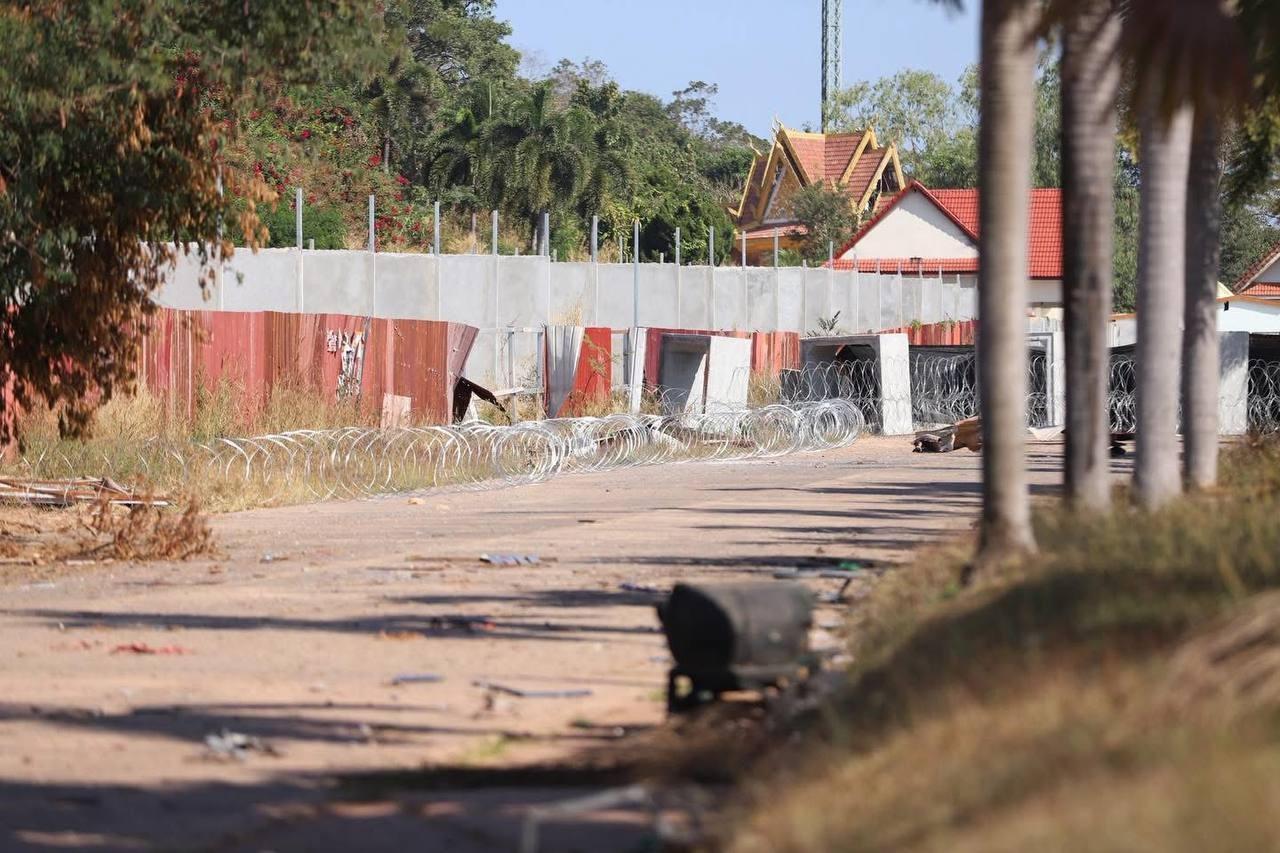
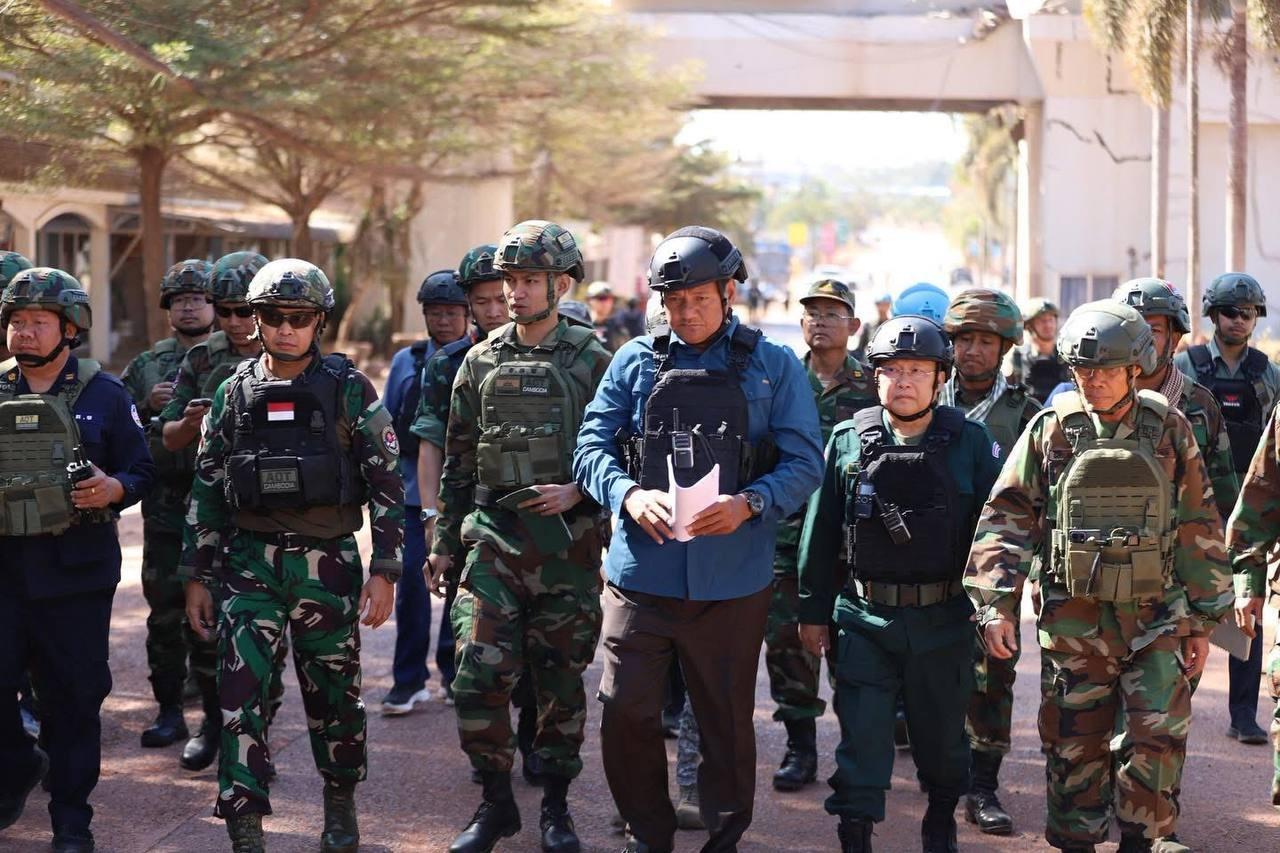
The current war and ongoing tensions between Cambodia and Thailand have become a stark, real-world lesson that forces Cambodia to reexamine this theory—not in academic classrooms, but through blood, tears, and the tangible loss of territory.
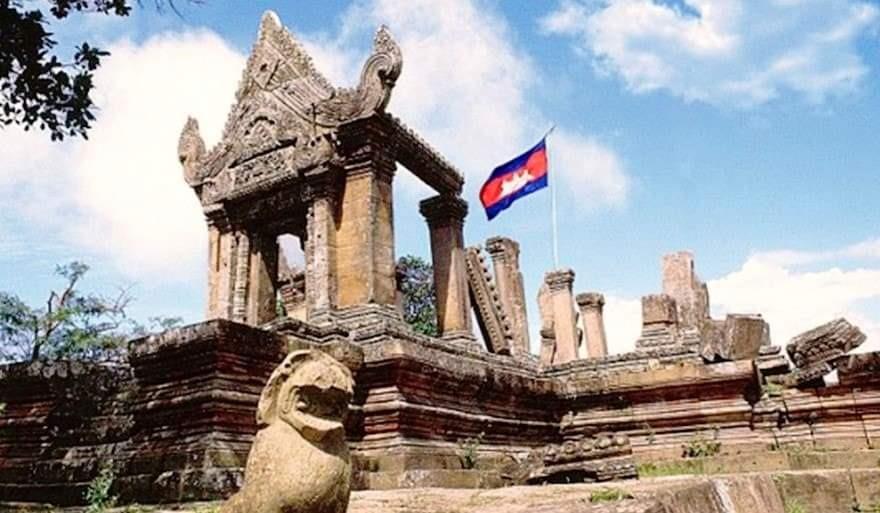
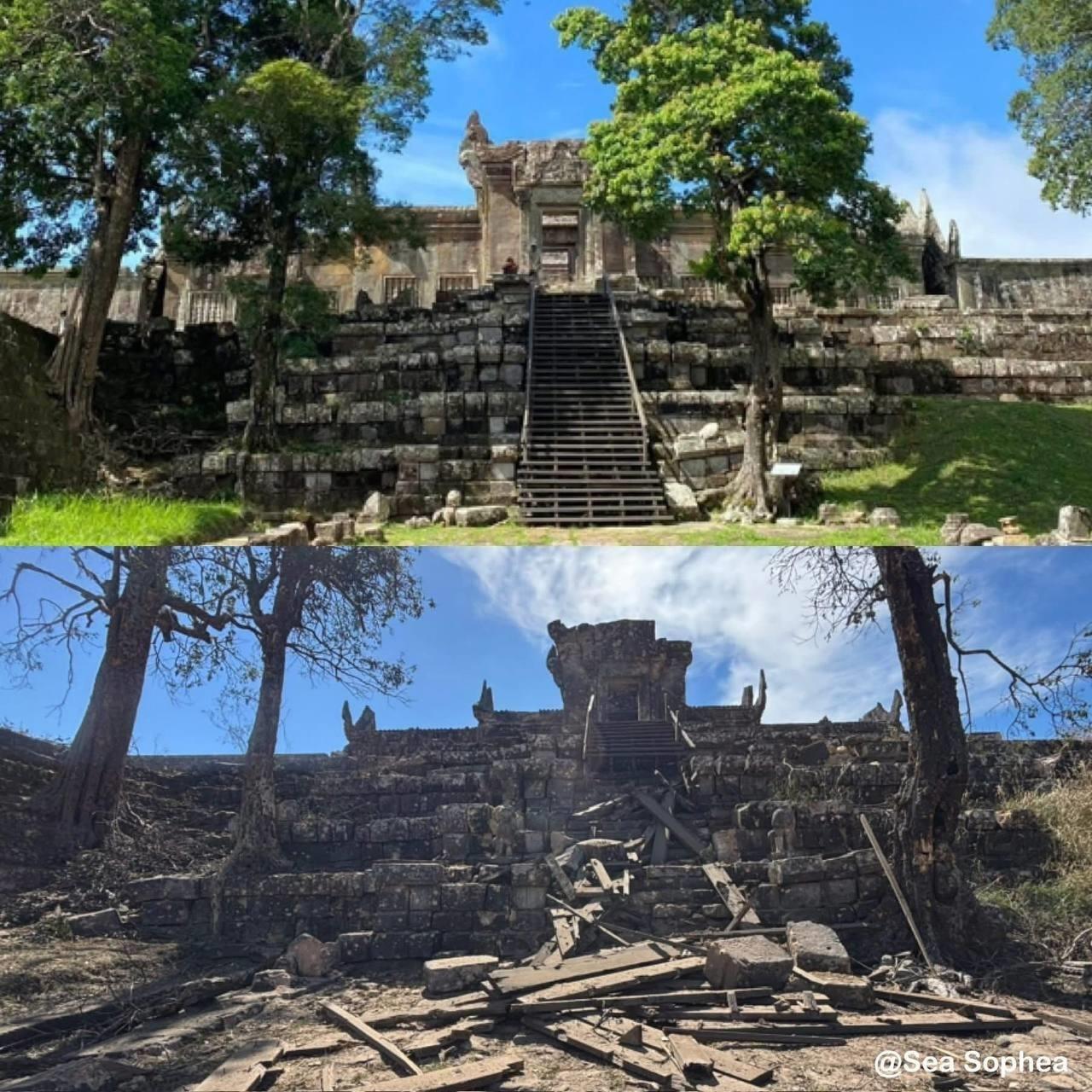
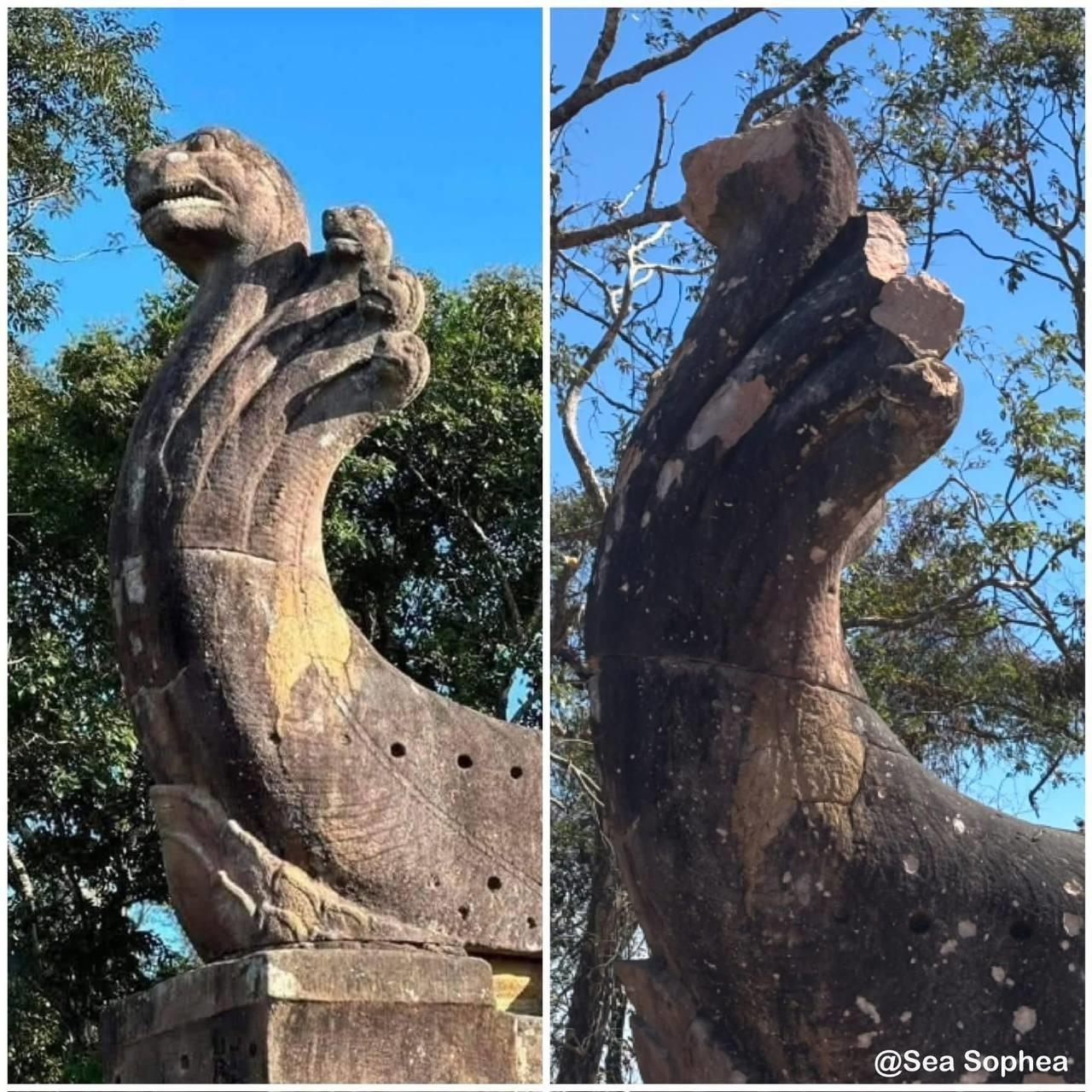
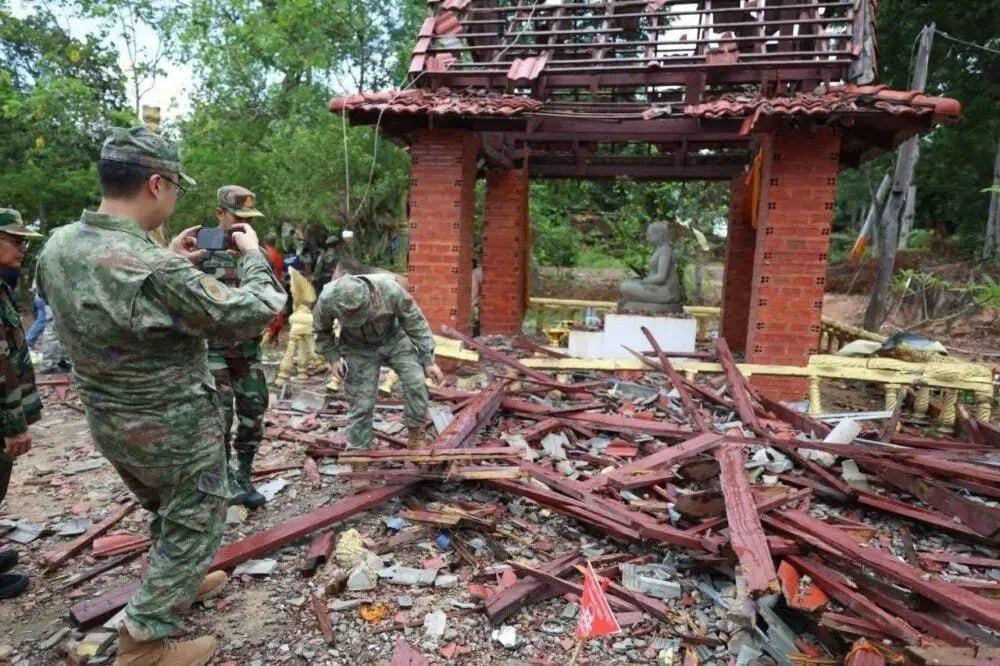
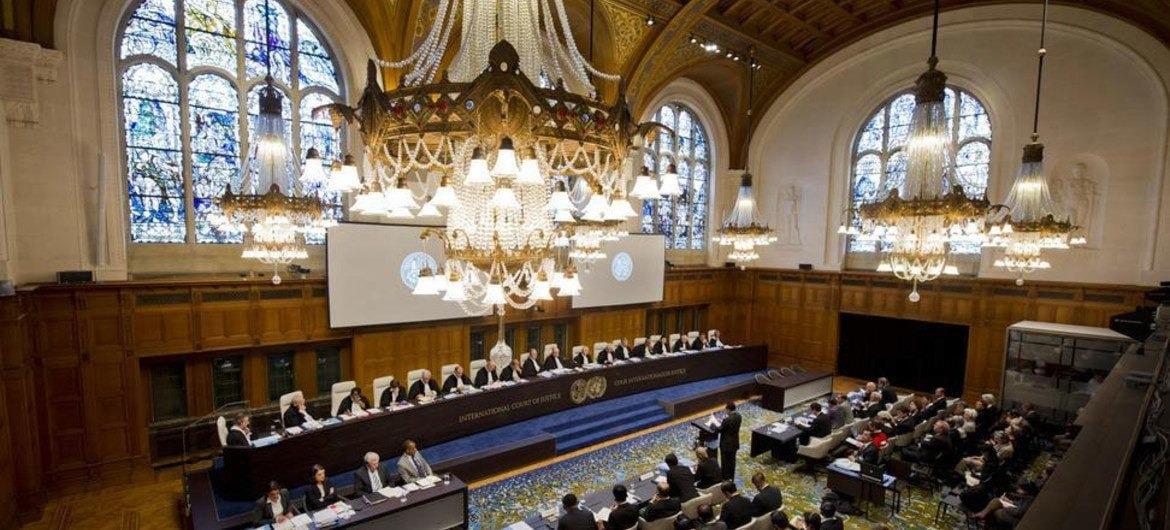
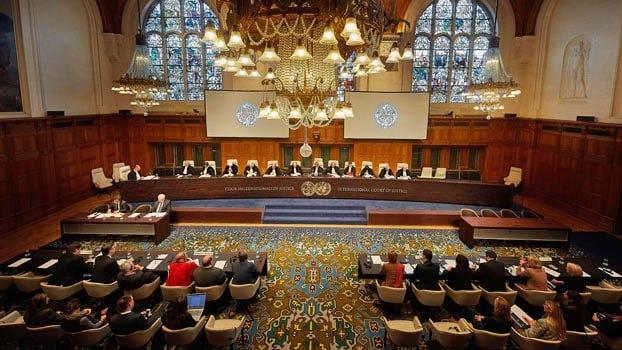
Cambodia is not a country that seeks conflict or the use of force. It respects international law, adheres to the rulings of the International Court of Justice (ICJ), and consistently prioritizes diplomacy as its primary strategy. Yet the painful reality remains: even without resorting to force, Cambodia continues to suffer territorial encroachment, occupation, and the destruction of millennia-old cultural heritage, including the Preah Vihear Temple, a recognized property of world heritage.
This reality demonstrates that the idea “if you are not strong, you will become a victim” carries a certain truth in today’s world. However, the more important lesson is that becoming militarily “strong” is not the answer for a small state like Cambodia.
Weapons Are Designed to Destroy—Not to Defend Justice
States possessing weapons of mass destruction are not necessarily those that respect international law. They are often merely states capable of violating others with impunity. This is not justice; it is injustice shielded by immunity.
In this context, military power may generate fear in the short term, but it cannot produce legitimacy, moral authority, or global consensus. On the contrary, it subordinates law to force and normalizes conflict.
If Cambodia were to choose that path, it would mean abandoning the only safe and sustainable means by which a small state can protect its rights: international law and universal moral principles. Cambodia would lose its moral standing and become another party to conflict—rather than a victim that the international community can credibly support.
Cambodia’s Own History Rejects the Theory of “Might Makes Right”
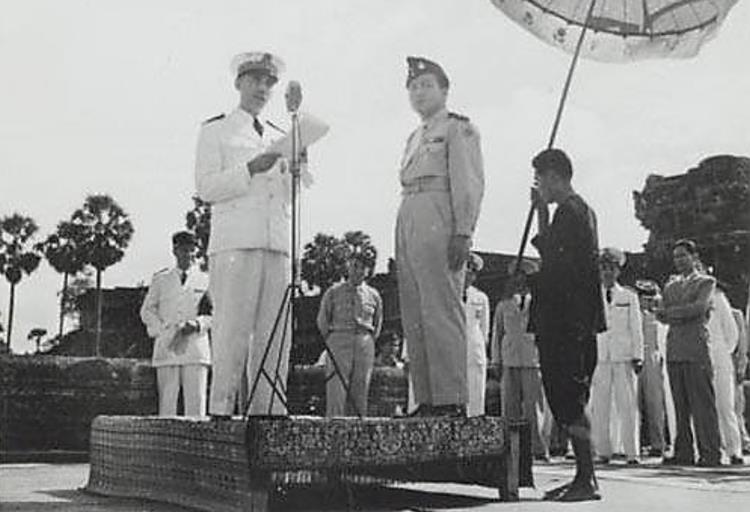
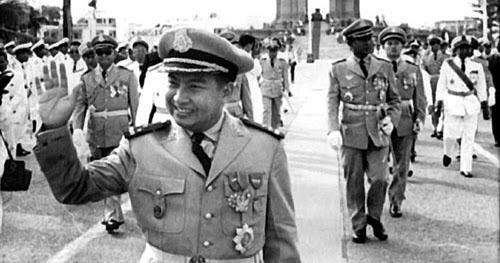
In 1954, only one year after Cambodia gained independence from France, Thailand occupied the Preah Vihear Temple. At that time, Cambodia was militarily weak and possessed no overwhelming force capable of confronting a neighboring power.
What Cambodia did possess, however, was something far more enduring: legal legitimacy and patience grounded in international law.
Eight years later, in 1962, the International Court of Justice ruled unequivocally in Cambodia’s favor, awarding sovereignty over Preah Vihear to Cambodia based on legal evidence and international principles—not military force or political pressure.
That victory was not a triumph of weapons, but a triumph of law.
Today’s conflict reinforces the same lesson. Power may prevail temporarily and impose facts on the ground, but law ultimately prevails in history. For a small state like Cambodia, this is not an abstract theory—it is a proven path through experience.
Cambodia’s Diplomatic Record: A Difficult but Correct Choice
In this context, the press statements and diplomatic records issued by Cambodia’s Ministry of Foreign Affairs and International Cooperation on January 17, 2026, should not be mistaken for weakness or emotional reaction.
They represent a deliberate legal and diplomatic operation aimed at formally documenting acts of aggression, violations of ICJ rulings, and the destruction of cultural heritage protected under international law. By doing so, Cambodia ensures that these violations do not become “normal” or disappear through time or shifting political winds.
These diplomatic records serve three critical purposes:
1. Preserving Cambodia’s legal rights
By consistently stating its position and documenting violations, Cambodia prevents silence or delay from being misinterpreted as consent.
2. Building a legal case for the future
These records form a foundation for future engagement with international legal mechanisms—whether judicial or multilateral—ensuring that facts and evidence are already established.
3. Maintaining the moral standing of a victim state
Through adherence to law and diplomacy, Cambodia retains the moral high ground, allowing the international community to understand, support, and defend its position without ambiguity.
In sum, Cambodia’s diplomatic approach is not the easiest path—but it is the most correct and sustainable choice for a small state that understands law and legitimacy as the only long-term shield for national survival.
Cambodia Will Not Choose the Path of “Strength through Arms”
One undeniable truth of today’s world is that justice is not always delivered promptly to weaker states. The Cambodia–Thailand conflict has painfully exposed this reality through violations, losses, and the silence of certain international mechanisms.
Yet another truth is even more decisive for Cambodia’s national destiny: Cambodia will not pursue justice through destructive military power. Such a path may instill fear briefly, but it cannot generate legitimacy or enduring support—and it risks destroying the nation before justice ever arrives.
For Cambodia, adherence to international law, diplomacy, and universal moral principles is not an easy choice, but it is the only choice capable of preserving national survival, protecting rights, and allowing history itself to eventually restore justice at the appropriate time.
Conclusion
The Cambodia–Thailand conflict is not merely a border dispute. It is a profound test between the logic of power and the logic of law. It reveals a world that often fails to live up to its ideals of justice—but it also proves that small states cannot survive if they abandon legality and principle.
For Cambodia, the choice of law and diplomacy—as clearly demonstrated in its diplomatic records—is not a sign of weakness. It is a declaration that Cambodia refuses to accept a world where weapons replace law. Justice may be delayed, violated, or ignored, but it retains meaning and value as long as Cambodia itself refuses to abandon it and continues to uphold it as the foundation of its national future.