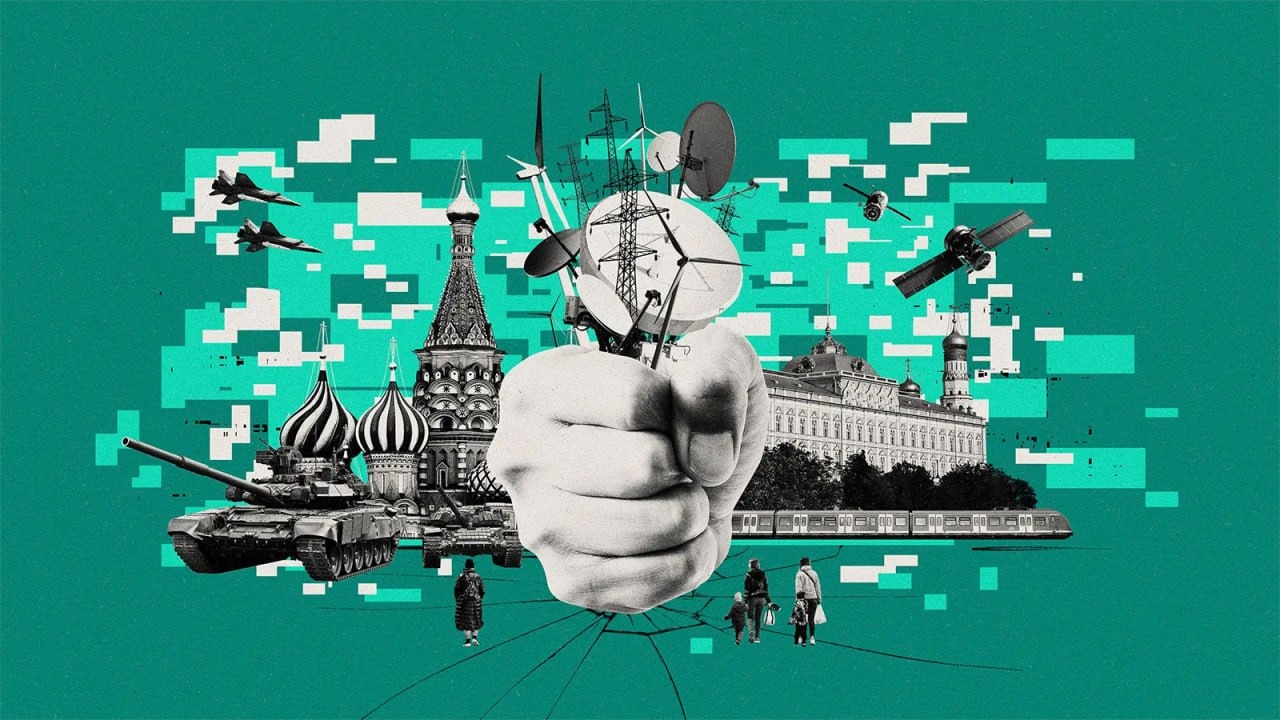
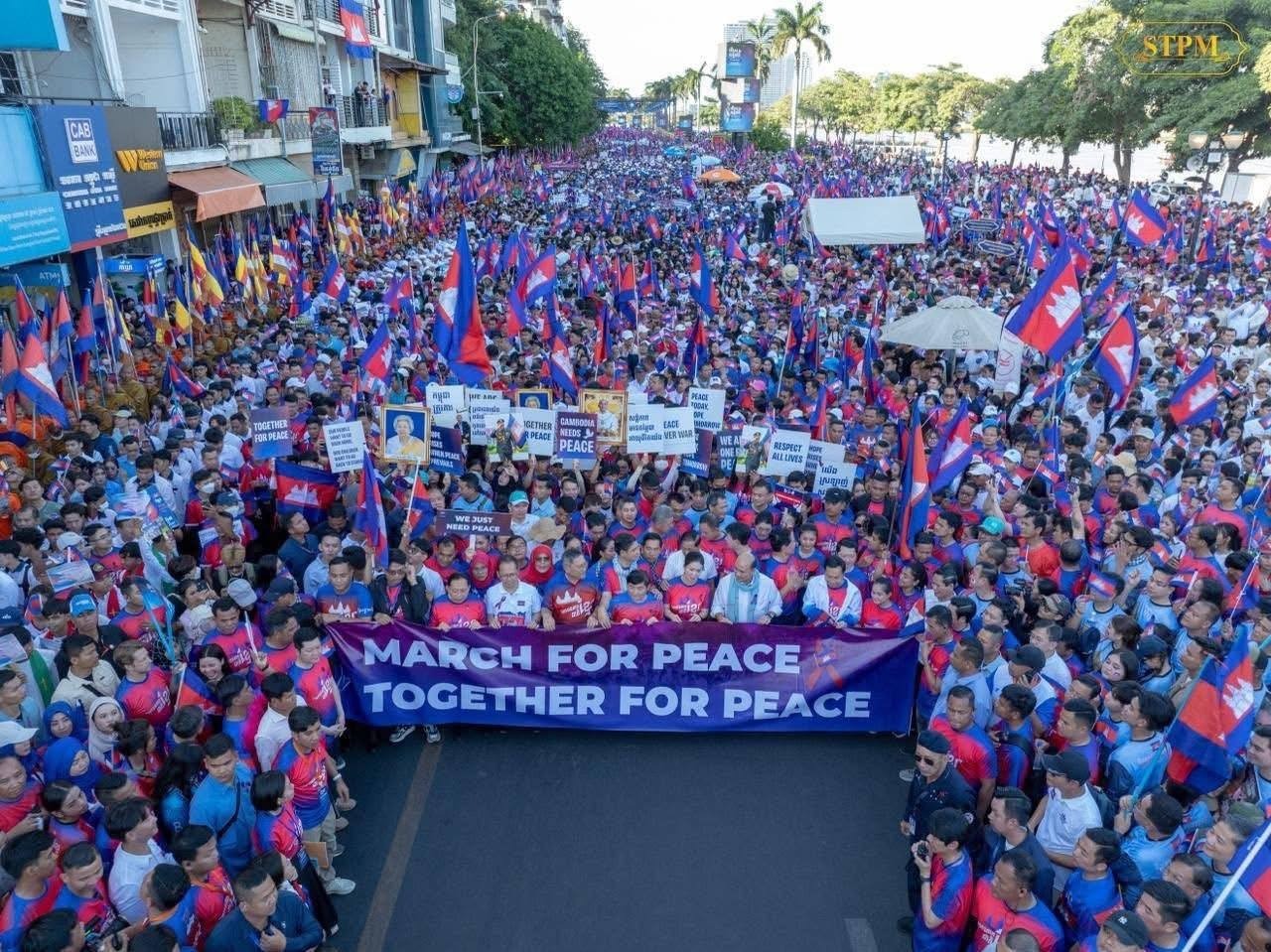
(Phnom Penh): In an era when war no longer needs bombs falling from the sky or columns of troops and heavy weapons crossing borders by force, a new form of conflict has quietly emerged—one designed to generate turmoil and insecurity through methods that replace the old battlefield.
The creation of a new era marked by moral decay, crisis, and distortion can begin quietly: through small,unmarked groups; fake news and disinformation; covert social destabilization; or movements of uncertain origin that appear domestic on the surface.
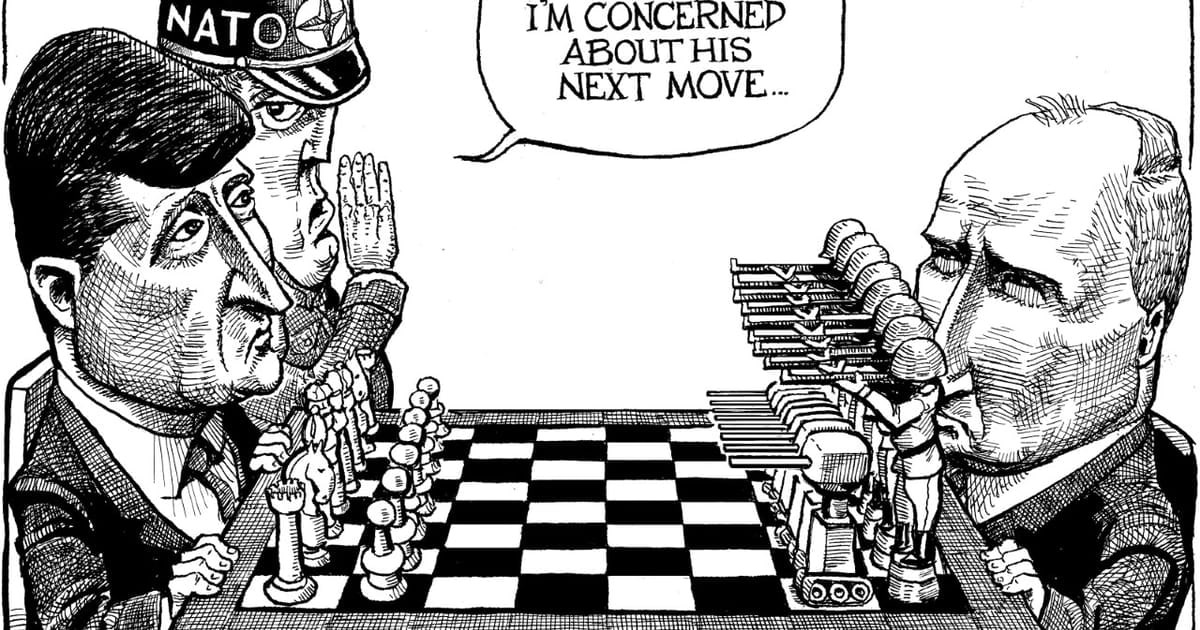
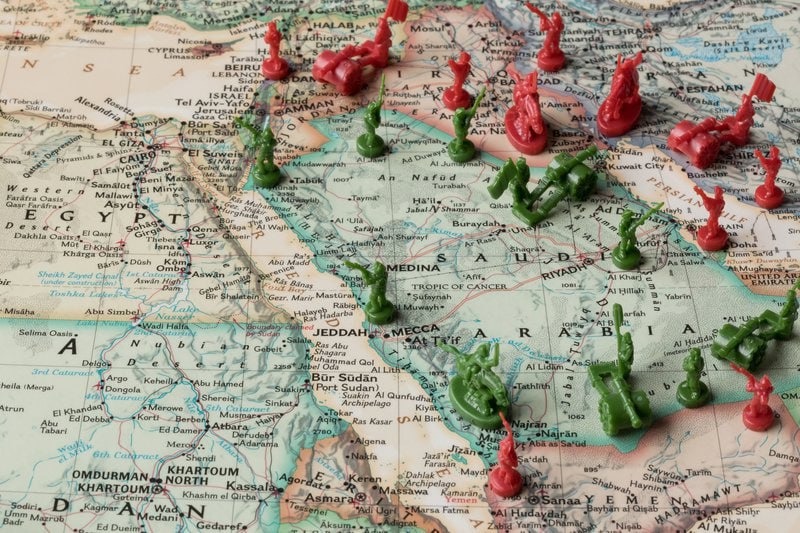
This is what international analysts call “proxy warfare”—a form of conflict in which major powers, or even middle powers, use local actors as instruments and as a shield of deniability to weaken adversaries or shift the balance of power, without engaging in direct confrontation. Global experience has shown clearly that this type of warfare can be more dangerous than conventional fighting: it often does not strike from outside, but erodes a nation from within. For Cambodia—situated amid intensifying geopolitical competition—understanding proxy warfare is not optional. It is a strategic necessity, essential for recognizing and defending against such tactics before they undermine national stability and the country’s long-term future.
1) Proxy Warfare Is Not Distant from Cambodia
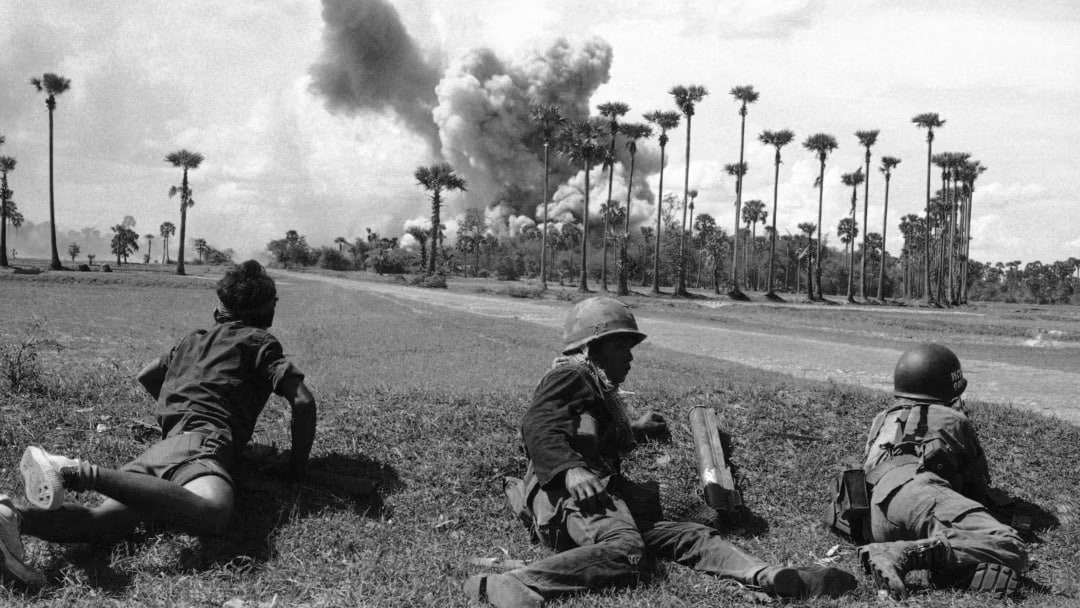
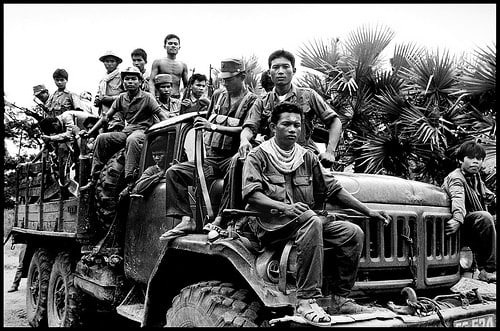
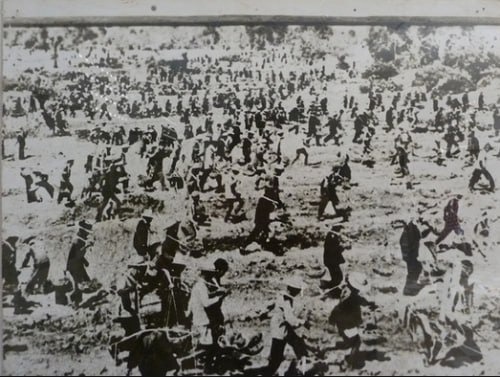
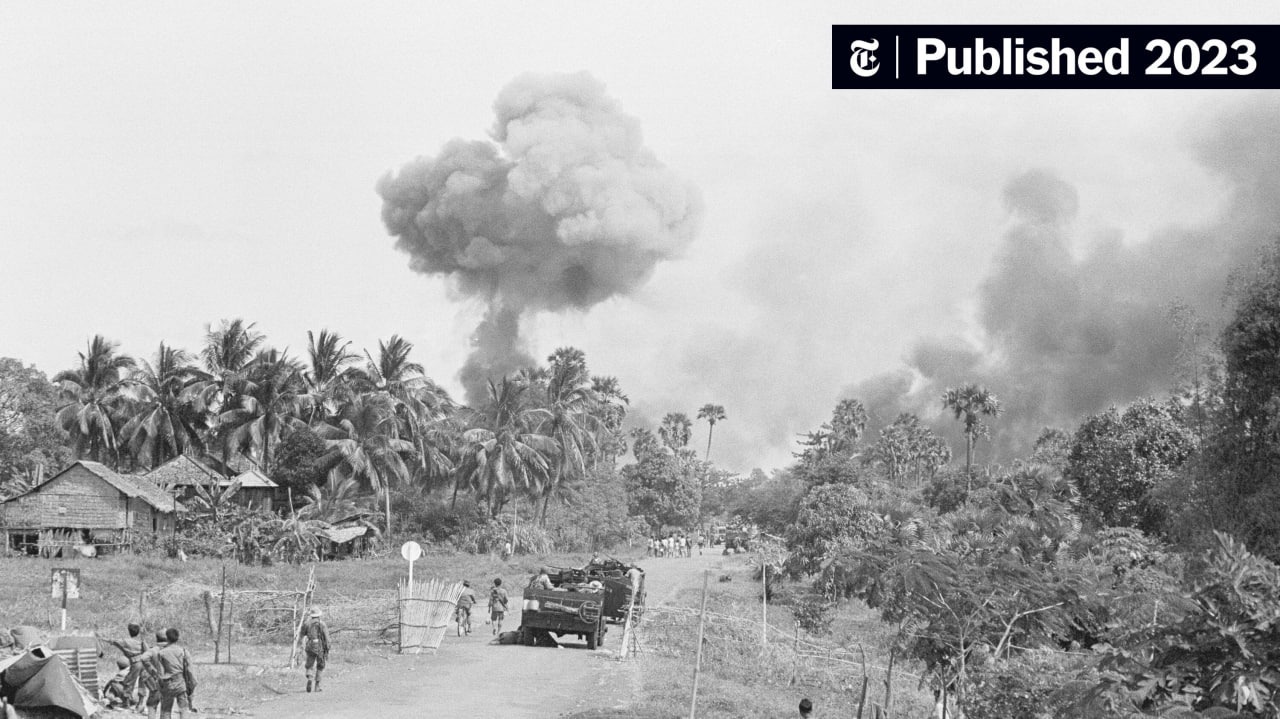
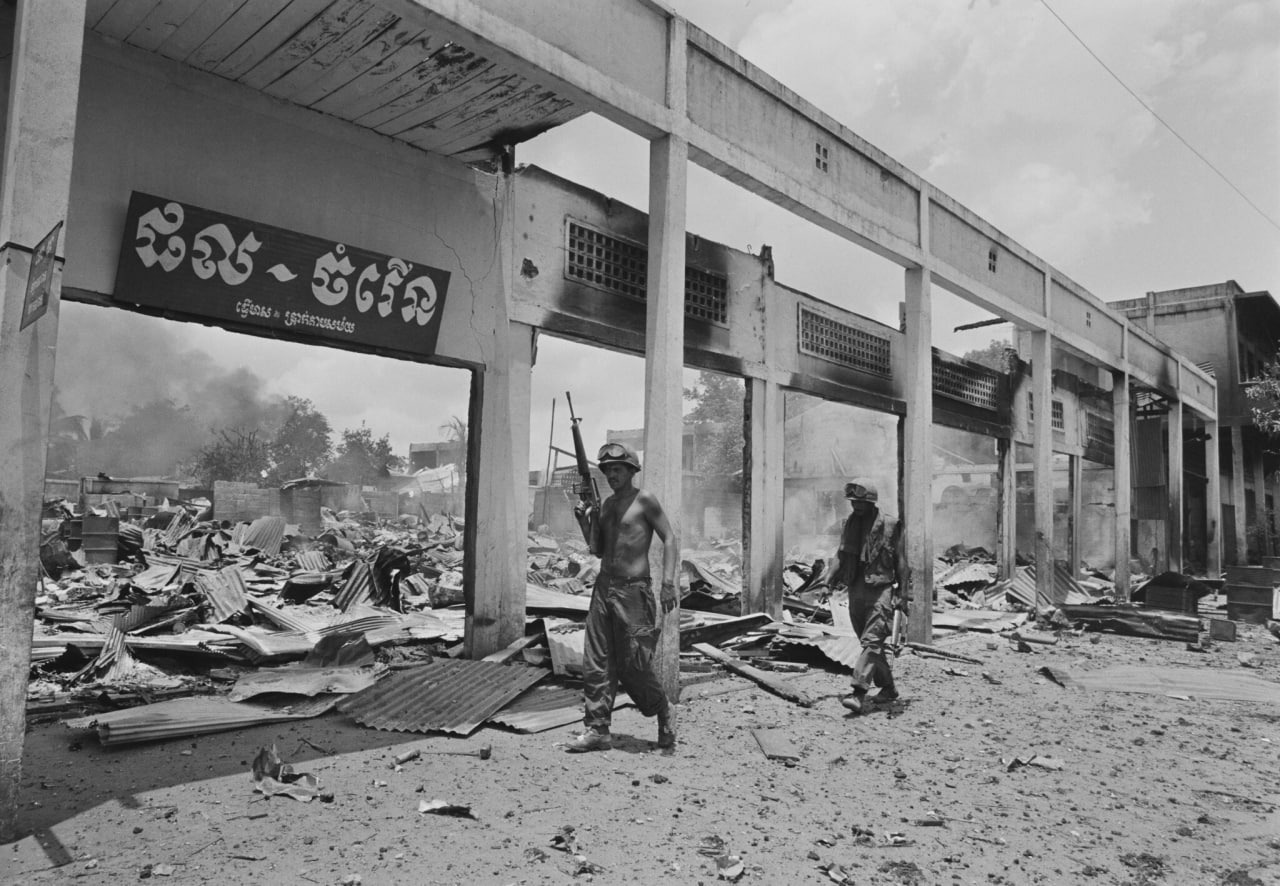
Cambodia’s own history has already borne witness to proxy warfare during the Cold War—when the country was pulled into great-power rivalry and could not fully determine its national destiny on its own terms. That experience demonstrates a hard truth: smaller states can become targets of conflict without seeking it—and sometimes without even realizing it.
Today, the form of warfare has shifted from direct combat to indirect, strategic manipulation. Yet the core danger remains the same: the destruction of stability and national unity from within, to create conditions that enable outside powers to achieve their strategic objectives.
In this context, modern proxy warfare can appear in many forms, driven by the same logic: weaken society before applying major pressure, including:
• Social or political mobilizations that look like ordinary civic activity but conceal external backing;
• Information warfare aimed at dividing society, undermining trust in institutions, and creating confusion;
• The use of border disputes, identity politics, human rights issues, or minority questions as strategic pressure points—turning domestic matters into “internationalized” instruments;
• Influence networks and covert operations that push a society into crisis without clear signs of war—often before people even recognize that an attack is underway.
The main objective of proxy warfare is not immediate victory on the battlefield. It is to exhaust a country internally, weaken independent decision-making, and make it vulnerable to direction from outside. That is precisely why proxy warfare can be more dangerous than conventional warfare—and why Cambodia cannot afford to ignore it.
2) Why Proxy Warfare Is More Dangerous Than Conventional War
The greatest danger of proxy warfare is not the sudden loss of territory or a military defeat visible on a map. It is the destruction of a nation’s foundations from within. It fragments society, fuels mistrust between the state and citizens, between institutions and the public, and even among citizens themselves—weakening a country before any “enemy” openly appears.
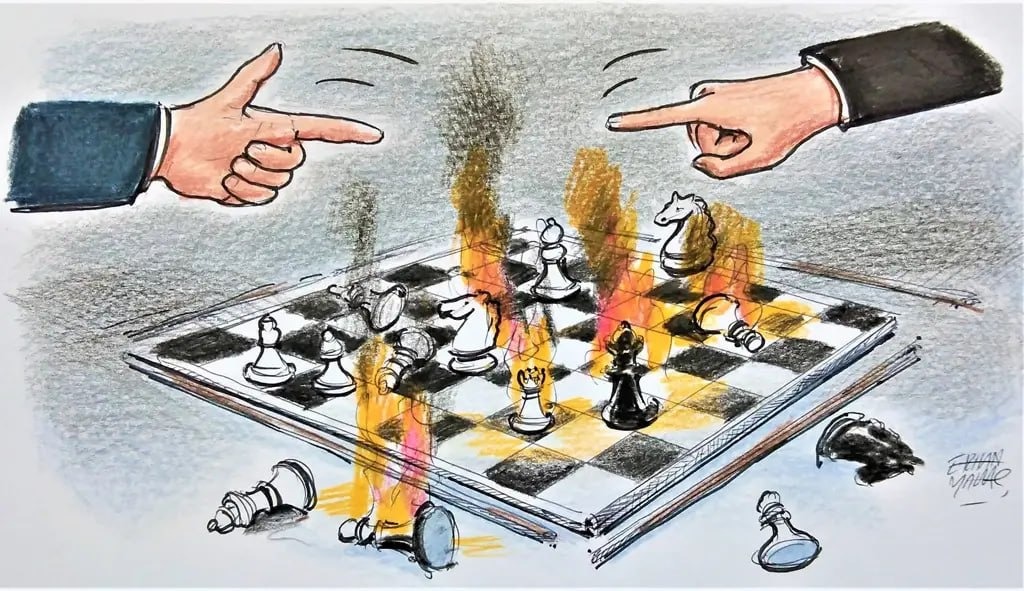
Proxy warfare also traps countries in protracted conflict—with no clear front lines, no defined battlefield, and no single enemy that can be identified and confronted. In such conditions, society lives in confusion, fear, and mutual accusation—while the true orchestrators remain offstage and pay little direct cost.
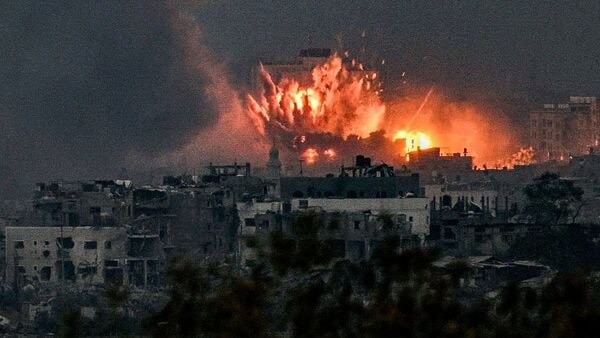
Moreover, proxy warfare tends to escalate gradually. It does not explode instantly like conventional fighting. It spreads over time, creating conditions for major conflict or national crisis. When that happens, the affected country becomes the one that pays the price—through lives lost, economic damage, and the burden passed to future generations.
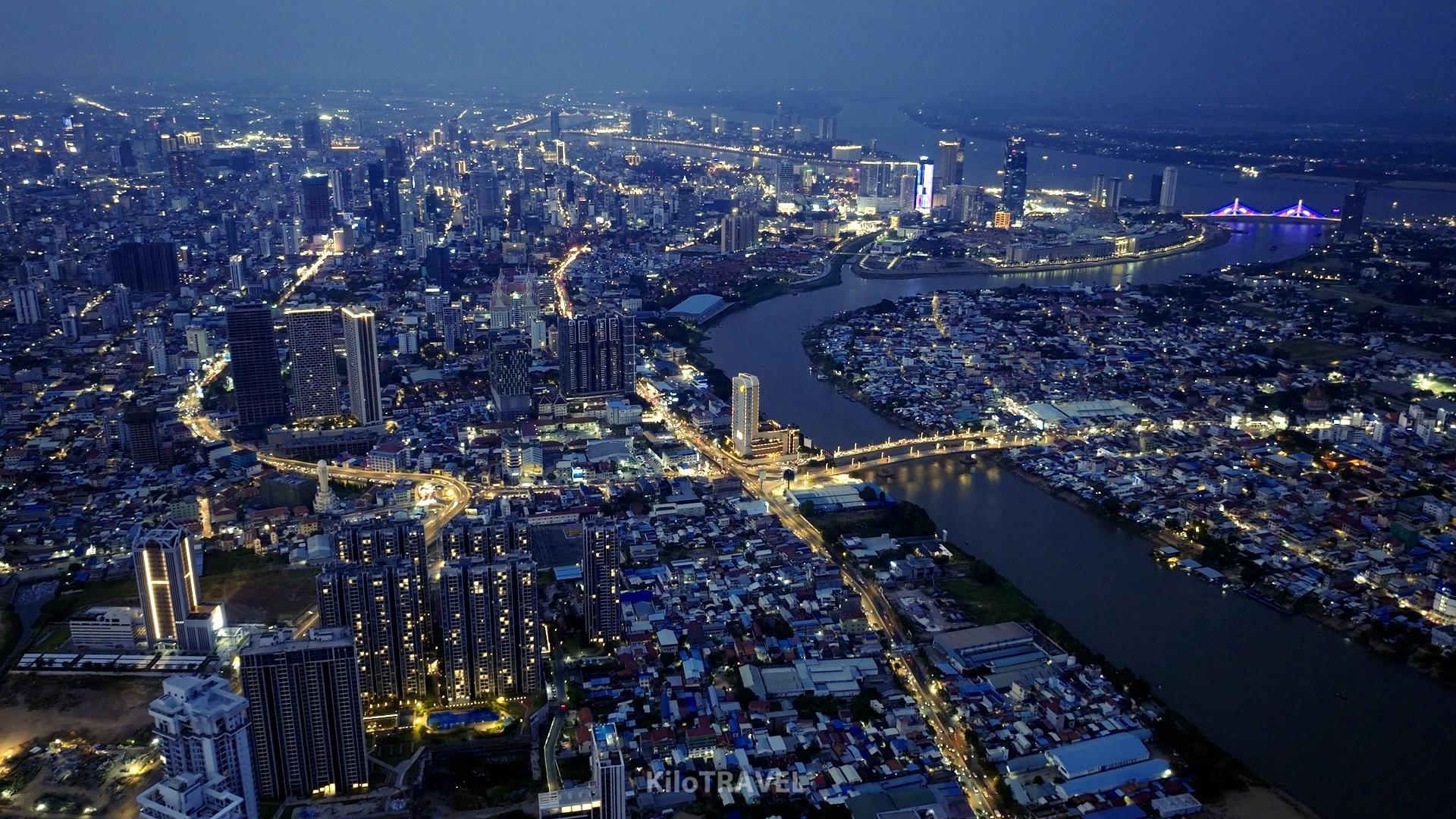
For Cambodia, which has endured long years of war and paid a painful price in blood to reach today’s stability, peace and stability are among the country’s most valuable assets. Proxy warfare is a method that can destroy that stability without firing a single shot—slowly undermining national resilience and independent decision-making without the nation realizing it.
3) Lessons from the World: When Proxy Warfare “Wears Down” a Nation Without Visible Bloodshed
Global experience shows that proxy warfare can wear a country down without a formal invasion or an official declaration of war. In many cases, it begins as a domestic problem—but ends with external interference through proxies, information operations, and influence networks—leaving a nation divided and exhausted for years. Examples include:
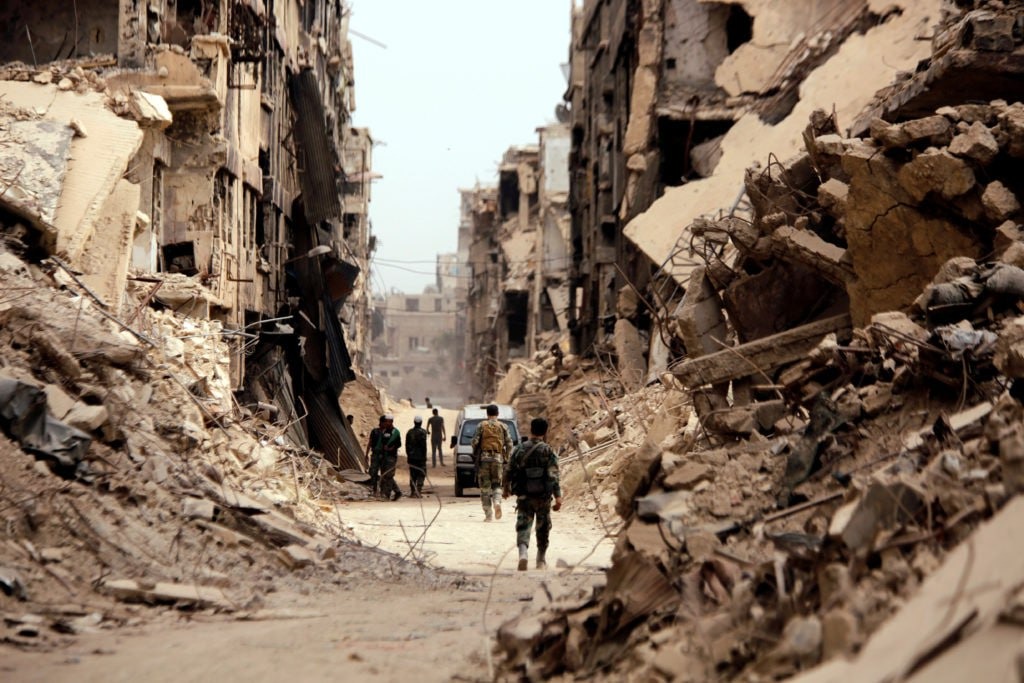
Syria: When Internal Crisis Becomes the Gateway to External Interference
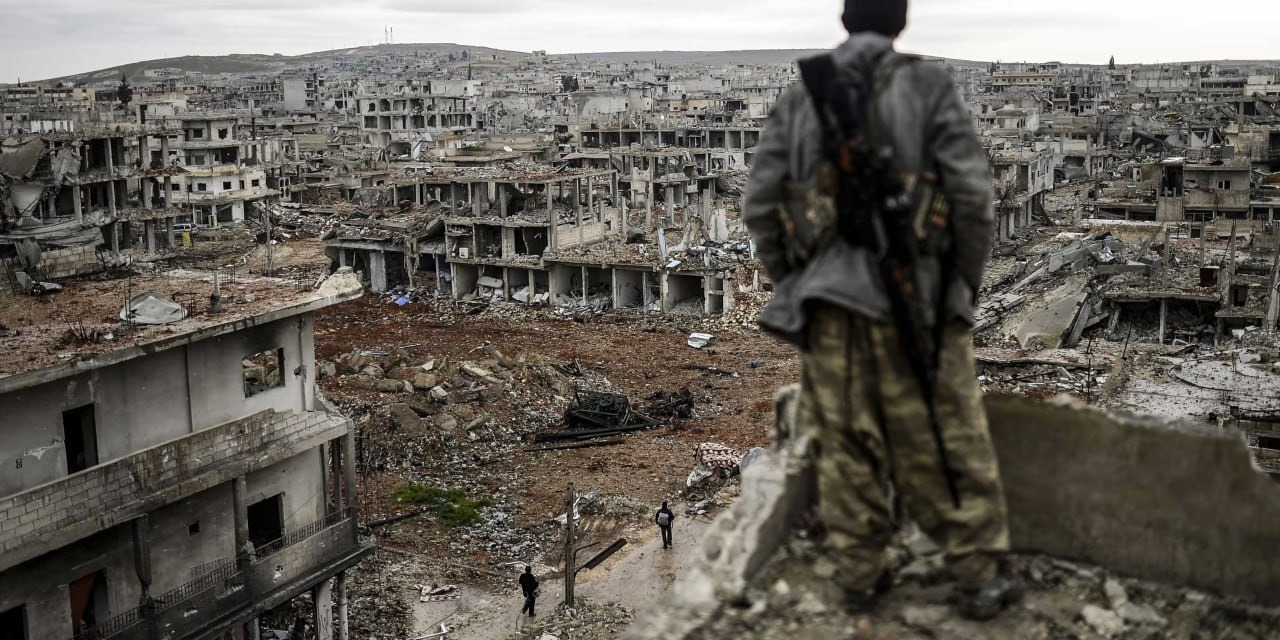
Syria’s conflict began as a domestic crisis but gradually turned into an arena of competition among multiple external powers through proxy forces. The result was national fragmentation, violations of sovereignty, and a prolonged conflict.
Lesson: If internal problems are not managed with strategic wisdom, they can become a doorway for proxy warfare to enter and devastate a country.
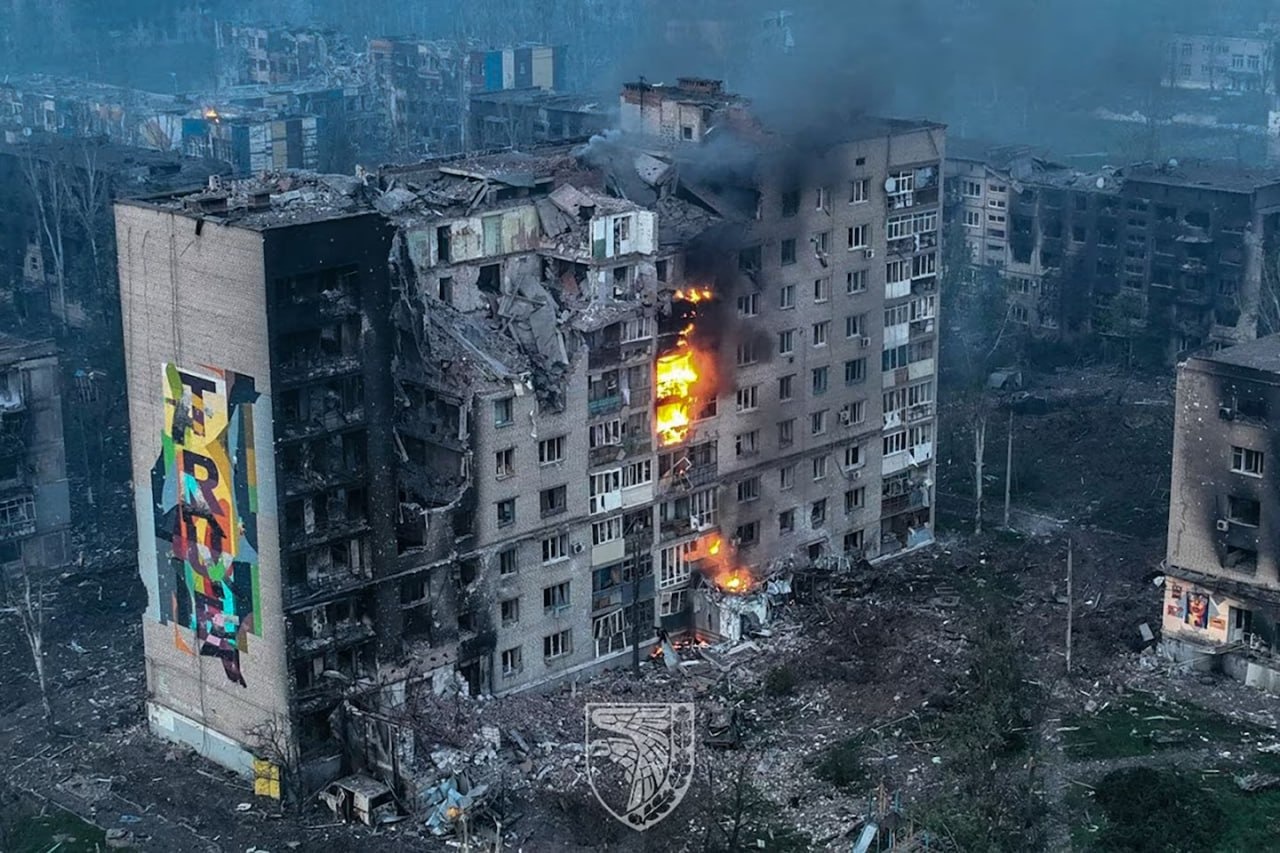
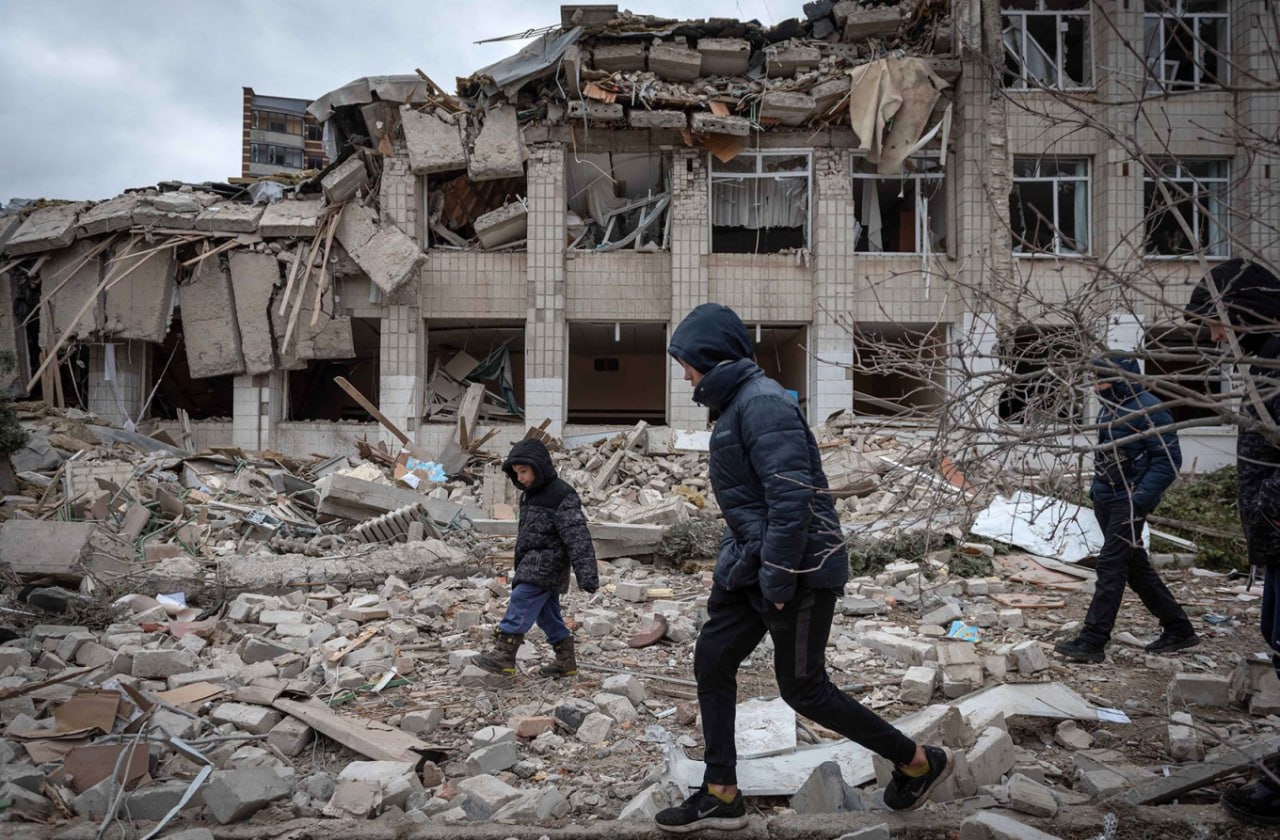
Ukraine: Proxy Warfare as the Pre-Stage of Major War
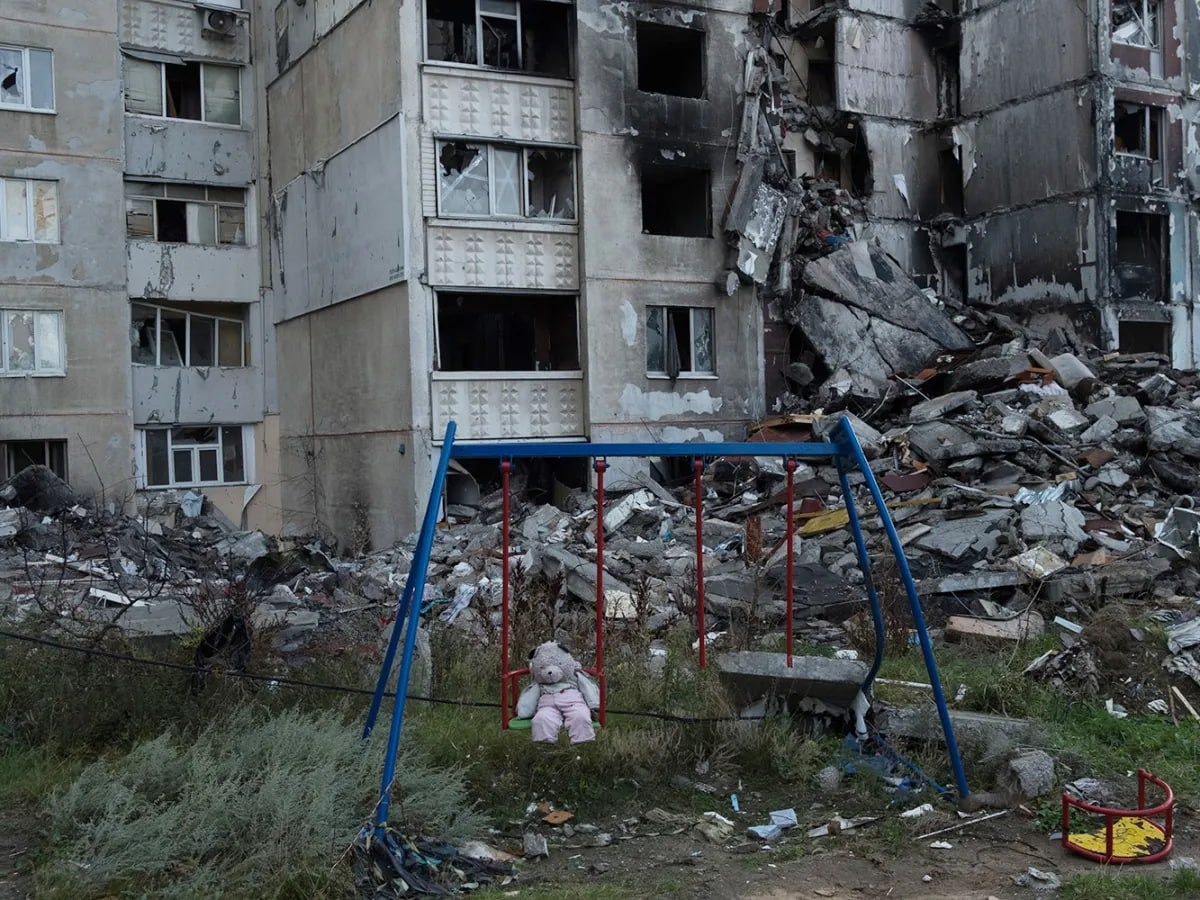
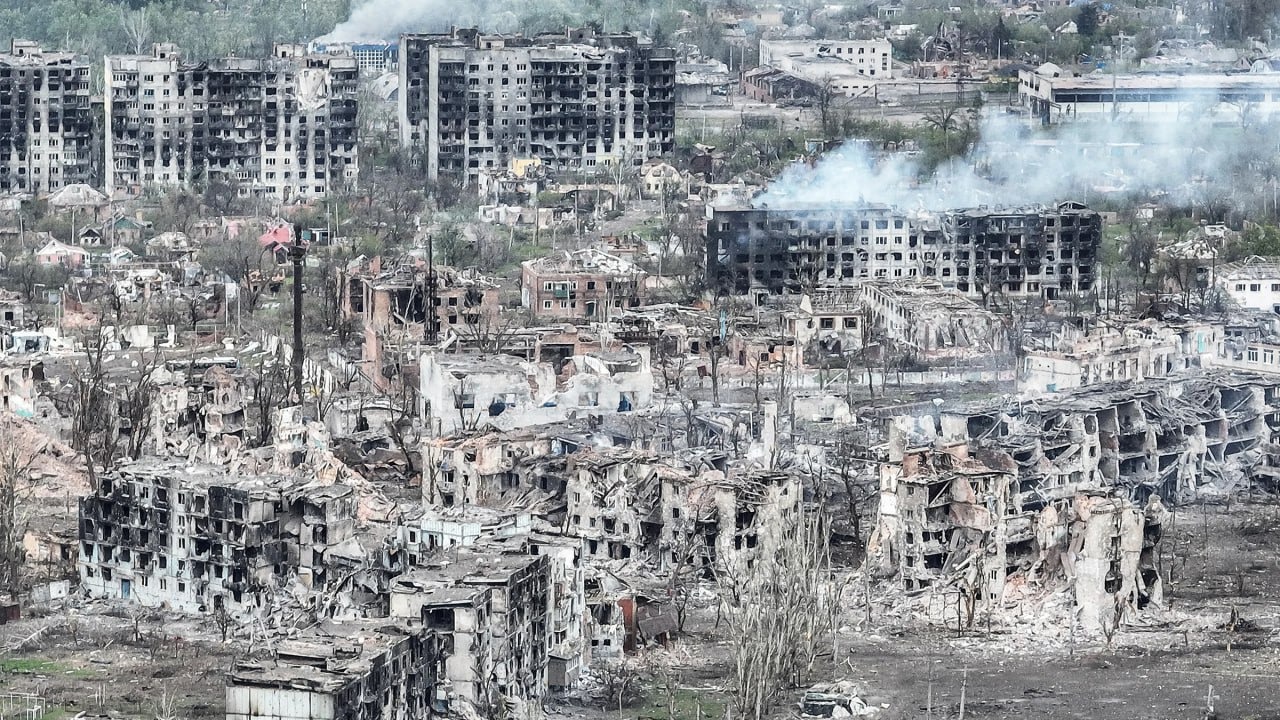
Before full-scale war erupted, Ukraine faced undeclared patterns of conflict—proxy activity, information warfare, and external support to local actors. This “war without visible blood” damaged trust, fueled instability, and opened the path toward major confrontation.
Lesson: Proxy warfare is often used to drain a country’s strength first, weakening internal decision-making and defensive capacity before heavier blows are delivered.
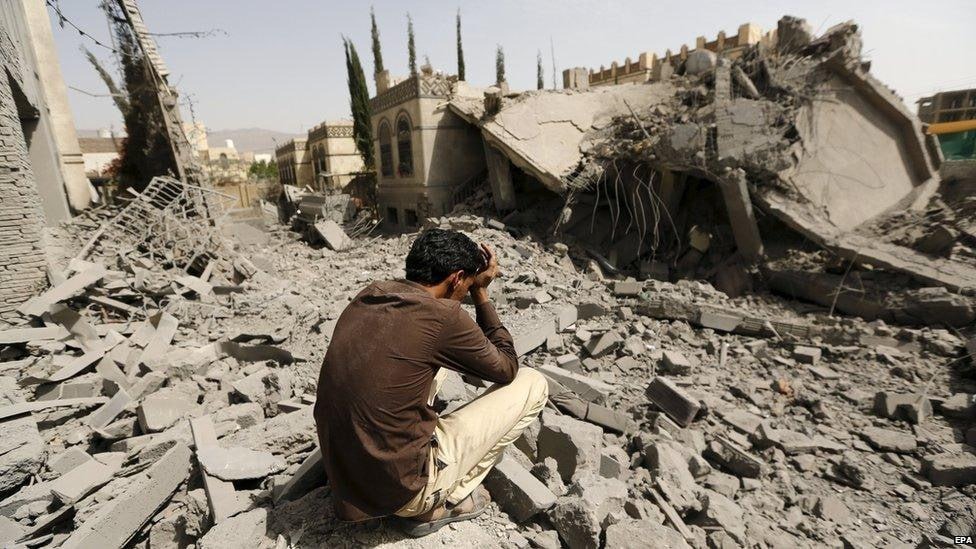
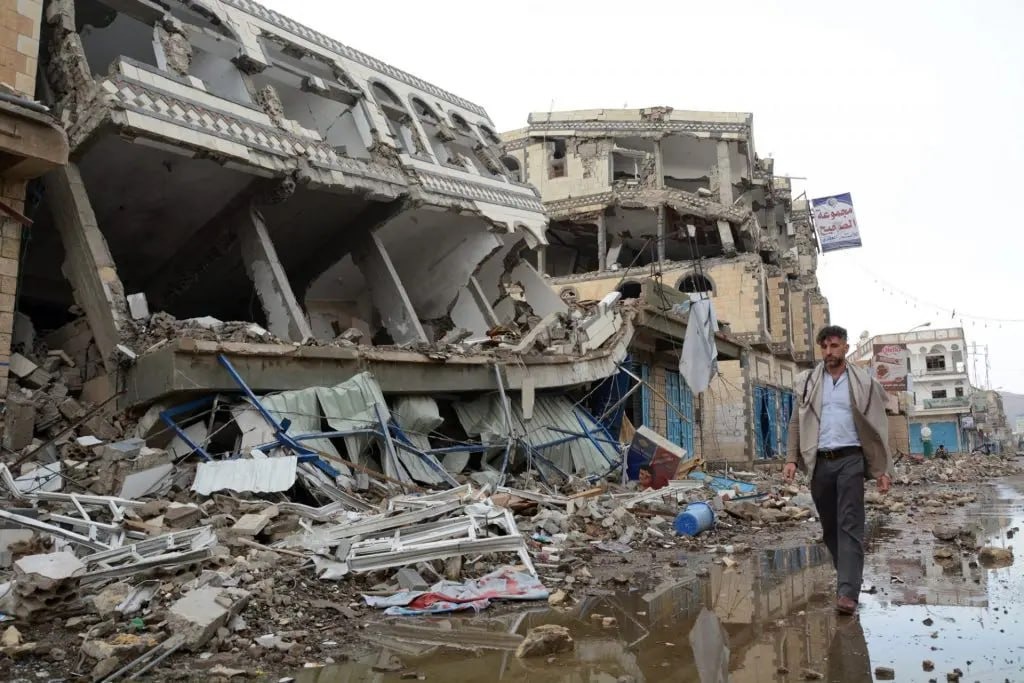
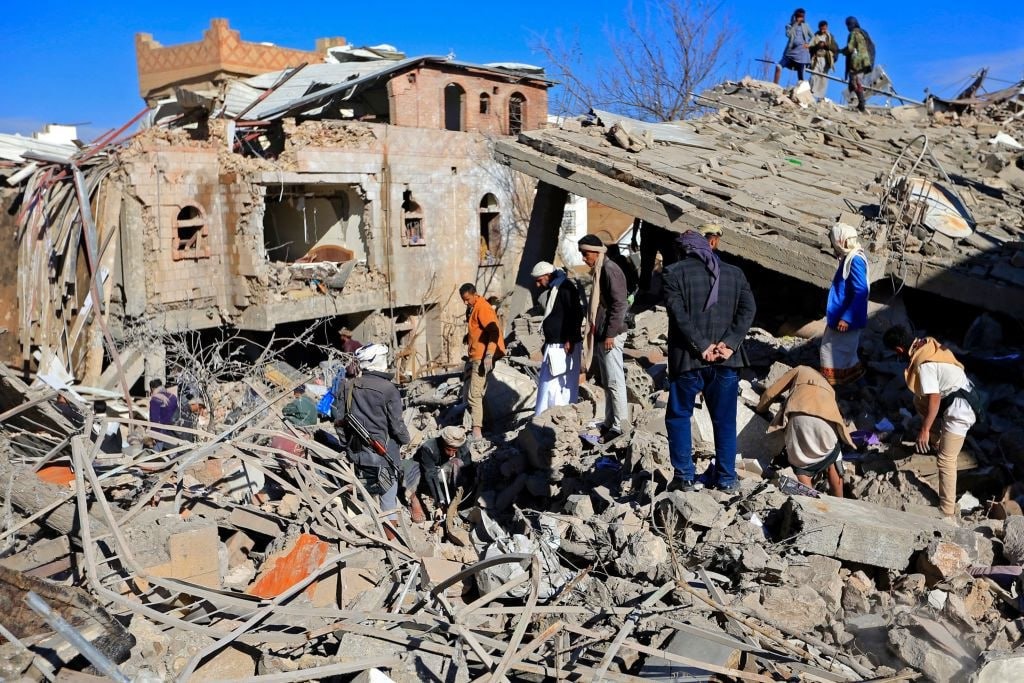
Yemen: A No-Winner War Where Small States Pay the Price
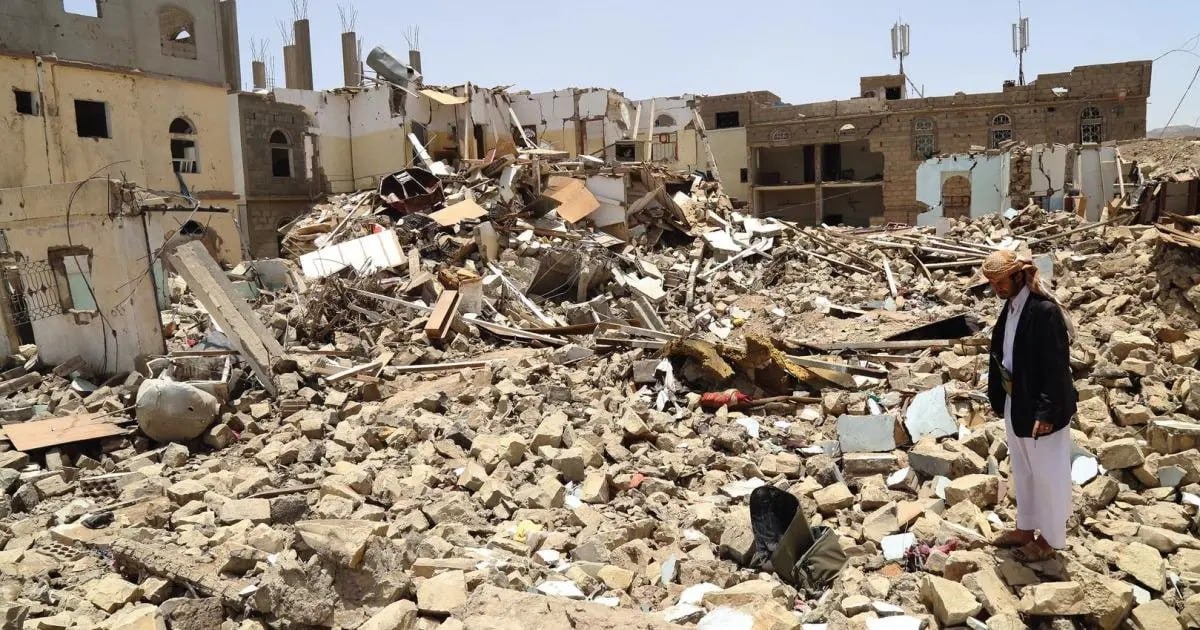
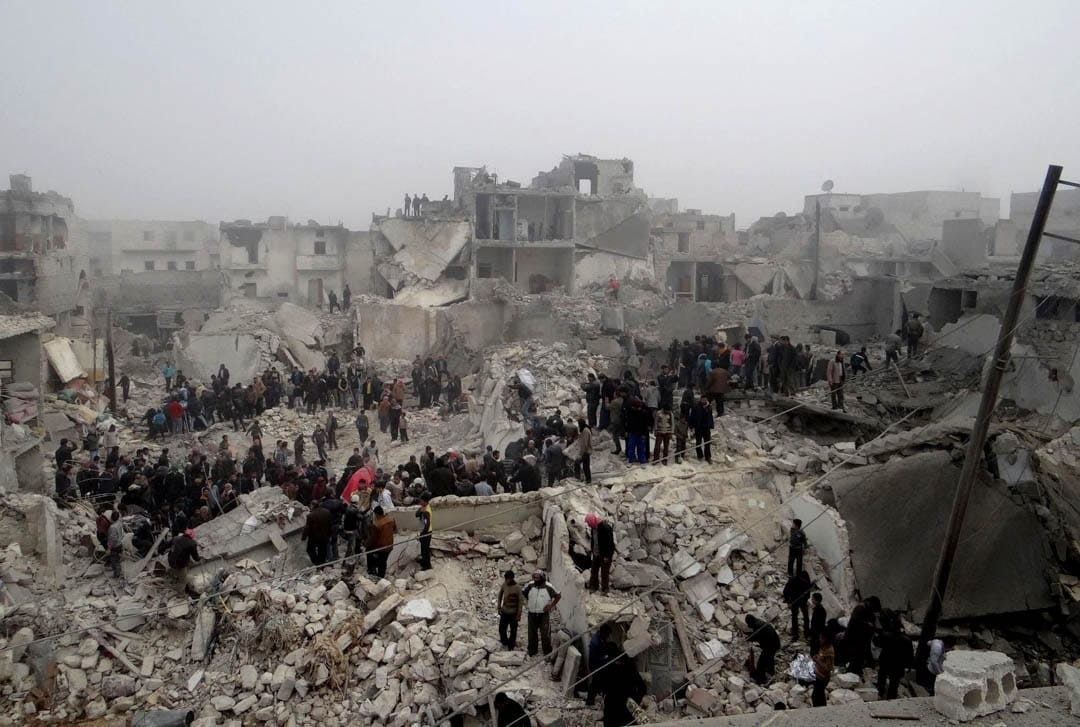
Yemen became a proxy battleground among regional powers. Civilians suffered deeply while external players continued their competition without paying blood costs directly.
Lesson: Proxy warfare makes smaller countries pay the price for others—the shooters stand behind the curtain, while real casualties fall on the front stage.
Afghanistan: A Protracted Conflict That Leaves Long-Term National Wounds
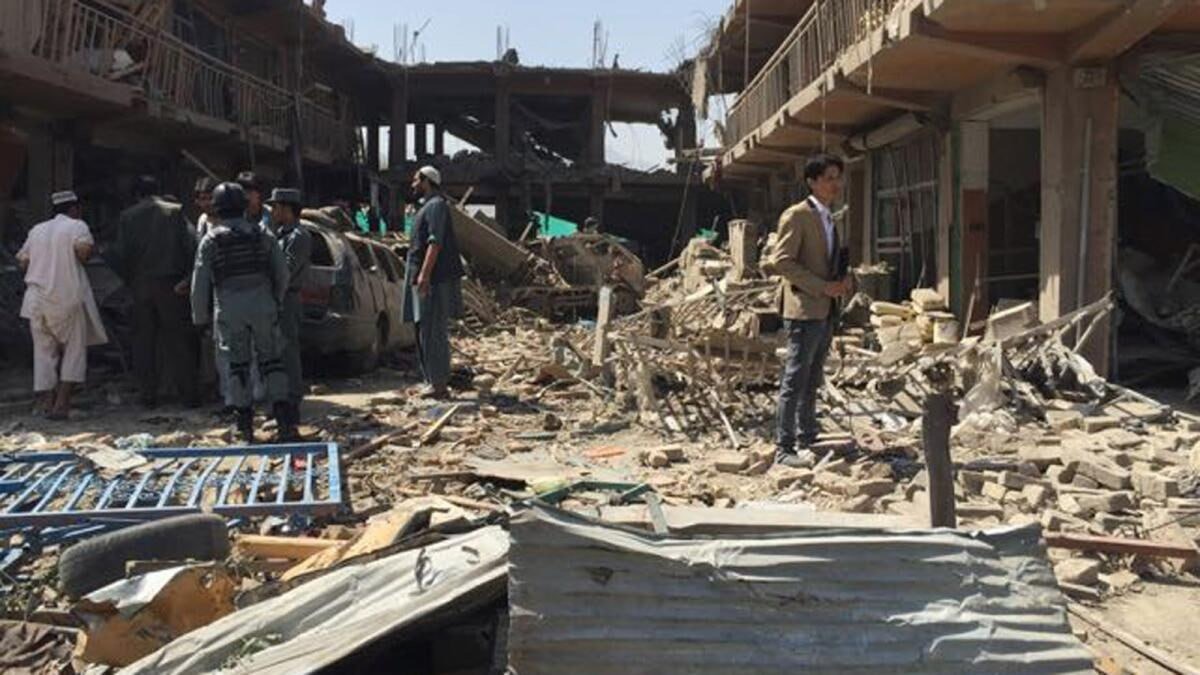
Afghanistan served as a stage for great-power competition through proxies. The outcome was prolonged conflict and a stability deficit that could not be restored quickly—because the poison of war settled not only on territory but within social and state structures.
Lesson: Proxy warfare creates protracted conflict and leaves a “national wound” that cannot heal in a short time.
4) Cambodia’s Context: What Should Be Done to “Close the Door” to Proxy Warfare?
Cambodia is not a large country, but it sits in a region of intensifying competition. History and global experience show that smaller states are most vulnerable to proxy warfare when national unity is fractured, when domestic issues become “internationalized” by outside actors, and when the country is used as a political tool in power competition.
Therefore, “closing the door” to proxy warfare is not merely a military task. It is a national strategic agenda—systemic, coordinated, and clearly directed. Three key lessons stand out:
First, Cambodia must manage and resolve domestic challenges with national wisdom and will—so that internal problems are not turned into “internationalized” pressure tools or gateways for external interference. Unresolved domestic issues become doors through which proxy warfare can enter.
Second, national unity and public trust in state institutions are among the most effective shields against invisible war. A society divided and distrustful becomes easier to attack from within—without any weapons being used.
Third, an independent, balanced diplomacy—ensuring Cambodia is not used as an instrument of any side—is essential for closing the door to proxy warfare. Preserving decision-making autonomy and maintaining constructive relations with all partners are key to safeguarding sovereignty and long-term peace.
Conclusion
Modern war no longer begins with the roar of bombs. It often begins with fractured ideas, engineered instability, and the use of “others” to attack a country from within. The world’s experience makes clear that proxy warfare is not someone else’s problem—it is a quiet form of conflict that enters silently yet leaves long-lasting national wounds.
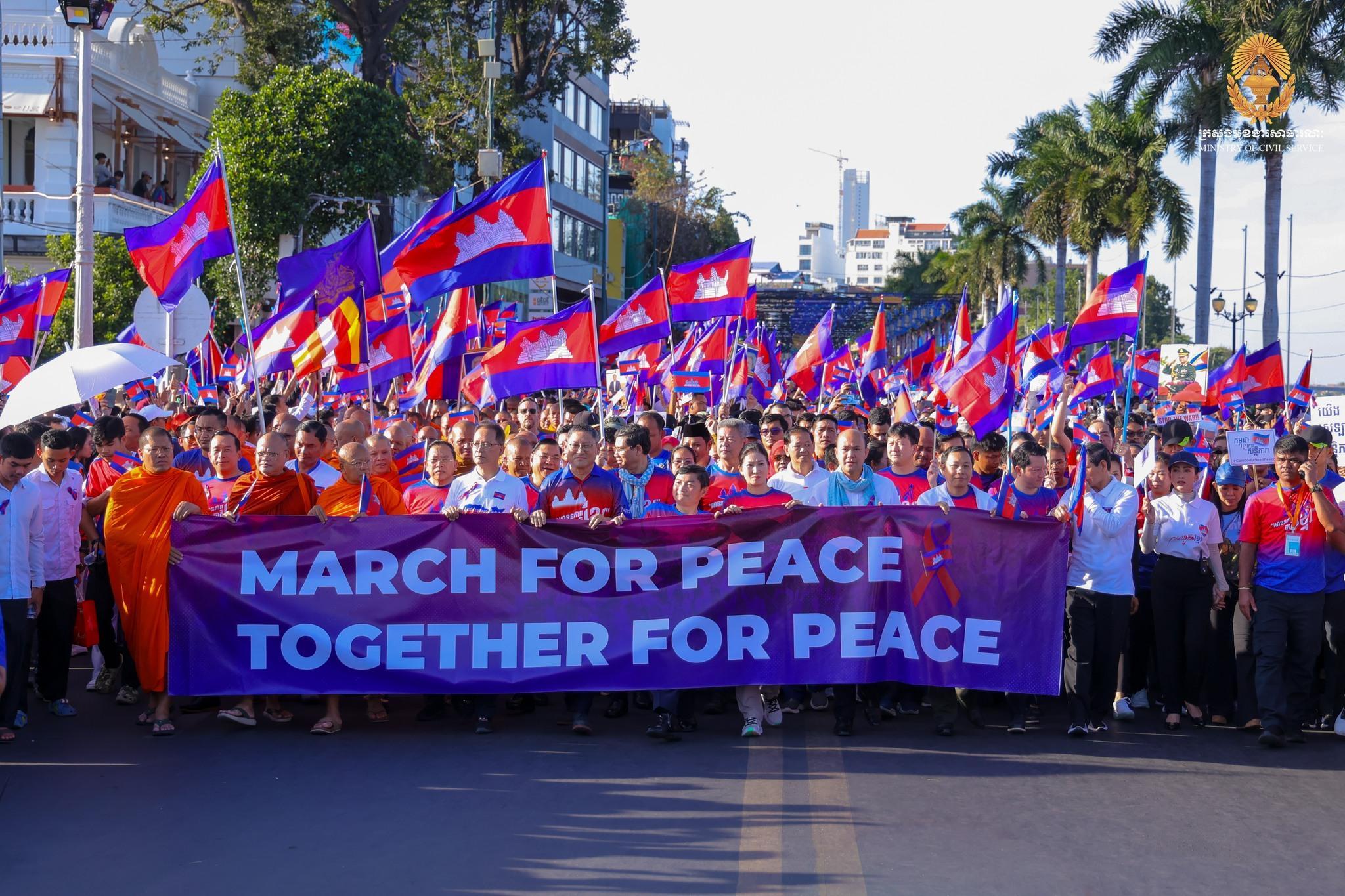
For Cambodia, understanding proxy warfare is not about creating fear. It is about protection—protecting peace, protecting unity, and protecting the country’s right to choose its future without outsiders deciding it on Cambodia’s behalf.
The most frightening war is not the one that visibly spills blood. It is the war that pushes a nation to destroy itself—without realizing it.