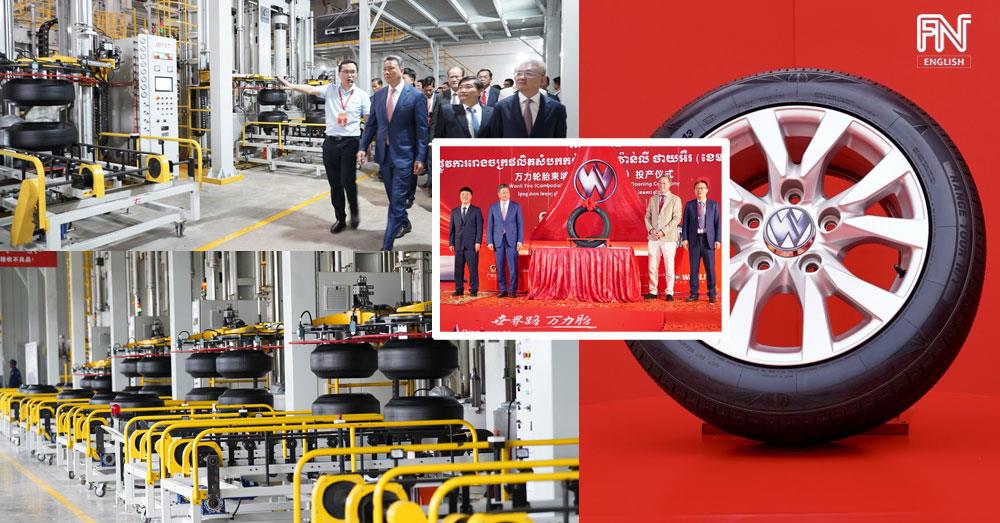
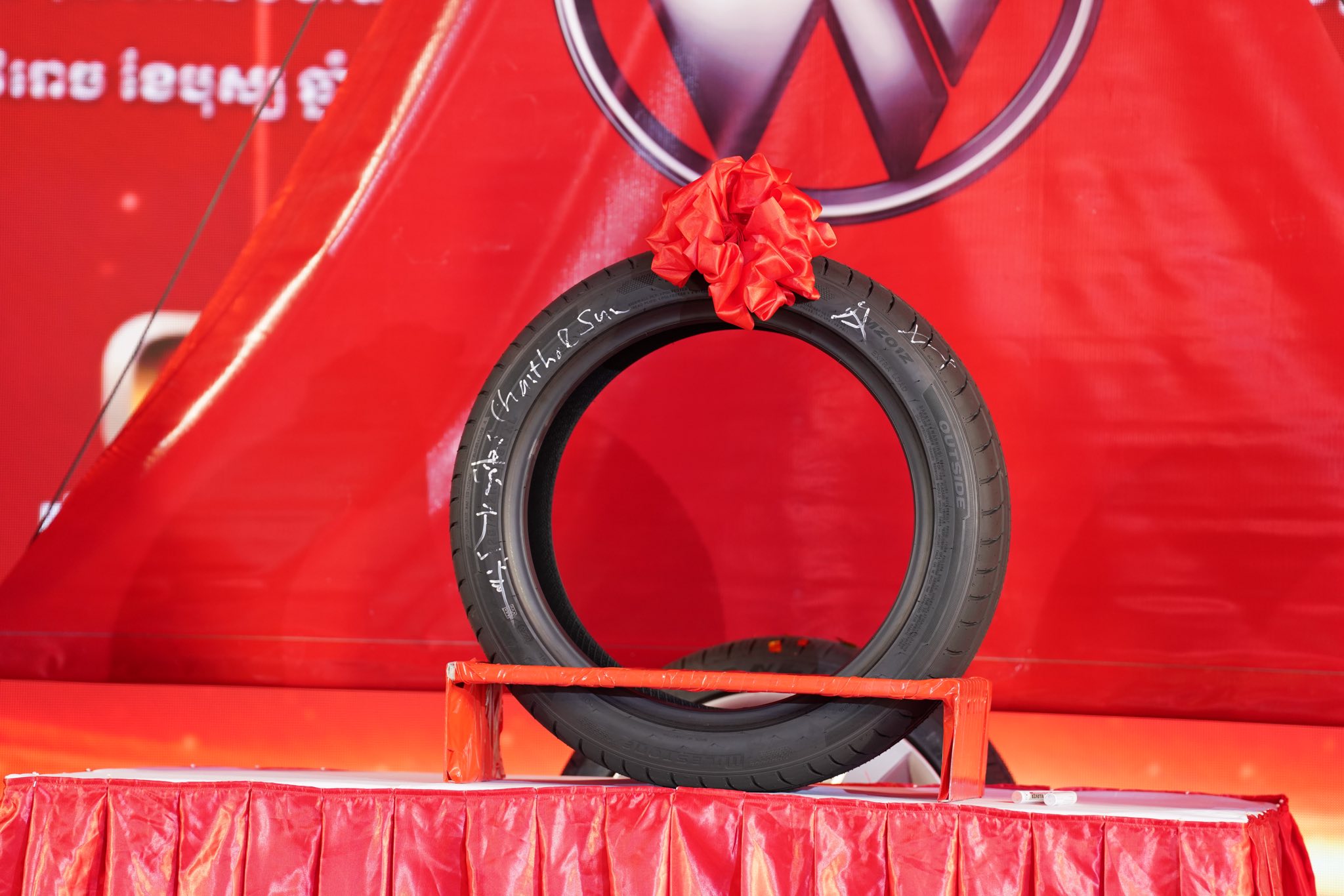
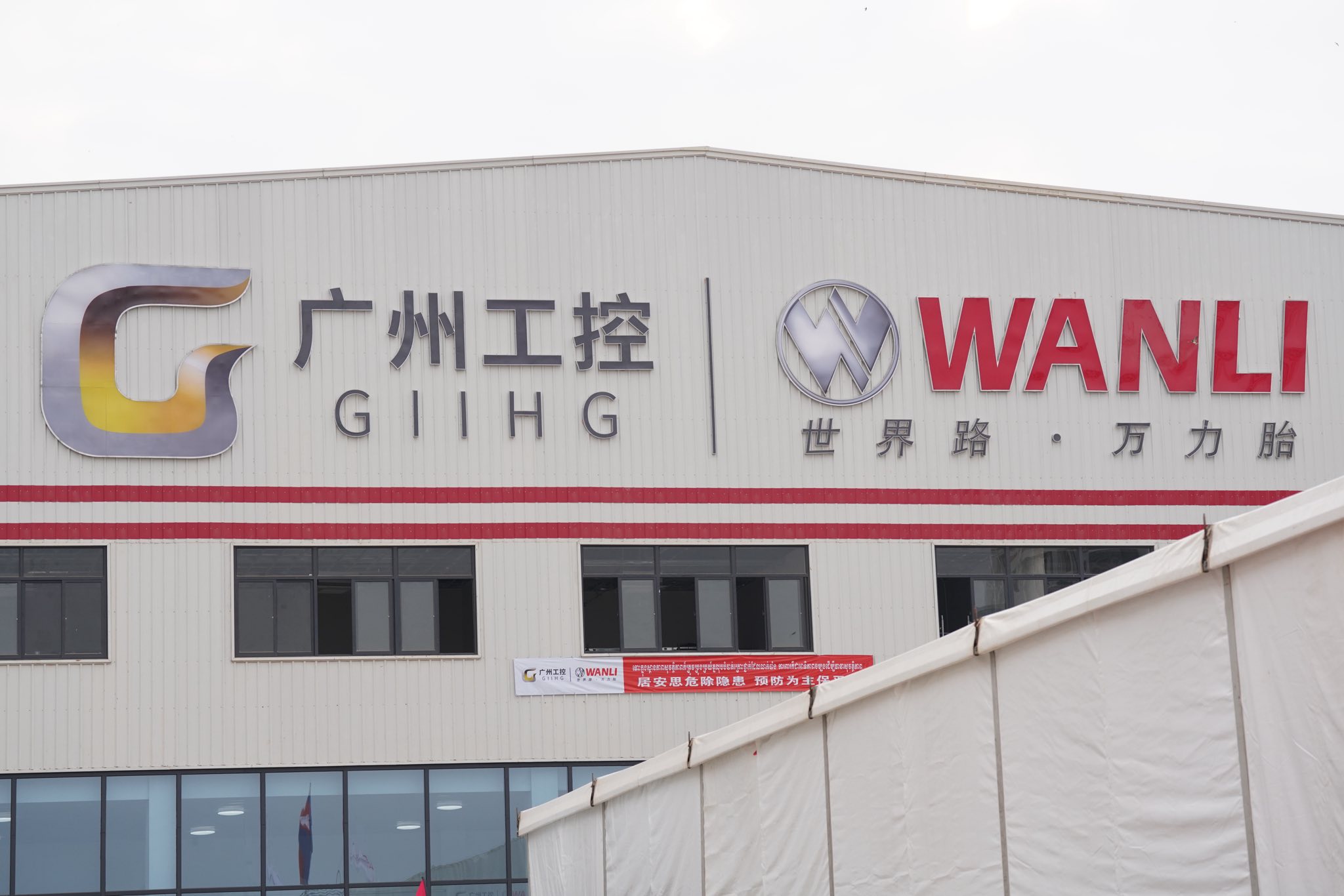
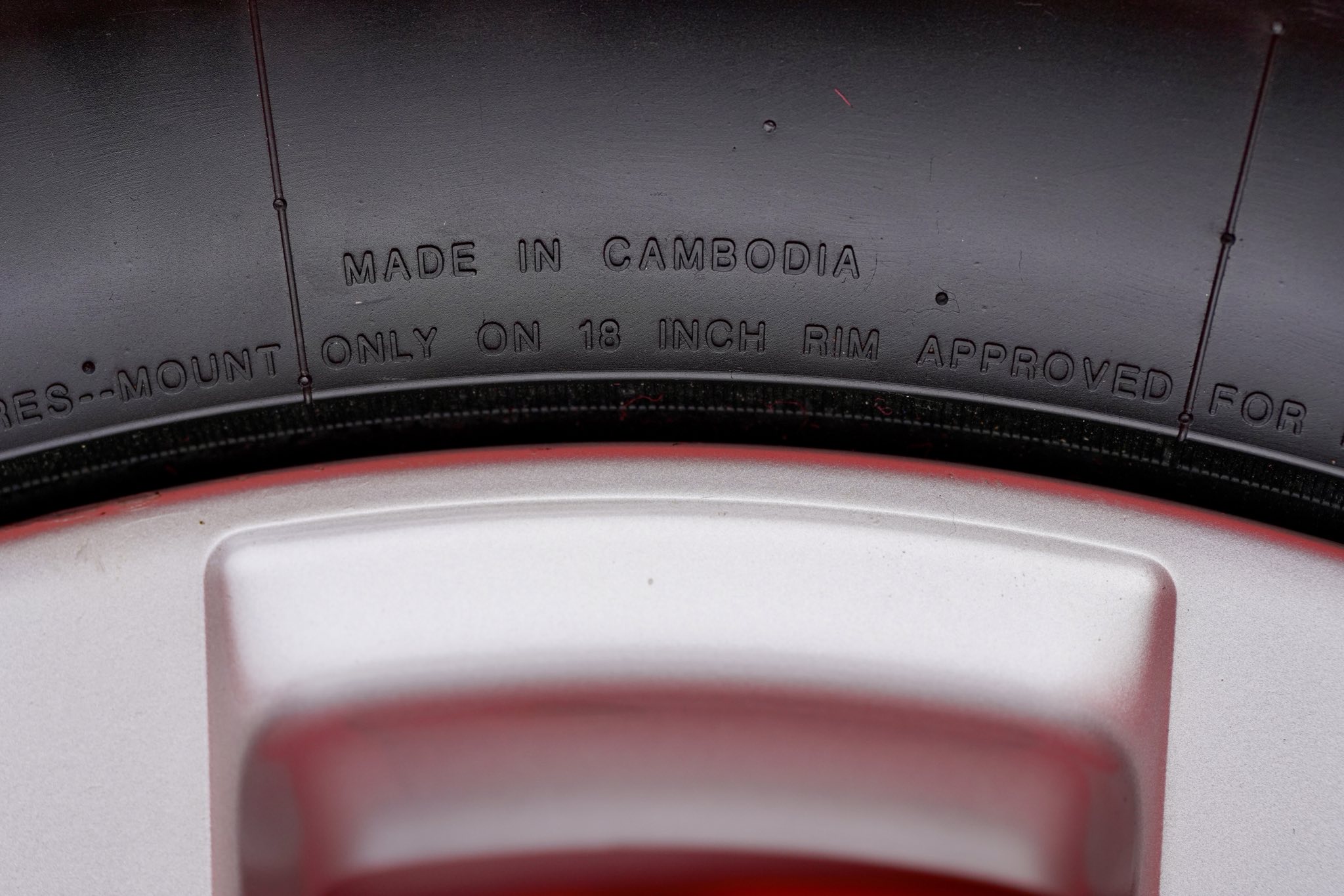
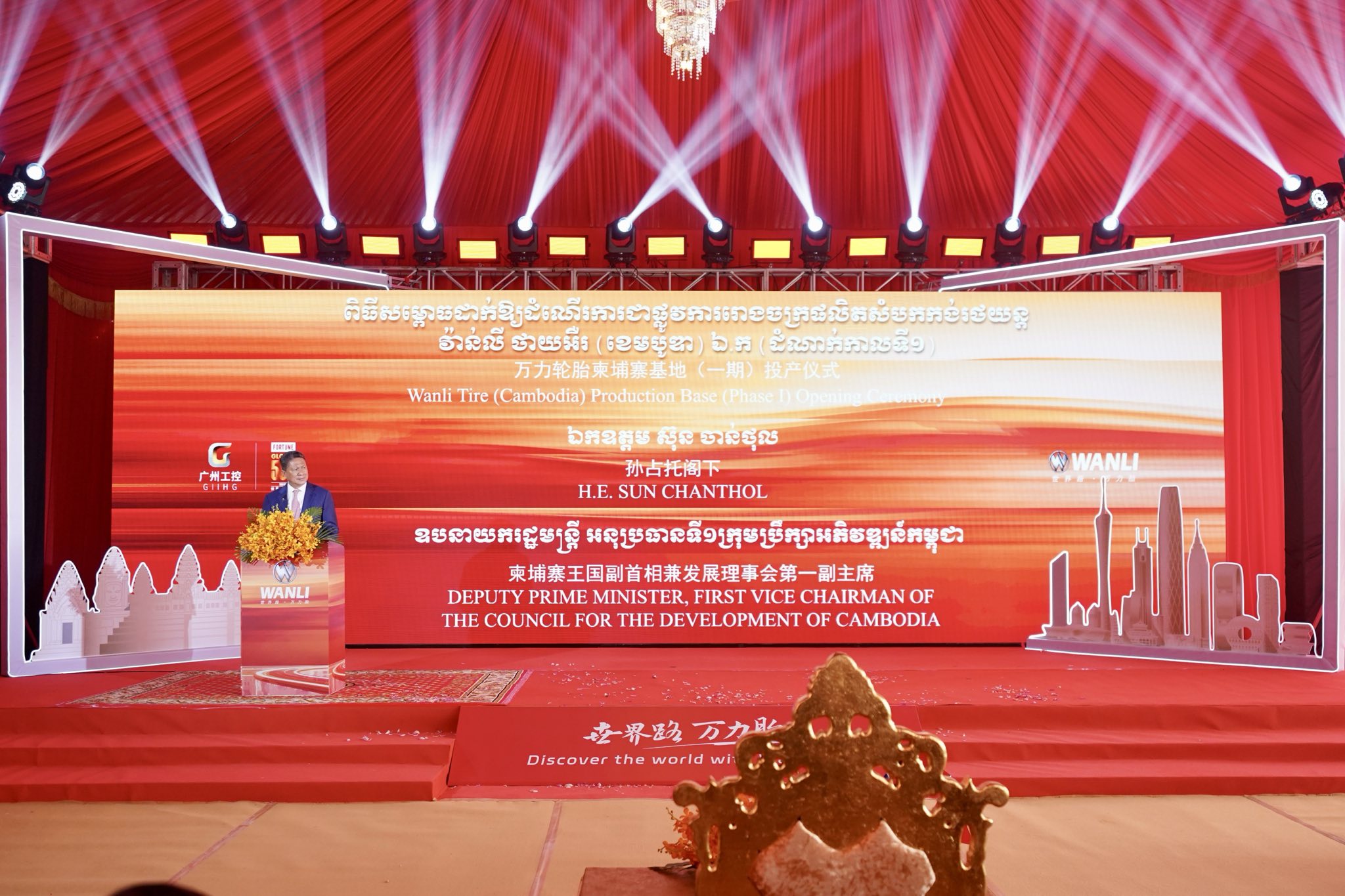
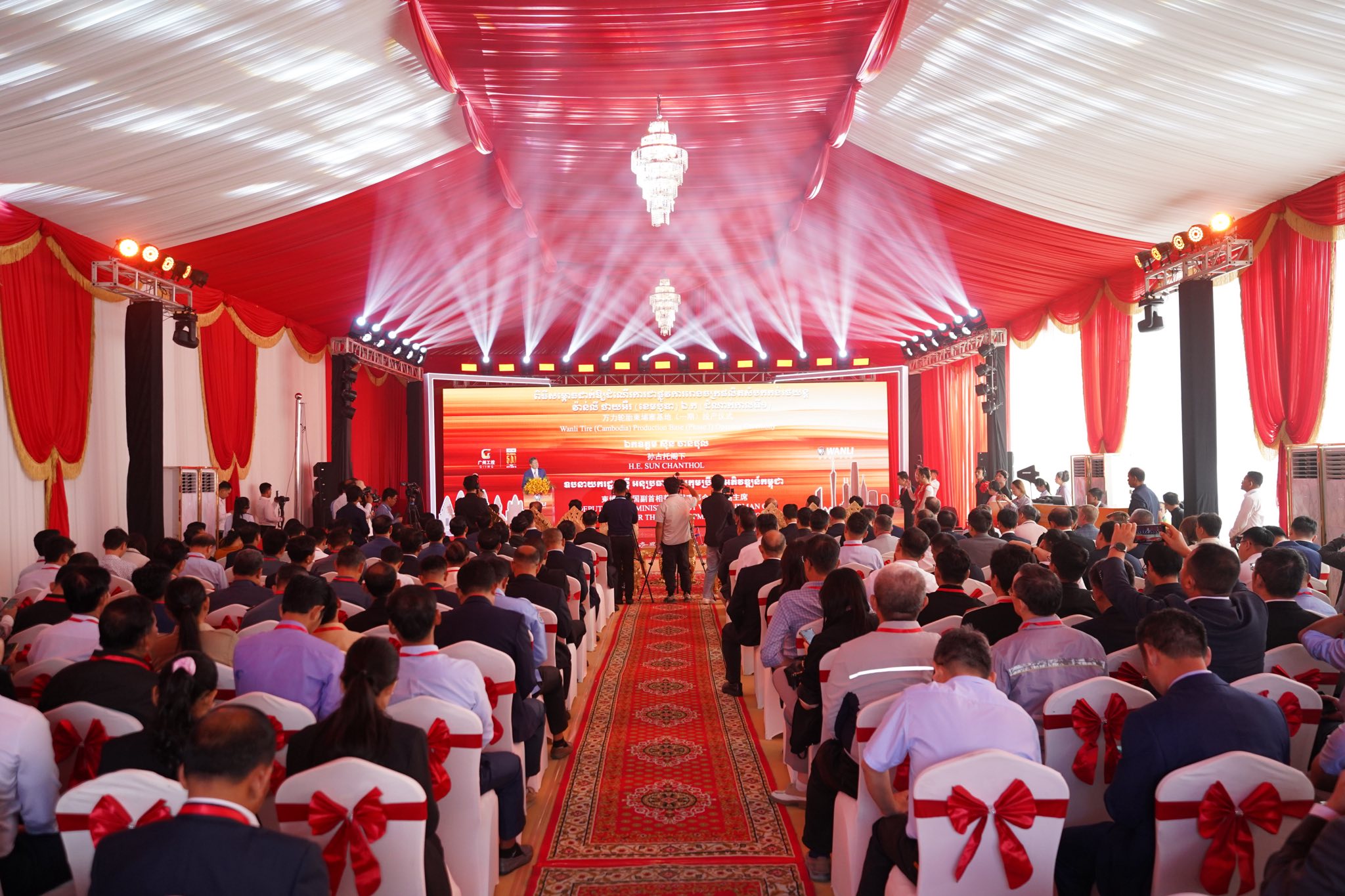
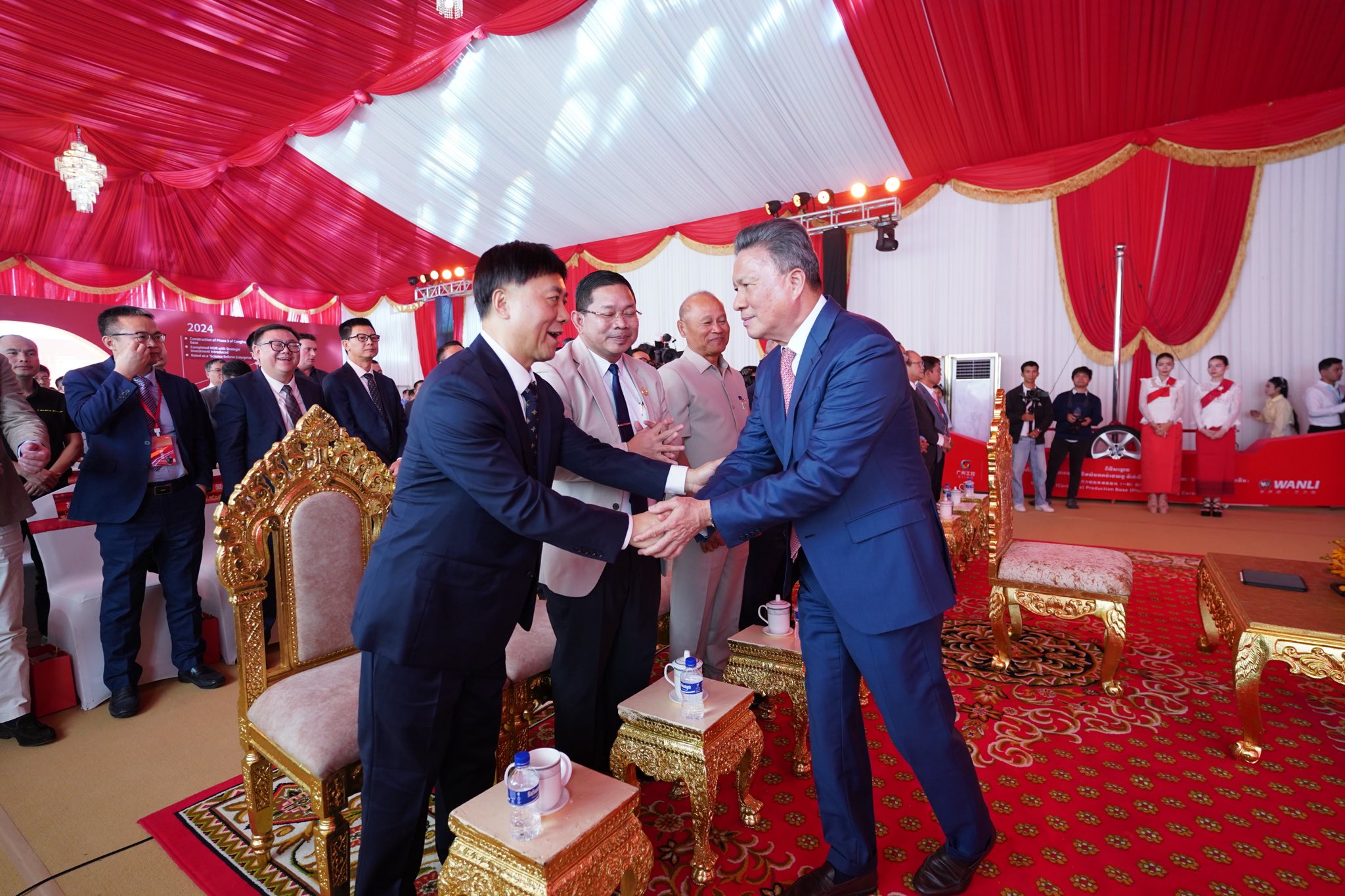
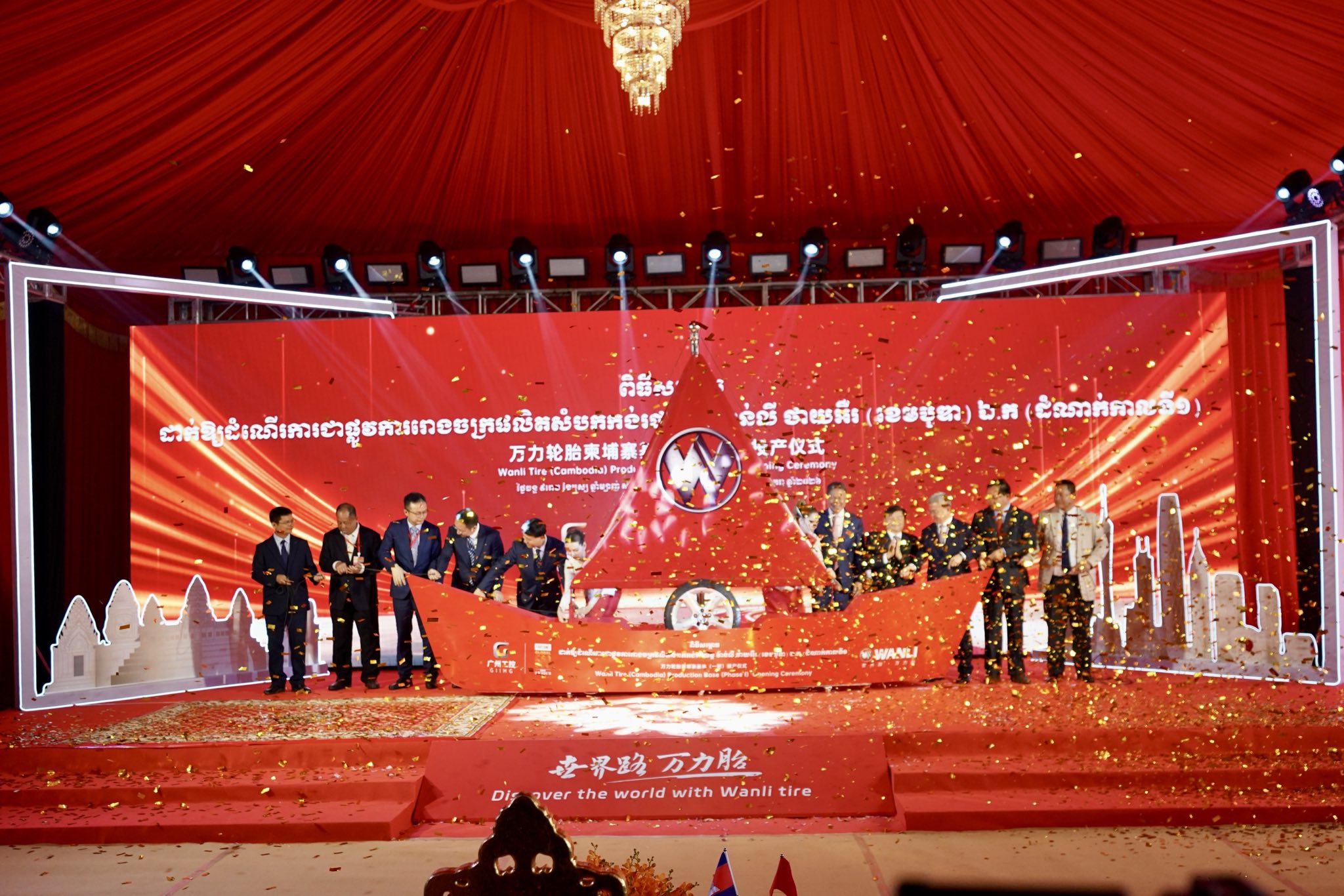
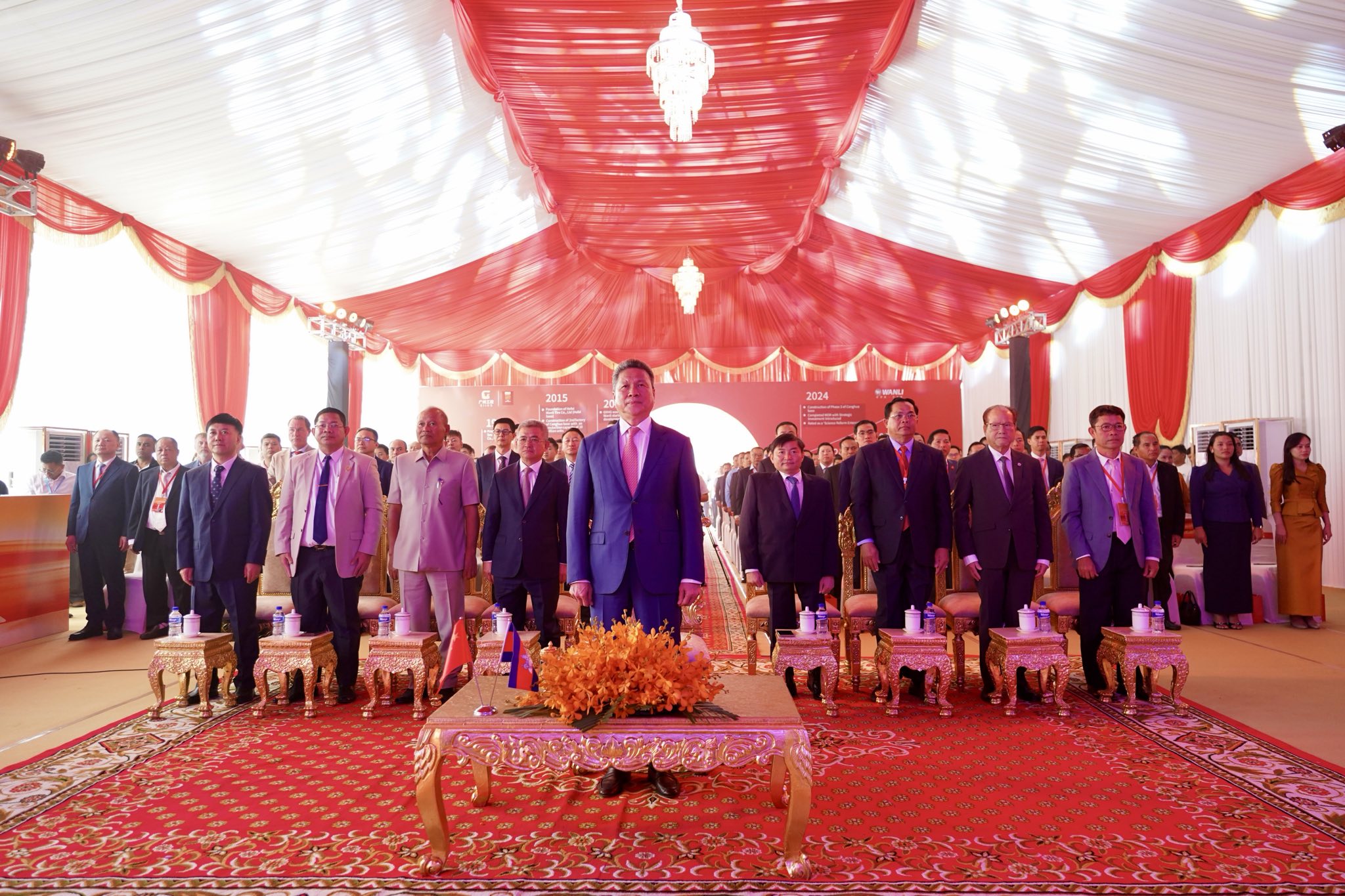
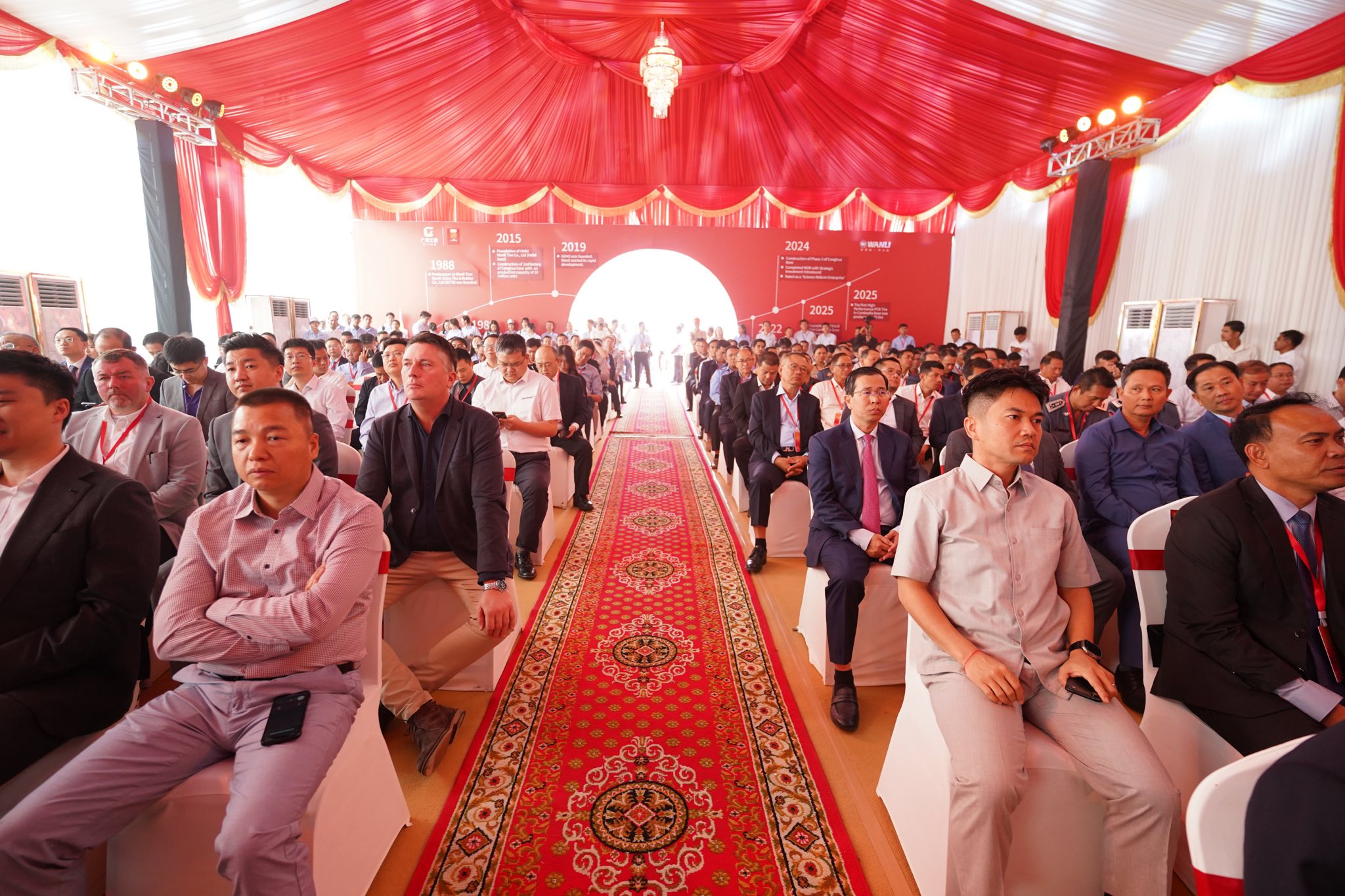
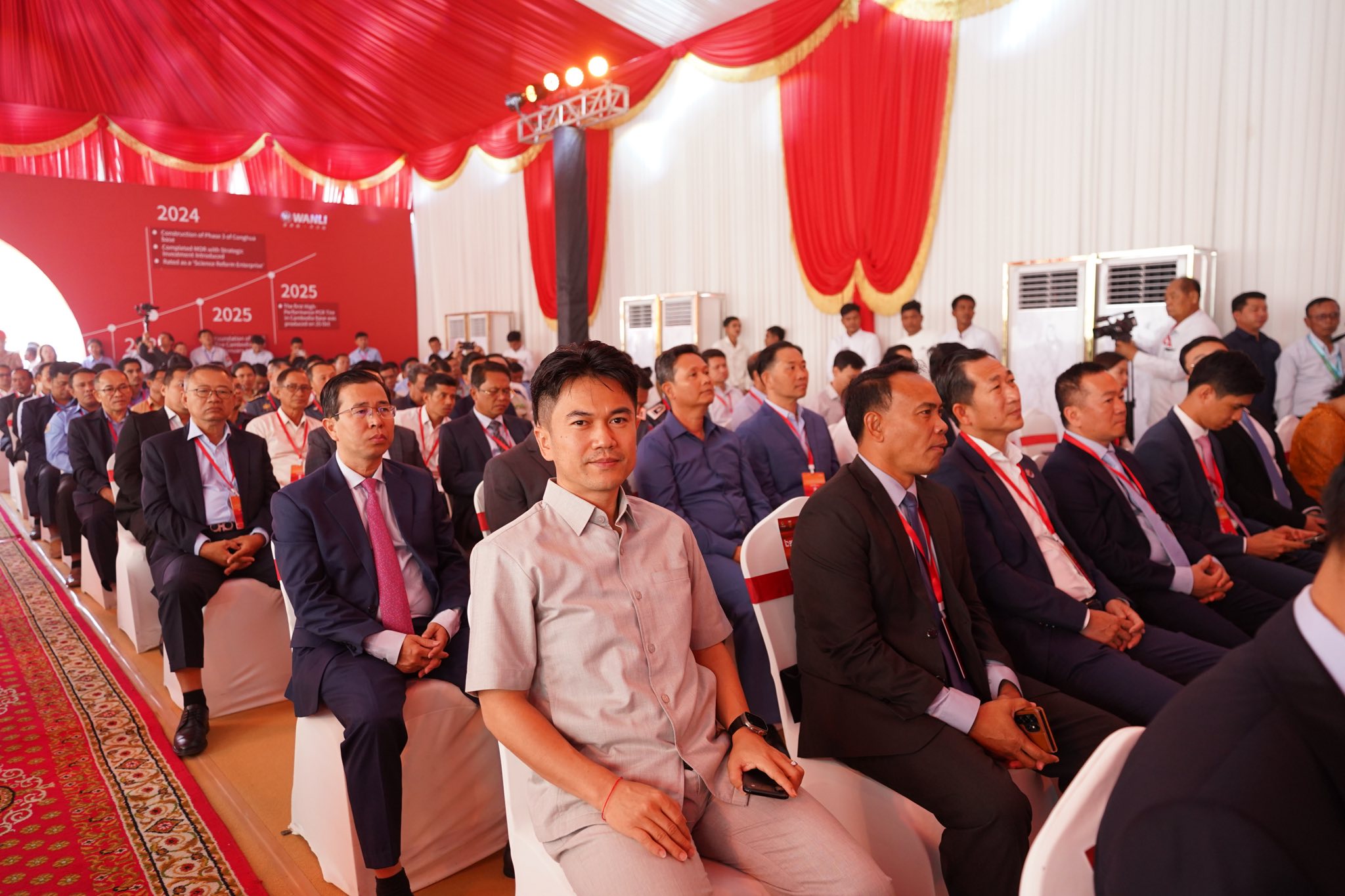
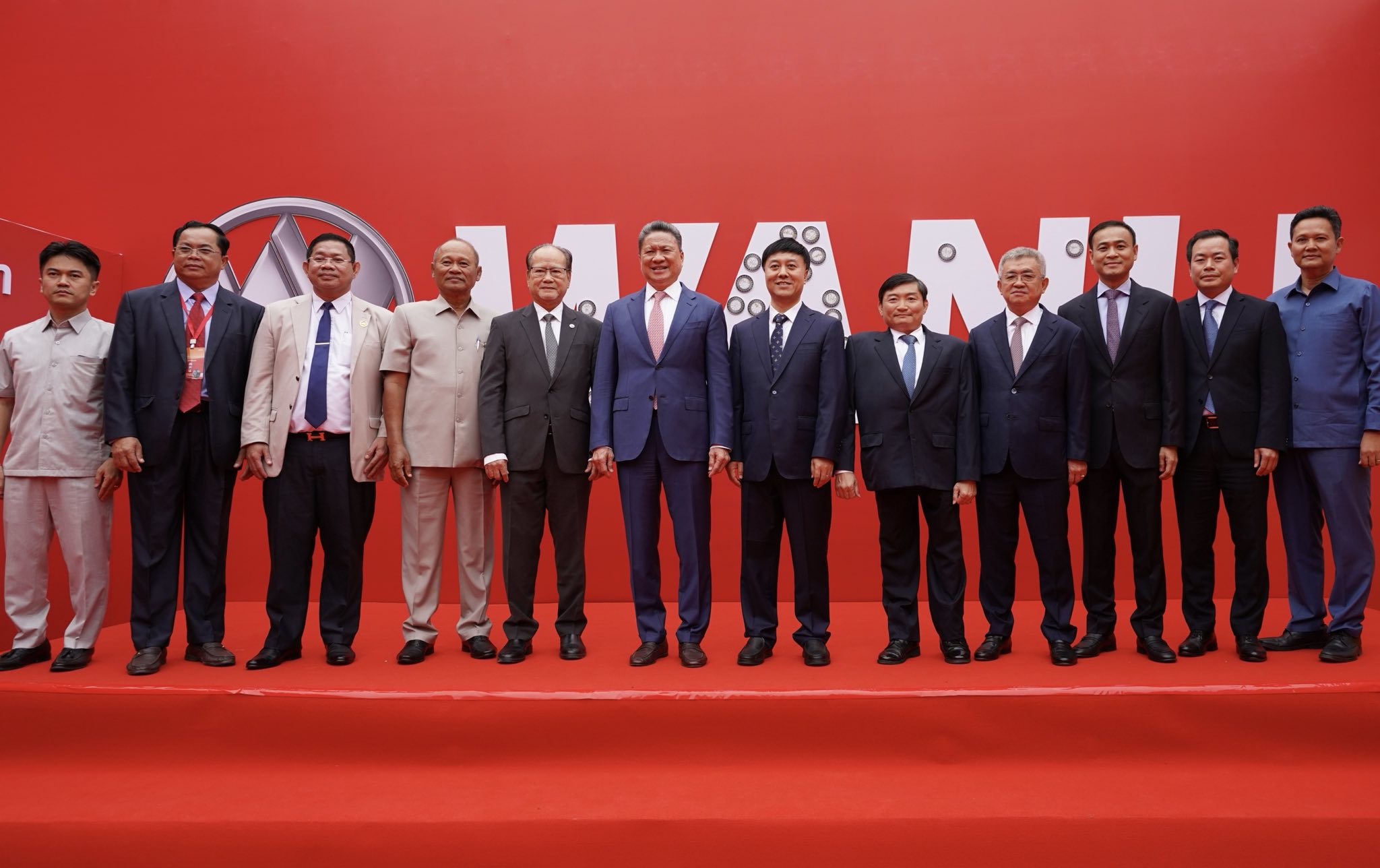
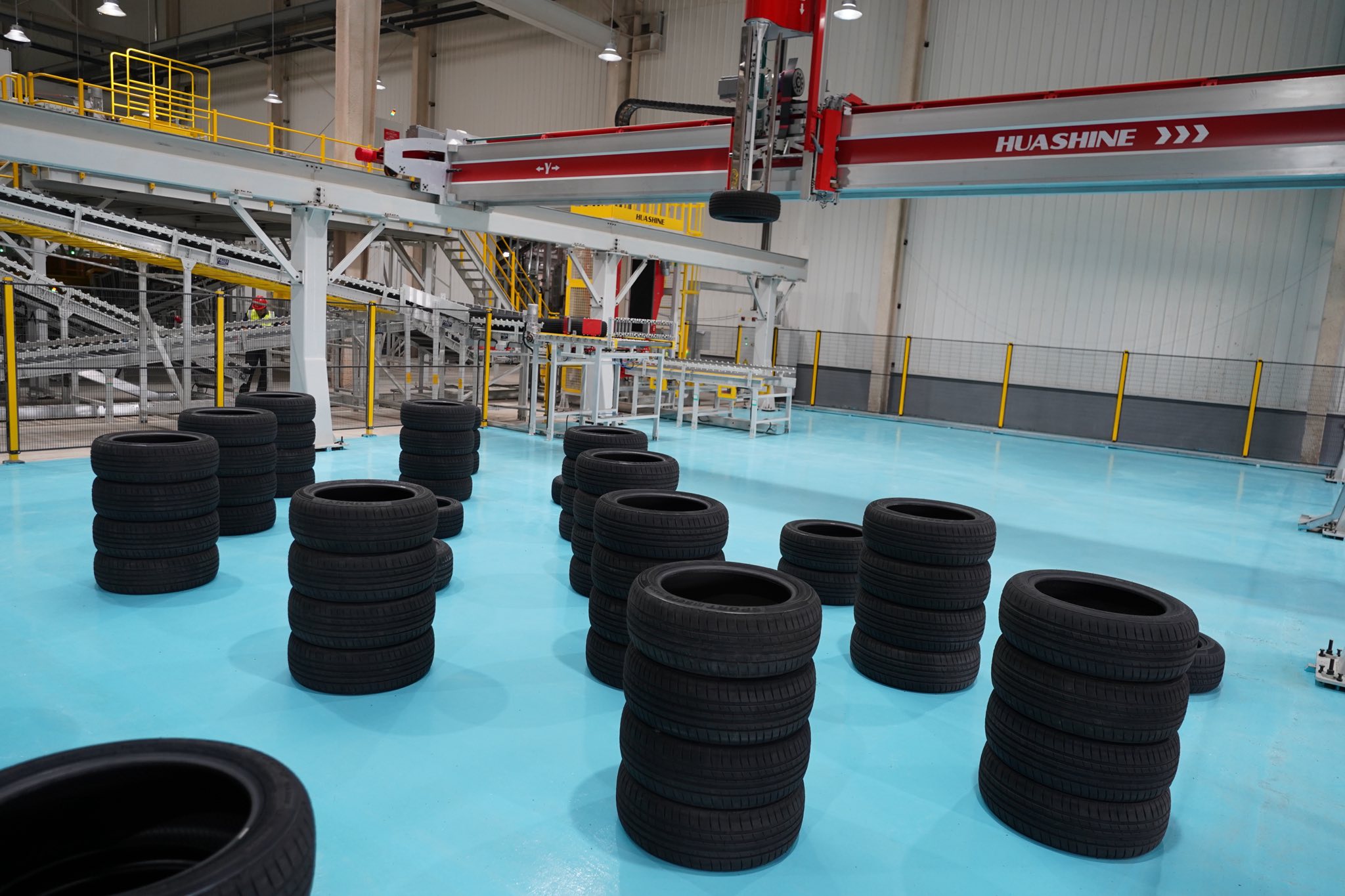
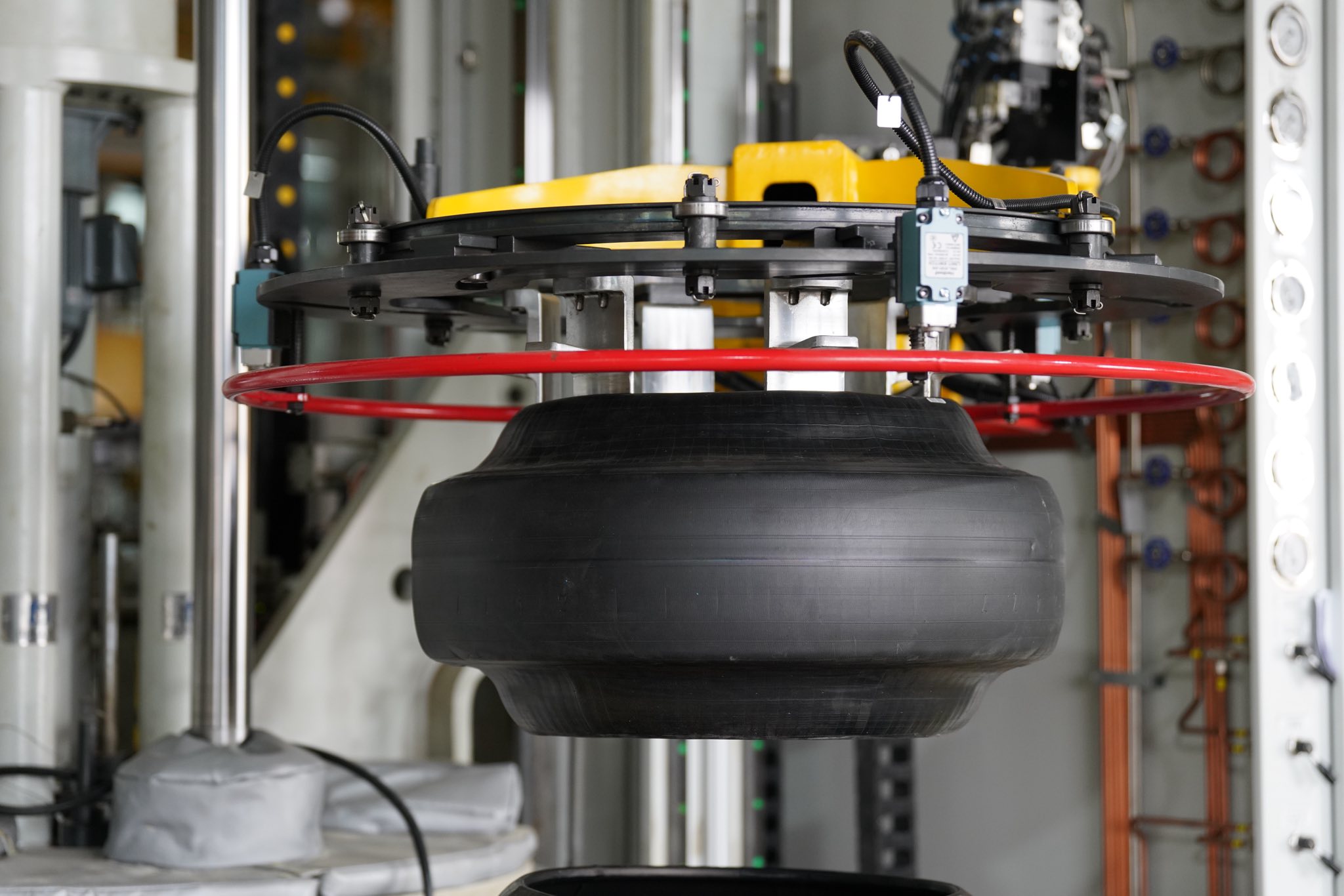
(Phnom Penh): Guangzhou Industrial Investment Holdings Group Co., Ltd. (GIIHG), one of China’s largest industrial conglomerates with nearly 600 subsidiaries, has chosen Cambodia as its central production hub for automobile tires in the ASEAN region. Its subsidiary, Wanli Tire, produces globally recognized brands including Wanli, Milever, Sunny, Aptany, and Diamond.
Cambodia was selected as Wanli Tire’s first overseas manufacturing destination, marking a major milestone in the country’s industrial development. The decision reflects the Royal Government’s proactive investment promotion policies under Prime Minister Hun Manet, as well as targeted investor outreach led by Deputy Prime Minister Sun Chanthol, First Vice Chairman of the Council for the Development of Cambodia.
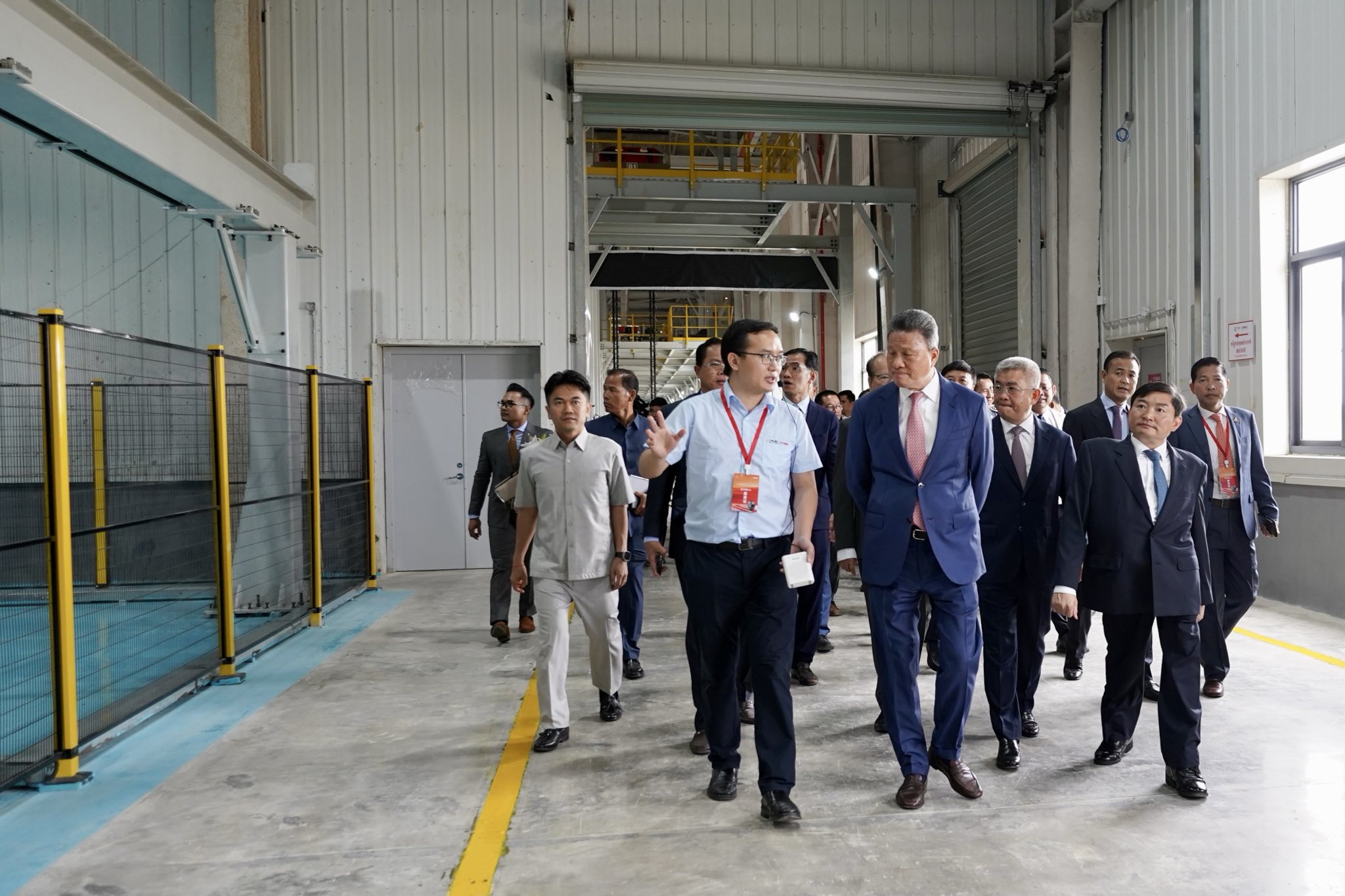
In October 2023, Sun Chanthol, Deputy Prime Minister led a Cambodian delegation on an official visit to Wanli Tire’s manufacturing facilities in Guangzhou, China. During the visit, he encouraged the company to invest in Cambodia, expand its production, and explore growth opportunities within the manufacturing value chain.
Following the visit, the company decided in 2024 to invest in Cambodia with a total capital investment of nearly USD 300 million. In early 2025, construction of the factory began at the Xin Bavet Special Economic Zone in Chantrea District, Svay Rieng Province.
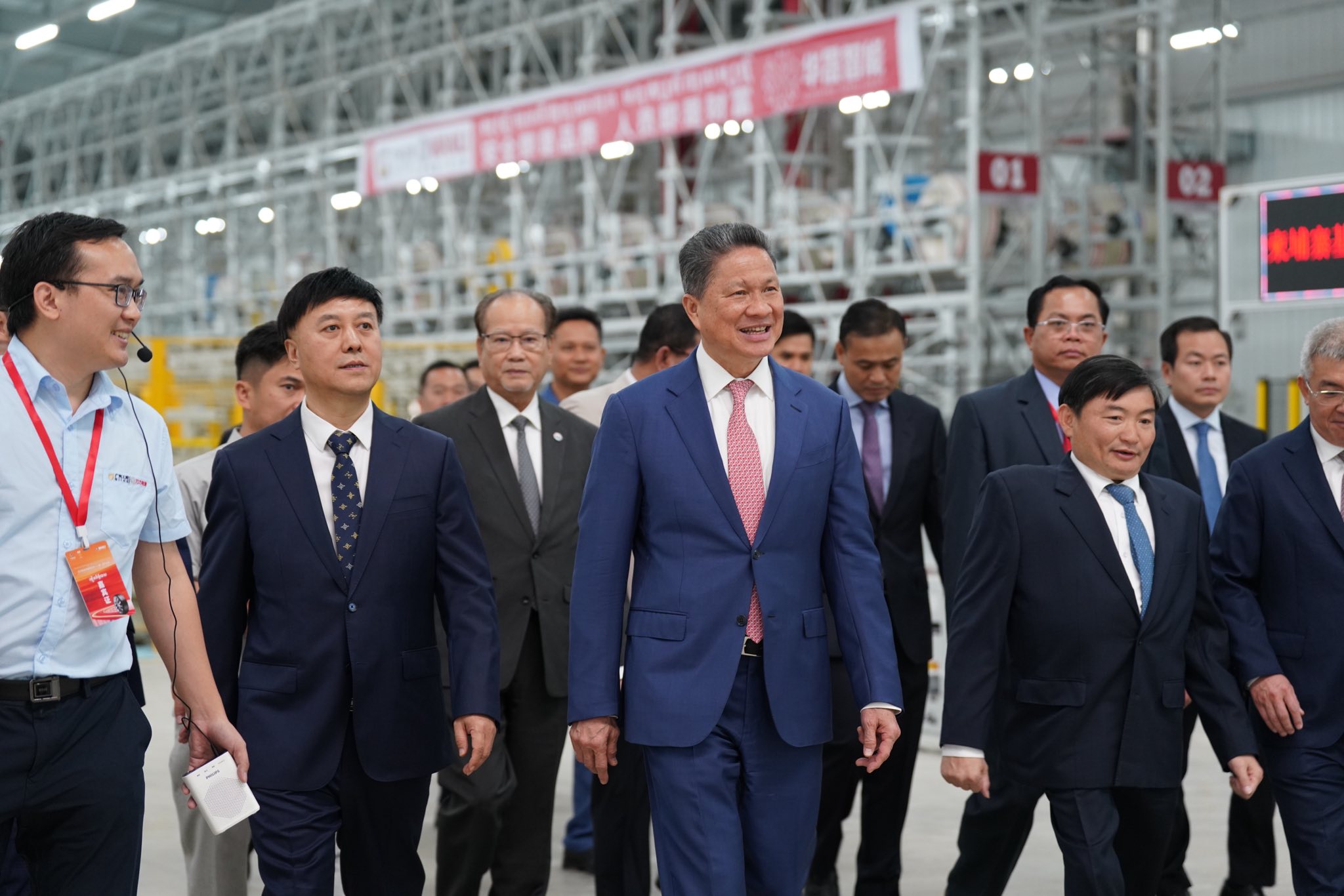
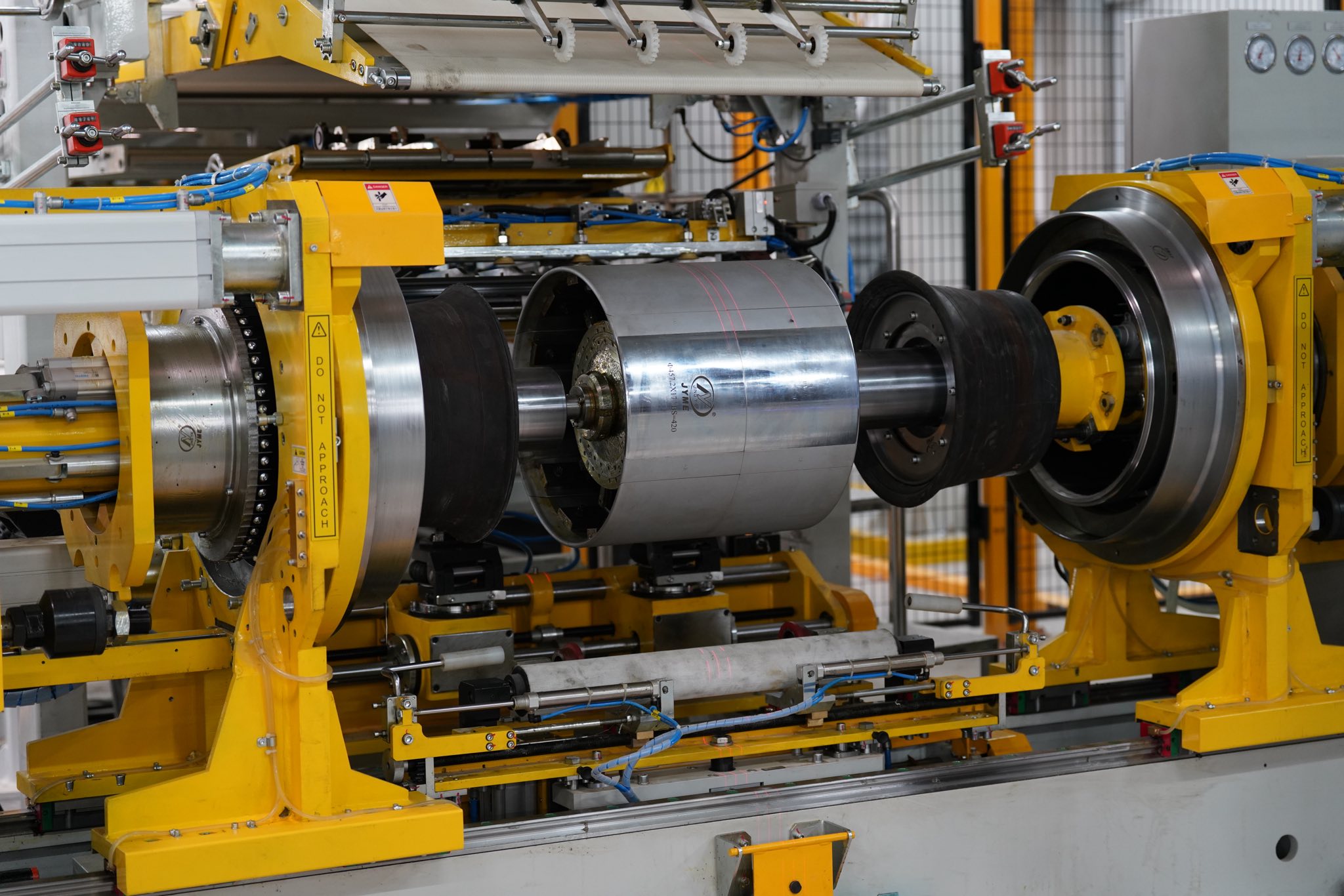
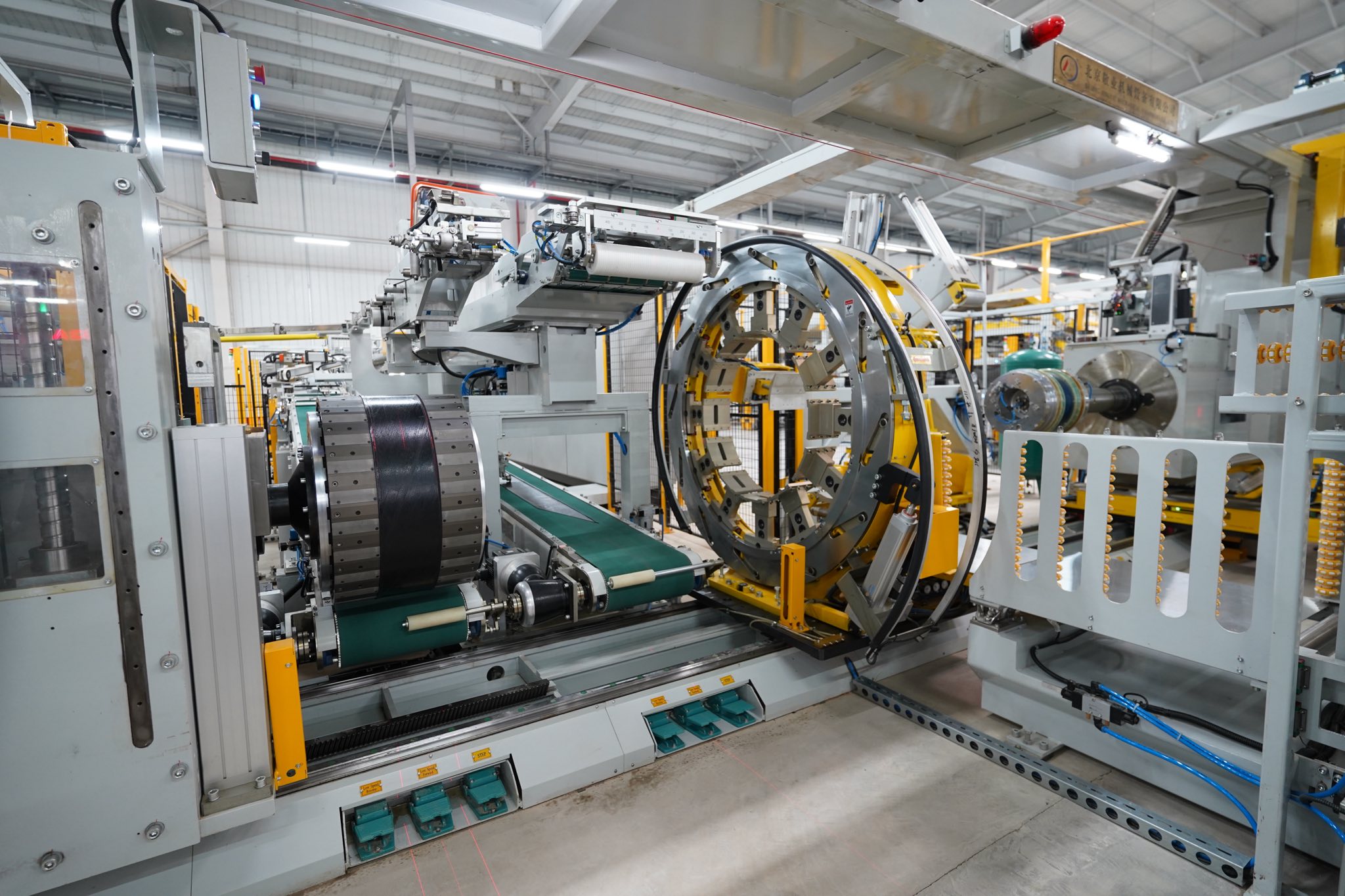
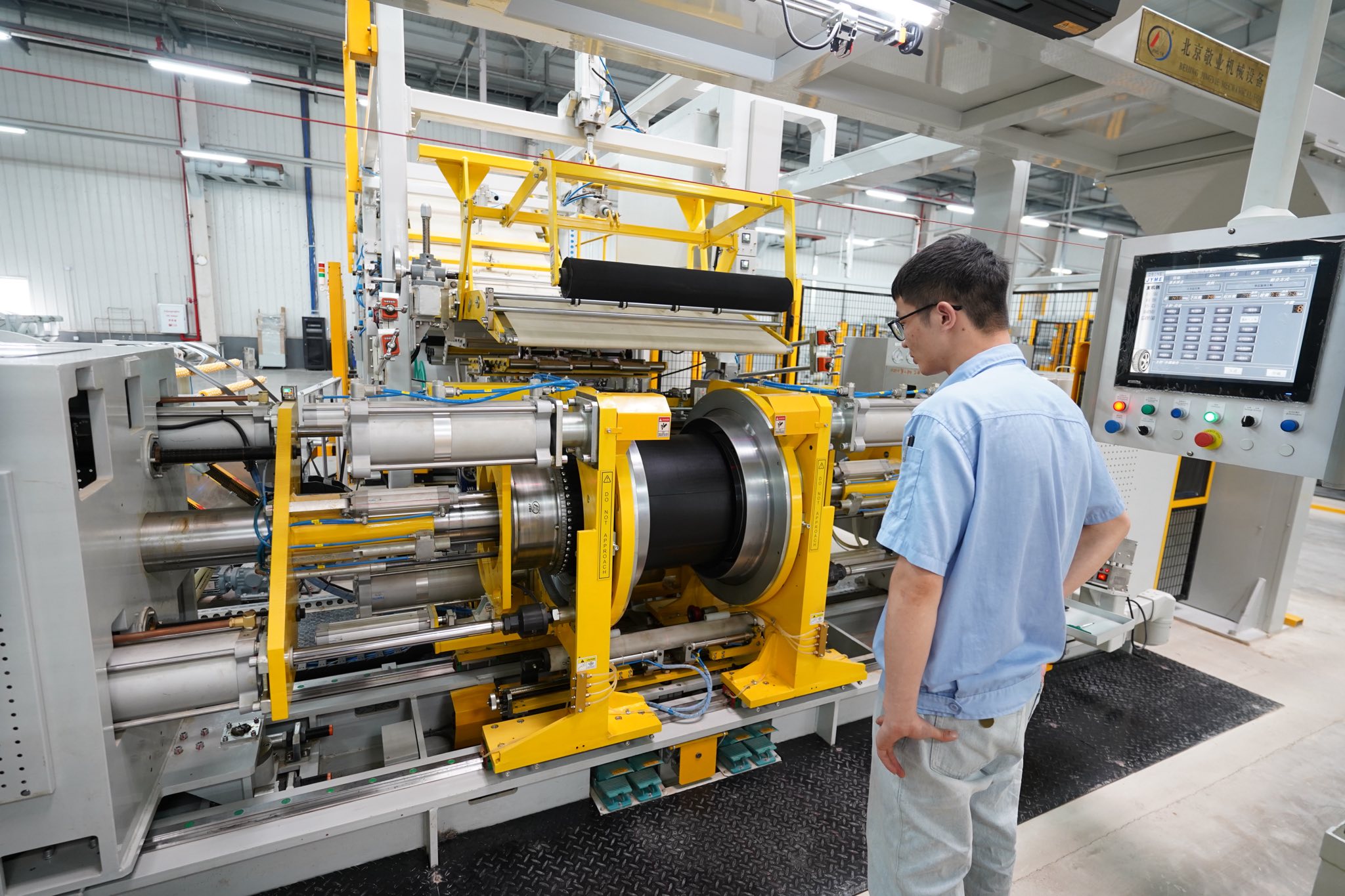
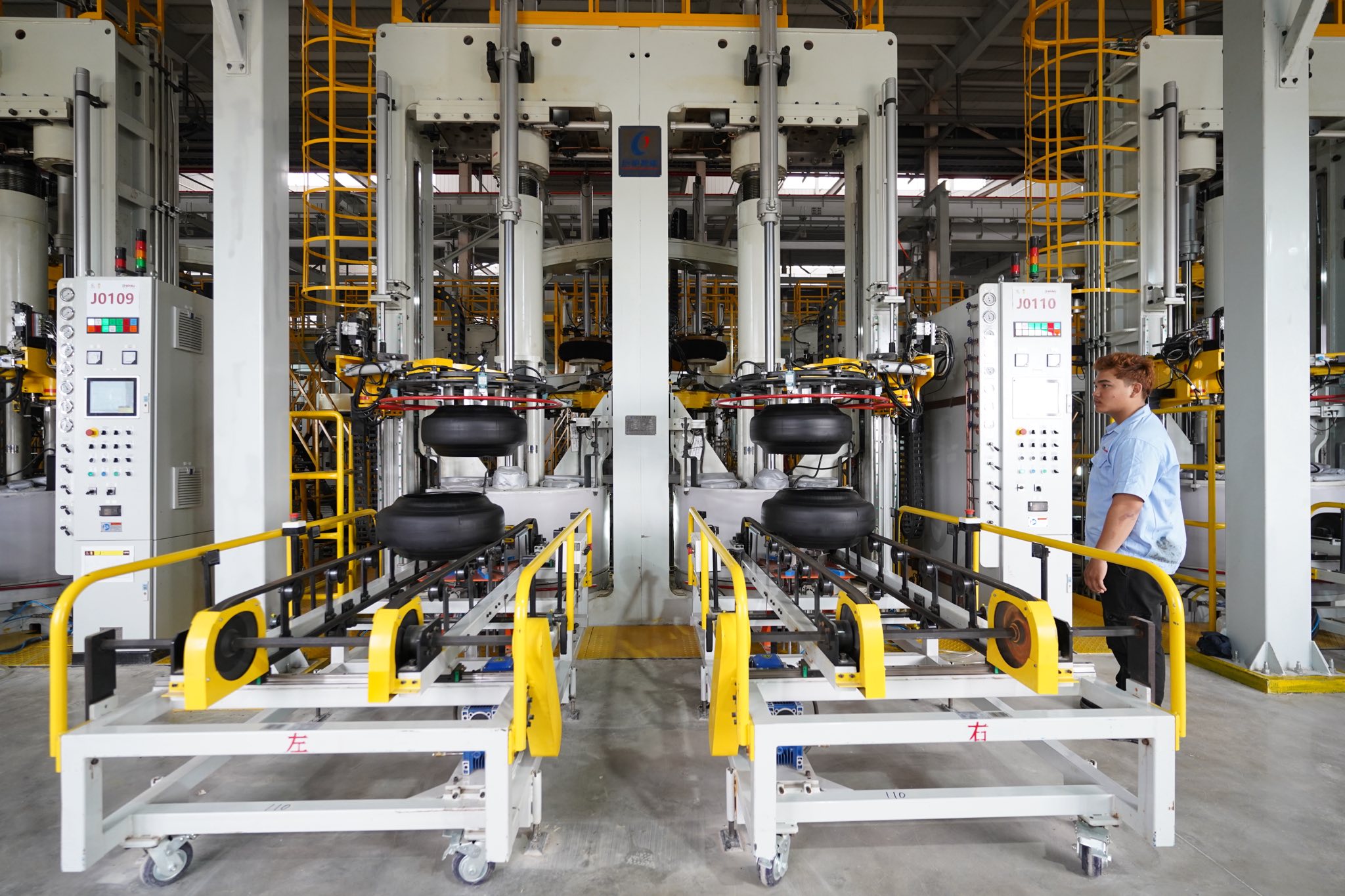
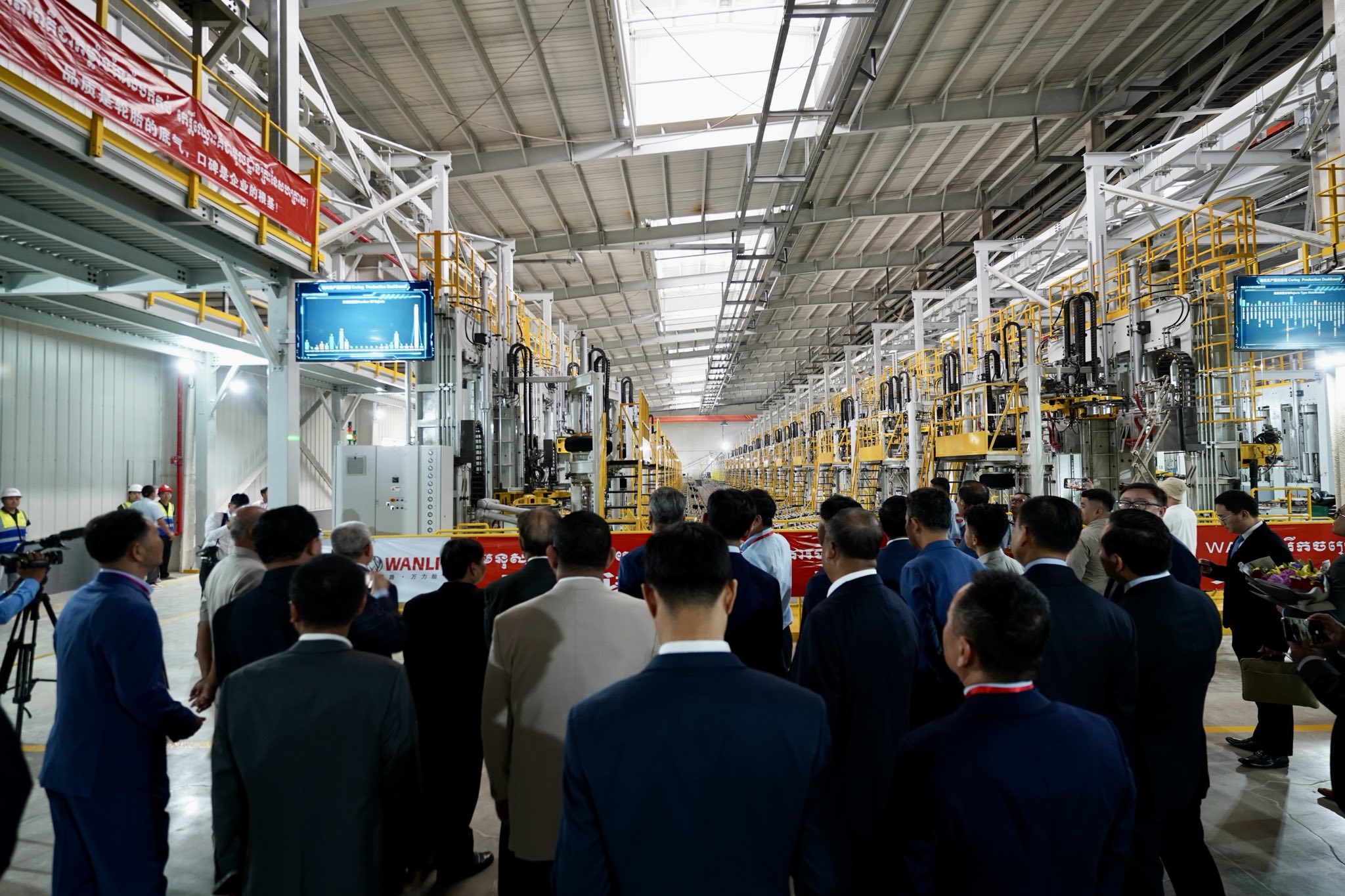
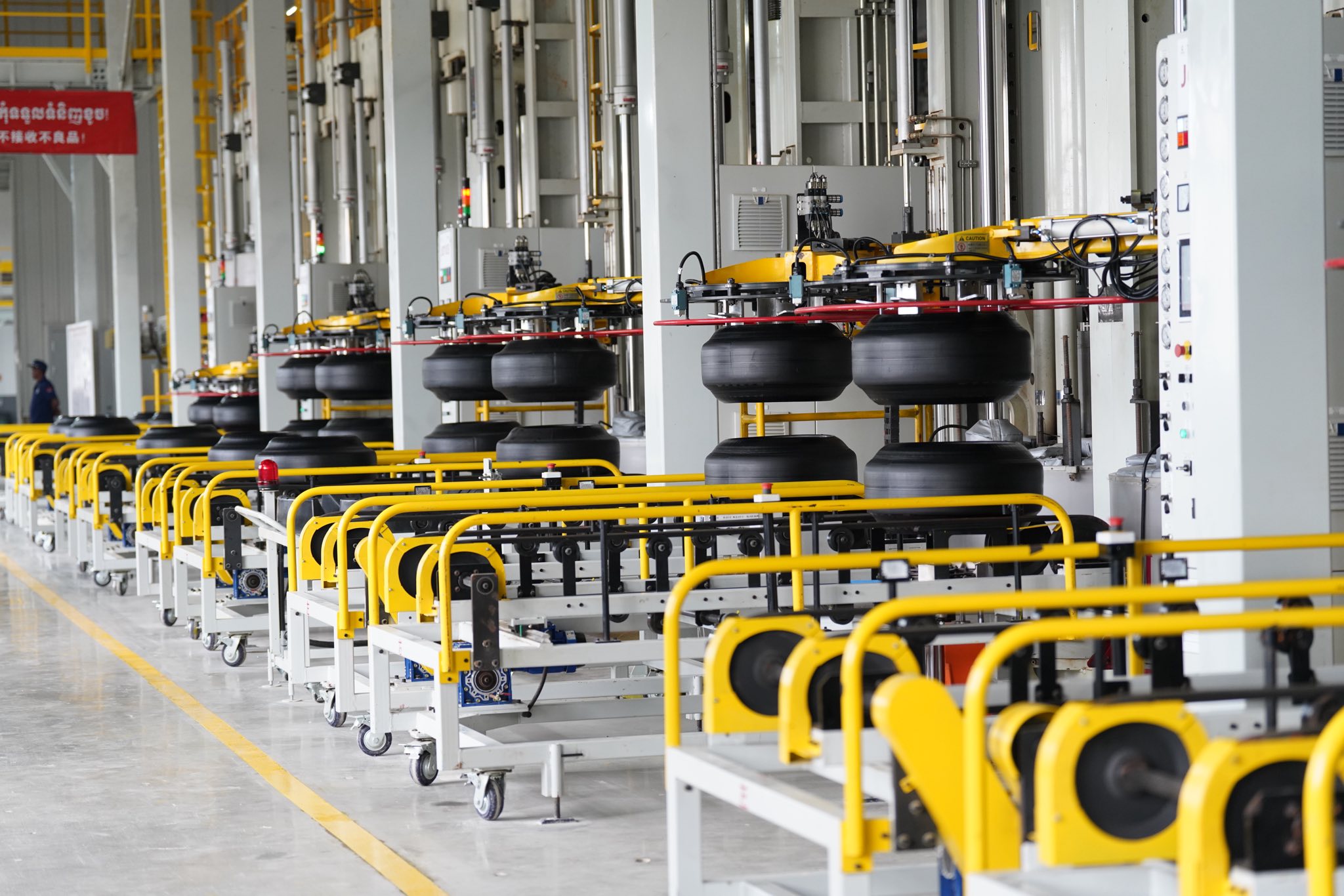
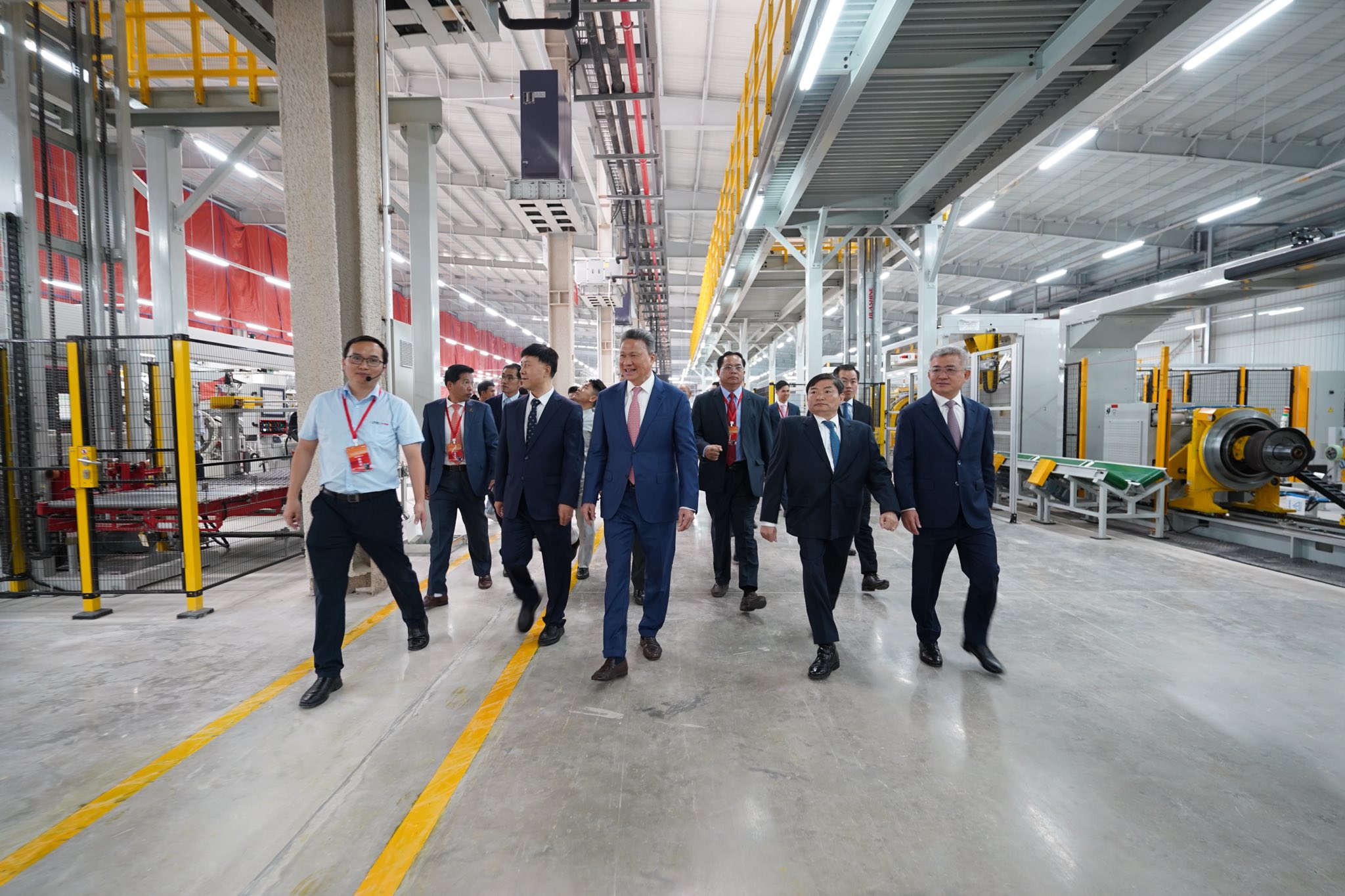
The factory has now commenced operations with an initial annual capacity of six million tires, expected to double to 12 million by the end of 2026. The facility is highly automated and technologically advanced, yet has already created more than 600 jobs for Cambodian workers, offering competitive wages.
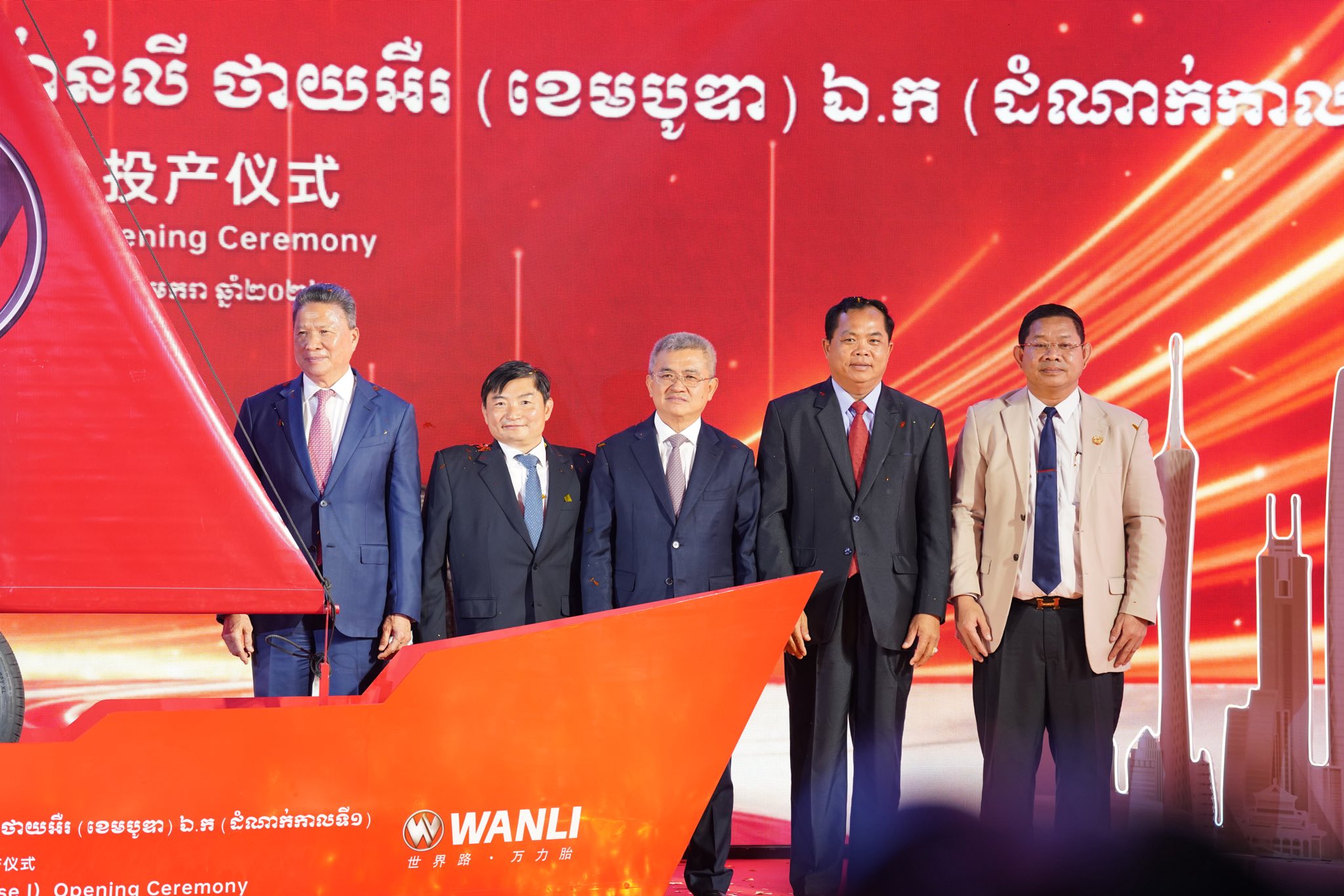
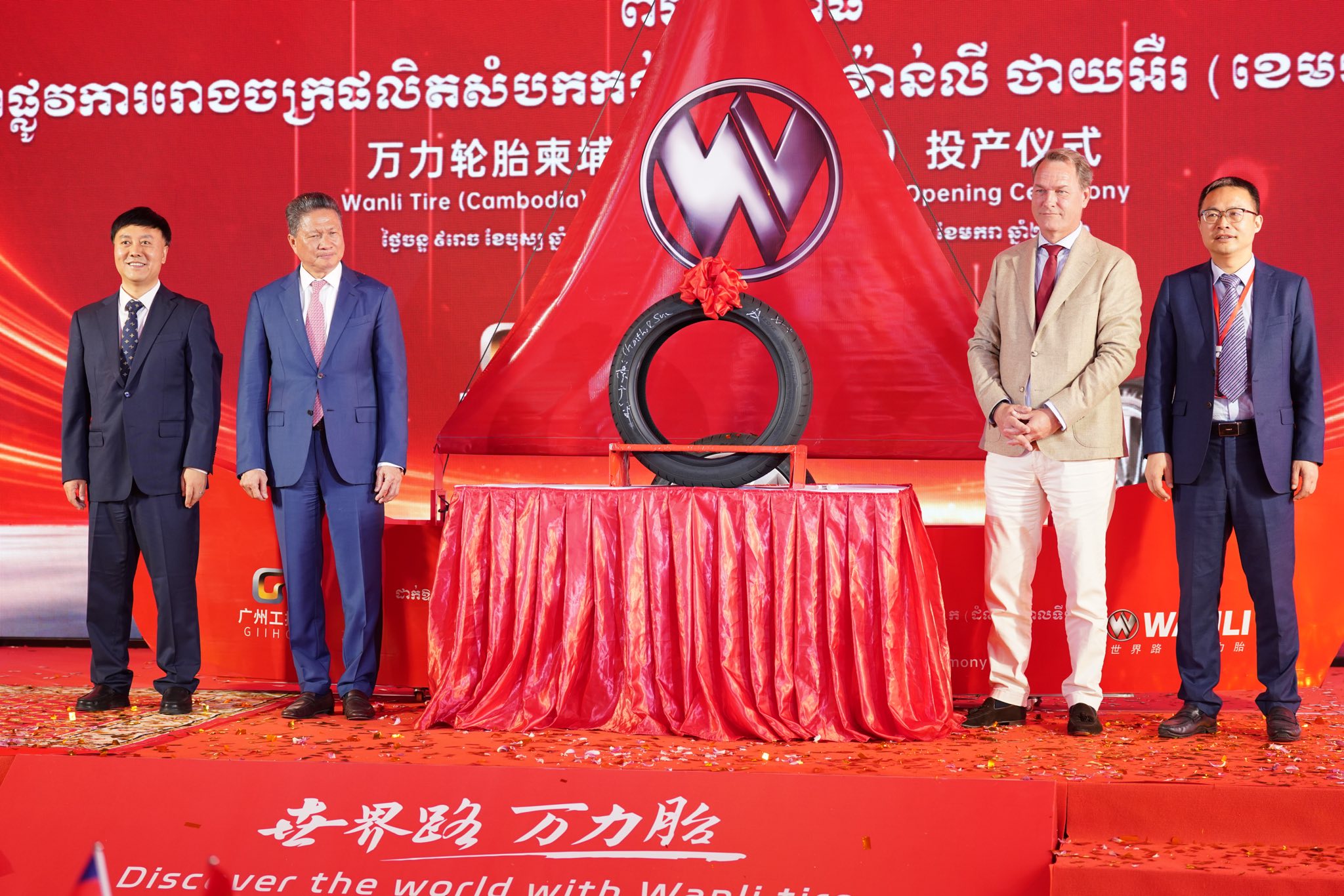
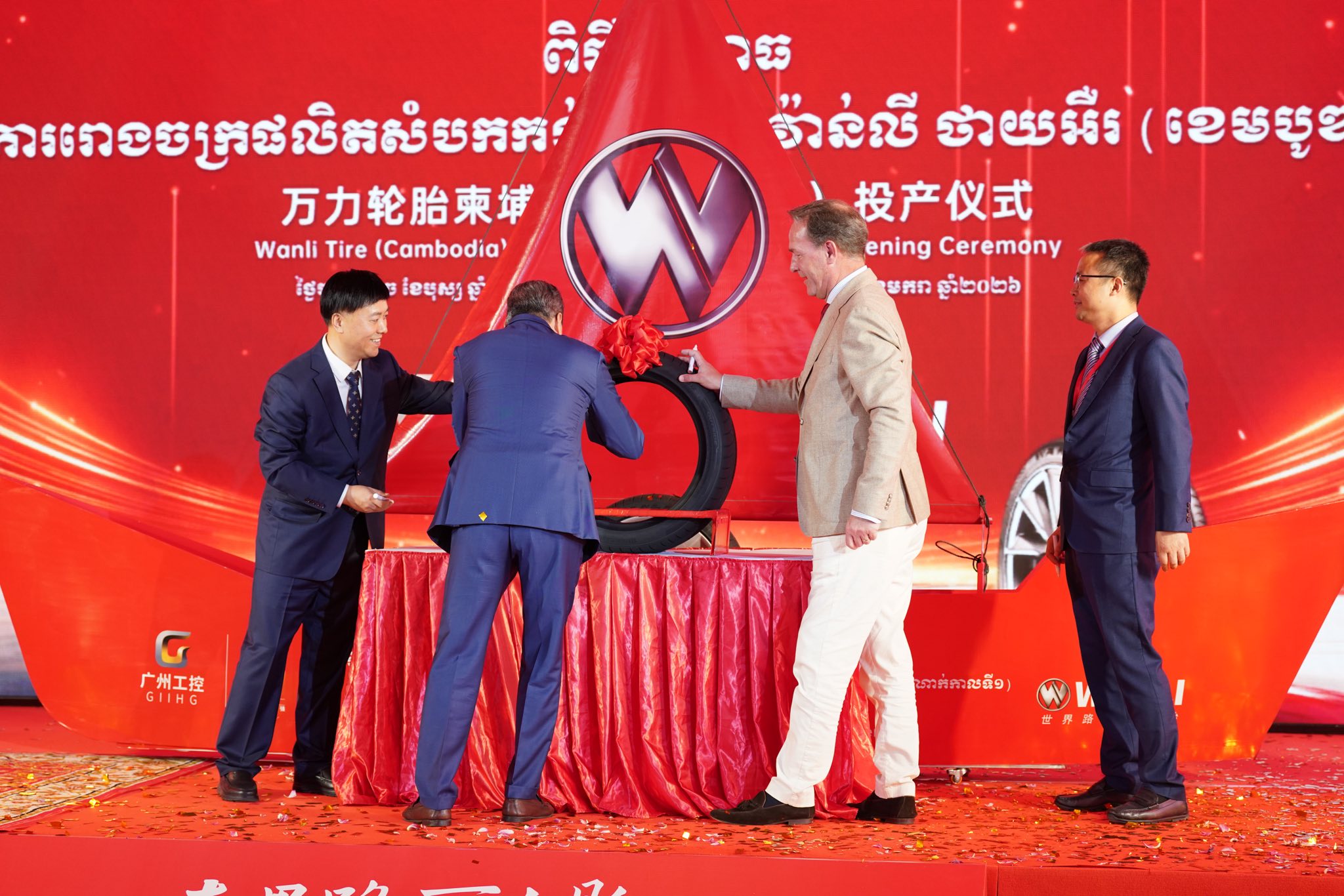
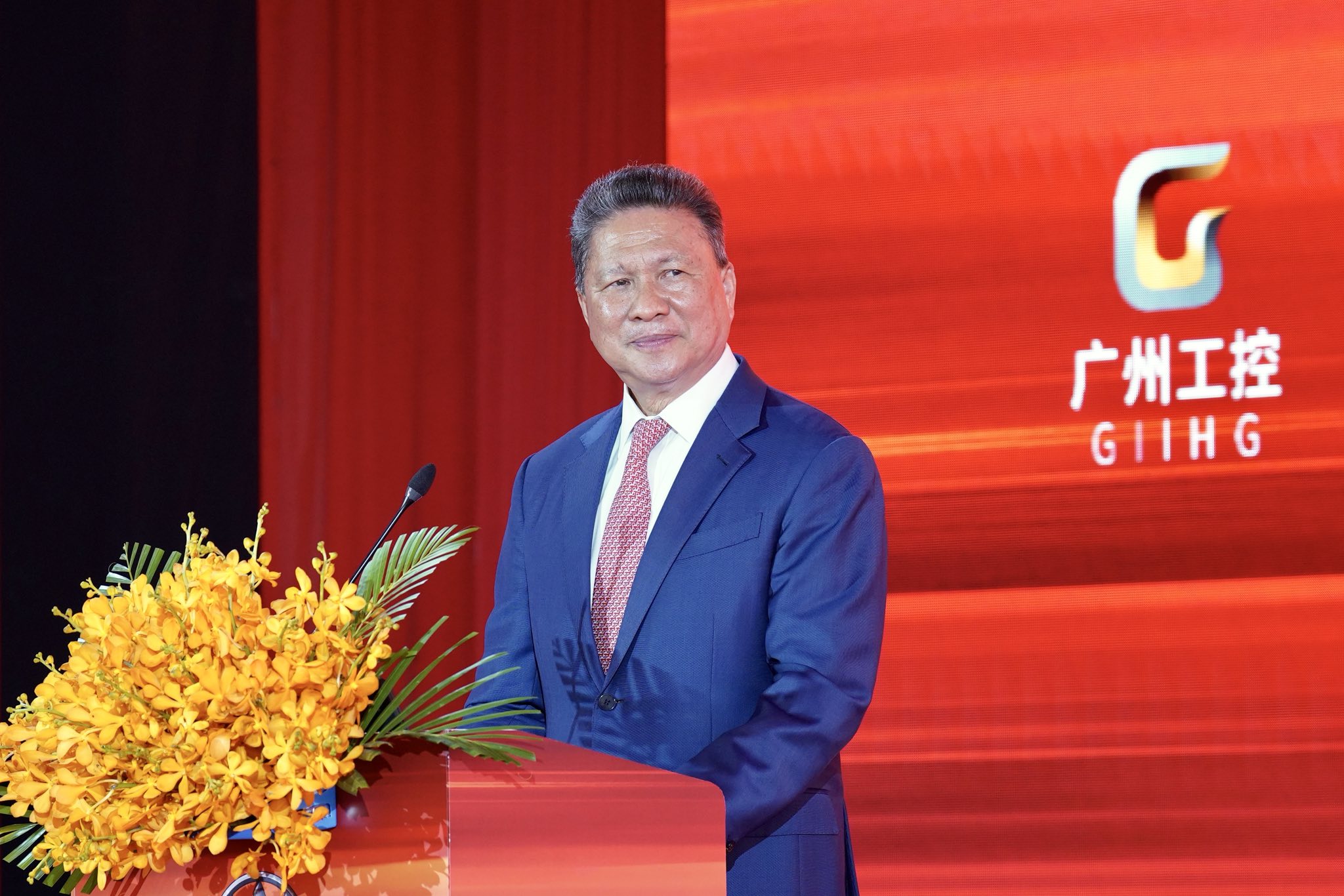
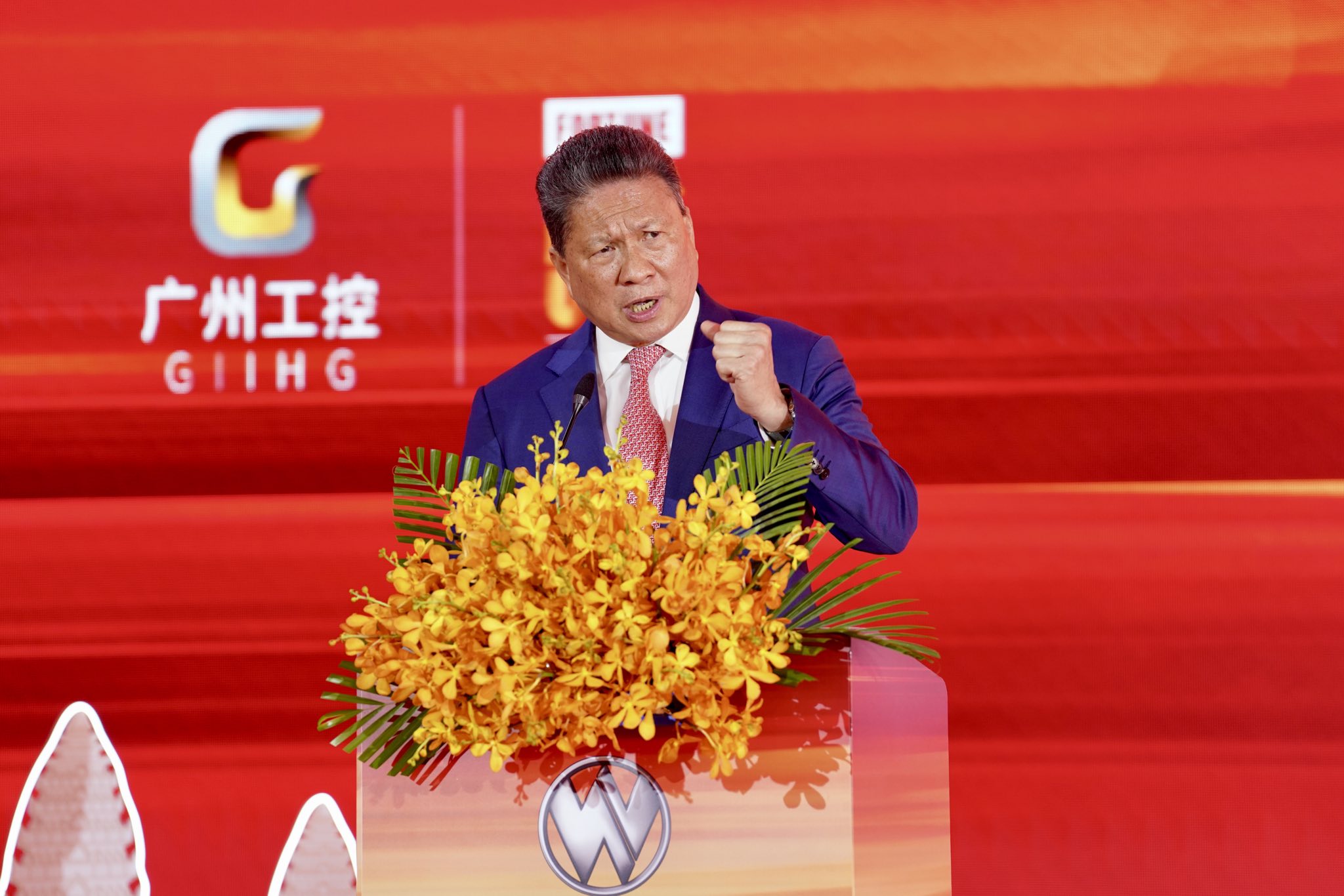
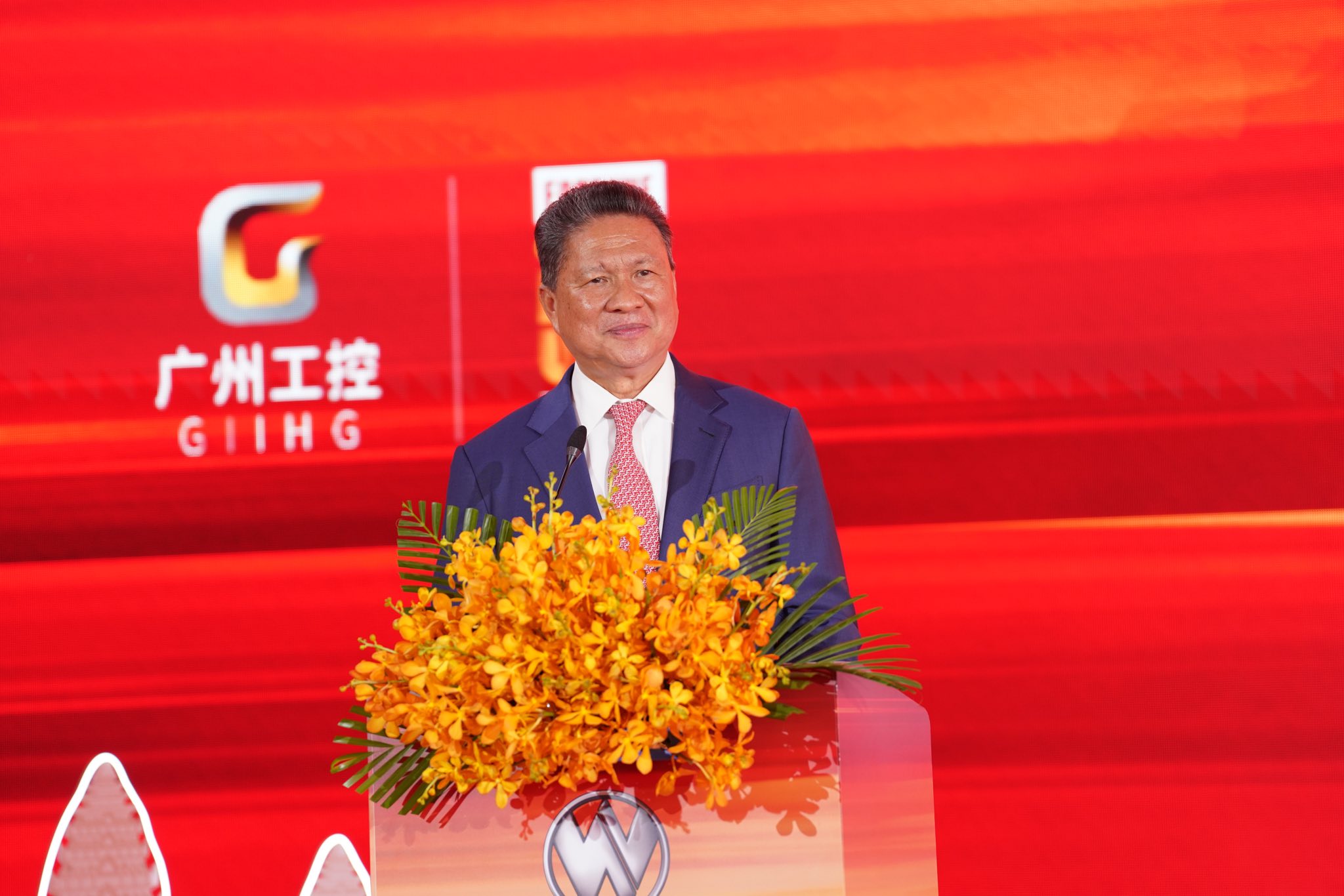
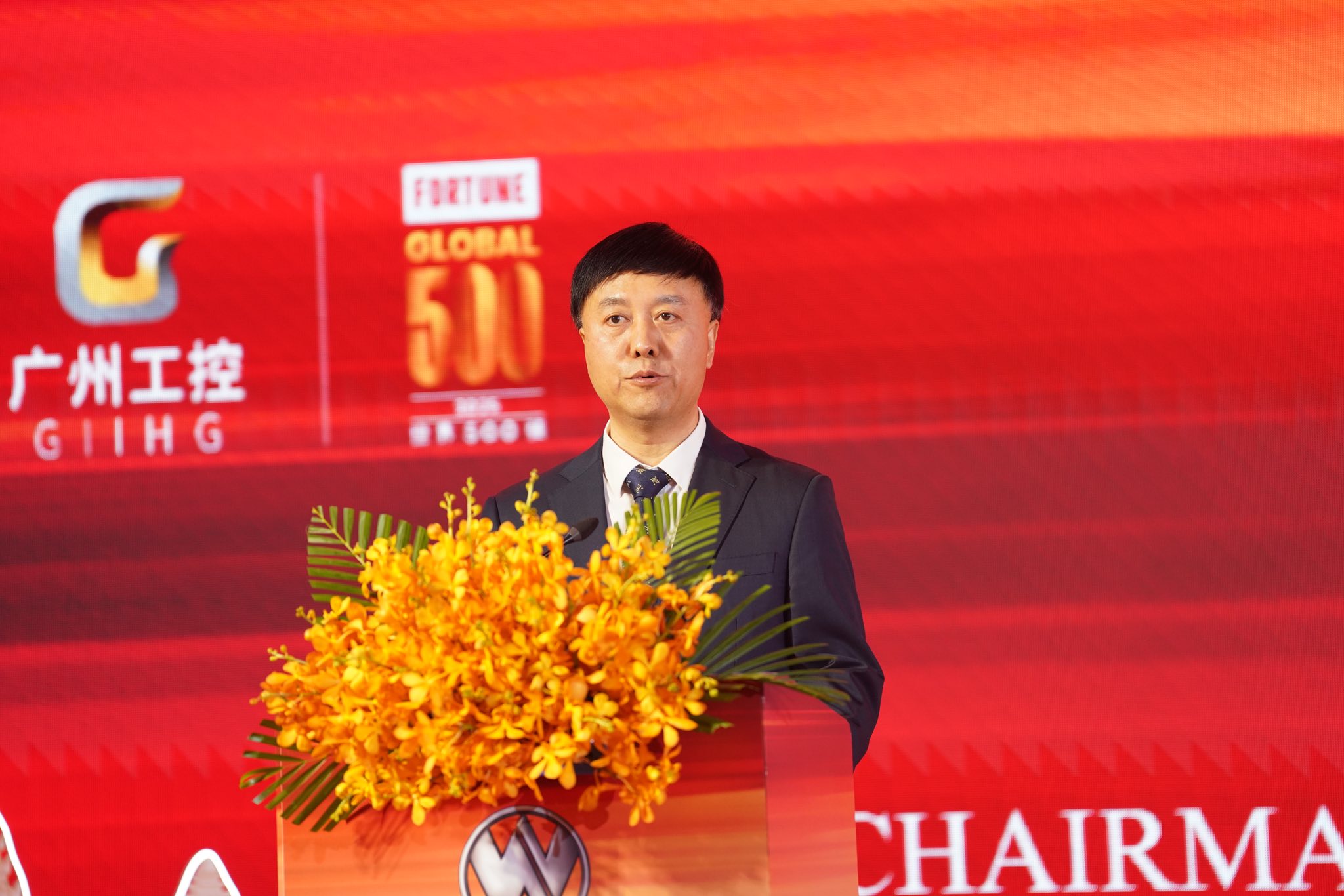
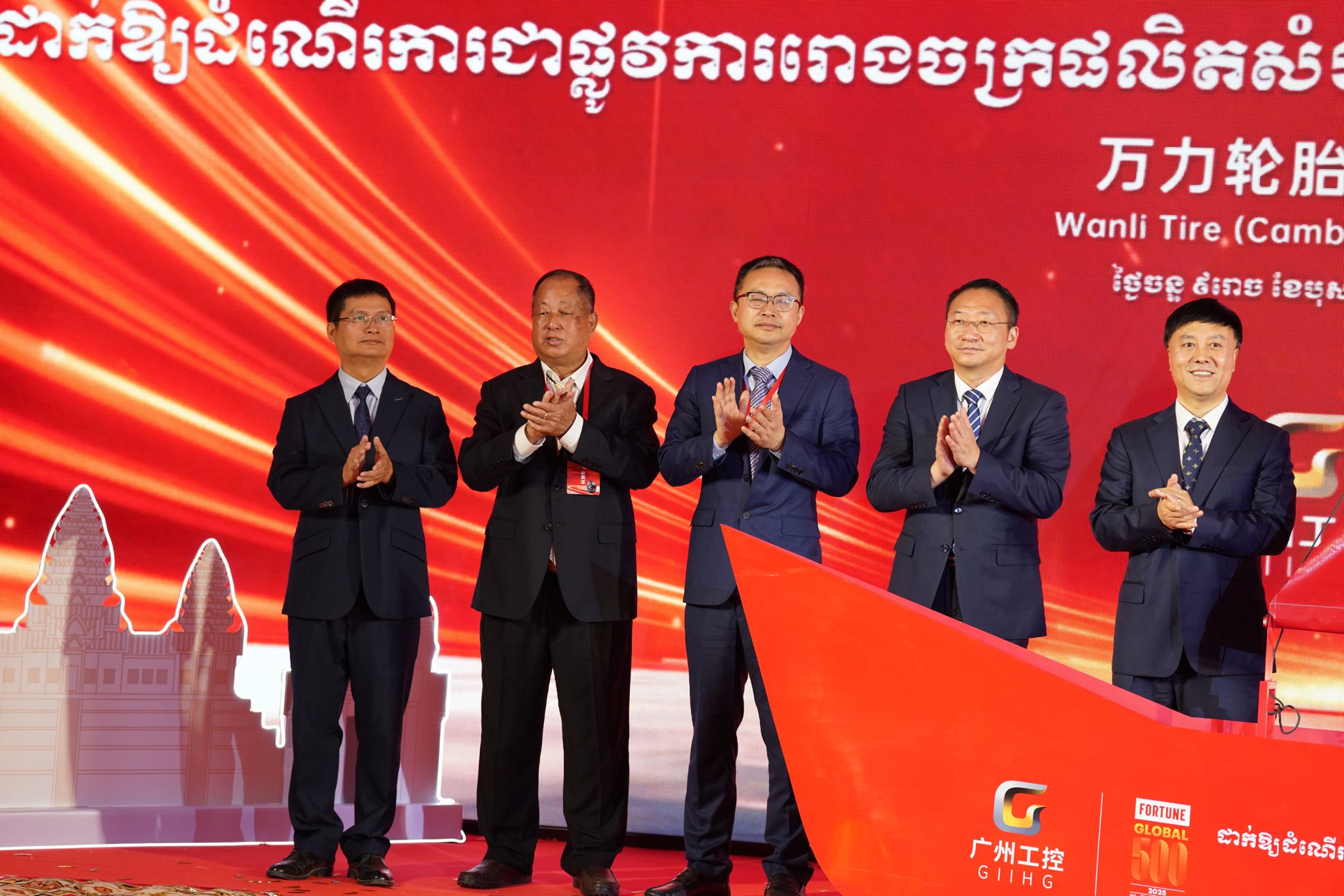
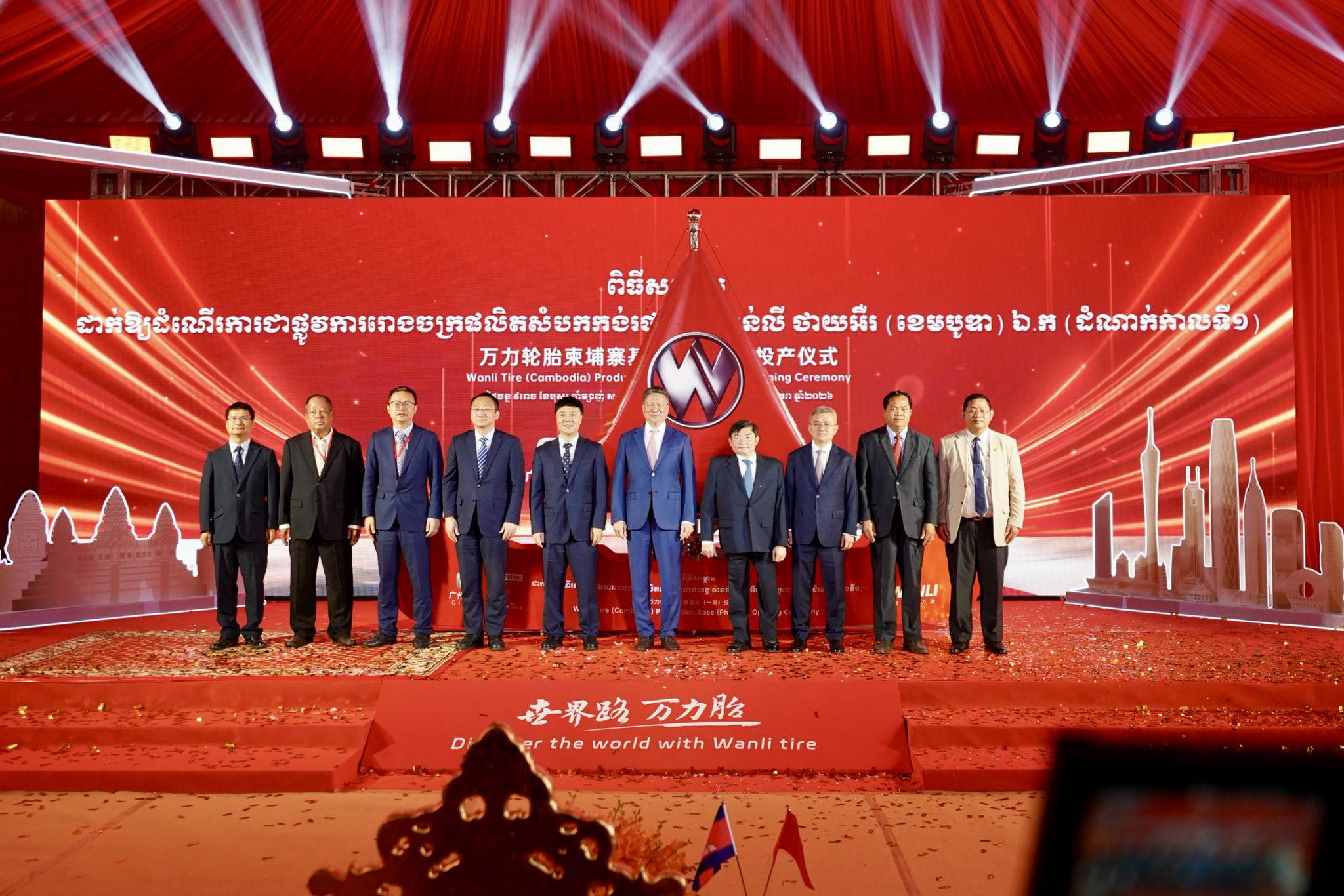
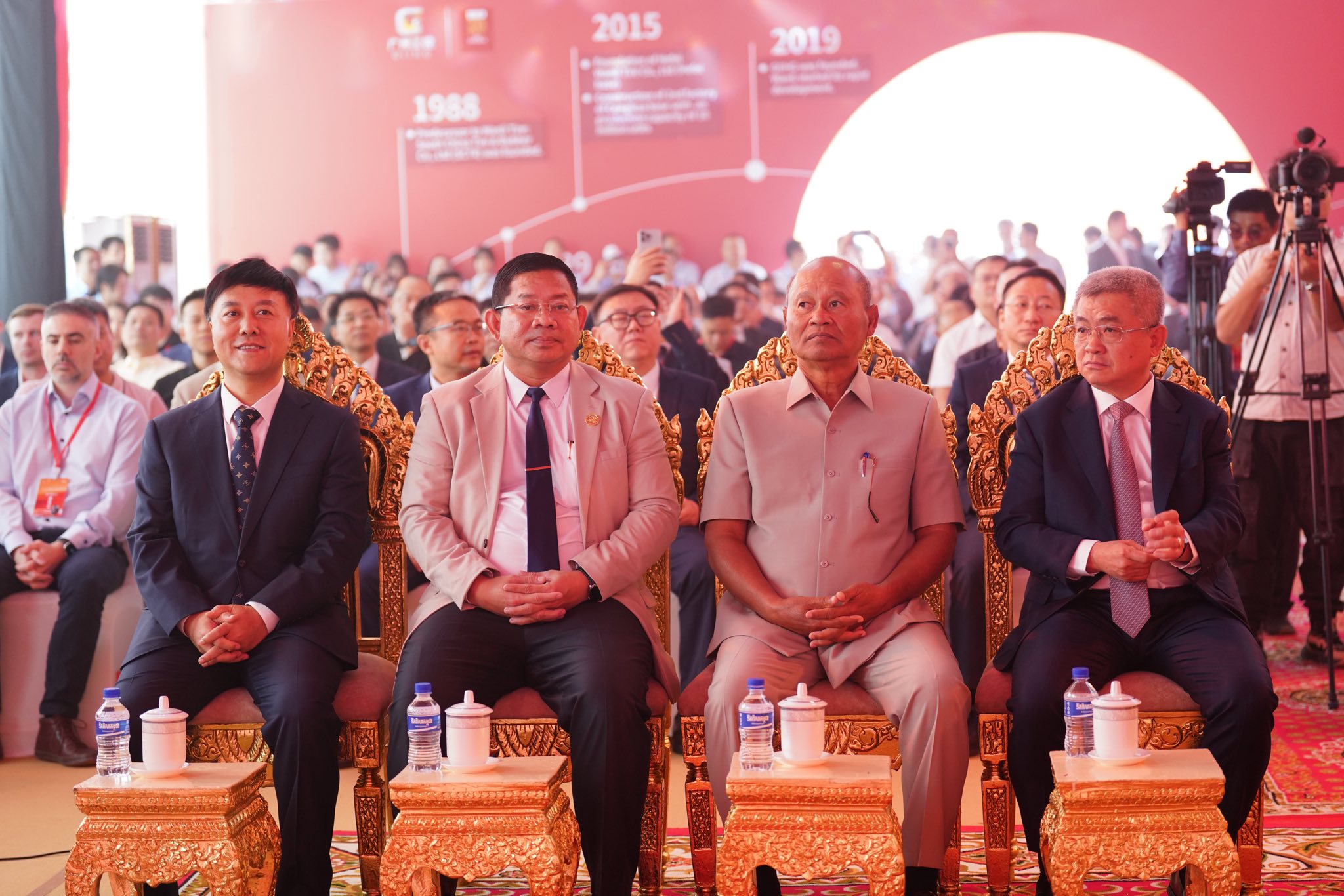
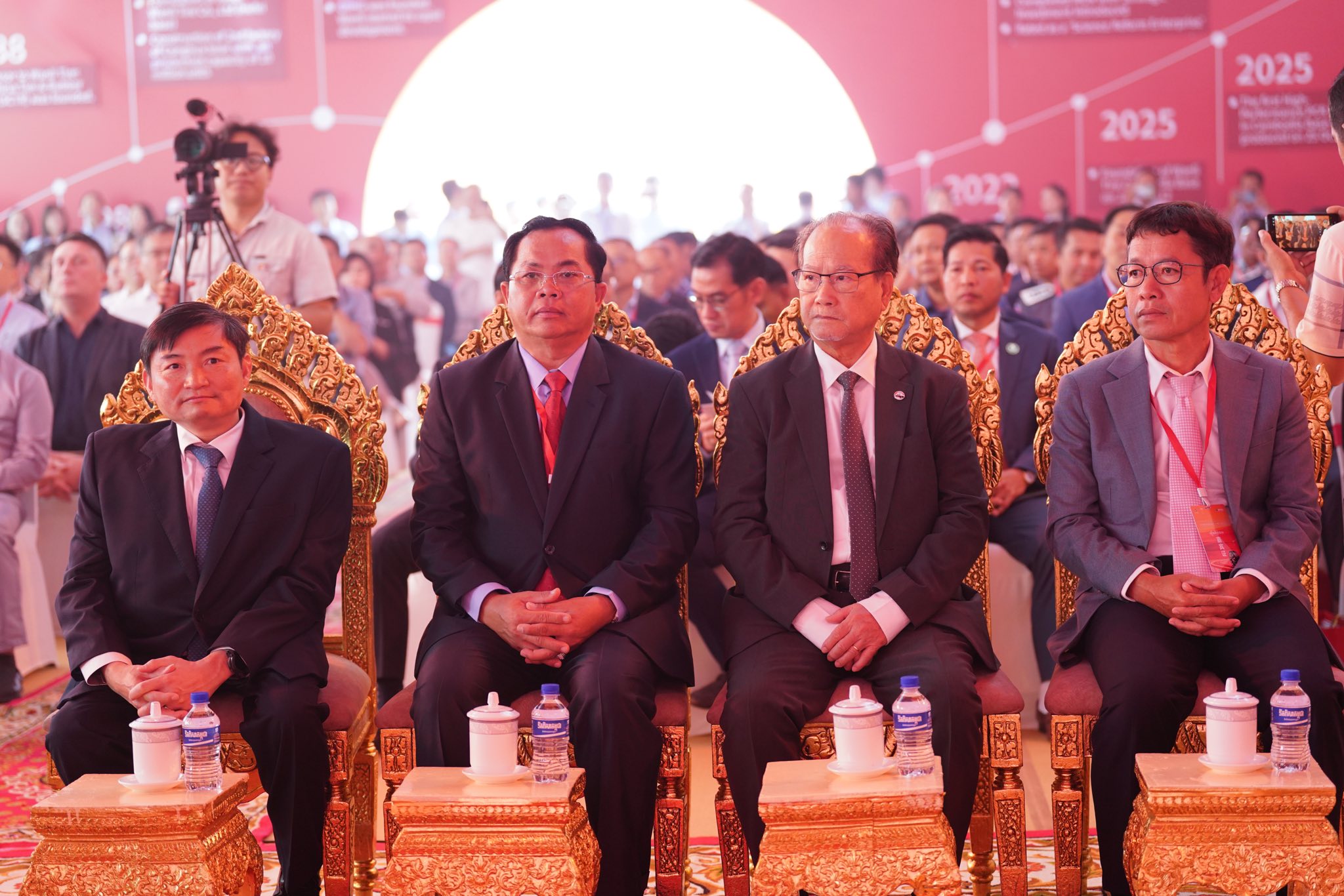
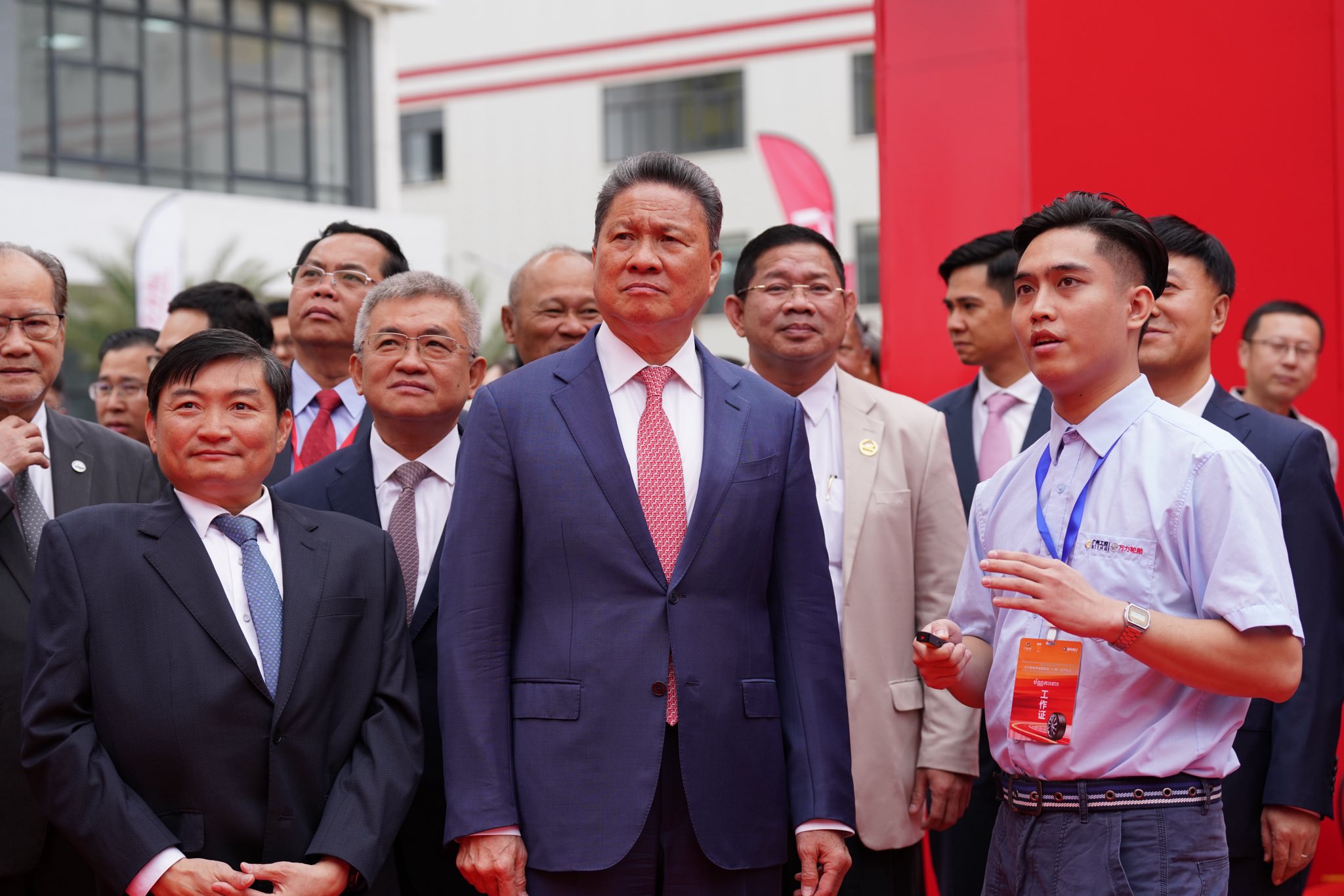
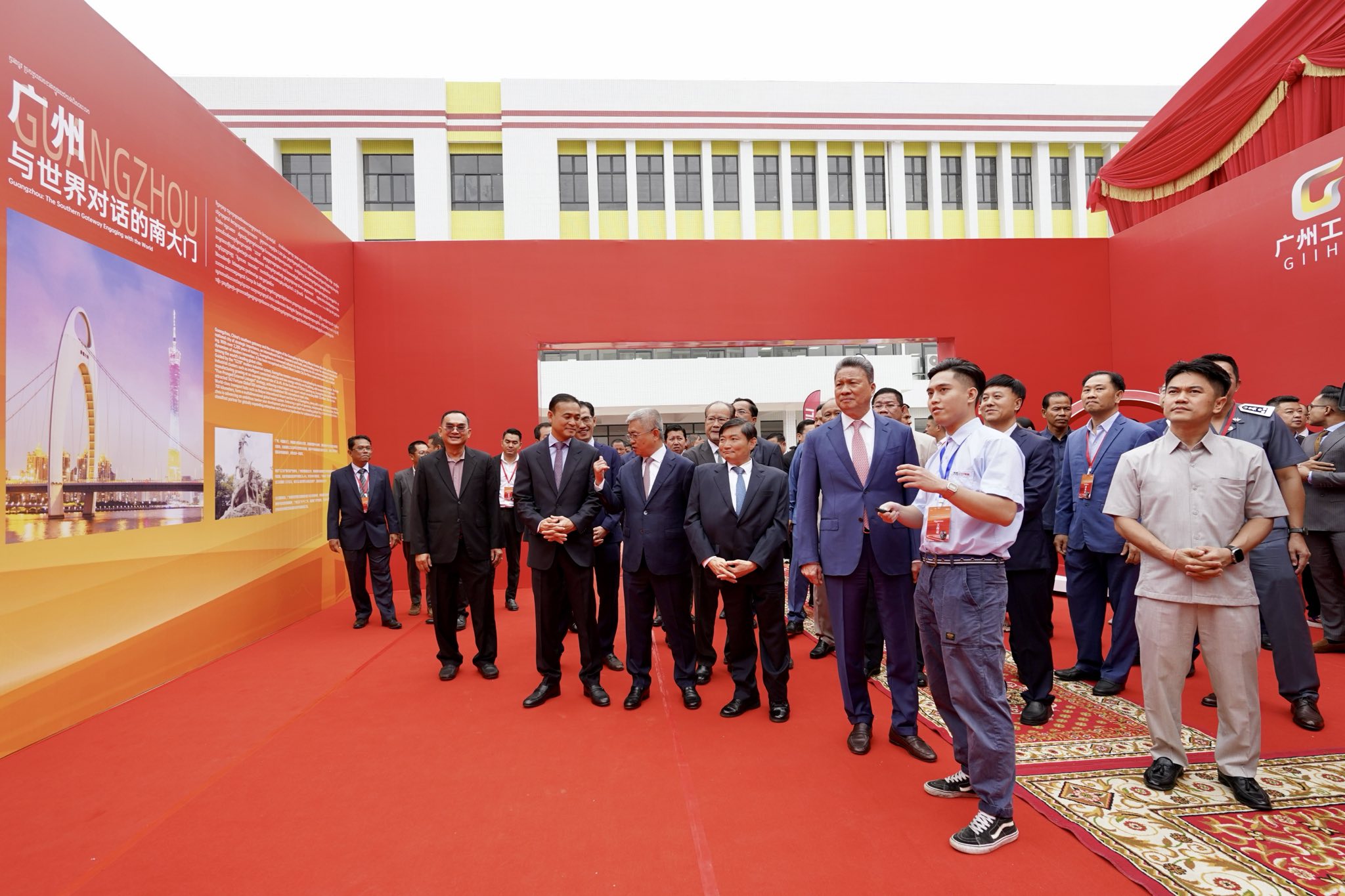
At the factory’s inauguration on 12 January 2026, GIIHG Chairman Jing Guangjun announced that Cambodia will serve as the group’s ASEAN hub for manufacturing, supply, and services, supporting global markets across more than 160 countries.
Jing Guangjun stated: “The factory in Cambodia is a crucial link in building a strong network and implementing a new approach to enhancing the company’s global competitiveness.
In the future, we will take this factory as a core base to accelerate our ASEAN hub strategy, expand our reach into global markets, strengthen supply chains, research and development, manufacturing, sales, and services, and better serve markets in more than 160 countries and regions worldwide.”
He reaffirmed the group’s commitment to expanding modern, green manufacturing chains, advancing ESG principles, strengthening local skills development, and establishing Cambodia as a regional industrial benchmark.
At the same time, the company will deeply implement Environmental, Social, and Governance (ESG) principles, respect local culture, and strengthen skills training systems to ensure that development delivers tangible benefits to individuals and communities.
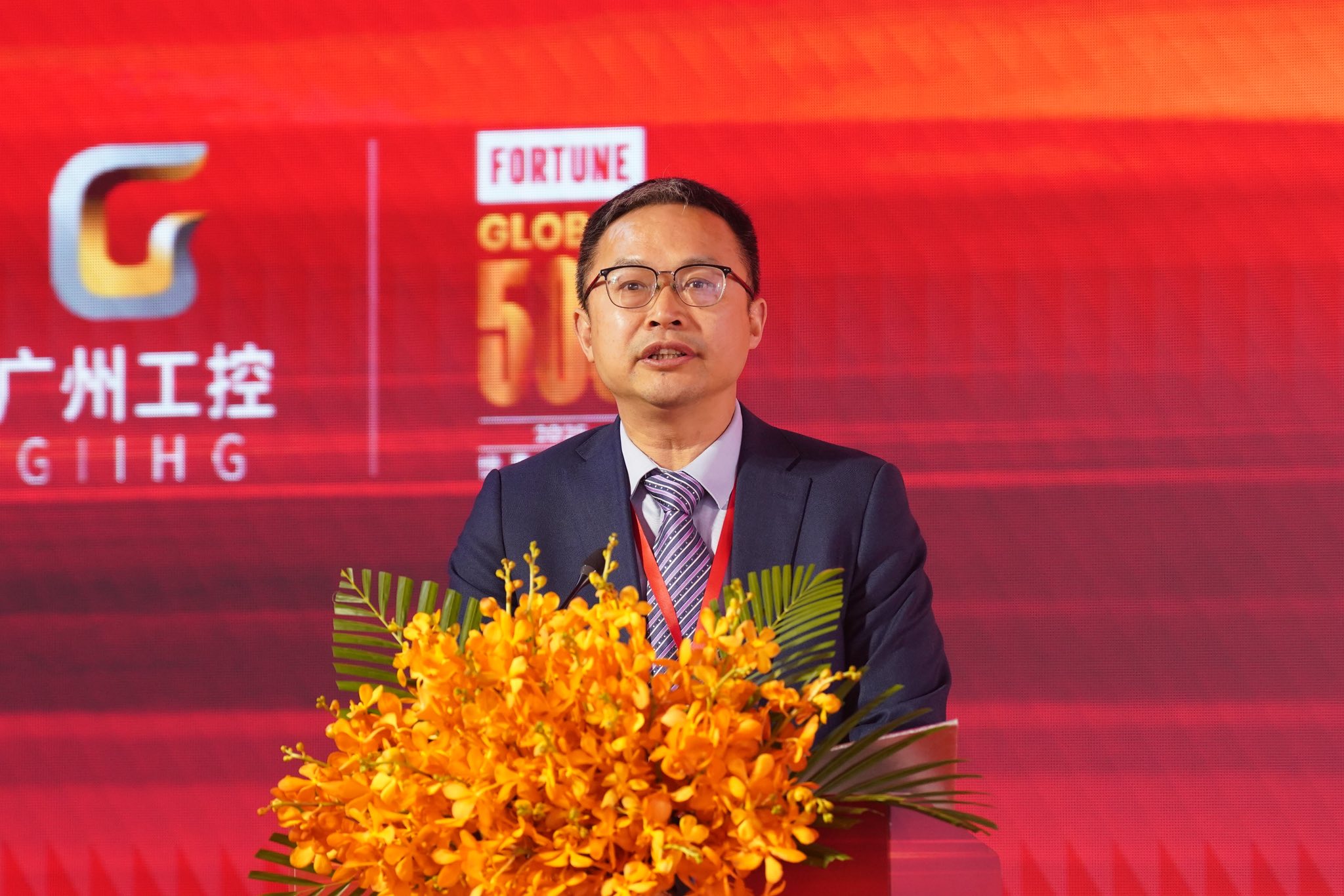
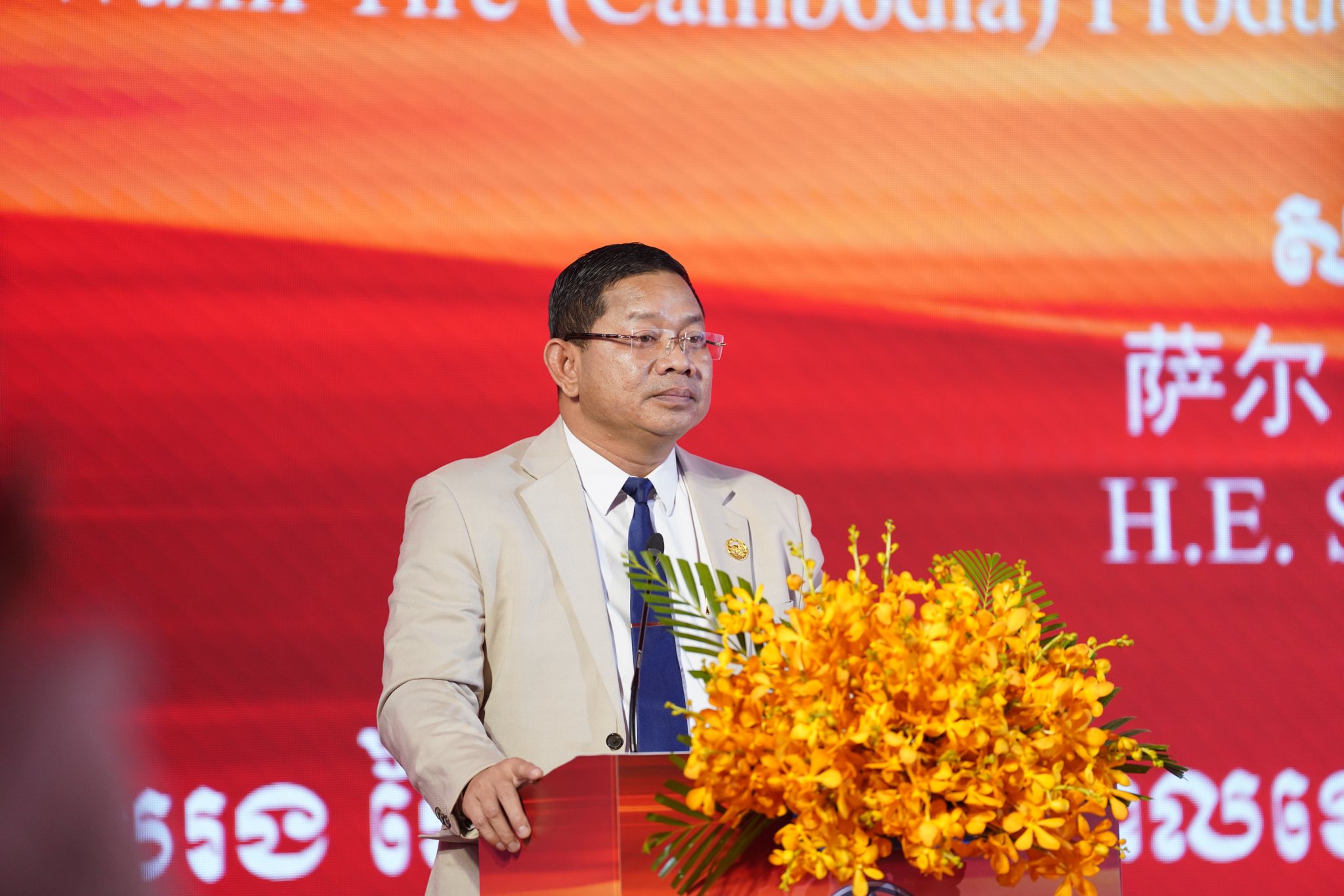
Deputy Prime Minister Sun Chanthol said he has already discussed with Jing Guangjun the possibility of bringing at least 50 subsidiary companies of GIIHG to invest in Cambodia. He noted that attracting 50 companies would not be difficult for GIIHG, given that the group has up to 600 subsidiaries and thousands of partner companies.
“Our priority sectors include automotive, electronics, food processing, and other high-value industries that support Cambodia’s Vision 2050,” he said. “These sectors generate strong added value and provide higher wages for workers.”
He further emphasized that manufacturing in Cambodia enjoys access to vast markets, not limited to the domestic market. These include the Greater Mekong Subregion comprising Cambodia, Viet Nam, Thailand, Laos, Myanmar, and southern China’s Yunnan Province, with a combined population of around 250 million as well as the entire ASEAN market of 670 million people.
In addition, Cambodia benefits from access to the Regional Comprehensive Economic Partnership (RCEP) market, which includes the 10 ASEAN member states plus China, South Korea, Japan, Australia, and New Zealand, representing a market of 2.3 billion people. Furthermore, Cambodia also has preferential access to European and U.S. markets through tariff preference schemes for Cambodian exports.
=FRESH NEWS