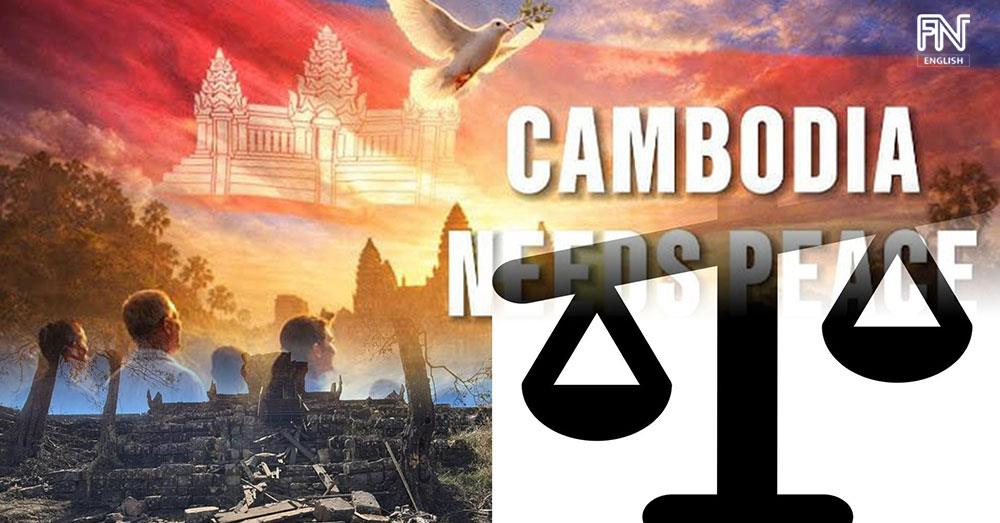
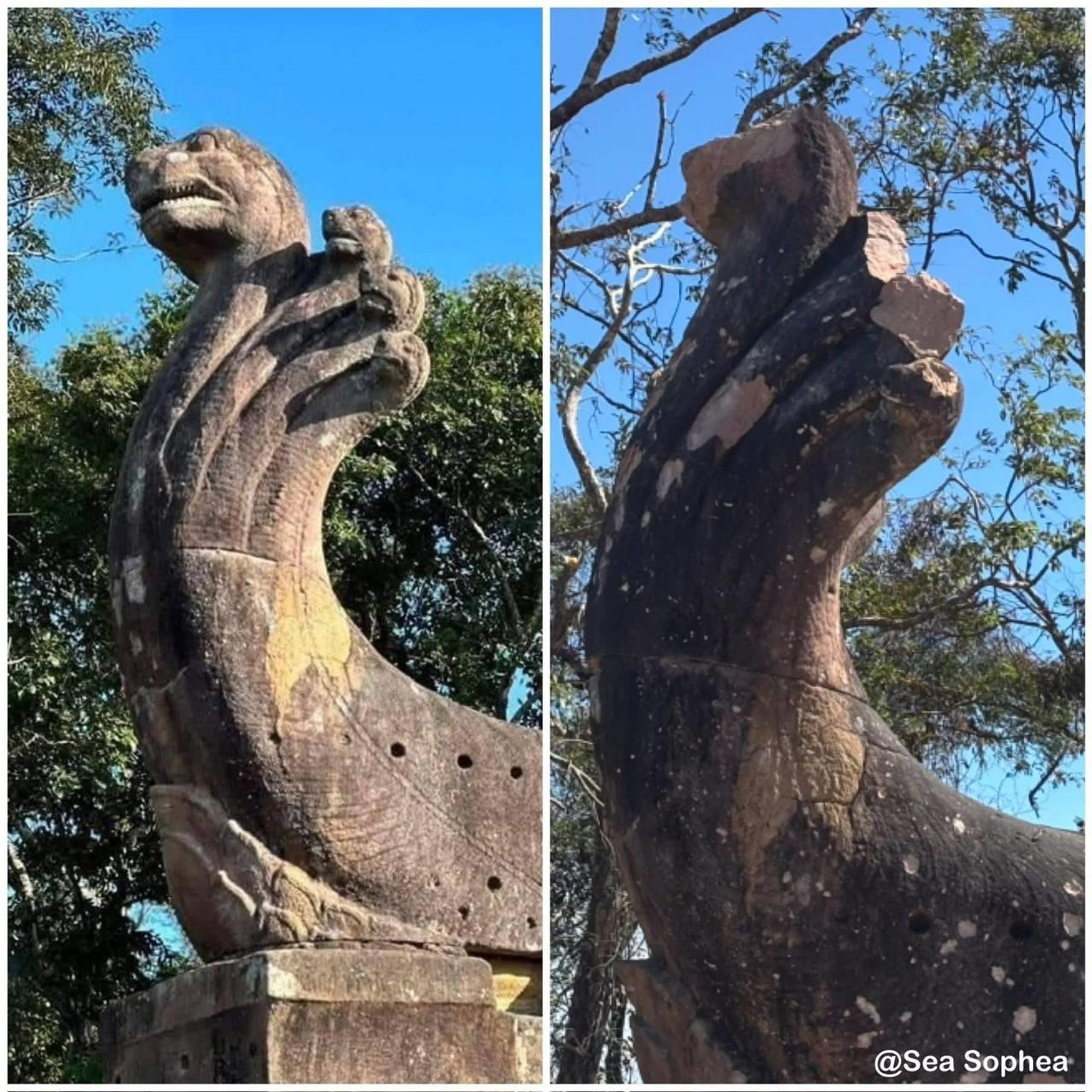
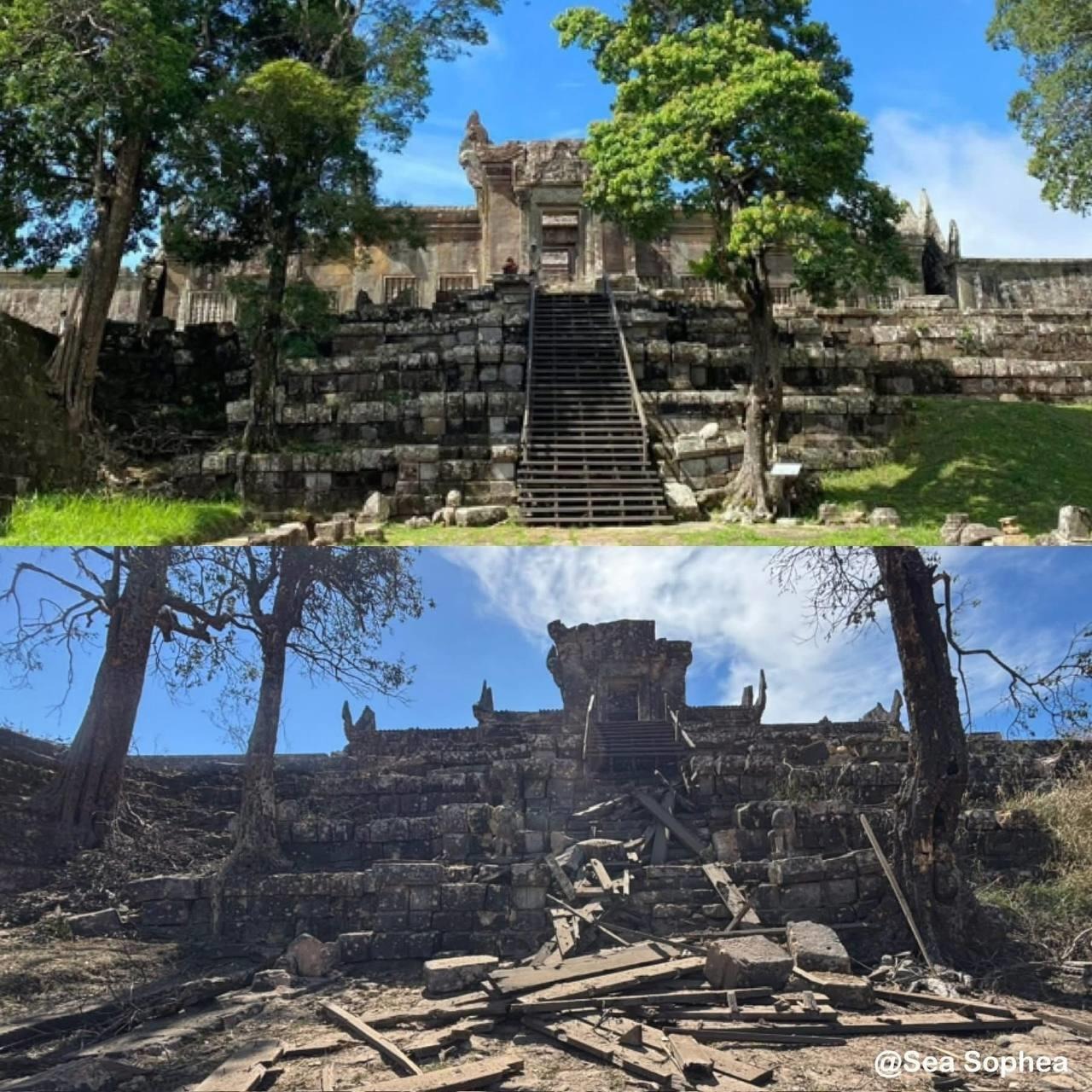
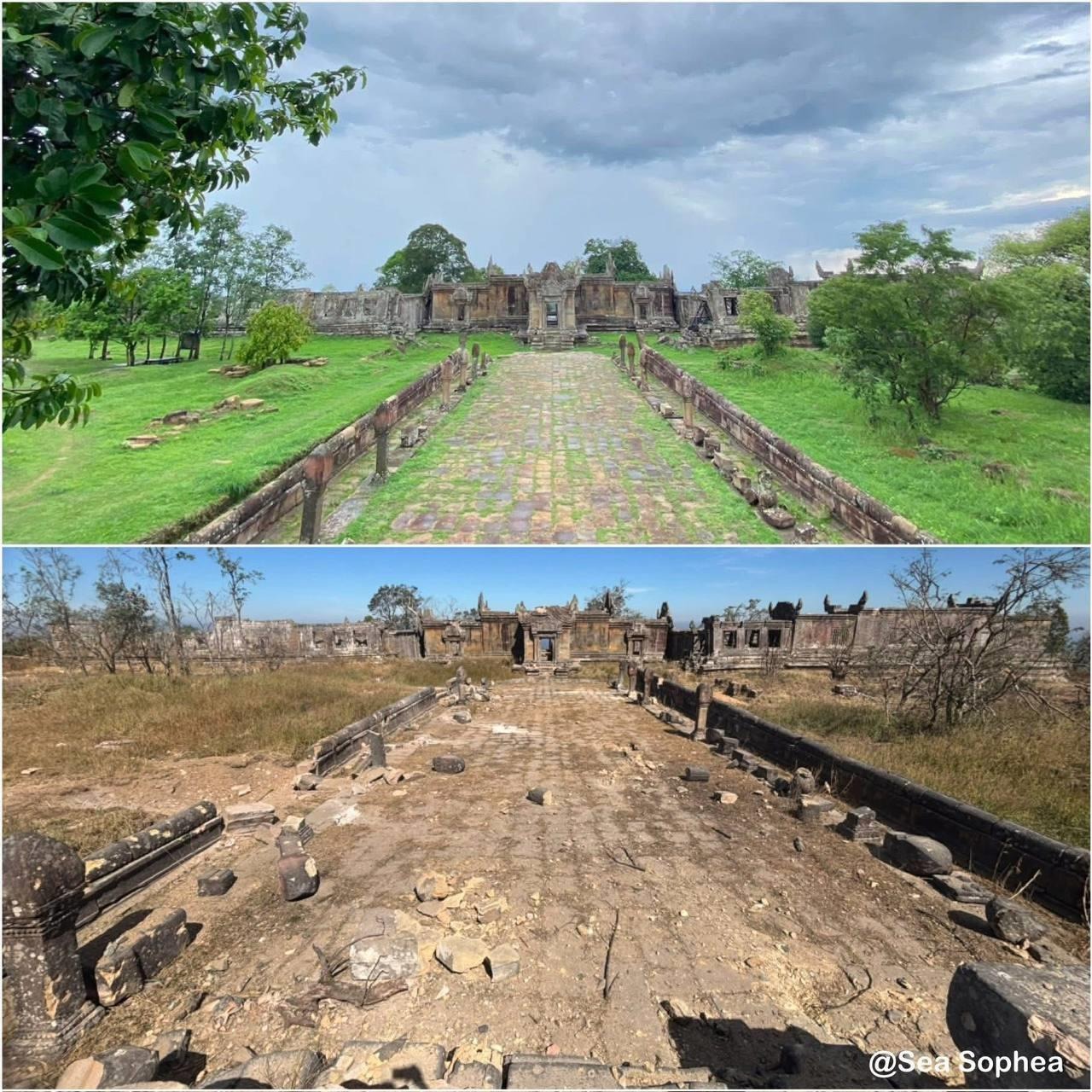
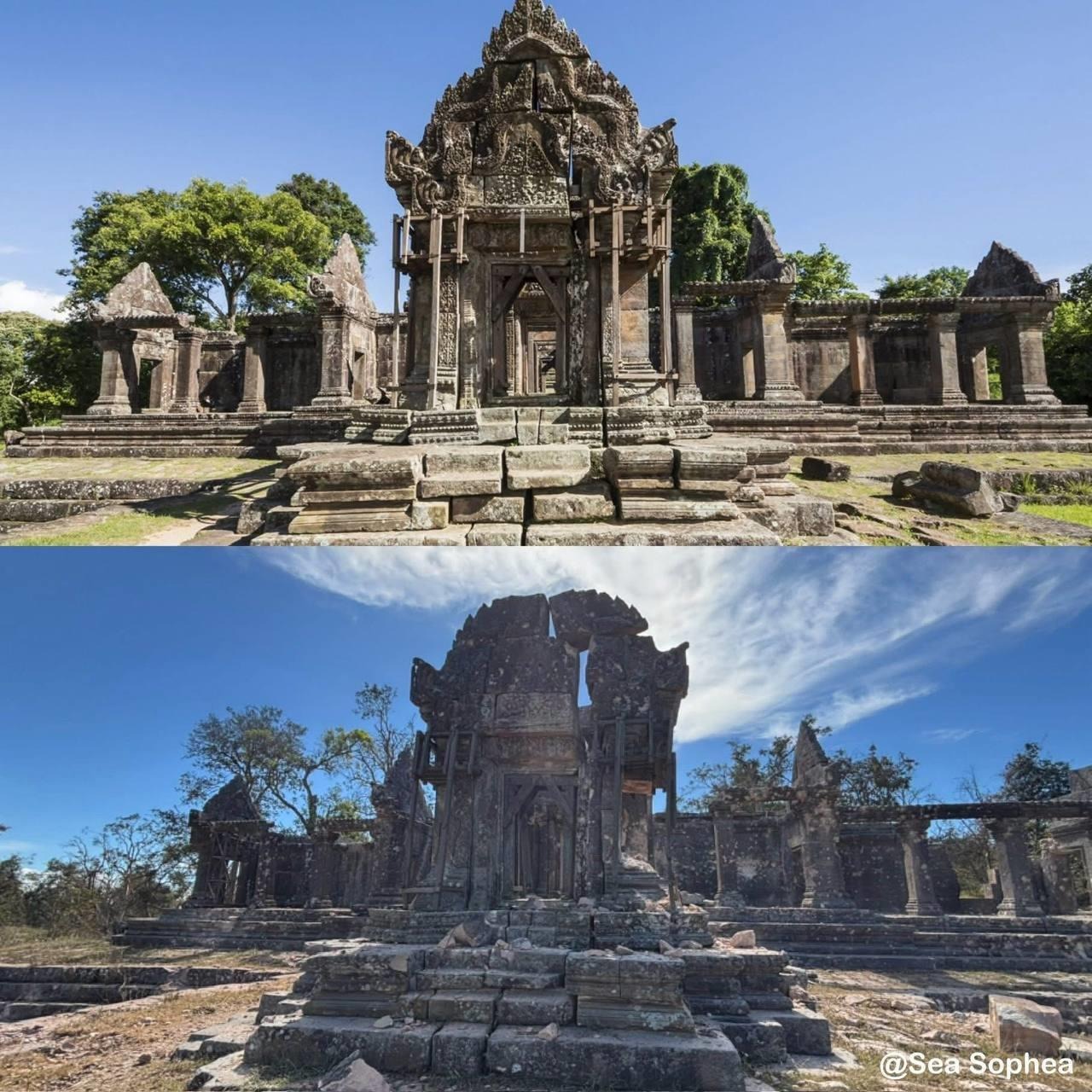
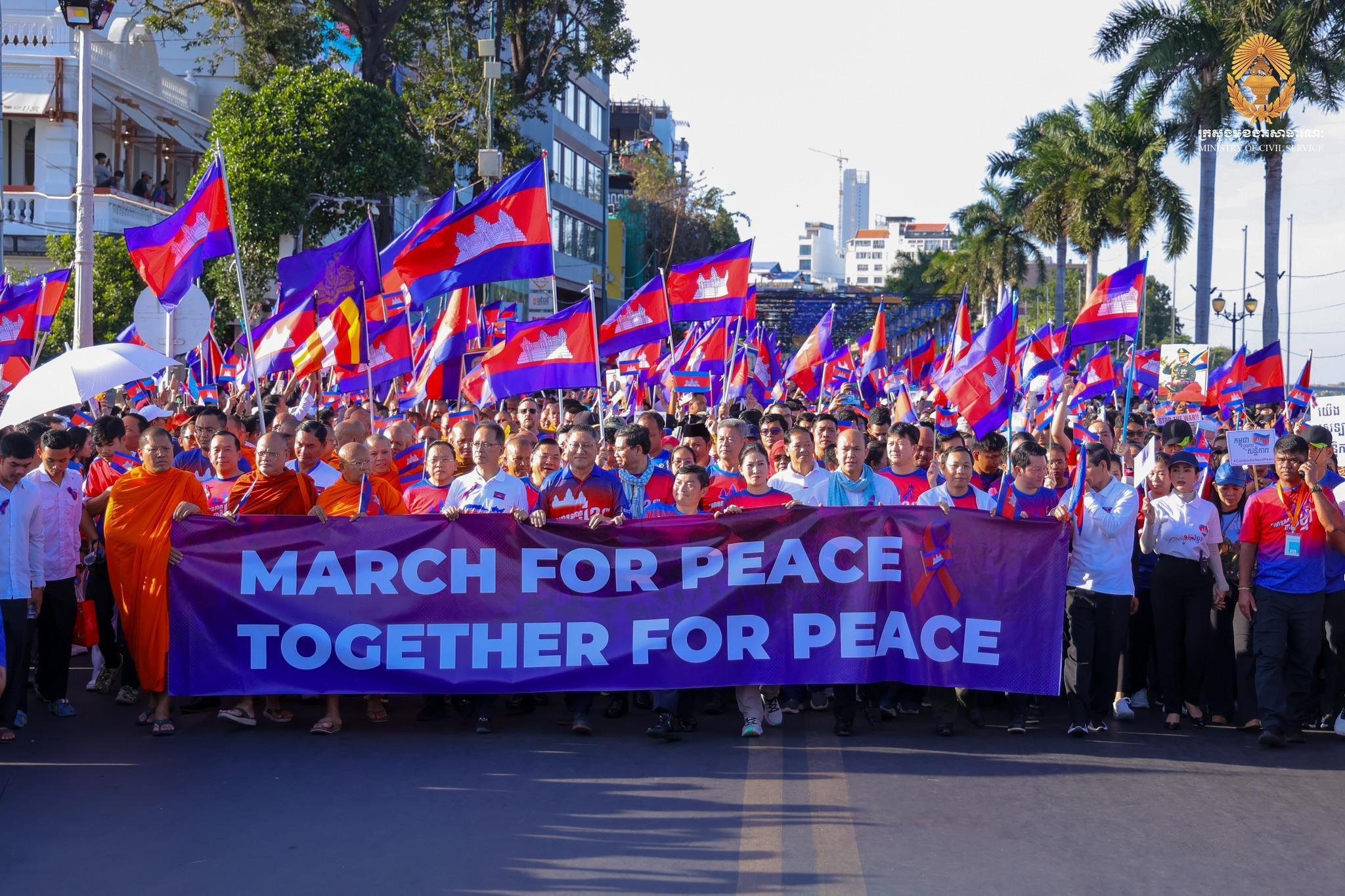
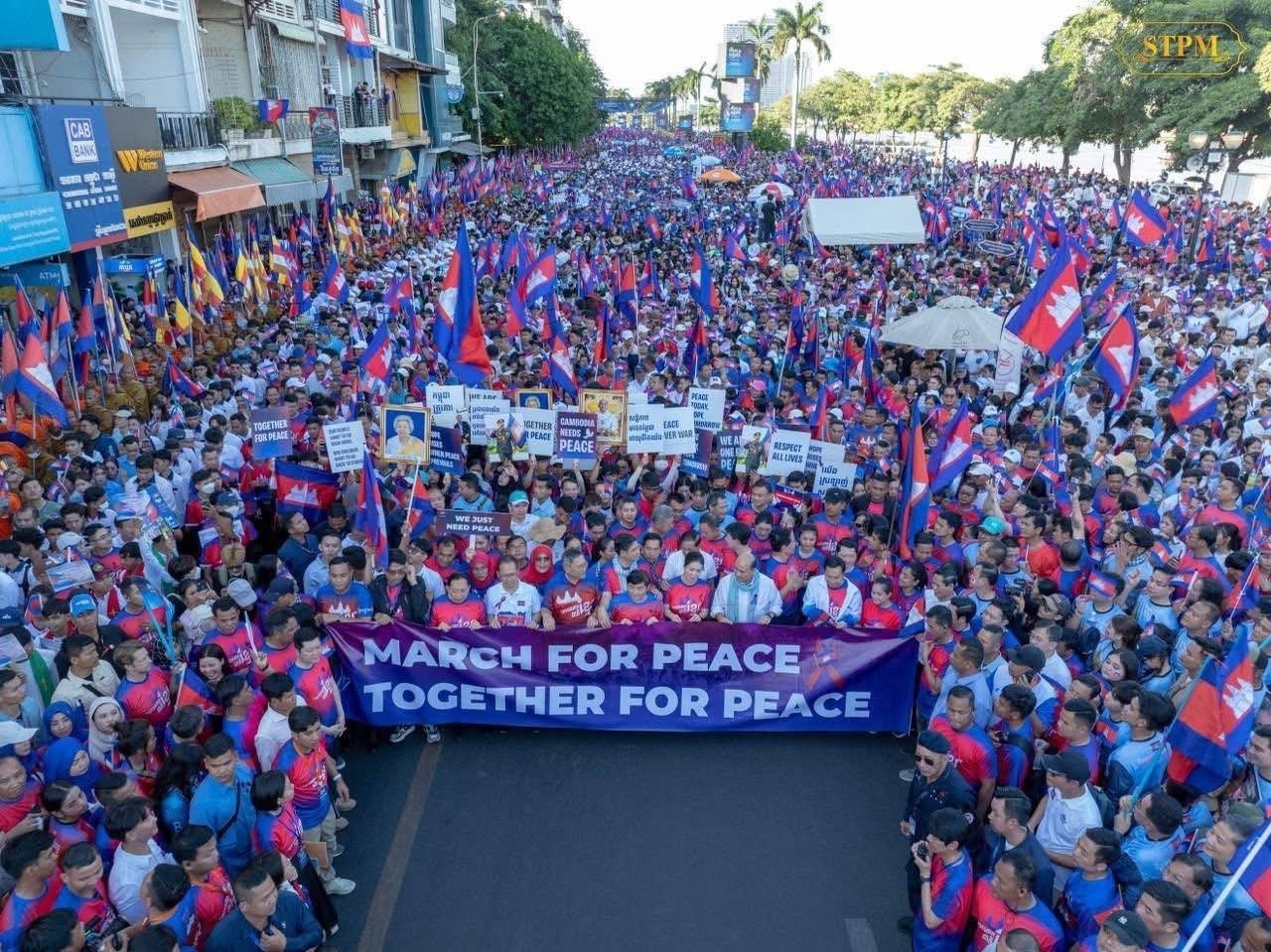
(Phnom Penh): After gunfire along the Cambodia–Thailand border fell quiet following international mediation, many in the international community concluded that “the crisis is over.” Yet on the ground, reality tells a different story. Several Khmer ancient temples—especially Preah Vihear, a millennia-old witness to history and a World Heritage site—have not stopped bearing their wounds.
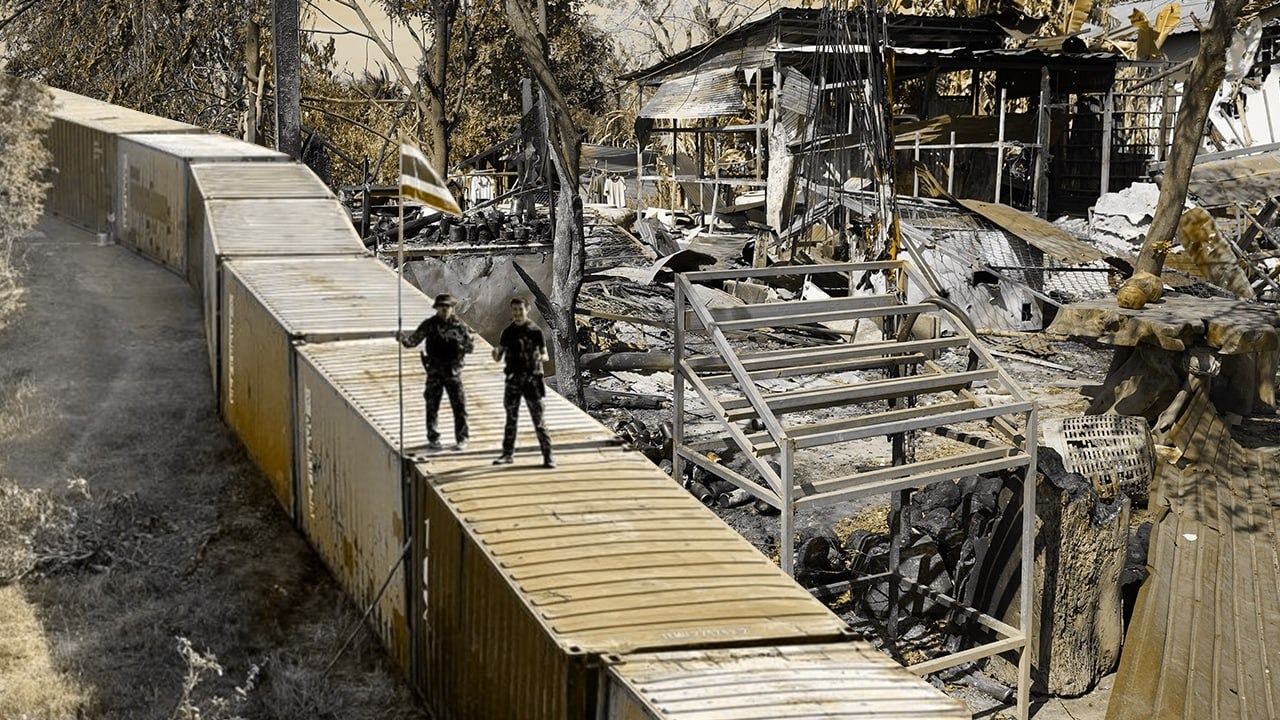
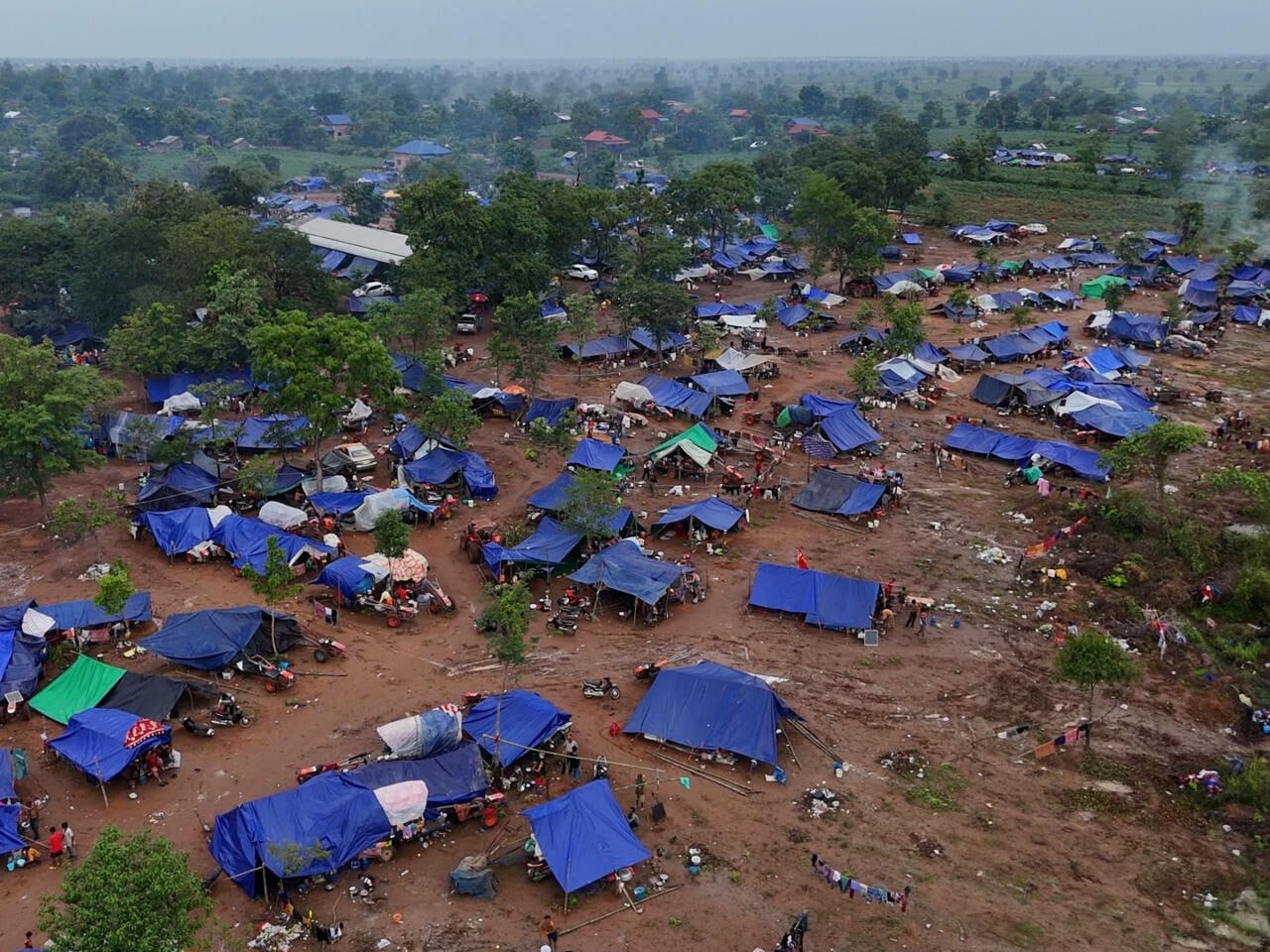
More than that, many Cambodian villages and tracts of land in four border provinces remain surrounded by barbed wire and physical barriers. Thousands of Cambodian civilians still cannot return to their homes and ancestral land. In this uneasy silence, a painful question rises—heavier than bombs themselves: Where is Cambodia’s path to justice?
At a time when Cambodia continues to exercise restraint in the use of military force, while the international security system is stalled and the United Nations—expected to serve as the world’s “international police”—is facing internal
paralysis, this commentary examines three central questions:
- How can Cambodia pursue justice if it cannot rely on military power?
- Will the destruction of Khmer ancient temples be forgotten, as has happened too many times in the past?
- Can violations of Cambodian territory be normalized as “routine” in the 21st century?
Weapons Are Not the Only Road to Justice
History shows that many weaker states have not achieved justice through weapons, but through law, time, and strategic patience. Cambodia today faces a similar reality. This means that even if Cambodia cannot win a large-scale military contest in border defense, it does not lose under international law.
International law is unequivocal: territory cannot be lawfully acquired through the use of force. Therefore, the occupation of land through barbed-wire fencing, the placement of container barriers, or the deployment of troops to impose control may create “facts on the ground” for a time—but it cannot transform violated territory into lawful sovereignty.
Put plainly: armed coercion may seize land temporarily, but law and time are what can restore justice for the long term.
Khmer Ancient Temples: An International Moral, Not a Bilateral Matter
The destruction of ancient temples is not merely a dispute between Cambodia and Thailand. It is an offense against humanity’s shared cultural inheritance. Preah Vihear and other Khmer ancient temples are not weapons, not military objectives, and should never become victims of violence or modern nationalist fervor. They are part of the common heritage of humankind, preserved to affirm identity, history, and civilization—not to serve as a battlefield’s bargaining chip.
In this context, Cambodia’s route to justice does not lie only in international courts. It also runs through global platforms such as UNESCO, international heritage experts, independent cultural institutions, and the wider world cultural community. These international mechanisms play a critical role in documenting damage, verifying violations, and elevating destruction from a political accusation into a matter of international responsibility—not merely a short-lived media controversy.
When an ancient temple is damaged or destroyed, it cannot be “repaired” by apologies or excuses. Cultural loss is often irreversible. That is why accountability must be clear: it requires responsibility, appropriate reparations, and international guarantees of non-recurrence, ensuring that such acts are not tolerated again.
Defending Khmer ancient temples, therefore, is not only about protecting the past. It is about protecting the integrity of international law and the moral conscience of humanity in the 21st century.
The United Nations May Be Weakened—But Justice Is Not Dead
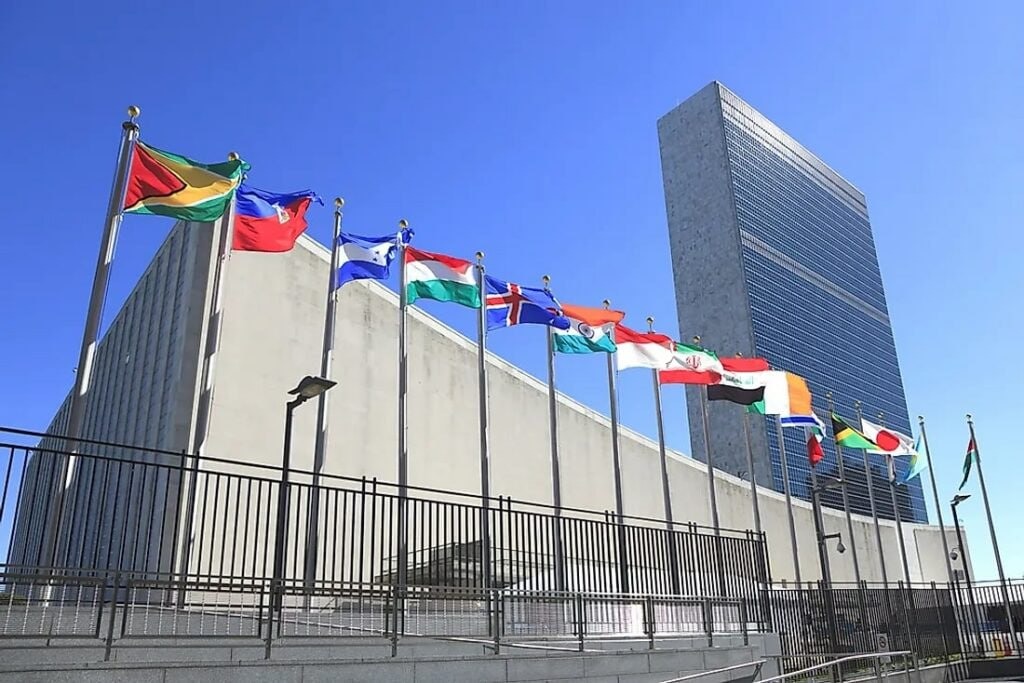
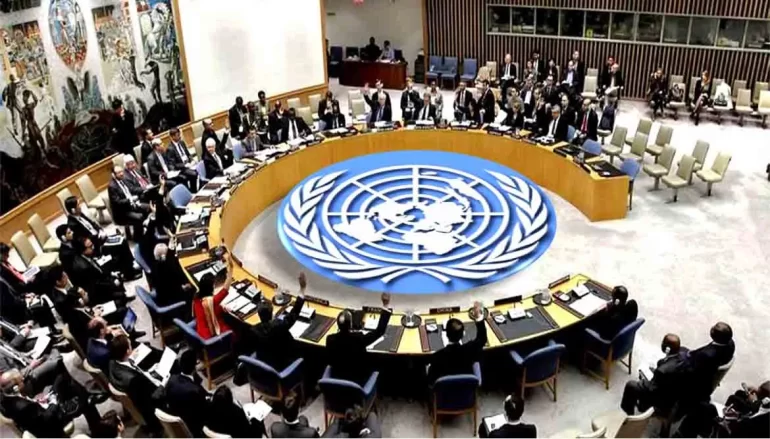
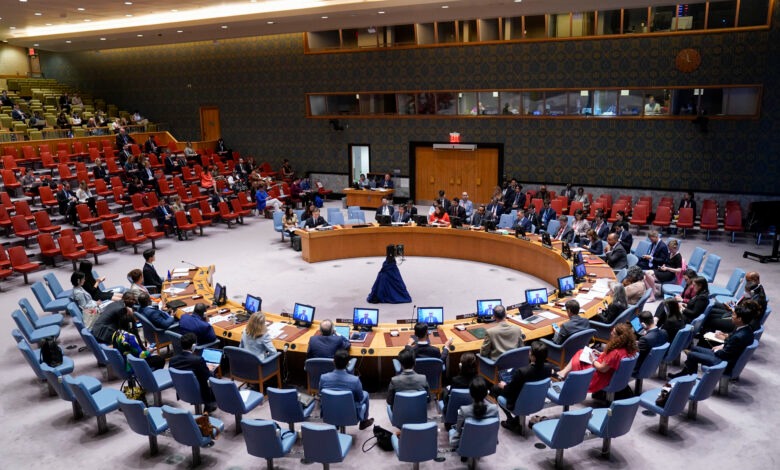
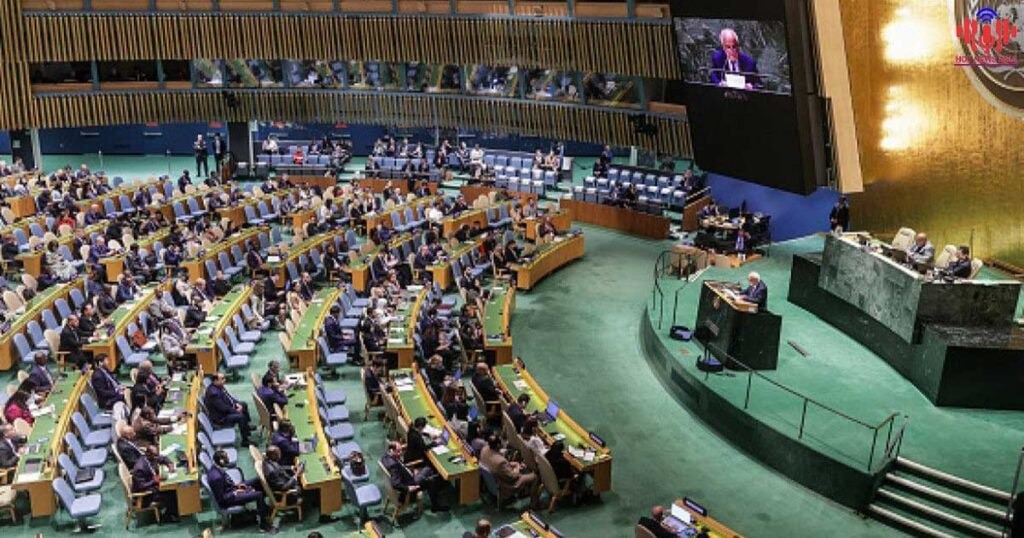
In today’s global landscape, the United Nations is widely seen as facing a serious crisis—driven by great-power rivalry and political deadlock inside the Security Council. The frequent use of veto power and the cold calculus of geopolitical interests have weakened the UN’s ability to respond swiftly and decisively to multiple crises around the world.
Yet history has already proven: international justice does not die because the world body is temporarily weak. The United Nations is not a single mechanism, nor does it depend solely on the Security Council. When the Security Council cannot act, other pathways remain available to sustain the pursuit of justice.
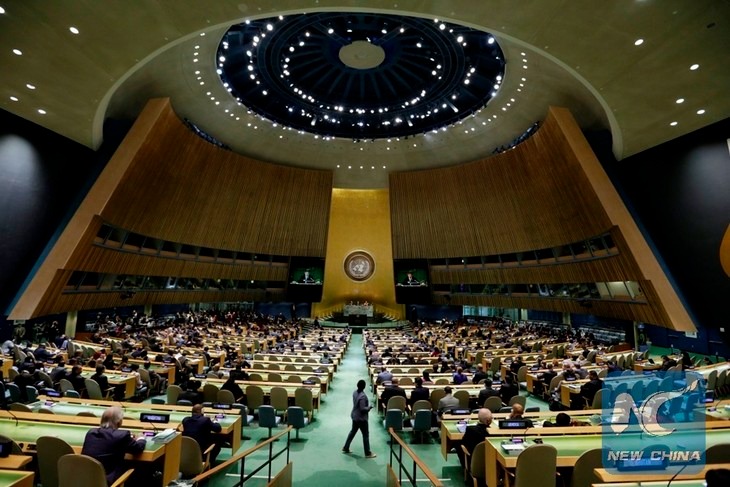
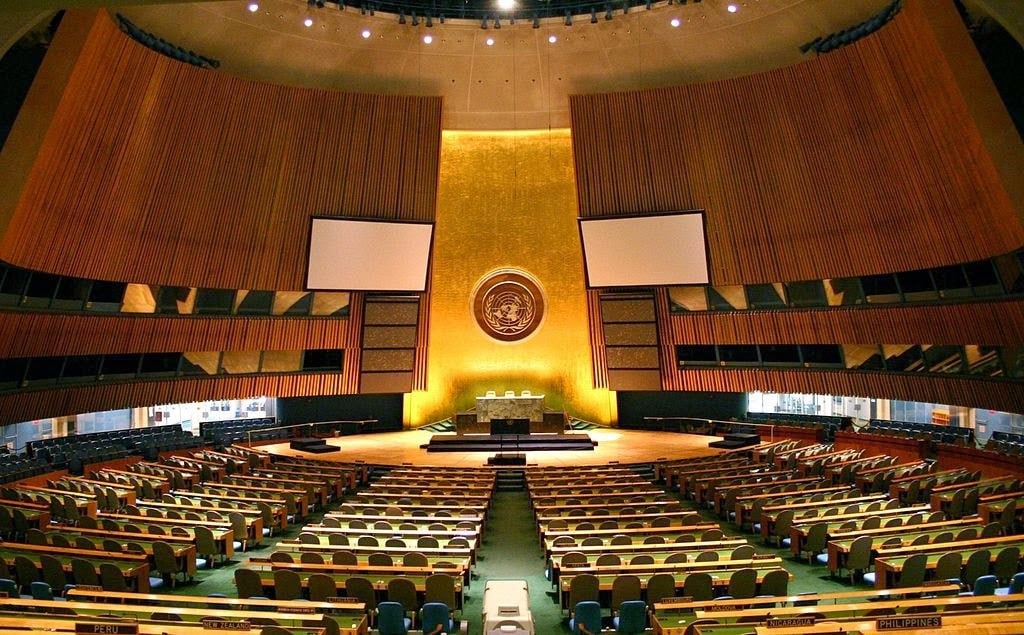
These include the UN General Assembly, which can generate collective political pressure and global moral resolutions; advisory opinions from the International Court of Justice (ICJ), which carry strong legal authority in interpreting sovereignty and border rights; as well as independent investigative mechanisms and human-rights procedures capable of documenting and verifying violations without requiring great-power political consent. Beyond that, multilateral political pressure can transform injustice into a serious diplomatic and reputational cost.
Yes, the path to justice today is neither straight nor fast. It demands time, evidence, and patient persistence. But delay does not mean defeat. For Cambodia, justice is not something “lost”; it is something that must be rebuilt through the international system—by continuing to speak, continuing to demand, and refusing to allow silence to normalize injustice.
Who Bears Responsibility?
Injustice does not occur by accident or by “the wind.” It always has clear responsibility. The primary responsibility lies with those who commit and command—those who used force to create “facts on the ground” and violate Cambodia’s sovereignty. Power created through force is not lawful power; it is evidence of wrongdoing that must be met with accountability.
At the same time, the international community cannot escape moral and political scrutiny if it remains silent in the face of destruction and war-like devastation imposed upon Cambodia. Silence may persist briefly, but it cannot be sustained indefinitely. Prolonged silence is inevitably interpreted as permission—allowing injustice to continue without restraint.
In this context, silence is not neutrality. It becomes a form of moral and political complicity. The international community, therefore, must do more than merely “observe.” It must decide and act, so that justice is not buried beneath the quiet that follows unlawful force.
Conclusion
Cambodia’s path to justice is not found at the muzzle of a gun, not in declarations of war, and not in forgetting. Cambodia’s justice lies in rigorous evidence-preservation, legal struggle without surrender, continuous engagement with the world, and strategic patience that never abandons sovereign rights.
History has shown, again and again, that coercive power may seize land temporarily, but justice can restore it for the long term. Weapons may impose silence for a moment, but they cannot permanently suppress law and truth.
For Cambodia, the road to justice is not a short road—but it is the only road capable of protecting territory, history, and national dignity, ensuring that Cambodians remain secure and respected in the 21st century.