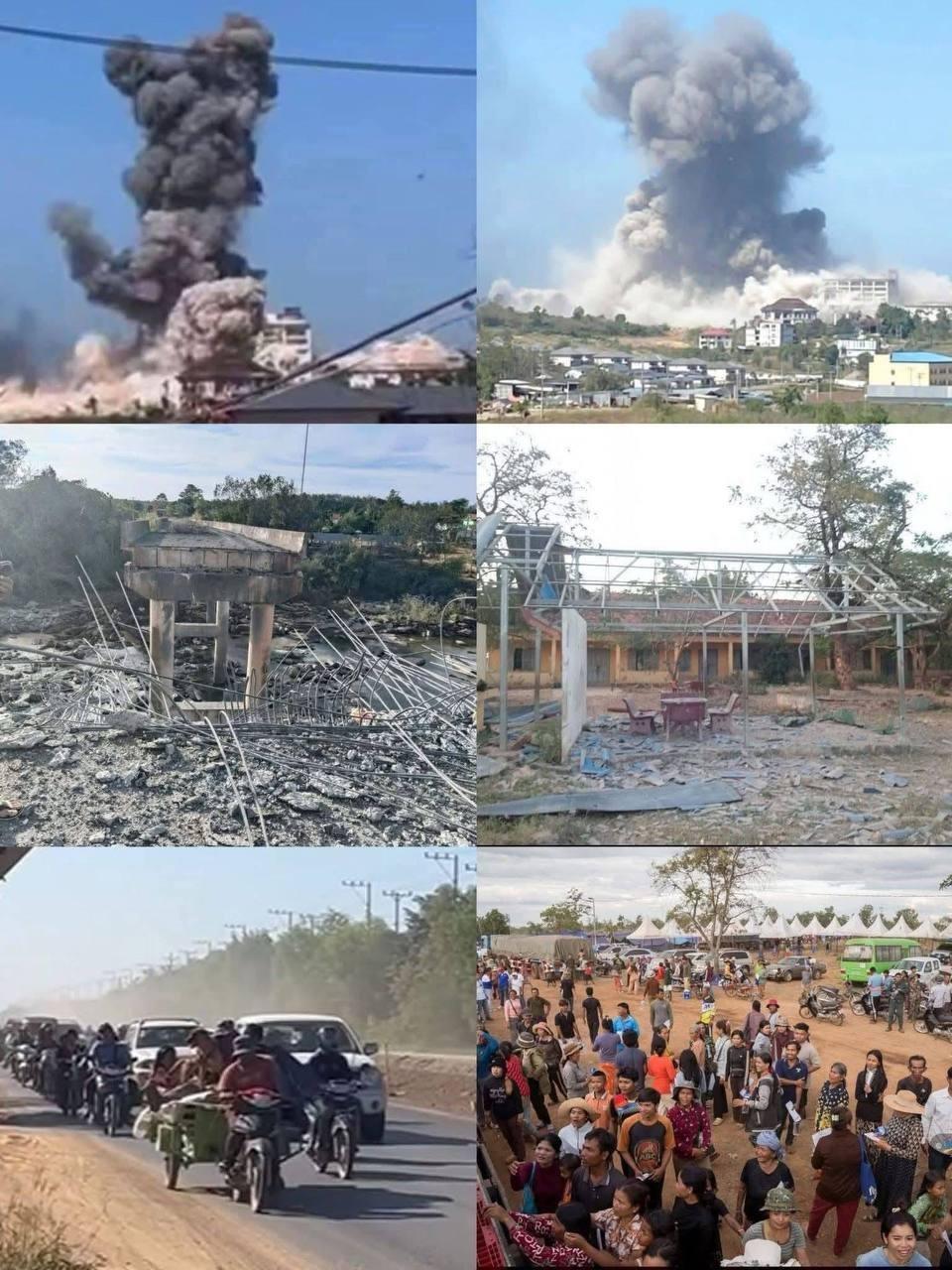
(Phnom Penh): In an age when a single word can mean the difference between life and death, war no longer begins only with the thunder of bombs. It can begin with a mouth, a microphone, and an official statement. When words become weapons, the most frightening question is not simply “What should we say?” but “Where will our words lead us?”
In the context of the Cambodia–Thailand conflict, a serious question has emerged: Should a war of words be pursued until it turns into a war of blood? Or should the direction be adjusted to protect human lives—without surrendering national rights and sovereignty?
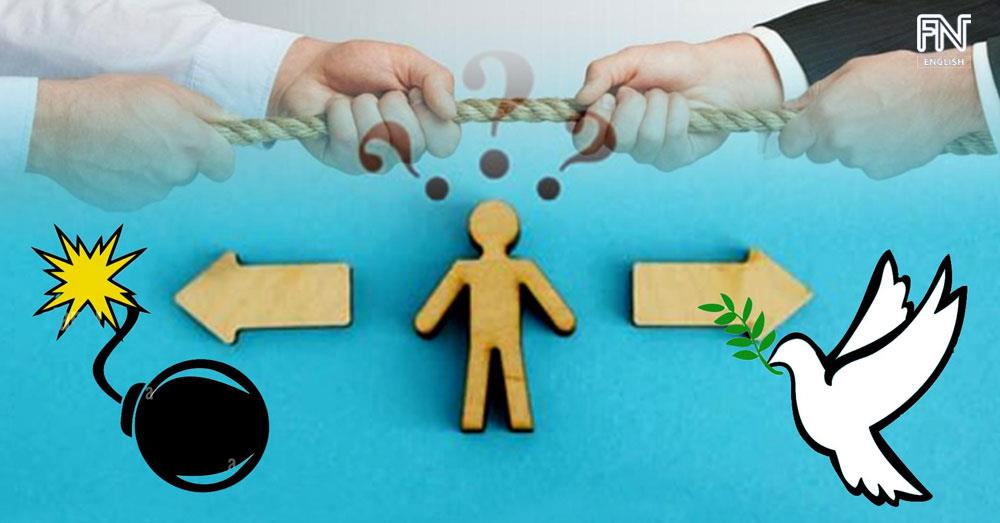
Choosing language in times of crisis is not a matter of emotion or pride. It is a strategic decision that can determine whether a country slides into war or preserves peace. Cambodia now stands at a difficult crossroads: speaking loudly to demonstrate resolve, or speaking less to protect the lives of ordinary citizens. The issue is not which approach is “more correct,” but when each approach should be chosen.
Should a “War of Words” Be Turned into a “War of Blood”?
The honest—and painful—answer is no. A war of blood is not a test of political pride; it is the real and irreversible cost of human lives. Under today’s military balance, Cambodia understands clearly that prolonging or expanding conflict would bring the heaviest suffering to those who matter most: civilians. This is not the time to compete in verbal pride.
History shows that small states that transform a war of words into a war of blood without clear strategic gains often lose both lives and the future. Avoiding war is not weakness; it is responsibility.
When Should a Nation Speak Loudly?
In political language and international legal practice, speaking loudly is not the same as speaking recklessly. To speak loudly means to speak clearly, accurately, and with purpose—grounded in law, supported by evidence, and guided by a strategic objective. It is language used to create official records and establish accountability—not to ignite anger that leads to needless loss.
In this context, speaking loudly does not mean using inflammatory rhetoric or emotionally charged language that can be exploited as a pretext for escalation. It means stating what cannot be credibly denied, what can be documented, and what can stand as evidence before the international community.
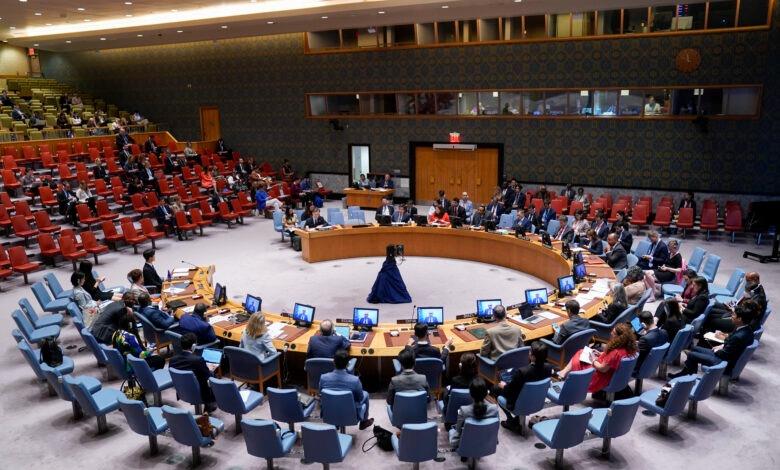
Formal written protests, records submitted to the United Nations, and rigorous legal terminology—such as “violation,” “illegal occupation,” or “unilateral alteration of facts on the ground”—are forms of “loud speech” that carry legal weight. They can defend national rights without firing a single bullet.
Speaking loudly in this sense means firing documents instead of weapons, and using law as a shield—demonstrating that a nation defends sovereignty with wisdom, not emotion.
When Should a Nation Speak Less—and What Does That Mean?
In national defense and crisis management, speaking less does not mean silence or surrender. Speaking less means reducing unnecessary public rhetoric and avoiding explosive language at moments when words can ignite conflict—or be used by the other side to recast Cambodia as the party disrupting a ceasefire.
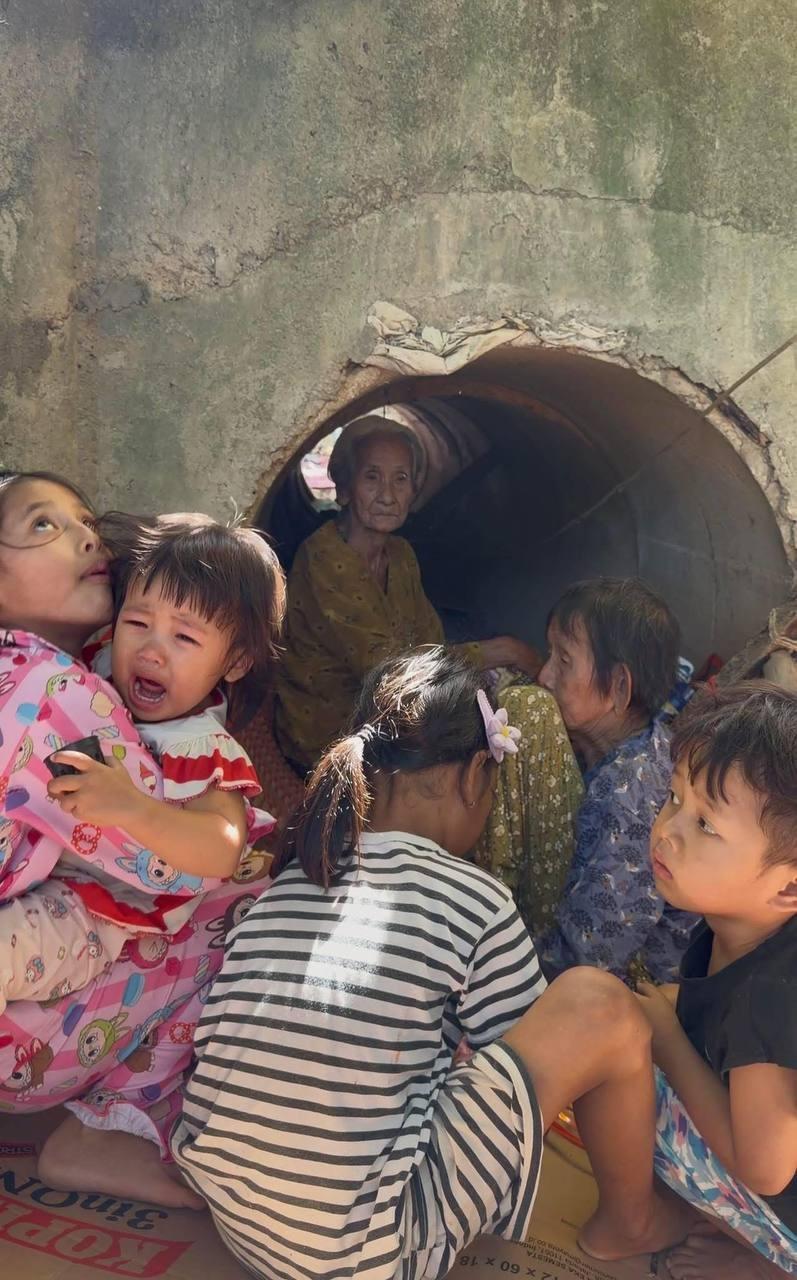
Speaking less is necessary when the military situation is tense and civilians are on the front line. In such moments, a single poorly timed sentence can trigger consequences that cannot be undone. Therefore, speaking less is first and foremost a measure to protect human life—not a contest of verbal pride.
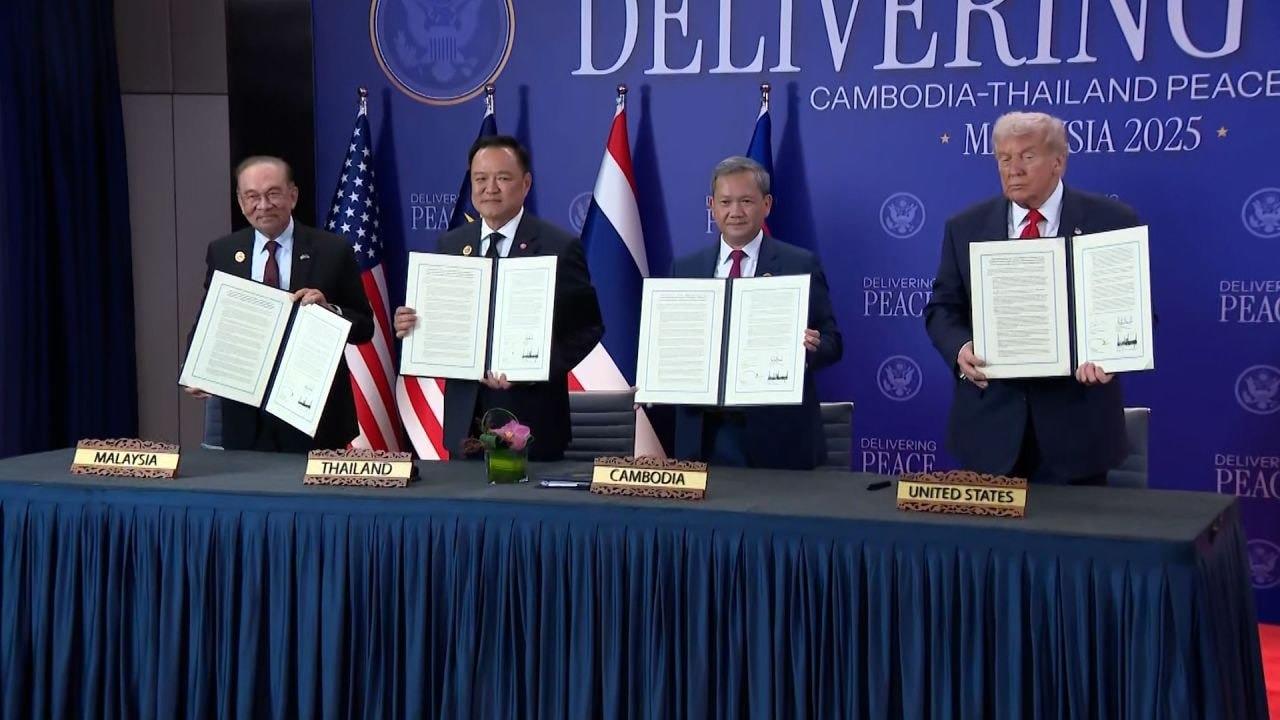
Speaking less is also necessary to give diplomacy and mediation room to work. Peace negotiations rarely succeed under camera pressure and public verbal battles. When intermediaries are working to resolve a crisis, excessive public escalation can close doors unnecessarily.
Most importantly, speaking less does not mean doing nothing. On the contrary, it means that while the public tone is restrained, behind-the-scenes action must become stronger: formal diplomatic protests, documentation to the UN and ASEAN, evidence collection, and preparation of legal options. This is the principle of being “quiet, but not silent.”
Speaking less, in this sense, is the management of timing and risk. It is a strategic choice—not fear. Sometimes calm carries more power than noise, and refusing to fire reckless words for even one second can save hundreds of lives, or more.
Word Pride or Human Life
This is the most important moral question in national decision-making. A state should not be forced to choose between “word pride” and human life as if one must be sacrificed for the other. Words can be revised, rewritten, and adapted to context; lives, once lost, cannot be restored.
Therefore, a humane and wise strategy is to protect life first while preserving national rights in full. This is not capitulation or softness. It is the protection of a nation’s future—and its people—at the same time.
What matters more than the pride of a word is what accompanies it: law, evidence, and official records. When legal language is used rigorously and paired with proof, it is no longer merely a spoken claim. It becomes a genuine case file—one with real legal weight, capable of standing up to international scrutiny and legal judgment.
Conclusion
A war of words should never be allowed to drift into a war of blood without deep reflection. A wise nation does not measure strength by volume alone. It measures strength by the ability to protect human life and defend national rights at the same time.
Cambodia should not choose between word pride and human life. The right choice is to protect life while preserving rights—speaking loudly when law requires a clear voice, and speaking less when life requires restraint.