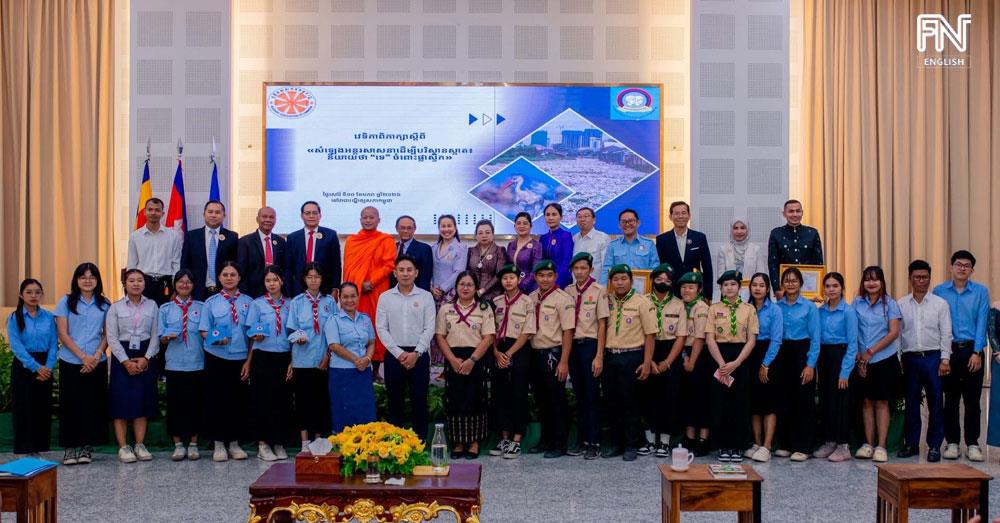
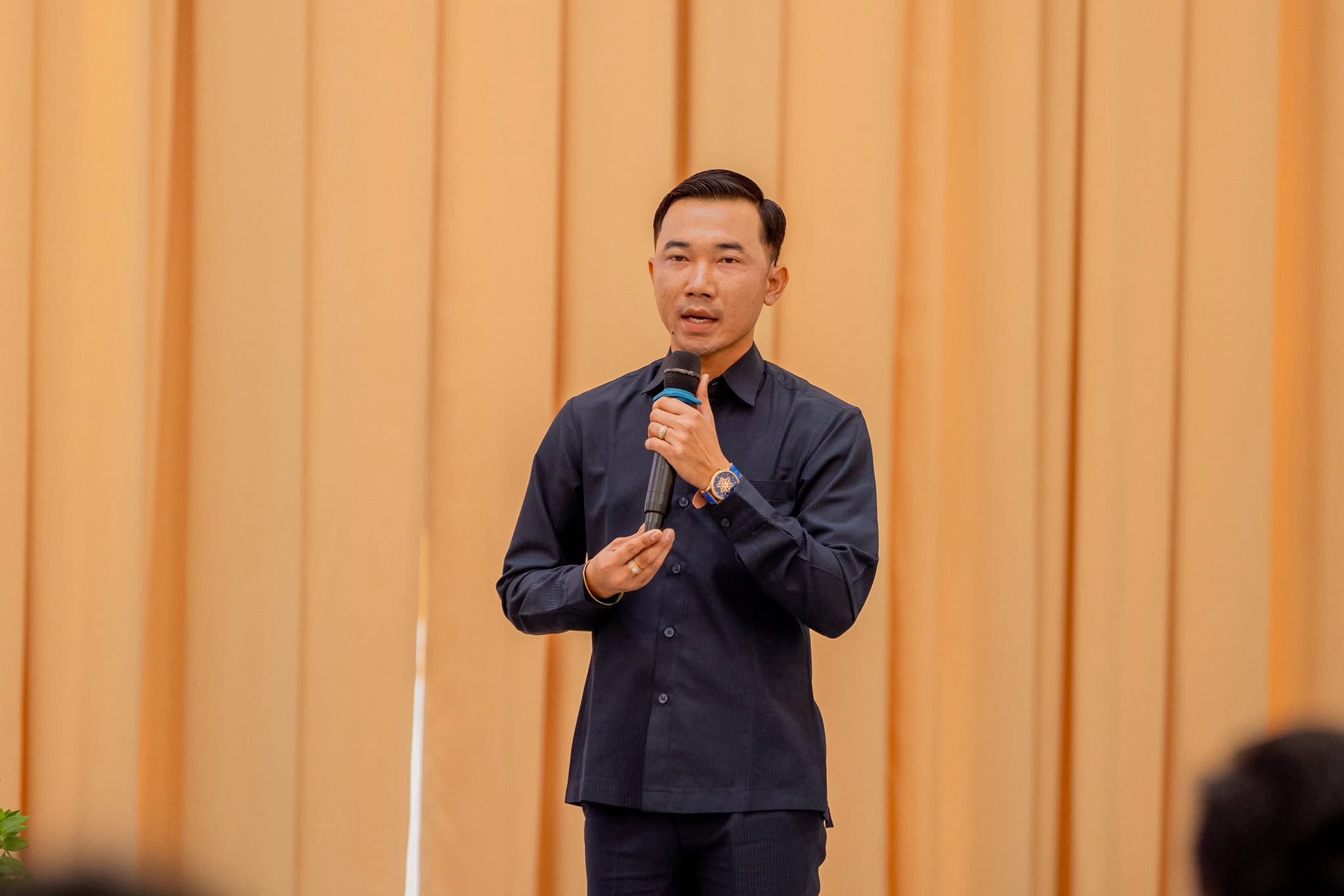
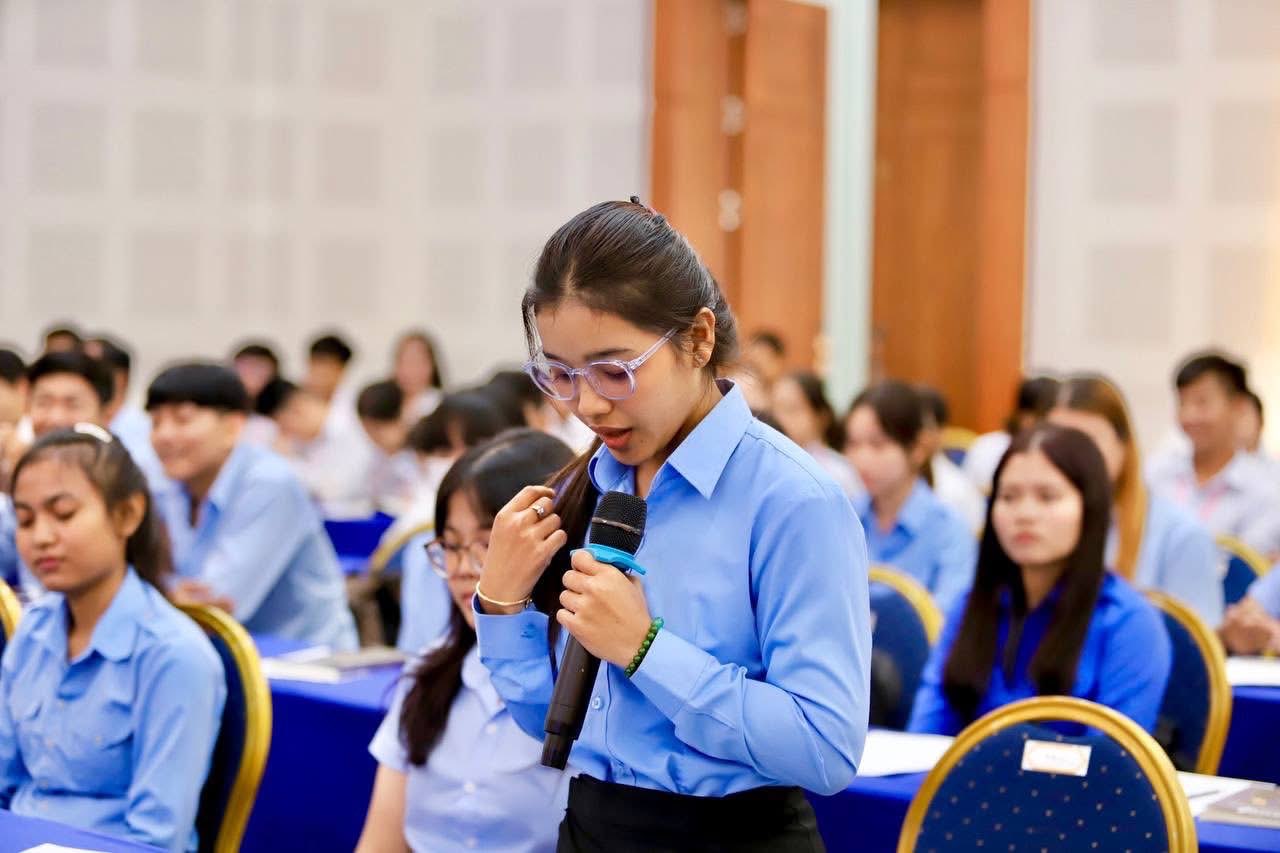
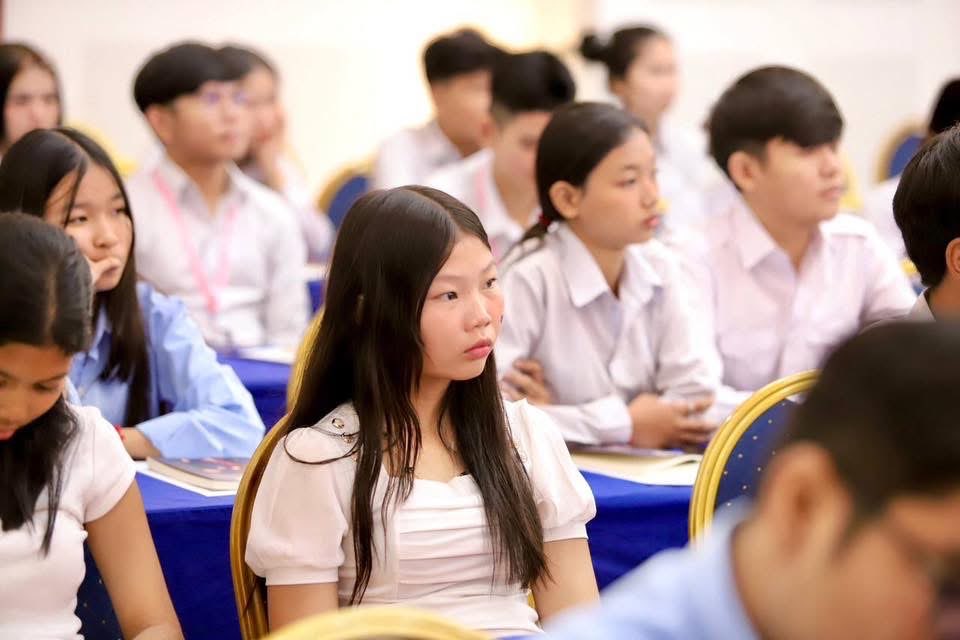
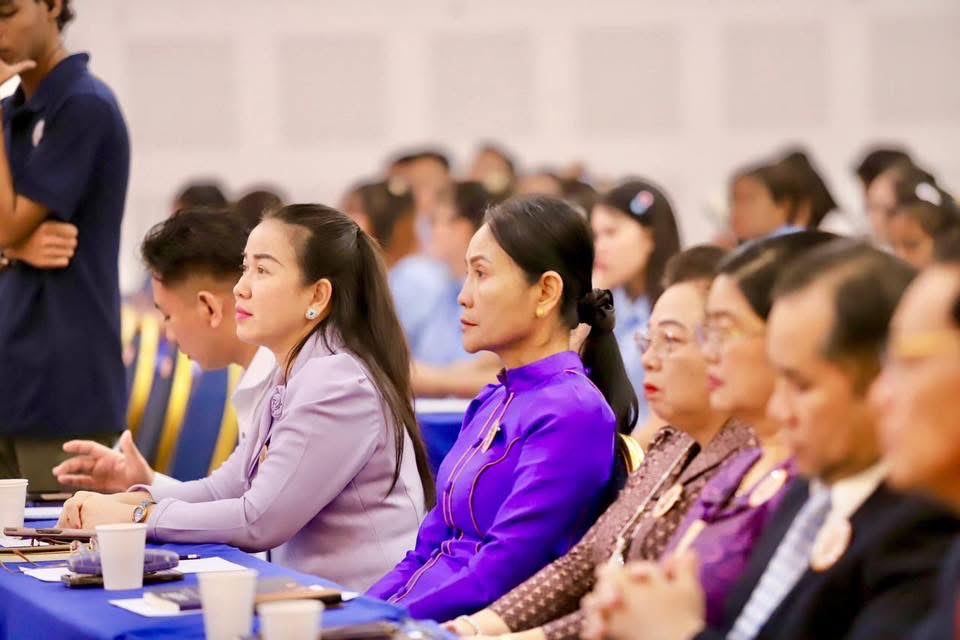
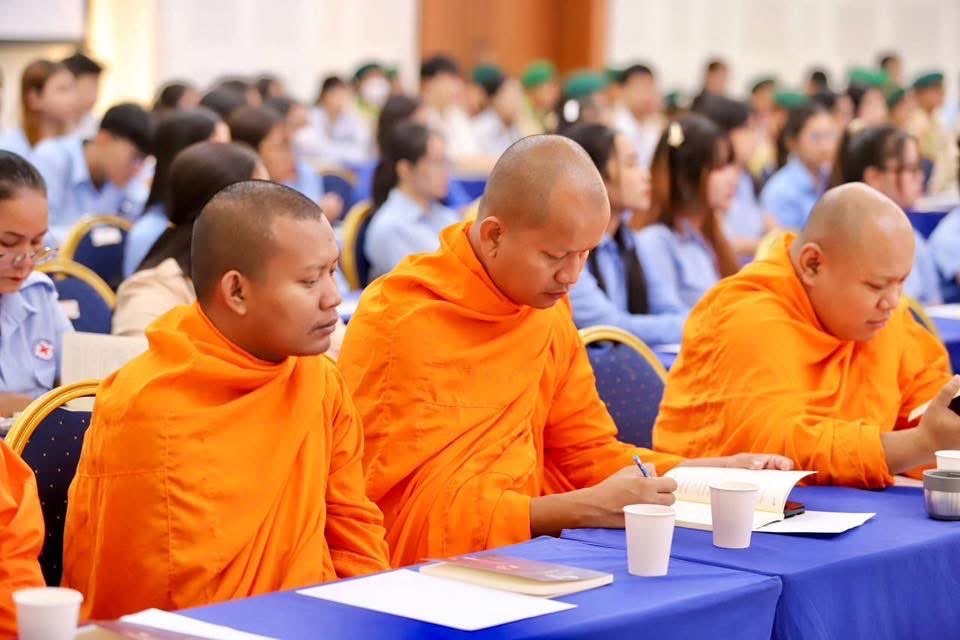
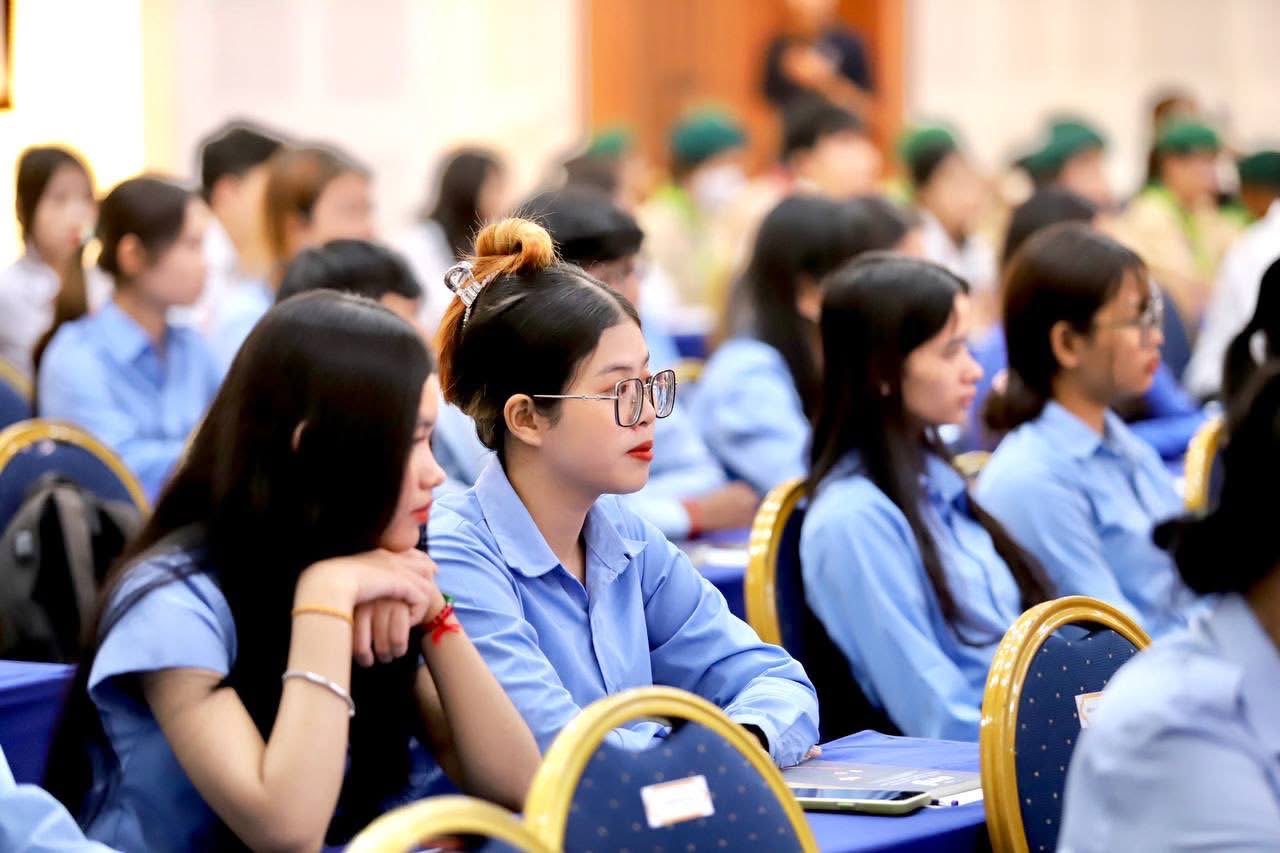
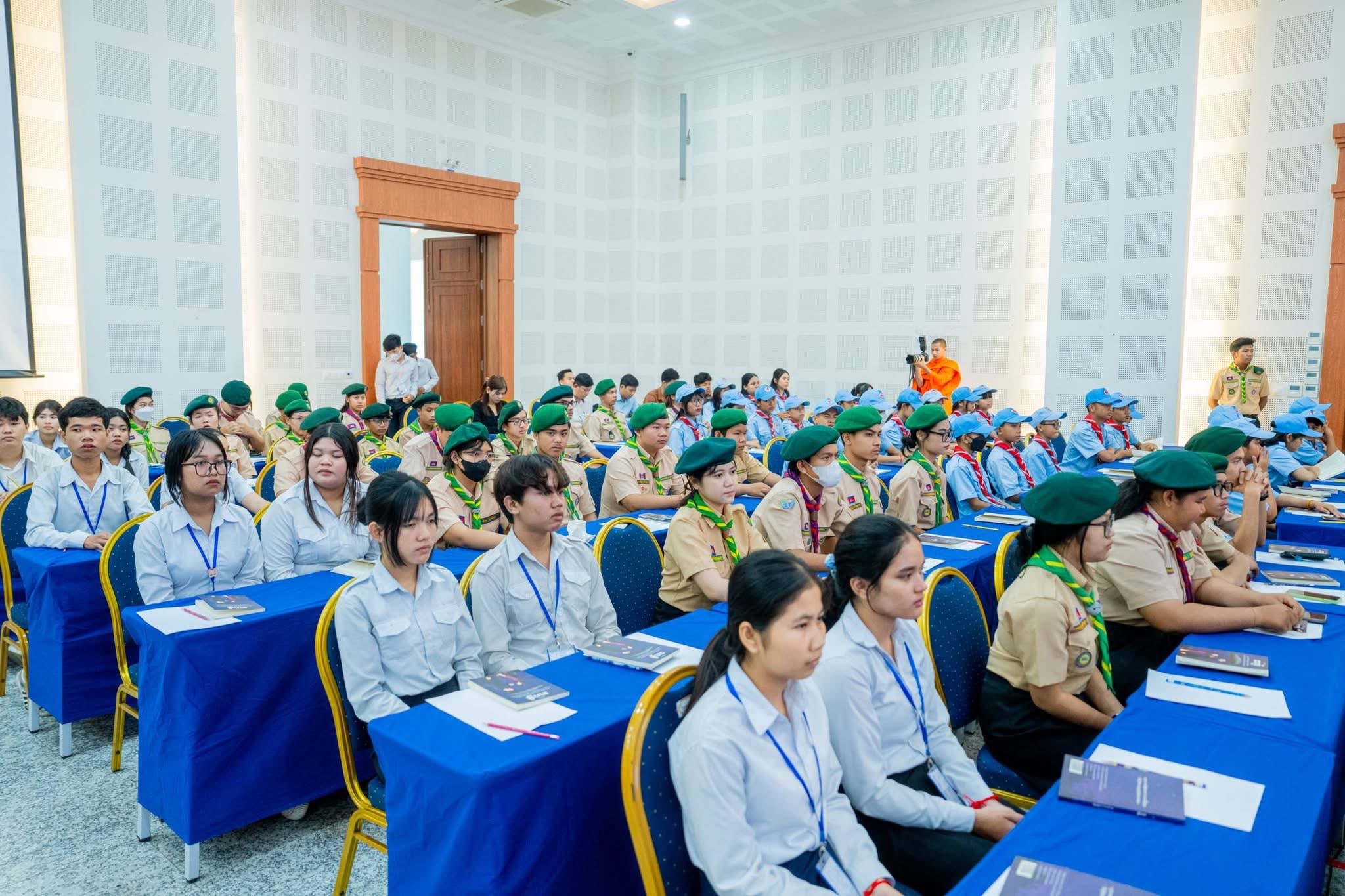
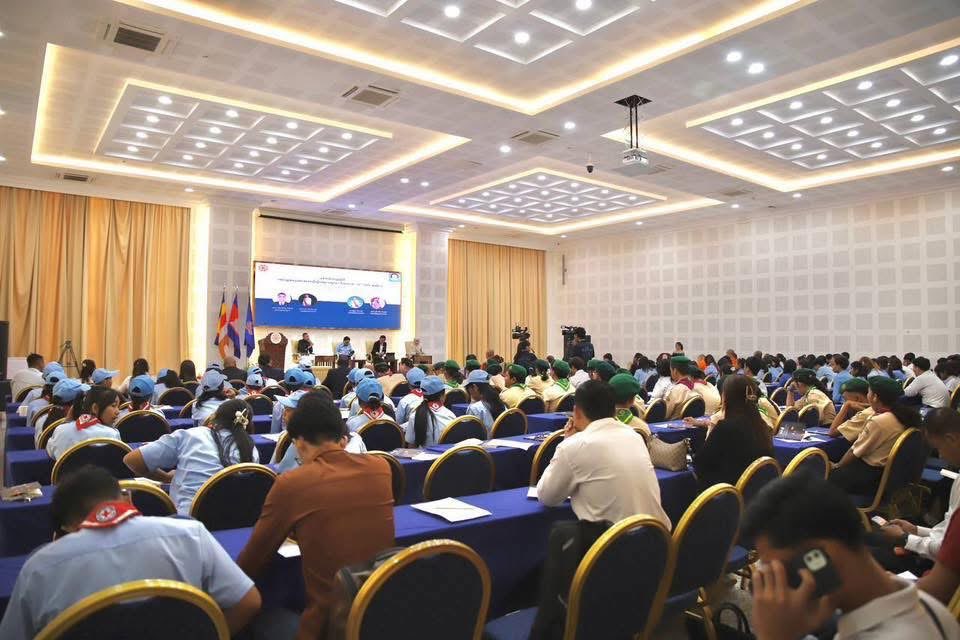
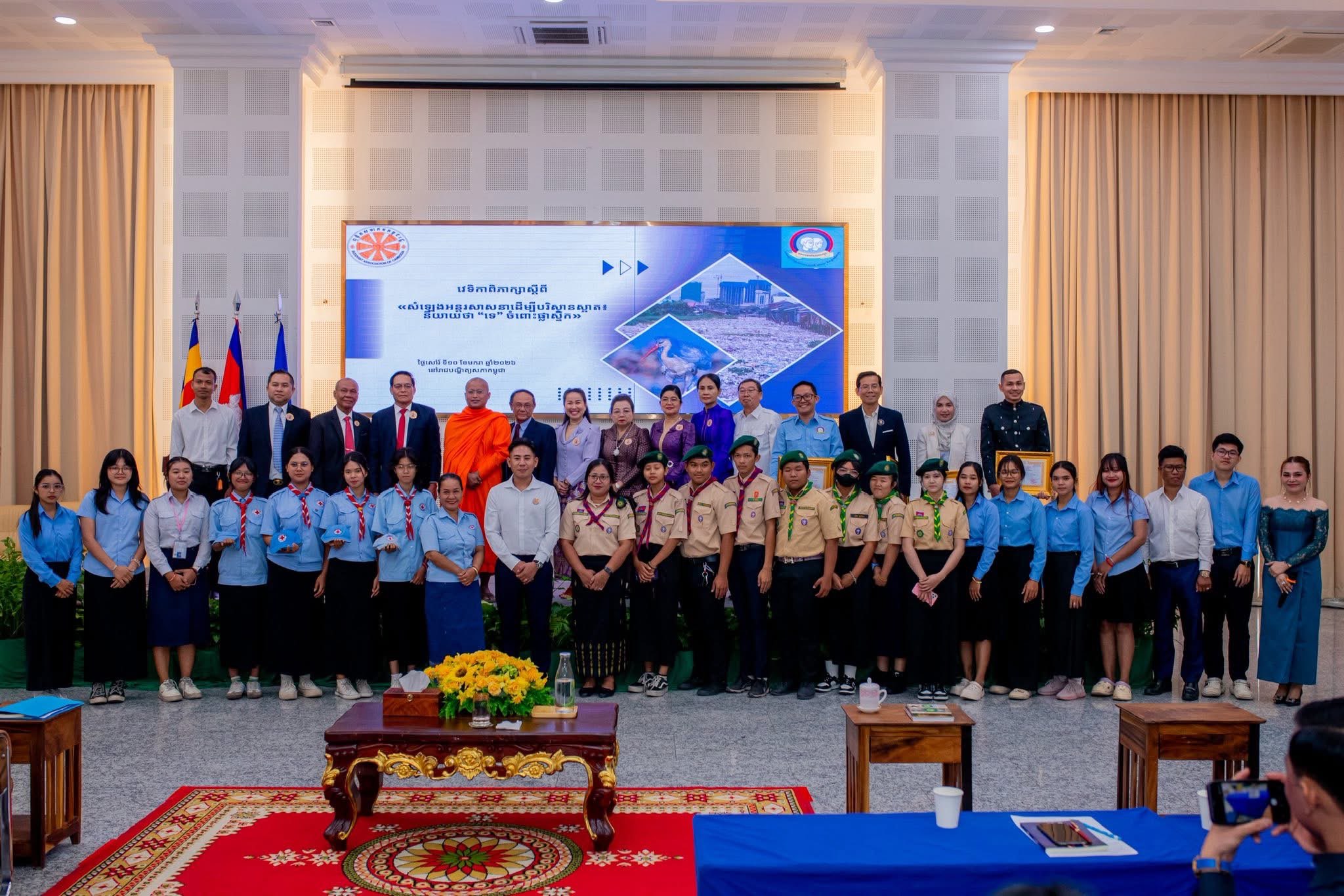
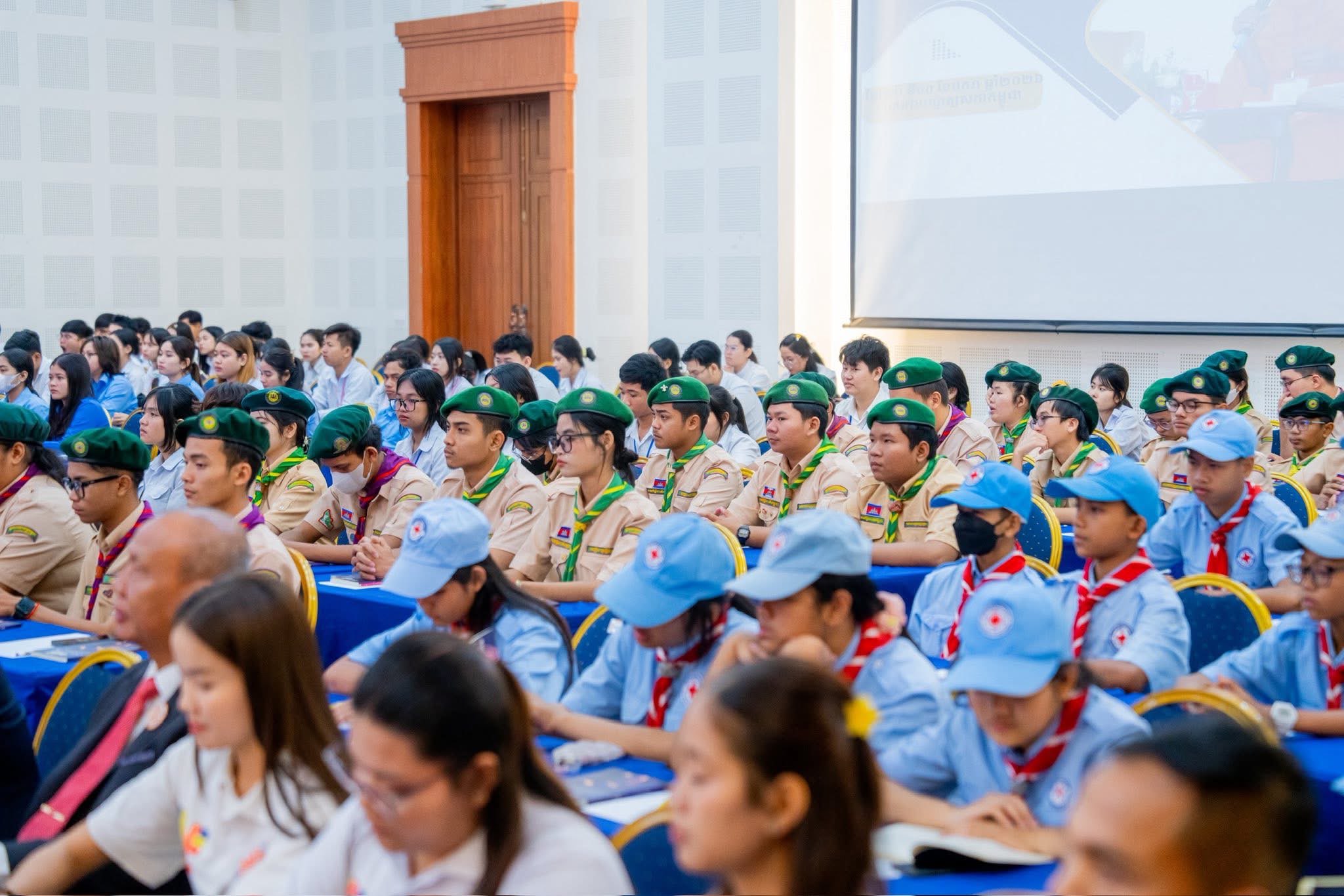
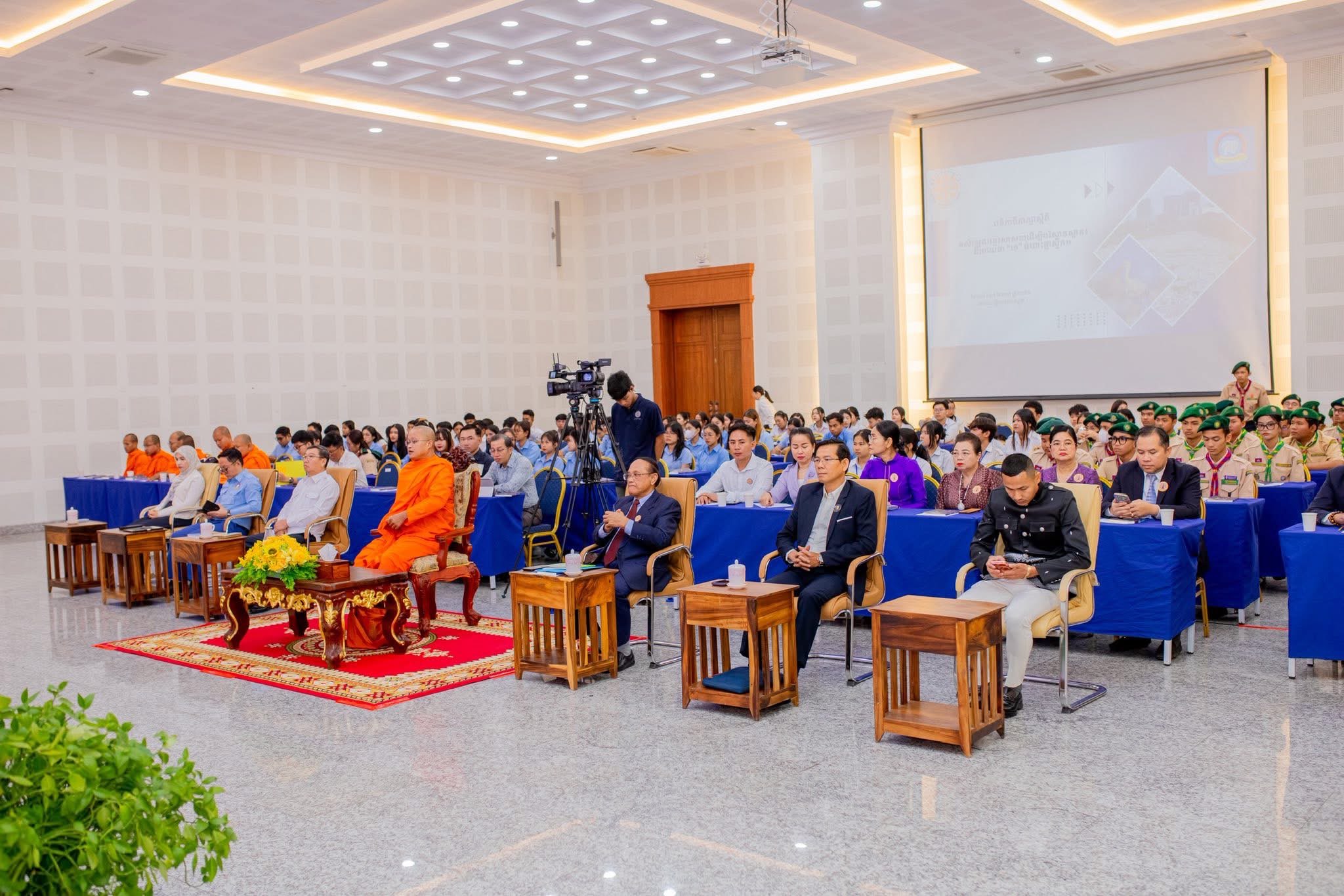
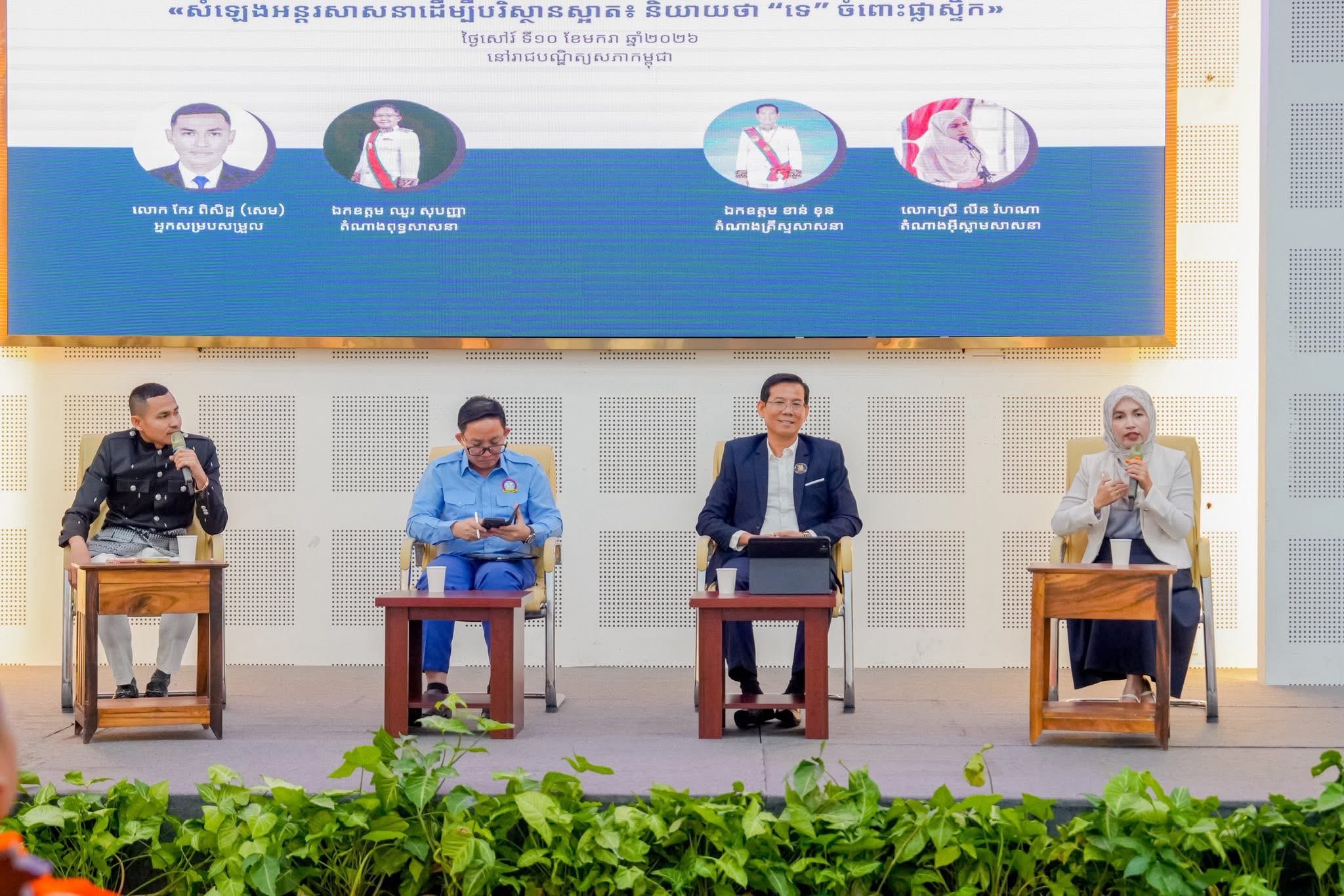
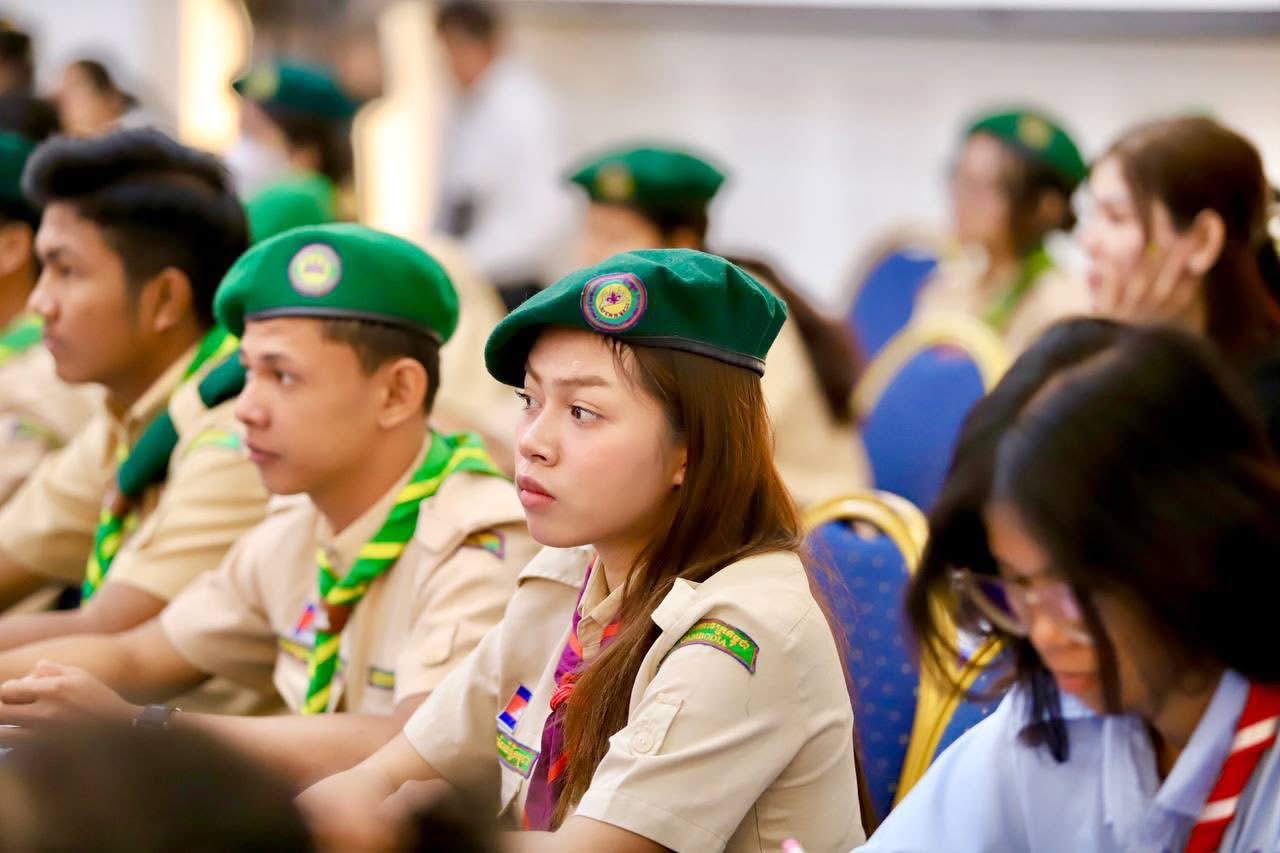
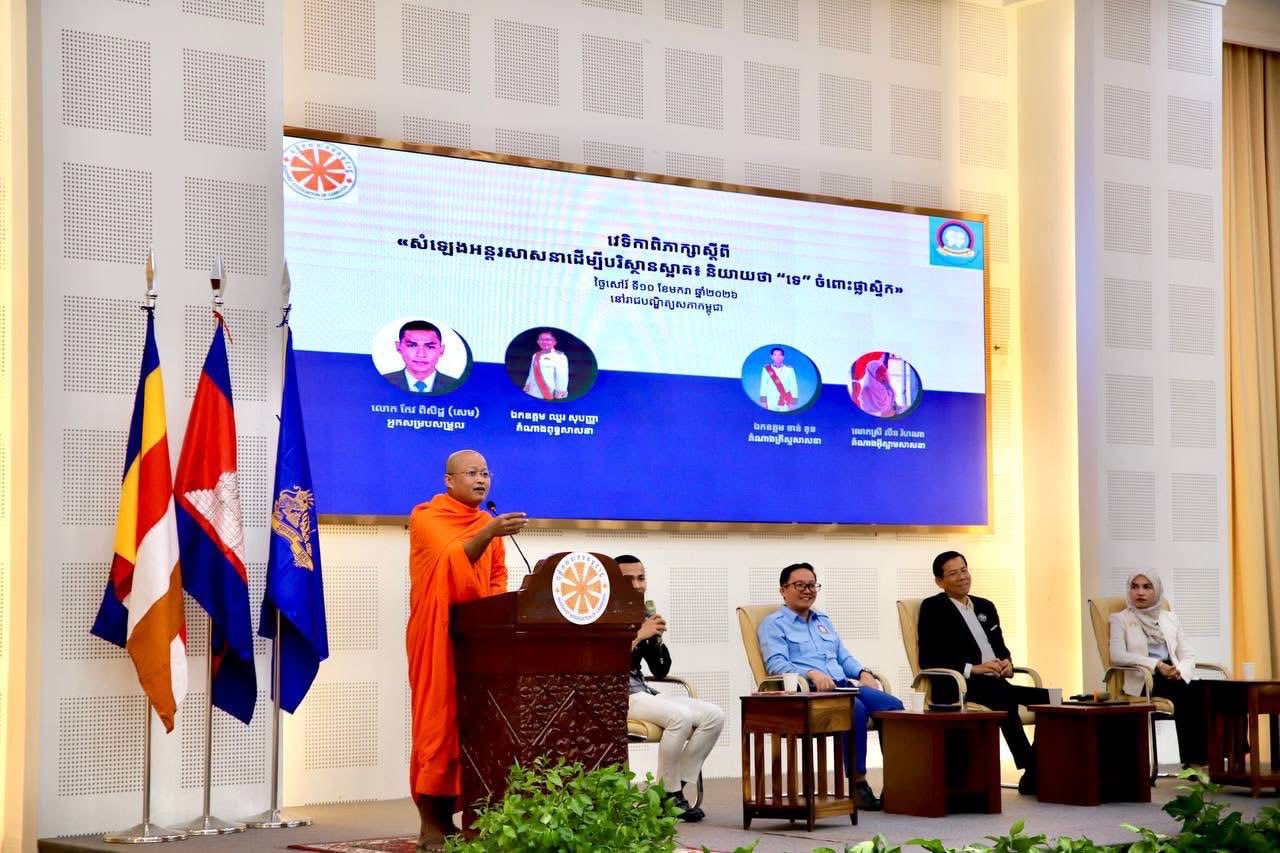
(Phnom Penh): Representatives of three religious groups in Cambodia, Buddhism, Christianity, and Islam, called on the public to reduce plastic use during a forum attended by more than 200 participants.
During the forum, religious representatives shared their ideas, perspectives, and experiences on how religious teachings can be practiced to encourage environmental protection. They urged the public to take practical action, starting with small steps such as reducing the use of single-use plastics.
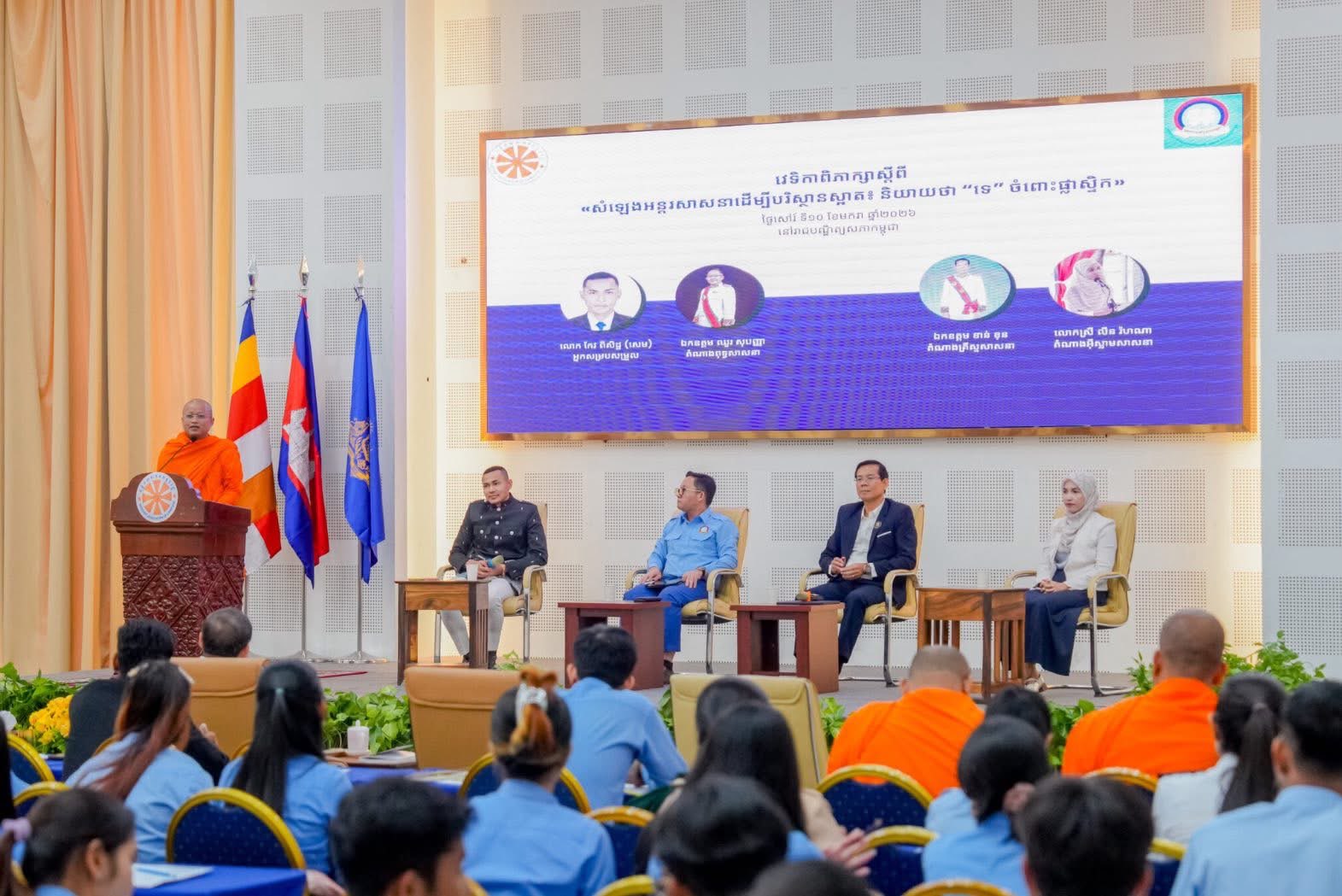
The message was delivered at a discussion forum titled “Interfaith Voices for a Clean Environment: Say ‘No’ to Plastic,” organized by the Youth Committee of the Cambodian Buddhist Association, in collaboration with the Department of Promoting Cultural, Religious, and Historical Movements of the Union of Cambodian Youth Federations. The event was held on Saturday morning, 10 January 2026, at the Royal Academy of Cambodia and was live-streamed on social media.
The forum aimed to raise awareness of environmental issues, particularly plastic waste, which is seriously affecting nature, human health, and animal life. The interfaith theme highlighted that all religions share a common responsibility to protect the environment, which is regarded as the shared heritage of humanity.
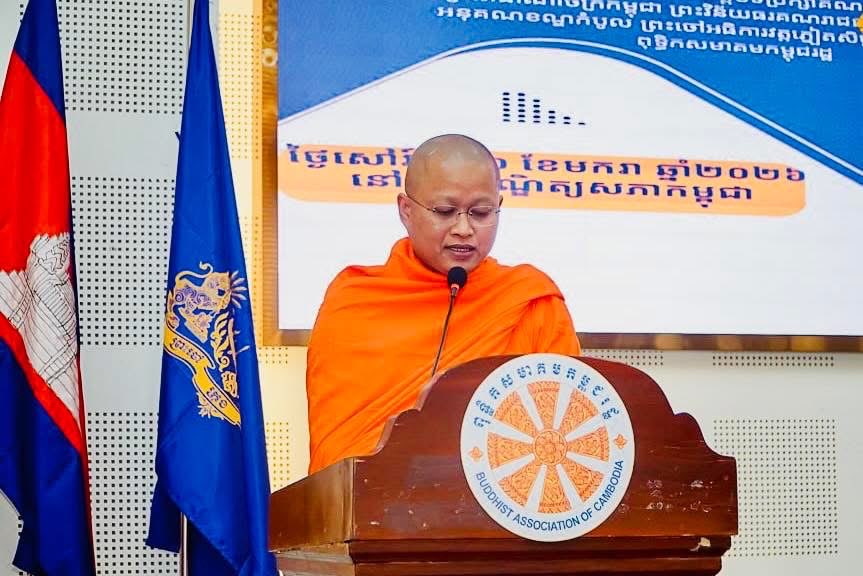
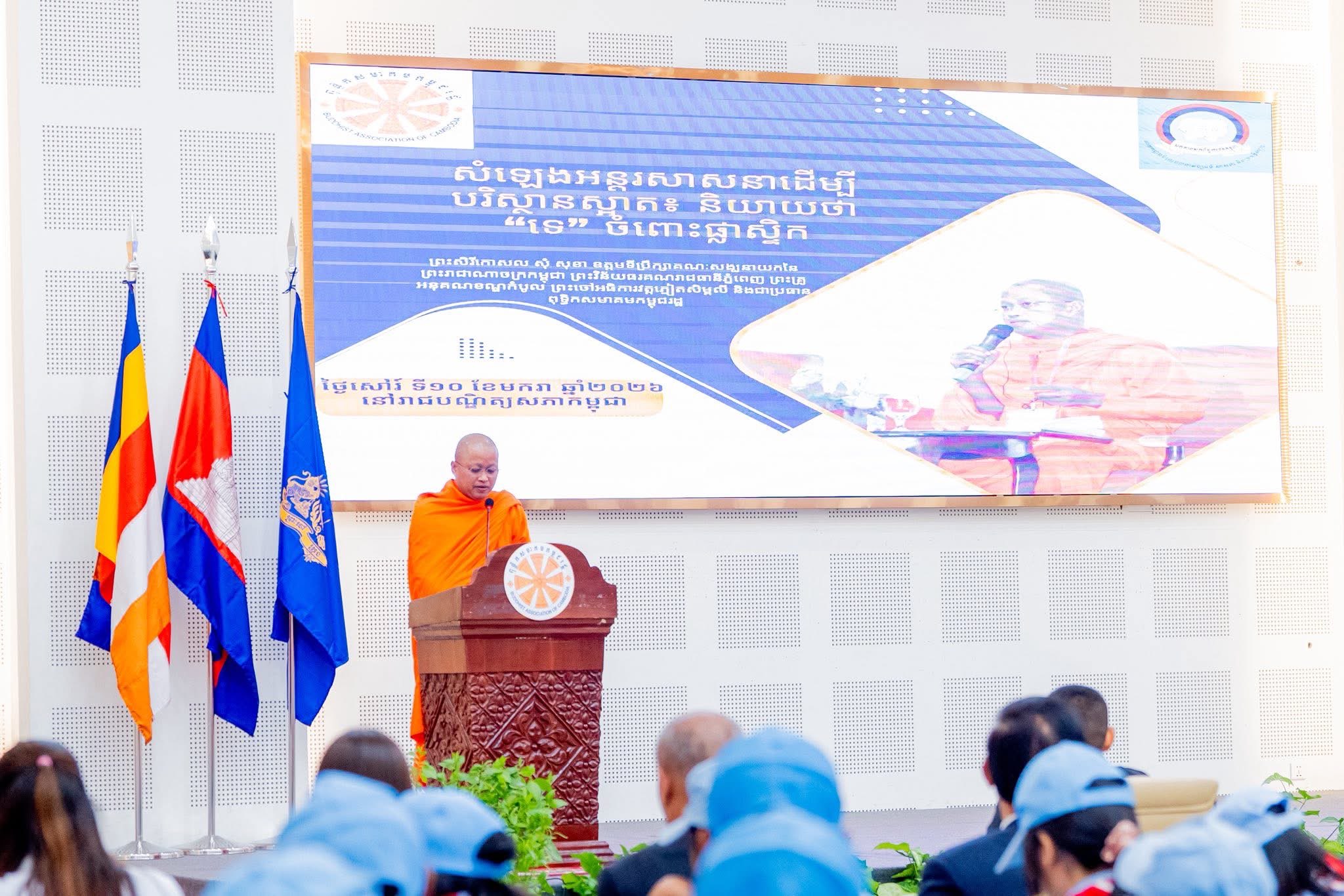
On the occasion, Venerable Preah Seri Kousol Som Sokha, President of the Cambodian Buddhist Association, delivered a sermon emphasizing that environmental protection is an essential part of Dharma practice from the Buddhist perspective.
He explained that polluting nature causes suffering to both animals and humans, and that all religions, Buddhism, Christianity, and Islam, share common values such as morality, responsibility, and sustainable living.
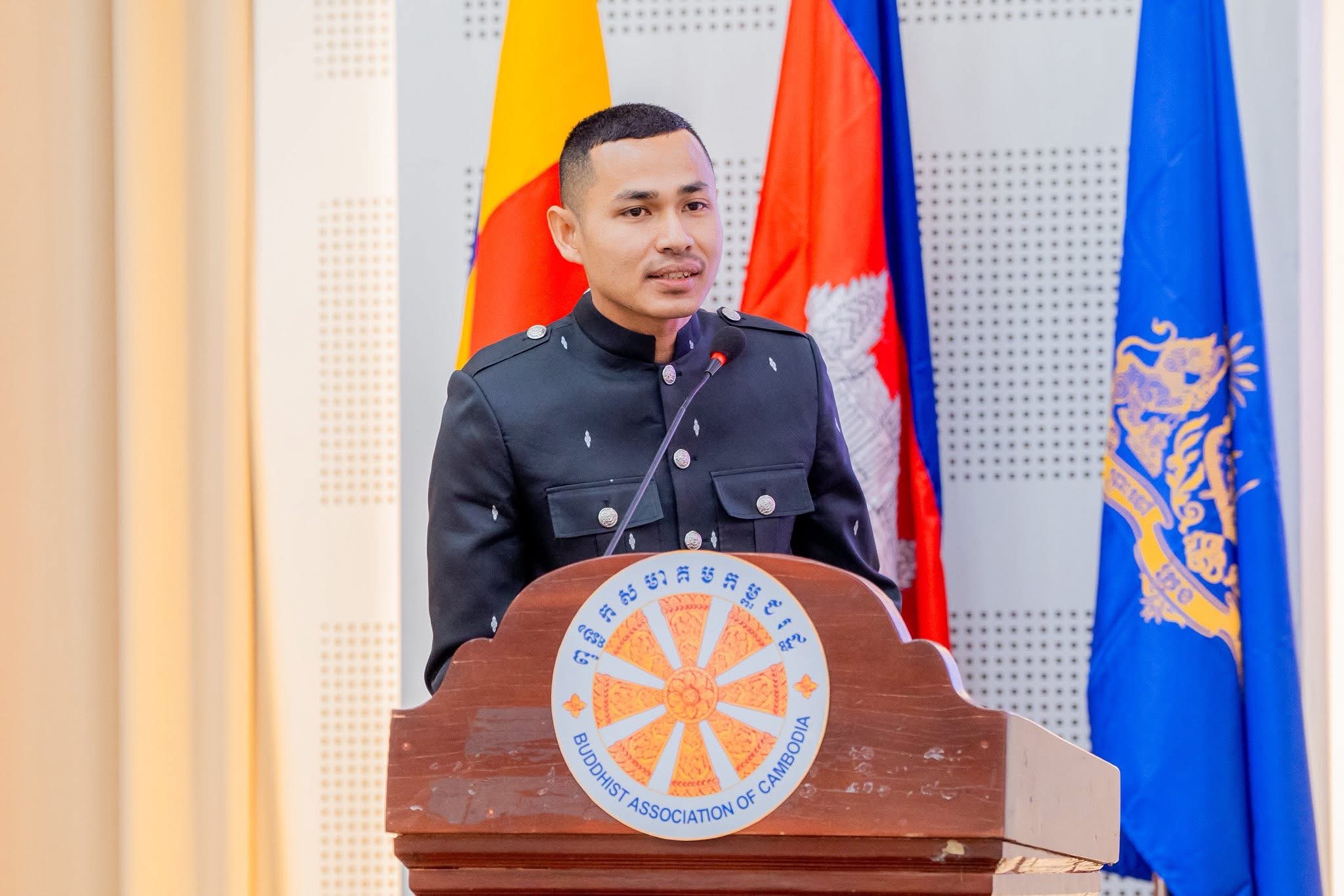
Meanwhile, Keo Piseth (Sam), a member of the Youth Committee of the Cambodian Buddhist Association, cited research showing that the world’s top contributors to ocean plastic pollution include:
1. Philippines – 356,371 metric tons
2. India – 126,513 metric tons
3. Malaysia – 73,098 metric tons
4. China – 70,707 metric tons
5. Indonesia – 56,333 metric tons
6. Myanmar – 40,000 metric tons
7. Brazil – 37,799 metric tons
8. Vietnam – 28,221 metric tons
9. Bangladesh – 24,640 metric tons
10. Thailand – 22,806 metric tons
“Every day, we produce a large amount of plastic. The United Nations has warned that plastic waste is becoming a serious global concern,” he said. “Each year, the world produces around 430 million tons of plastic. In Phnom Penh alone, about 10 million plastic bags are used every day, according to the Ministry of Environment. These figures show that if we do not change our behaviour now, the problem will only worsen.”
Forecasts also indicate that without effective prevention measures, the amount of plastic waste in the oceans could triple in the coming years, posing a serious threat to humanity and animal life.
For Cambodia, the issue is already evident. The Ministry of Environment reports that Phnom Penh alone uses approximately 10 million plastic bags per day, underscoring the urgency of immediate action.
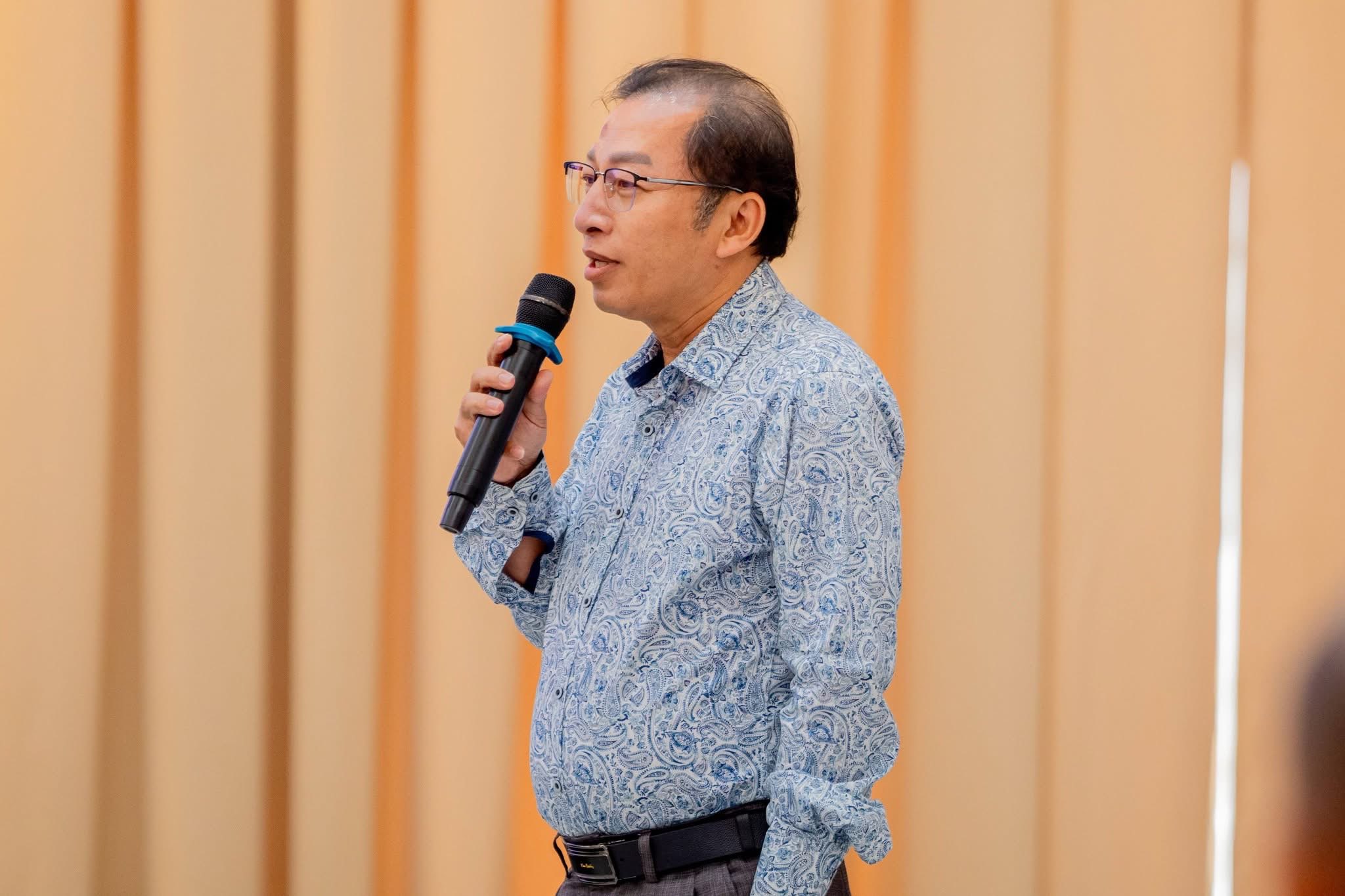
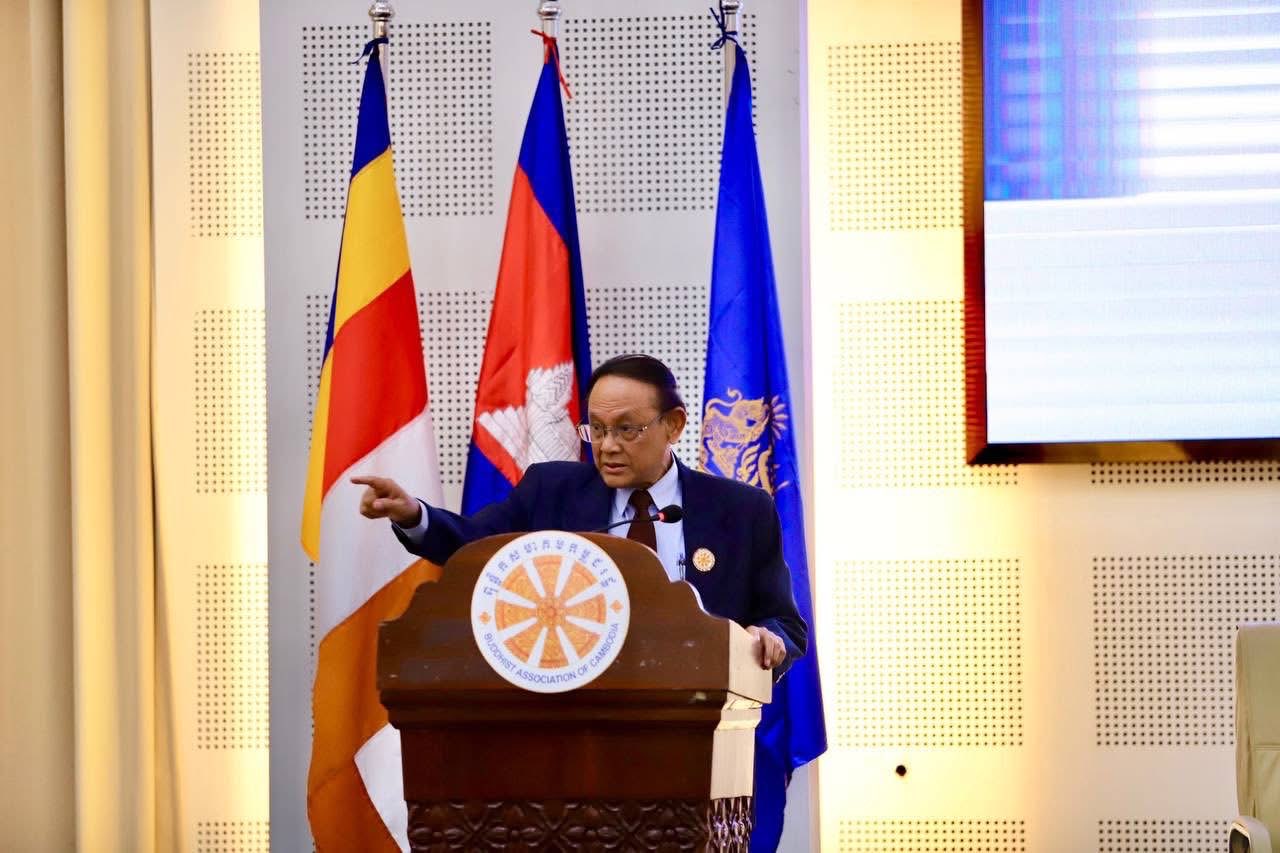
Additionally, Ith Praang, Secretary of State for Mines and Energy, Vice President, and Secretary-General of the Cambodian Buddhist Association, stated that environmental issues, especially plastic waste, are not merely technical challenges, but also moral, cultural, and collective responsibilities.
“All religions teach people to care for nature, to use resources wisely, and to consider the consequences for others and future generations,” he said.
He expressed hope that the messages raised at the forum would extend beyond the event hall and continue to spread through monasteries, communities, schools, religious institutions, and youth networks across the country, encouraging practical behavioural changes such as reducing daily plastic use, choosing environmentally friendly alternatives, and actively participating in environmental conservation.
Ith Praang also encouraged monks, youth, and the public to set positive examples by integrating religious teachings with daily life, making environmental protection part of Cambodia’s living culture.
=FRESH NEWS