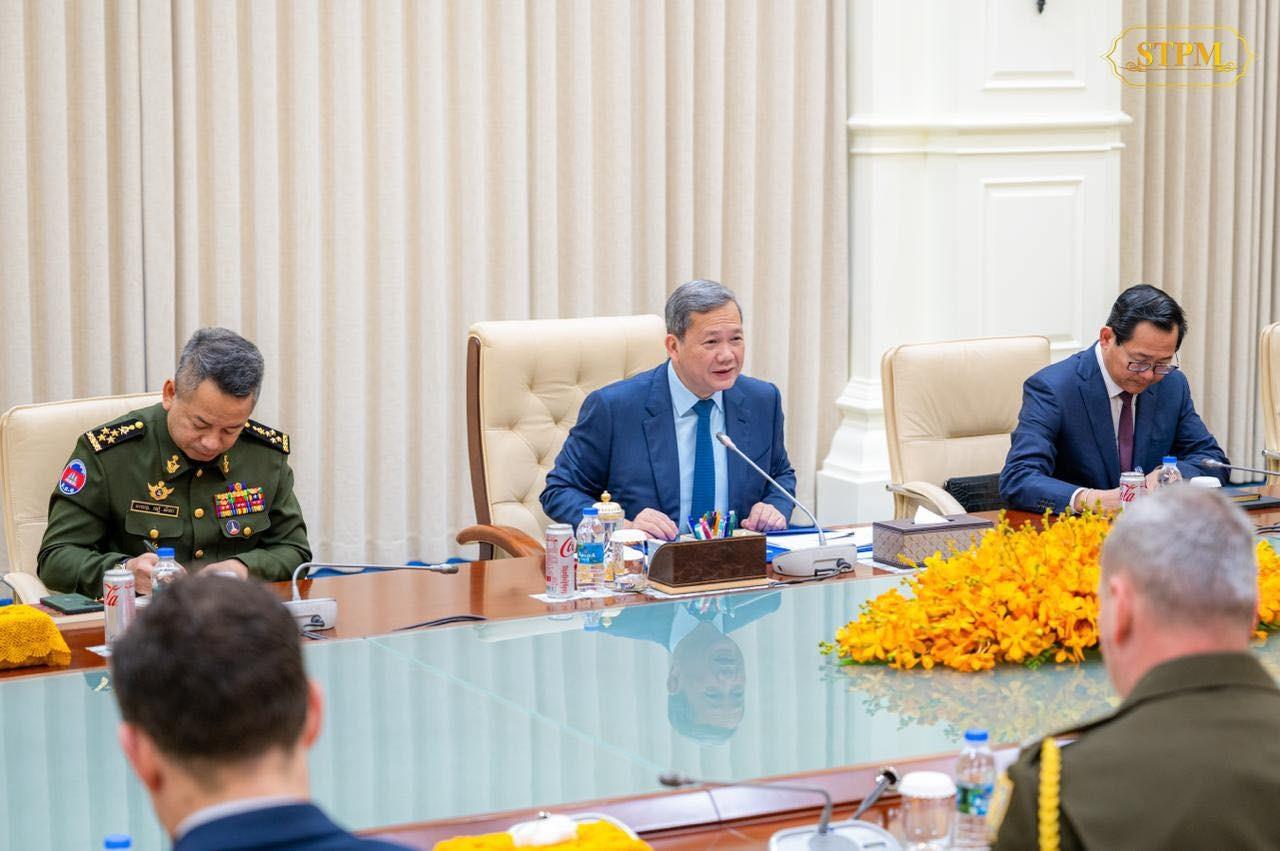
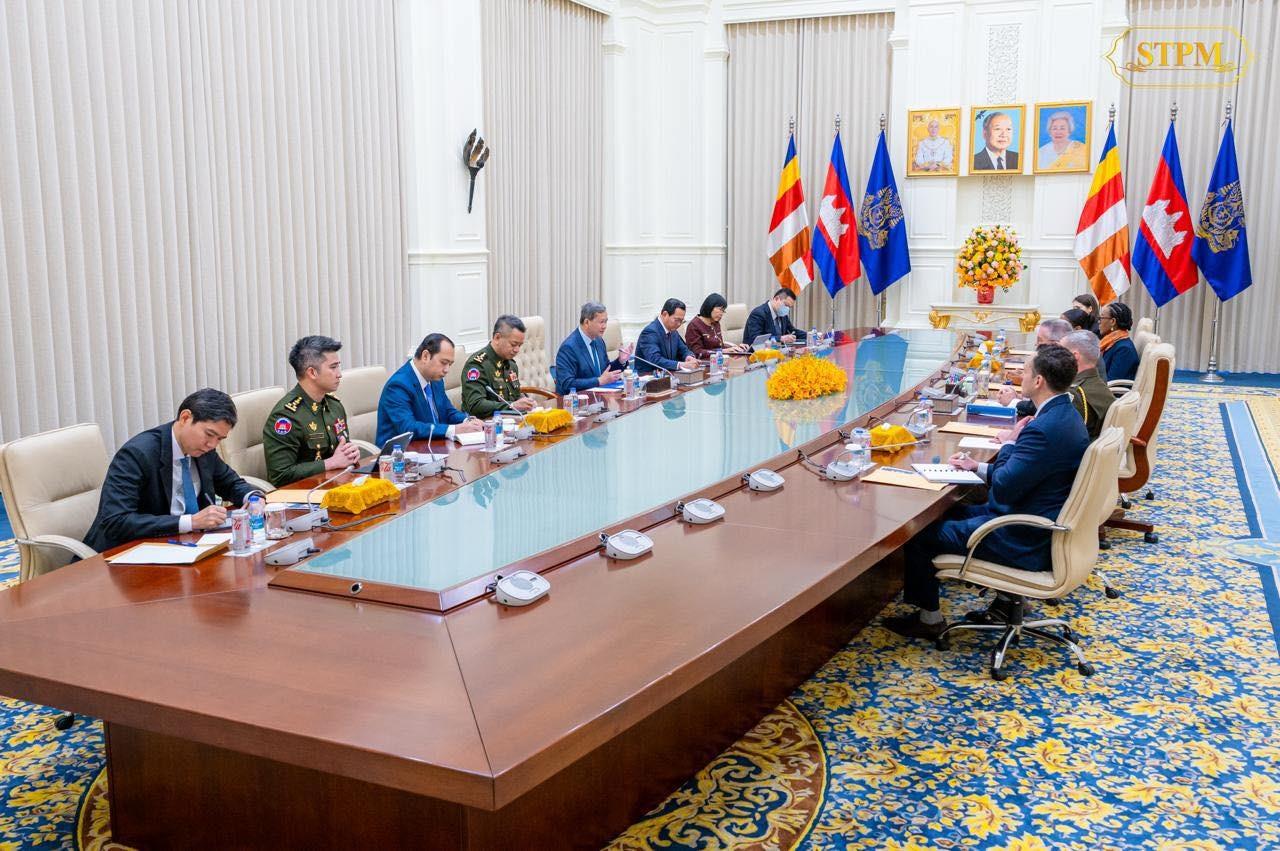
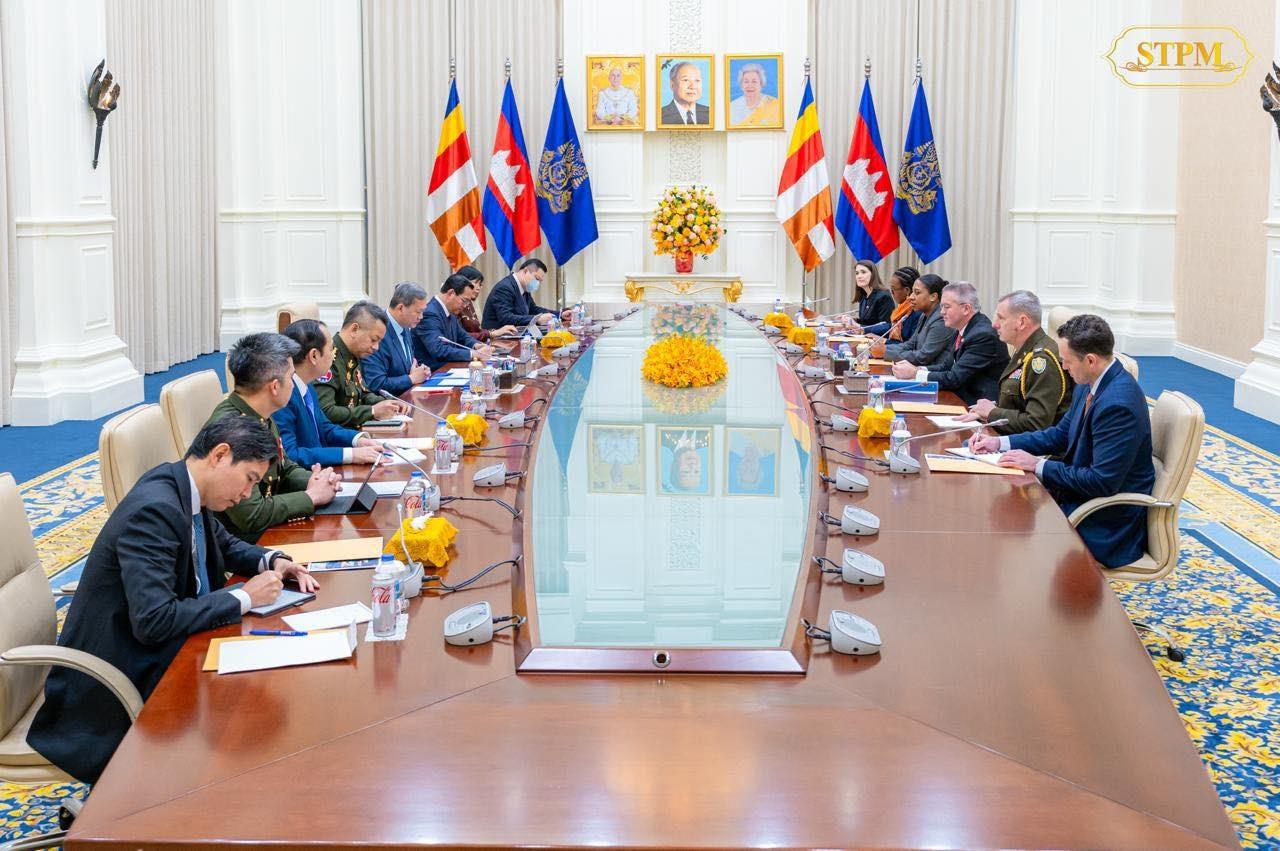
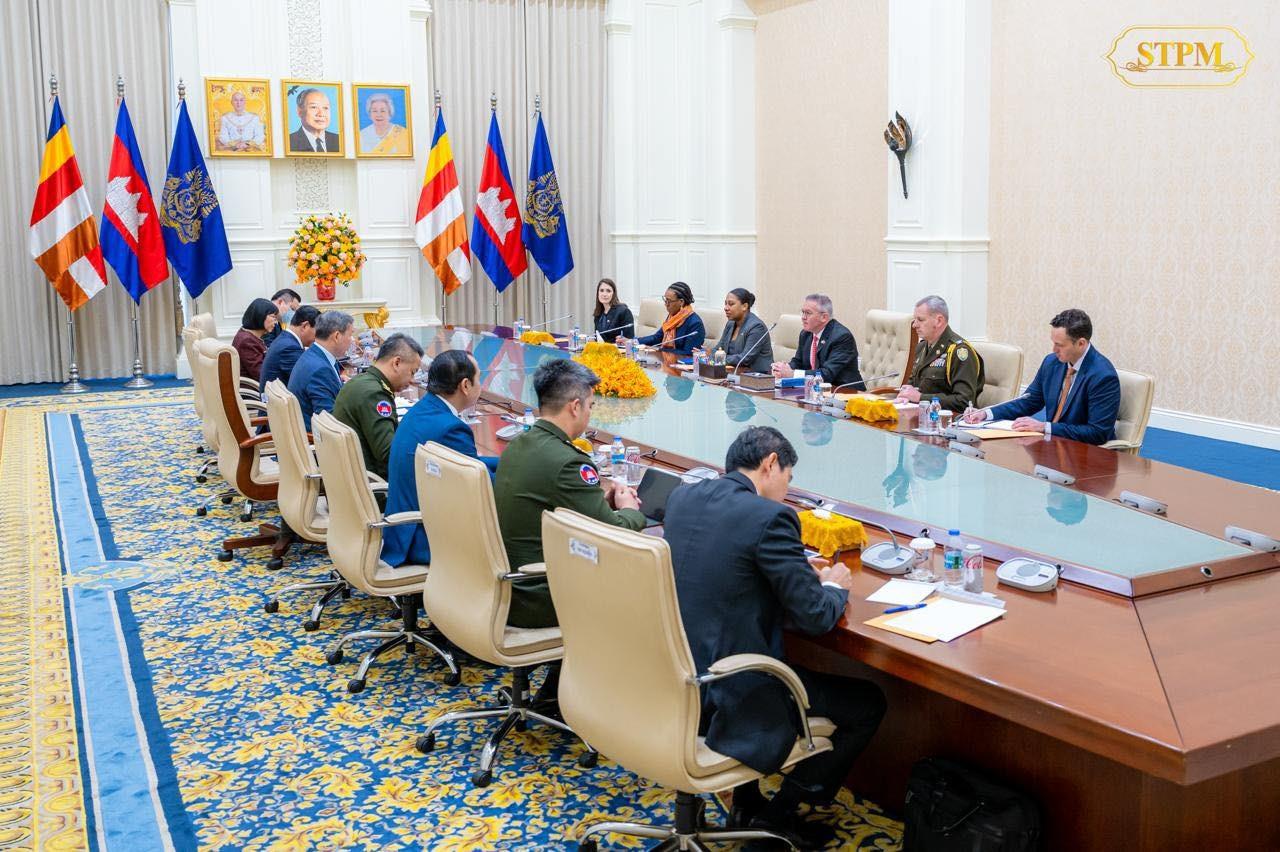
(Phnom Penh): As the sound of gunfire along the Cambodia–Thailand border faded following China’s crucial diplomatic mediation, a quiet but consequential question emerged within international policy circles: Would the United States remain distant from Southeast Asia’s peace process, or would it return in a new and strategic form?
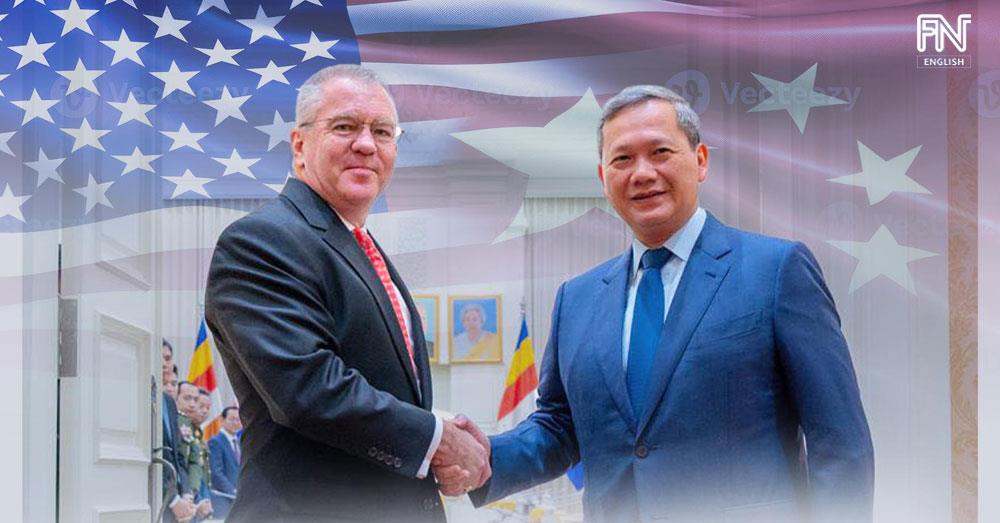
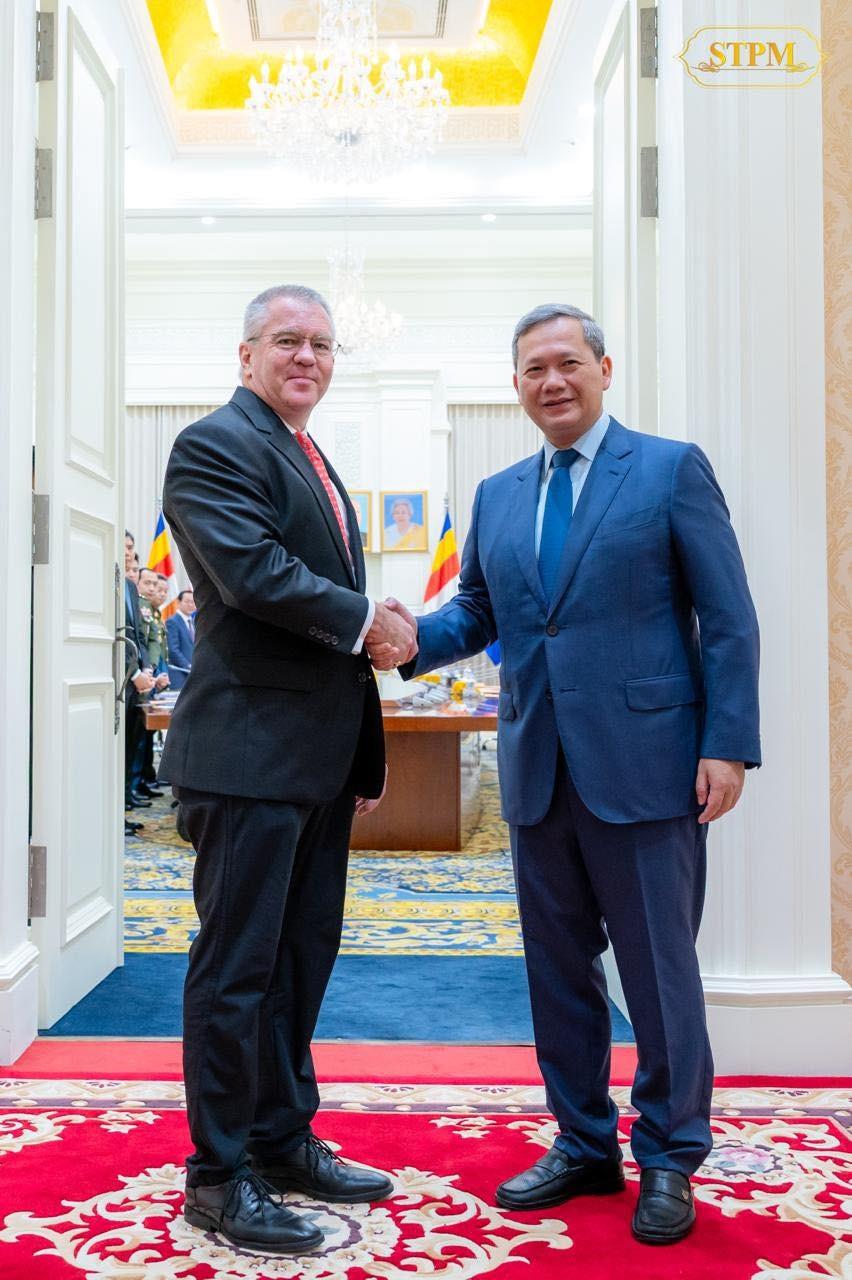
The visit this week by Michael DeSombre, U.S. Deputy Assistant Secretary of State for East Asia and the Pacific, to Cambodia and Thailand has provided a clear answer.
Although the ceasefire between Cambodia and Thailand came about after China’s intervention, Washington’s engagement underscores a broader reality of international politics: wars may be halted by a single power, but durable peace is usually managed and sustained through multilateral strategy. DeSombre’s visit is therefore not a contest with China, but a deliberate U.S. entry into the critical post-conflict phase, where peace either takes root—or unravels.
China Stops the Fighting, the United States Manages the Peace
In international geopolitics, there is a fundamental distinction between a “war stopper” and a “peace manager.”
China has played—and continues to play—a central role as a mediator in achieving the ceasefire, focusing on preventing escalation and further destruction.
The United States, by contrast, is now stepping into the next phase: ensuring that the ceasefire is implemented, stabilized, and transformed into lasting peace. This task, by its nature, cannot exclude Washington. This is not competition with Beijing, but rather the fulfillment of different roles within the same peace equation.
For this reason, even though the United States did not directly broker the ceasefire, it cannot afford to be absent from the decisive post-ceasefire stage—where the future of peace is ultimately determined.
Washington’s Strategic Concern: Preventing a Single-Power Peace Narrative
Local analysts note that had Washington remained silent after China’s diplomatic success, it would have reinforced perceptions of declining U.S. influence in Southeast Asia. DeSombre’s visit therefore sends a clear message: regional peace is not the exclusive domain of any single major power.
The United States is seeking to reframe the narrative—from a “China-led peace” to a peace supported by the international community and ASEAN, consistent with a broader, rules-based regional order.
Cambodia and Thailand Between Major Powers
For Thailand—a long-standing U.S. military ally that has increasingly gravitated toward China in recent years—De Sombre’s arrival is far from routine diplomacy. It is a quiet but firm signal that Washington intends to remain engaged and does not wish to see Southeast Asian geopolitics shaped by a single dominant power.
For Cambodia, however, the message is markedly different and more consequential. Being treated as a central interlocutor in this diplomatic engagement demonstrates that Cambodia is not a battleground of great-power rivalry, but rather a respected peace partner and strategic balancer—one that both China and the United States must acknowledge and engage with seriously.
This evolution reflects Cambodia’s growing diplomatic maturity: the ability to operate between major powers without being forced into alignment, while preserving sovereignty and advancing national interests.
The $45 Million Assistance Package: A Peace Instrument, Not a Political Reward
According to Reuters, the United States will provide $45 million in assistance to Cambodia and Thailand in conjunction with this diplomatic mission, supporting President Donald Trump’s efforts to help both countries consolidate peace following the ceasefire.
This assistance should not be interpreted as a political reward or endorsement of any one party. Rather, it is a peace-management instrument—designed to ensure that both sides possess the necessary resources and conditions to implement the ceasefire effectively and prevent a relapse into armed conflict.
In international diplomacy, funding typically follows peace; it rarely creates it. Seen in this light, the assistance aims to reduce the risk of renewed violence, strengthen confidence between the parties, and replace military pressure with cooperative mechanisms.
Conclusion
Michael DeSombre’s visit to Cambodia highlights a central truth of modern geopolitics: while a war may be stopped through decisive mediation by a single power, sustainable peace requires coordination, guarantees, and multilateral engagement.
For Cambodia, this moment represents a clear diplomatic achievement. The country has successfully benefited from China’s mediation while also securing post-conflict engagement and support from the United States—without being drawn into great-power rivalry or forced to choose sides.
In today’s evolving geopolitical landscape, Cambodia is no longer merely a venue for competition. It is increasingly emerging as a balanced actor—one whose peace, sovereignty, and stability command international respect.