(Phnom Penh): Cambodian Prime Minister Hun Manet outlined three essential measures implemented by the Royal Government of Cambodia to address the severe humanitarian and infrastructure impact of the border conflict between Cambodia and Thailand.
In a special address delivered on the night of January 10, 2026, Samdech Thipadei outlined a recovery plan centered on facilitating the return of displaced residents, supporting those unable to return, and restoring damaged public infrastructure.
The three measures are detailed as follows:
1. Support for Residents Able to Return Home
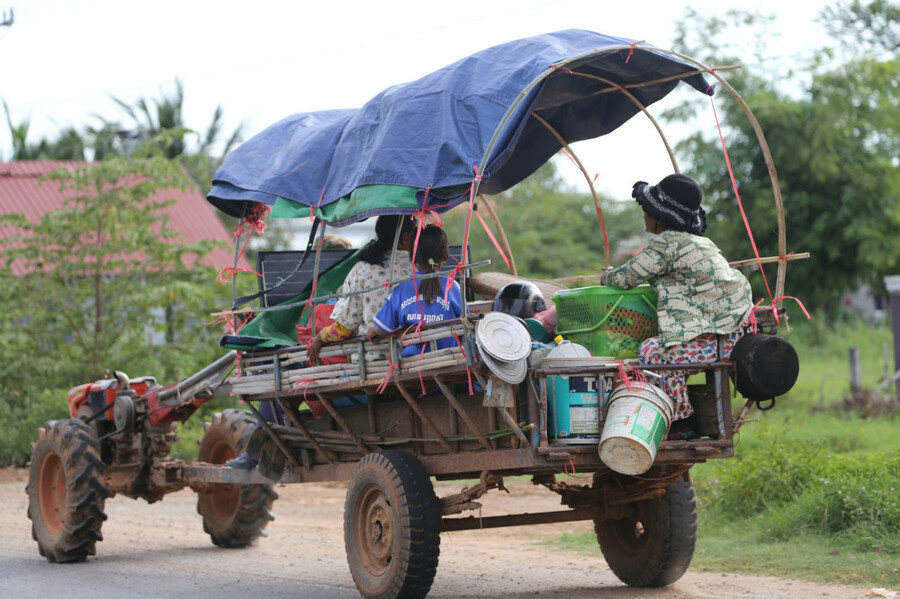
Relevant ministries, including the Ministry of National Defence, the Ministry of Interior, and local authorities, are coordinating efforts to enable displaced residents to return home as soon as conditions allow.
Under the coordination of the Cambodian Mine Action Authority and relevant institutions, mine clearance operators, particularly the Cambodian Mine Action Centre, are actively clearing unexploded ordnance to ensure safety before civilians return.
The prime minister urged displaced citizens to continue cooperating with authorities and to remain patient while clearance operations are underway, emphasizing that safety remains the top priority.
To facilitate the returning process, the government has established a special task committee to oversee the restoration of livelihoods and damaged infrastructure. Working groups are currently deployed across affected provinces to assess damage, identify urgent needs, and support the rapid resumption of daily life.
The Royal Government is also assessing three key livelihood-related areas: the impact on agricultural production, household debt conditions, and the urgent restoration of essential public services, particularly clean water, electricity, and telecommunications, including privately operated networks.
Prime Minister Hun Manet further announced that the National Bank of Cambodia, in cooperation with the Association of Banks in Cambodia and the Cambodia Microfinance Association, has introduced relief measures for frontline soldiers and affected civilians. These include fee and penalty exemptions, suspension of principal and interest payments, and loan restructuring.
Additionally, debts of up to USD 2,500 will be cancelled for soldiers disabled in combat, while debts of up to USD 200,000 will be cancelled for soldiers who lost their lives in the conflict. The Prime Minister also called on financial institutions to consider further relief for affected civilians where possible.
2. Assistance for Displaced Residents Unable to Return
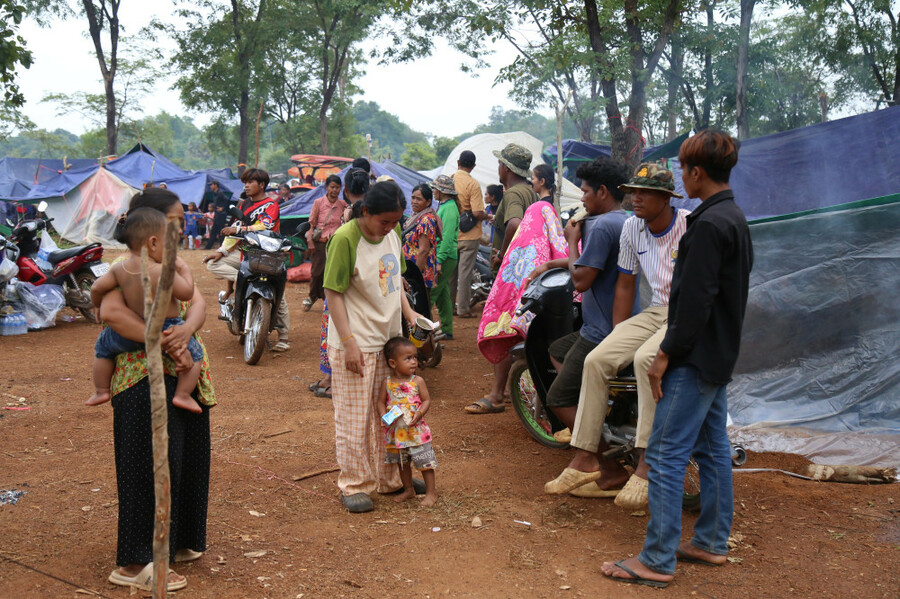
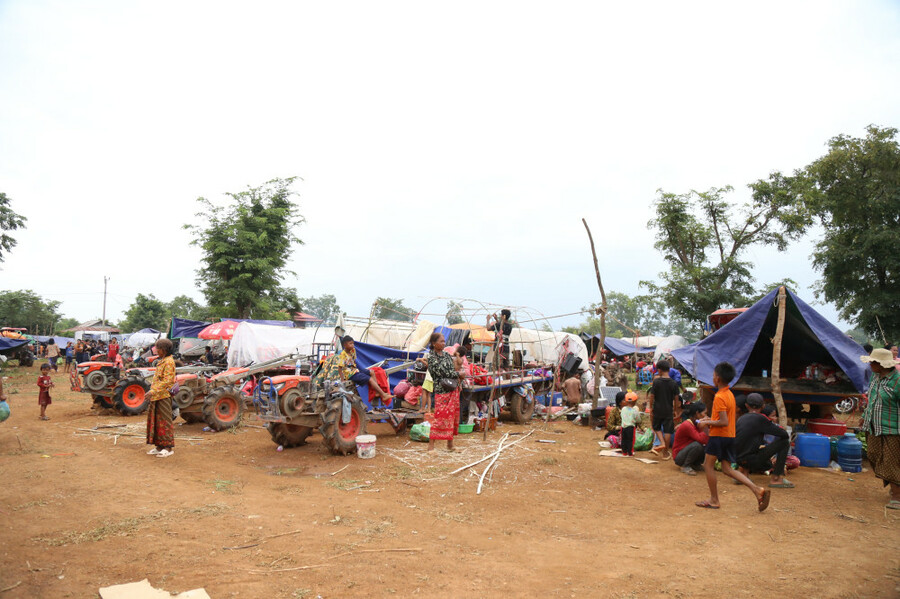
For residents unable to return home due to ongoing safety concerns, the Royal Government, through the Ministry of Economy and Finance, the Ministry of Land Management, Urban Planning and Construction, provincial administrations, and the National Committee for Disaster Management, is upgrading temporary shelters or relocating families to safer sites with improved living conditions.
The government reaffirmed its commitment to ensuring displaced families can maintain their livelihoods during this transitional period until safe return becomes possible.
Meanwhile, the Ministry of Interior is leading the collection of comprehensive data on displaced populations. Once finalized, an inter-ministerial committee led by the Ministry of Economy and Finance will review the data and roll out targeted assistance measures in line with existing procedures and practical needs.
Even before data collection is complete, the government has begun consultations to identify fast, practical, and effective solutions for affected families.
3. Restoration of Public Infrastructure
Samdech Thipadei Hun Manet stressed the urgent restoration of essential public infrastructure damaged by the conflict, including schools, health centres, referral hospitals, markets, roads, bridges, clean water systems, electricity, and telecommunications networks. Assessment teams are currently evaluating the extent of damage on the ground.
The Royal Government has committed to mobilizing both national budget resources and support from development partners to restore critical infrastructure as rapidly as possible, based on real-time conditions.
=FRESH NEWS