(Phnom Penh): As the sound of weapons once again echoes along the Cambodia–Thailand border, the Cambodian nation is reminded of a fundamental truth: peace is never a gift bestowed by chance. In this context, a message from the past was powerfully revisited on January 7, the Victory Day that changed Cambodia’s destiny. This message was not a mere emotional recollection of history; it posed a clear and sober strategic question for the present: How can Cambodia preserve peace without compromising its sovereignty and territorial integrity?
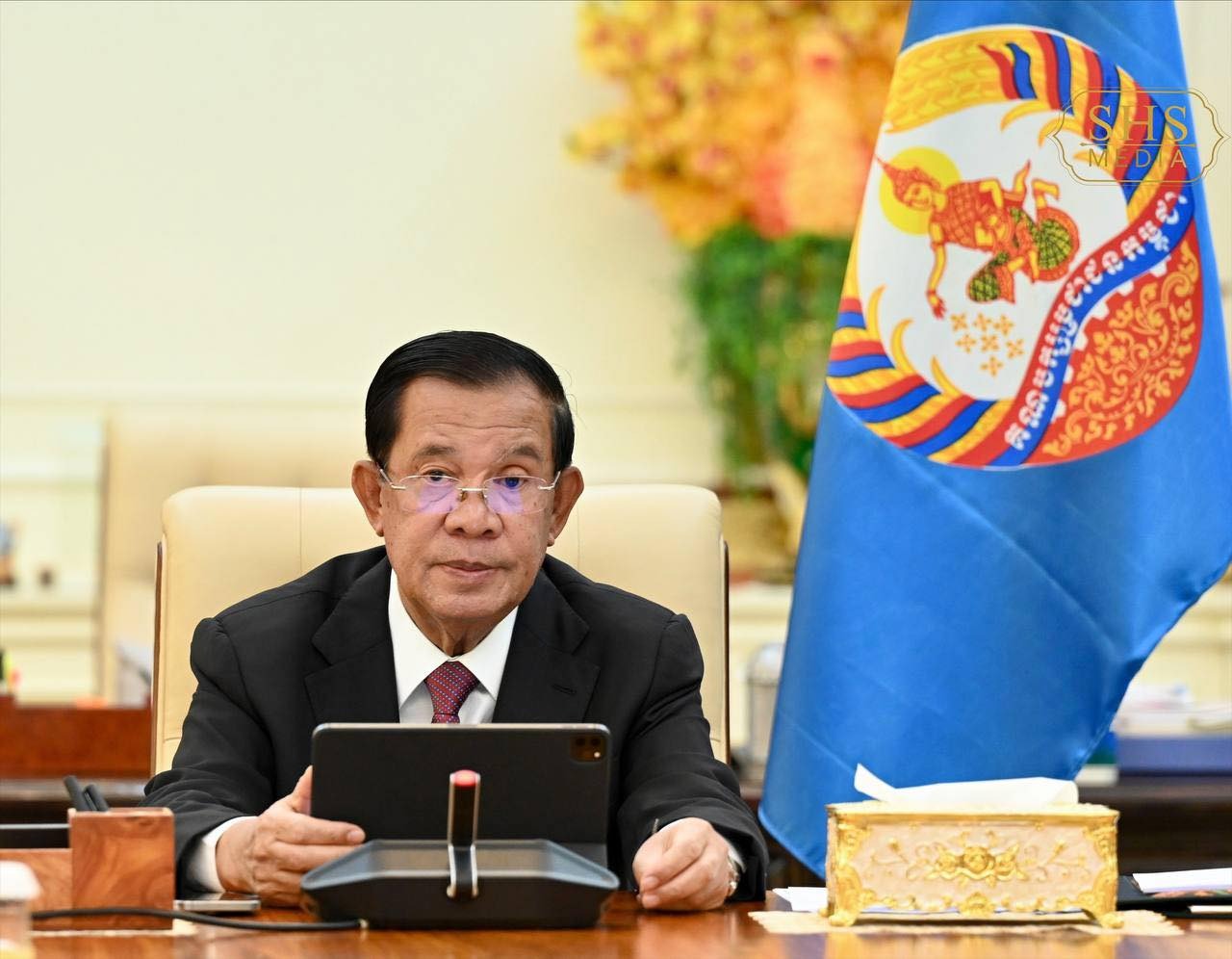
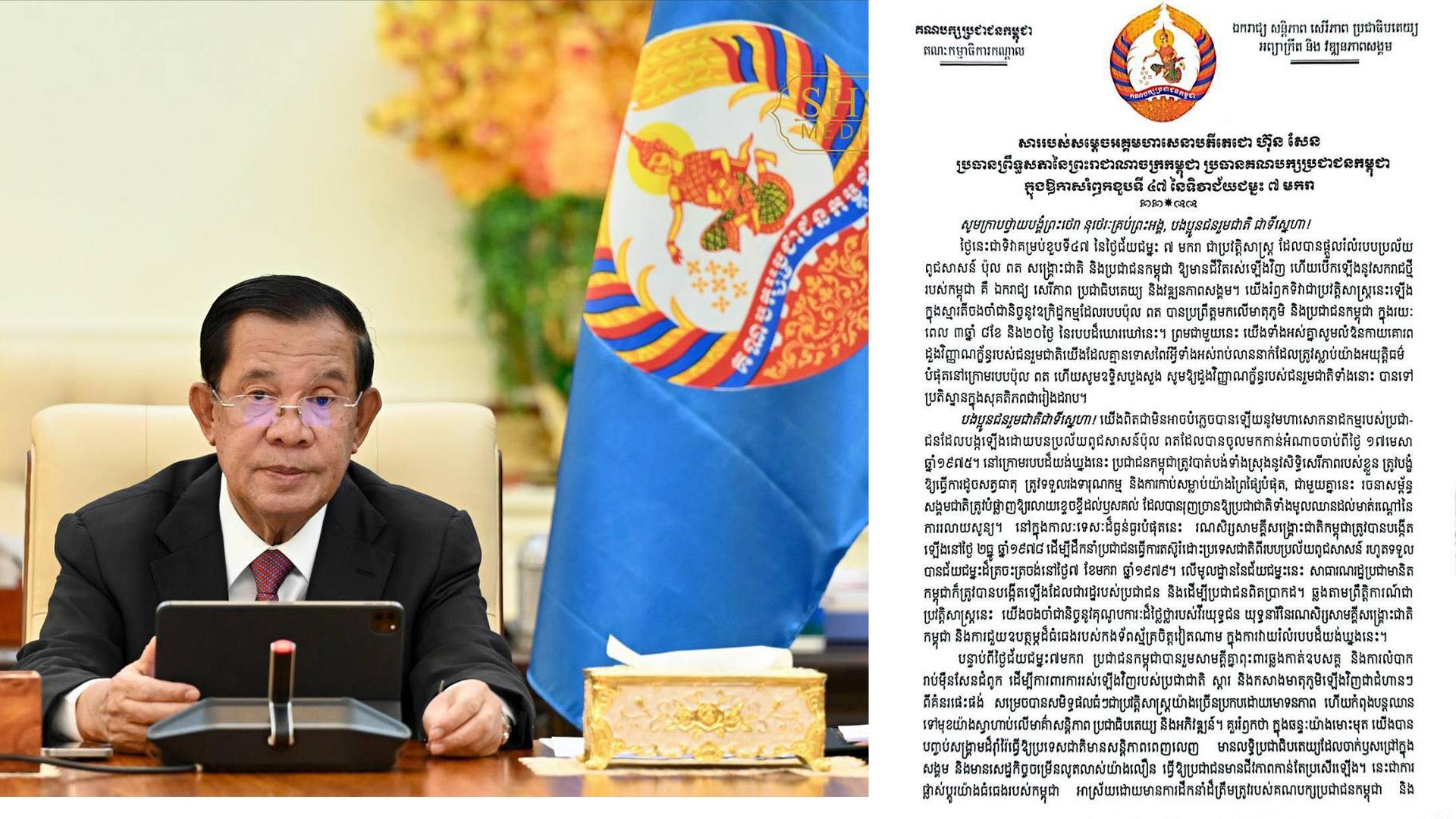
That question was answered unequivocally in the message delivered by Samdech Techo Hun Sen, President of the Senate, on the occasion of the January 7 Victory Day in 2026.
January 7: A Living Lesson for National Defense
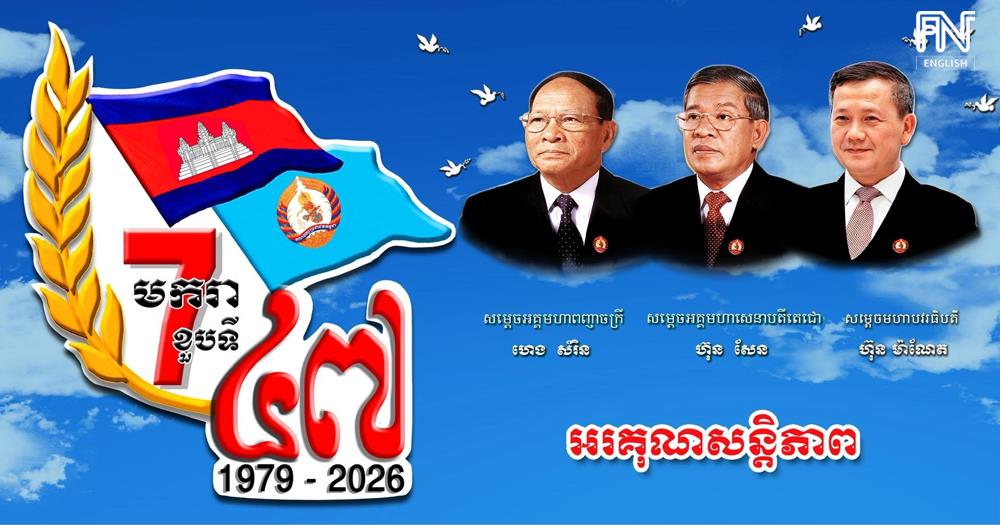
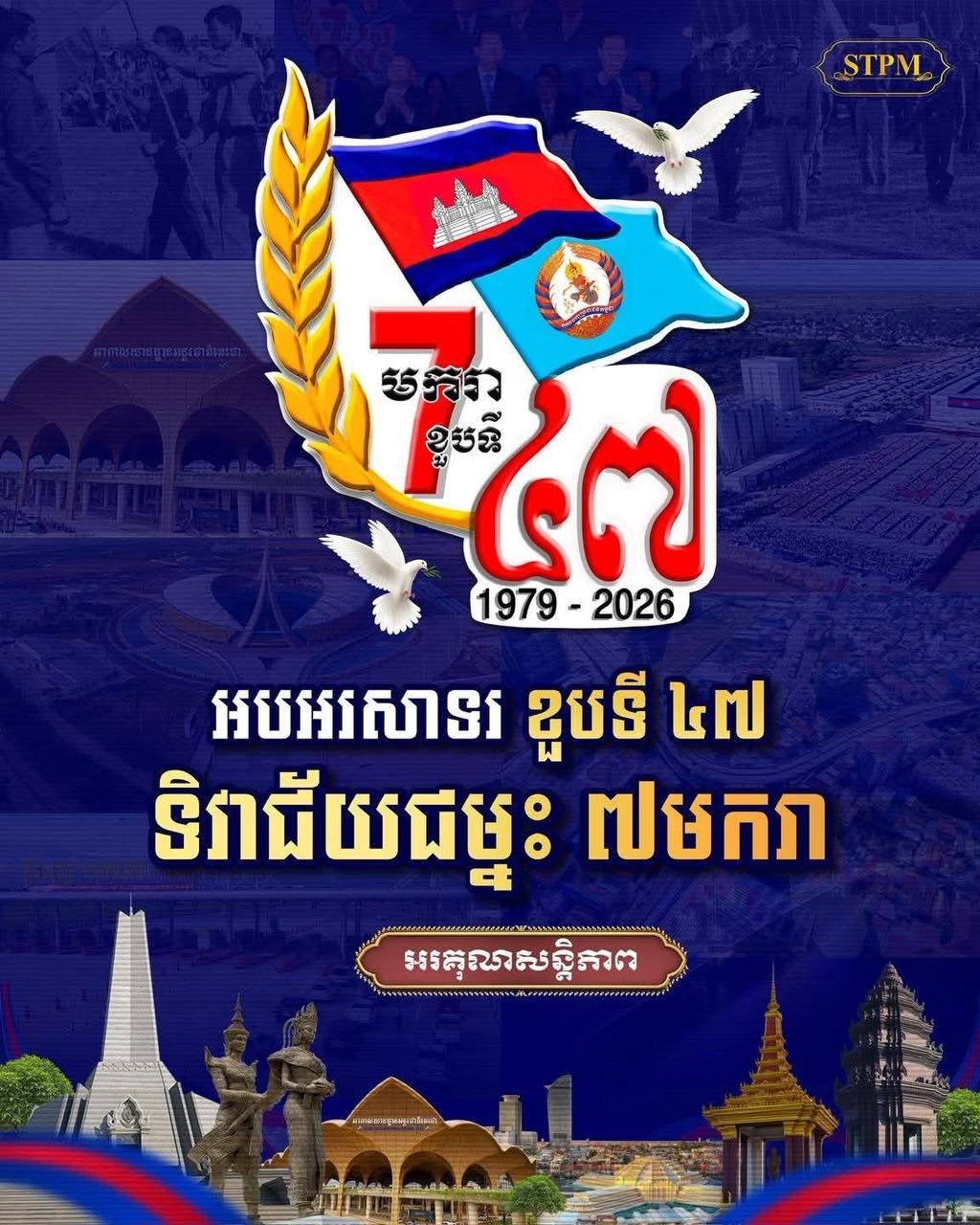
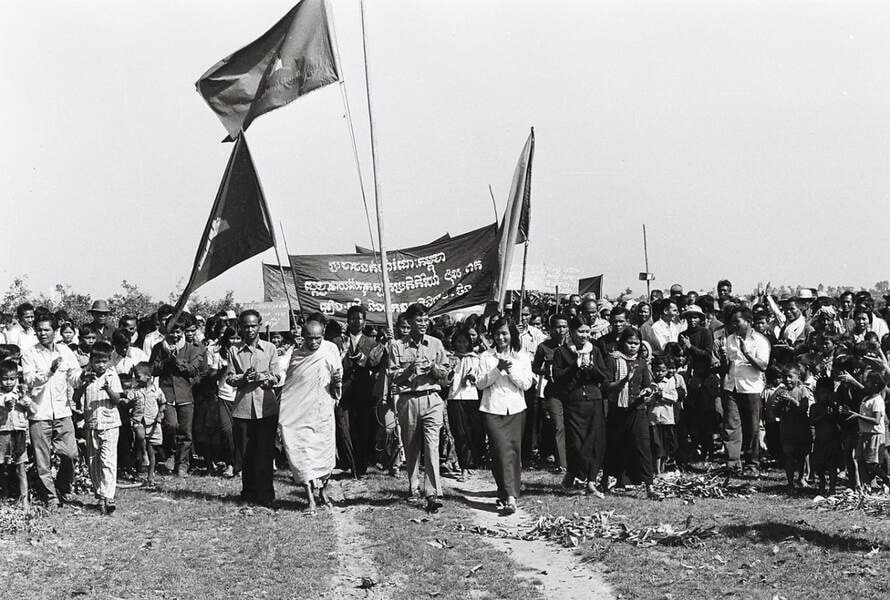
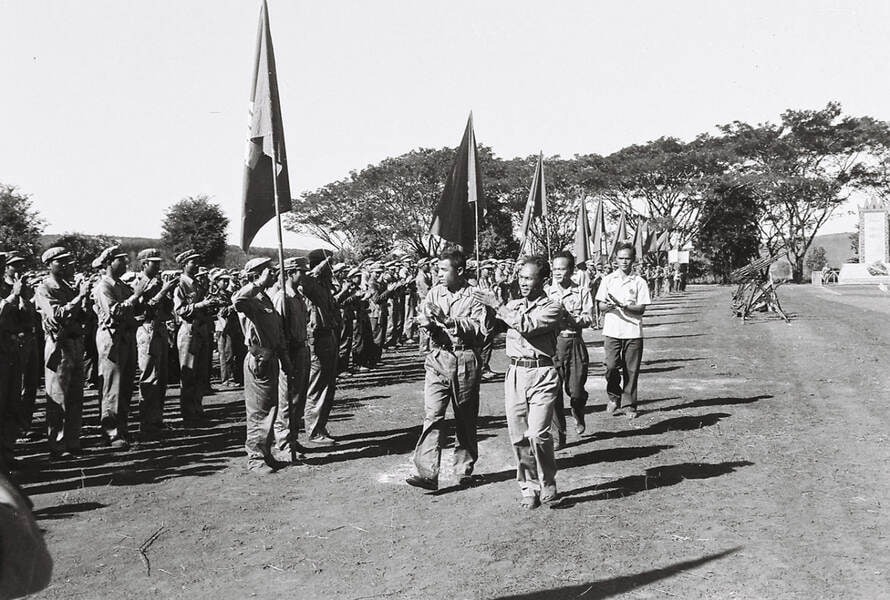
For Cambodia, January 7 is not simply a day to look backward at history; it is a foundation for national decision-making in every era. The victory of January 7, 1979 rescued the nation from the genocidal Khmer Rouge regime, which had driven Cambodia to the brink of national annihilation.
In his deeply meaningful message, Samdech Techo recalled that January 7, forty-seven years ago, was the day that “rescued the Cambodian nation and its people, gave them life again, and opened a new era.” This remembrance goes beyond honoring the millions of innocent victims. It serves as a stark reminder that forgetting the past is equivalent to reopening the door to future dangers. For Cambodia, historical amnesia carries a real and existential cost.
National Unity and Sovereignty: A Red Line That Cannot Be Crossed
Samdech Techo made it clear that Cambodia’s survival has never been the result of concessions, but the result of national unity and unwavering struggle to defend sovereignty. This spirit is no longer only a historical lesson; it has become a guiding principle for the present, as Cambodia faces border violations and military actions by Thailand.
In this context, he pointedly stated that attacks on Cambodian territory and civilian targets constitute “the most serious violations of Cambodia’s sovereignty and territorial integrity, breaches of the UN Charter, violations of the ASEAN Charter, and a blatant disregard for the spirit of the ASEAN Community.” At the same time, such actions represent “grave violations of international humanitarian law and international obligations to protect civilians, national cultural property, and world heritage.” These are acts that Cambodia cannot and will not accept.
On this moral and historical foundation, Samdech Techo emphasized:
“We remember this history. We remember the crimes that destroyed cultural heritage—the soul of our nation. We remember the humiliation and contempt inflicted by those who violated our nation, our homeland, and our people.”
This message is not intended to rekindle hatred. Rather, it defines Cambodia’s red line: national unity and sovereignty are the very foundations of the country’s survival, and they are not subject to compromise.
Peace Through Law, Not Peace Through Coercion
Despite military pressure, Cambodia has consistently chosen the path of peace—not out of weakness, but out of a clear understanding of the true cost of war and the value of peace. Samdech Techo reaffirmed that the Royal Government of Cambodia has maintained restraint, goodwill, and sincerity in resolving disputes through peaceful means and in accordance with international law.
The implementation of ceasefire agreements and joint statements agreed upon by both sides, he stressed, are not empty promises but concrete proof that Cambodia genuinely values peace and respects the international rule of law.
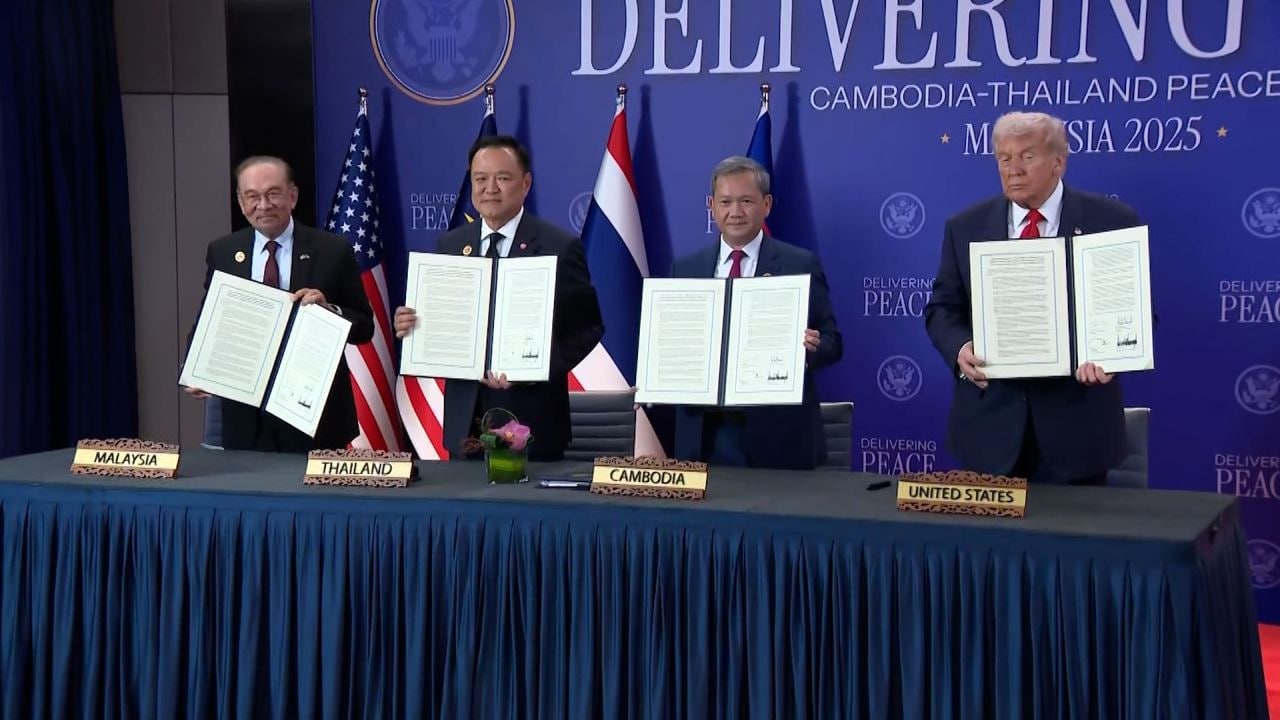
He further underlined that the international community—committed to peace, humanitarian principles, the rule of law, and shared prosperity—has actively encouraged peaceful solutions and border delimitation through lawful and diplomatic means, in line with the UN Charter, the ASEAN Charter, the Treaty of Amity and Cooperation in Southeast Asia, and existing bilateral agreements between Cambodia and Thailand, including the Kuala Lumpur Joint Statement.
Following patient negotiations conducted in a spirit of mutual respect, Cambodia and Thailand agreed to an immediate ceasefire, effective from 12:00 p.m. on December 27, 2025. This agreement, reached during the third special meeting of the General Border Committee (GBC), reaffirmed both sides’ commitment to returning to dialogue through existing bilateral mechanisms, halting all forms of hostility, and building a peace that is genuine and sustainable.
However, Samdech Techo was equally clear that peace achieved through coercion or through concessions on sovereignty is not true peace. Genuine peace must be built on respect for international law, respect for lawful borders, and mutual respect between states. As he stated unequivocally:
“Cambodia will never compromise its sovereignty or its national dignity.”
A Message to the International Community
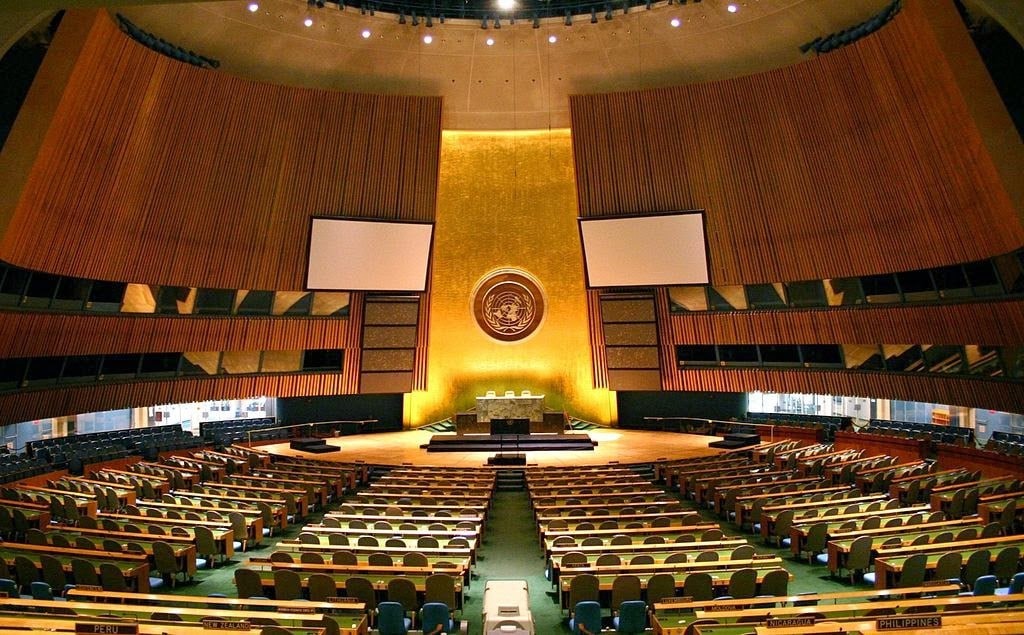
Through the January 7 commemoration, Samdech Techo sent a clear message to the international community: Cambodia is not a party that seeks war. It is a nation defending universal principles—sovereignty, the rule of law, and peace.
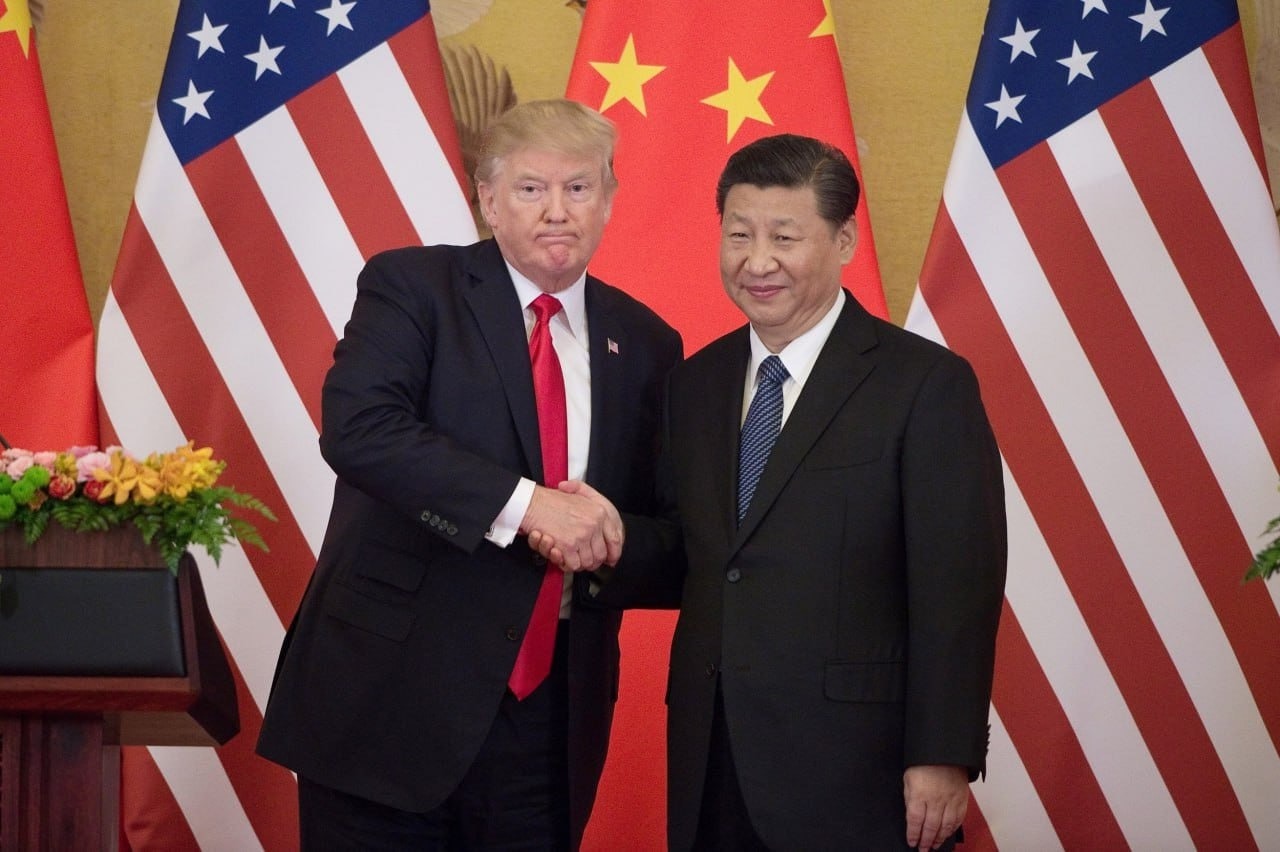
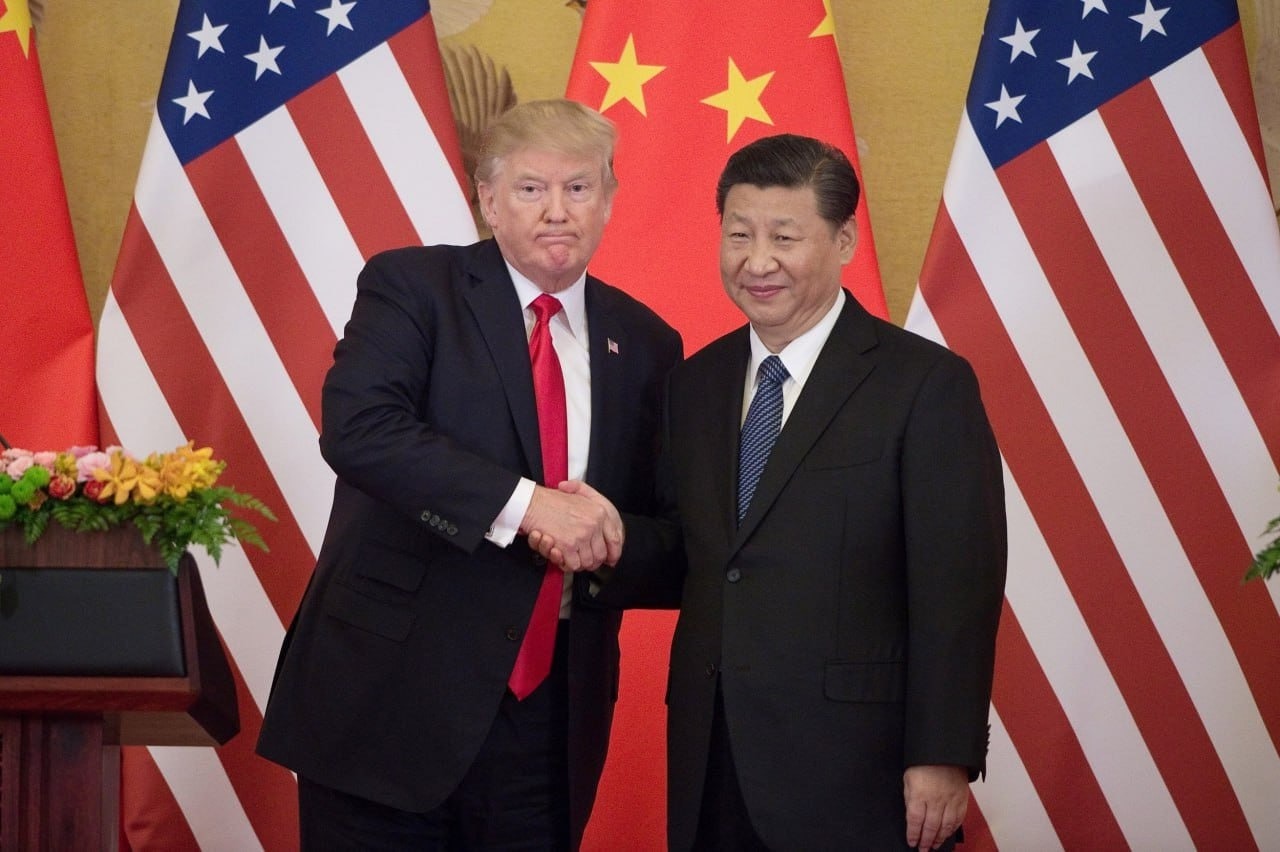
He expressed deep gratitude to friendly countries and the international community, particularly the United States, the People’s Republic of China, and ASEAN member states under Malaysia’s chairmanship, for their active role in facilitating peace efforts—from the ceasefire of July 28, 2025, to the present. This support reflects international recognition that Cambodia’s position rests on legitimate and lawful grounds.
Conclusion
The message of Samdech Akka Moha Sena Padei Techo Hun Sen serves as a powerful reminder that January 7 is not merely about commemorating the past. It is about defining Cambodia’s stance in the present and charting its path into the future. The spirit of January 7 has become a strategic foundation for national defense: Cambodia loves peace, but it will never compromise its sovereignty.
Cambodia chooses peace because it understands the devastating cost of war. Yet Cambodia also stands ready to defend its sovereignty and national dignity—because history has already taught a hard and irreversible lesson: peace without sovereignty is not genuine peace.