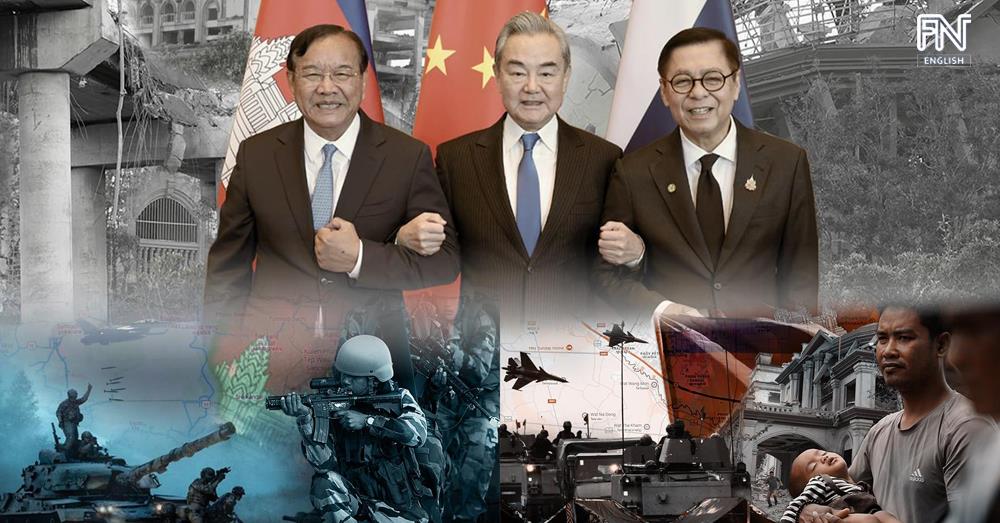
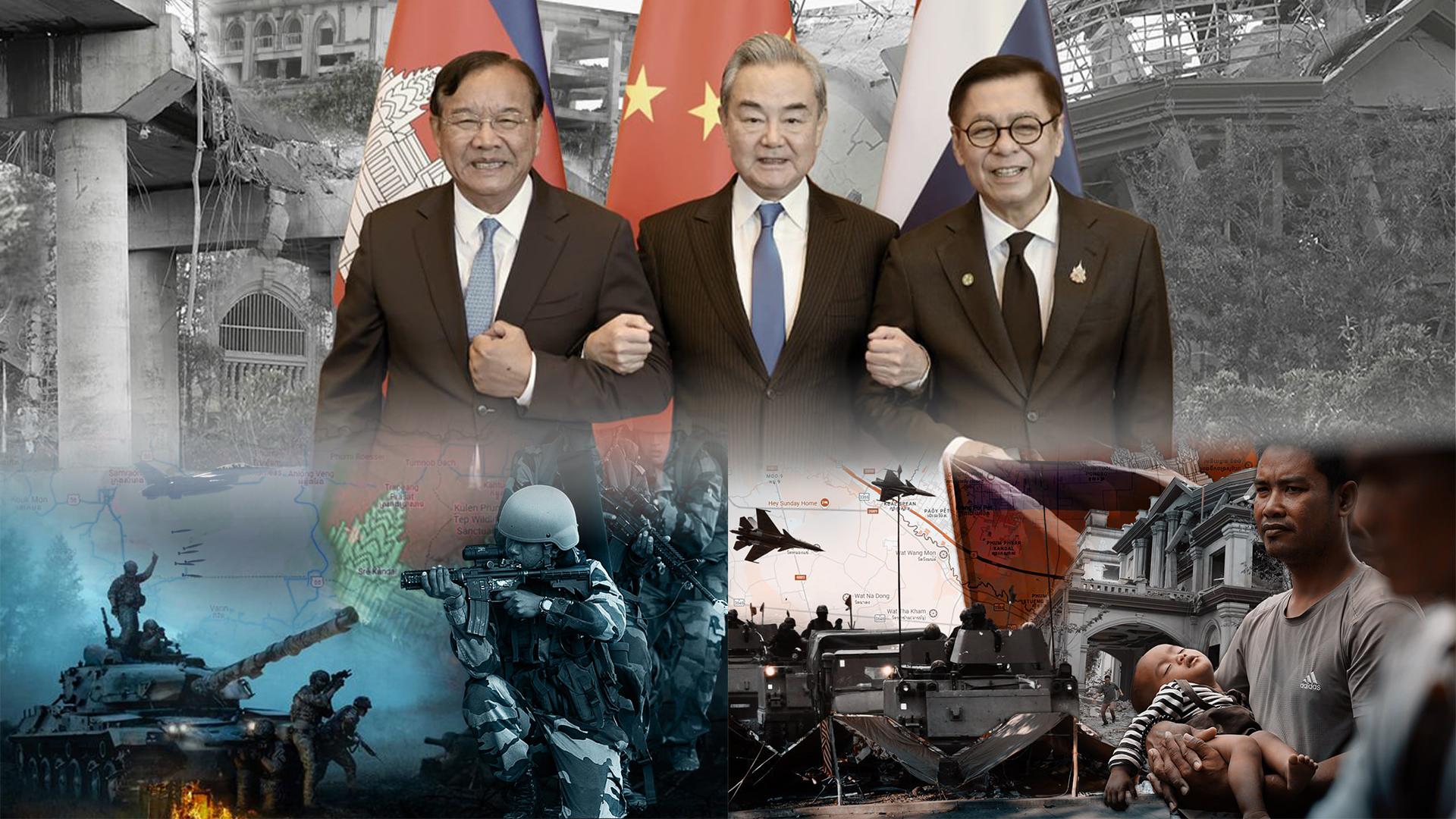
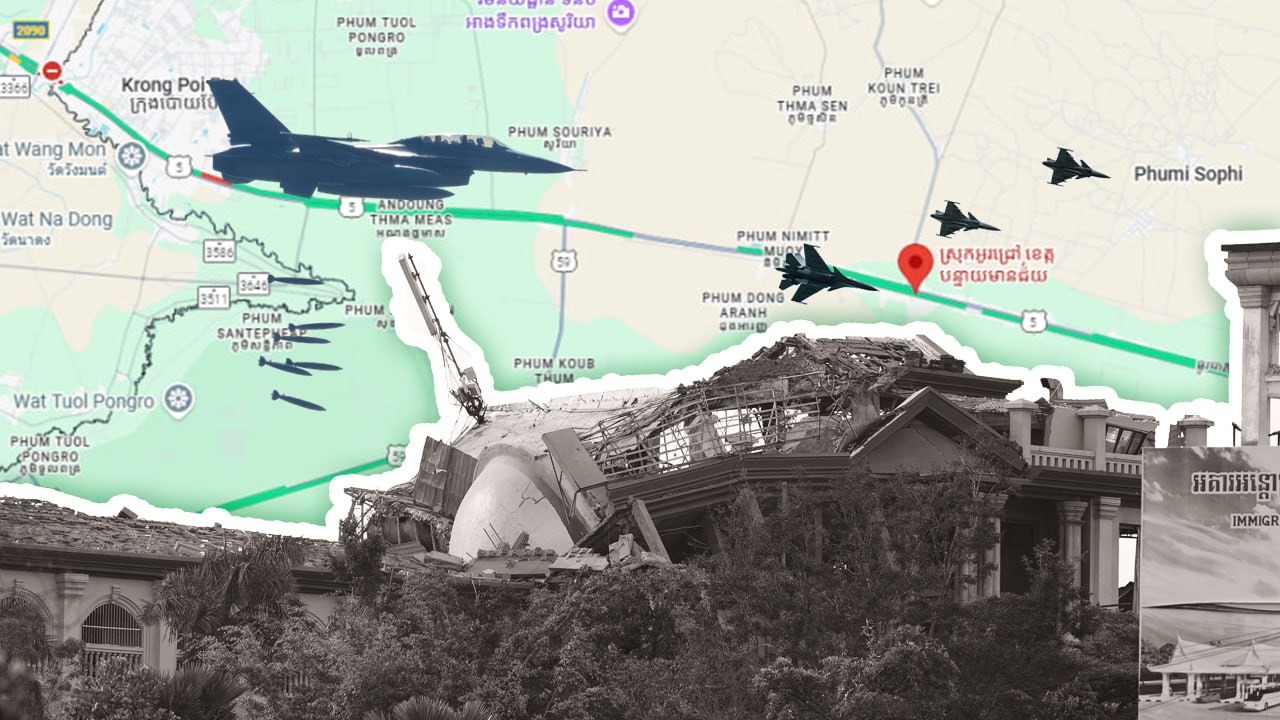
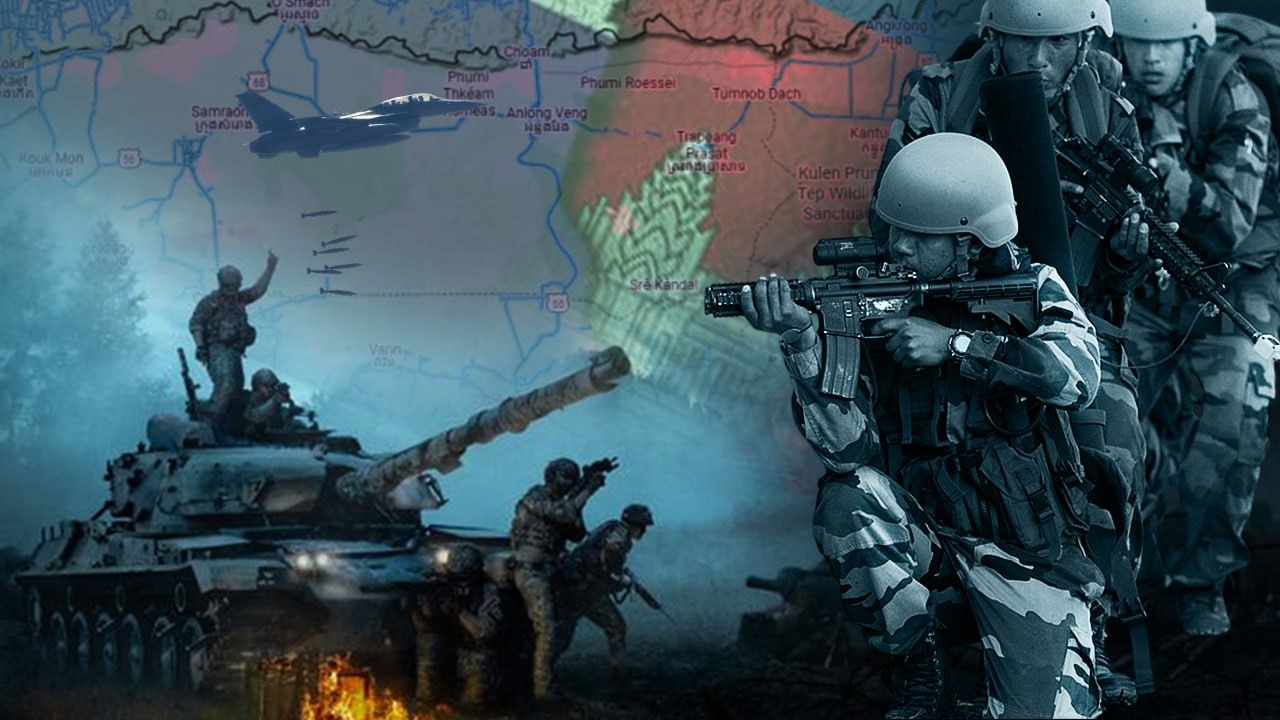
(Phnom Penh): As Europe grows increasingly exhausted by the war in Ukraine and the Middle East continues to slide into unresolved, recurring crises, a quiet but highly dangerous question is emerging: Will Southeast Asia become the next battlefield of the world, or will it remain a region where Asia’s major power chooses stability over conflict?
In a global context where war has eroded Europe’s influence and weakened the oil-rich Middle East, the Cambodia–Thailand conflict is no longer a routine border dispute. It has become a strategic test of China’s role in preserving peace and safeguarding its influence in Asia.
Europe in Decline, the Middle East Weakened—Southeast Asia Becomes the Strategic Pivot
The war in Ukraine has made it unmistakably clear that Europe can no longer function as a reliable pillar of global security as it once did. Energy dependence, internal political fragmentation, and prolonged military fatigue have structurally weakened Europe’s strategic weight.
At the same time, the Middle East—long regarded as a backbone of the global economy—has been drawn into repeated wars and crises, leaving even oil-rich states increasingly fragile and unable to guarantee regional stability.
Under these conditions, Southeast Asia has emerged as one of the last remaining regions capable of sustaining economic growth and geopolitical balance—and it is precisely the region that China cannot afford to lose to instability.
Cambodia–Thailand: A Small Spark That Could Spread
The conflict between Cambodia and Thailand is not a simple manifestation of nationalist sentiment. It is driven by three dangerous factors:
- Thailand’s illegal unilateral map ambitions, aimed at asserting control over Cambodian territory;
- Misinterpretations of international law; and
- The belief that the world is distracted and no one will intervene.
Diplomatic engagement by the United States, including earlier interventions by Donald Trump, has not carried sufficient weight to deter Thailand from contemplating acts of aggression against Cambodia. Diplomatic warnings without concrete, enforceable measures cannot restrain a country increasingly fixated on territorial expansion. Thailand does not fear rhetoric that lacks consequences.
For this reason, efforts by U.S. leadership alone to secure an effective ceasefire are unlikely to succeed without intervention by China, the most influential power in the region.
China: More Than a Development Partner—A Guardian of Stability
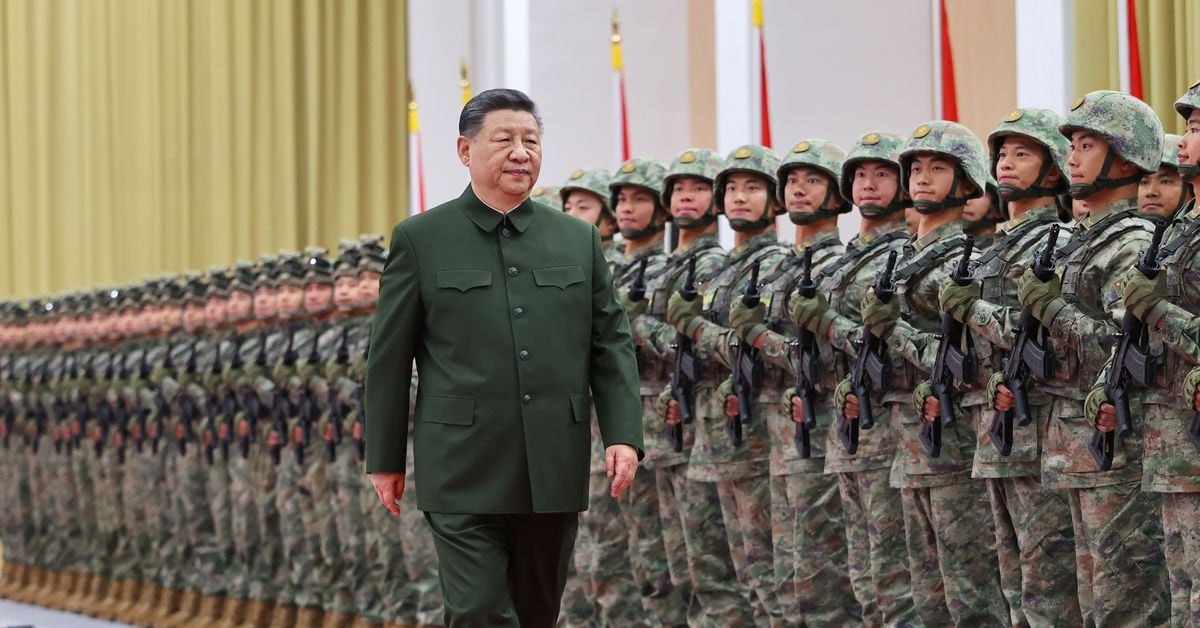
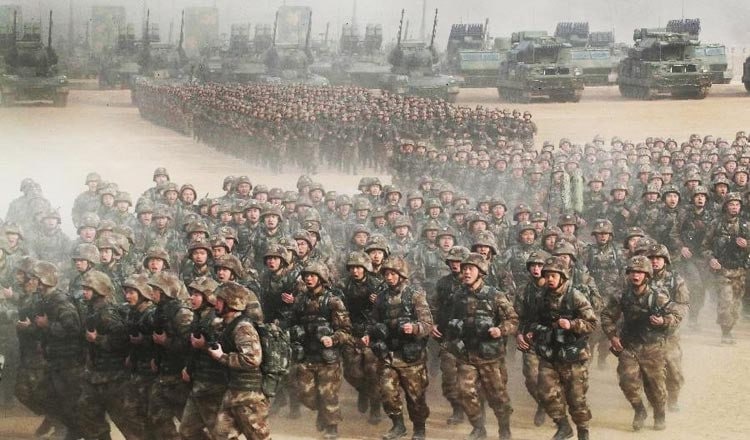
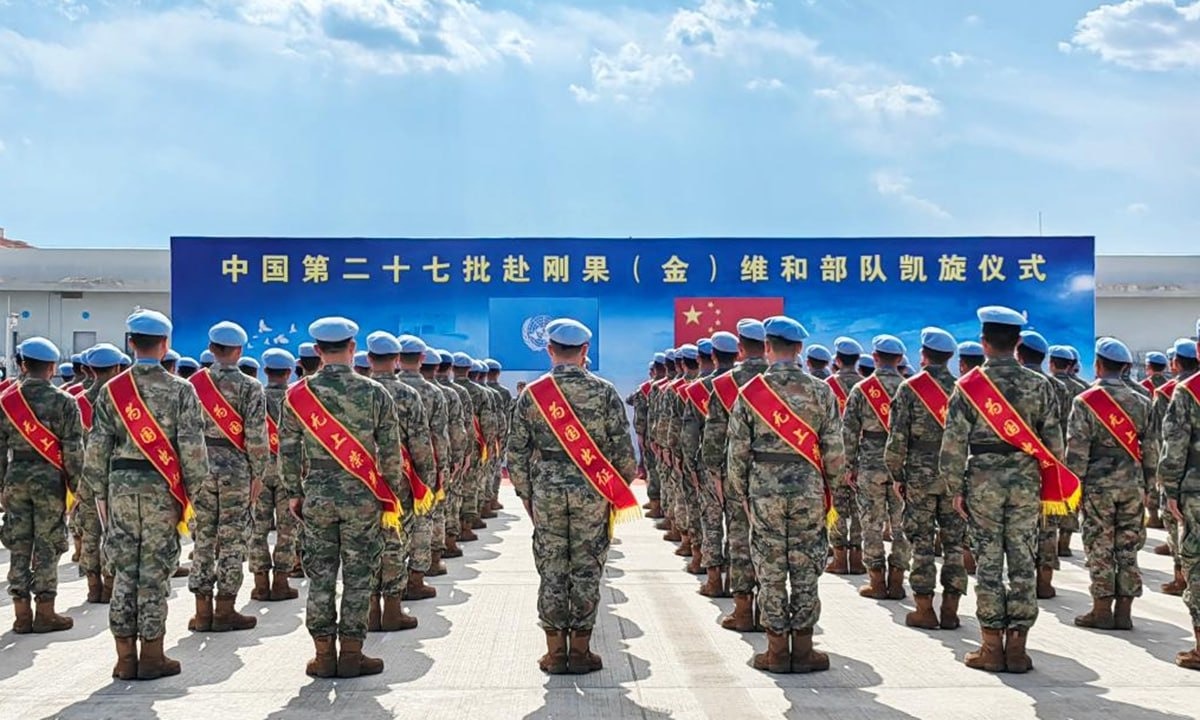
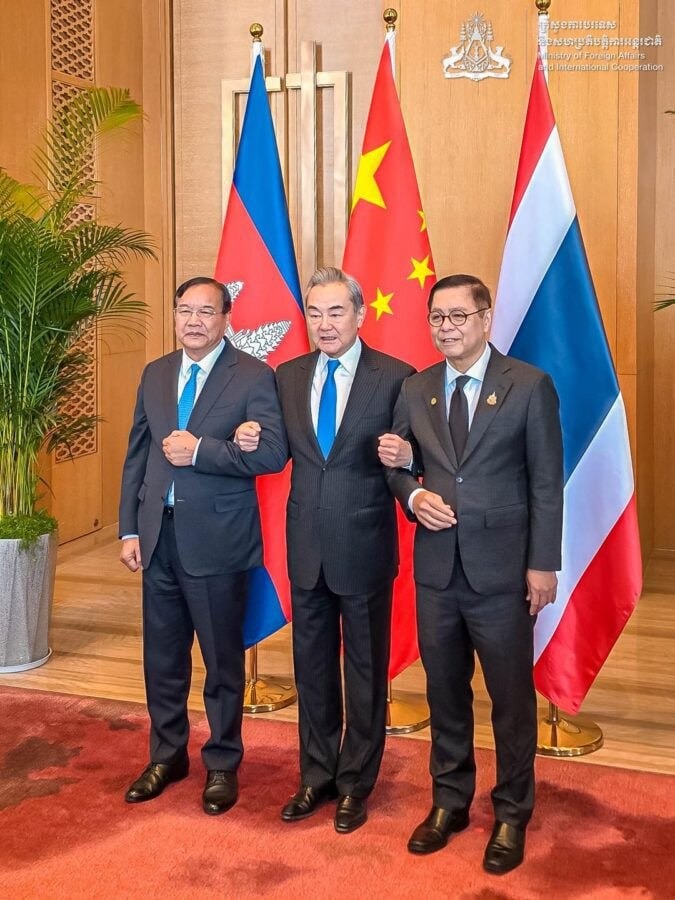
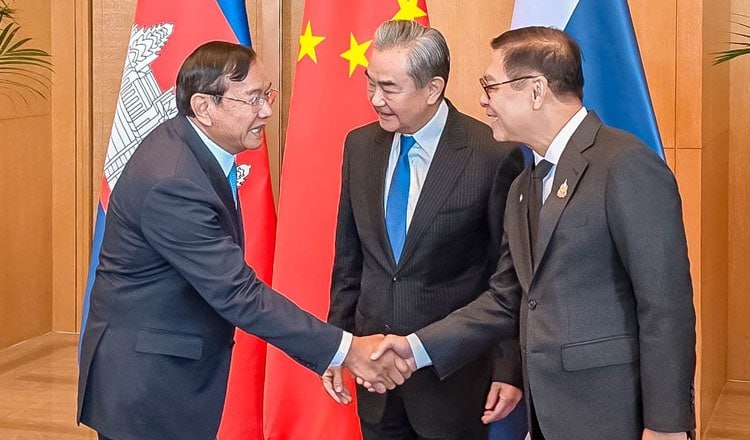
China’s mediation efforts and its role in promoting calm along the Cambodia–Thailand border have demonstrated that China is not merely an investor or economic partner. It has become a central actor in maintaining peace and stability in Southeast Asia.
China’s strategy rests on three core principles:
- Trust-based diplomacy, rather than coercion;
- Respect for sovereignty and non-interference in internal affairs;
- Long-term relationships, instead of short-term pressure.
However, if China limits its role to creating only temporary calm—without transforming it into durable, structured stability—the “small spark” of the Cambodia–Thailand conflict could reignite, spreading into a larger fire that threatens the peace of Southeast Asia as a whole.
If China Hesitates, China Will Be the One to Lose
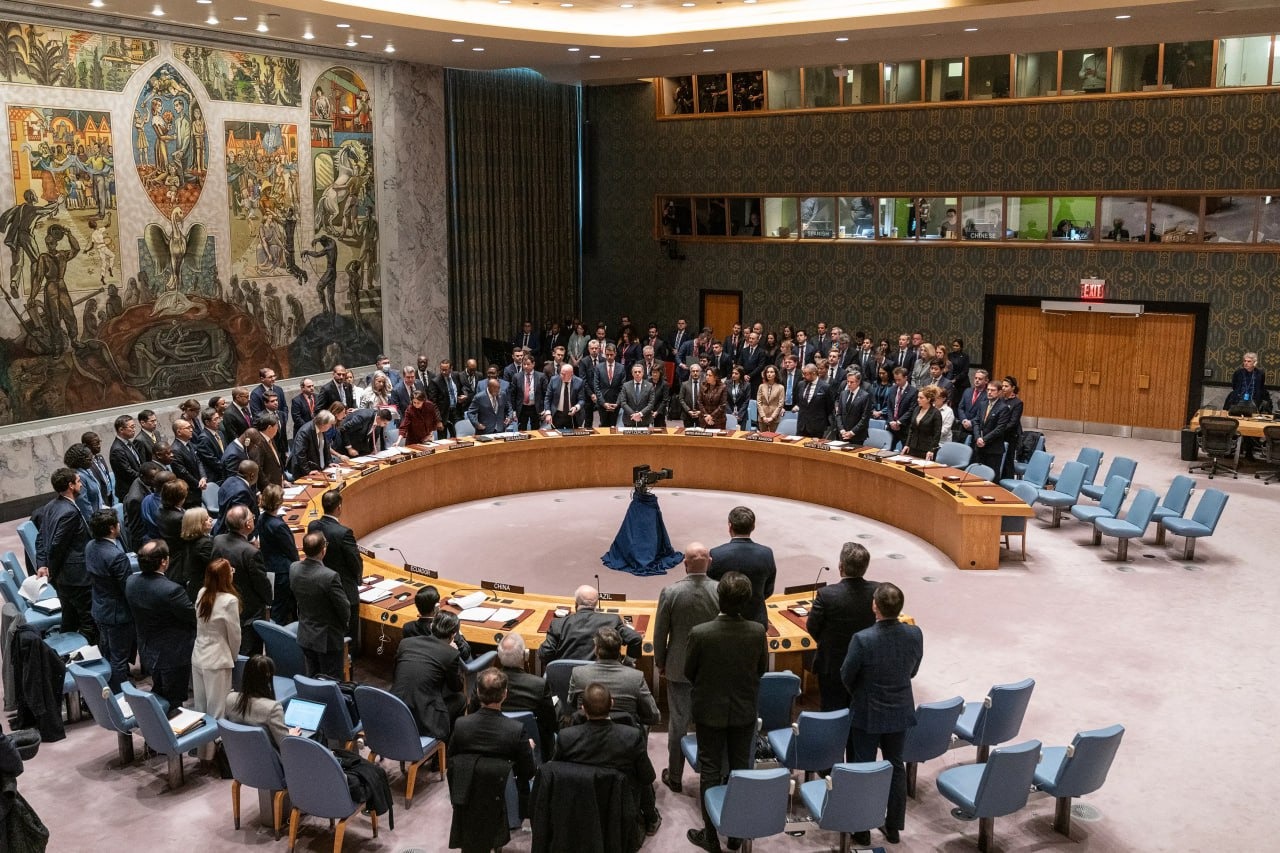
In a world beset by overlapping crises—ranging from rising tensions over Taiwan, political turmoil and foreign interference in Venezuela, to the unresolved wars in Ukraine and the Middle East—while international institutions such as the United Nations remain largely ineffective, a renewed Cambodia–Thailand war would not remain a bilateral issue.
Instead, it would produce systemic consequences, including:
- The erosion of ASEAN’s unity and stability;
- Severe disruption of regional supply chains and trade;
- And the structural decline of China’s influence and leadership in Asia.
In short, if China allows a “small spark” along the Cambodia–Thailand border to go unchecked, it could spread into a major conflagration—one that not only threatens Southeast Asian peace but also burns China’s own status as Asia’s leading power.
If China Weakens, Where Does the World Go?
If China were to fall into strategic weakness, the immediate beneficiaries would not be peace, stability, or international law. Instead, the world would drift toward an era where military power and forced alignment replace legal norms and multilateral frameworks.
For Southeast Asia, this would mean being pushed into forced bloc politics, accelerated militarization, and great-power rivalry—transforming a region of economic development into a geopolitical fault line and a theater of power competition.
In such an environment, power becomes law, and law loses meaning. Smaller states become increasingly vulnerable, while aggression is rewarded over restraint and respect for international rules.
The broader consequence would be a profound imbalance in the global system. China currently functions as a major pillar of a multipolar balance of power. If that pillar erodes, global governance—already under strain—would weaken further. International institutions would face even greater difficulty enforcing norms, protecting justice, or preventing unilateral use of force.
For Southeast Asia in particular, the risks are stark. Without a credible stabilizing power committed to regional balance, ASEAN could fracture, border disputes could escalate, supply chains could collapse, and development priorities would be replaced by security imperatives.
Conclusion
The Cambodia–Thailand conflict is a clear warning to countries across the region—especially China. If Asia’s major power continues to hesitate and fails to exercise its responsibility to resolve this dispute peacefully, the conflict will not remain confined to Cambodia and Thailand. It could escalate into a broader crisis that threatens the entire stability of Southeast Asia.
Preventing and ending this conflict is not a political option, but a strategic obligation. It is also a critical test of whether China can demonstrate its role as a guardian of peace and stability in Asia—while protecting its influence and leadership in an increasingly chaotic world.