OTTAWA, Aug 17 (Reuters): Canada faces a new round of 50% U.S. tariffs this week that businesses said could cause job losses in some already struggling industries, while complicating broader negotiations over the future of North America's free trade agreement.
U.S. President Donald Trump last month invoked Section 338 of a Depression-era U.S. law called the Tariff Act of 1930 to impose duties starting on Wednesday on a range of Canadian imports including wine, furniture, dairy products, cement, clothing, fishing rods, hockey equipment and some other goods.
That provision permits the U.S. president to impose punitive tariffs of up to 50% against trading partners deemed to have discriminated against U.S. goods.
Trump's unprecedented use of this power is part of his hardline approach toward trade with Canada since he returned to the presidency last year. Canada is the No. 2 trading partner of the United States, behind only Mexico.
The tariffs would cover nearly $20 billion of Canadian goods, amounting to about 5.2% of the $383 billion worth of goods the United States imported from Canada in 2025, according to U.S. Census Bureau data.
Asked about the looming tariffs and prospects for a deal, Prime Minister Mark Carney declined on Monday to discuss details of what he described as intense and delicate negotiations with the United States. Carney said he expects to speak with Trump before the deadline.
Canada's minister responsible for U.S. trade relations, Dominic LeBlanc, and its chief trade negotiator, Janice Charette, have stepped up talks with their U.S. counterparts.
Canada and the U.S. are still far from reaching a draft trade deal despite regular meetings, LeBlanc told an advisory committee on Friday, according to a source briefed on the matter.
Auto tariffs on Canadian-made vehicles have emerged as a key sticking point in the talks, two automotive industry sources told Reuters on Monday.
Unlike many of Trump's earlier tariffs, the new duties would apply even to products that qualify for preferential treatment under the U.S.-Mexico-Canada Agreement, which has shielded much of Canadian trade from tariffs, posing an added risk to Canada's economy.
Last month, Trump refused to extend the USMCA agreement for another 16 years, subjecting the pact to annual reviews, a process that is likely to prolong the trade uncertainty which has sapped investments and job growth in Canada.
Individual sectors could face the brunt of these tariffs, leading to more job losses and lower growth. Canada's struggling wood product sector and the wine industry, already affected by raging wildfires in the country's west, could be hit hard by the new tariffs.
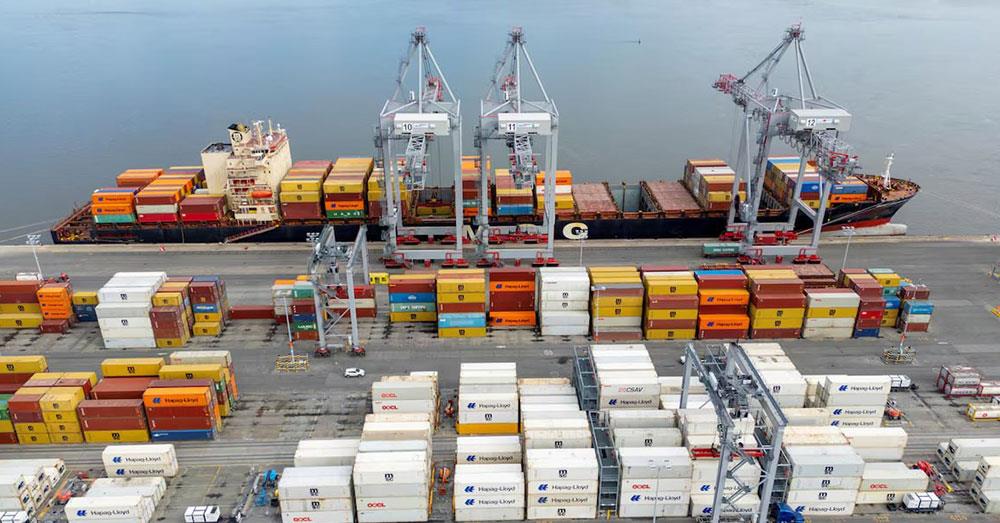
Photo from Reuters
