Bangkok, May 4 (SCMP): In India, cuddly and colourful animals are paraded across Instagram, Facebook and YouTube channels, where free advice is shared on how to raise a lemur – or what to feed an iguana – in congested megacities far from forest habitats.
Cuteness has become a commodity in Asia’s social media world, with Thailand’s main airport emerging as a reluctant hub for wild animal smuggling.
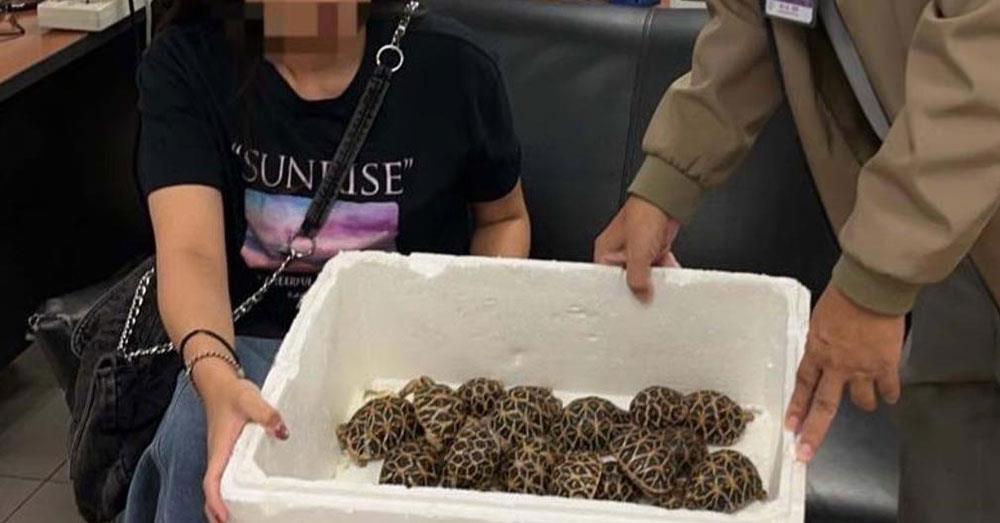
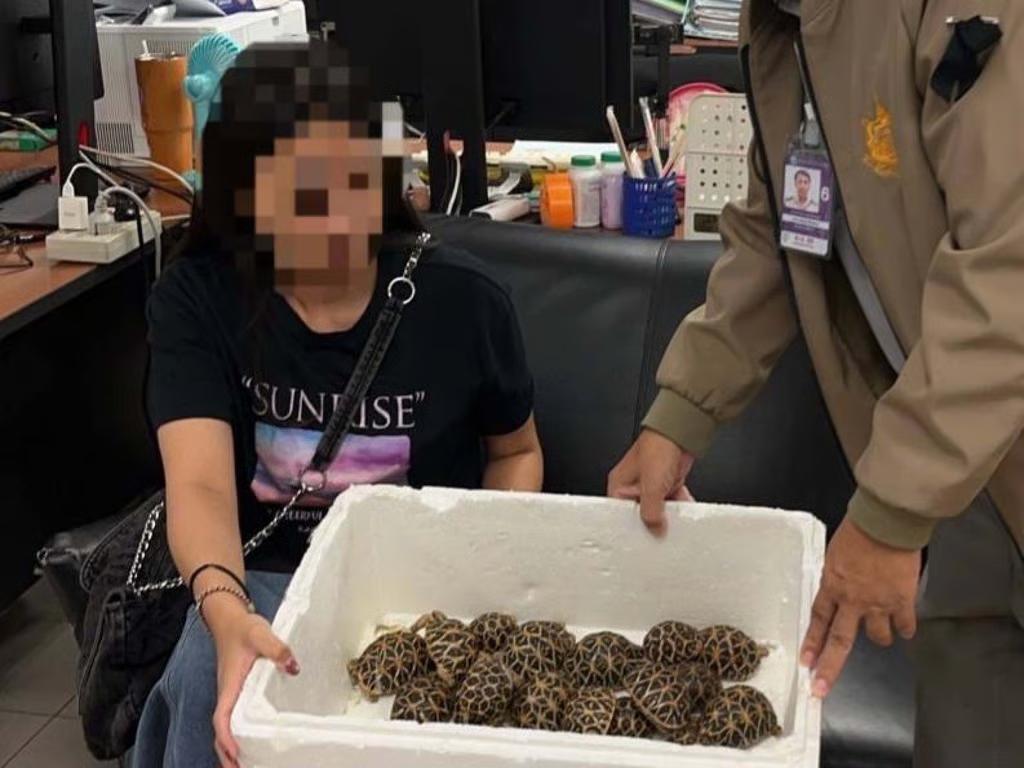
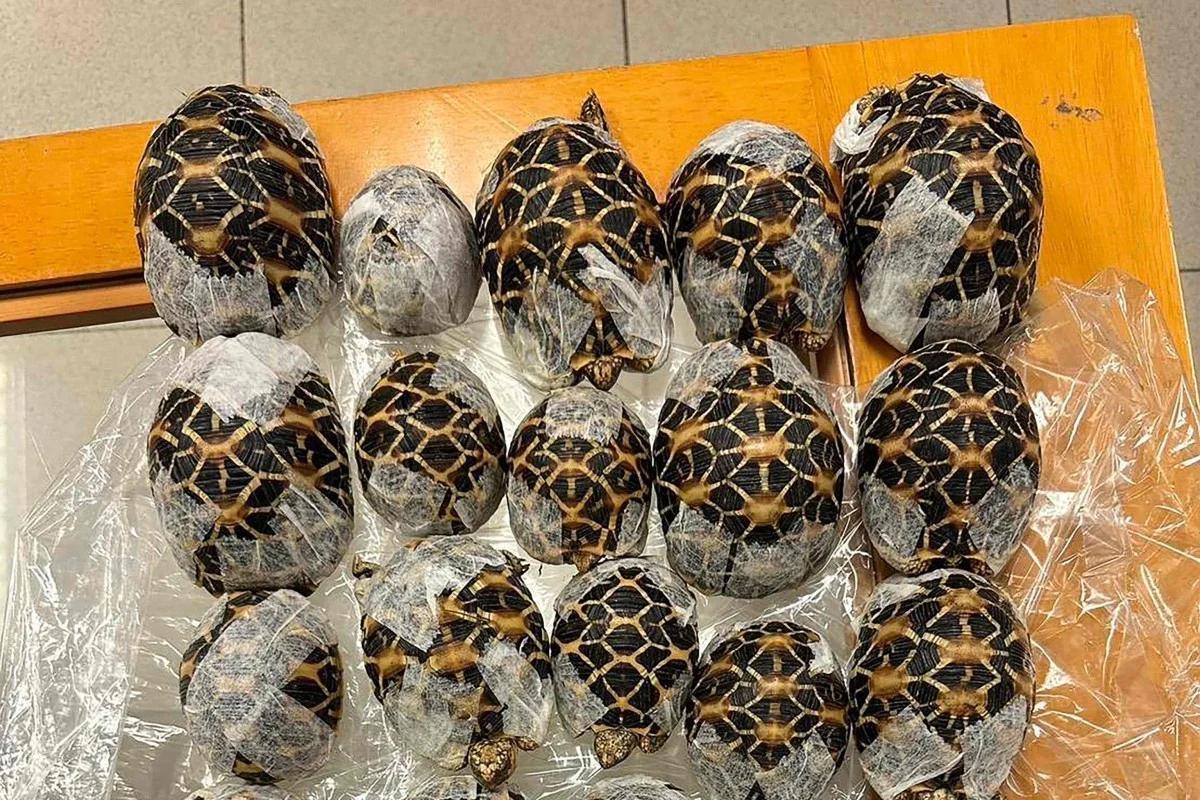
On Wednesday, a 19-year-old passenger bound for Taipei tried to evade security at Bangkok’s Suvarnabhumi airport with dozens of fist-sized tortoises strapped to her body.
A day earlier, hundreds of live turtles and bright blue-green iguanas, along with a freshwater crocodile, were all seized on arrival in Bangkok from the Indian city of Bengaluru.
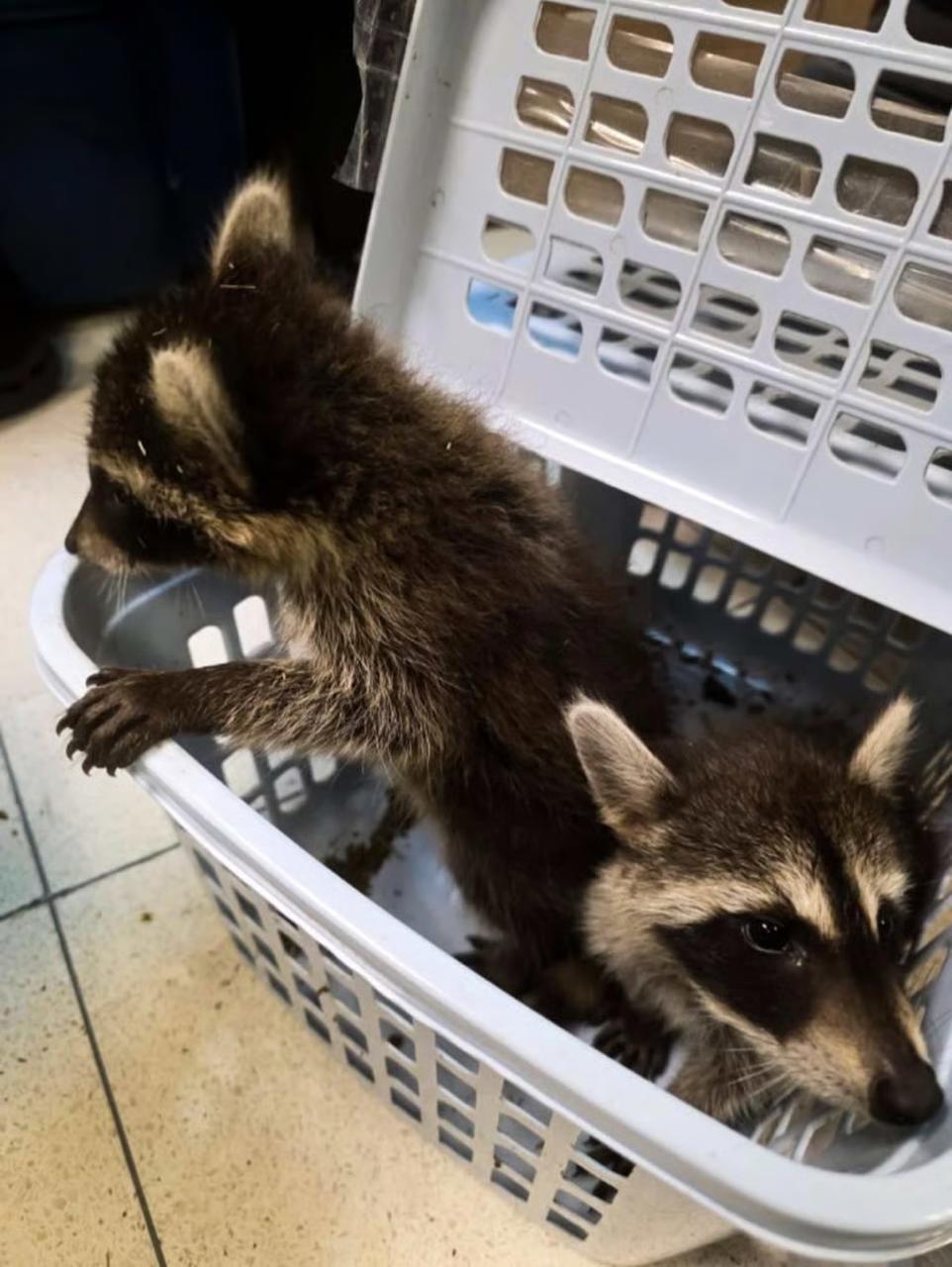
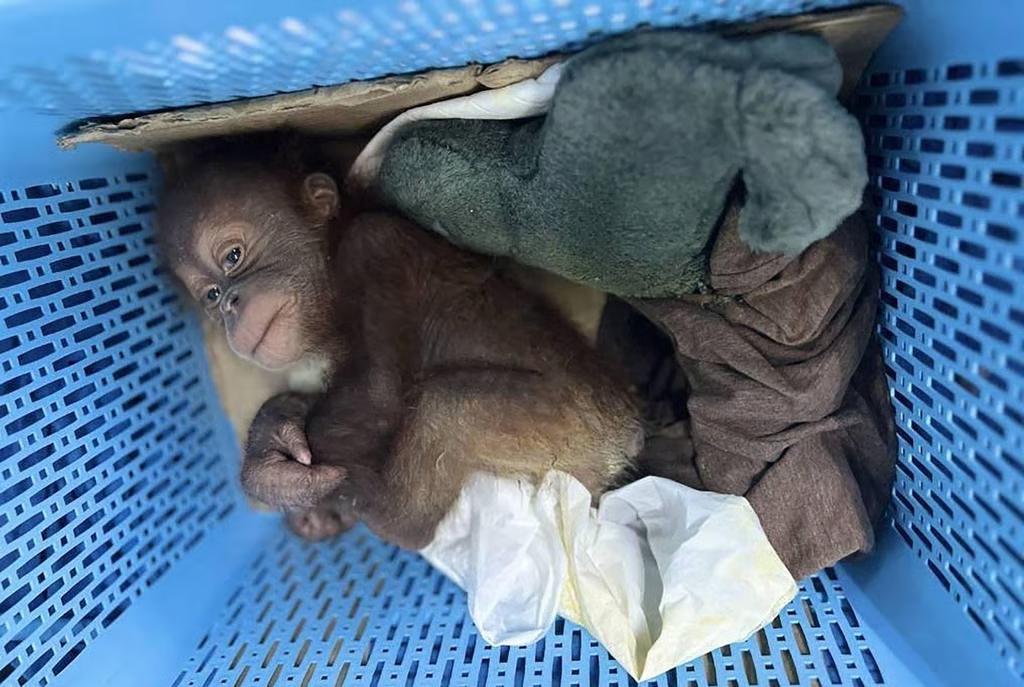
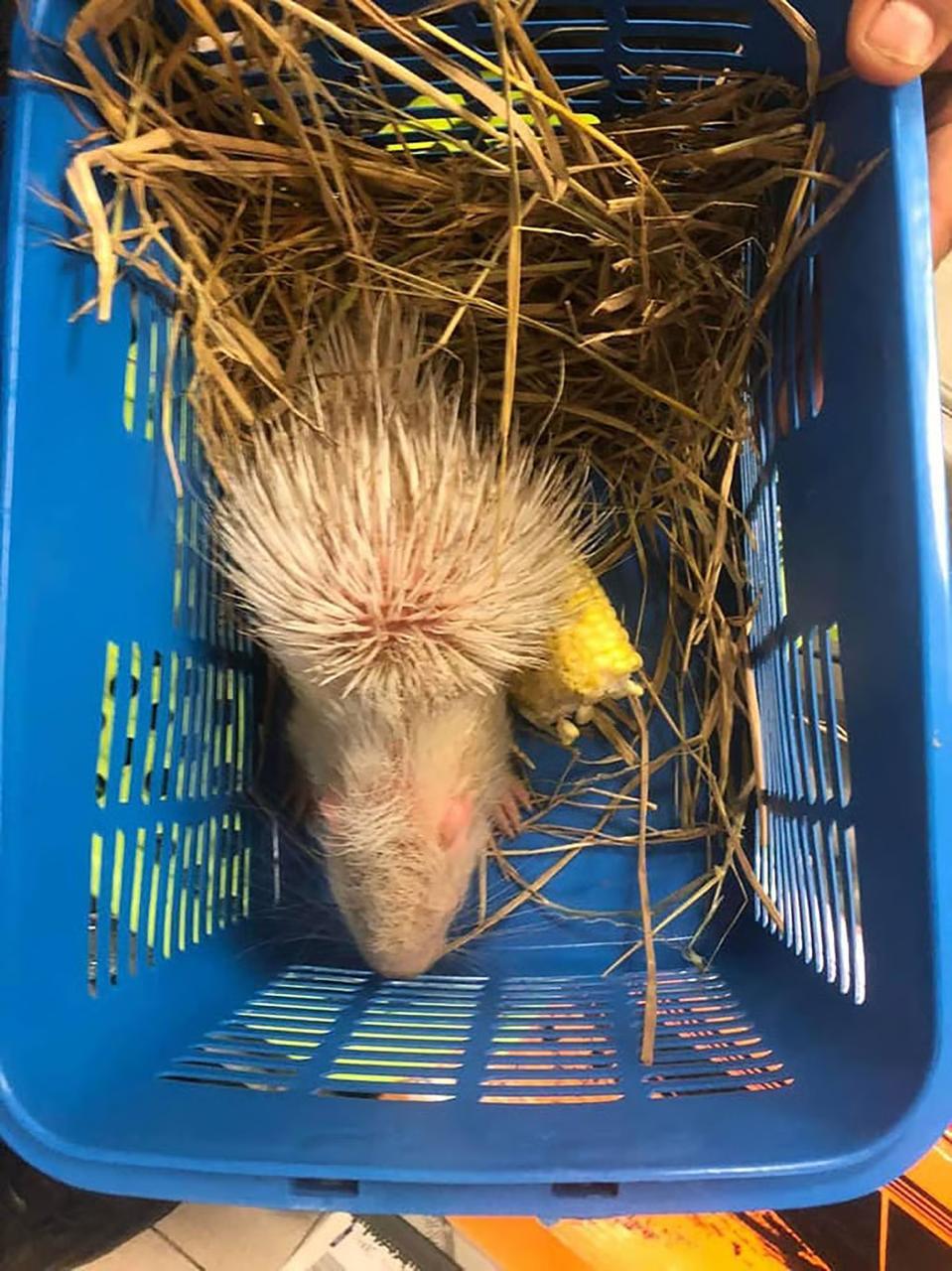
There were raccoons in a box meant for check-in by an Indian woman on April 18. A few days before that, it was chameleons and a pair of endangered gibbons – also destined for India.
One of the raccoons had already died in the nearly airless container by the time airport authorities detected the box.
The creatures are destined for micro-zoos and pet stores in India or as status symbols for a new middle class cajoled by “petfluencers”, whose clickable content juices up interest in owning a wild animal.
“In India, influencers and exotic cafes are driving demand,” Polawee Buchakiet, director of Thailand’s Wildlife Crime Intelligence Centre, told This Week in Asia.
“But this is bigger than just low-level smuggling of the animals; it is organised crime. Whenever a smuggler is arrested an Indian national or a Thai comes to bail them out, sometimes for up to 1 million baht (US$30,500). It shows how much money is behind everything.”
India and Taiwan lead the demand for exotic pets while Thailand is a key pipeline in a global supply chain. The kingdom is all at once a breeding centre, brokerage and smuggler’s route, where a shadow world of illegal wildlife trafficking hides behind the regulated live animal trade.
“Importing live animals legally is expensive and sometimes even money isn’t enough; you need permits,” Polawee said. “So some buyers come to places like Chatuchak market in Bangkok – where certain animals are sold legally within Thailand – but then try to smuggle them out on a plane.”
Smugglers caught in Thailand often say they believed taking live cargo home in exchange for an all-expenses-paid Thai or Malaysian holiday was a victimless crime.
But animal welfare groups say moving animals across borders without permits is illegal and cruel; it also risks spreading zoonotic diseases and stripping forests and jungles of their biodiversity.
“What’s truly frightening is that wild animals like these, if uncontrolled, become disease reservoirs,” Polawee said. “The Covid-19 pandemic is the prime example – it became one of the biggest pandemic crises the world has ever seen.”
By the time the animals are detected, the damage is done.
It is virtually impossible to find the origin of many seized animals unless they have microchips from legitimate breeding facilities.
But the airport seizures reflect an extraordinary biodiversity loss, accelerated by a click culture which rewards the harvesting of increasingly rare species.
“Without a doubt this is organised criminality,” said Kanitha Krishnasamy, director for Southeast Asia at TRAFFIC which investigates wildlife crime.
“We’re not talking about one or two animals, we’re talking about hundreds sometimes, especially reptiles and birds.”
In the last year smugglers have been caught in Thailand – and by Indian customs from Thai-origin flights – carrying giant tortoises endemic to the Seychelles or Africa’s dry Sahel region; critically endangered gibbons from the besieged forests of Vietnam and Laos; and vipers so scarce they were only discovered by scientists in their Iranian and Iraqi habitats 20 years ago.
Culture vultures
Despite better intelligence work to identify smuggling patterns, flight routes and names that crop up repeatedly in investigations, the animals keep moving.
“It’s like drugs or any other criminal business,” said Polawee, whose unit comes under Thailand’s Department of National Parks.
“You stop one group, but another one takes over.”
In the case of the 19-year-old from Taiwan detained at Suvarnabhumi airport, 29 of the 30 Indian star tortoises taped to her body were alive when officers searched her. The reptiles were smothered in masking tape to stop them from moving, placed in cloth bags and strapped to her body underneath a baggy black T-shirt in a basic effort to evade detection.
All suspects are detained and charged under Thai wildlife smuggling and anti-epidemic laws, but they are sometimes surprised at receiving jail sentences after conviction.
Thailand remains a key transit route for the more lucrative multibillion-dollar trade in rhino horn, elephant ivory, pangolin scales and tiger parts, which are highly valued in Chinese traditional medicine despite the lack of scientific evidence supporting their value as elixirs of health.
But the exotic pet trade is also doing big numbers.
While much of it is licensed and legitimate, once animals are moved across borders the burden of proving legal ownership also shifts.
The Convention on International Trade in Endangered Species of Wild Fauna and Flora, commonly known as CITES, regulates the trade in exotic pets – especially listed or threatened species – requiring permits to prove they have not been ripped from the wild.
But in a business whose currency lies in the cachet of a post, animal welfare advocates warn that the rules governing pet ownership are quickly broken.
To meet demand “for novelty”, wild animals are captured, bred and transported across borders, “even though they are wholly unsuited to captivity”, says People for the Ethical Treatment of Animals (PETA) Asia President Jason Baker.
“Many suffer or die during transport – whether that transport is legal or illegal – and countless others endure miserable lives once they arrive.”
On Syed Liyaqath Ulla’s YouTube channel, a part-bald baby monkey wriggles through his fist as he presents the creature to the camera.
On videos splashed across his Facebook page, Ulla shows off bright white pythons wrapped around his hands – with pithy taglines such as “no patterns … just perfection” and radiant yellow iguanas that are “Easy to love. Hard to ignore” – a sales pitch that seems to be working given the prominence of his social media.
Some of his YouTube shorts for his Karnataka Aquarium – which doubles as an exotic animal pet store – rack up millions of views, offering a window into India’s current fascination with rare animals.
Yet Indian media has linked him to the illegal trade through an ex-parks official who was arrested over a smuggling ring to Thailand. He could not immediately be reached by This Week in Asia.
Wildlife defenders say India’s growing economy has reshaped consumer culture making exotic animal ownership a symbol of financial health.
“The exotic pet trade boom is potentially one of these fads linked to new wealth, similar to what we saw developing in China and other parts of the world 15 years ago,” said Krishnasamy of TRAFFIC, referencing rare animal ownership.
And while clicks count, there is little likelihood of demand drying up any time soon.
“We’re fighting a world where image matters more than kindness,” said Baker of PETA.
“Social media platforms like Instagram have helped fuel cruelty to animals, encouraging people to use them as cheap visual props to impress their friends. Animals are treated as accessories – as if they’re no different from a watch or a handbag.”