BANDAR SERI BEGAWAN, April 28 (Reuters): The European Union's foreign policy chief Kaja Kallas urged partner countries in Southeast Asia on Tuesday not to turn to Russia for oil supplies as they try to cope with widespread fuel shortages caused by the Middle East conflict.
The EU approved a fresh round of sanctions on Russia this month, including tightened restrictions on oil trade, as it looks to undermine Moscow's ability to fund its war in Ukraine.
Kallas said Russia has benefited from the U.S.-Israeli war on Iran, which has led to the effective closure of the Strait of Hormuz, the main transport route for about a fifth of the world's oil supplies and other vital goods.
"You have an energy crisis, and you need to have supplies. On the other hand, you have to see the big picture, which is that... if you buy Russian oil, they are able to continue with this war (in Ukraine)," she told Reuters in an interview after meeting with foreign ministers from the Association of Southeast Asian Nations (ASEAN) in Brunei.
Kallas said the EU was seeking ASEAN's cooperation on its sanctions against Russia, saying the 27-nation bloc aims to target Russian oil revenues rather than individual countries or companies in Southeast Asia.
Southeast Asian nations including Vietnam, Thailand, the Philippines and Indonesia are among the countries seeking to source more oil from Russia, Reuters reported last month.
The purchase of Russian oil is also helping Iran to maintain the closure of the Strait of Hormuz, Kallas said, without elaborating.
Kallas also questioned whether U.S. President Donald Trump's administration would re-focus on peace efforts in Ukraine, following a meeting between Russian President Vladimir Putin and Iranian Foreign Minister Abbas Araqchi on Monday.
"If President Putin is openly praising Iran for their 'heroic' battles against America, does it then change America's attitude towards Russia in the war on Ukraine? Because they have refrained so far from putting any pressure on Russia."
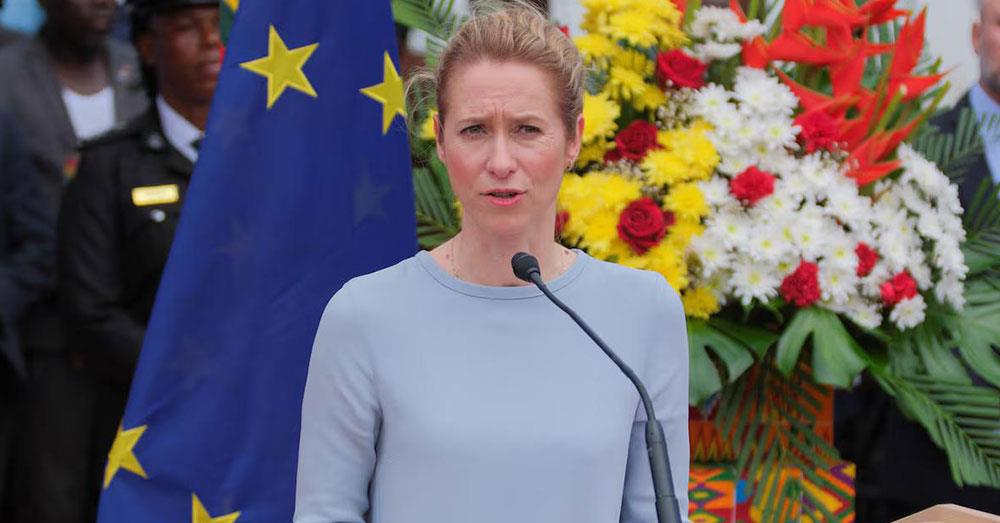
Photo from Reuters
