COLOMBO, March 17 (CNA): Sri Lanka announced a shorter work week to conserve its scarce fuel reserves as it prepares for a prolonged war in the Middle East, officials said Monday (Mar 16).
The Strait of Hormuz, a key waterway through which some 20 per cent of global exports pass in peacetime, has been effectively closed by Iran in retaliation over the US and Israeli war against it, now in its third week.
Commissioner-General of Essential Services Prabath Chandrakeerthi said state institutions will operate only four days a week starting Wednesday. The new austerity measures will also apply to schools and universities and will remain in place indefinitely.
"We are also asking the private sector to follow suit and declare every Wednesday a holiday from now on," Chandrakeerthi told reporters after an emergency meeting chaired by President Anura Kumara Dissanayake.
"We must prepare for the worst, but hope for the best," Dissanayake told senior officials, according to one who attended the meeting. Dissanayake said essential services, including hospitals, ports and emergency services, will continue to operate as usual.
The government is also suspending all public ceremonies and asking civil servants to work from home where possible to limit fuel use.
Sri Lanka imports all of its oil and also buys coal for electricity generation.
Fuel rationing began Sunday, limiting each motorist to 15 litres of petrol or diesel per week, while public transport was allocated up to 200 litres. Officials said the country's petrol and diesel reserves would last nearly six weeks, but they warned that any disruption to fresh supplies could severely affect the island.
Sri Lanka buys refined petroleum products from Singapore, Malaysia and South Korea, while crude oil for its Iran-built refinery is sourced from the Middle East. The government has warned that any escalation in fighting in the Middle East and a prolonged war could seriously undermine its efforts to emerge from the economic meltdown of 2022.
Sri Lanka defaulted on its US$46 billion foreign debt in 2022 after the country ran out of foreign exchange. Since then, Colombo has secured a US$2.9 billion IMF bailout. Other nations have also applied austerity measures in the wake of the war.
Pakistan announced sweeping measures to help ease a looming energy crunch - with schools closed and university classes shifted online. Office workers have also been instructed to work from home to reduce fuel consumption.
There will also be cuts to fuel allowances for government vehicles for two months, with Cabinet members, advisers and special assistants voluntarily forgoing their salaries for the same period.
The Philippines also announced a shift to a four-day work week. President Ferdinand Marcos said the shift was aimed at easing the economic impact of the conflict in the Middle East.
"We are victims of a war that is not of our choosing," Marcos said in a statement. Meanwhile, Laos has seen long queues formed at petrol stations across its capital as fuel shortages deepened.
The Southeast Asian nation is dependent on neighbouring Thailand for fuel supplies, which initially announced it was suspending exports to conserve its holdings, but has assured Vientiane that fuel is on its way. More than 40 per cent of the 2,538 filling stations in Laos were closed last week, according to the most recent government data.
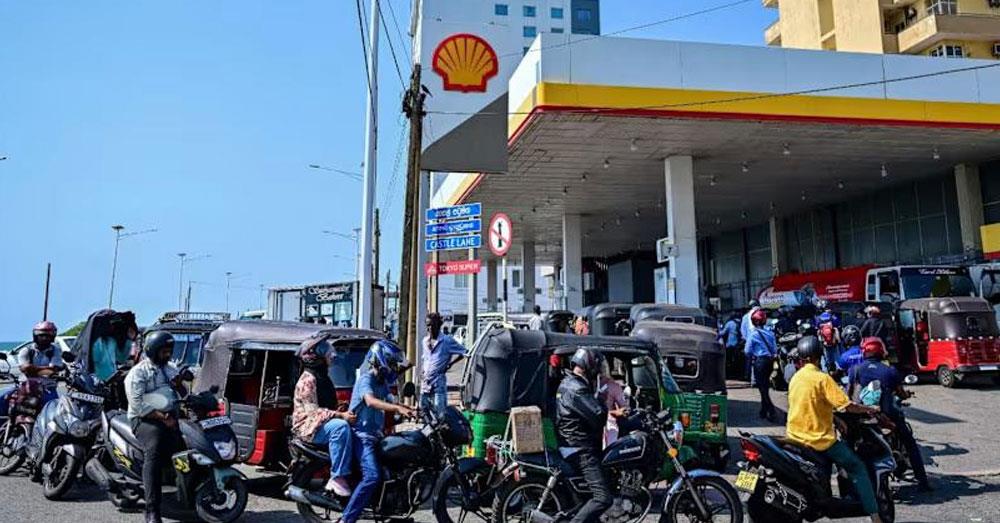
Photo from AFP
