WASHINGTON/TEL AVIV/DUBAI, March 16 (Reuters): Several U.S. allies rebuffed Donald Trump's call on Monday to send warships to escort tankers through the Strait of Hormuz, drawing criticism from the U.S. president, who accused Western partners of ingratitude after decades of support.
The U.S.-Israeli war on Iran is in its third week with no end in sight. The critical Strait of Hormuz, through which 20% of the world's oil and liquefied natural gas flow, remains largely closed off, raising energy prices and fears of inflation.
The conflict has already imposed economic costs on U.S. allies, who were not consulted before the airstrikes on Iran and who have endured months of harsh criticism and bellicose threats from Trump since he returned to office.
A number of U.S. partners, including Germany, Spain and Italy, said they had no immediate plans to send ships to help reopen the strategic waterway, which Iran has effectively shut with drones and naval mines.
"We lack the mandate from the United Nations, the European Union or NATO required under the Basic Law," German Chancellor Friedrich Merz said in Berlin, adding that Washington and Israel had not consulted Germany before launching the war.
Trump, speaking at a White House event in Washington, said many countries had told him they were prepared to help, but voiced frustration with some long‑standing allies.
"Some are very enthusiastic about it, and some aren't," he said, without offering specifics. "Some are countries that we've helped for many, many years. We've protected them from horrible outside sources, and they weren't that enthusiastic. And the level of enthusiasm matters to me."
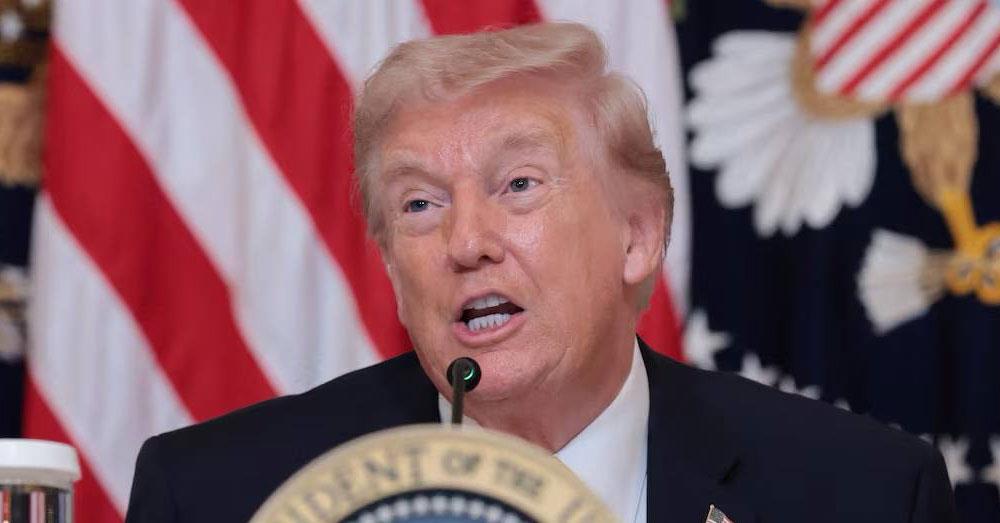
Photo from Reuters
