DUBAI/JERUSALEM/ANKARA, March 4 (Reuters): The U.S.–Iran war widened sharply on Wednesday after a U.S. submarine sank an Iranian warship off Sri Lanka, killing at least 80 people, and NATO air defences destroyed an Iranian ballistic missile fired towards Turkey.
The escalation came as the powerful son of Iran's slain supreme leader emerged as a frontrunner to succeed him, suggesting Tehran was not about to buckle to pressure, five days after the United States and Israel launched a military campaign that has killed hundreds and convulsed global markets.
The missile incident is the first time that Turkey – which borders Iran and has NATO's second-largest military – has been drawn into the conflict, but U.S. Defense Secretary Pete Hegseth said there was no sense that it would trigger the Atlantic alliance's collective-defence clause.
In a sign of the conflict's expanding reach, Hegseth said the U.S. submarine strike hit an Iranian vessel off Sri Lanka's southern coast, thousands of miles (kilometres) from the Gulf, as fighting paralysed shipping through the Strait of Hormuz for a fifth day, choking off vital Middle East oil and gas flows.
U.S. President Donald Trump has pledged to provide insurance and naval escorts for ships exporting energy from the region to contain soaring costs, with oil prices still stuck on Wednesday at their highest in more than a year. But at least 200 vessels remain anchored off the coast, according to Reuters estimates.
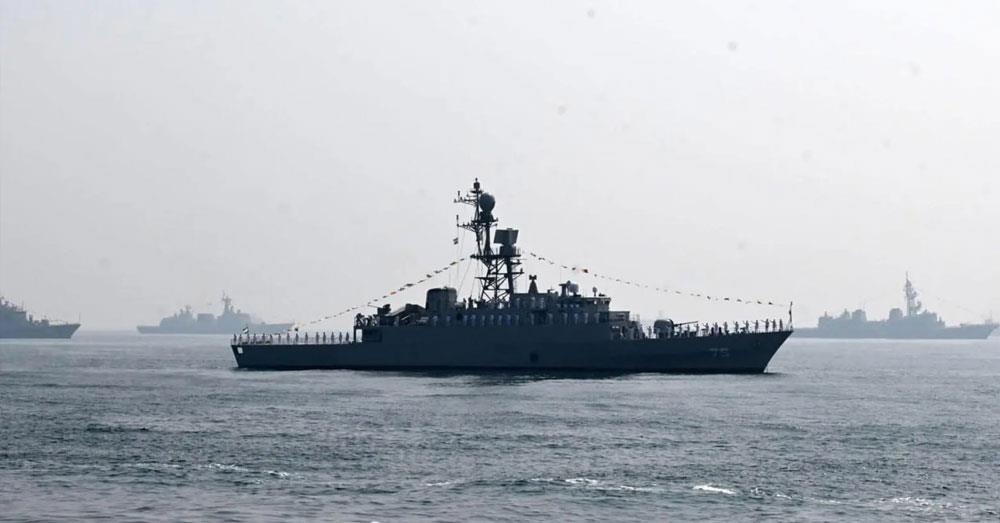
Photo from AP
