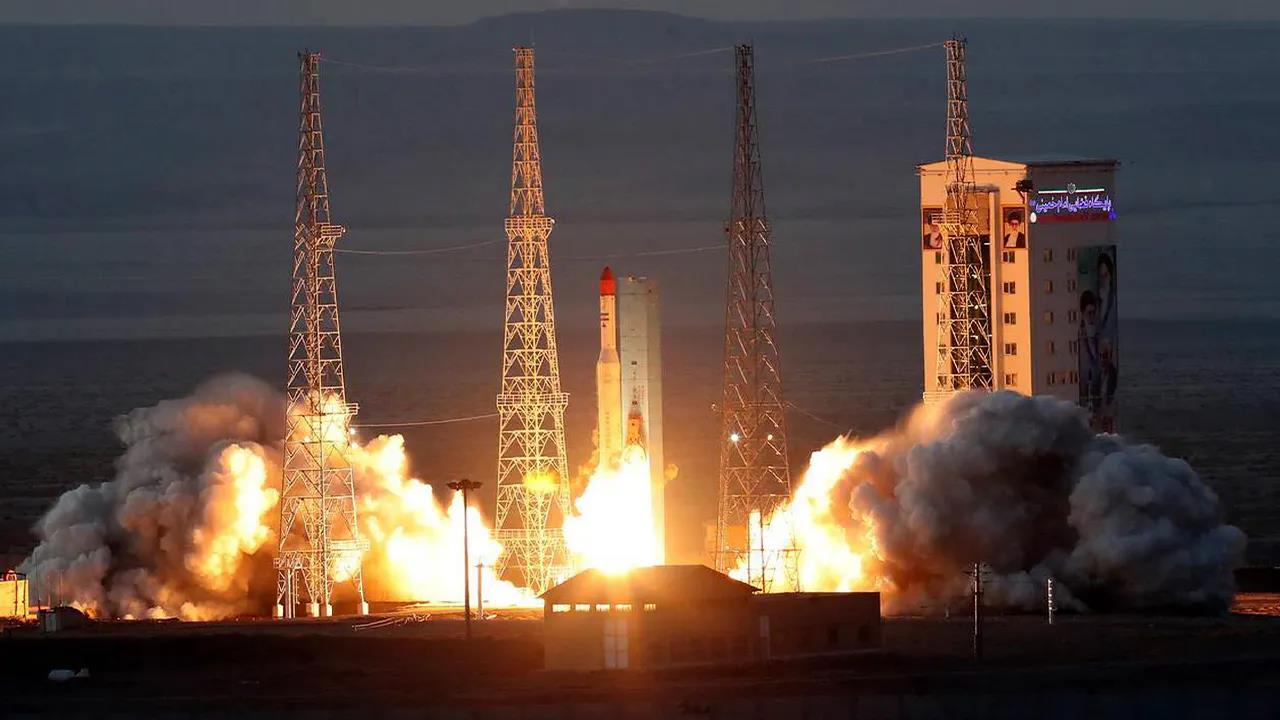
(Phnom Penh): After four days of open confrontation between Iran and the combined military pressure of the United States and Israel, military analysts are beginning to examine a critical question: What does Iran’s response reveal about its real military capability?
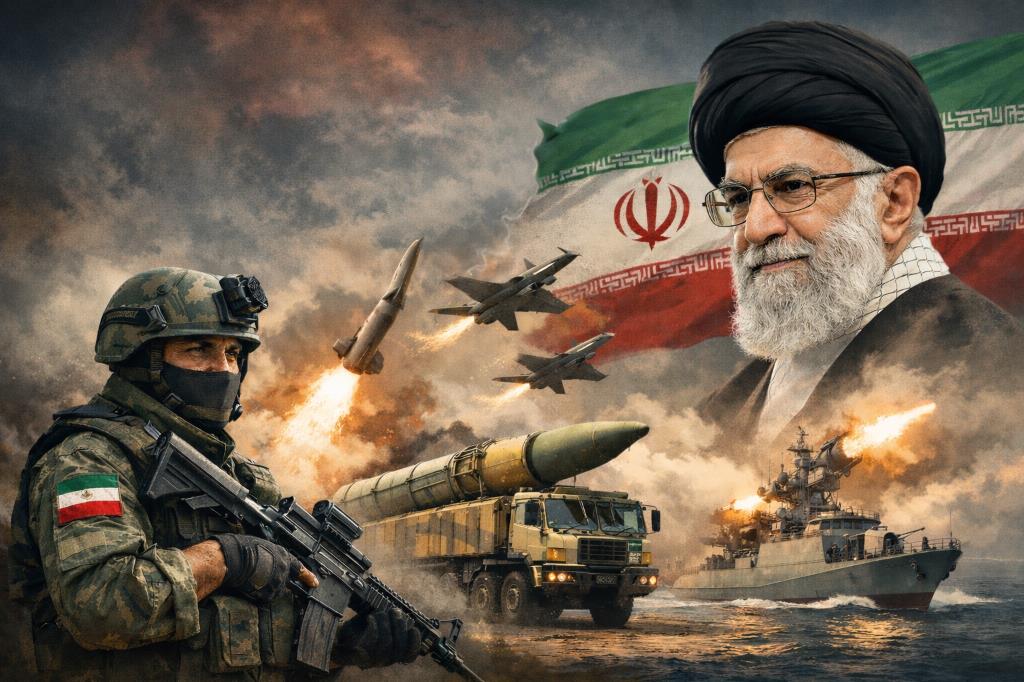
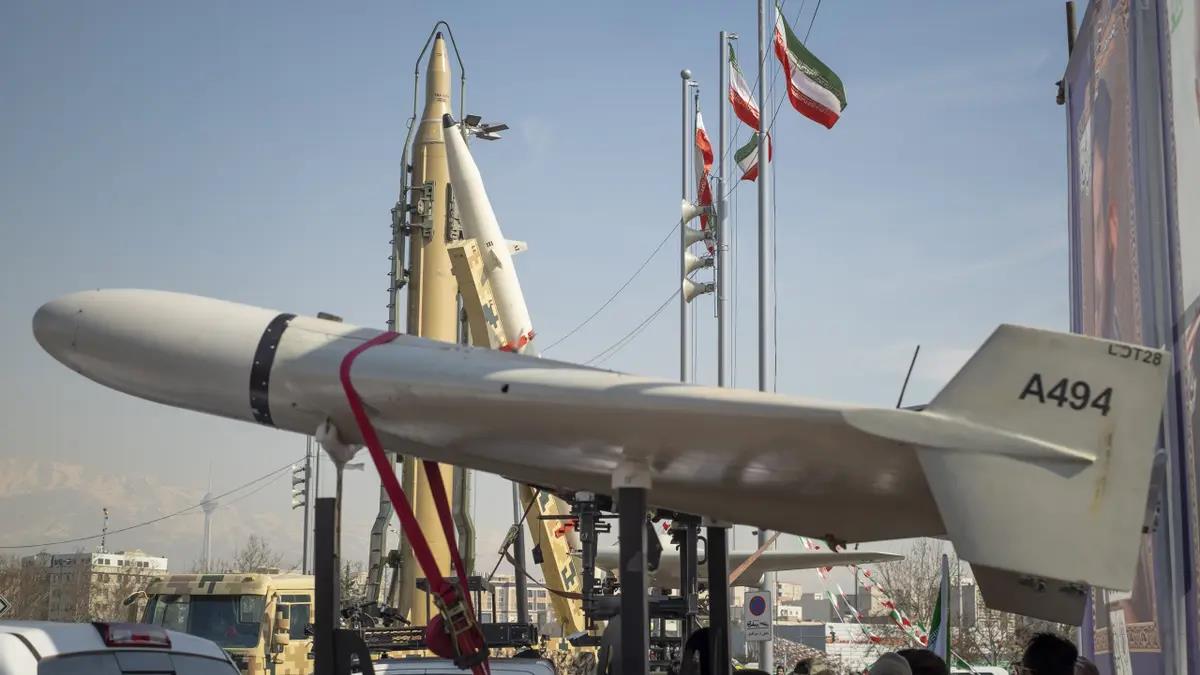
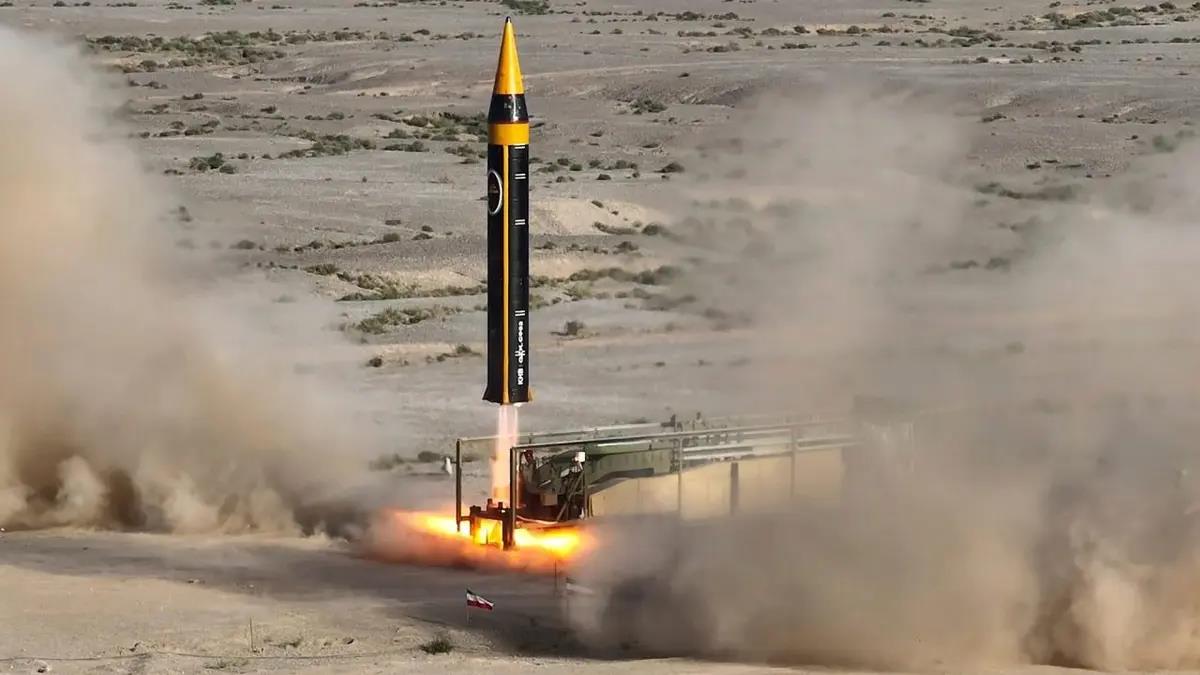
At first glance, Iran has demonstrated that it still retains the capacity to retaliate through missile strikes, drone operations, and actions carried out by proxy forces across the region. These responses indicate that Tehran continues to maintain a substantial arsenal and operational capability capable of exerting pressure on its adversaries.
However, military observers have also noted that the scale and pattern of Iran’s response may reflect a strategy of controlled escalation rather than full-scale retaliation. Instead of unleashing its entire missile stockpile, Iran appears to be responding in calculated waves.
Such an approach allows Tehran to preserve strategic weapons for later stages of the conflict while maintaining both military and political pressure on its opponents.
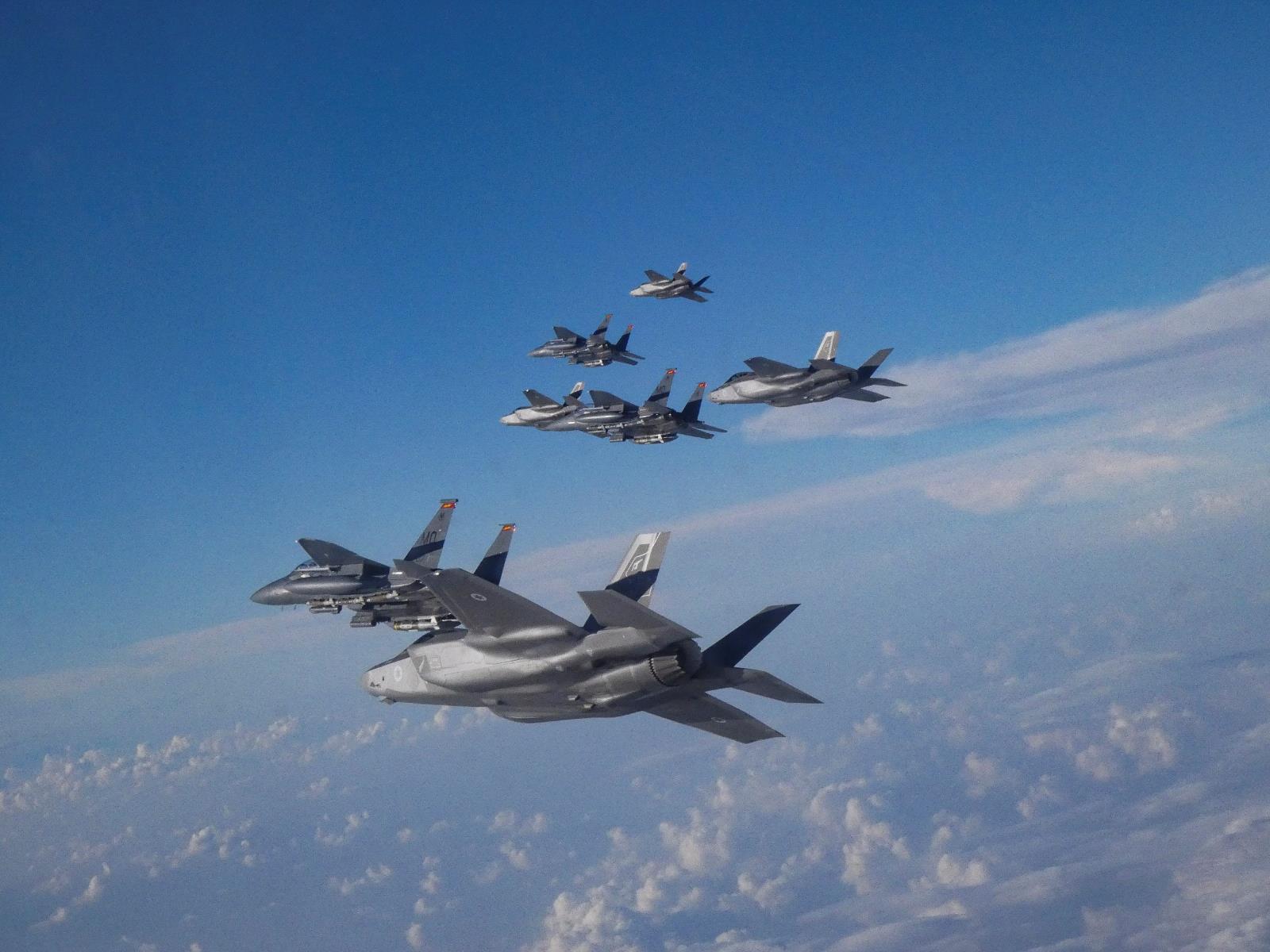
Another critical factor analysts are closely monitoring is the condition of Iran’s missile-launch infrastructure and command systems. Although Iran possesses a large missile arsenal, sustained air strikes by the United States and Israel could gradually degrade launch facilities, command centers, and air-defense systems.
If these systems are significantly weakened, Iran’s ability to deploy its weapons effectively may decline over time.
At the same time, Iran’s military doctrine has long relied on asymmetric warfare. Rather than confronting technologically superior forces in conventional battle, Tehran has consistently sought to expand conflicts through proxy networks and regional alliances.
Groups aligned with Iran in Lebanon, Iraq, Syria, and Yemen could become key components of Tehran’s strategy to increase pressure on its adversaries across multiple fronts.
For this reason, the first four days of fighting do not necessarily indicate whether Iran is running short of weapons. Instead, they suggest a country attempting to strike a balance between retaliation, deterrence, and strategic restraint.
The real test will come if the conflict continues for weeks rather than days. At that point, analysts will begin to closely assess whether Iran’s missile capabilities, command infrastructure, and regional alliances can sustain a prolonged confrontation against technologically superior opponents.
1) Can Iran Sustain a Long War Against the United States and Israel?
If the conflict extends from several days into weeks, the central question will shift from symbolic responses to the ability to sustain war over time.
Iran’s real strength may not lie in achieving air superiority but in its ability to absorb pressure and turn the conflict into a costly and prolonged struggle for its adversaries.
Iran may be able to sustain confrontation through three key factors.
First — Strategic depth.
Iran’s geography, population size, and dispersed military infrastructure make it difficult to end the conflict quickly.
Second — Asymmetric warfare.
Iran’s strategy relies on missiles, drones, maritime operations, and cyber activities designed to raise the cost of war and complicate military planning for its adversaries.
Third — Regional networks.
Iran can expand the conflict through proxy forces across the region, creating multiple fronts and forcing its opponents to divide their attention and resources.
However, Iran also faces structural limitations:
- If air-defense systems and command centers are degraded, operational capacity may decline.
- If economic pressure intensifies, domestic stability could weaken.
- If international isolation deepens, sustaining a prolonged war will become increasingly difficult.
In short, Iran may be able to continue the confrontation, but the success of a long war will depend on its ability to maintain command capability, domestic cohesion, and economic resilience.
2) Will China and Russia Remain Silent?
It is unlikely that major powers such as China and Russia will directly intervene in a way that triggers open great-power confrontation. However, it is equally unlikely that they will remain entirely passive.
The most plausible approach is indirect strategic support designed to prevent Iran from collapsing quickly while avoiding direct military confrontation with the United States.
China has strong interests in regional stability, energy security, and global trade routes. As a result, Beijing may contribute through:
- diplomatic pressure in international forums
- economic channels that help ease financial pressure on Iran
- limited intelligence or technological cooperation through indirect means
Russia, meanwhile, may see strategic advantage in a conflict that diverts Western attention. However, Moscow’s support is likely to remain limited in order to avoid triggering direct escalation.
3) Lessons for Small States in a Power-Driven World
For smaller states, this war highlights a harsh reality: survival in the international system cannot rely on moral arguments alone but must be supported by national resilience and strategic thinking.
Three lessons stand out.
1 — Deterrence is essential.
Small states must develop credible defensive capabilities that make aggression costly.
2 — The information battlefield matters.
Control over narratives and information can shape how the world interprets a conflict.
3 — Strategic self-reliance.
Alliances may shift, but internal national strength remains the foundation of security and diplomacy.
Conclusion
At this early stage of the conflict, it is still too soon to draw definitive conclusions about Iran’s retaliatory capability. A war that has lasted only a few days cannot fully reveal the true military strength or strategic endurance of any side.
At the same time, the United States and Israel cannot assume that the conflict will unfold exactly according to their plans. If the war becomes prolonged and costly — militarily, economically, and politically — it could generate domestic pressure and public opposition within their own societies.
Modern history has repeatedly shown that wars that begin with strong confidence can eventually become political burdens if they drag on too long.
For smaller states such as Cambodia, which continues to face persistent border tensions and external pressure, the central question remains:
How can a small state preserve peace without becoming weak?
The answer lies not in military power alone but in a strategic balance between three key pillars:
- credible national defense capability
- national unity and societal resilience
- and strategic diplomacy grounded in international law.
In a world where power, competition, and information increasingly shape global politics, peace cannot be sustained by hope alone.
Peace is the result of strength — guided by wisdom and applied through strategy.