KABUL, Feb 28 (Reuters): Fighting between Pakistan and Afghanistan's Taliban military entered its third day on Saturday, following overnight clashes as the international community expressed increasing concern about the conflict and called for urgent talks.
Pakistan's strikes on Friday hit Taliban military installations and posts, including in Kabul and Kandahar, in one of the deepest Pakistani incursions into its western neighbour in years, officials said.
Islamabad accuses the Taliban of harbouring Tehreek-e-Taliban Pakistan (TTP) militants, who it claims are waging an insurgency inside Pakistan, a charge the Taliban denies.
Pakistan described its actions as a response to cross-border assaults, while Kabul denounced them as a breach of its sovereignty, saying it remained open to dialogue but warned any wider conflict would result in serious consequences.
The fighting has raised the risk of a protracted conflictalong the rugged 2,600-km (1,615-mile) frontier.
Diplomatic efforts gathered pace late on Friday as Afghanistan said its foreign minister, Amir Khan Muttaqi, spoke by telephone with Saudi Arabia's Prince Faisal bin Farhan about reducing tensions and keeping diplomatic channels open.
The European Union called for both sides to de-escalate and engage in dialogue, while the United Nations urged an immediate end to hostilities.
Russia urged both sides to halt the clashes and return to talks, while China said it was deeply concerned and ready to help ease tensions.
The United States supports Pakistan's right to defend itself against attacks by the Taliban, a State Department spokesperson said.
A U.S. official, speaking on condition of anonymity, said Washington did not view Pakistan as the aggressor in the latest escalation and that Islamabad was under pressure to address its security challenges, adding Washington hoped the situation would not escalate further.
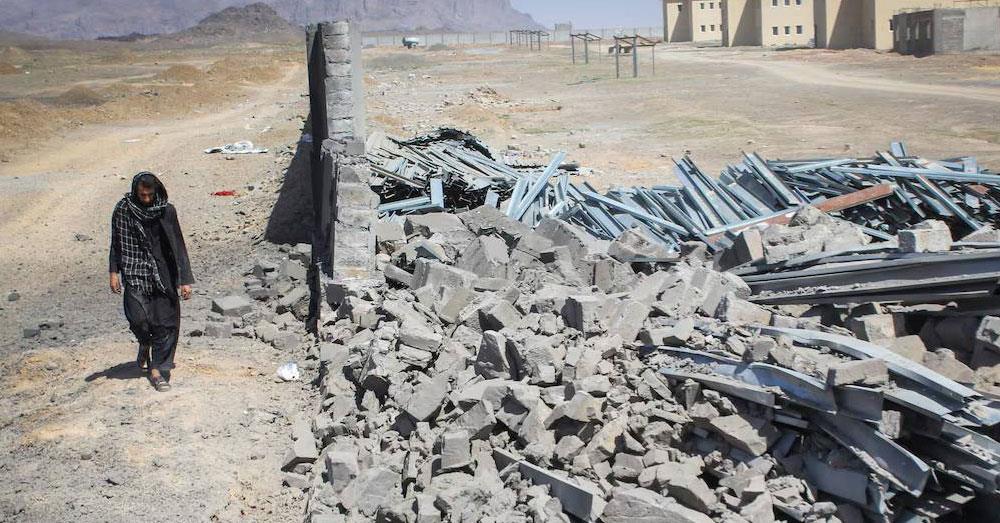
Photo from Reuters
