BEIJING, Jan 14 (Reuters): China on Wednesday reported a strong export run in 2025 with a record surplus of nearly $1.2 trillion, as producers braced for three more years of a Trump administration set on slowing the production powerhouse by shifting U.S. orders to other markets.
Beijing's resilience to renewed tariff tensions since President Donald Trump returned to the White House last January has emboldened Chinese firms to shift their focus to Southeast Asia, Africa and Latin America to offset U.S. duties.
With Beijing looking to exports to counteract a prolonged property slump and sluggish domestic demand, the record-shattering surplus risks further unsettling economies concerned about China's trade practices and overcapacity, as well as their overreliance on key Chinese products.
The manufacturing powerhouse's full-year trade surplus came in at $1.189 trillion - a figure on par with the GDP of a top-20 economy globally like Saudi Arabia - customs data showed on Wednesday, having broken the trillion-dollar ceiling for the first time in November.
"The momentum for global trade growth looks to be insufficient, and the external environment for China's foreign trade development remains severe and complex," Wang Jun, a vice minister at China's customs administration, said at a press briefing on Wednesday.
However, "with more diversified trading partners, (China's) ability to withstand risks has been significantly enhanced," Wang said, adding that "the fundamentals for China's foreign trade remains solid."
Outbound shipments from the world's second-biggest economy grew 6.6% in value terms year-on-year in December, compared with a 5.9% increase in November. Economists polled by Reuters had expected a 3.0% increase.
Imports were up 5.7%, after a 1.9% bump the month earlier and also beat a forecast for a 0.9% uptick. "Strong export growth helps to mitigate the weak domestic demand," said Zhiwei Zhang, chief economist at Pinpoint Asset Management.
"Combined with the booming stock market and stable U.S.-China relations, the government is likely to keep the macro policy stance unchanged at least in Q1."
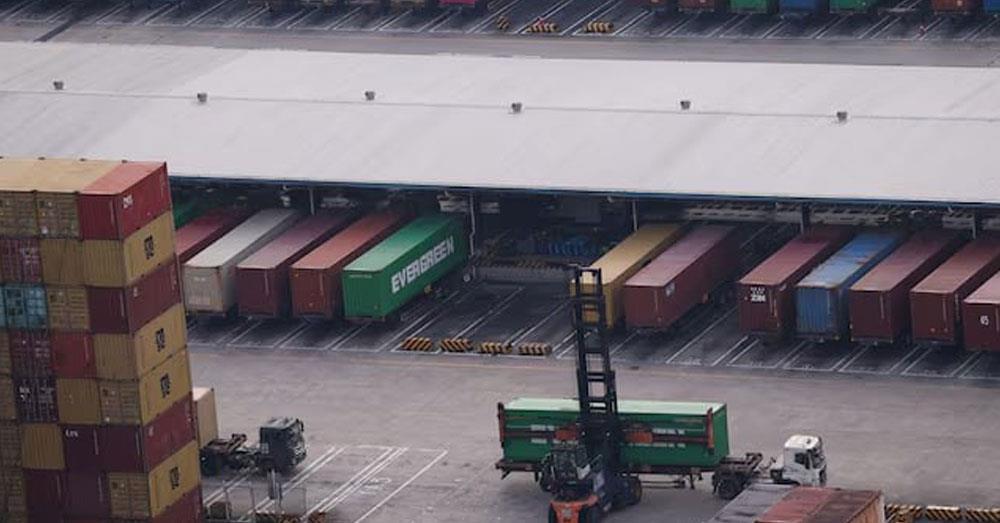
Photo from Reuters
