WASHINGTON, Jan 13 (Reuters): Finance ministers from the G7 and other major economies met in Washington on Monday to discuss ways to reduce dependence on rare earths from China, including setting a price floor and new partnerships to build up alternative supplies, ministers said.
The meeting, convened by U.S. Treasury Secretary Scott Bessent, included finance ministers from G7 members Japan, Britain, France, Germany, Italy, Canada and the U.S. as well as officials from Australia, Mexico, South Korea and India.
U.S. Trade Representative Jamieson Greer and representatives from the U.S. Export-Import Bank and JP Morgan also attended, but no joint statement was issued by the meeting's participants.
The Treasury said in a statement that Bessent sought "to discuss solutions to secure and diversify supply chains for critical minerals, especially rare earth elements," and expressed optimism that countries would pursue "prudent de-risking over decoupling" from China.
A U.S. official said on Sunday that Bessent was going to urge participants to step up efforts to reduce reliance on critical minerals from China, which has imposed strict export controls on rare earths, most recently on supplies to Japan.
Japanese Finance Minister Satsuki Katayama told reporters on Monday evening that there was "broad agreement on the need to swiftly reduce reliance on China for rare earths."
She said she outlined short-, medium- and long-term policy approaches for G7 and like-minded countries to bolster non-Chinese rare earth supplies.
"These include creating markets based on standards such as respect for labor conditions and human rights, as well as deploying a range of policy tools - support from public financial institutions, tax and financial incentives, trade and tariff measures, quarantine measures and minimum price setting," Katayama said. "I stressed the importance of committing to these measures."
A spokesperson for China's embassy in Washington could not be immediately reached for comment.
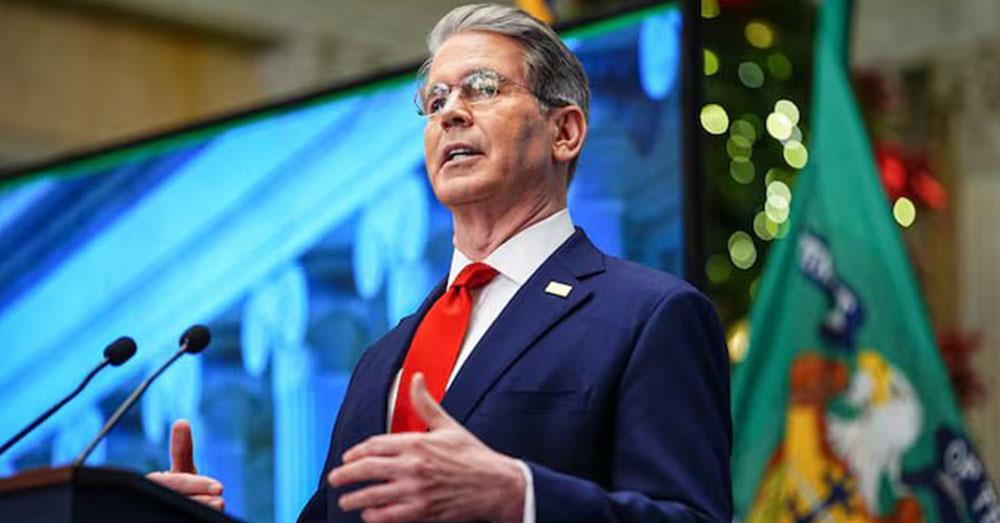
Photo from Reuters
