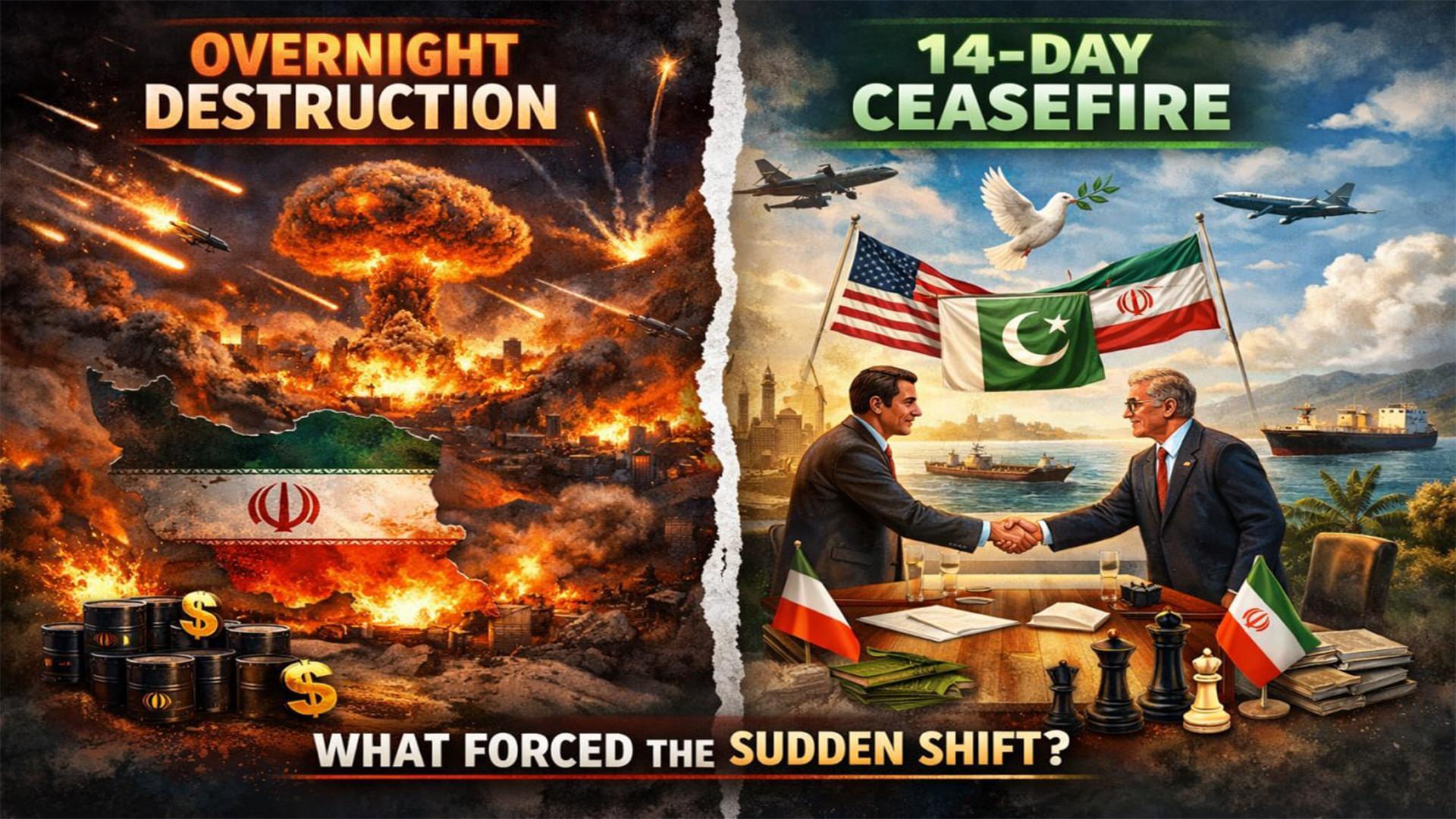
(Phnom Penh): Within just a few hours, the world witnessed a striking strategic reversal: from threats of “destroying Iran overnight” to an agreement on a 14-day ceasefire.
A critical question immediately arises—what lies behind this sudden shift?
The 14-day ceasefire does not signify peace. Rather, it represents a pivotal moment in the conflict—one in which military power, energy leverage, and political pressure intersect to shape the war’s next phase.
The Strait of Hormuz: The Key to the Ceasefire
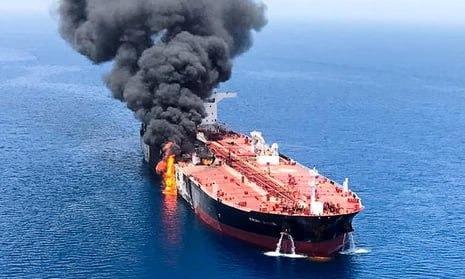
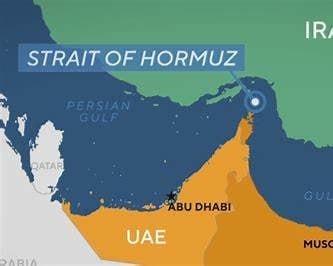
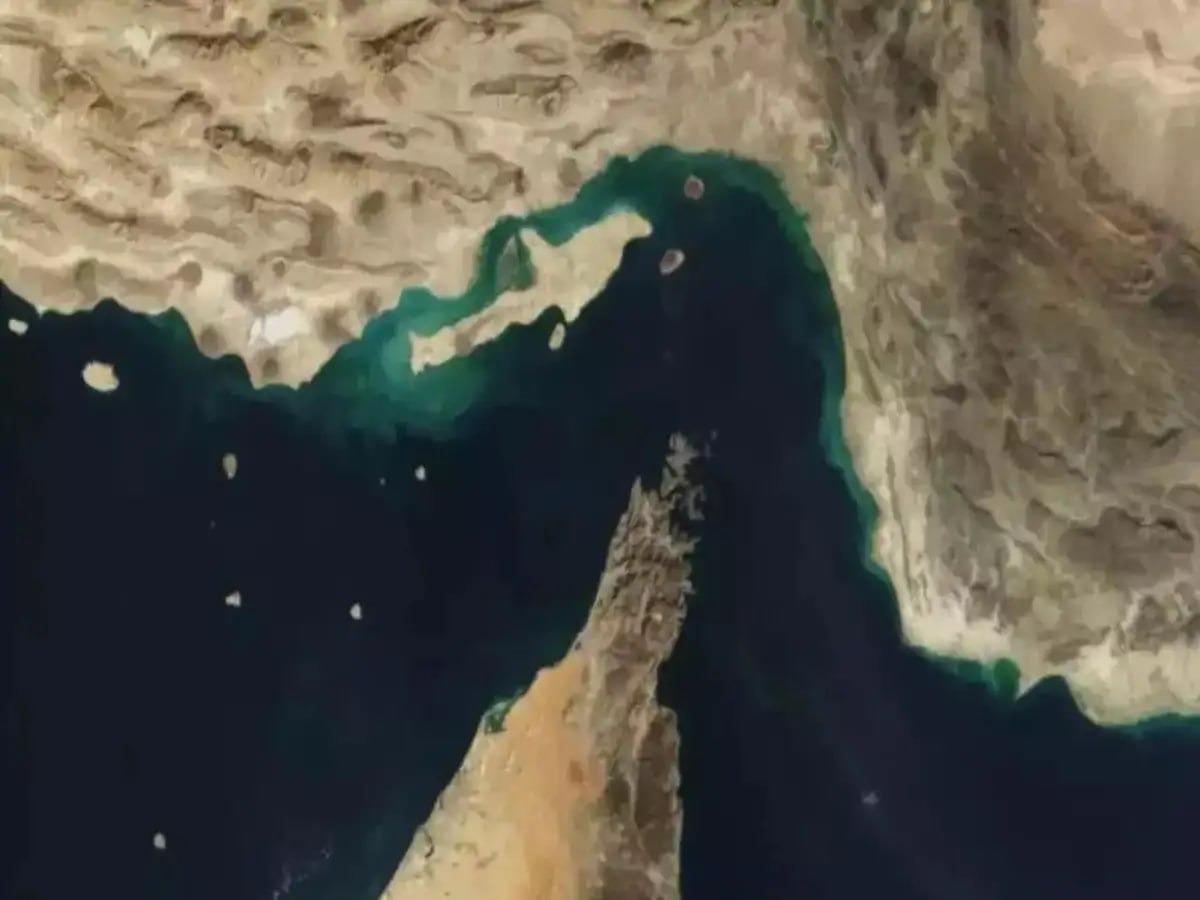
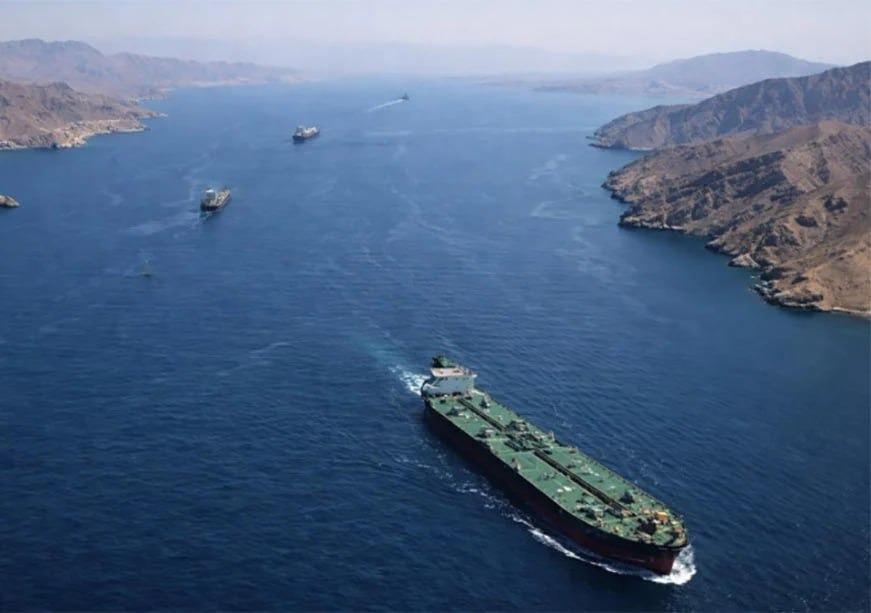
The ceasefire would not have been possible without an agreement to reopen the Strait of Hormuz, a vital global energy artery through which approximately 20% of the world’s oil supply passes daily.
During the conflict, Iran leveraged the strait as an “economic weapon,” placing pressure on the United States, while Washington responded with strong warnings of large-scale military action if the waterway remained closed.
Thus, Iran’s commitment to reopening Hormuz—under coordination with its armed forces—became a decisive factor in reaching the two-week ceasefire.
US President Donald Trump stated on social media that the suspension of military strikes was contingent upon Iran reopening the strait “completely, immediately, and safely,” following discussions with Pakistani Prime Minister Shehbaz Sharif and Army Chief Asim Munir.
At the same time, direct talks between US and Iranian officials are reportedly set to take place on April 10 in Islamabad—potentially a decisive moment that could determine whether this pause leads to peace or renewed confrontation.
Military Reality on the Battlefield
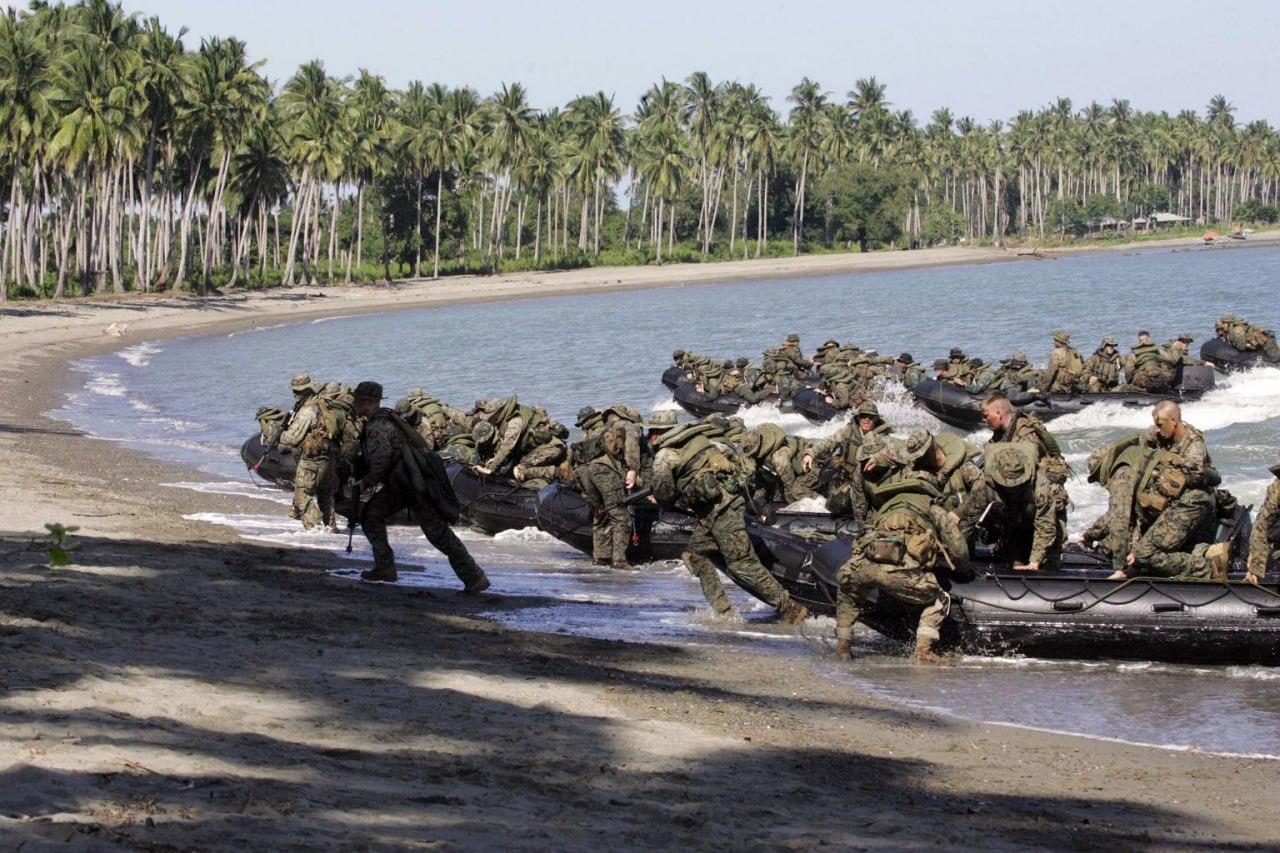
Despite the superior military capabilities of the United States and Israel, the notion of “overnight destruction” is far more complex in practice.
Iran is not a conventional target. It possesses:
- layered air defense systems and retaliatory capabilities
- an extensive network of regional proxy forces
- asymmetric warfare strategies capable of prolonging conflict and raising costs for its adversaries
The war has already demonstrated that even large-scale strikes on thousands of targets do not guarantee a quick victory. Instead, they risk triggering broader regional escalation.
The 14-day pause therefore reflects a recognition that this conflict cannot be resolved through military means alone—it requires diplomacy.
A Strategy to Reduce Pressure
The shift in strategy by President Donald Trump cannot be fully understood without considering mounting political and economic pressures.
Domestically, rising oil prices have placed strain on households, while concerns about a prolonged war have intensified. Criticism from political figures and the public has also grown louder.
Internationally, key allies have shown reluctance toward large-scale escalation, and countries across the Middle East have warned that a major strike could ignite a wider regional war.
In this context, the ceasefire can be seen as a calculated move to ease pressure while opening space for diplomatic engagement.
A Window for Diplomacy
The 14-day ceasefire has created an opportunity for direct negotiations, reportedly to be held in Islamabad.
Pakistan has emerged as a key mediator, leveraging its strategic ties with both Washington and Tehran to bring the two sides to the negotiating table.
The planned face-to-face talks signal that negotiations are entering a new phase—and could become a decisive moment for the conflict.
Iran’s 10-Point Proposal: Victory or Negotiation Strategy?
As diplomacy begins, Iran has claimed that it has forced the United States to accept, “in principle,” a 10-point framework to end the war—according to statements from its Supreme National Security Council and state media.
The proposal includes:
- guarantees against future attacks
- continued Iranian control over the Strait of Hormuz
- recognition of uranium enrichment rights
- the removal of all primary and secondary sanctions
- cancellation of UN and IAEA measures against Iran
- war reparations
- withdrawal of US forces from the region
- cessation of hostilities across all fronts, including Lebanon
However, there has been no official confirmation from the United States that it has accepted these terms in full.
As such, the proposal may serve both as domestic messaging of “victory” and as a negotiating framework for international diplomacy.
Strategic Trap or Path to Peace?
The central question remains:
Is this ceasefire the beginning of peace—or preparation for a new phase of war?
Two key scenarios emerge:
Scenario A: Path to Peace
- successful negotiations
- gradual de-escalation
- a long-term agreement
Scenario B: Strategic Trap
- a pause to regroup and rearm
- increased military and economic pressure
- escalation at a higher level
The 14-day ceasefire is therefore not an endpoint—but a critical decision point that will shape the conflict’s future.
In modern warfare, a ceasefire does not necessarily mean peace. It can also be part of a broader strategic design.
Conclusion
The 14-day ceasefire does not mark the end of the war—it marks a strategic shift: from military force to diplomatic maneuvering.
The final question remains:
Will these 14 days lead the Middle East toward peace—or toward an even larger and more dangerous conflict?