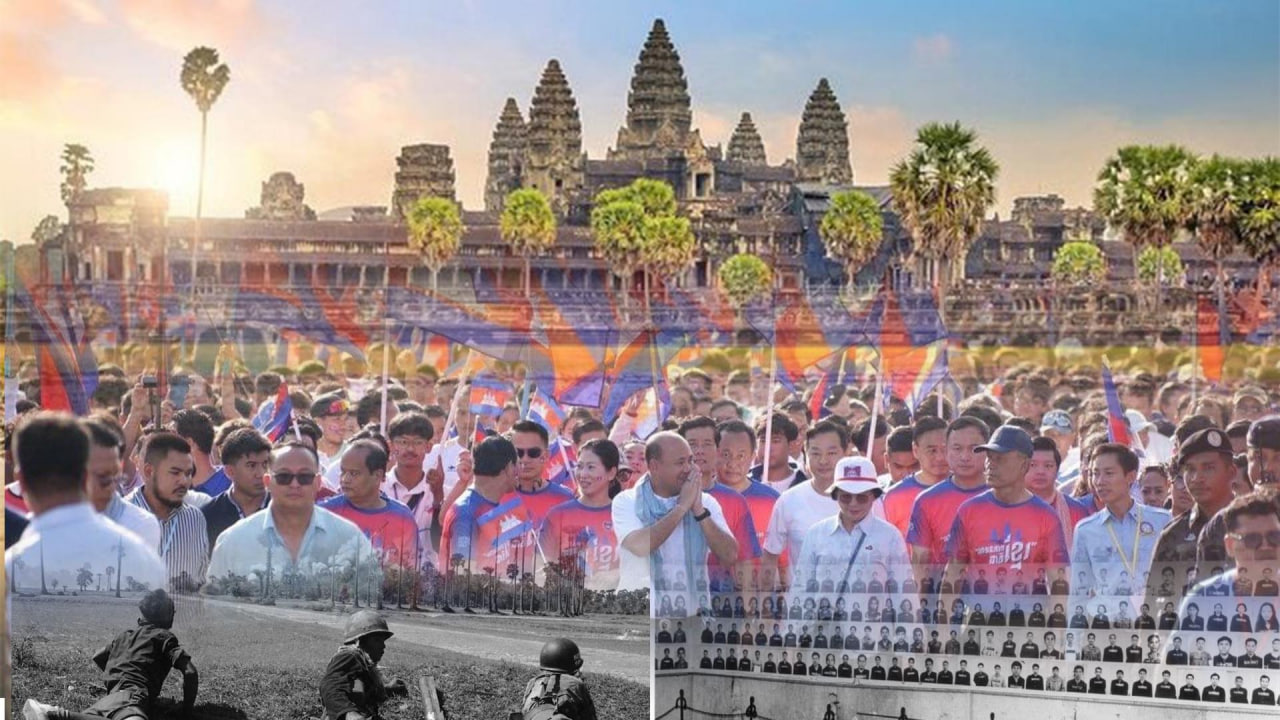
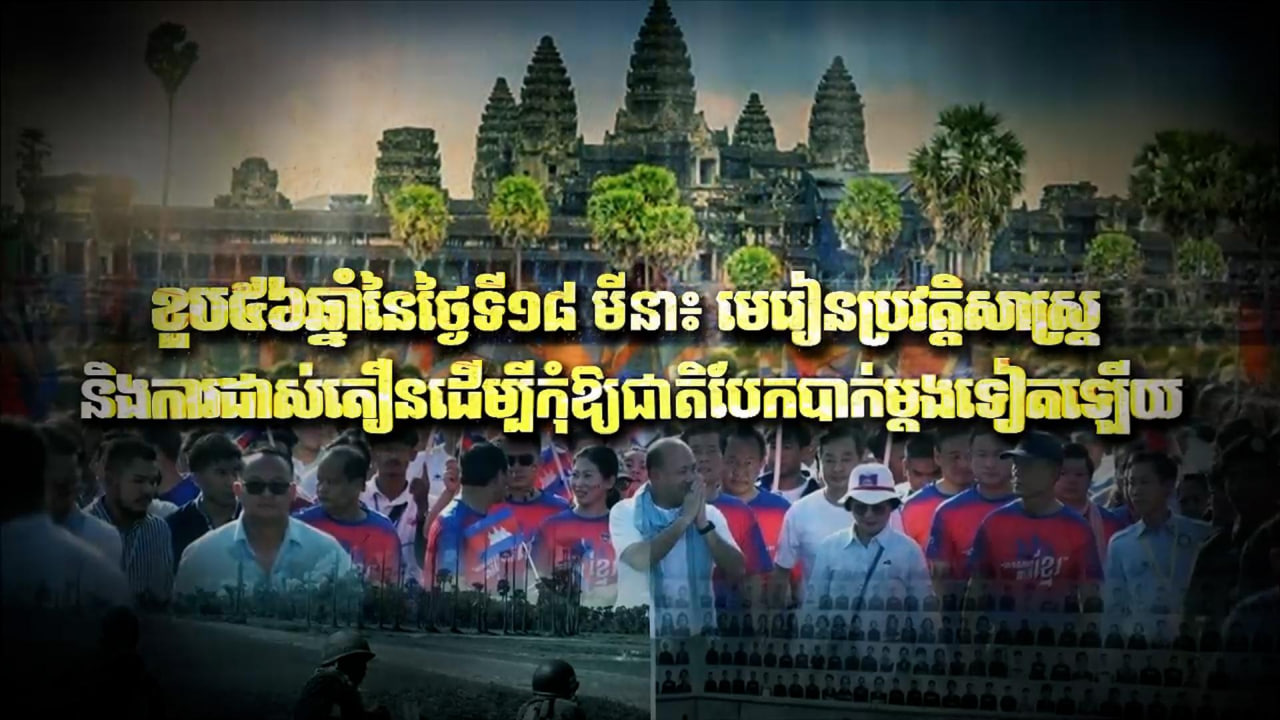
(Phnom Penh): Some chapters of history are not merely records of the past; they are warnings for the future. In Cambodian history, there is one date the nation can never forget—a date that became a nightmare and altered the country’s entire trajectory. That date is March 18, 1970.
That day was not simply an ordinary transfer of political power. It marked the beginning of a long and painful period of war, civil conflict, and national crisis that would drag on for years, pushing Cambodia into instability and eventually into one of the gravest tragedies in its history.
Fifty-six years later, Cambodians once again remember that event. But this remembrance is not meant to reignite anger. Rather, it is an opportunity to ask a difficult but necessary question: What lessons have we learned from that bitter chapter—one that once pushed Cambodia into the abyss of civil war?
The greatest lesson of March 18, 1970, lies not only in the political change of power itself. It revealed, with painful clarity, that when a nation falls into division and extremist emotion, it can be driven with alarming ease into war and national catastrophe.
In today’s context, as Cambodia faces border pressures and political incitement from certain extremist groups abroad, the lesson of March 18 carries even deeper meaning for all Cambodians. It is a reminder that the nation must not be dragged into the trap of political incitement designed to destroy national stability.
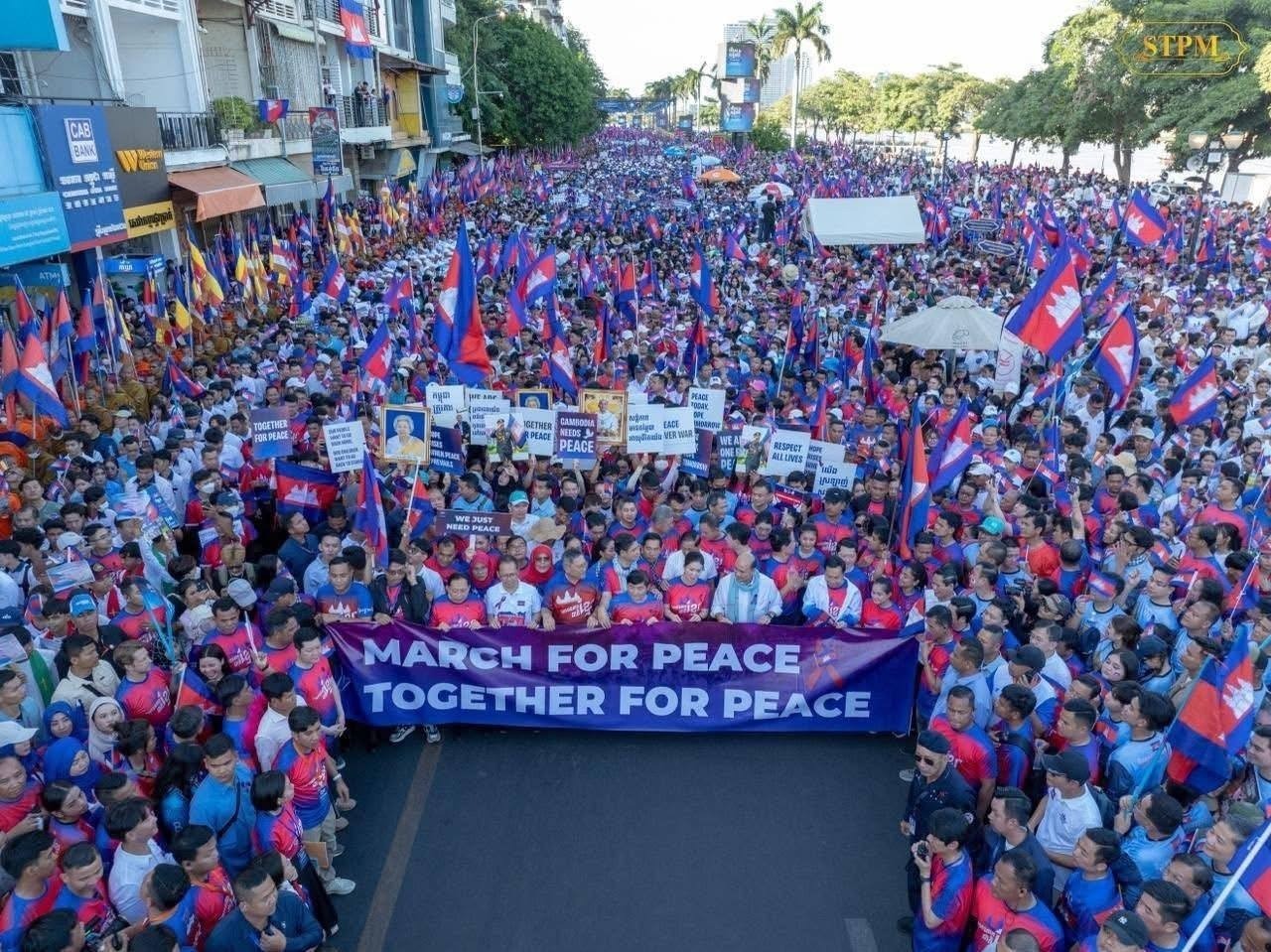
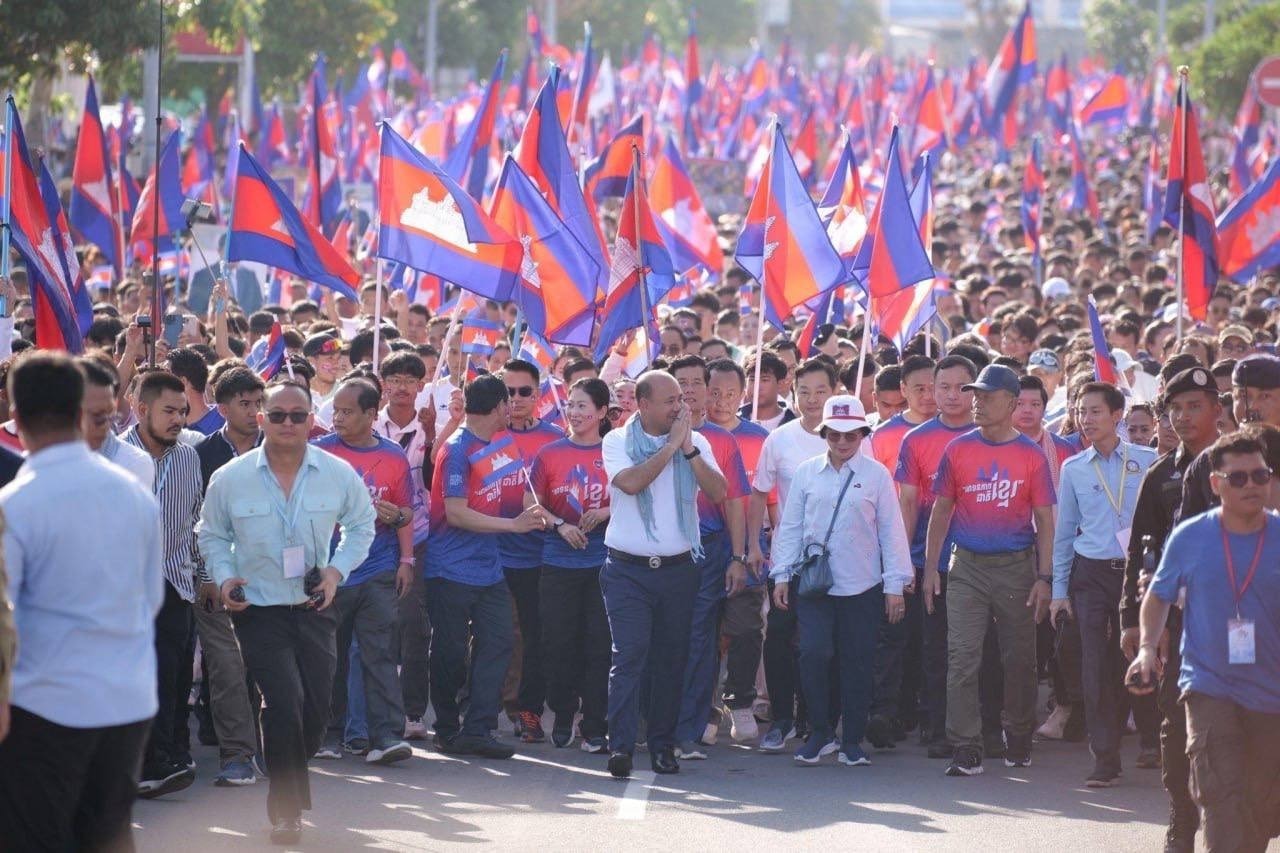
Instead, Cambodians must strengthen national unity and stand together as one to resist extremist sentiment that does nothing to protect the nation, sovereignty, or territorial integrity. Incitement aimed at creating internal division or toppling the government is not a path to defending the country. Rather, it can become a political trap that weakens national strength and opens the door for greater outside pressure.
The 1970 Coup: A Dangerous Turning Point
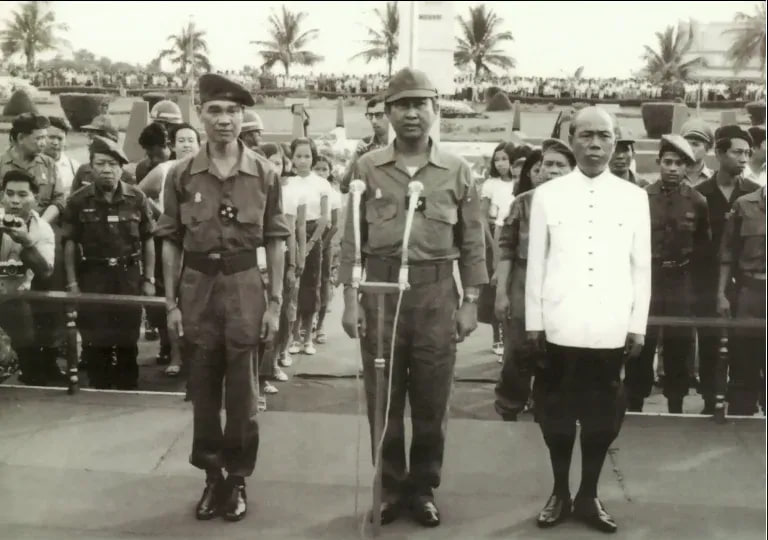
March 18, 1970, became one of the most dangerous turning points in Cambodian political history. On that day, the National Assembly voted to remove Prince Norodom Sihanouk, the Head of State of the Kingdom of Cambodia, while he was abroad. Political power was then transferred to a new regime led by General Lon Nol and his political allies.
Although the change was presented as a constitutional political procedure through a parliamentary vote, it took place in an atmosphere of intense tension. Military forces were deployed around the National Assembly and positioned at key locations in Phnom Penh, at a time when Cambodia was already under the broader pressures of the Cold War and regional and international rivalries.
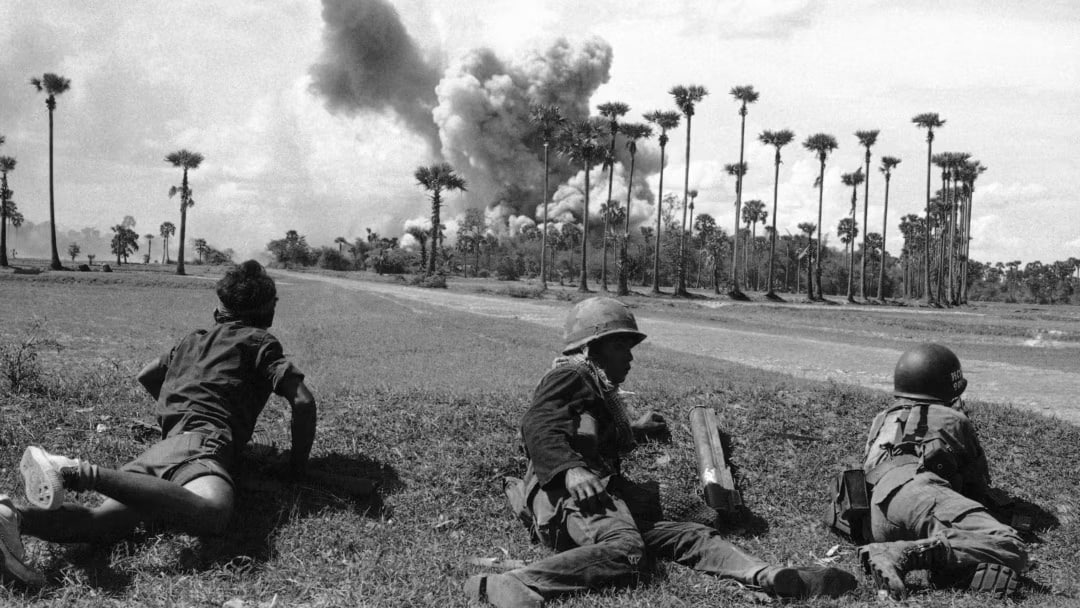
The immediate consequence of that event was the collapse of political stability and the opening of the door to Cambodia’s first major civil war. After the coup, Prince Norodom Sihanouk, speaking from abroad, called on the Cambodian people to rise up against the new regime, a development that plunged the country into severe civil conflict.
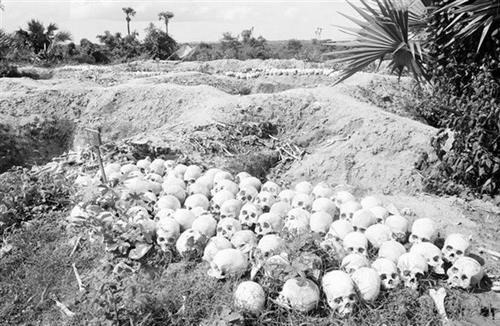
From that point onward, Cambodia entered a prolonged cycle of instability. The civil war dragged on until the fall of the Khmer Republic in 1975, after which the country descended into one of the greatest national catastrophes in its history—a tragedy that led to the deaths of millions and the destruction of the national social fabric.
For that reason, the events of March 18, 1970, should not be understood simply as a political transfer of power. They stand as a major historical warning: when a country falls into deep internal division and intense political confrontation, it can easily be pushed into a cycle of war and national disaster.
In such circumstances, when a nation is weakened from within, it inevitably becomes vulnerable to outside exploitation. Cambodian history has repeatedly shown that neighboring countries—especially Thailand, which has long displayed territorial ambitions toward Khmer land—have often taken advantage of moments of internal Cambodian crisis to pursue those ambitions.
History Shows That Internal Division Creates Opportunities for Aggression
Internal division is one of the greatest dangers any nation can face. When a society loses unity and descends into internal political conflict, it is as if it hands a weapon to outside enemies, allowing them to exploit the situation and undermine the country from within.
Cambodian history has repeatedly demonstrated this pattern: whenever Cambodia became internally weak, or whenever the international order was in turmoil, neighboring powers—especially Siam, or later Thailand—sought to seize opportunities to advance territorial ambitions. This pattern can be seen clearly in at least five major historical phases.
Phase One: 1794 – The Seizure of Battambang and Siem Reap
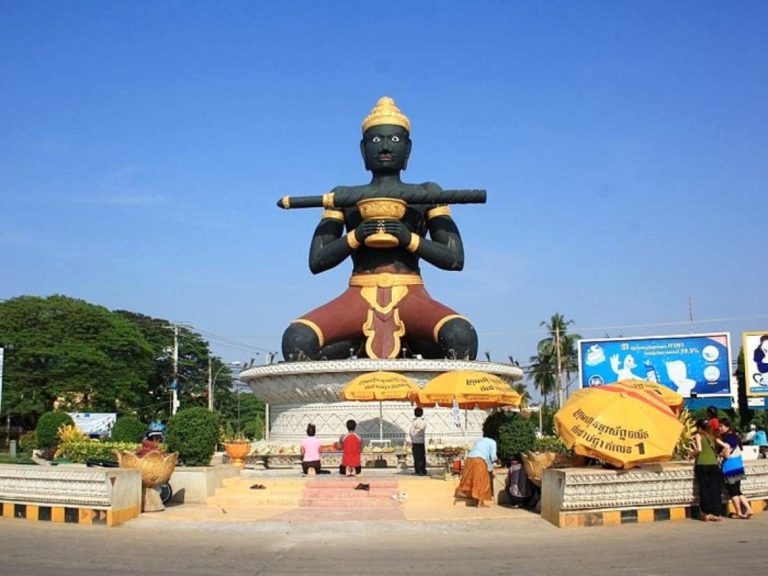
At the end of the eighteenth century, when Cambodian power was in decline, Siam seized Battambang and Siem Reap, including the Angkor region, the cultural heart of Khmer civilization. That occupation lasted for more than a century and stands as a clear example of how internal weakness invited external encroachment.
Phase Two: 1904–1907 – The Franco-Siamese Treaties and the Annex I Map
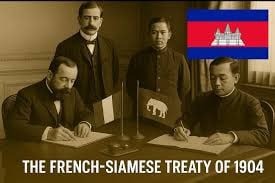
During the French colonial era, in order to establish a clear boundary, Siam was compelled to sign the treaties of 1904 and 1907, which resulted in the return of Battambang, Siem Reap, and related territories to Cambodia. From these treaties emerged the Annex I Map, which clearly identified Preah Vihear Temple as lying within Cambodian sovereign territory.
Phase Three: 1941–1946 – The Tokyo Convention and the Return of Territory
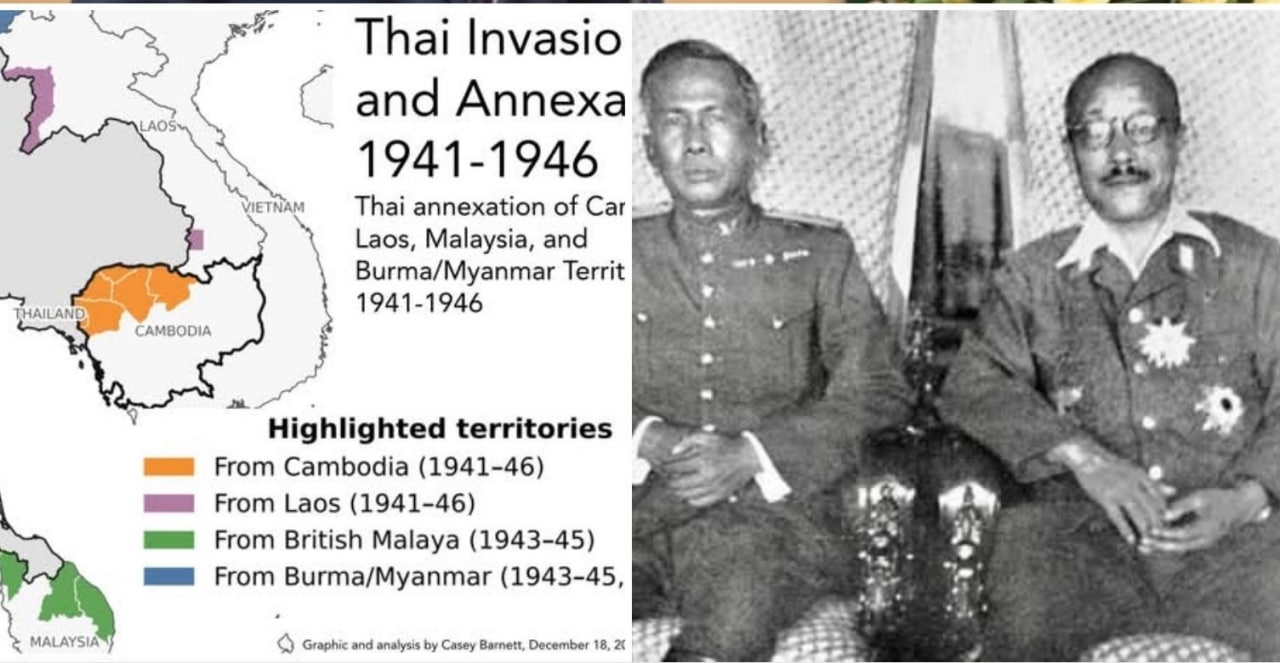
During the Second World War, when Japan held great influence in the region, Thailand seized the opportunity to pressure France into signing the Tokyo Convention of 1941, under which Battambang and Siem Reap were transferred back to Thailand. However, after the war ended, international pressure forced Thailand in 1946 to sign an agreement returning those territories to Cambodia.
Phase Four: 1954–1962 – The Preah Vihear Case
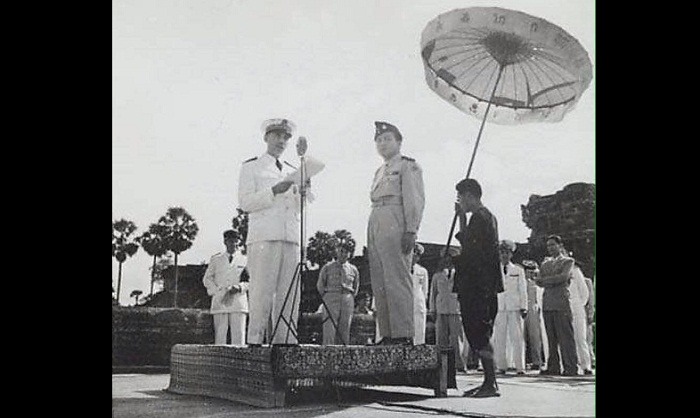
After Cambodia gained independence from France in 1953, and while the country remained institutionally fragile, Thailand moved troops into Preah Vihear Temple in 1954 after the French withdrawal. Cambodia responded by taking the case to the International Court of Justice, which ruled in 1962 that the temple lay within Cambodian sovereignty.
Phase Five: 2008–2013 – The Preah Vihear Conflict and the ICJ Interpretation
In 2008, while Cambodia was still in the process of post-war reconstruction, Thailand reignited conflict around the area of Preah Vihear. Cambodia again brought the matter before the International Court of Justice, which in 2013 clarified its 1962 judgment by affirming that the area surrounding the temple also fell under Cambodian sovereignty.
These historical episodes offer a clear lesson: what is taken by force, or through opportunistic exploitation of another country’s internal weakness, cannot be held forever in the face of international law and justice.
Lessons for the Present Context
At a time when Cambodia faces border tensions and political pressure from abroad, incitement toward internal rebellion or attempts to overthrow state authority cannot be considered a means of defending the nation. On the contrary, such actions create exactly the situation that outside adversaries most want to see: a country divided and weakened from within.
History has already shown that when a nation loses unity and falls into internal political confrontation, its capacity for national defense is also undermined. In such conditions, external enemies do not need to rely solely on military force, because internal division itself becomes the most effective weapon for weakening a country.
This is precisely the lesson Cambodia’s history laid bare in 1970. When the country descended into political fragmentation and bitter confrontation, it was pushed into a prolonged cycle of war and national tragedy.
Therefore, in the present context—when Cambodia is facing border pressure and political incitement from certain extremist groups—strengthening national unity is one of the most essential pillars of national security. Internal division does not merely destroy political stability; it also makes it easier for outside territorial ambitions to exploit the situation.
For this reason, genuine national defense does not mean inciting internal uprising. It means safeguarding stability, preserving unity, and reinforcing national strength so that Cambodia can confront external pressures with resilience and confidence.
Conclusion
The 56th anniversary of March 18 should serve as an important day of remembrance for the Cambodian people—a reminder that history is not only a record of the past, but also one of the greatest lessons for the future.
The events of 1970 made one truth unmistakably clear: when a society falls into division and internal political confrontation, it can be pushed with frightening ease into war and national catastrophe. Cambodian history has also shown that internal fragmentation does not merely destroy political stability; it creates opportunities for outside forces to exploit the situation for their own ambitions.
At the same time, Cambodia’s border history also teaches another clear lesson: even when territory has been seized by force, or through opportunism during periods of Cambodian weakness, international justice and the struggle through law and diplomacy can, in the end, restore justice.
That is why the greatest lesson of March 18 is simple, yet profoundly important for the Khmer nation: Cambodia must never experience a second March 18. Internal division is not a path to national defense; it is a trap that can destroy national strength and open the door to greater external pressure.
Therefore, peace, national unity, and the defense of sovereignty through the principles of international law remain the only path capable of ensuring the country’s future security and stability.
History has already given its lesson. The duty of this generation of Cambodians is to ensure that lesson does not become a mistake repeated once again.