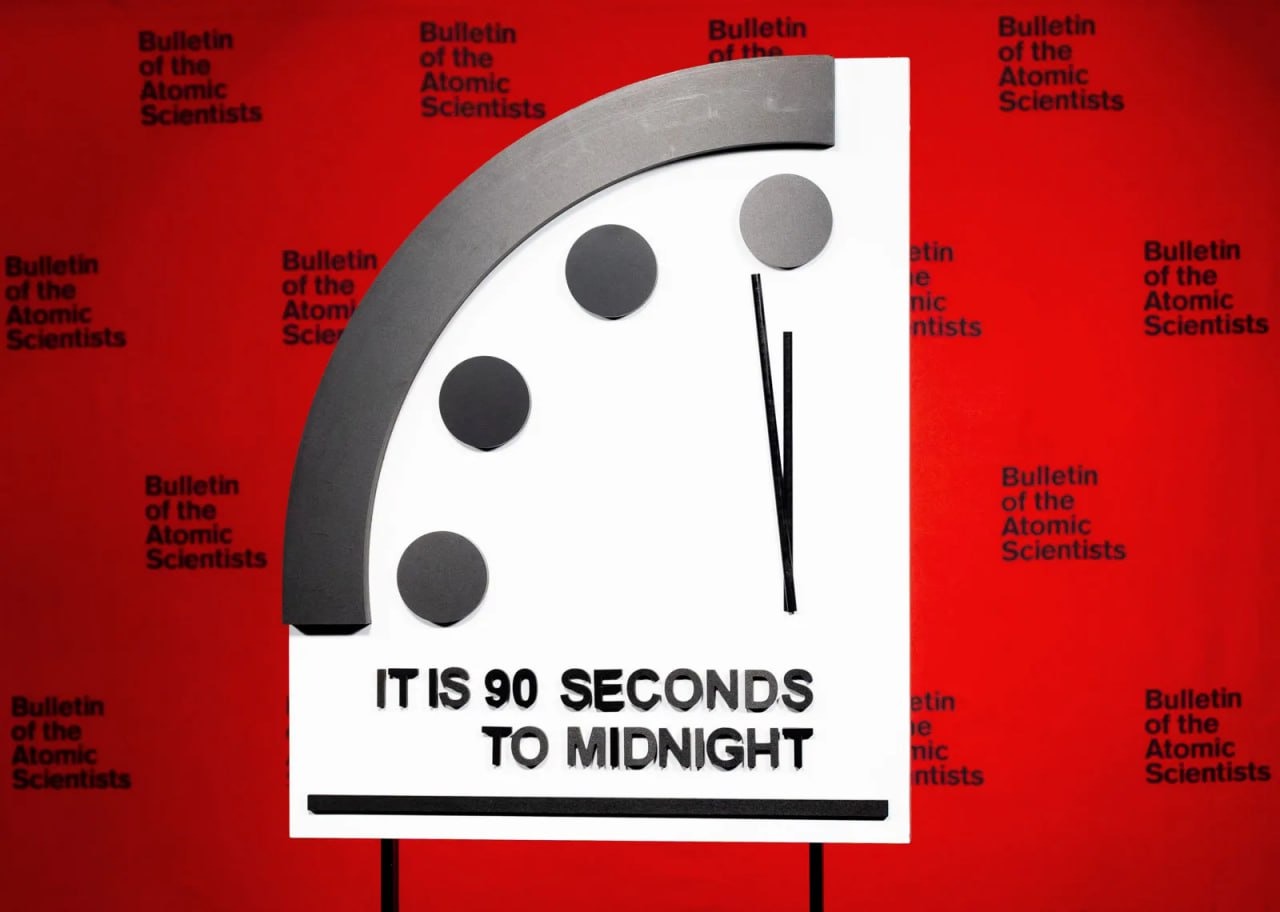
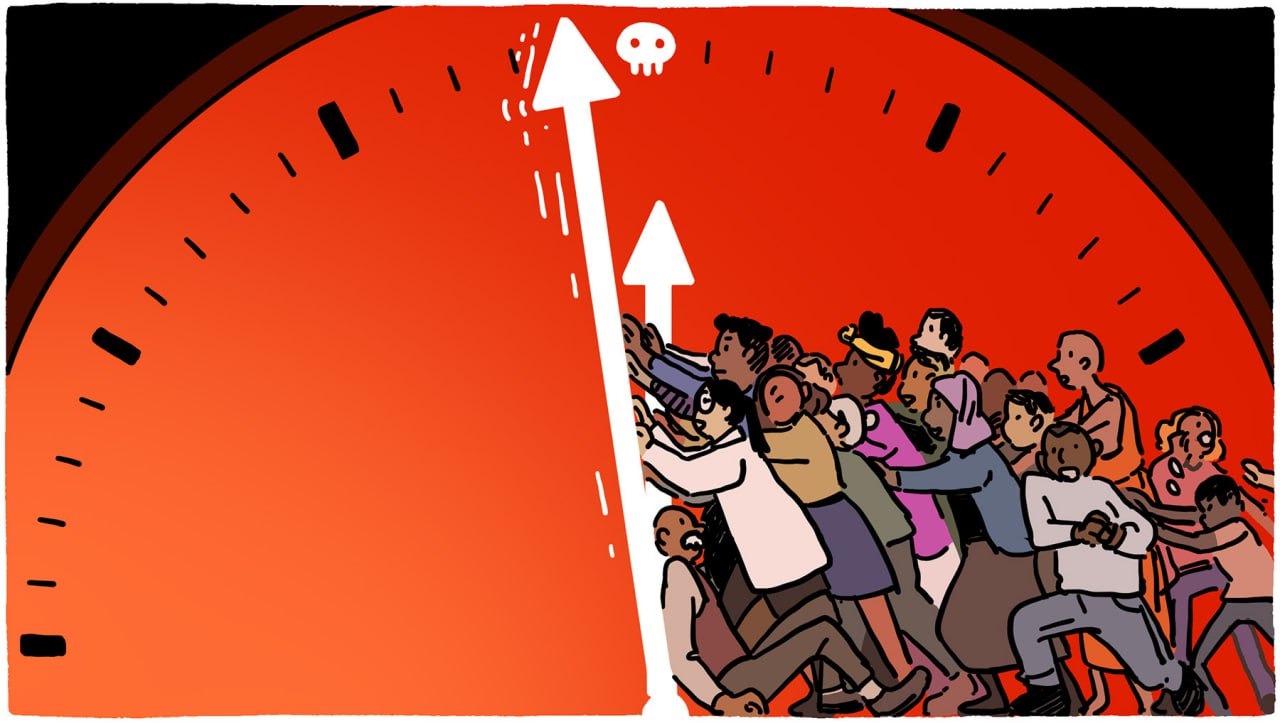
(Phnom Penh): In the past, some people said they were waiting for a sign from the Doomsday Clock to know whether the world was moving forward, stepping back, or counting down toward the planet’s final second. But by 2026, waiting for that symbolic “world clock” is no longer necessary. In an age of technology—where economic data is released every month, global risk reports are published every year, and political and social signals erupt online every day—the world is already “warning us in advance.” The only question that remains is whether anyone is willing to listen—or chooses not to.
This Fresh Exclusive report argues that even without the Doomsday Clock, we can still anticipate the direction of the world in 2026. This is not fortune-telling or predicting the exact dates of events. It is an analysis grounded in trends and scenarios that increasingly show a world entering a new phase of competition—an era defined by great-power rivalry, a fragile economic recovery, social fragmentation driven by disinformation, and intensifying climate pressure.
2026: An “Age of Competition,” Not an Age of Peace
If we had to summarize 2026 in a single phrase, it would be a year of “competition and confrontation.” Global risk assessments are describing with growing clarity a world moving deeper into an era of rivalry, as states become locked in contests for power, technology, security, and economic influence.
The most urgent dangers are no longer defined by nuclear weapons alone. Short-term risks today increasingly include geo-economic confrontation, misinformation and disinformation, and deepening social polarization—factors that make crisis management far more difficult than in the past.
The key message for 2026 is this: it may not erupt into a world war—but it could become a year in which competition steadily erodes stability, and where even a small miscalculation has the potential to trigger a major crisis.
The Economy: Slow Growth Under Heavy Pressure
The global economic outlook for 2026 does not suggest collapse, nor does it promise strong expansion. Instead, it points to resilience under sustained strain.
Global growth is expected to continue at a moderate pace, but ongoing trade tensions, policy uncertainty, and rising economic nationalism are constraining recovery. What matters more than the growth numbers themselves is the political environment surrounding the global economy.
In this context, economic fragility is not merely a financial issue. It is increasingly becoming a political and social vulnerability that can undermine long-term stability.
- The World Bank forecasts global growth of around 2.6% in 2026 (following 2025), suggesting resilience but continued exposure to economic tensions and policy uncertainty.
- The IMF (WEO) indicates global growth in 2026 could be around 3.1%, based on official estimates and published data.
The central risk is not only the growth rate, but the political conditions making global economic governance harder—especially rising economic nationalism and declining trust in international institutions. Warnings from the Bank of England echo this concern: the rise of populism is making global economic management more complex and more difficult.
Global Trade: Supply Chains Are Being “Rebuilt”
In 2026, the world is not only trading goods—it is trading standards, rules, and trust.
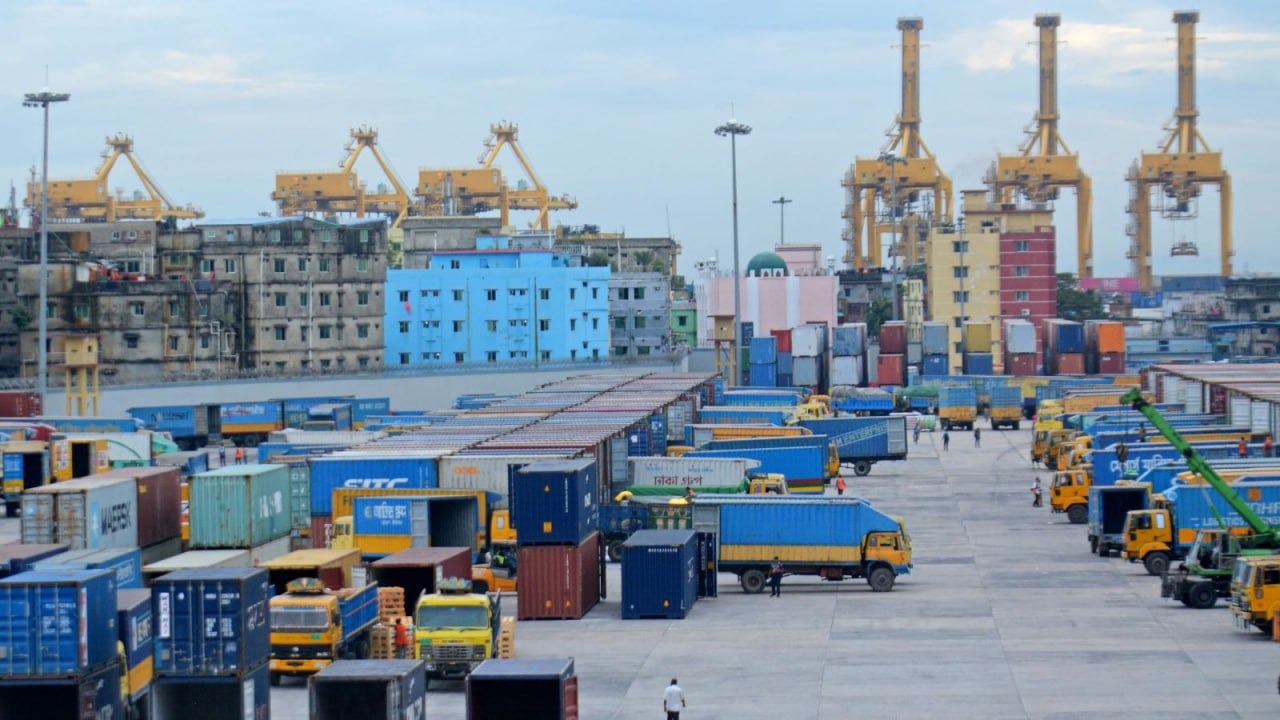
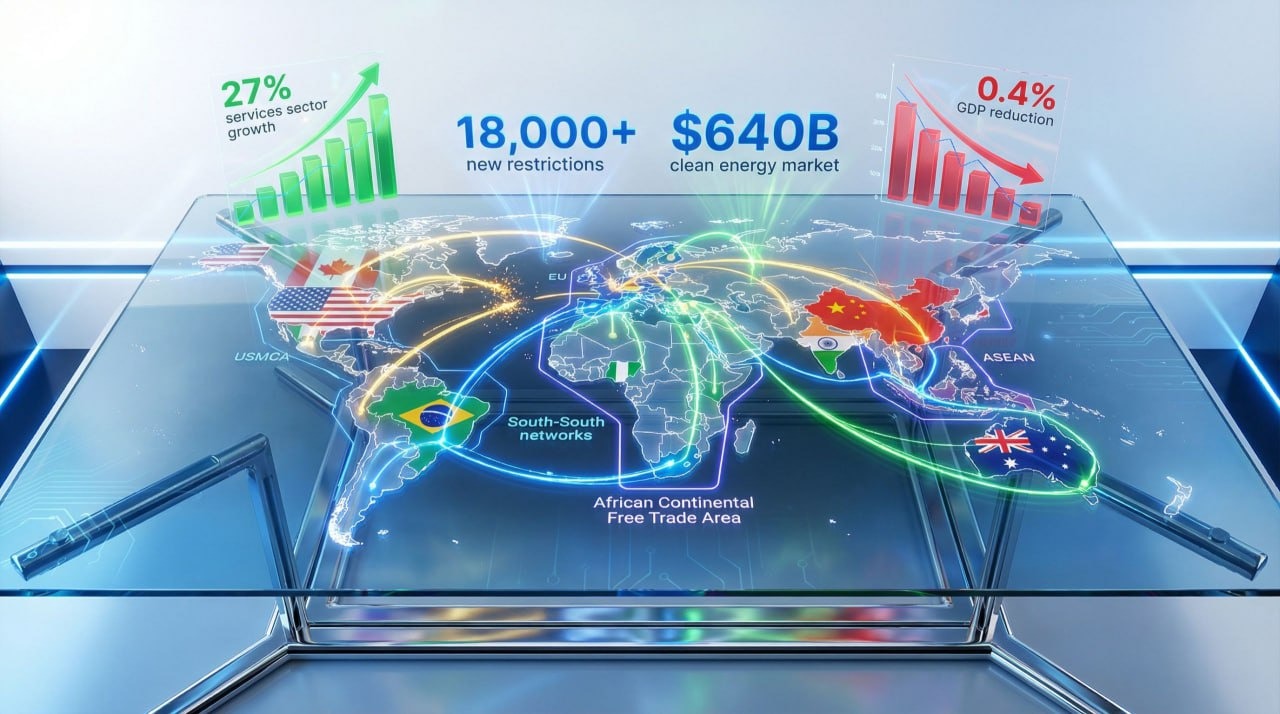
According to the United Nations Conference on Trade and Development (UNCTAD), global trade is entering 2026 under intense pressure from geopolitical fragmentation, the restructuring of supply chains, accelerating digital transformation, and tightening green regulations—all of which are reshaping global commerce.
For developing countries, this environment means opportunity and risk arrive together:
- Opportunity means attracting new investment—if countries can meet international standards and build a competitive, credible business environment.
- Risk means exposure to fragmented markets, rising tariffs, and increasingly restrictive trade barriers for countries that cannot adapt.
Information and Technology: The World Can “Go Off the Rails” Through Words, Not Bullets
The Doomsday Clock traditionally focuses on nuclear catastrophe. Yet in 2026, another threat can spread faster than missiles: disinformation, amplified by AI and social media.
The World Economic Forum (WEF) has treated disinformation as a top short-term risk shaping the 2026 outlook.
In an era of rapidly advancing AI and digital platforms, a dangerous chain reaction can form quietly:
- False information can manipulate public emotion.
- Public emotion can generate political pressure.
- Political pressure can cause crisis management to fail.
The key point is this: even if 2026 is not a year of immediate global war, it may push the world toward a climate of mutual distrust—making any crisis, large or small, easier to ignite and harder to control.
Climate: A Warning Signal That Doesn’t Need a Doomsday Clock
If we want a “Doomsday Clock” for climate, it already exists—in scientific data.
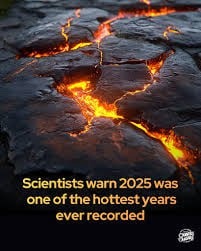
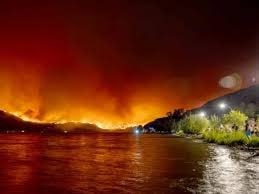
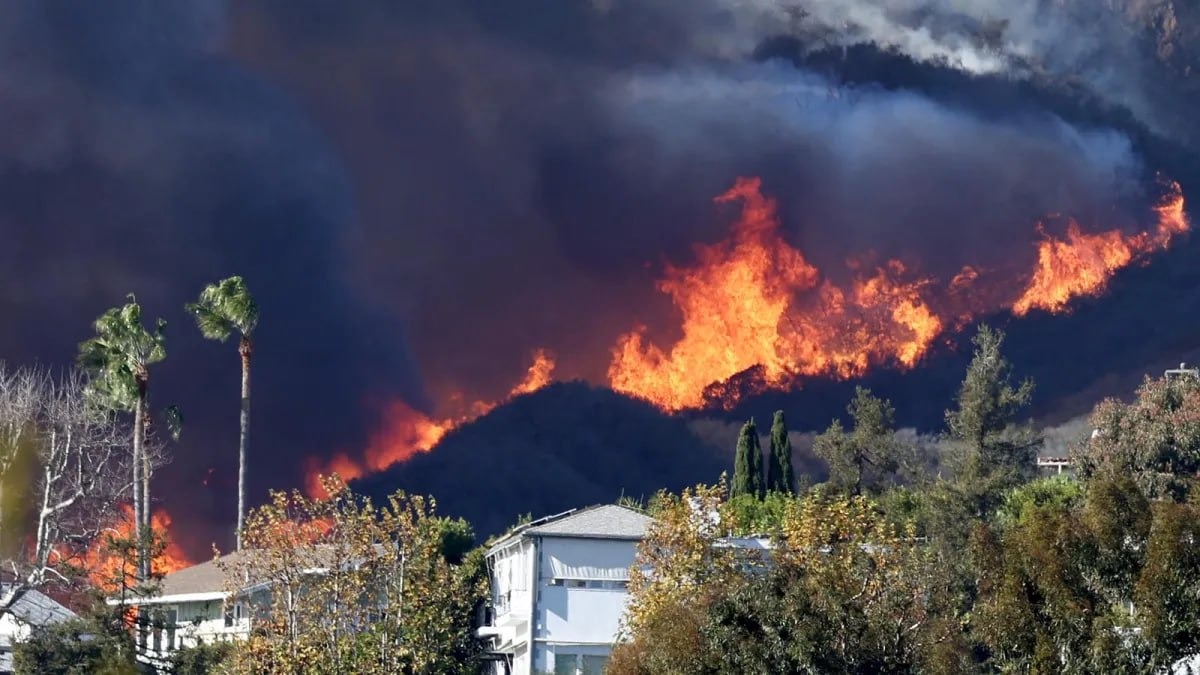
Data from Europe’s Copernicus Earth observation program reports that 2025 was the third-hottest year on record, and that average global temperatures over 2023–2025 exceeded 1.5°C above the pre-industrial level—the first time this threshold has been exceeded across three consecutive years.
This means recent years rank among the hottest ever recorded, with global temperatures pushed beyond critical thresholds. The implications for 2026 are therefore becoming increasingly clear.
Thus, 2026 is not being “predicted” by emotion or general impressions, but by measurable risk trends, including:
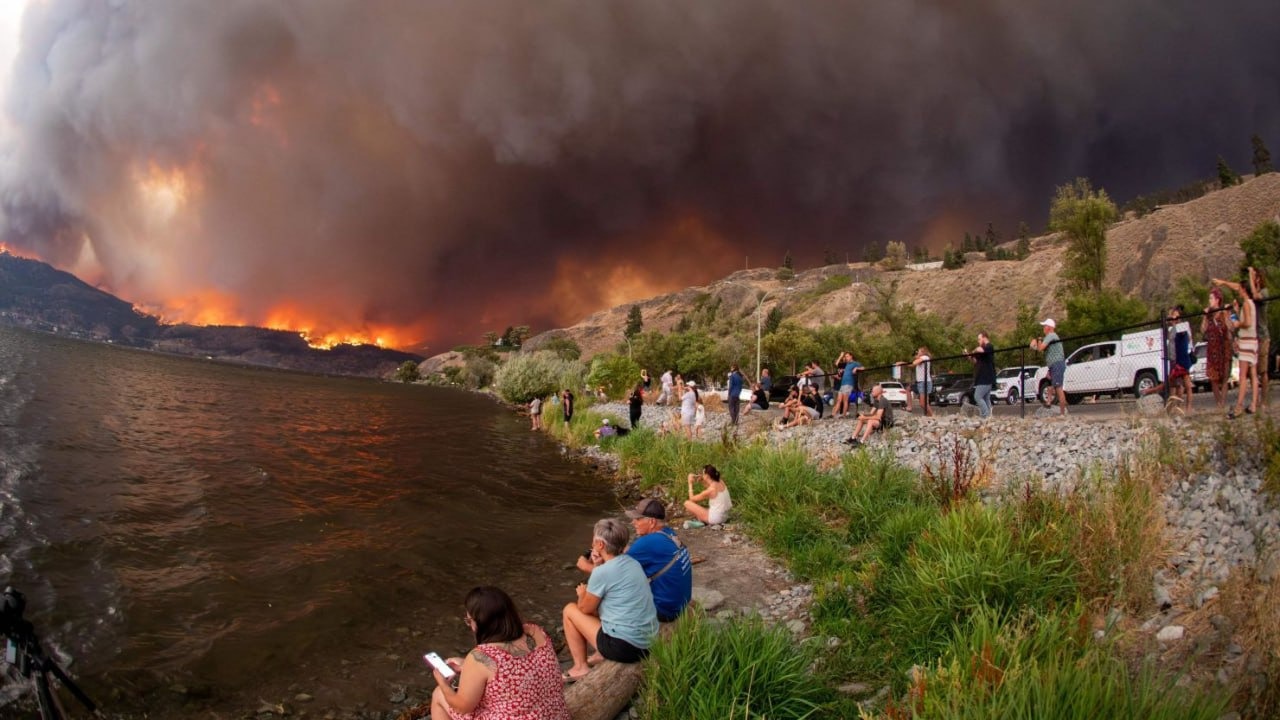
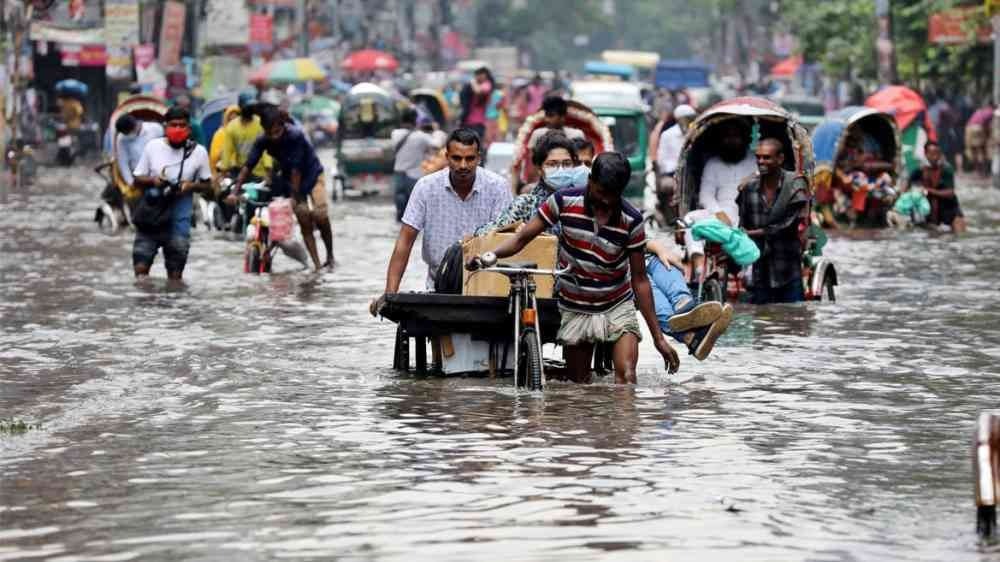
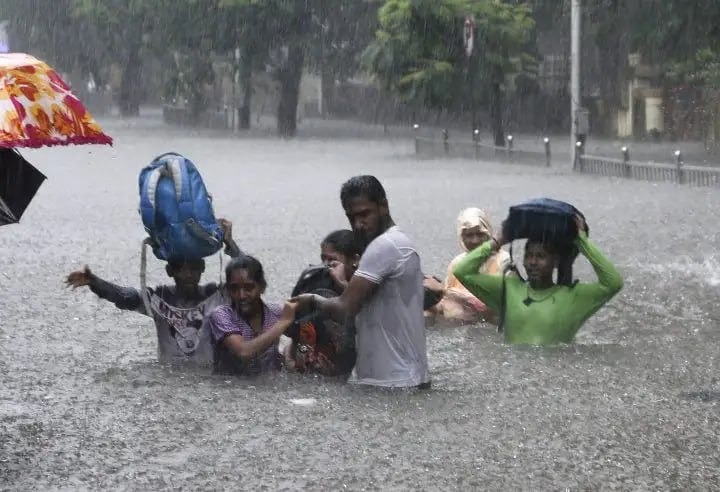
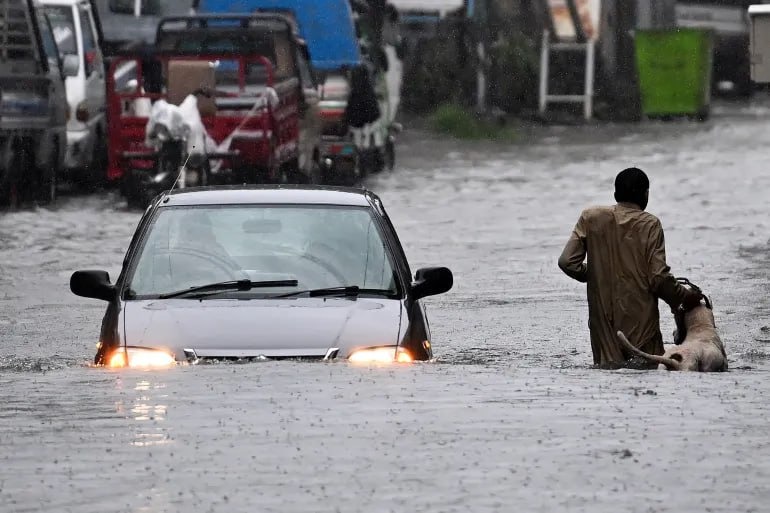
- More frequent and more severe droughts and floods
- Rising pressure on food and energy security
- Population displacement driven by environmental and climate stress
- Social and security crises in certain regions, potentially spreading over time
Conclusion: What Kind of World Awaits in 2026?
In a single sentence:
2026 is not the year the world ends—but it is a year in which the world may live on the edge of crisis, driven by political and economic fragmentation, disinformation, and intensifying climate stress.
That is why—even without the Doomsday Clock—analysts can still see ahead. Not exact dates, but the direction of risk. And if humanity wants to move that direction “back” even by a second, it will not begin with a symbolic clock. It will begin with international cooperation, responsible information governance, and political decisions guided by long-term thinking.
Fresh Exclusive Research: Forecasting 2026: A World on the Brink of Crisis—But Not Yet Crossing the Red Line